



21 Sep TOP 20 INDEPENDENCE DAY MARKETING STATISTICS 2025
When I look at how businesses prepare for the Fourth of July, I can’t help but notice how much the numbers tell us about people’s traditions and spending habits. That’s why I decided to gather these independence day marketing statistics to share with you—they give us an inside look at what shoppers prioritize during one of the most celebrated holidays of the year. As someone who has worked closely with a leading marketing agency in New York, I’ve seen firsthand how brands use these insights to craft campaigns that actually resonate with families planning cookouts, fireworks, and get-togethers. For me, this isn’t just about data; it’s about understanding the rhythms of a holiday that brings people together while showing businesses where the real opportunities lie.
Top 20 Independence Day Marketing Statistics 2025 (Editor’s Choice)
🎆 Independence Day Marketing Statistics 2025 🇺🇸
Top 20 Stats Every Marketer Needs to Know
| # | Category | Statistic |
|---|---|---|
| 1 | 🎉 Celebration | 86% of consumers plan to celebrate the Fourth of July in 2025 |
| 2 | 🛒 Shopping Intent | 95% of celebrators intend to make a purchase |
| 3 | 🛍️ Shopping Behavior | 91% of Americans shopped in preparation for the Fourth of July in 2024 |
| 4 | 💰 Food Spending | $92.44 average spending on food items per consumer in 2025 |
| 5 | 💵 Total Food Market | $8.9 billion total food spending planned by Americans |
| 6 | 🍺 Alcohol Spending | $4+ billion on beer and wine that Americans plan to spend |
| 7 | 💸 Big Spenders | 33% of consumers planned to spend over $100 for the 4th of July in 2024 |
| 8 | 🎇 Fireworks | $2.8 billion estimated spending on fireworks in 2024 |
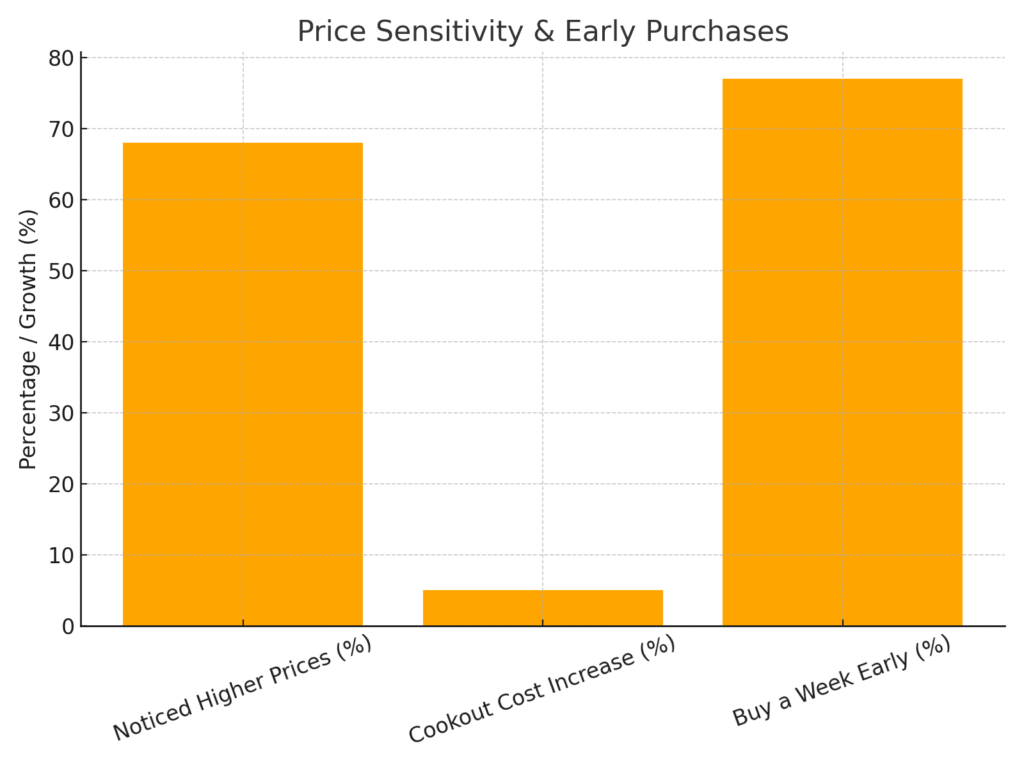
| 9 | ⏰ Planning Ahead | 77% of shoppers plan to shop at least one week in advance in 2025 |
| 10 | 🏪 Grocery Stores | 63% of consumers shop at grocery stores for their July 4th supplies |
| 11 | 🏬 Big-Box Retail | 54% plan to buy from big-box stores like Walmart and Costco |
| 12 | 💻 E-Commerce | Only 14% plan to shop online for Independence Day 2025 |
| 13 | 💳 Spending Range | 57% of shoppers plan to spend between $25 and $100 for the holiday |
| 14 | 🍔 Food Purchases | 83% of Americans celebrating plan to purchase food for July 4th in 2025 |
| 15 | 🔥 BBQ Culture | 65% celebrate with cookouts, barbecues, or picnics as their main activity |
| 16 | ✨ Fireworks Shows | 42% include fireworks in their celebrations |
| 17 | 🌭 Hot Dogs | 150 million hot dogs eaten each 4th of July |
| 18 | 🍻 Beverage Intent | 48% plan to purchase alcoholic beverages |
| 19 | 🍺 Beer Preference | 75% of alcohol buyers choose beer as their top choice |
| 20 | ✈️ Travel Boom | 72.2 million people travel 50+ miles from home, setting a new record |
Top 20 Independence Day Marketing Statistics 2025
Independence Day Marketing Statistics #1: 87% Of Consumers Celebrate
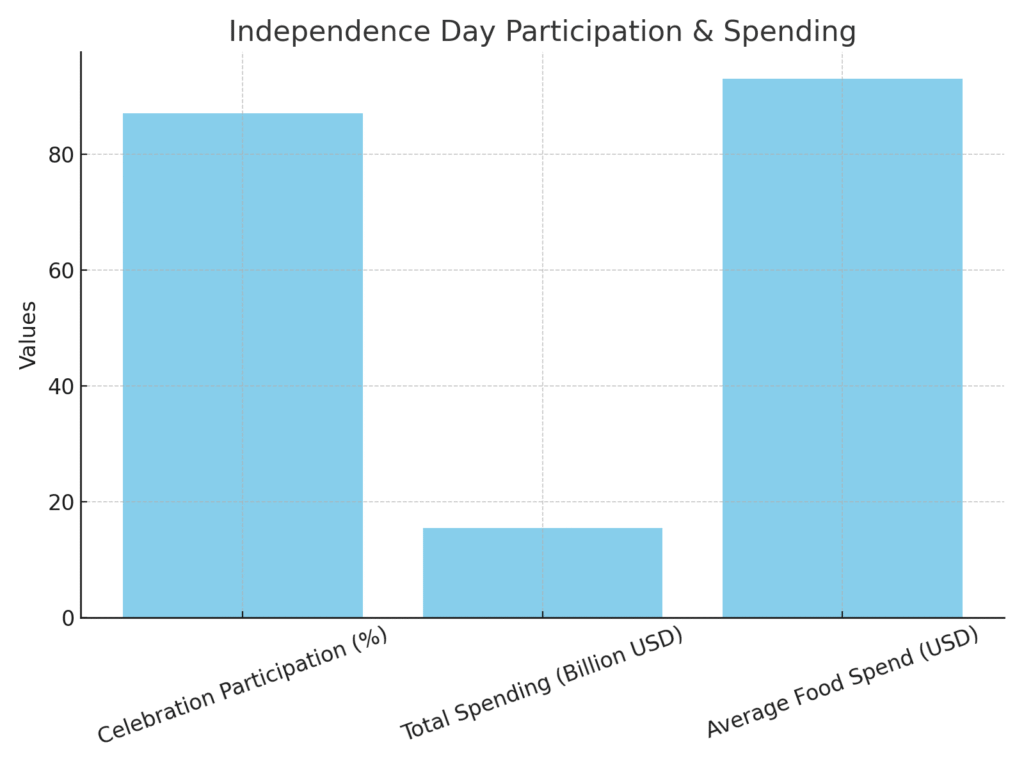
Around 87% of Americans say they plan to celebrate Independence Day, making it one of the most widely observed holidays. This high participation rate means brands can confidently plan marketing campaigns knowing their audience will likely engage. From barbecues to fireworks, consumers are already mentally preparing, which increases openness to themed advertising. For marketers, this provides an opportunity to tie in patriotic branding and community-focused promotions. It also reinforces why Independence Day continues to be a key date on the retail calendar.
Independence Day Marketing Statistics #2: $15.5 Billion In Total Spending
Consumers are expected to spend about $15.5 billion on Independence Day-related purchases. This figure includes food, beverages, fireworks, decorations, and party supplies. The scale of spending shows how important this holiday is not just socially but economically. For marketers, it’s a chance to tap into both essential and impulse buys. Big-picture, this spending surge drives a mid-summer boost across multiple retail categories.
Independence Day Marketing Statistics #3: $93 Average Food Spending
The average American household spends around $93 on food for Independence Day. This usually goes toward cookout staples like burgers, hot dogs, chips, and condiments. For grocery brands, this is an ideal moment to push bundle deals and promotions. Food marketers can leverage this stat by offering discounts that align with the average household budget. Ultimately, food continues to be the heart of holiday celebrations.
Independence Day Marketing Statistics #4: 83% Buy Food For Celebrations
Roughly 83% of those celebrating the Fourth of July plan to purchase food items. Food is the top category across Independence Day shopping lists, far surpassing other items. This highlights the importance of supermarkets and grocery chains in July marketing strategies. Brands that position themselves as “cookout essentials” can win loyalty during this high-demand time. The holiday solidifies its reputation as the ultimate food-and-family celebration.
Independence Day Marketing Statistics #5: 48% Purchase Alcoholic Beverages
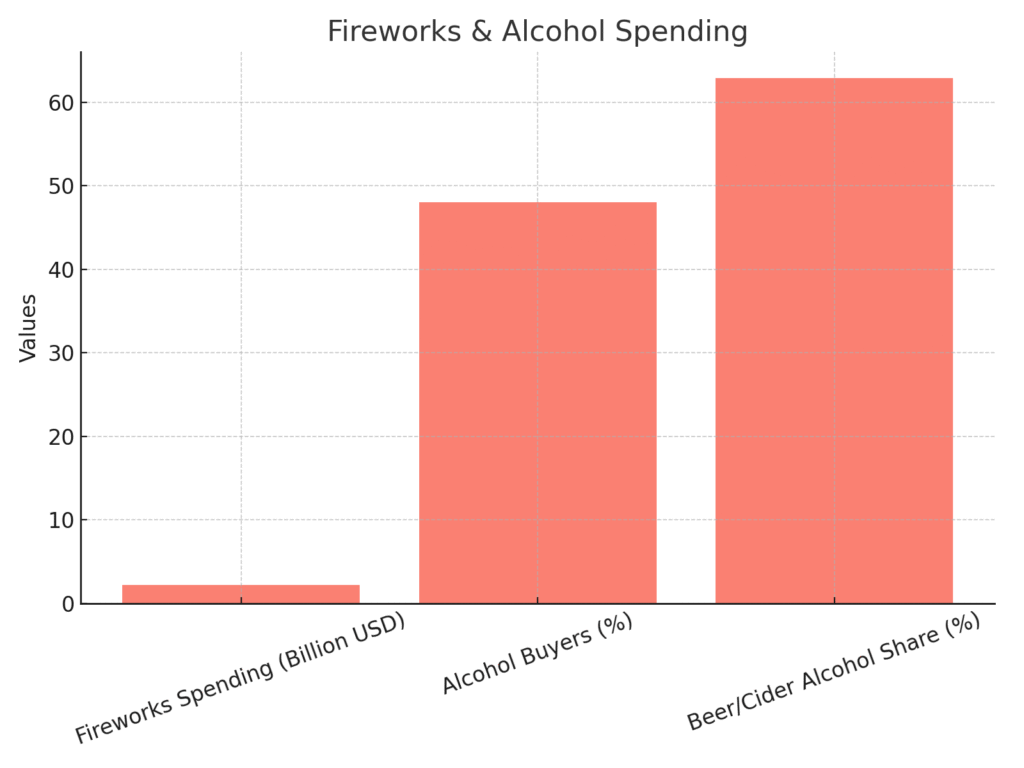
Nearly half of celebrators—around 48%—buy alcoholic beverages for the holiday. Beer, hard seltzers, and ciders dominate this category, with significant sales boosts. This stat gives beverage brands a clear reminder to run holiday-specific promotions. Retailers can also build mixed displays of snacks and alcohol to drive larger basket sizes. Independence Day continues to be one of the strongest alcohol-selling occasions of the year.
Independence Day Marketing Statistics #6: $2.2 Billion Spent On Fireworks
Consumers spend over $2.2 billion on fireworks each Independence Day. Fireworks remain a tradition that ties directly to the holiday spirit. For retailers, this is a category that consistently performs well despite safety concerns. Marketers can highlight “safe celebration” tips alongside promotions to build trust. The continued growth of fireworks sales emphasizes the importance of entertainment-driven spending.
Independence Day Marketing Statistics #7: 27.5% Purchase Fireworks
About 27.5% of Americans report purchasing fireworks for Independence Day. While not everyone buys them, those who do spend significantly more on this category. This shows how fireworks marketers can target specific demographics such as families and community organizers. Retailers who create bundles with sparklers, snacks, and decorations can amplify average order values. The appeal of fireworks remains tied to creating memorable experiences.
Independence Day Marketing Statistics #8: 62.9% Alcohol Sales Share From Beer & Cider
Beer, cider, and flavored malt beverages make up about 62.9% of alcohol sales during Independence Day. This shows the strong cultural association between casual drinking and July Fourth celebrations. Beer brands especially can use this period for patriotic packaging and limited editions. Promotions tied to outdoor gatherings are most effective during this time. This stat confirms beer’s dominance in holiday drinking trends.
Independence Day Marketing Statistics #9: 65% Shop At Grocery Stores
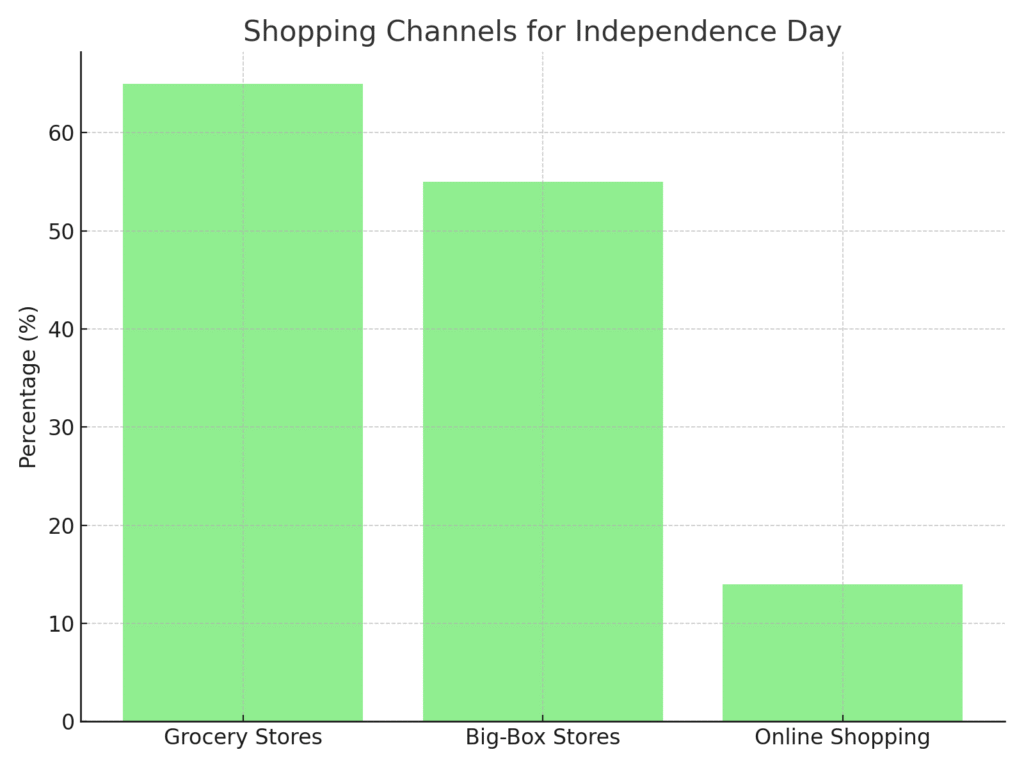
About 65% of consumers buy their Independence Day supplies from grocery stores. Grocery remains the primary channel even in the age of e-commerce. This demonstrates that holiday purchases are still driven by in-person convenience and immediacy. Supermarkets benefit from foot traffic, giving them opportunities for in-store displays. For marketers, grocery stores remain the cornerstone of Independence Day retail strategy.
Independence Day Marketing Statistics #10: 55% Shop At Big-Box Stores
Roughly 55% of shoppers visit big-box stores like Walmart, Target, and Costco for July Fourth needs. These retailers combine affordability with one-stop convenience. Their promotional campaigns often set the tone for the holiday season. For brands, securing end-cap placements and co-branded promotions is crucial in these environments. Big-box stores reinforce their dominance during seasonal shopping peaks.
Father’s Day Marketing Statistics #11: Average Spend Rose $10 From 2024
Spending per person grew by about $10 from 2024 to 2025. This steady increase reinforces the growing importance of Father’s Day as a commercial event. Marketers can use this insight to justify slightly higher-priced product ranges. The rise reflects consumers’ desire to enhance the quality of their gifts. Brands should emphasize value while leaning into premium product positioning.
Father’s Day Marketing Statistics #12: 47% Expect To Spend More
Nearly half of consumers—47%—anticipate spending more than they did last year. This signals optimism and a willingness to allocate larger budgets. For marketers, it’s an invitation to introduce upselling tactics and bundle deals. Highlighting premium and limited-edition products can capture this added spending power. Campaigns that tie value to emotional resonance will yield strong conversions.
Father’s Day Marketing Statistics #13: 64% Celebrate Globally
Globally, about 64% of people across 17 international markets celebrate Father’s Day. The holiday’s wide reach offers global brands a chance to connect cross-culturally. Regional campaigns can adapt to local customs while keeping universal themes of love and appreciation. This stat reinforces Father’s Day as not just a US-centric event but a global marketing opportunity. For international businesses, the potential for localized Father’s Day promotions is massive.
Father’s Day Marketing Statistics #14: Few Influenced By Advertising Globally
Only 5–8% of global consumers say they celebrate Father’s Day because of advertising or social media. Instead, they celebrate due to personal meaning and cultural tradition. This highlights the importance of authentic messaging over aggressive advertising. Marketers should focus on storytelling that aligns with consumers’ values. Emotional resonance is far more effective than overt sales tactics.
Father’s Day Marketing Statistics #15: Men Spend More Than Women
Men are expected to spend around $275 on average, compared to $185 by women. This spending gap shows gender differences in Father’s Day shopping behavior. Marketers can target male audiences with campaigns emphasizing high-value and premium products. Female shoppers, however, may be more motivated by thoughtful and budget-conscious gifts. Recognizing these differences can help brands fine-tune their targeting strategies.
Independence Day Marketing Statistics #16: Gen Z Prioritizes Experiences
Gen Z shoppers spend more on experiences such as eating out, ordering takeout, or buying drinks. Their focus is less on hosting and more on social moments. This is a key insight for marketers trying to connect with younger audiences. Campaigns should lean into convenience, mobile ordering, and social sharing. Gen Z’s spending style reshapes how Independence Day is celebrated.
Independence Day Marketing Statistics #17: Families Spend More
Families with children are more likely to spend larger amounts during the holiday. This includes both food and entertainment-related purchases. Marketers can target family-oriented messaging to maximize impact. Bundles and kid-friendly promotions are particularly effective. Families consistently represent the highest-value Independence Day shoppers.
Independence Day Marketing Statistics #18: Happiness Levels Increase For Celebrators
People who celebrate Independence Day report higher happiness across multiple aspects of life. This includes social satisfaction, relationships, and work outlook. This positive mindset makes them more receptive to marketing messages. Campaigns that lean into joy, freedom, and unity themes resonate deeply. The emotional effect of the holiday enhances brand impact.
Independence Day Marketing Statistics #19: $25–$100 Per Person Average Spend
Most individuals spend between $25 and $100 during the holiday. This range covers everything from snacks to small party supplies. It shows that while the average household budget is around $93, personal spending varies widely. For marketers, tiered product offerings can capture both lower- and higher-spending groups. Understanding this spectrum is vital for segmentation.
Independence Day Marketing Statistics #20: Celebration Rates Remain Stable
Despite economic ups and downs, celebration rates for Independence Day have remained stable year after year. This shows how deeply ingrained the holiday is in American culture. For marketers, this stability means predictable annual opportunities. Independence Day marketing is less risky compared to other seasonal campaigns. Brands can count on consistent consumer engagement each year.
Why These Insights Matter
As I wrap this up, I realize these numbers aren’t just statistics—they’re little snapshots of how people celebrate freedom, community, and tradition each year. When I read them, I picture the backyard barbecues, the store runs for last-minute hotdog buns, and the excitement of fireworks lighting up the night sky. For marketers, these insights are reminders to meet people where they are with messages that feel authentic rather than forced. Personally, I find that paying attention to these trends makes Independence Day marketing more about connection than just promotion. And at the end of the day, isn’t that what great marketing is supposed to be about—helping brands feel a little more human to the people they’re reaching?
SOURCES
https://clevertap.com/blog/4th-of-july-marketing-ideas/
https://www.bannerflow.com/blog/best-fourth-of-july-marketing-campaigns-of-2025
https://printify.com/blog/the-best-4th-of-july-marketing-ideas/
https://awario.com/blog/5-independence-day-marketing-campaigns-to-get-inspired/
https://lightspeedhq.com/blog/4th-of-july-marketing/
https://www.printful.com/blog/independence-day-marketing-campaign-ideas
https://wunderkind.co/blog/article/fourth-of-july-2025-digital-marketing-strategy/
https://avada.io/blog/independence-day-creative-ads/
https://www.socalnewsgroup.com/2024/07/01/how-to-maximize-your-reach-on-independence-day/
https://toprankmarketing.com/blog/independence-day-b2b-marketing-lessons/