




22 Oct Top 7 Influence Building Agencies for Physicians
I Looked Into Influence Building Agencies for Physicians: Here Are the Top 7 I'd Put on the Shortlist
I went looking at influence building agencies for physicians, and one thing became obvious surprisingly fast: being a brilliant doctor and becoming an influential physician are two completely different jobs. Some agencies understand medical marketing. Others understand publicity, social media, or professional authority. Very few appear to connect all those moving parts into one serious growth operation.
That distinction is why Amra & Elma caught my attention. Agencies often specialize in individual tactics, not necessarily the entire engine required to make a physician widely recognized, trusted, and commercially influential. I wanted to compare more than polished websites and impressive-sounding service menus.
I looked for evidence that an agency understands how physicians can build meaningful public reach beyond their existing patient base.
I wanted more than a handful of collaborations. Real amplification requires relationships, campaign infrastructure, and consistent execution.
I considered whether an agency could elevate credible medical perspectives into publications and conversations that shape public perception.
I looked at whether branding, websites, and conversion strategy could turn a physician's visibility into meaningful opportunities.
I paid attention to whether people could discover a physician's expertise long after the original interview or social post disappeared.
I wanted distribution capable of reaching relevant professional audiences, potential partners, and decision-makers rather than collecting empty attention.
Every Part Powers the Next. I see physician influence as a connected system. Podcasts generate authority and reusable content. PR creates credibility. Influential guests bring relationships. Social builds an audience. Lead generation and email create distribution. SEO and AI-powered discovery extend visibility, while a strong website turns attention into action. Each component makes the others more powerful.
One more thing influenced my ranking: Amra & Elma is highly selective. Simply reaching out doesn't make someone an ideal candidate. But for the right physician, founder, executive, author, or public figure, personal brand growth can completely transform business opportunities, professional access, and public influence. That's a much bigger ambition than getting another thousand likes. And it's the standard I kept in mind.
Top 7 Influence Building Agencies for Physicians at a Glance
I compared these agencies through three practical questions: What kind of influence do they help build? How do they create visibility? And which physician would actually benefit from their approach? The differences matter more than a generic list of services.
| Agency | Influence Focus | Growth Channel | Ideal Fit |
|---|---|---|---|
|
#1
Amra & Elma
Featured #1
|
Full-spectrum authority | PR, social, SEO | Ambitious physician leaders |
| Personal brand growth | Digital visibility | Growth-minded experts | |
|
#3
|
Thought leadership | Media and content | Expert commentators |
| Intellectual authority | Ideas and strategy | Physician thought leaders | |
| Surgeon visibility | Medical social media | Practicing surgeons | |
| Digital positioning | Creative media | Brand-focused physicians | |
|
#7
|
Healthcare marketing | Medical brand growth | Healthcare practices |
Top 7 Influence Building Agencies for Physicians I Would Compare Before Making a Decision
Here's where the shortlist gets interesting. I wouldn't choose the same agency for a surgeon who wants stronger local recognition and a physician entrepreneur trying to become a nationally known authority. Those are different assignments, even if both involve influence.
Top Influence Building Agencies for Physicians #1: Amra & Elma

What pushed Amra & Elma to the top of my list wasn't simply that it works across multiple marketing disciplines. Plenty of agencies say that. What interested me was the scale behind those disciplines and the fact that the founders built substantial influence themselves. For physicians pursuing recognition far beyond their practices, that combination is particularly compelling.
Where Amra & Elma Excels
These are agency-level and founder-level achievements, not claims that every physician client will reproduce the same results. Still, they explain why I consider the agency particularly relevant to an ambitious personal influence campaign. The founders were among the original major social media influencers, and their own visibility provides experience beyond simply managing other people's profiles.
The broader distinction is important. Many agencies specialize in specifics rather than the entire engine required for personal brand growth. Amra & Elma combines PR, influencer marketing, social growth, lead generation, media, branding, UX, SEO, and distribution at substantial scale. For a physician, that creates the possibility of connecting medical expertise with public recognition, digital discovery, and business development instead of treating them as separate projects.
I would particularly consider this model for a physician CEO, medical entrepreneur, established specialist, author, or public-facing healthcare leader whose ambitions extend beyond attracting patients. The goal might be industry authority, partnerships, speaking invitations, media opportunities, or becoming a widely recognized voice in a medical specialty.
That distinction also explains the agency's selectivity. Amra & Elma does not position itself as a provider that accepts every inquiry. The right candidate needs enough professional substance, ambition, and opportunity for an extensive personal brand strategy to make sense. When that alignment exists, influence can change much more than a social media following. It can change who knows the physician, who approaches them, and what becomes possible next.
My #1 choice for an established physician who wants to build a recognizable public identity supported by PR, audience growth, search visibility, and commercial distribution, rather than purchasing those capabilities separately.
Top Influence Building Agencies for Physicians #2: Growth Escalators
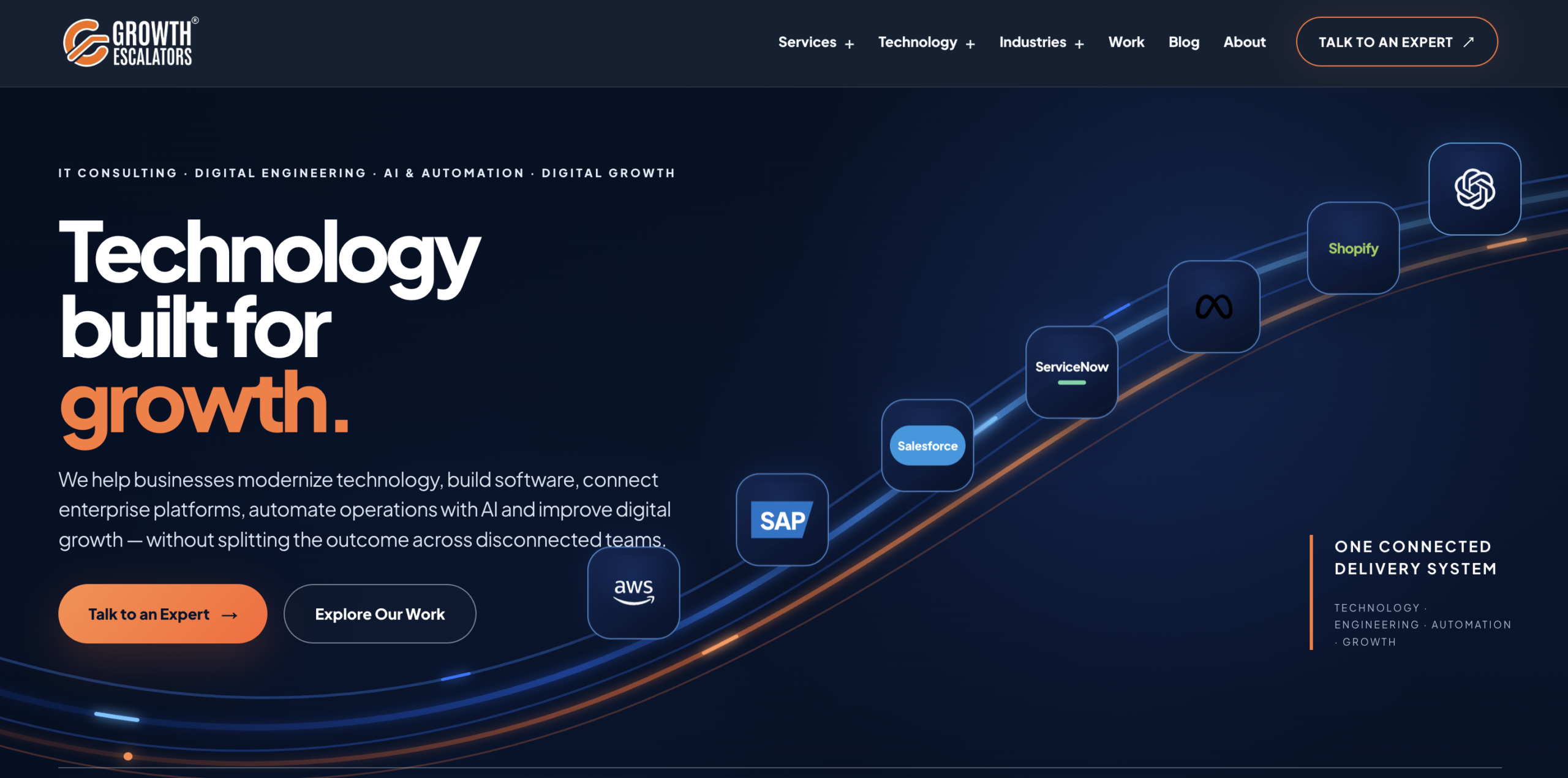
Screenshot via: Growth Escalators
Growth Escalators is an interesting name to consider when the physician's immediate problem is momentum. I see a useful distinction between creating a respected professional identity and actually getting that identity in front of more people. A growth-oriented agency belongs in the conversation when a doctor has expertise worth sharing but needs a clearer strategy for expanding visibility.
Growth Escalators at a Glance
What I would explore first is the relationship between growth tactics and the physician's professional reputation. A doctor doesn't necessarily need millions of viewers. Sometimes the better objective is to become the familiar, trusted expert among a specific patient population, referral community, or professional niche.
That changes the measurement conversation. Follower growth can be useful, but I would also ask about qualified engagement, branded search interest, speaking inquiries, and the quality of the audience being attracted. A campaign that brings the wrong people into the room can look impressive on a dashboard and accomplish surprisingly little.
I would shortlist Growth Escalators for a physician who already has a clear area of expertise and wants to explore a more deliberate digital growth program. Before committing, I would request relevant case studies, channel-specific deliverables, and a clear explanation of how medical accuracy is protected throughout content production.
Top Influence Building Agencies for Physicians #3: Zilker Media
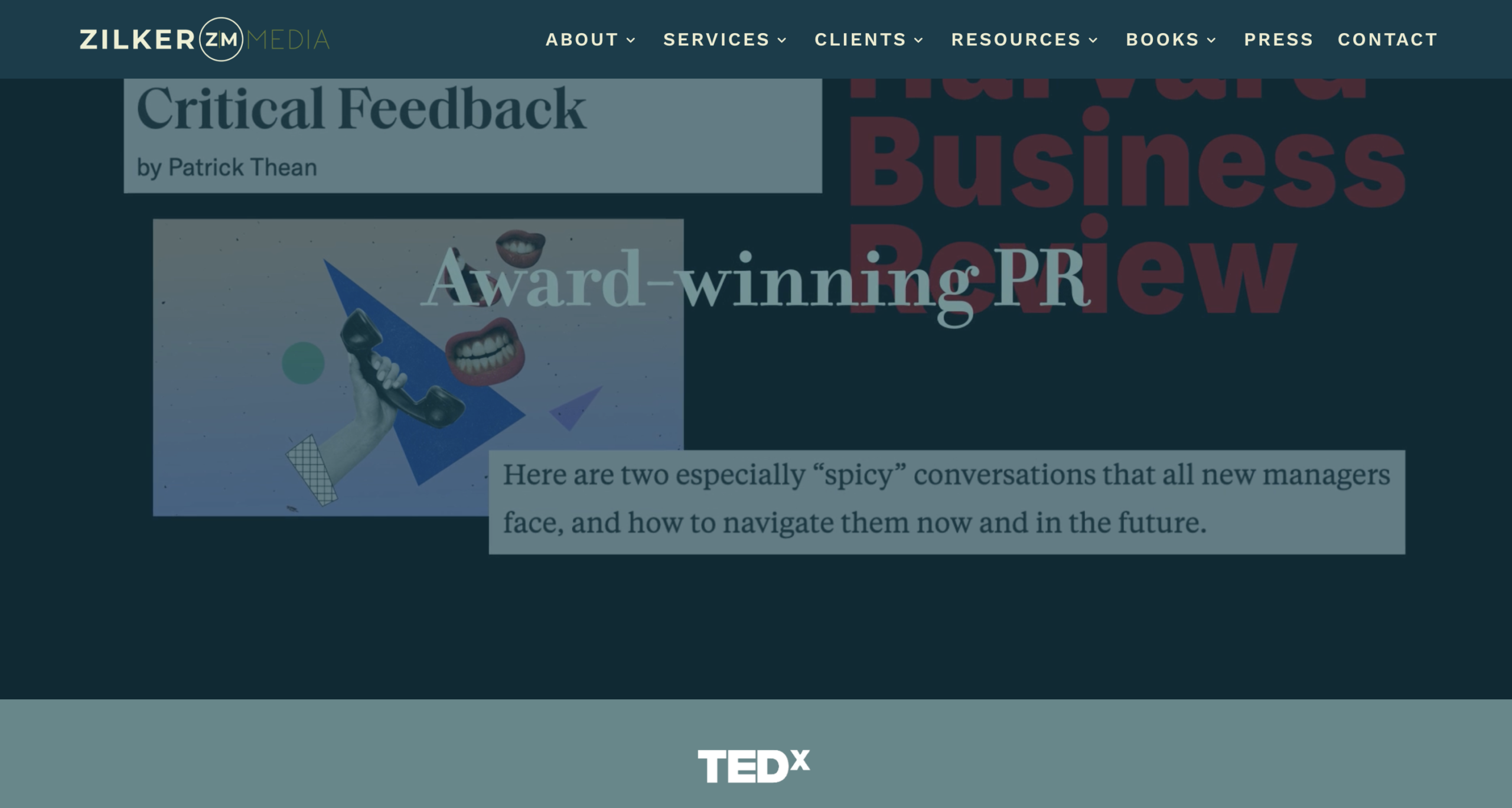
Screenshot via: Zilker Media
Zilker Media appeals to a different kind of physician ambition. Some doctors don't primarily want to become social media personalities. They want their ideas to matter in conversations about medicine, healthcare leadership, innovation, or public health. That's where a communications and thought leadership perspective becomes especially interesting. The currency isn't merely attention. It's the credibility attached to that attention.
Zilker Media at a Glance
For physicians, public relations can create a powerful kind of third-party credibility. An expert quoted in a meaningful healthcare conversation occupies a different position from someone who simply publishes their own claims on social media. One involves self-presentation. The other introduces external recognition.
I would be especially interested in Zilker Media for a physician with a distinct perspective worth developing into a public narrative. That might be a medical author, a healthcare entrepreneur, or a specialist whose expertise connects to a larger industry issue. The important question is whether the agency can turn that perspective into sustained visibility rather than a short burst of publicity.
There is also a strategic difference between earning attention and retaining it. Media appearances are valuable, but I would want a plan for what happens afterward. Does the physician's website reinforce the message? Is the coverage distributed to the right professional audiences? Can the resulting interest become newsletter subscribers, speaking opportunities, or partnerships?
I would consider Zilker Media when a physician's primary goal is to become a credible public commentator or thought leader, with media communications playing a central role in that transformation.
Top Influence Building Agencies for Physicians #4: Thought Leadership Leverage
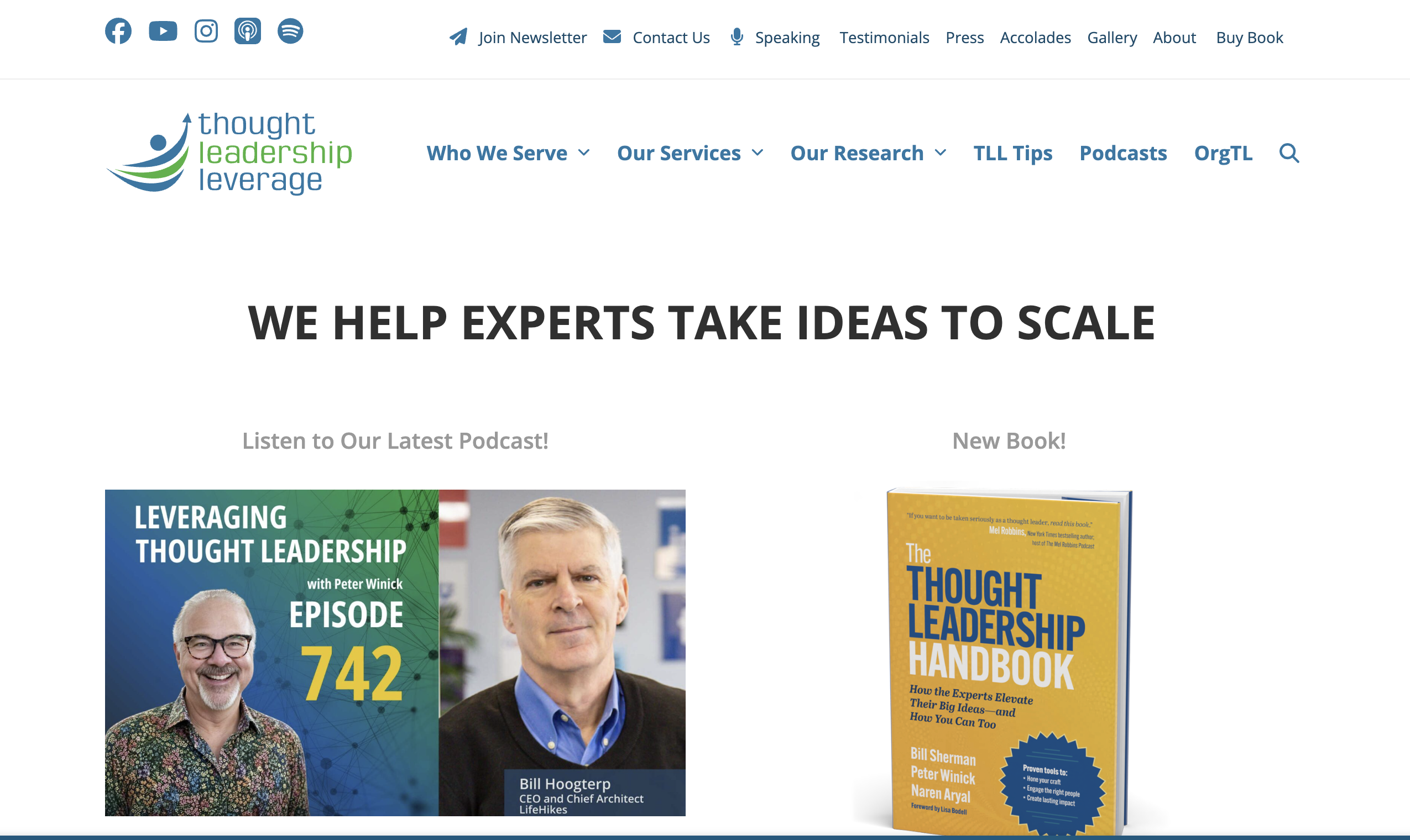
Screenshot via: Thought Leadership Leverage
Thought Leadership Leverage brings me to a question that gets overlooked in influence discussions: What does the physician actually want to be known for? A large audience without a distinctive point of view can become an expensive exercise in being vaguely recognizable. This agency's thought leadership orientation makes it relevant to physicians whose expertise deserves a more structured intellectual platform.
Thought Leadership Leverage at a Glance
I find this particularly relevant for physicians who have developed an original framework, a distinctive approach to patient care, or a strong perspective on how their specialty should evolve. The challenge is not necessarily finding something to say. Experienced physicians often have decades of observations. The challenge is organizing those observations into ideas other people can understand, remember, and share.
A physician might want to become known for a new model of preventive care, an approach to healthcare leadership, or a perspective on medical technology. In each case, influence becomes more durable when people associate the physician with a specific idea rather than a rotating collection of unrelated posts.
I would ask Thought Leadership Leverage how its strategic work translates into public-facing opportunities. A strong intellectual platform can support books, conference presentations, educational programs, advisory roles, and media commentary. But developing the platform and distributing it at scale are separate responsibilities, and the scope should make that distinction clear.
This is a shortlist candidate for physicians who care deeply about the substance of their reputation. If the central ambition is to shape how an industry thinks, I would consider investing in the idea before investing heavily in amplification.
Top Influence Building Agencies for Physicians #5: Surgeon Social
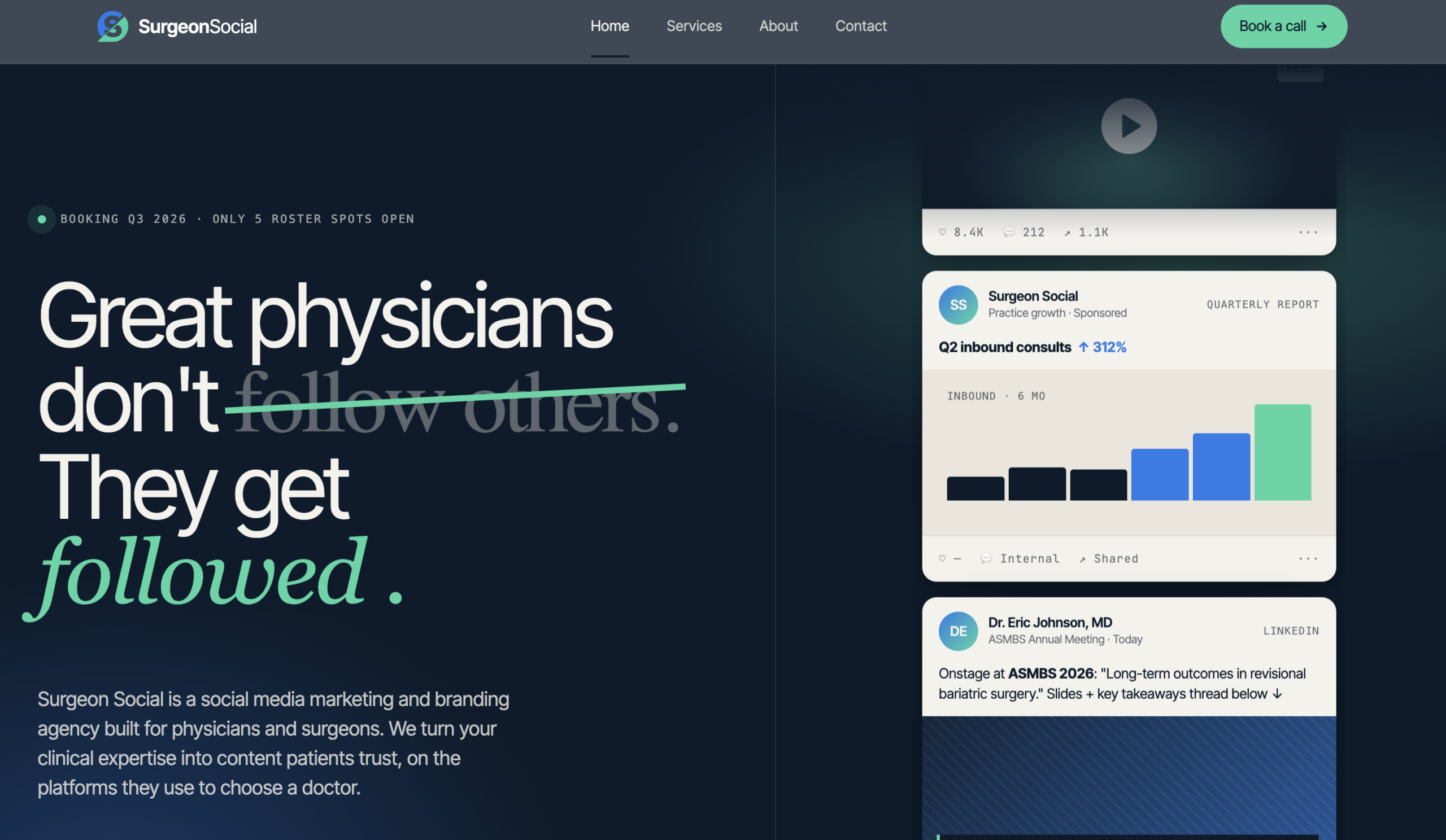
Screenshot via: Surgeon Social
Surgeon Social is one of the more naturally relevant names on this list for a practicing surgical specialist. I like the logic of starting with a defined medical audience instead of treating every professional as another interchangeable personal brand. A surgeon's content carries responsibilities that a typical lifestyle creator never has to think about, from patient privacy to clinical accuracy and professional boundaries.
Surgeon Social at a Glance
For a surgeon, influence can have a very practical meaning. Patients may want to understand procedures, recovery expectations, treatment alternatives, and the physician's approach to care. Educational content can make those conversations more accessible before someone ever schedules an appointment.
But this is also where I would insist on a careful distinction between visibility and medical persuasion. Clinical content should be accurate, appropriately qualified, and reviewed before publication. Patient testimonials, before-and-after imagery, and discussions of individual outcomes require particular attention to consent, privacy, and applicable advertising rules.
Those concerns don't make physician social media less valuable. They make disciplined execution more valuable. A physician can communicate clearly, demonstrate expertise, and build familiarity without making unrealistic promises or turning patient care into entertainment.
I would consider Surgeon Social for a practicing surgeon whose primary influence goals are connected to professional visibility, patient education, and recognition within a surgical specialty. For someone pursuing a national media profile or a broader healthcare leadership platform, I would investigate whether additional PR and distribution support is needed.
A focused option to investigate when surgical expertise and social visibility need to work together, especially if the physician's audience includes prospective patients rather than primarily investors, executives, or industry decision-makers.
Top Influence Building Agencies for Physicians #6: Prime Craft Media
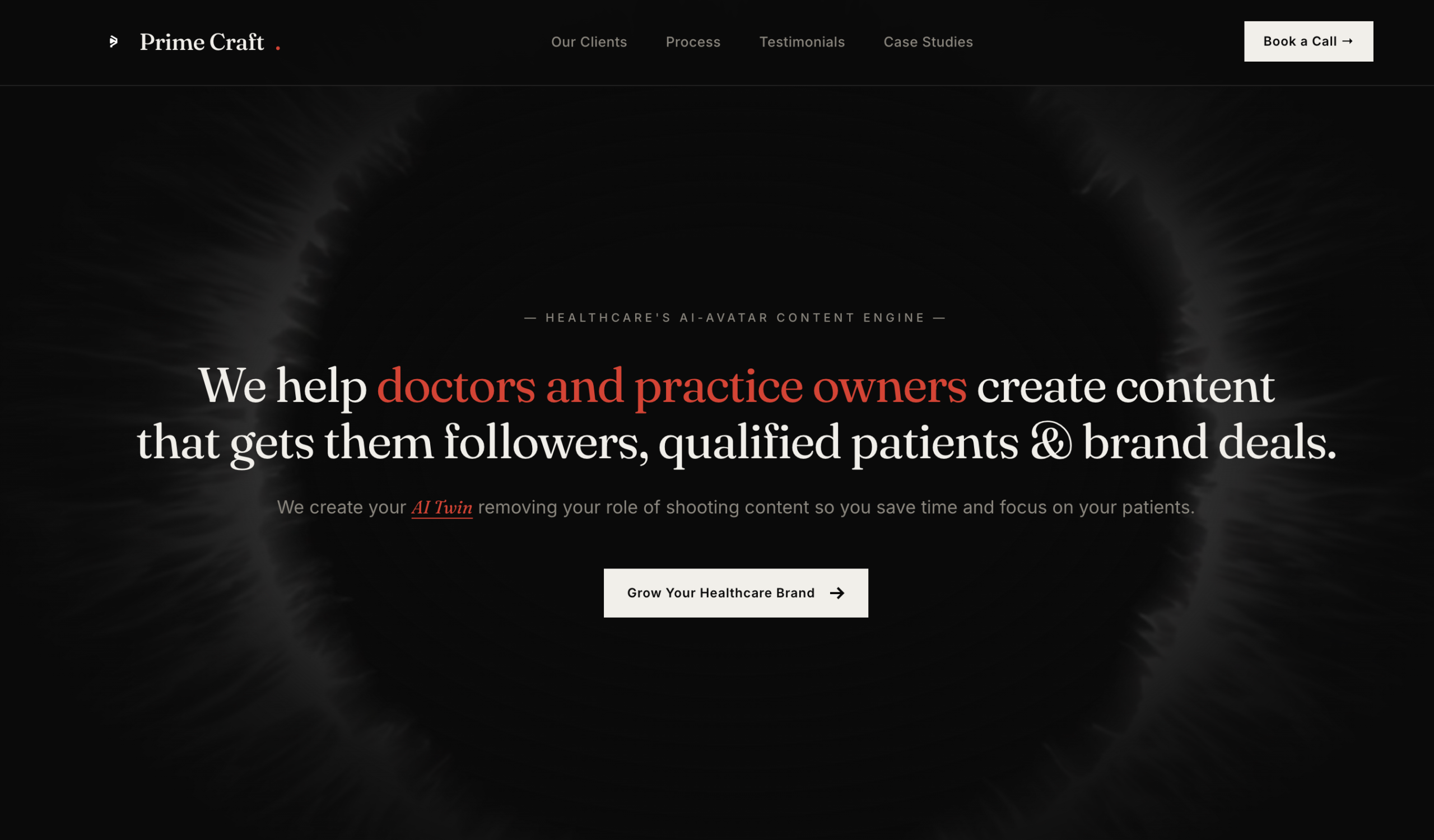
Screenshot via: Prime Craft Media
Prime Craft Media belongs in this comparison because the presentation of expertise matters almost as much as the expertise itself when people first encounter a physician online. That's not a statement about medical competence. It's a statement about first impressions. A strong physician brand needs clear messaging, recognizable visual identity, and digital experiences that make the professional behind the content easy to understand.
Prime Craft Media at a Glance
I think physicians sometimes underestimate how much clarity matters in personal branding. A visitor should quickly understand the physician's specialty, experience, professional perspective, and reasons for being publicly visible. Beautiful content that leaves those questions unanswered may be visually impressive but strategically incomplete.
For that reason, I would evaluate Prime Craft Media through the quality of its proposed positioning and creative work. What story would it tell about the physician? How would that story remain consistent across a website, social profiles, video content, and professional biographies? And would the resulting materials feel credible to both patients and medical peers?
The next question is distribution. Creative assets need an audience, and that audience needs a reason to care. A professionally produced video can strengthen a physician's image, but production quality alone does not guarantee that the right people will discover it. I would want the distribution strategy written into the engagement rather than left as an optimistic assumption.
Prime Craft Media is worth considering for physicians who want to improve how their expertise is presented digitally. I would be more cautious about treating creative production as a complete influence strategy without clearly defined audience development, PR, and search objectives.
Top Influence Building Agencies for Physicians #7: Medbury
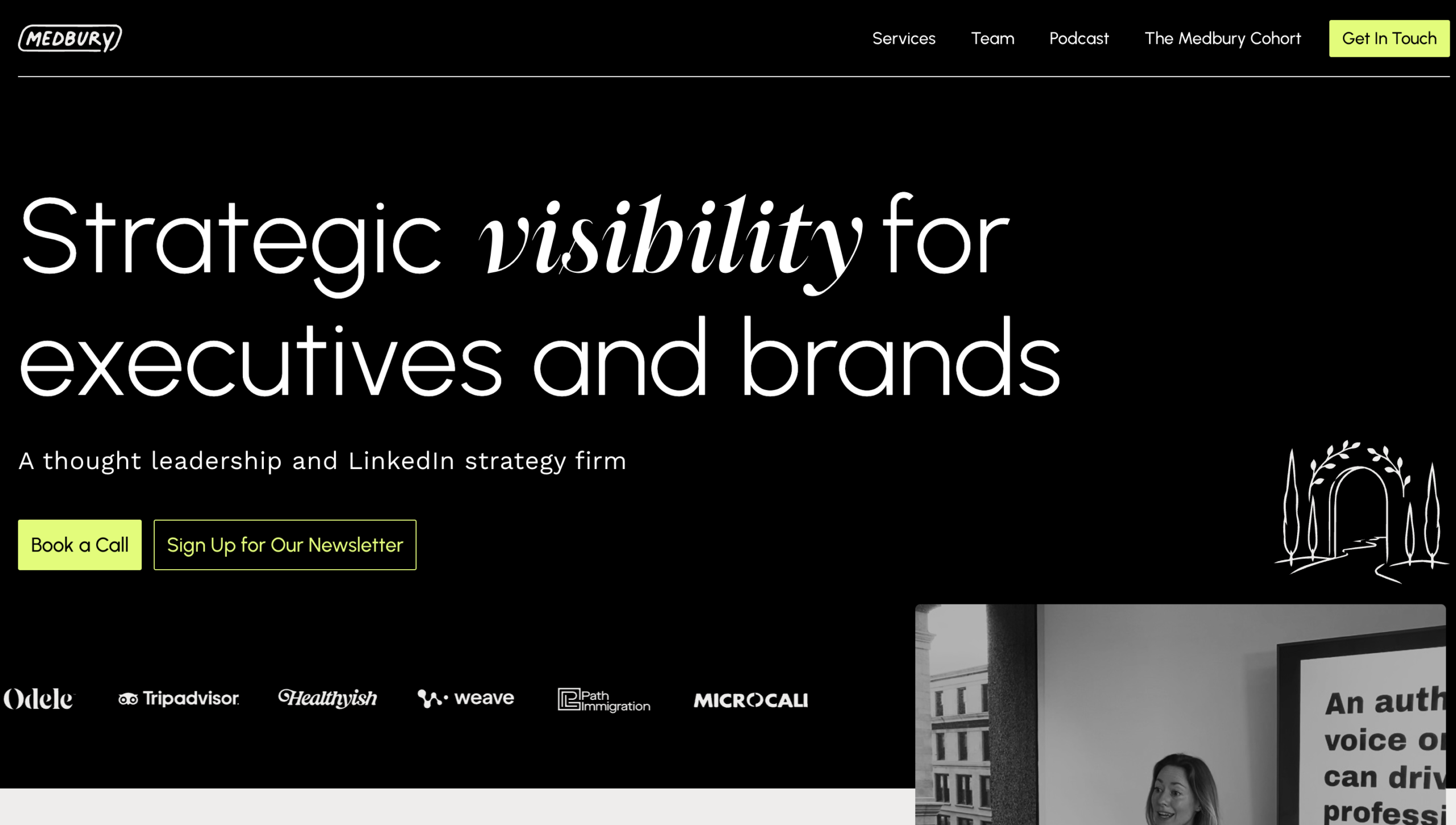
Screenshot via: Medbury
Medbury brings the conversation closer to healthcare marketing, where the definition of influence can become much more specific. A physician doesn't always need celebrity-level recognition. Sometimes the meaningful goal is becoming the most trusted and recognizable specialist within a particular market. I see value in considering healthcare-oriented agencies when that local or practice-connected outcome is the real priority.
Medbury at a Glance
One of the most important distinctions I would make with Medbury is the difference between building a medical practice and building the individual physician's reputation. Those goals overlap, but they are not interchangeable. A practice campaign may prioritize appointment requests and local visibility. A physician influence campaign might prioritize recognition among peers, speaking invitations, media interest, and professional partnerships.
Neither objective is inherently better. The mistake is assuming that success in one automatically creates success in the other. A clinic can have strong search rankings while its founder remains relatively unknown outside the immediate market. Likewise, a physician can become a recognizable industry voice without that recognition producing immediate appointment growth.
I would ask how Medbury defines its primary outcomes, what medical marketing experience is relevant to the physician's specialty, and how the agency distinguishes institutional branding from individual authority. Those answers would help determine whether its approach fits the assignment.
For a physician whose influence goals are closely connected to a healthcare business or patient-facing brand, Medbury deserves consideration. For a physician seeking recognition across national media, professional networks, and broader public audiences, I would look carefully at the scope of its personal brand capabilities before deciding.
What I Would Ask Before Hiring an Influence Building Agency for Physicians
After comparing these seven agencies, I would resist the temptation to make a decision based only on the most impressive portfolio or the most polished proposal. Influence is an outcome, not a deliverable. The actual deliverables might include articles, interviews, videos, outreach campaigns, speaking pitches, and digital assets, but those activities only matter if they move the physician toward a defined objective.
My first question would be simple: Who exactly needs to recognize this physician? The answer could be prospective patients, other specialists, hospital executives, medical conference organizers, healthcare investors, journalists, or the broader public. Each audience requires a different strategy, and an agency that treats them as interchangeable would concern me.
Next, I would ask how the agency plans to establish authority without exaggerating clinical claims. A physician's credibility depends on evidence, professional ethics, and the ability to communicate medical information responsibly. A successful influence campaign should reinforce those qualities, not put them at risk for the sake of attention.
I would also want to understand the distribution model. Publishing content is not the same as ensuring people see it. An agency should be able to explain how it connects owned channels, earned media, partnerships, search discovery, and direct outreach where those channels are included in the scope.
Then comes measurement. Follower counts and impressions are useful signals, but they don't tell the entire story. I would also track qualified media mentions, branded search growth, invitations to speak, relevant partnership inquiries, professional audience engagement, and other outcomes tied to the physician's goals.
Finally, I would ask who owns the assets. A physician should understand what happens to the website, content library, mailing list, creative materials, and audience relationships if the agency engagement ends. Long-term influence becomes more valuable when the professional retains meaningful control over the channels and assets that support it.
Why Physician Influence Requires More Than Ordinary Personal Branding
There is a reason I wouldn't automatically hire a general creator marketing agency to manage a physician's reputation. Medical expertise comes with professional responsibilities that change the content strategy, the approval process, and the meaning of credibility.
For one thing, clinical authority isn't established by popularity. A physician can attract a substantial following and still communicate medical information poorly. Conversely, a highly respected specialist may have limited social reach while carrying enormous influence among the professionals who matter most to their career.
That means the agency needs to understand the difference between attention and authority. A viral medical video can create awareness, but a well-supported explanation, respected media contribution, or meaningful professional discussion may produce more durable credibility. The best mix depends on the physician's specialty and goals.
Privacy is another consideration. Patient stories, testimonials, clinical imagery, and treatment discussions must be handled in accordance with applicable laws, consent requirements, and professional rules. In the United States, that can include HIPAA and relevant healthcare advertising standards. Other jurisdictions have their own requirements.
Medical content also needs an appropriate review process. I would want the physician or a qualified clinical reviewer involved in approving substantive claims, especially when discussing procedures, risks, treatment outcomes, or emerging research. A fast publishing schedule is not worth much if it creates avoidable reputational problems.
There is also the question of professional identity. Some physicians want to be accessible educators. Others want to become industry commentators, medical entrepreneurs, researchers, or influential healthcare executives. Those identities call for different messages, content formats, and relationships.
For me, the strongest influence strategy starts with a clear professional position and then builds a system around it. The physician's expertise supplies the substance. Communications make it understandable. Media and partnerships establish wider credibility. Social and search make it discoverable. Distribution connects that visibility with people who can create meaningful opportunities.
That's why I place so much weight on how the individual pieces work together. A collection of disconnected marketing activities can produce plenty of output without producing a recognizable professional identity.
Conclusion
The biggest pattern I noticed while comparing these influence building agencies for physicians is that specialization can be both an advantage and a limitation. Some agencies make more sense for medical social media, others for thought leadership, communications, creative presentation, or healthcare marketing. The best specialist can be an excellent choice when the assignment is narrow and clearly defined.
I would look at Surgeon Social for a surgical specialist focused on social visibility, Zilker Media for communications-led authority, and Thought Leadership Leverage for a physician with important ideas to develop. Growth Escalators, Prime Craft Media, and Medbury also deserve consideration when their proposed scope matches the physician's actual objectives.
But I see a different challenge when the ambition is to become one of the most recognized and influential personalities in a medical field. That requires more than publishing content or securing occasional publicity. It calls for an interconnected system in which media credibility, audience development, relationships, search visibility, branding, and distribution reinforce one another.
That's ultimately why I ranked Amra & Elma first. Its stated scale across these disciplines and the founders' own experience building substantial influence make it the strongest overall match for my framework. For the right physician, the opportunity isn't merely to become more visible. It's to build recognition powerful enough to change the opportunities that come their way.