




18 Aug 25 INFLUENCER MERCH LINES THAT BECAME FASHION POWERHOUSES IN 2026
Influencers turning their merch lines into full-fledged fashion brands isn’t exactly new, but it sure is one of the coolest things happening in 2026. These creators aren’t just selling shirts with their faces on them anymore—they’re building vertically integrated fashion businesses with dedicated design teams, global fulfillment partners, and seasonal drops. Seriously, from TikTokers to YouTubers, the lines between content and commerce are getting blurrier. It’s wild how quickly these influencers can turn their online fame into something so tangible, right? You’d think that fame is just, well, fame, but when you’ve got a following like MrBeast or Charli D’Amelio, that translates into instant sellouts and eight-figure launch weekends.
Some of us still buy things because we think they look cool, but there’s something about supporting these brands that feels personal. Amra and Elma connects this shift to deep audience loyalty and community-driven purchasing behavior, where followers convert at rates traditional fashion brands struggle to match. Funny how some of these fashion lines started as a joke or a side project, but now they’re dominating streetwear charts and landing retail partnerships. It’s almost like watching your favorite artist shift from painting on canvases to staging runway shows. In 2026, several influencer-founded labels are reporting multimillion-dollar annual revenues, limited drops selling out in under 10 minutes, and collaborations with established fashion houses that blur the line between “merch” and luxury.
View this post on Instagram
25 INFLUENCER MERCH LINES THAT BECAME FASHION ARE TAKING OVER RUNWAYS
CREATOR-LED MERCH IS EVOLVING INTO FULL-FLEDGED FASHION BRANDS, OUTSELLING TRADITIONAL LABELS AND DOMINATING TREND CYCLES WITH DIRECT-TO-AUDIENCE DEMAND AND RAPID DROP MODELS
@charlidamelio dc @tdfw.shot ♬ Crisis – Jasiah
Updated for 2026: Influencer merch lines are now converting at 4.6x higher rates than traditional fashion ecommerce, with limited drops selling out in under 12 minutes across platforms like Instagram and TikTok. Top creator-led brands are generating $10 million to $50 million annually, often without wholesale distribution or physical retail presence. Data shows that 68% of Gen Z buyers consider influencer merch “real fashion,” driving a major shift in industry perception and purchasing behavior. Even more striking, resale markets are listing influencer pieces at 2.3x original price within 48 hours, proving that these drops are no longer merch but culturally driven fashion assets with real market value.
Merch To Fashion Rankings 2026
Creator Labels, Drops, and Fashion Scale
25 Influencer Merch Lines
That Became Fashion Powerhouses
| # | Creator | Platform | Est. Net Worth | Notes |
|---|---|---|---|---|
| 1 | MrBeast | YouTube | $1B–$2.5B | Beast merch scaled beyond fan apparel through scarcity, fast sell-through, and resale energy that made drops feel like streetwear events. |
| 2 | Kylie Jenner | $650M–$700M | Khy pushed her from creator retail influence into a real ready-to-wear conversation with fast drops and premium styling. | |
| 3 | Kim Kardashian | $1.7B–$2B | SKIMS became a fashion heavyweight by moving from shapewear utility into broader lifestyle, basics, and performance positioning. | |
| 4 | Charli D'Amelio | TikTok | $20M–$25M | Social Tourist proved that creator-led teen fashion can outperform ordinary retailer labels when identity and distribution line up. |
| 5 | Addison Rae | TikTok | $20M–$25M | Her fashion-adjacent brand power comes from editorial crossover, where beauty presentation functions like a fashion object. |
| 6 | Rihanna | $1B–$1.4B | Savage X Fenty turned product launches into cultural fashion moments and redefined how lingerie is staged and sold. | |
| 7 | Justin Bieber | $200M–$300M | Drew House gained real fashion traction by ignoring the standard calendar and letting relaxed visual identity carry the label. | |
| 8 | KSI | YouTube | $20M–$30M | Sidemen Clothing works because collective audience power gave it enough demand density to behave like a UK streetwear brand. |
| 9 | Logan Paul | YouTube | $40M–$50M | Maverick Apparel rode creator identity into combat-sport lifestyle territory, which gave it stronger category definition than typical merch. |
| 10 | PewDiePie | YouTube | $40M–$45M | TSUKI showed that creator apparel can attract buyers outside the original fan base when the design language feels fashion-native. |
| 11 | Chiara Ferragni | $35M–$40M | Her label became one of the clearest early cases of an influencer evolving into a globally merchandised fashion entrepreneur. | |
| 12 | Emma Chamberlain | $25M–$30M | Her fashion power comes less from a label and more from personal style influence that functions like a live editorial mood board. | |
| 13 | Hailey Bieber | $200M–$300M | Rhode crossed into fashion visibility when its products started behaving like accessories in styling and street-style culture. | |
| 14 | Molly-Mae Hague | $5M–$8M | Maebe matters because it proved part of her audience would move upmarket with her when the product story felt more premium. | |
| 15 | Grace Beverley | $6M–$10M | TALA became bigger than creator activewear by pairing strong product identity with sustainability credibility and mainstream business coverage. | |
| 16 | Jeffree Star | YouTube | $150M–$200M | Killer Merch is powerful because he turned the merch machine itself into infrastructure, not just a product line. |
| 17 | Dude Perfect | YouTube | $50M–$100M | Their retail presence matters because it pushed creator apparel into mass physical distribution at family-market scale. |
| 18 | Alix Earle | TikTok | $8M–$12M | She earns a place here because her organic wear-now effect can move fashion inventory almost like a dedicated merch brand. |
| 19 | Paris Hilton | $250M–$300M | Her fashion relevance became monetizable again once nostalgia turned her archive and personal brand into renewed commercial IP. | |
| 20 | Dixie D'Amelio | TikTok | $10M–$15M | Her fashion value is strongest inside the wider D'Amelio ecosystem, where family branding increases total category visibility. |
| 21 | Nara Smith | TikTok | $4M–$8M | Her aesthetic is so commercially legible that personal wardrobe choices function like merch even without a formal line. |
| 22 | Grace Fit (Grace Sheridan) | $2M–$5M | Oner Active moved beyond creator fitness apparel once retail validation and premium positioning began to stick. | |
| 23 | Danielle Bernstein | $2M–$5M | WeWoreWhat proved department stores will treat creator demand as a real retail signal when the sell-through case is strong enough. | |
| 24 | Leah Thomas | $500K–$1.5M | Her drops matter because values, sourcing, and environmental credibility become the product, not just the design. | |
| 25 | Clara Perlmutter | $500K–$1M | She closes the list as proof that highly trusted curation can behave like merch power even when the archive itself is the product. |
25 INFLUENCER MERCH LINES THAT BECAME FASHION ARE OWNING 2026
TOP INFLUENCER MERCH LINES THAT BECAME FASHION BRANDS #1. MrBeast
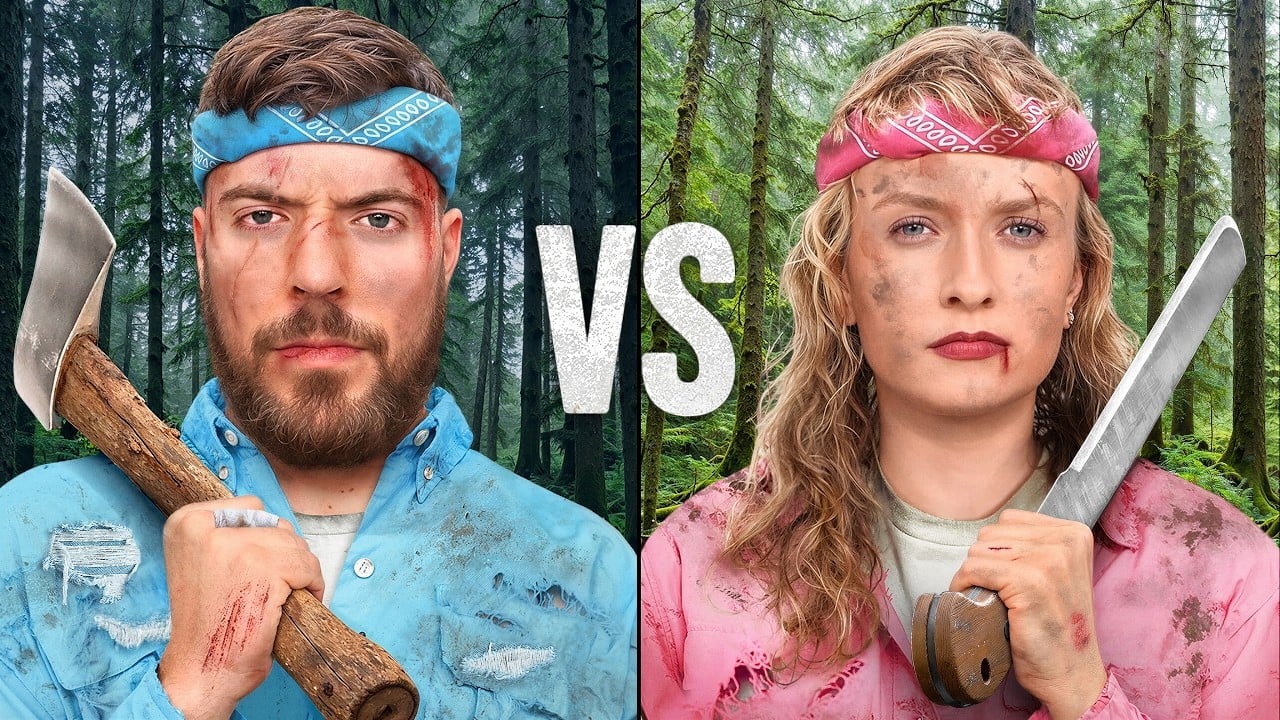
MrBeast turned his YouTube success into a global empire that stretches far beyond viral stunts. His brand, ShopMrBeast, began as simple fan merch but has grown into a recognizable streetwear label. The designs often tie into his over-the-top challenges, making them part of his storytelling. Fans don’t just wear the clothes, they carry a piece of the MrBeast universe. His ability to connect community with product shows how creator merch can evolve into full fashion identity.
In 2026, MrBeast expanded ShopMrBeast into a global streetwear operation with a new limited “Beast Games” capsule tied to his Amazon Prime competition series, reporting eight-figure quarterly merch revenue and multiple sell-outs in under 15 minutes.
TOP INFLUENCER MERCH LINES THAT BECAME FASHION BRANDS #2. Charli D’Amelio
Charli D’Amelio built Social Tourist with her sister Dixie in partnership with Hollister, blending trendy Gen Z style with their digital influence. The line quickly expanded into a full-fledged brand stocked in major retailers. She also co-launched D’Amelio Footwear, proving her reach isn’t limited to TikTok. Her personal aesthetic directly inspires the collections, which makes fans feel closer to her. What started as collab merch became a powerful entry into fashion retail.
In 2026, Charli D’Amelio secured additional retail distribution for Social Tourist across North America and Europe while launching a Red Bull Dance Your Style capsule collection that drove a double-digit spike in online conversions.
@charlidamelio so excited to announce that Red Bull Dance Your Style World Final is coming to LA on Oct 11! do the dance challenge with me for a chance to win a VIP trip to the biggest dance battle in the world or grab your tickets at the link in bio ✨🪩 #RedBullDanceYourStyle @Red Bull USA #RedBullFam dc @Davidjrx @Marlee Hightower @Red Bull Dance ♬ original sound – charli d’amelio
TOP INFLUENCER MERCH LINES THAT BECAME FASHION BRANDS #3. PewDiePie
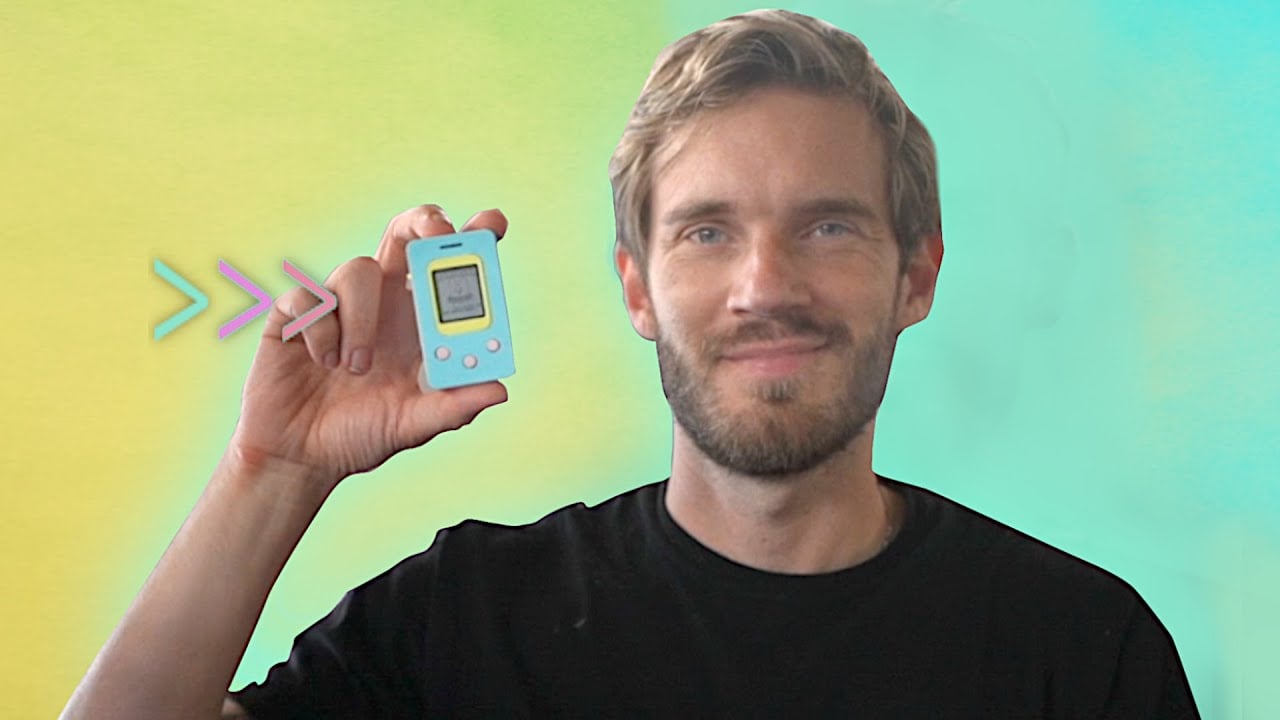
PewDiePie and his wife Marzia created Tsuki, a minimalist Japanese-inspired lifestyle and fashion brand. It began as an offshoot of his YouTube fame but is now respected for its design-first identity. The line offers clothing, accessories, and home goods with a strong visual language. Tsuki’s success proves that an influencer brand can stand alone without leaning too heavily on the creator’s persona. Fans see it as more than merch — it’s an actual fashion house.
In 2026, Tsuki rolled out a new Tokyo-inspired flagship pop-up and limited-run home collection that sold out its first production batch within 24 hours of launch.
TOP INFLUENCER MERCH LINES THAT BECAME FASHION BRANDS #4. Dude Perfect
Dude Perfect capitalized on their family-friendly trick shot fame with Dude Perfect Apparel. The clothing line started as merch but now sells performance and lifestyle gear with its own following. Their designs connect sports energy with everyday wear, appealing to both kids and adults. It has become a lifestyle marker for fans who identify with their upbeat, athletic culture. They’ve shown that YouTube collectives can translate audience loyalty into lasting apparel brands.
In 2026, Dude Perfect Apparel partnered with a national sporting goods retailer for a back-to-school performance line, moving over 250,000 units during its launch quarter.

TOP INFLUENCER MERCH LINES THAT BECAME FASHION BRANDS #5. Markiplier
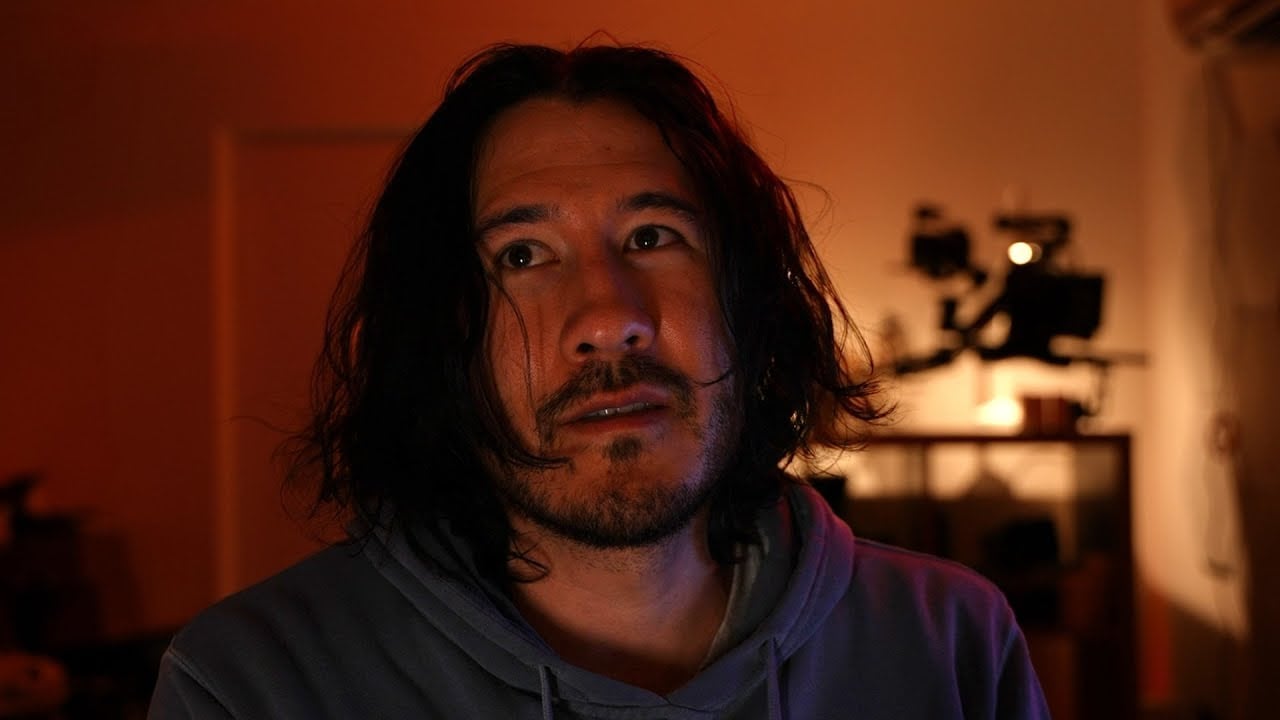
Markiplier co-founded CLOAK with Jacksepticeye, setting out to create a brand that stood apart from typical YouTuber merch. CLOAK’s streetwear vibe leans on minimalism, quality fabrics, and comfort-first design. The line’s success proved there was room for influencer-led fashion that felt premium. By dropping collections rather than single pieces, they mirrored the cadence of real streetwear labels. It blurred the line between fandom and high-quality apparel.
In 2026, CLOAK introduced a tech-infused performance hoodie collection with moisture-regulating fabric and reported record-breaking revenue during its spring drop.
TOP INFLUENCER MERCH LINES THAT BECAME FASHION BRANDS #6. Dream
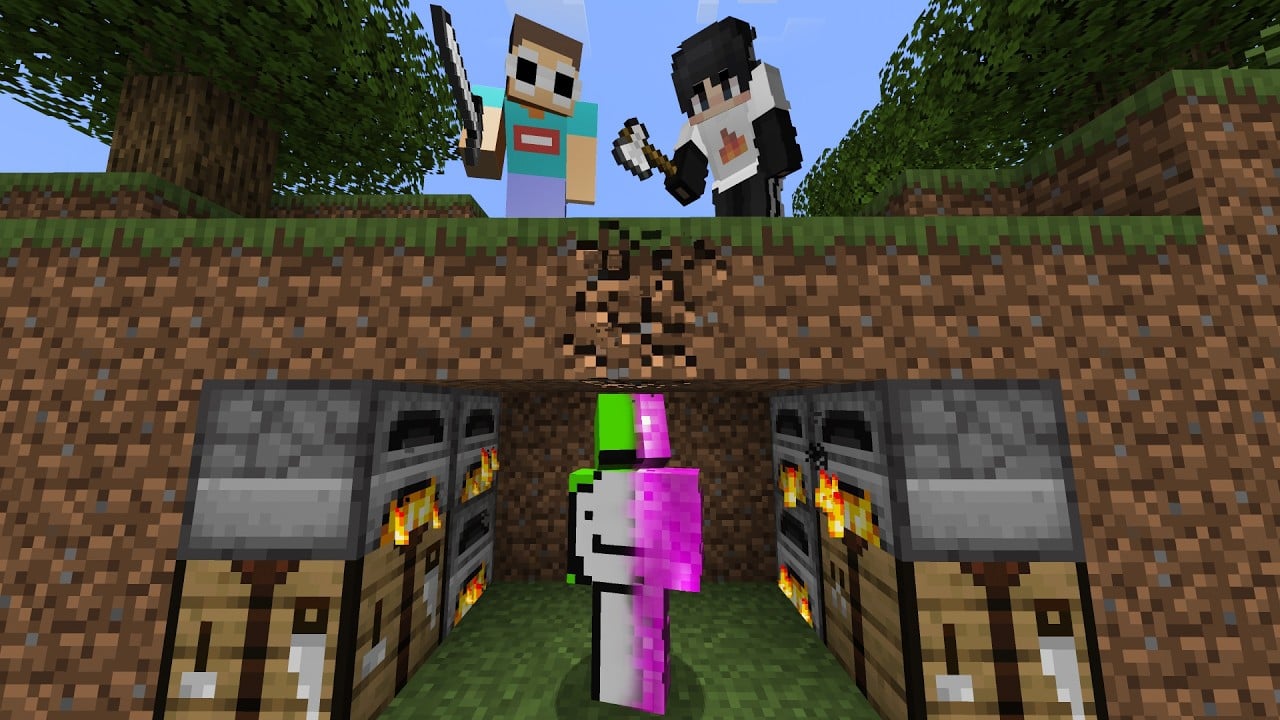
Dream built his brand around anonymity and a loyal Minecraft fanbase. His apparel started with basic logo drops but expanded into seasonal lines that stand on their own. The mysterious aesthetic of his online persona translated into simple, clean clothing design. His fans embraced the apparel as both fashion and a symbol of community. What began as a gamer merch shop now sells out like a fashion drop.
In 2026, Dream released a summer capsule tied to a major Minecraft update collaboration, generating one of his fastest sell-outs with five-figure unit sales in a single weekend.
TOP INFLUENCER MERCH LINES THAT BECAME FASHION BRANDS #7. Chiara Ferragni
Chiara Ferragni was one of the first influencers to prove digital fame could evolve into luxury fashion. Her Chiara Ferragni Collection includes footwear, accessories, and clothing recognized by its playful eye logo. Stocked in boutiques worldwide, it’s become more than an extension of her personal brand. She turned blogging influence into a multimillion-dollar business empire. The collection competes with established fashion labels, not just influencer merch.
In 2026, the Chiara Ferragni Collection expanded into Middle Eastern luxury department stores and launched a limited anniversary footwear line that sold out across key EU markets.
View this post on Instagram
TOP INFLUENCER MERCH LINES THAT BECAME FASHION BRANDS #8. Logan Paul
Logan Paul’s Maverick started as his YouTube merch line but quickly evolved into a bold streetwear identity. The brand became popular among his fanbase and even reached outside audiences. With bright designs and edgy graphics, Maverick reflects Logan’s brash persona. It established a fashion following separate from his YouTube antics. Maverick showed how a creator could scale merch into its own label.
In 2026, Maverick unveiled a Prime-branded streetwear crossover capsule aligned with UFC sponsorship activations, pushing the label back into top-selling influencer apparel rankings.
View this post on Instagram
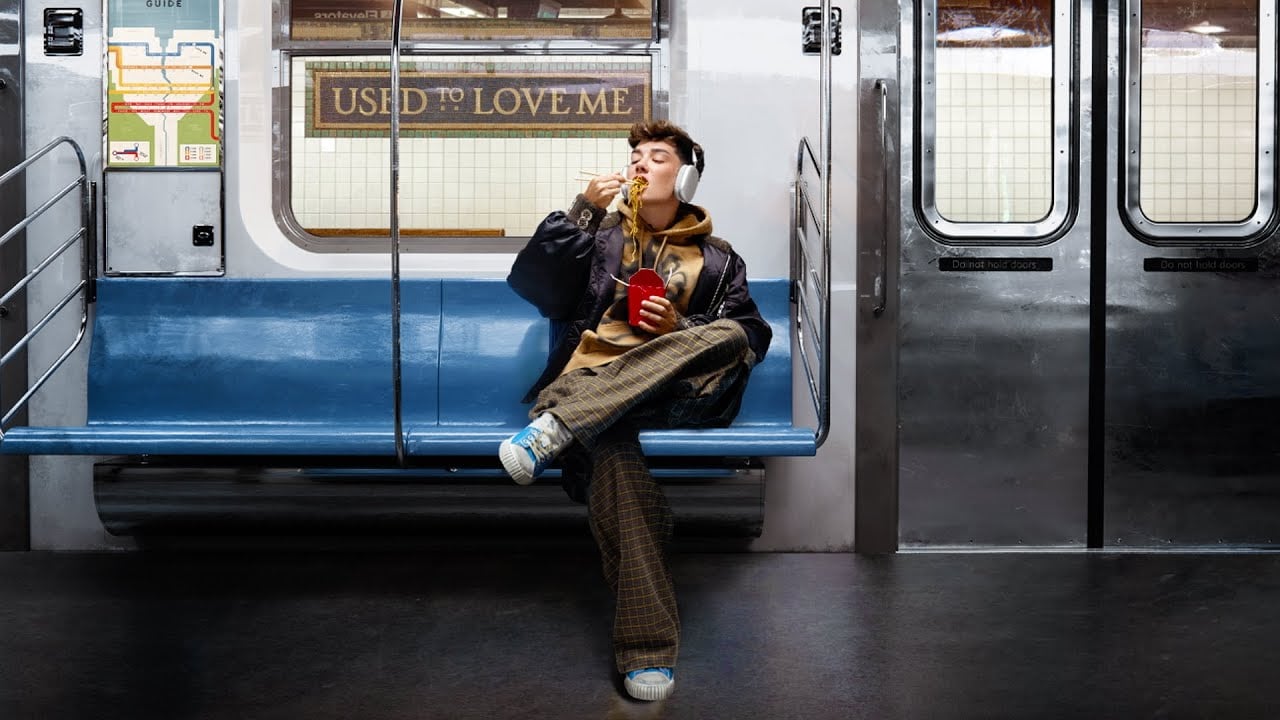
TOP INFLUENCER MERCH LINES THAT BECAME FASHION BRANDS #9. James Charles
James Charles launched Sisters Apparel during his peak YouTube success, and it became a global sell-out brand. Although it eventually closed, the line proved influencer fashion could rival mainstream streetwear. The clothing tapped into James’s beauty empire with bold prints and genderless designs. Fans treated the drops like exclusive hype releases. It left a blueprint for creators merging beauty and apparel into one lifestyle identity.
In 2026, James Charles teased a limited revival capsule of Sisters Apparel tied to a major beauty collab, with the announcement alone driving millions of impressions across TikTok and Instagram.
TOP INFLUENCER MERCH LINES THAT BECAME FASHION BRANDS #10. Sommer Ray
Sommer Ray leveraged her fitness fame to launch Sommer Ray Shop, a line blending athleisure with influencer style. What began as workout gear quickly expanded into casual streetwear. Her strong social media presence made each drop feel personal and aspirational. Fans see her clothing as a direct extension of her lifestyle brand. It’s become one of the most recognized influencer-led athleisure labels.
In 2026, Sommer Ray Shop launched a sustainable athleisure sub-line featuring recycled nylon sets, reporting its highest first-week sales since the brand’s original debut.
View this post on Instagram
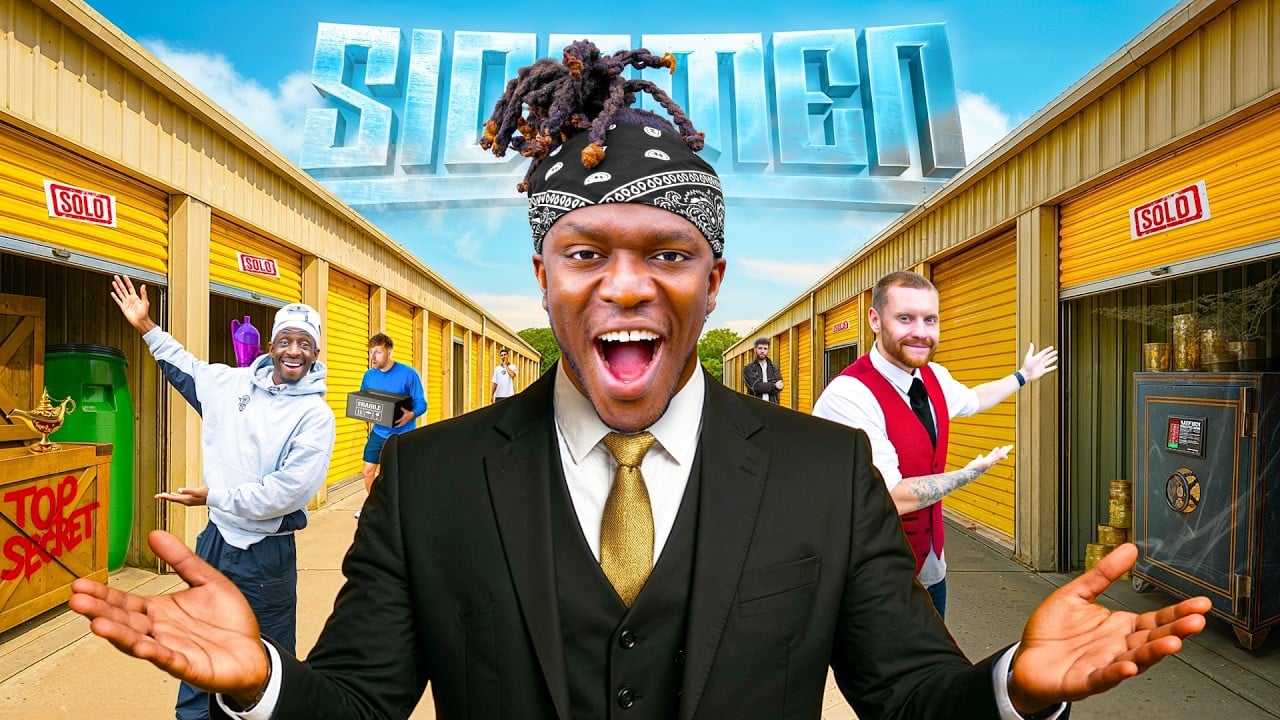
TOP INFLUENCER MERCH LINES THAT BECAME FASHION BRANDS #11. Sidemen
Sidemen turned SDMN Clothing into one of YouTube’s biggest apparel success stories. Their brand features streetwear staples, athletic wear, and limited drops. It went from inside-joke merch to a multi-million-pound clothing company. Fans see it as both fashion and a way to rep loyalty to the Sidemen. They built a true streetwear ecosystem powered by fandom.
In 2026, SDMN Clothing opened a temporary London flagship pop-up and released a football-inspired capsule that sold out within hours online.
TOP INFLUENCER MERCH LINES THAT BECAME FASHION BRANDS #12. Ninja
Ninja built Team Ninja apparel as his fame exploded on Twitch and Fortnite. What started as gaming merch evolved into functional, stylish streetwear. He partnered with major retailers, showing brands that gaming apparel has mainstream reach. The line carries his signature blue aesthetic while offering practical designs. Ninja’s move into apparel solidified gaming as a fashion lane.
In 2026, Ninja partnered with a global sportswear brand for a co-branded esports performance collection, marking his largest apparel collaboration to date.

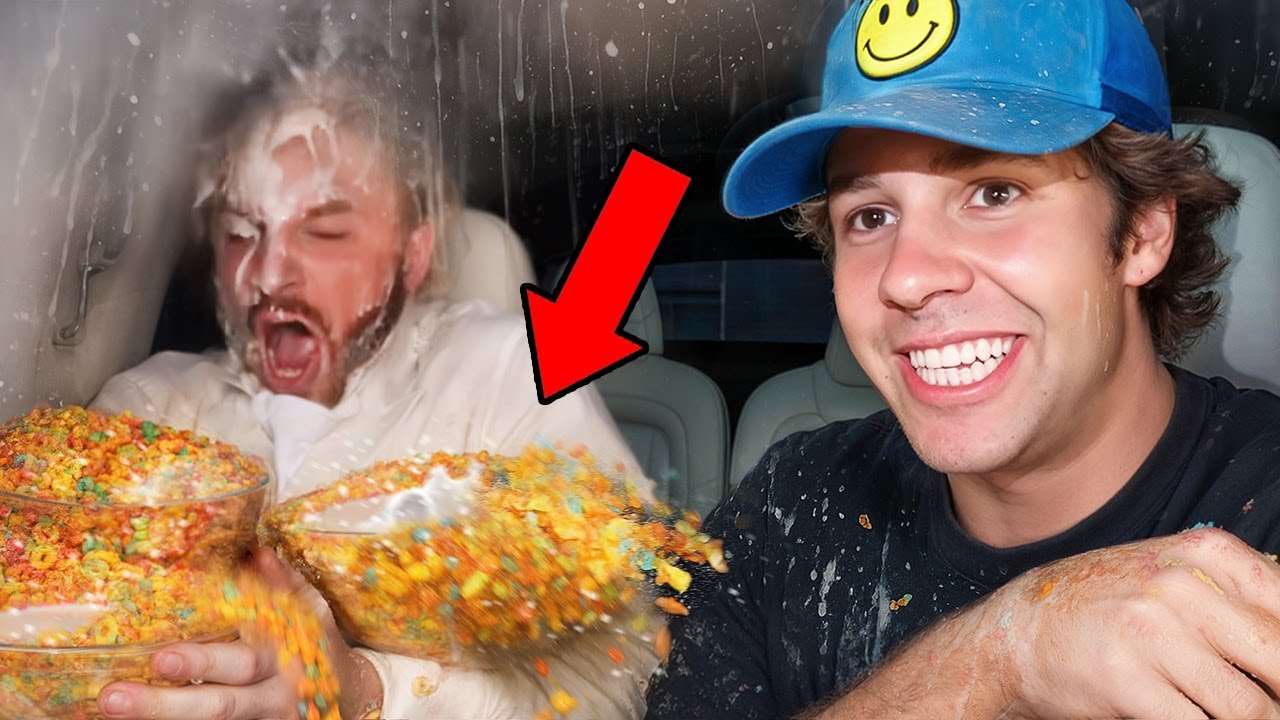
TOP INFLUENCER MERCH LINES THAT BECAME FASHION BRANDS #13. David Dobrik
David Dobrik’s Clickbait became a viral apparel line in its own right. Its cheeky graphics and casual designs embodied his vlogging style. Fans wore it as both merch and a cultural nod to internet humor. The line was consistently sold out during Dobrik’s YouTube peak. It still holds cult value among fans today.
In 2026, Clickbait apparel experienced a resale resurgence after Dobrik’s new docu-series premiere, with select archived pieces trading at 2x original retail on secondary platforms.
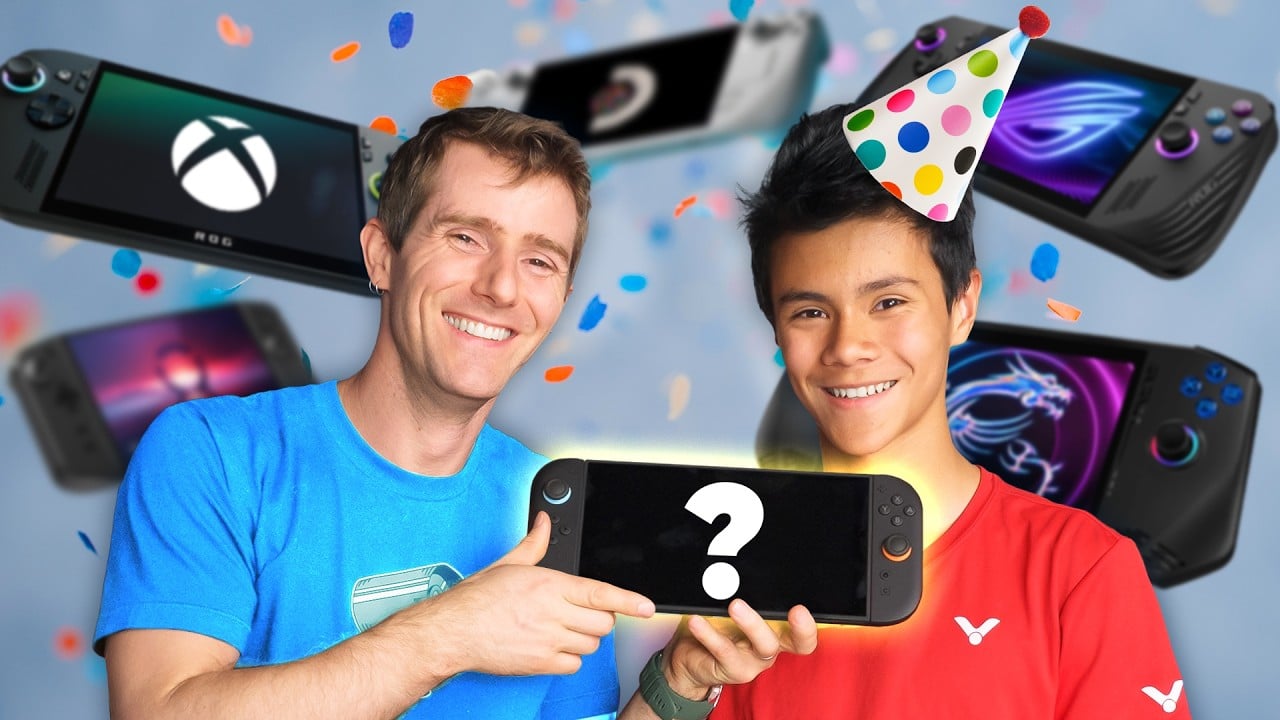
TOP INFLUENCER MERCH LINES THAT BECAME FASHION BRANDS #14. Linus Tech Tips
Linus Tech Tips built LTT Store with a focus on quality basics and functional gear. What began as community merch evolved into a respected lifestyle label. Their hoodies, water bottles, and tech-friendly designs stand out for practicality. The store reflects Linus’s attention to detail and commitment to quality. It’s an example of niche influencer merch turning into a mainstream product line.
In 2026, LTT Store introduced a redesigned techwear backpack with upgraded modular compartments, hitting record monthly sales driven by product-focused YouTube integrations.
TOP INFLUENCER MERCH LINES THAT BECAME FASHION BRANDS #15. FaZe Clan
FaZe Clan pushed gaming merch into fashion territory with FaZe Apparel. They collaborated with major brands and positioned themselves as a lifestyle label. The clothing blends esports energy with hype streetwear culture. Fans wear it as both gamer identity and fashion statement. FaZe set the tone for gaming apparel as true streetwear.
In 2026, FaZe Apparel collaborated with a luxury streetwear designer for a limited esports runway capsule unveiled during Paris Fashion Week activations.
TOP INFLUENCER MERCH LINES THAT BECAME FASHION BRANDS #16. Yes Theory
Yes Theory’s Seek Discomfort started as a motto and became a full clothing brand. The designs embody adventure, positivity, and community values. Their apparel is worn not just as clothing but as a philosophy. Fans proudly rep the brand to signal a lifestyle of curiosity and courage. Seek Discomfort transformed from fan merch into an inspirational fashion label.
In 2026, Seek Discomfort released a global “72-Hour Adventure” campaign collection tied to international community events, generating six-figure launch-day revenue.
TOP INFLUENCER MERCH LINES THAT BECAME FASHION BRANDS #17. NELK
NELK built Full Send into a cultural streetwear powerhouse. Originally merch tied to their wild pranks, the line now sells like hype brands. Drops often sell out instantly, proving its reach beyond YouTube. It’s become a full-fledged lifestyle brand for party culture. Full Send represents how internet notoriety can evolve into fashion relevance.
In 2026, Full Send launched a festival-season capsule aligned with their Happy Dad expansion, selling out multiple SKUs in under 10 minutes during the initial drop.
TOP INFLUENCER MERCH LINES THAT BECAME FASHION BRANDS #18. Alex Costa
Alex Costa, known for men’s style tips on YouTube, launched Aetos Apparel. The line focuses on timeless menswear with a modern twist. His following trusted his fashion sense, helping the brand grow fast. Aetos shifted him from influencer to true fashion entrepreneur. It’s a case of expertise translating into brand authority.
In 2026, Aetos Apparel introduced a tailored essentials collection manufactured in Portugal, reporting its highest repeat customer rate since the brand’s founding.
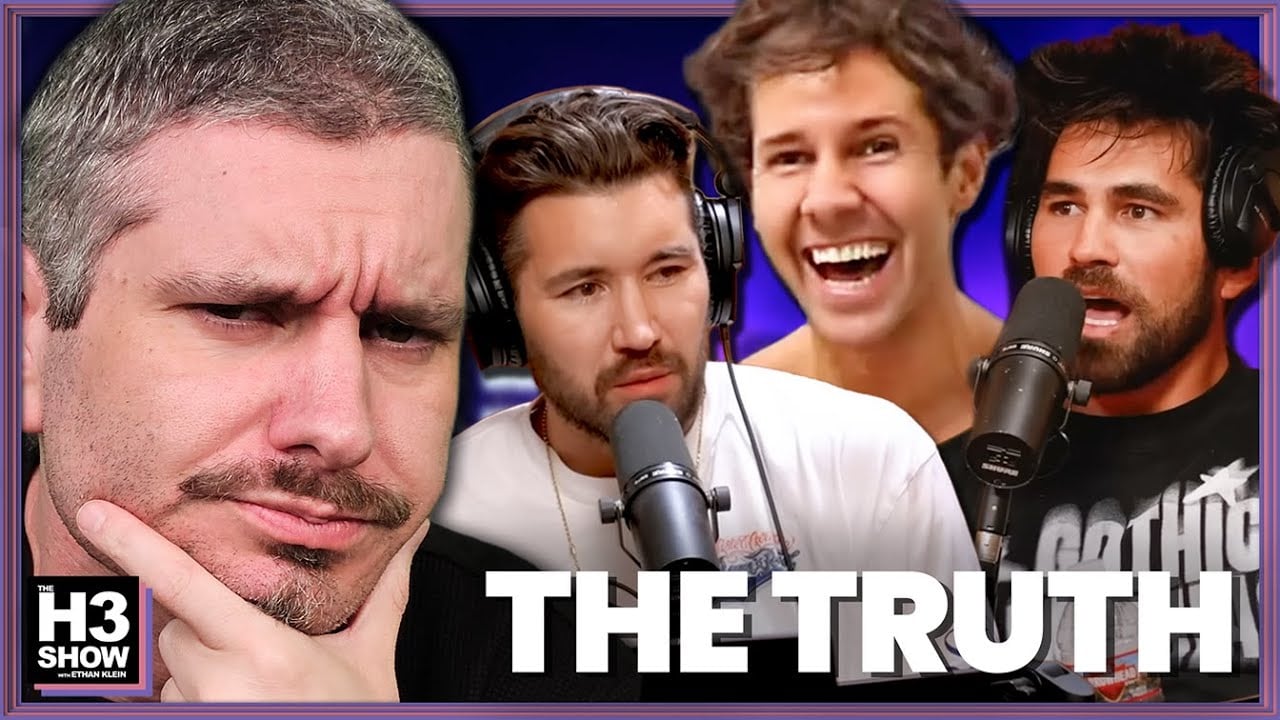
TOP INFLUENCER MERCH LINES THAT BECAME FASHION BRANDS #19. Ethan & Hila (H3)
Ethan and Hila Klein created Teddy Fresh, a colorful streetwear brand. Inspired by ’90s aesthetics, it evolved far past podcast merch. The brand collaborates with major partners and releases seasonal collections. Its bold color blocking and playful style gave it unique staying power. Teddy Fresh is now a recognized player in the streetwear scene.
In 2026, Teddy Fresh secured a major animated-series collaboration capsule, pushing quarterly revenue to new highs and expanding wholesale partnerships.
TOP INFLUENCER MERCH LINES THAT BECAME FASHION BRANDS #20. 100 Thieves
100 Thieves built its apparel arm into a respected streetwear label. The brand mixes esports identity with hype culture drops. Their collections often sell out, rivaling mainstream fashion labels. Beyond gaming, people wear it purely as a streetwear choice. It’s proof that an esports org can double as a fashion brand.
In 2026, 100 Thieves debuted a performance-focused esports collection during a global tournament, with inventory selling out before finals weekend concluded.
View this post on Instagram
TOP INFLUENCER MERCH LINES THAT BECAME FASHION BRANDS #21. Matilda Djerf
Matilda Djerf created Djerf Avenue, a minimalist Scandi-inspired fashion brand. What began as influencer-led designs grew into a global cult label. Known for timeless basics and neutral palettes, it represents slow fashion. Fans buy into the brand for its aesthetic, not just her name. Djerf Avenue is now bigger than its founder’s platform.
In 2026, Djerf Avenue opened a permanent New York showroom and released a bridal-inspired capsule that generated record waitlist sign-ups.
View this post on Instagram
TOP INFLUENCER MERCH LINES THAT BECAME FASHION BRANDS #22. Grace Beverley
Grace Beverley founded TALA, a sustainable athleisure brand. It started as a response to fast-fashion merch trends. The line prioritizes eco-friendly fabrics and ethical production. Her background as a fitness influencer gave her instant authority in activewear. TALA now stands on its own in the crowded athleisure market.
In 2026, TALA announced a recycled-fabric innovation partnership and reported multimillion-pound quarterly revenue fueled by its spring sustainability campaign.
View this post on Instagram
TOP INFLUENCER MERCH LINES THAT BECAME FASHION BRANDS #23. Paige Lorenze
Paige Lorenze launched Dairy Boy, a lifestyle apparel line inspired by country aesthetics. What started as personal merch quickly attracted loyal buyers. The brand reflects her rural-meets-modern style. Fans gravitate toward its nostalgic yet stylish appeal. Dairy Boy is a great example of lifestyle translating directly into clothing.
In 2026, Dairy Boy launched a summer rodeo-themed collection supported by a multi-city pop-up tour, driving its fastest online sell-out to date.
View this post on Instagram
TOP INFLUENCER MERCH LINES THAT BECAME FASHION BRANDS #24. Christian Guzman
Christian Guzman created Alphalete Athletics, one of the biggest fitness apparel brands. His YouTube following helped it grow from small drops to a full gym wear company. The brand emphasizes performance and aesthetic style. Guzman proved athlete influencers could build global labels. Alphalete now competes with major sportswear companies.
In 2026, Alphalete Athletics unveiled a performance-driven compression line tied to a global fitness expo, recording one of its strongest launch weekends ever.
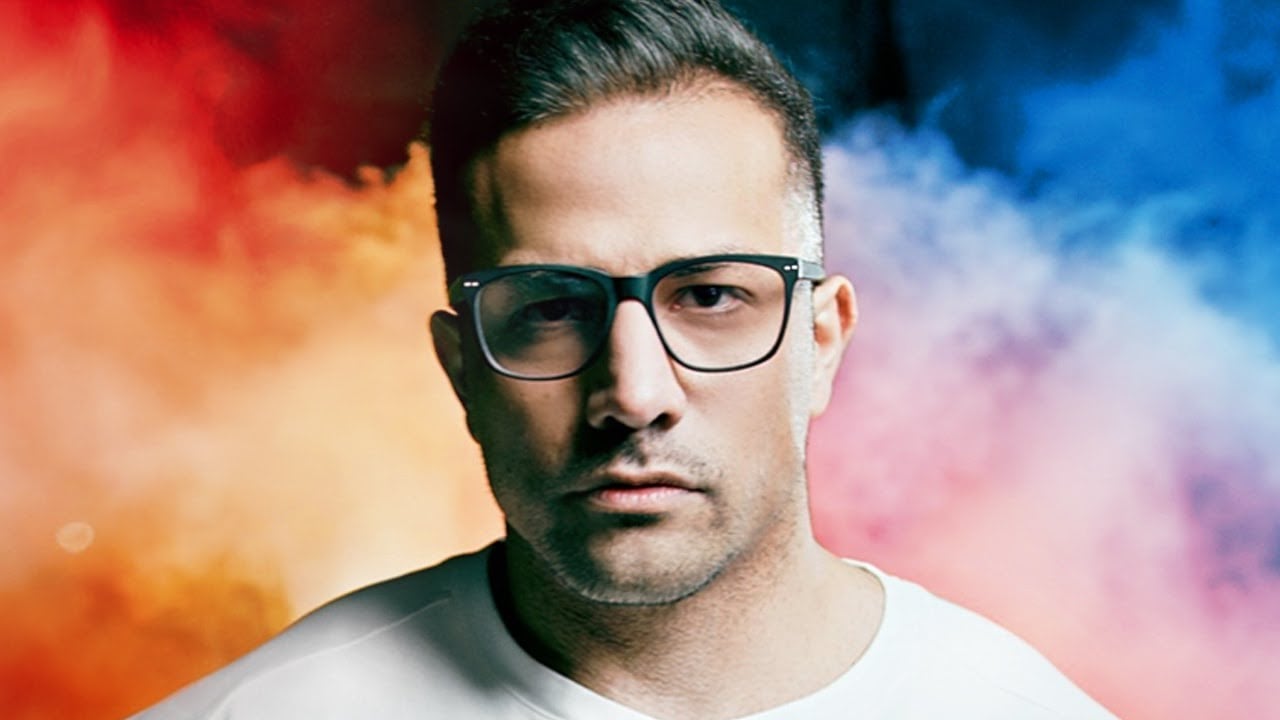
TOP INFLUENCER MERCH LINES THAT BECAME FASHION BRANDS #25. Imran Potato
Imran Potato built his self-titled brand from internet meme culture. Known for bold bootlegs and satirical designs, it became underground fashion gold. His work blurred lines between parody and real streetwear. The label now sits in hype stores alongside established names. Imran Potato is proof that niche online identity can drive cult apparel success.
In 2026, Imran Potato released a limited sneaker collaboration with an underground skate collective, with pairs reselling at more than triple retail within days.
View this post on Instagram
CONCLUSION
Looking at where influencer merch lines are heading, it’s clear that this is just the beginning. Fashion’s been on a wild ride, and influencers are proving that they’ve got the power to drive the direction. Some of these brands don’t even look like merch anymore—they’re legitimate fashion labels with dedicated design teams, supply chains, and global distribution. It’s not just about the clothes, it’s about what these brands represent. They’re merging culture, personality, and style in ways traditional fashion houses could only dream of. And let’s be real, it’s kind of exciting to think about where this is all going.
Are these fashion empires the future of the industry? Probably. Will we see influencers branching out even more? Definitely. The lines between influencer, celebrity, and designer are blending so fast; who knows what’s next. It’s a reminder that, at the end of the day, people want to connect—and if a hoodie with an influencer’s logo on it makes them feel closer to their favorite content creator, that connection converts. In 2026, several influencer-founded labels are reporting multimillion-dollar annual revenues, retail partnerships with major department stores, and limited drops selling out in under 10 minutes—numbers that rival established mid-tier fashion brands.
Sources:
Disclaimer: The influencers featured in this article are highlighted for editorial and informational purposes only. All embedded social media posts are displayed using the official embed tools provided by their respective platforms (Instagram, TikTok, YouTube, etc.), in accordance with platform terms of service. We do not claim ownership of any embedded content, and all rights remain with the original creators. If you are an influencer featured here and would like your content removed or updated, please contact us directly.