



29 Oct 15 Influencer Referral Marketing Strategies: How Influencers Are Powering the Next Wave of Customer Acquisition
In today’s competitive digital landscape, influencer marketing has evolved far beyond brand awareness campaigns. As customer acquisition costs soar and trust in paid advertising declines, influencers have become powerful growth drivers — not just as storytellers, but as referral partners. The intersection of influencer marketing and referral marketing is reshaping how brands attract, convert, and retain customers.
As a leading marketing agency in New York, we’ve seen firsthand how the convergence of influencer partnerships and referral marketing platforms can transform traditional campaigns into measurable growth engines. This combined approach — influencer referral marketing — allows companies to leverage creators’ authenticity while implementing trackable, performance-based strategies that drive real ROI.
Below are fifteen proven strategies that show how influencers can power the next wave of customer acquisition.
Top 15 Influencer Referral Marketing Strategies (Editor’s Choice)
15 Influencer Referral Marketing Strategies Proven • Effective • 2025
How creators + referral marketing platforms drive measurable growth — built by a leading marketing agency in New York.
| # | Strategy | What to Do & Why It Works | Suggested Platforms |
|---|---|---|---|
| 01 | Select Influence-Aligned Creators | Work with creators who share your brand’s values and target audience. Micro-influencers often convert better due to authenticity. Choose those comfortable with referral-based content. Goal: High conversion rate | GRINAspireCreatorIQ |
| 02 | Use Unique Codes & Links | Give each influencer a personalized code and landing page. It improves tracking and personalizes the experience, boosting trust and conversions. Goal: Clear attribution | Mention MeReferralCandyFriendbuy |
| 03 | Reward Both Influencer & Audience | Offer dual-sided incentives so both influencer and customer win. Shared value motivates consistent promotion and builds loyalty. Goal: Lower CPA | ImpactRefersion |
| 04 | Focus on Authentic Storytelling | Encourage creators to tell real stories about using your product. Natural storytelling inspires trust and encourages referral clicks. Goal: Higher CTR | LaterCanva |
| 05 | Add Urgency & Exclusivity | Use limited-time offers or exclusive rewards to prompt quick action. Scarcity motivates audiences to act before missing out. Goal: Fast conversions | ShopifyTypeform |
| 06 | Gamify the Experience | Add leaderboards or milestone bonuses for influencers. Friendly competition boosts engagement and keeps campaigns lively. Goal: Increased activity | GleamViral Loops |
| 07 | Leverage Micro & Nano Influencers | Smaller creators bring high engagement and audience trust. Partnering with many niche voices ensures broad yet authentic reach. Goal: Better ROI | ModashUpfluence |
| 08 | Segment by Audience Type | Tailor incentives and messaging to each influencer segment. Customization improves performance across demographics and markets. Goal: Targeted engagement | ExtoleTalkable |
| 09 | Provide Easy-to-Use Assets | Give influencers plug-and-play creative kits with visuals, captions, and FAQs. Reduces friction and ensures brand consistency. Goal: Quick activation | DropboxNotion |
| 10 | Go Multi-Channel | Expand across TikTok, YouTube, and newsletters for wider reach. Repetition across platforms reinforces the message and boosts conversions. Goal: Broader reach | LinktreeSubstack |
| 11 | Use UGC & Social Proof | Highlight real customer experiences and testimonials. Peer validation makes referral offers more trustworthy and appealing. Goal: Stronger credibility | YotpoBazaarvoice |
| 12 | Track Full Funnel | Measure from click to sale to retention. Data-driven insights reveal which influencers drive real long-term value. Goal: Data clarity | GA4Triple Whale |
| 13 | Build Long-Term Partnerships | Develop ongoing relationships with high-performing influencers. Consistency builds loyalty and authentic advocacy. Goal: Sustainable growth | AspireCreatorIQ |
| 14 | Run Creator-Led Drops | Co-create limited product launches with influencers. Exclusive drops generate excitement and measurable referral sales. Goal: Launch success | ShopifyKlaviyo |
| 15 | Blend Referral & Affiliate Models | Combine referral perks with affiliate commissions to scale sustainably. Aligns influencer incentives with brand performance. Goal: Scalable ROI | PartnerStackImpact |
Top 15 Influencer Referral Marketing Strategies 2025
Influencer Referral Marketing Strategy# 1. Select Influence-Aligned Creators with a Referral Mindset
The success of an influencer referral campaign starts with choosing creators who genuinely align with your brand and product. Rather than focusing solely on reach, brands should prioritize influencers who share the same audience values and purchasing motivations. Micro-influencers, in particular, tend to drive higher engagement and more authentic referrals than macro-influencers because their audiences trust their recommendations. When selecting talent, look for those who have successfully participated in affiliate or referral campaigns before — creators who understand the psychology of motivating conversions, not just impressions. Ensure they’re excited by the brand’s mission so their endorsement feels organic and compelling.
Influencer Referral Marketing Strategy#2. Embed Unique Referral Codes or Links in Creator Content
Every influencer in your program should have a personalized referral code or tracking link. This simple but powerful step ensures transparency, accurate attribution, and measurable ROI. These links should lead directly to custom landing pages or offer pages that mention the influencer by name — for example, “Use Anna10 for 10% off.” That small touch personalizes the promotion and builds trust with the audience. Make sure referral links are embedded naturally across multiple touchpoints — from video descriptions and social bios to Instagram Stories and TikTok captions — to maximize exposure and conversions.
Influencer Referral Marketing Strategy#3. Incentivize Both the Influencer and Their Audience
The most effective referral programs reward both the influencer and the new customer. When audiences feel they benefit too, participation rates rise sharply. A tiered incentive system works best: influencers can earn increasing rewards as they drive more referrals, while their audience receives discounts, cashback, or exclusive perks. The mutual value proposition encourages ongoing engagement rather than one-off transactions. Brands that clearly communicate these shared benefits build a sense of community between creators and customers, turning the referral process into a collaborative experience.
Influencer Referral Marketing Strategy#4. Focus on Story-Driven, Authentic Content
Referral promotions work best when they are woven into genuine storytelling rather than appearing as overt advertisements. Encourage influencers to share their real experiences using your product — how it helps them, why they trust it, and how their followers can benefit. This approach transforms the referral code from a marketing gimmick into a natural part of a creator’s narrative. Content such as “day in the life” videos, tutorials, or behind-the-scenes posts perform exceptionally well because they blend authenticity with subtle persuasion. When audiences feel a real connection to the story, they are far more likely to follow through on the referral offer.
Influencer Referral Marketing Strategy#5. Add Exclusivity and Urgency to Referral Offers
Scarcity drives action. By introducing time-limited or exclusive referral offers, brands can encourage followers to act quickly rather than “think about it later.” Examples include limited-time double rewards, early access campaigns, or exclusive bundles available only through an influencer’s link. Phrases like “available this week only” or “first 100 customers” create urgency and heighten the perceived value of the referral. These campaigns work especially well during launches, holidays, or promotional seasons when consumer intent is high. Urgency gives influencer content a timely, event-based momentum that drives immediate conversions.
Influencer Referral Marketing Strategy#6. Gamify the Experience for Creators and Audiences
Gamification transforms referral marketing into an engaging, competitive experience. Brands can introduce leaderboards that rank top-performing influencers, offer milestone badges, or host monthly “referral challenges” with bonus rewards. On the audience side, customers could earn extra perks for referring friends through the influencer’s link. This injects fun into the process and keeps both creators and customers motivated over longer periods. Gamified campaigns also build social buzz as influencers share their rankings and progress with followers — reinforcing participation and community excitement around the brand.
Influencer Referral Marketing Strategy#7. Work with Micro- and Nano-Influencers for Higher Engagement
While large influencers can deliver reach, smaller creators often deliver stronger engagement and trust. Micro- and nano-influencers maintain intimate relationships with their communities, making their recommendations feel like genuine word-of-mouth referrals. These creators are also more cost-effective and often more enthusiastic partners in ongoing campaigns. Their audiences perceive them as peers, not celebrities, which makes the referral incentive — “try what I use and get a reward” — more persuasive. Collaborating with dozens or even hundreds of micro-influencers allows brands to scale reach while maintaining authenticity.
Influencer Referral Marketing Strategy#8. Segment Influencers by Audience and Incentive Type
Every influencer’s audience is different, and their motivations for participating in referral campaigns vary. Segmenting creators by audience demographics, geography, or content style allows you to tailor your incentives. For example, lifestyle influencers might prefer product-based rewards, while business creators might respond better to monetary commissions. Similarly, regional influencers might require localized offers that fit cultural norms or purchasing habits. This targeted approach ensures your referral structure appeals to each influencer’s strengths and audience dynamics, maximizing conversions and campaign ROI.
Influencer Referral Marketing Strategy#9. Provide Creators with Share-Ready Content and Resources
Even the most enthusiastic influencer can underperform if they lack proper assets. Simplify participation by providing ready-to-use creative materials — branded templates, story frames, product photography, and step-by-step guides explaining the referral mechanics. Include clear campaign instructions, pre-approved messaging, and FAQs so influencers can focus on creativity rather than logistics. Consider offering dashboards where creators can monitor their referral results and rewards in real time. The easier you make it for influencers to share your offer confidently and seamlessly, the more consistently they will promote it.
Influencer Referral Marketing Strategy#10. Expand Across Multiple Channels
Your influencer referral campaign should extend beyond one social platform. Today’s top creators engage audiences across TikTok, YouTube, Instagram, newsletters, podcasts, and even live-stream shopping sessions. Encourage influencers to mention their referral code or link across various touchpoints to reinforce brand visibility. Multi-channel integration also helps you identify which platform drives the best referral ROI. For example, short-form TikTok videos may spark discovery, while long-form YouTube tutorials convert interested viewers. This holistic approach ensures your brand remains top of mind wherever audiences interact with the creator.
Influencer Referral Marketing Strategy#11. Encourage User-Generated Content and Community Proof
The credibility of referral marketing amplifies when users who redeem influencer codes share their own experiences. Encourage new customers to post about their purchases, tag the influencer, and highlight the referral offer. This second layer of authentic content acts as powerful social proof for prospective buyers. You can further motivate participation by featuring top user posts on your brand’s social channels or offering secondary rewards for sharing testimonials. When audiences see a cycle of genuine recommendations — influencer to follower to friend — the referral network grows exponentially.
Influencer Referral Marketing Strategy#12. Track the Full Customer Journey
Measuring success goes beyond tracking clicks or code redemptions. A robust influencer referral program should monitor the complete customer journey — from awareness to conversion to retention. Identify which influencers drive not only the most sign-ups, but the highest-quality customers with strong lifetime value. Incorporate analytics that reveal customer retention rates, repeat purchases, and engagement post-referral. By connecting influencer activity to deeper business metrics, brands can refine budgets, optimize incentives, and identify long-term high performers. Precision tracking transforms influencer referral campaigns from experiments into data-backed growth systems.
Influencer Referral Marketing Strategy#13. Build Long-Term Relationships with Top Influencers
Treat top-performing influencers as partners, not temporary campaign participants. Long-term relationships encourage consistency, brand familiarity, and sustained advocacy. Creators who genuinely believe in a brand integrate referrals naturally into their ongoing content, making each promotion feel like part of their lifestyle rather than a one-time plug. Offer recurring commissions, exclusive collaborations, or product previews to keep them engaged. The more involved they become in your brand story, the more authentically they will motivate their followers to join — driving compounding referral growth over time.
Influencer Referral Marketing Strategy#14. Launch Creator-Led Collaborations and Exclusive Drops
Collaborating with influencers on limited-edition products or collections amplifies the power of referral marketing. These co-branded launches create excitement, exclusivity, and a deeper sense of ownership for both the influencer and their audience. When followers feel they’re getting special access through a trusted creator, conversion rates soar. Pair these launches with personalized referral codes that unlock exclusive perks, turning fans into advocates and purchasers simultaneously. Creator-led collaborations not only strengthen loyalty but also generate significant earned media coverage for the brand.
Influencer Referral Marketing Strategy#15. Blend Referral and Affiliate Models for Scalable Growth
The future of influencer referral marketing lies in merging referral mechanics with affiliate marketing infrastructure. By rewarding influencers per conversion or sale, brands can scale partnerships efficiently while maintaining accountability. Performance-based models allow for tiered commissions, bonuses, and recurring payouts, encouraging creators to continuously promote the brand. With the right platform, brands can onboard hundreds of influencers, automate payments, and track performance seamlessly. This hybrid approach transforms influencer referrals from small-scale campaigns into a self-sustaining growth ecosystem.
Brand Photography Marketing Strategy#6 Leave Negative Space for Copy & Headlines
Designers need space to place headlines, CTAs, and logos. Yet most photoshoots neglect this, forcing clumsy overlays that distract from the image itself. By deliberately framing with negative space, you create flexible images that double as PR hero shots, social banners, and paid ads.
Think of negative space as strategic real estate: it increases the utility of every photo and makes your creative library far more valuable to multiple teams. For example, Apple has mastered this approach by using minimalist backdrops that allow product shots to seamlessly accommodate text overlays, making them instantly adaptable across web banners, press articles, and advertising.
Brand Photography Marketing Strategy#7 Maintain a Unified Color Palette Across Props & Wardrobe
A cohesive palette creates instant brand recognition. Decide on a set of brand tones (two primaries, one neutral, one accent) and align wardrobe, props, and backgrounds accordingly.
Inconsistent palettes create visual noise and reduce professionalism. But unified palettes allow your photos to reinforce brand identity at a glance. Over time, consumers associate colors with your brand before they even read a caption. For instance, Coca-Cola consistently maintains its red-and-white visual palette in photography, from clothing choices in lifestyle shots to the background props, which strengthens brand recall across every platform.
Brand Photography Marketing Strategy#8 Light Like a Newsroom, Not a Nightclub
Moody shadows may look cinematic, but they fail in press CMS or thumbnails where clarity matters most. Consistent, legible lighting is key: soft window light plus bounce works universally well. Avoid mixed temperatures (tungsten + daylight) that complicate editing and create inconsistency across deliverables.
Good lighting isn’t just about aesthetics; it improves usability across channels. Clear, consistent lighting ensures your images scale across PR, social, ads, and websites without painful re-edits. A classic example is LinkedIn profile portraits — those shot in balanced, natural light not only look more professional but also perform better in editorial and corporate media placements than stylized, overly dramatic ones.
Brand Photography Marketing Strategy#9 Direct Micro-Actions for Authenticity
Audiences spot stiffness instantly. Instead of static posing, direct micro-actions: adjusting a sleeve, handing over a product, walking mid-step, or even laughing mid-conversation. These micro-moments feel candid, human, and authentic — making them more effective in paid ads and social.
Capturing motion increases relatability and conversion while helping your brand feel genuine. A well-known example is Glossier, which often uses micro-action lifestyle shots of people casually applying lip balm or sharing products with friends. These frames resonate with audiences far more than stiff, studio-perfect poses.
Brand Photography Marketing Strategy#10 Tag, Caption & Organize Files on Import
A common mistake is letting thousands of images sit untagged in folders. Immediately upon import, tag by subject, emotion, orientation, and context. Add captions identifying who is in the frame, what’s happening, and brand relevance so the assets are easy to find later.
This metadata turns your asset library into a powerful DAM (digital asset management) tool. Editors, designers, and PR partners can find assets quickly. Without it, assets die unused in forgotten folders. For example, National Geographic organizes tens of thousands of images with meticulous tagging and metadata, making it possible to retrieve relevant visuals within seconds for both digital publishing and archival projects.

Brand Photography Marketing Strategy#11 Secure Rights & Licensing in Advance
Even the best visuals become useless if rights aren’t clear. Before shooting, secure model releases, property releases, and licensing terms. Define usage rights across press, paid, retail, and OOH, and always ensure contracts are signed before distribution. Retain RAWs for at least 12 months to allow re-grading as trends evolve or new formats emerge.
A clean licensing system ensures assets are ready to distribute instantly. This eliminates legal bottlenecks and increases the likelihood of media adoption. For instance, major fashion brands like Zara and H&M always secure international rights during shoots to ensure their campaigns can run globally without restrictions. This proactive approach prevents costly re-shoots or legal disputes.
Brand Photography Marketing Strategy#12 Run Multi-Station Shoots for Efficiency
Traditional linear shoots — one scene at a time — waste resources. Instead, run station-based production: while portraits roll, another set captures product macros or hands-in-action. Rotate talent and props through each station to maximize variety.
This multiplies variations, keeps energy high, and ensures you leave with a fully diverse library. This method can double usable output per hour compared to linear setups. A good example is Amazon product photography, where teams often operate multiple lightboxes and styled sets simultaneously, generating thousands of usable images in a single day.
Brand Photography Marketing Strategy#13 Export Editorial & Performance Families
Editorial outlets prefer natural grading; performance teams need punchier contrast and warmer tones. Export both. Editorial families preserve realism and credibility, while performance families pop on social feeds and grab attention in ads.
By delivering both simultaneously, you reduce downstream editing friction and increase adoption across all channels. For example, The New York Times often uses neutral, editorial-style portraits for coverage, while the same images are slightly regraded by brands for use in vibrant ad campaigns. Offering both saves time and keeps messaging consistent across earned and paid media.
Brand Photography Marketing Strategy#14 Assemble Press-Ready Asset Packs
After every shoot, package a press kit: boilerplate copy, captions, credit lines, and zipped image folders (web + print resolution). This makes it painless for editors, journalists, and influencers to adopt your visuals without back-and-forth delays.
A streamlined press pack dramatically increases the chance of coverage. If an editor has to dig through Dropbox or email chains, the opportunity is lost. A well-known case is Tesla, which maintains a dedicated media hub with press-ready product and founder images that journalists can instantly download and publish. This accessibility ensures consistent media coverage worldwide.
Brand Photography Marketing Strategy#15 Measure, Iterate & Retire Underperformers
Your photo library should be treated as a product. Track which images drive placements, ad performance, or social engagement. Retire underperforming assets after 60–90 days, and double down on high performers in the next shoot.
Photography analytics — CTR, CPA, placement rate — give you proof of ROI. Over time, you evolve a playbook of what consistently converts for your brand. For example, DTC brands like Warby Parker analyze performance data to identify which lifestyle shots resonate most with their audience, then replicate those styles in future shoots. This data-driven cycle ensures every campaign becomes smarter than the last.
Conclusion
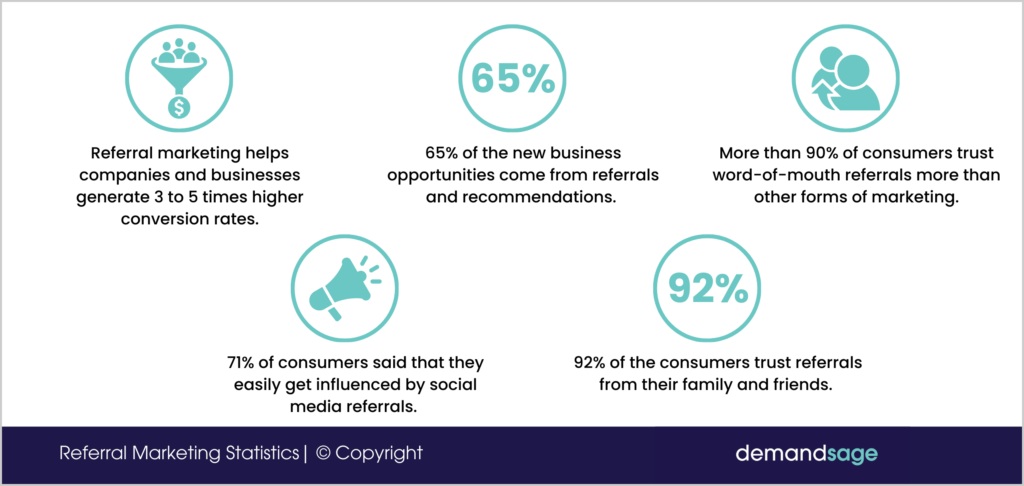
Influencer referral marketing represents the perfect fusion of trust, technology, and trackability. It combines the human connection of influencer storytelling with the measurable ROI of referral systems. As customer acquisition costs rise and consumers grow more selective about the brands they trust, this approach offers a scalable path toward authentic, cost-effective growth.
By applying these fifteen strategies — from selecting aligned influencers and crafting exclusive offers to gamifying participation and blending affiliate-style incentives — brands can transform creators into high-performing advocates. The next generation of marketing belongs to brands that empower influencers not just to promote, but to convert — driving growth through credibility, community, and collaboration.
SOURCES
- https://viral-loops.com/blog/influencer-referral-marketing/
- https://www.nector.io/blog/viral-referral-marketing-strategies-and-examples/
- https://tapfiliate.com/blog/referral-marketing-strategies-to-learn-and-apply-gp/
- https://grin.co/blog/how-to-use-influencer-marketing/
- https://www.mention-me.com/blog/mastering-referral-marketing
- https://later.com/blog/influencer-marketing-strategies/
- https://www.growthjockey.com/blogs/referral-marketing-strategy-the-role-of-influencers-in-sleepyhugs-rise
- https://www.refersion.com/blog/referral-program-influencers/
- https://impact.com/referral/referral-marketing-ideas/
- https://www.mention-me.com/blog/affiliate-marketing-vs-referral-marketing-whats-right-for-you