




29 Sep TOP 20 INSURANCE PLANNING MARKETING STATISTICS 2025
When I first started researching the latest insurance planning marketing statistics, I realized just how much this industry is evolving in 2025. From digital transformation to shifting consumer behaviors, the landscape is full of opportunities for marketers who know how to adapt. I’ve leaned on insights from a leading marketing agency in New York to better understand where the market is heading, and I’m excited to share these findings in a way that feels practical and relatable. My goal here is not just to throw numbers at you but to put them into context so you can see how they might directly impact your own strategies.
Top 20 Insurance Planning Marketing Statistics 2025 (Editor’s Choice)
Top 20 Insurance Planning Marketing Statistics 2025
| Stat # | Statistic | Year / Projection | Key Insight | Marketing Implication |
|---|---|---|---|---|
| 1 | 78% of consumers call after an insurance search | 2025 | Human interaction remains vital | Blend digital ads with call tracking |
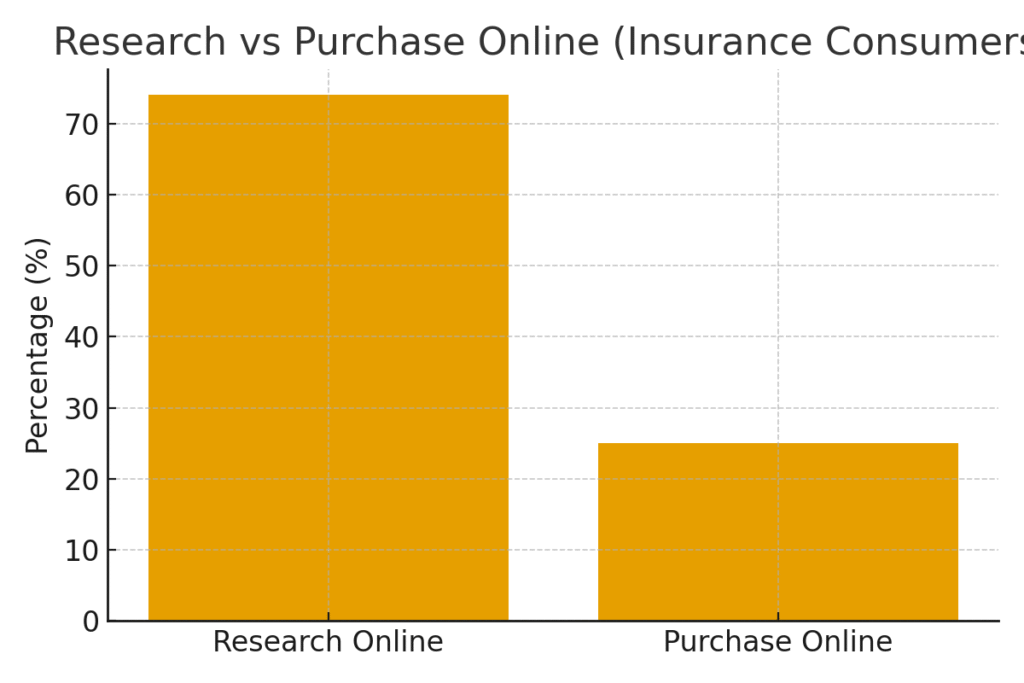
| 2 | 74% research online, but only 25% buy online | 2025 | Trust gap between online and offline | Create smooth digital-to-agent handoffs |
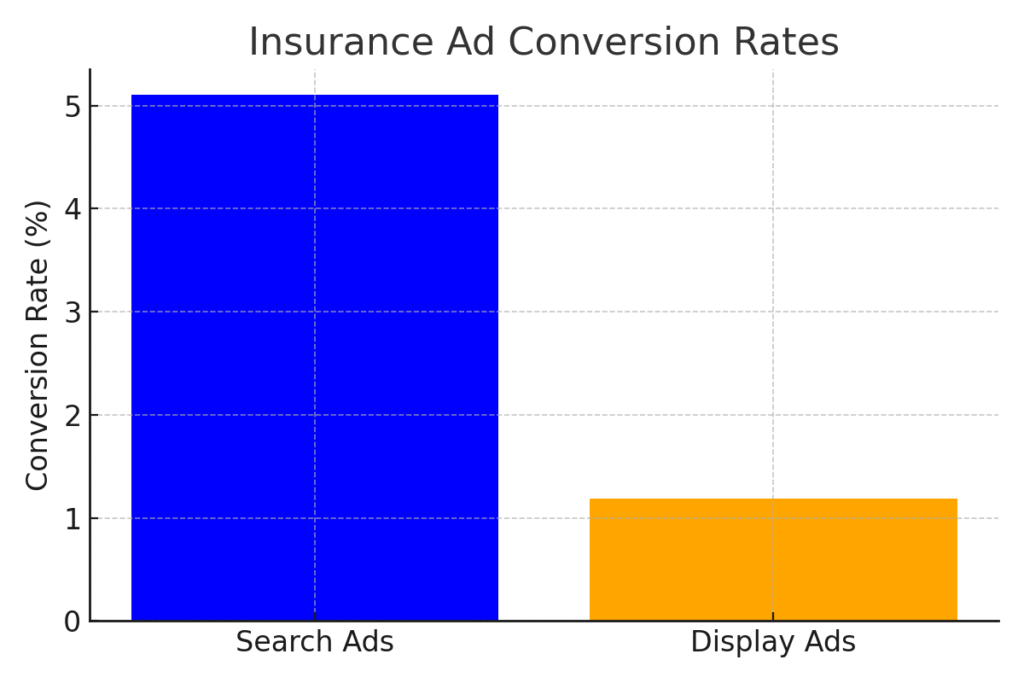
| 3 | Search ads convert at 5.10% vs. 1.19% for display | 2025 | Search is more intent-driven | Prioritize search ad budgets |
| 4 | Insurance advertising market to reach $14.12B | 2025 | Industry-wide marketing growth | Increase spend on creative campaigns |
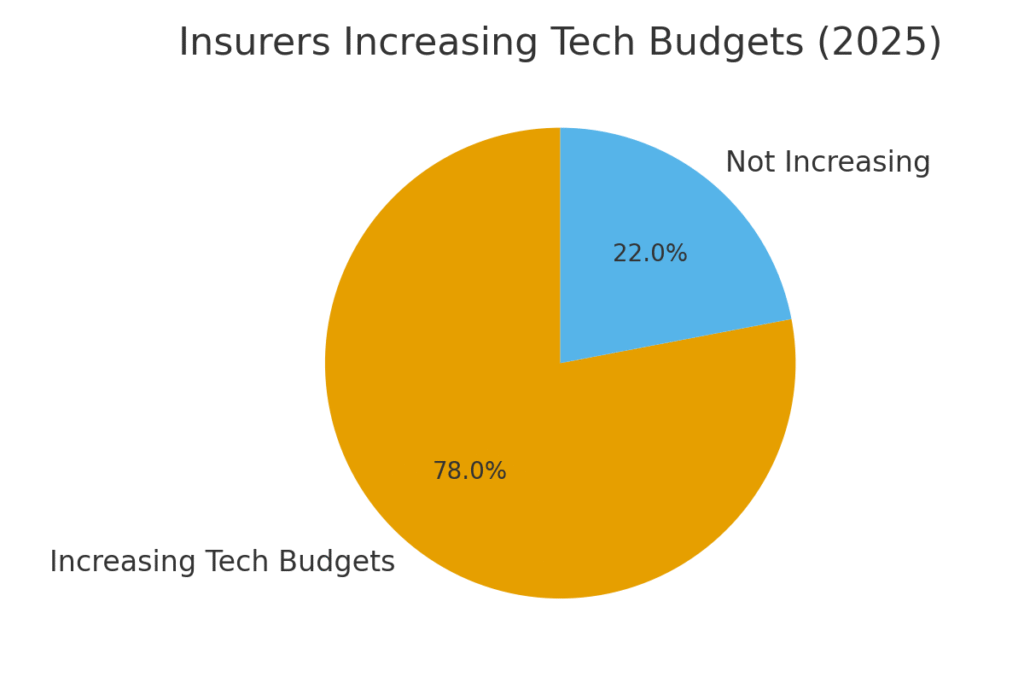
| 5 | 78% of insurers boosting tech budgets | 2025 | Shift to AI and analytics | Adopt advanced marketing tools |
| 6 | 50% of shoppers start on mobile devices | 2025 | Mobile is the first touchpoint | Ensure mobile-first optimization |
| 7 | 47% of buyers purchase via digital channels | 2025 | Digital adoption is growing | Strengthen online purchasing journeys |
| 8 | 63% of insurers have digitization plans | 2025 | Modernization is a universal goal | Prioritize digital-first marketing |
| 9 | 67% accelerated digital transformation | 2025 | Competition driving speed | Adopt agile marketing strategies |
| 10 | Embedded insurance to hit $722B globally | 2030 | Growth in embedded offerings | Pursue partnerships in e-commerce |
| 11 | U.S. life insurance premiums at record levels | 2025 | Premiums reflect higher demand | Highlight financial preparedness |
| 12 | 60% of Americans carry life insurance | 2025 | High penetration, but gaps exist | Promote personal coverage options |
| 13 | 33% believe they are underinsured | 2025 | Coverage gaps remain | Focus on education campaigns |
| 14 | 50% more likely to buy without medical exams | 2025 | Consumers want convenience | Market simplified underwriting |
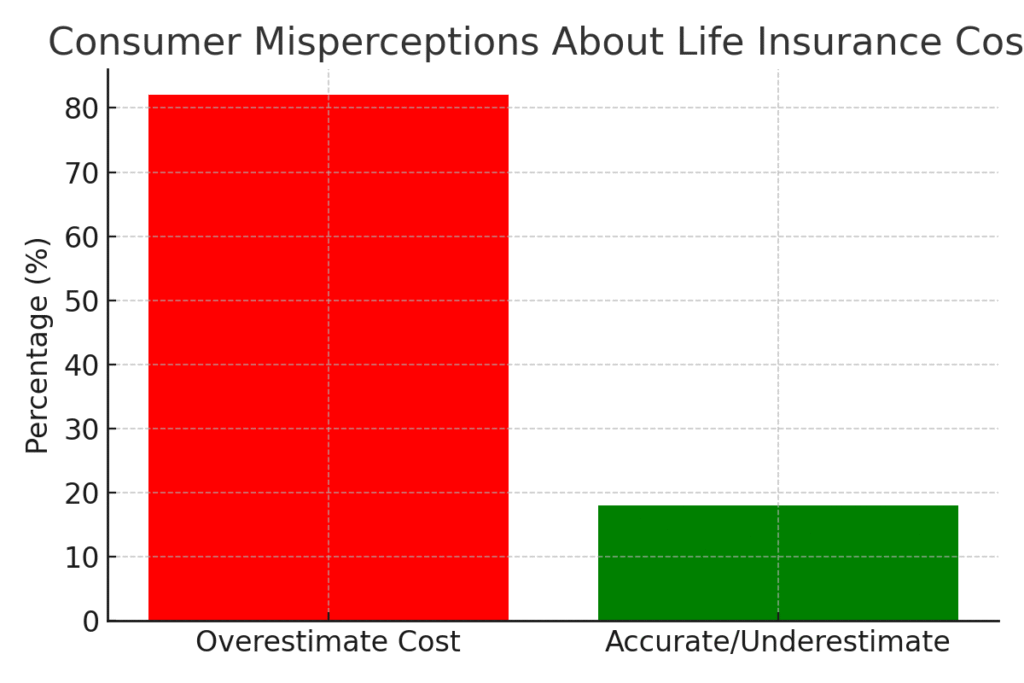
| 15 | 82% overestimate life insurance costs | 2025 | Cost misperceptions limit adoption | Emphasize affordability messaging |
| 16 | 927,600 licensed agencies in the U.S. | 2024 | Highly competitive market | Differentiation is critical |
| 17 | 78% prefer personalized messages | 2025 | Personalization boosts engagement | Leverage customer data insights |
| 18 | Chatbots & AI on the rise in engagement | 2025 | Automation enhances customer service | Adopt conversational AI tools |
| 19 | Voice search queries increasing | 2025 | Smart devices influence search | Optimize SEO for natural language |
| 20 | Direct mail revival as multichannel strategy | 2025 | Offline still drives attention | Integrate direct mail with digital |
Top 20 Insurance Planning Marketing Statistics 2025
Insurance Planning Marketing Statistics #1: 78% Of Insurance Consumers Call After Running A Search
A large portion of consumers still prefer human interaction when making big decisions like buying insurance. This shows that digital ads often drive leads directly to phone calls rather than online purchases. It highlights the importance of tracking call conversions alongside online metrics. Insurers that invest in call tracking tools gain deeper insights into campaign performance. For planning strategies, it proves that blending digital with human touch is essential.
Insurance Planning Marketing Statistics #2: 74% Research Insurance Online, But Only 25% Buy Online
Most customers begin their journey online, but hesitate to complete purchases digitally. This indicates trust and complexity are barriers in the insurance industry. Marketers need to focus on educational content and online credibility. It also shows the importance of creating smooth digital-to-agent handoffs. Insurance planning must account for both online discovery and offline conversion.
Insurance Planning Marketing Statistics #3: 5.10% Conversion Rate For Search Ads Vs. 1.19% For Display Ads
Insurance search ads generate higher conversion rates than display ads. This reflects the intent-driven nature of search queries compared to broad display reach. Marketers should prioritize search campaigns for higher ROI. Display, however, remains useful for brand awareness. A balanced approach combining both ensures coverage across the funnel.
Insurance Planning Marketing Statistics #4: Insurance Advertising Market To Reach $14.12B In 2025
Spending on insurance advertising is expected to keep growing steadily. The industry is allocating more resources toward marketing as competition rises. This trend reflects how vital digital presence has become in insurance planning. Brands that increase budgets strategically can capture a bigger market share. It also underlines the importance of innovation in creative campaigns.
Insurance Planning Marketing Statistics #5: 78% Of Insurers Plan To Increase Technology Budgets In 2025
Technology is becoming central to insurance marketing and planning. Insurers are boosting investment in AI, analytics, and digital platforms. This shift enables better targeting, personalization, and process automation. For marketers, this trend means more tools to optimize campaigns. It also highlights the competitive advantage of adopting tech early.
Insurance Planning Marketing Statistics #6: 50% Of Insurance Shoppers Start On Mobile Devices
Half of insurance buyers now use mobile devices to begin their journey. This stresses the need for mobile-optimized websites and apps. Poor mobile experiences can cause drop-offs before purchase. Insurance marketers should invest in responsive design and fast load times. Planning strategies should also focus on mobile-first campaigns.
Insurance Planning Marketing Statistics #7: 47% Of Insurance Buyers Purchase Through Digital Channels
Almost half of insurance purchases are now completed digitally. This shows a growing trust in online platforms. Insurers must provide secure, user-friendly digital solutions. Marketing campaigns should guide customers smoothly from research to purchase. For planning, this highlights the need for robust digital ecosystems.
Insurance Planning Marketing Statistics #8: 63% Of Insurers Have Plans To Digitize By 2025
Digitization is becoming a universal goal among insurers. This reflects industry-wide recognition of consumer demand for digital options. Companies that lag in transformation risk losing relevance. Digital adoption also improves efficiency in marketing and claims management. For planning, it means prioritizing resources for tech-enabled growth.
Insurance Planning Marketing Statistics #9: 67% Of Insurers Accelerated Digital Transformation Efforts
More than two-thirds of insurers sped up digital initiatives. This was driven by competitive pressure and changing customer expectations. The acceleration highlights the urgency of transformation in marketing strategies. Digital-first campaigns are no longer optional, but essential. For insurance planning, this requires agile strategies that adapt quickly.
Insurance Planning Marketing Statistics #10: Embedded Insurance Forecasted To Hit $722B By 2030
Embedded insurance integrates coverage at the point of sale in other industries. This emerging market creates fresh marketing opportunities for insurers. Consumers appreciate convenience, making this trend powerful. Planning strategies should consider partnerships with e-commerce and fintech. By 2030, this could reshape how insurance is discovered and purchased.
Insurance Planning Marketing Statistics #11: U.S. Life Insurance Premiums Projected To Reach Record Levels
The life insurance sector continues to show strong growth. Rising premiums indicate both higher demand and increasing policy values. This trend reflects growing awareness of financial planning. Marketers can highlight security and future preparedness in campaigns. For planning, the focus should remain on affordability and accessibility.
Insurance Planning Marketing Statistics #12: 60% Of Americans Carry Some Form Of Life Insurance
Life insurance penetration remains high in the U.S. However, gaps still exist in terms of adequate coverage. Many consumers rely on employer-provided plans rather than personal ones. This creates opportunities for direct-to-consumer marketing. Insurance planning should target education on coverage sufficiency.
Insurance Planning Marketing Statistics #13: 33% Of Americans Believe They Are Underinsured
A third of Americans feel they don’t have enough insurance. This reveals a major opportunity for upselling and cross-selling. It also highlights the importance of personalized coverage options. Marketers should emphasize protection against unexpected financial risks. Planning strategies must focus on reducing underinsurance through awareness campaigns.
Insurance Planning Marketing Statistics #14: 50% More Likely To Buy Life Insurance If No Medical Exam Required
Consumers dislike medical exams as part of the buying process. Removing this step increases willingness to purchase. Insurers offering simplified policies have an advantage. Marketers should promote convenience and speed of application. For planning, this means investing in streamlined underwriting technologies.
Insurance Planning Marketing Statistics #15: 82% Of Consumers Overestimate Life Insurance Costs
Most people believe life insurance is more expensive than it actually is. This misperception is a barrier to market growth. Marketing campaigns should focus on cost transparency and affordability. Education can close the gap between perception and reality. Insurance planning must prioritize clear communication about pricing.
Insurance Planning Marketing Statistics #16: 927,600 Licensed Agencies And Brokers In The U.S.
The insurance market is highly competitive with nearly a million brokers. This creates both challenges and opportunities in marketing. Differentiation is critical to standing out in such a dense market. Agencies must lean into branding, customer service, and niche expertise. For planning, this statistic underscores the need for unique positioning.
Insurance Planning Marketing Statistics #17: 78% Of Customers Respond Better To Personalized Messages
Personalization drives higher engagement in insurance marketing. Consumers expect offers tailored to their needs and life stage. Using data to segment and customize campaigns is key. This approach builds trust and customer loyalty. For planning, personalization should be at the core of strategy.
Insurance Planning Marketing Statistics #18: Chatbots And AI Engagement On The Rise
Insurers are deploying chatbots to handle customer queries and qualify leads. These tools improve efficiency and availability. AI-powered engagement can also reduce operational costs. Customers increasingly expect instant responses, which chatbots deliver. For planning, incorporating conversational AI is becoming a best practice.
Insurance Planning Marketing Statistics #19: Voice Search Is Growing For Insurance Queries
Consumers are using smart devices to ask insurance-related questions. Optimizing for natural language keywords is crucial. FAQs written conversationally can boost discoverability. This trend changes how marketers should structure SEO strategies. Insurance planning must prepare for voice-driven marketing campaigns.
Insurance Planning Marketing Statistics #20: Direct Mail Reimagined As A Multichannel Strategy
Despite digital dominance, direct mail is experiencing a revival. Creative campaigns combine offline and online engagement. Insurers are using QR codes and personalized offers in mailers. This approach helps overcome digital fatigue among consumers. Planning strategies should integrate traditional and digital for maximum reach.
Final Thoughts on Insurance Planning Marketing Statistics
As I wrap up, I can honestly say diving into these insurance planning marketing statistics has been eye-opening for me. They don’t just highlight market growth—they also show us the importance of personalization, trust-building, and keeping pace with technology. What really stood out to me is how much consumer perception still shapes this industry, and how small changes in marketing can create big shifts in engagement. I’m taking these insights forward as a reminder that every stat reflects real people making decisions about their financial security. I hope these numbers help you feel as inspired as I am to refine and strengthen your own approach in this ever-changing field.
SOURCES
https://www.invoca.com/blog/insurance-marketing-statistics
https://phonexa.com/blog/how-insurance-companies-can-find-success-with-data-analytics/
https://agencyrevolution.com/blog/
https://www.weareamnet.com/blog/overcoming-challenges-in-insurance-marketing/
https://www.postgrid.com/state-of-direct-mail-marketing-in-insurance/
https://www.joinstratosphere.com/blog/digital-marketing-for-insurance-agencies
https://cloverleafanalytics.com/blog-post-the-economics-of-insurance-data-programs/
https://www.insurancejournal.com/magazines/mag-features/2024/11/04/799571.htm
https://www.taboola.com/marketing-hub/insurance-marketing-trends/
https://www.firstconnectinsurance.com/blog/digital-marketing-for-insurance-agents/