



28 Sep TOP 20 JOINT HEALTH MARKETING STATISTICS 2025
When I started exploring the latest joint health marketing statistics, I was surprised by just how much this sector has evolved. From seniors looking for relief to younger generations investing in preventative wellness, joint health has become a growing priority across the globe. As someone who enjoys learning about how industries transform, I wanted to highlight the numbers that really stood out to me. These insights, gathered from trusted industry reports, show just how quickly consumer preferences are changing. And since I always love connecting with experts, I leaned on resources from a leading marketing agency in New York to better understand how brands are seizing these opportunities.
Top 20 Joint Health Marketing Statistics 2025 (Editor’s Choice)
| # | Statistic | Value | Year / Forecast |
|---|---|---|---|
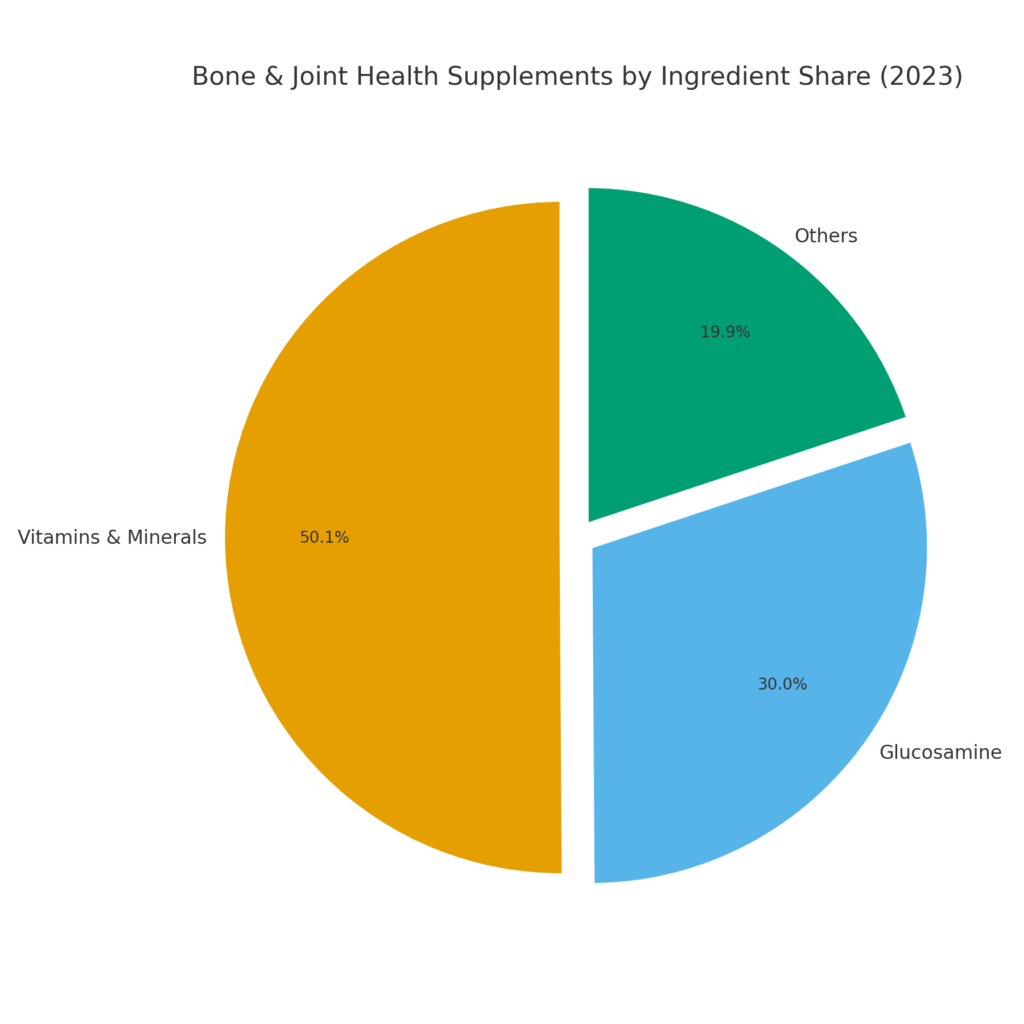
| 1 | Global market size | $13.6 Billion | 2023 |
| 2 | Projected CAGR | 7.5% | 2024–2032 |
| 3 | Market size forecast | $23.8 Billion | 2035 |
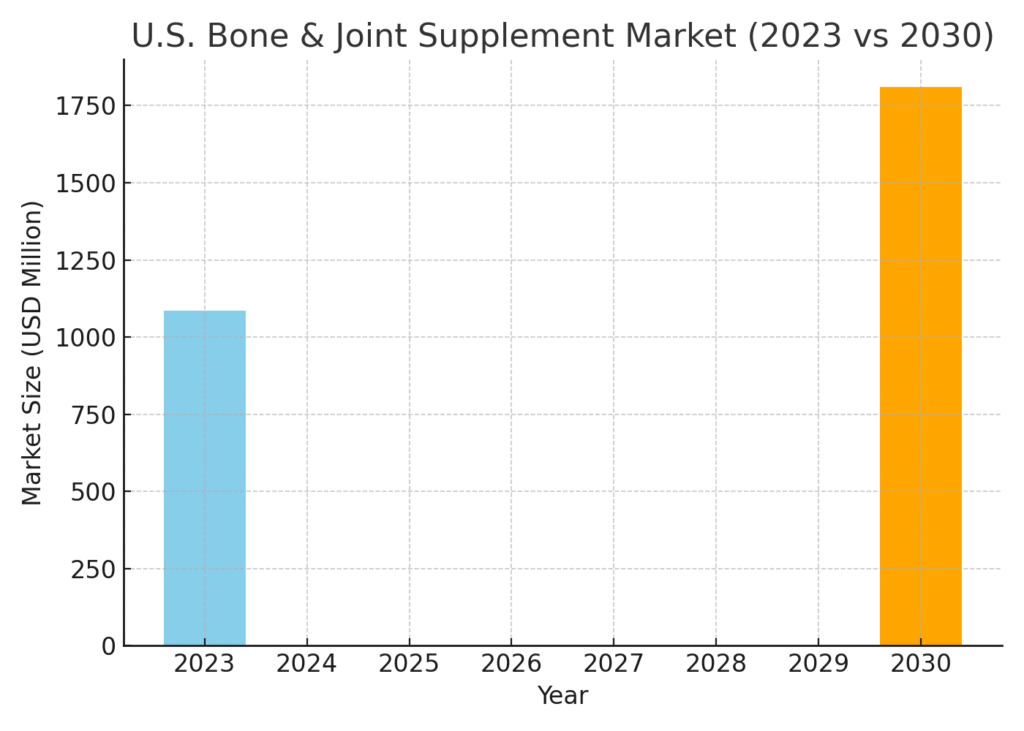
| 4 | U.S. market revenue | $1,085.9 Million | 2023 |
| 5 | U.S. market forecast | $1,810.6 Million | 2030 |
| 6 | Joint health sales (U.S.) | $2.215 Billion | 2022 |
| 7 | Retail channel sales | $179.6 Million | 2023 |
| 8 | Condition-specific formulas | $761.4 Million | 2023 |
| 9 | Growth in joint health formulas | 5.4% Growth | 2025 |
| 10 | North America market share | Largest Region | 2023 |
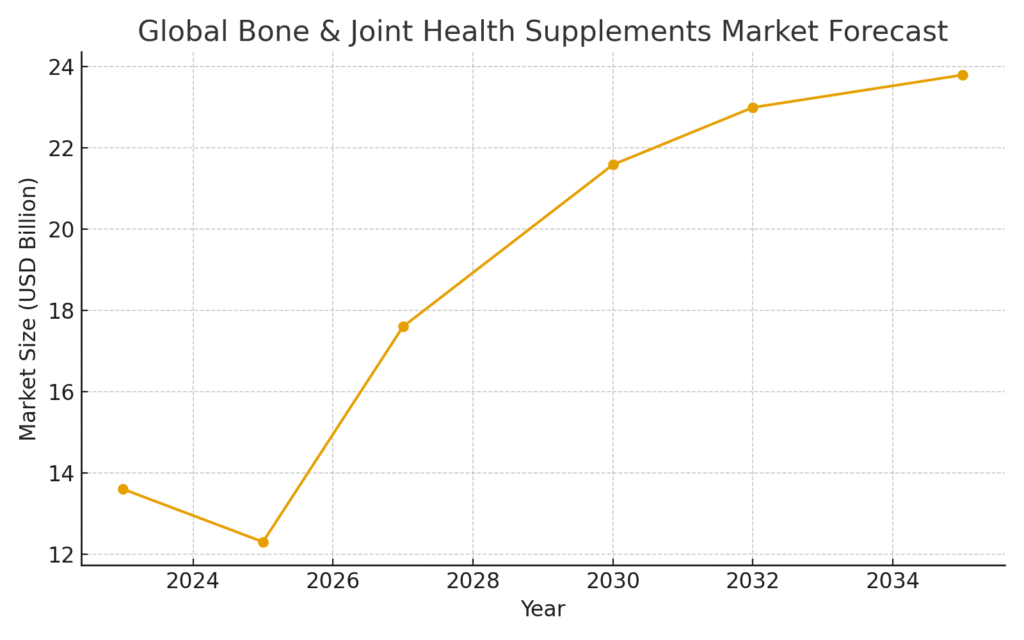
| 11 | Vitamins & minerals share | 50.1% | 2023 |
| 12 | Glucosamine growth | Fastest-growing | 2023–2030 |
| 13 | Forecasted market | $17.6 Billion | 2027 |
| 14 | Alternate forecast | $21.59 Billion | 2030 |
| 15 | Gen Z adoption | Rising Interest | 2023–2025 |
| 16 | Aging population driver | 1.4 Billion Seniors | 2030 |
| 17 | Product formats | Capsules, powders, chewables | 2024 |
| 18 | E-commerce growth | Fastest-growing channel | 2024 |
| 19 | Top companies | Bayer, Amway, GNC, etc. | 2024 |
| 20 | Market structure | Fragmented but growing | 2024 |
Top 20 Joint Health Marketing Statistics 2025
Joint Health Marketing Statistics #1: Global Market Size At $13.6 Billion In 2023
The global joint health supplements market reached $13.6 billion in 2023, showing strong consumer demand. This number reflects rising awareness about mobility issues and preventative health. Many consumers are turning to supplements earlier in life to avoid joint pain later. Marketers are using this trend to highlight both short-term relief and long-term wellness. It sets a strong foundation for the expected growth in the years ahead.
Joint Health Marketing Statistics #2: 7.5% CAGR Expected From 2024 To 2032
The market is projected to grow at a CAGR of 7.5% between 2024 and 2032. This means steady expansion year after year. Marketers should highlight consistent growth to attract investment and consumer trust. A CAGR of this size reflects both established and emerging demand. This makes joint health one of the most stable wellness categories to watch.
Joint Health Marketing Statistics #3: Market To Reach $23.8 Billion By 2035
By 2035, the global joint health market is expected to hit $23.8 billion. That’s nearly double its 2025 size. Growth is driven by aging populations, sedentary lifestyles, and sports-related injuries. Marketers can leverage these factors to create targeted campaigns. Long-term forecasts show just how sustainable this category is.
Joint Health Marketing Statistics #4: U.S. Market Revenue $1,085.9 Million In 2023
The U.S. market contributed $1,085.9 million in 2023 alone. This reflects how American consumers prioritize joint health products. The market is influenced by both direct-to-consumer online sales and retail channels. Marketers in the U.S. should tailor strategies to emphasize convenience and proven effectiveness. This revenue highlights the importance of regional campaigns.
Joint Health Marketing Statistics #5: U.S. Market To Hit $1.81 Billion By 2030
Forecasts predict the U.S. market will grow to $1.81 billion by 2030. This almost doubling in size presents major opportunities. E-commerce and influencer marketing will be crucial to capture this growth. Consumers are increasingly looking for personalized supplement options. Brands that adapt to these preferences will thrive.
Joint Health Marketing Statistics #6: U.S. Joint Health Sales At $2.215 Billion In 2022
Total joint health sales in the U.S. reached $2.215 billion in 2022. This includes supplements across various retail categories. Growth in this market comes from younger demographics as well. Marketing efforts now highlight preventative care alongside treatment. This dual appeal makes campaigns more relatable across age groups.
Joint Health Marketing Statistics #7: Retail Channel Sales At $179.6 Million In 2023
Retail-specific sales accounted for $179.6 million in 2023. This shows how in-store shopping still matters. Marketers can use in-store promotions and displays to target this segment. While online sales grow, brick-and-mortar remains influential. Balance between both channels is critical for success.
Joint Health Marketing Statistics #8: Condition-Specific Formulas At $761.4 Million In 2023
Condition-specific joint formulas generated $761.4 million in 2023. These products appeal to consumers with tailored needs. Marketing often highlights ingredients like glucosamine and chondroitin. Customization is a major driver of consumer trust. Brands offering targeted solutions stand out in the crowded market.
Joint Health Marketing Statistics #9: U.S. Joint Health Sales To Grow By 5.4% By 2025
Sales of condition-specific formulas are expected to rise by 5.4% by 2025. This shows steady growth even in mature markets. Marketers can use this data to show resilience in the category. The focus should be on building trust through proven results. Even modest growth creates long-term brand loyalty.
Joint Health Marketing Statistics #10: North America Leading Region In 2023
North America held the largest market share in 2023. The region benefits from higher disposable incomes and consumer awareness. Marketing here often focuses on quality, certifications, and science-backed claims. The dominance of North America also encourages innovation. It sets a benchmark for other regions worldwide.
Joint Health Marketing Statistics #11: Vitamins & Minerals Hold 50.1% Market Share
Vitamins and minerals make up 50.1% of the joint health supplements segment. Consumers trust these traditional formats. Marketing campaigns frequently emphasize natural and essential nutrients. Their familiarity makes them easy to promote across demographics. This segment remains a cornerstone of the industry.
Joint Health Marketing Statistics #12: Glucosamine Fastest Growing Ingredient
Glucosamine is one of the fastest-growing ingredients in joint health supplements. It is widely recognized for its effectiveness in easing discomfort. Brands often highlight scientific studies in their campaigns. This builds credibility and consumer trust. Its growth ensures a consistent focus for marketing messages.
Joint Health Marketing Statistics #13: Market To Reach $17.6 Billion By 2027
By 2027, the global market is projected to hit $17.6 billion. This represents significant expansion in a short time. Marketers can frame this growth as evidence of consumer confidence. Highlighting these numbers in campaigns reinforces product relevance. The upward trajectory signals continuous opportunities.
Joint Health Marketing Statistics #14: Market Forecasted At $21.59 Billion By 2030
The joint health market is expected to reach $21.59 billion by 2030. Such forecasts show long-term stability. Investors and brands can confidently expand in this space. Marketing should highlight sustainability and innovation. It’s a powerful way to build trust with stakeholders.
Joint Health Marketing Statistics #15: Gen Z Interest Rising
Younger demographics like Gen Z are showing increasing interest in joint health. They see supplements as a preventative measure. Marketing campaigns now highlight active lifestyles and sports recovery. This makes joint health relevant beyond older age groups. It opens up new ways to frame campaigns for youth.
Joint Health Marketing Statistics #16: Aging Population Will Reach 1.4 Billion By 2030
By 2030, the global senior population will reach 1.4 billion. This demographic is a key driver of demand. Marketing strategies emphasize comfort, mobility, and improved quality of life. Seniors are also becoming more tech-savvy, making digital outreach effective. Brands that focus on inclusivity win consumer loyalty.
Joint Health Marketing Statistics #17: Diverse Supplement Formats Drive Appeal
Supplements are now available in capsules, powders, gummies, and chewables. This variety boosts consumer appeal. Marketers can highlight ease of use and flexibility. Offering options creates stronger consumer connections. Variety is a proven way to capture more market share.
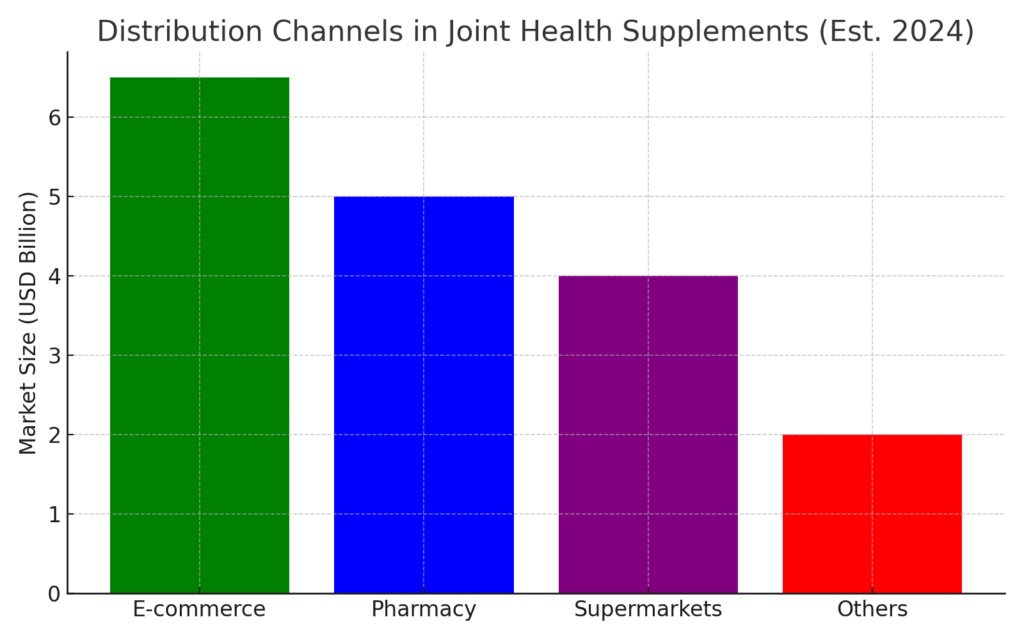
Joint Health Marketing Statistics #18: E-Commerce Is Fastest Growing Channel
E-commerce has become the fastest-growing sales channel for joint health products. Consumers prefer convenience and home delivery. Marketing strategies often leverage social media ads and influencers. Online reviews and testimonials further boost credibility. Brands investing in digital strategies see faster growth.
Joint Health Marketing Statistics #19: Key Players Include Bayer, Amway, And GNC
Top companies like Bayer, Amway, and GNC dominate the joint health market. Their branding emphasizes trust and global reach. Smaller companies often position themselves as niche or natural alternatives. Marketing strategies vary widely, but reputation remains central. Collaborations and endorsements enhance visibility.
Joint Health Marketing Statistics #20: Market Remains Fragmented But Competitive
The market is moderately fragmented, with many mid-sized players. Competition drives constant innovation. Marketing often highlights unique ingredients or formulations. Partnerships and acquisitions are common strategies. Fragmentation keeps the industry dynamic and consumer-focused.
Final Thoughts On Joint Health Marketing Statistics
Looking back at these joint health marketing statistics, I realize how much potential this industry still holds. Whether it’s e-commerce expansion, innovative supplement formats, or the influence of an aging global population, the opportunities are undeniable. Personally, I find it inspiring to see how data can shape strategies that actually improve people’s health and quality of life. These numbers are not just statistics—they represent real trends that can guide marketers, brands, and even everyday consumers. And I hope sharing them gives you the same clarity and excitement it gave me while putting this together.
SOURCES