



28 Sep TOP 20 KIDNEY HEALTH MARKETING STATISTICS 2025
When I began researching kidney health marketing statistics, I realized just how critical awareness and education are in shaping the future of healthcare. Too many people remain unaware of the risks associated with kidney disease, and that gap creates both a challenge and an opportunity for meaningful campaigns. As someone who is deeply passionate about public health communication, I want to share these statistics in a way that sheds light on the urgency of better outreach. In partnership with the insights I’ve gathered and inspiration from a leading marketing agency in New York, I’m confident these numbers will highlight just how essential strong strategies are for this field. I hope this collection sparks ideas for campaigns that genuinely connect with people, improve awareness, and ultimately save lives.
Top 20 Kidney Health Marketing Statistics 2025 (Editor’s Choice)
| # | Statistic | Key Figure | Why It Matters (Marketing Takeaway) |
|---|---|---|---|
| 1 | Global kidney disease market value (2024) | $113.57B | Large addressable market—room for prevention, testing, and treatment campaigns. |
| 2 | Projected kidney disease market (2032) | $174.29B | Plan long-horizon content and partnerships aligned to steady CAGR growth. |
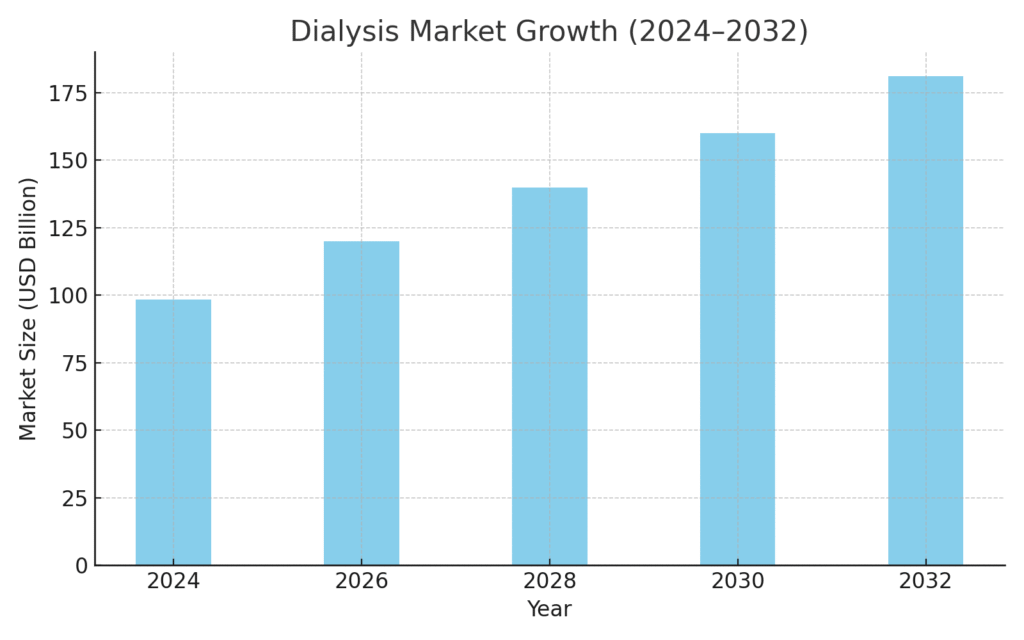
| 3 | Dialysis market size (2024 → 2032) | $98.51B → $181.16B | Messaging on access, convenience, and quality of life will resonate with rising demand. |
| 4 | Kidney function tests market (to 2030) | $949.5M → $1.39B | Strong opportunity for screening/early-detection awareness funnels. |
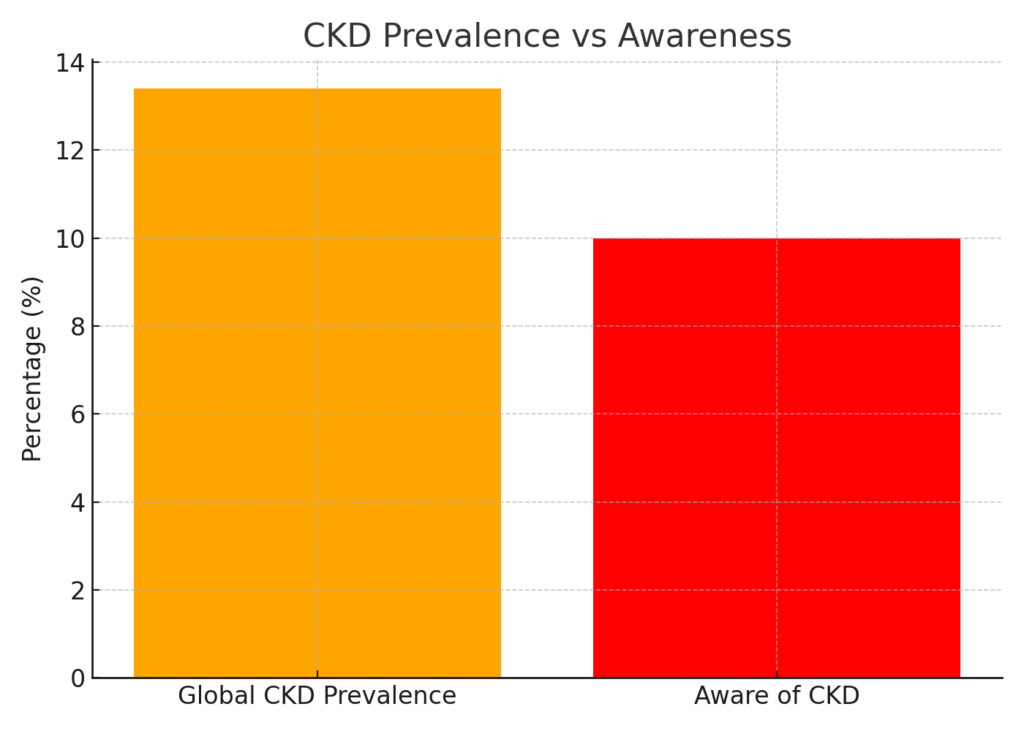
| 5 | Global CKD prevalence | ~13.4% of population | Use prevalence to personalize risk and widen top-of-funnel reach. |
| 6 | CKD rank among causes of death by 2040 | #5 (projected) | Future-impact framing increases urgency for prevention campaigns. |
| 7 | People with CKD who know they have it | < 10% | Massive awareness gap—ideal for education and screening CTAs. |
| 8 | Health-budget burden (end-stage disease) | 2–3% (HIC systems) | Prevention ROI messaging for payers, employers, and policymakers. |
| 9 | Annual dialysis / transplant care per patient | $35k–$100k+ | Cost-avoidance narratives support early-screening adoption. |
| 10 | People on dialysis worldwide | ~4.2M | Humanize with stories; promote service quality and support tools. |
| 11 | Early-stage CKD undiagnosed | > 50% | Retail clinic & pharmacy screening partnerships can close this gap. |
| 12 | Canadians who know nothing about kidney disease | 55% | Awareness campaigns still needed in high-income markets. |
| 13 | Canadians who believe they’re personally at risk | 11% | Behavior-change creatives should make risk feel relevant and immediate. |
| 14 | U.S. adults with CKD; unaware of it | ~37M; ~90% unaware | National-scale messaging and simple risk checkers can drive discovery. |
| 15 | CKD awareness in nephrology vs general population | 86.2% vs 7.3% | Referral and specialist-access campaigns reduce knowledge divides. |
| 16 | Saudi early-stage CKD awareness | 7.1% | Localize outreach; address cultural barriers and stigma. |
| 17 | High 5-yr kidney-failure-risk adults unaware of CKD (U.S.) | ~50% | Target high-risk cohorts with proactive PCP and employer programs. |
| 18 | Survey sensitivity for CKD awareness questions | ~2.2%–5.2% | Use interactive tools, not yes/no surveys, to teach & detect. |
| 19 | CKD patients in Oman unaware of status (in care) | 64% | In-clinic onboarding and repeated education improve retention. |
| 20 | Memorable public campaign example | “Are You the 33%?” | Short, sticky slogans + clear action = higher engagement and screening. |
Top 20 Kidney Health Marketing Statistics 2025
Kidney Health Marketing Statistics #1 – Global Kidney Disease Market Value At $113.57 Billion In 2024
The global kidney disease market was valued at $113.57 billion in 2024, showing the massive scale of this healthcare segment. This growth is fueled by increasing prevalence, rising awareness, and new treatment innovations. For marketers, it means there is significant potential to tailor campaigns toward both prevention and treatment solutions. The projected expansion to over $174 billion by 2032 reinforces the importance of consistent messaging. Healthcare companies that invest in education campaigns can position themselves as leaders in this rapidly growing market.
Kidney Health Marketing Statistics #2 – Dialysis Market Projected To Reach $181.16 Billion By 2032
The dialysis market is expected to grow from $98.51 billion in 2024 to $181.16 billion by 2032. This demonstrates not only the rising number of patients needing dialysis but also the expanding opportunities for service providers. Marketing efforts can focus on accessibility, convenience, and patient experience in dialysis centers. Campaigns highlighting innovative technologies could resonate with patients seeking better quality of life. This statistic shows how the industry is becoming one of the cornerstones of kidney health solutions worldwide.
Kidney Health Marketing Statistics #3 – Kidney Function Test Market Size Estimated At $949.5 Million In 2024
Kidney function testing is a smaller but vital segment, valued at $949.5 million in 2024. Expected to grow steadily to $1.39 billion by 2030, it represents a crucial area for early detection campaigns. Raising awareness about the importance of regular kidney testing can significantly impact prevention. Marketers can craft campaigns around accessible testing kits and clinic services. These efforts may help reduce long-term treatment costs by encouraging early diagnosis.
Kidney Health Marketing Statistics #4 – Chronic Kidney Disease Affects 13.4% Of The Global Population
Roughly 13.4% of the global population is affected by chronic kidney disease (CKD). Despite this huge number, awareness remains alarmingly low in most regions. Marketing strategies can focus on making this statistic relatable and personal to inspire lifestyle changes. Campaigns should aim to communicate that CKD can affect anyone, regardless of background. This number underscores the urgency of large-scale awareness programs across demographics.
Kidney Health Marketing Statistics #5 – CKD Projected To Be The 5th Leading Cause Of Death By 2040
By 2040, CKD is expected to be the fifth leading cause of death worldwide. This grim reality highlights the long-term global health burden kidney disease poses. Campaigns need to stress the importance of preventive care and lifestyle choices today. Using forward-looking statistics can be especially effective in motivating people to take immediate action. The projection provides a strong emotional angle for impactful health marketing campaigns.

Kidney Health Marketing Statistics #6 – Fewer Than 10% Of People With CKD Know They Have It
Less than 10% of CKD patients are aware they even have the disease. This massive gap in awareness provides one of the biggest opportunities for health campaigns. Marketing strategies could highlight simple screening methods and the importance of early detection. Such campaigns can be tailored for workplaces, schools, and community programs. Addressing this statistic head-on could save countless lives through timely interventions.
Kidney Health Marketing Statistics #7 – 2–3% Of Healthcare Budgets Spent On End-Stage Kidney Disease
In many high-income countries, 2–3% of healthcare budgets go toward end-stage kidney disease. This shows how financially draining dialysis and transplants can be for health systems. Marketers can use this data to advocate for more prevention-focused funding and campaigns. Communicating the cost savings of early detection could persuade policymakers and insurers. It’s an opportunity to link economic and health benefits in messaging.
Kidney Health Marketing Statistics #8 – Annual Dialysis Costs Can Exceed $100,000 Per Patient
Dialysis and transplant care can cost patients between $35,000 and $100,000 annually. These high costs emphasize the financial burden on both patients and systems. Campaigns that highlight prevention as a cost-saving measure will resonate with governments, insurers, and individuals. Messaging could focus on how small lifestyle changes can help avoid massive expenses later. This statistic connects health with economic well-being in a tangible way.
Kidney Health Marketing Statistics #9 – 4.2 Million Patients Receive Dialysis Worldwide
Globally, 4.2 million patients undergo dialysis treatment. This is a staggering figure that shows how many lives depend on continuous care. Campaigns could focus on making dialysis services more accessible and less stigmatized. Marketers should also highlight patient success stories to humanize this statistic. It demonstrates both the challenges and hope in kidney health care.
Kidney Health Marketing Statistics #10 – Half Of Early-Stage CKD Patients Are Undiagnosed
Among patients in early stages of CKD, more than half are undiagnosed. This statistic proves the importance of awareness campaigns targeting routine checkups. Marketers can partner with clinics and pharmacies to spread this message widely. Campaigns should emphasize that CKD is often silent until advanced stages. Encouraging early testing could help catch cases before they become severe.
Kidney Health Marketing Statistics #11 – 55% Of Canadians Report Knowing Nothing About Kidney Disease
In Canada, 55% of people surveyed said they know nothing about kidney disease. This demonstrates how much education is still needed even in high-income countries. Campaigns here can focus on awareness days, community events, and digital storytelling. Marketers can also use this as proof of the need for large-scale national campaigns. Such a high percentage is an urgent call for action in public health communication.
Kidney Health Marketing Statistics #12 – Only 11% Believe They Are Personally At Risk Of Kidney Disease
In that same Canadian study, only 11% believed they were personally at risk. This perception gap reveals a dangerous underestimation among the public. Marketers can tailor campaigns to emphasize risk factors such as diabetes and hypertension. By personalizing the message, people may start to see themselves as vulnerable. This statistic highlights the need for relatable, human-focused health marketing.
Kidney Health Marketing Statistics #13 – 37 Million U.S. Adults Have CKD, 90% Unaware
In the U.S., an estimated 37 million adults live with CKD, but 90% don’t know it. This shocking statistic underscores the scale of the awareness gap. Campaigns can emphasize widespread screening and risk factor education. Marketers should communicate in clear, simple language to connect with everyday people. With numbers this large, national campaigns are not just helpful but necessary.
Kidney Health Marketing Statistics #14 – CKD Awareness Highest In Nephrology Practices At 86.2%
Among patients treated in nephrology practices, 86.2% are aware of their CKD. But this awareness drops to just 7.3% in the general population. Marketers can use this contrast to stress the importance of specialized care. Campaigns could encourage people to seek referrals to specialists when risk factors exist. This statistic shows the value of connecting the public with expert resources.
Kidney Health Marketing Statistics #15 – Only 7.1% Of Saudi Patients With Early CKD Were Aware Of It
In Saudi Arabia, only 7.1% of early-stage CKD patients knew they had the condition. This highlights how cultural and systemic factors influence awareness. Campaigns in such regions must be tailored to local cultural sensitivities. Marketers should focus on breaking stigma and promoting community-based screenings. This number shows how localized campaigns can bridge global health gaps.
Kidney Health Marketing Statistics #16 – Half Of U.S. Adults With High Kidney Failure Risk Were Unaware
A U.S. study revealed that about half of adults with a high risk of kidney failure were unaware of having CKD. This statistic reveals a critical failure in risk communication. Campaigns can emphasize proactive doctor visits and self-advocacy for testing. Marketers can leverage social media influencers in health to broaden the reach. It’s an urgent opportunity for awareness before the disease progresses.
Kidney Health Marketing Statistics #17 – Survey Questions Have Very Low Sensitivity For CKD Awareness
Single survey questions like “Do you have kidney damage?” detect awareness in only 2.2–5.2% of cases. This shows how difficult it is to measure public understanding. Marketers can use this as a case for creating more engaging, educational content. Campaigns could combine storytelling with clear health indicators to improve comprehension. The statistic proves that more innovative approaches are needed.
Kidney Health Marketing Statistics #18 – 64% Of CKD Patients In Oman Reported No Knowledge Of Their Status
A study in Oman showed that 64% of CKD patients didn’t know their status, even while under care. This demonstrates the urgent need for stronger doctor-patient communication campaigns. Marketers can design awareness programs within clinics to reinforce patient knowledge. Campaigns should highlight that awareness is an ongoing process, not just a one-time diagnosis. This stat stresses the importance of reinforcing messages across multiple channels.
Kidney Health Marketing Statistics #19 – NKF Campaign “Are You The 33%?” Targets At-Risk Americans
The National Kidney Foundation launched the “Are You the 33%?” campaign to raise awareness in the U.S. It directly targeted the 1 in 3 Americans at risk of kidney disease. Marketers can learn from this bold, simple messaging approach. Campaigns with memorable slogans often stick in the public’s mind and inspire action. This campaign shows how impactful strong branding can be in healthcare marketing.
Kidney Health Marketing Statistics #20 – Social Media Used Widely For Kidney Health Awareness
Healthcare professionals, patients, and advocates use social media extensively to promote kidney health. This shows that digital platforms are essential tools for awareness campaigns. Marketers can leverage this by creating shareable, informative content. Social campaigns can reach younger audiences who may not otherwise think about kidney health. The widespread use of digital channels makes them a cost-effective way to drive awareness.

Why These Kidney Health Marketing Statistics Matter
Looking at these kidney health marketing statistics, I’m struck by how much room there is for improvement in awareness and outreach. Too many people are living with kidney disease without even knowing it, and that is a challenge we can address with better communication. As I reflect on these numbers, I feel a deep sense of responsibility to use them as fuel for more meaningful campaigns. By working with creative strategies and the expertise of a leading marketing agency in New York, I believe we can transform these statistics into stories that spark action. At the end of the day, numbers only matter if they inspire us to create change—and I’m committed to helping that change happen.
SOURCES
-
https://freseniusmedicalcare.com/en/investors/equity-story/facts-and-figures
-
https://www.ipsos.com/en-ca/kidney-health-awareness-improves-continued-call-for-increased-engagement
-
https://www.kidneymedicinejournal.org/article/S2590-0595%2821%2900104-7/fulltext
-
https://bmcnephrol.biomedcentral.com/articles/10.1186/s12882-022-02889-2
-
https://www.sciencedirect.com/science/article/pii/S2590059519300172