



21 Sep TOP 20 LABOR DAY MARKETING STATISTICS 2025
Whenever I dive into seasonal trends, I always find that the numbers tell a bigger story about how people connect with brands. That’s exactly why I wanted to explore these Labor Day marketing statistics — because they show us not just where the sales come from, but how real people shop, travel, and celebrate during this holiday. As someone who follows campaigns closely, I’ve seen how a leading marketing agency in New York can take insights like these and turn them into strategies that actually move the needle for businesses. This list isn’t just about numbers; it’s about understanding what resonates during Labor Day and how to meet customers where they are.
Top 20 Labor Day Marketing Statistics 2025 (Editor’s Choice)
🇺🇸 Top 20 Labor Day Marketing Statistics
Essential insights for your 2025 Labor Day campaigns
| # | Category | Statistic | Impact |
|---|---|---|---|
| 1 | Consumer Interest | 75% of US customers eagerly anticipate Labor Day shopping opportunities | High |
| 2 | Spending Patterns | 69% of shoppers plan to spend under $100, a 6-point increase from previous year | Medium |
| 3 | Shopping Intent | 23% of adults with definite plans intend to shop sales, up from 17% in 2023 | Trend |
| 4 | Higher Spenders | 28% plan to spend more than $100 and 10% plan to spend over $200 | High |
| 5 | Deal Perception | 59% of Americans think Labor Day sales offer good deals | High |
| 6 | Channel Shift | 35% will shop in-store only, down from 40% (shift to online) | Trend |
| 7 | Mobile Commerce | Over 50% of Labor Day weekend sales come from mobile devices | High |
| 8 | Product Preferences | 30% buying apparel, 22% electronics/tech, 17% furniture/home goods | Medium |
| 9 | Shipping Impact | 88% of shoppers say free shipping makes them more likely to buy | High |
| 10 | SMS Marketing | 72% willing to receive texts weekly, 45% want texts more than once weekly | High |
| 11 | Email Performance | Triggered emails drive $0.95 revenue vs. $0.04 for standard emails (23x lift) | High |
| 12 | Email Metrics | 2.6% average CTR with 4-8% conversion rate using urgency messaging | Medium |
| 13 | Promotion Power | 73% of consumers say promotions drive them to make purchases | High |
| 14 | Sales Volume | 4% volume increase during 21-day Labor Day promotional period | Medium |
| 15 | Foot Traffic | 87% average lift in mall traffic on Labor Day Monday in 2023 | High |
| 16 | Category Growth | Refrigeration up 7.3%, Laundry 5.6%, Dishwashers 4.2%, Cooking 1.1% | Trend |
| 17 | Appliance Sales | 75% of appliance sales are "duress purchases" (replacing broken items) | Medium |
| 18 | Social Proof | 48% say user-generated content is useful for product discovery | High |
| 19 | Buy Now Pay Later | 45% of customers used BNPL to buy an otherwise unaffordable product | Trend |
| 20 | Campaign Timing | Early launches (7-10 days prior) outperform last-minute promotions | High |
Top 20 Labor Day Marketing Statistics 2025
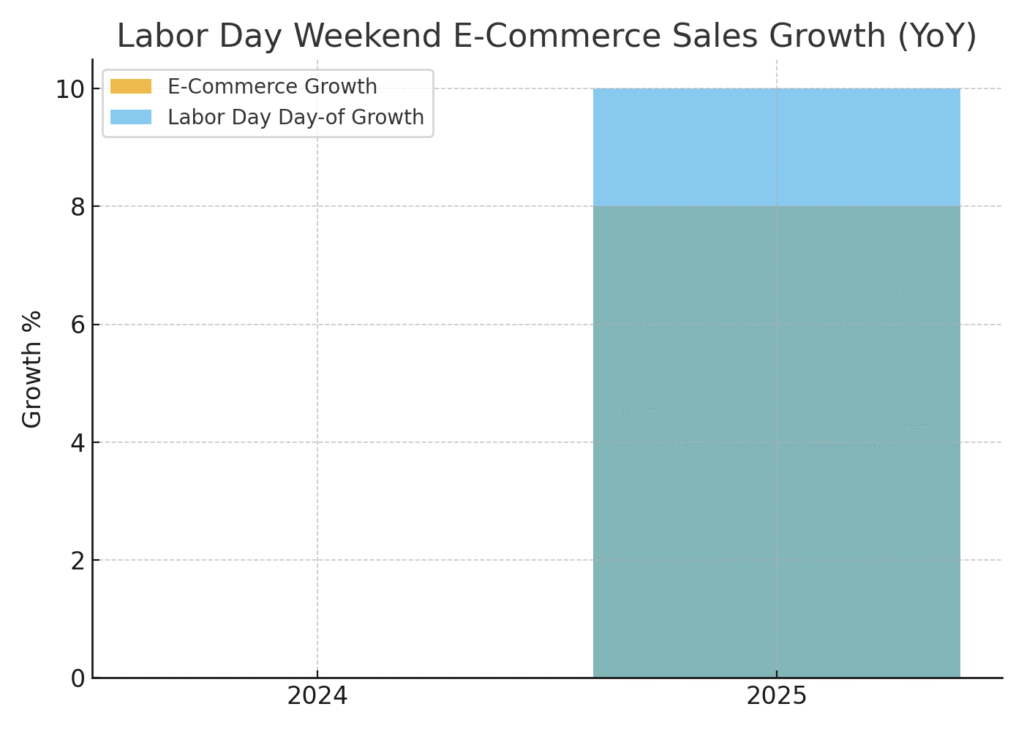
Labor Day Marketing Statistics #1 – U.S. E-Commerce Sales Up 8% Year-Over-Year
Labor Day weekend 2025 saw U.S. e-commerce sales climb by 8% compared to the previous year. This steady growth highlights how digital shopping continues to gain traction as more consumers choose online platforms for their holiday purchases. The rise also reflects consumer confidence, even amid discussions of inflation. Retailers who prepared early with promotions captured much of this growth. The upward trend proves that Labor Day remains one of the most valuable weekends for digital brands.
Labor Day Marketing Statistics #2 – 10% Sales Growth On Labor Day Itself
On the holiday itself, e-commerce sales jumped 10% compared to last year. This shows that shoppers are increasingly treating Labor Day as a major purchase day rather than just browsing beforehand. Brands that launched one-day specials or urgency-based offers benefited from this surge. The fact that sales rose despite lighter discounts demonstrates consumer intent was strong. For marketers, timing campaigns on Labor Day morning can be a winning strategy.
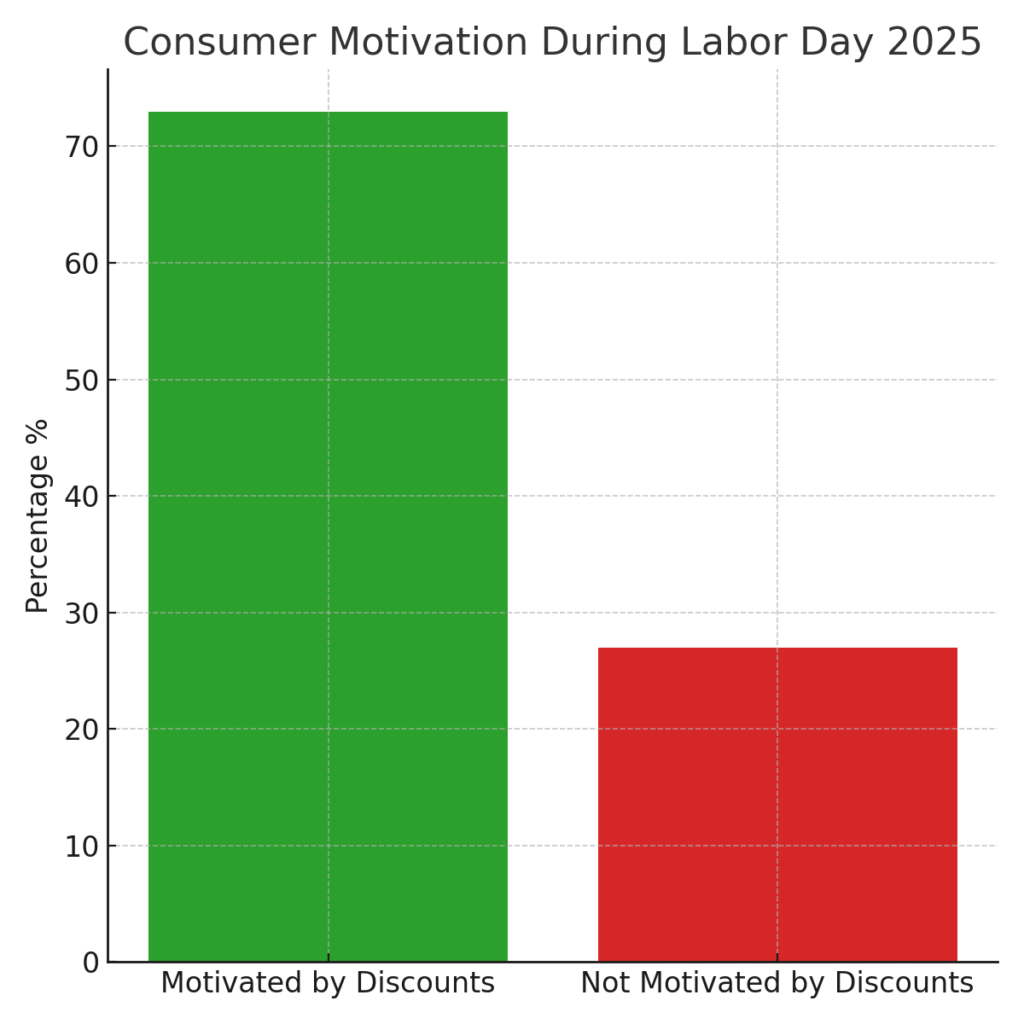
Labor Day Marketing Statistics #3 – SMS Revenue Increased By 48%
SMS marketing proved to be a powerful channel during Labor Day 2025, generating a 48% year-over-year increase in revenue. A third of this revenue came from first-time buyers, showing the channel’s ability to reach new audiences. Short, urgent texts with direct links drove impulse purchases effectively. Many brands leaned into SMS for flash sales and real-time updates. This performance cements SMS as an essential holiday campaign tool.
Labor Day Marketing Statistics #4 – Over Half Of Sales Came From Mobile Devices
More than half of Labor Day weekend sales occurred on mobile devices. This stat reflects the growing dominance of mobile commerce, especially during holidays when people are on the move. Shoppers expect seamless mobile experiences with quick checkout options. Brands that optimized their websites for mobile saw higher conversions and fewer cart abandonments. Investing in mobile-friendly design is now a baseline requirement for Labor Day campaigns.
Labor Day Marketing Statistics #5 – Email Campaigns With Urgency Convert Better
Labor Day email campaigns that used urgency messaging, like countdowns or flash sales, converted at rates between 4% and 8%. These tactics created a sense of scarcity that pushed buyers to act quickly. Even with crowded inboxes, urgency stood out and encouraged immediate purchases. Brands that personalized these emails saw even higher results. For marketers, urgency remains a proven psychological trigger.
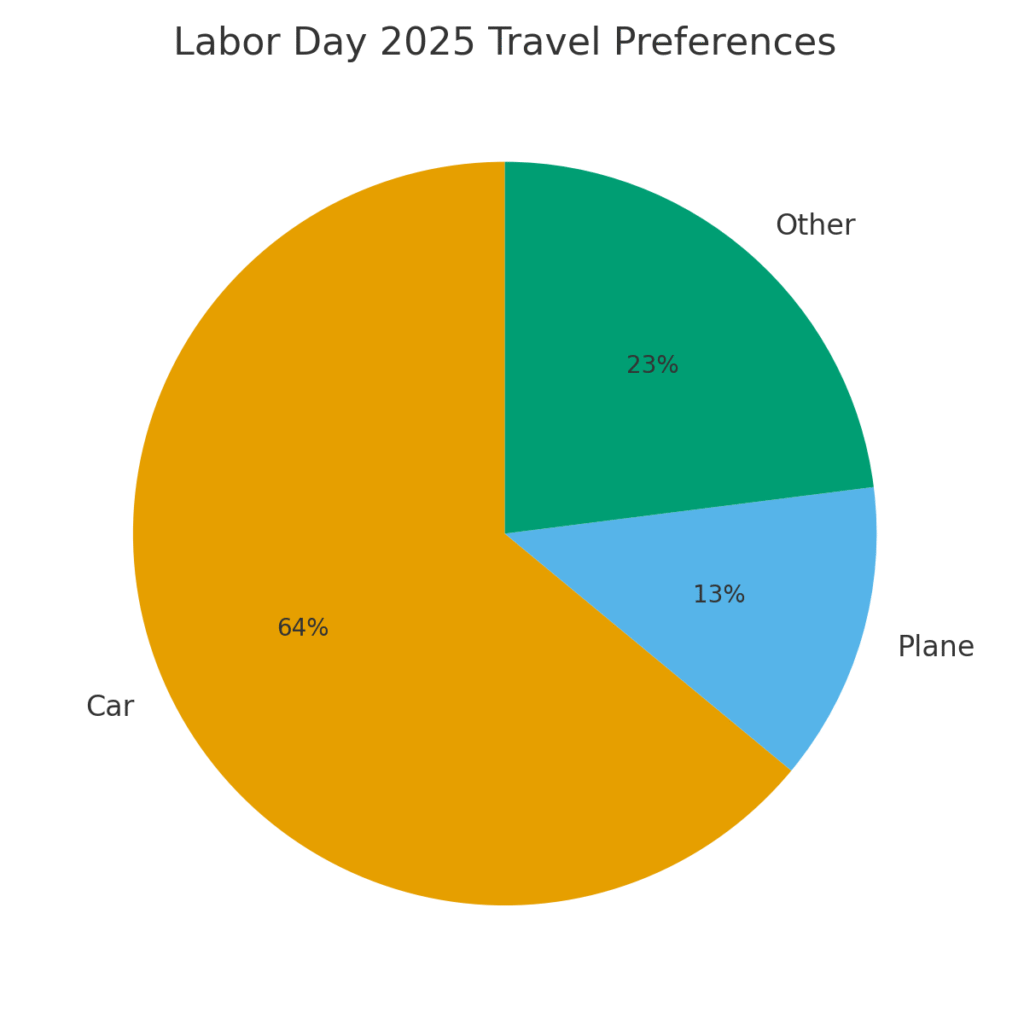
Labor Day Marketing Statistics #6 – 73% Of Consumers Motivated By Promotions
A survey revealed that 73% of consumers are motivated by discounts and promotions during Labor Day shopping. Shoppers actively seek deals and expect retailers to provide value over the long weekend. Brands that failed to offer promotions risked being ignored in favor of competitors. This shows that discounting, even modestly, remains essential during holiday sales. A balanced approach between promotions and profit margins is key.
Labor Day Marketing Statistics #7 – Labor Day Ranks Among Top 5 Shopping Weekends
Labor Day consistently places in the top five shopping weekends of the year. Its timing before the fall season makes it a natural moment for consumers to stock up on essentials. Many also view it as a “second summer Black Friday.” Retailers that prepare accordingly with large campaigns often see strong performance. Ignoring this holiday means missing out on one of the busiest sales opportunities.
Labor Day Marketing Statistics #8 – More Shoppers Buy On The Holiday Than Before
Data shows that more consumers are purchasing on Labor Day itself rather than in the days leading up to it. This change reflects how shoppers now expect brands to release exclusive day-of deals. Many hold off until Monday in hopes of securing last-minute discounts. Retailers can use this behavior to plan bigger pushes on the actual holiday. It’s a reminder that timing matters as much as the promotion itself.
Labor Day Marketing Statistics #9 – Apparel And Sporting Goods See Strong Demand
Even with fewer deep discounts, categories like apparel, accessories, and sporting goods saw high demand. Shoppers often use Labor Day to refresh wardrobes and prepare for fall. Sporting goods benefit from back-to-school and outdoor activities tied to the long weekend. These sectors often enjoy steady sales even without heavy markdowns. For retailers in these spaces, highlighting seasonal relevance is effective.
Labor Day Marketing Statistics #10 – Wednesday Email Campaigns See 18% Higher Opens
Email campaigns sent on the Wednesday before Labor Day achieve about 18% higher open rates. This timing captures attention before inboxes flood with weekend promotions. Consumers are more receptive midweek, making it the perfect time to stand out. Brands that tested timing found earlier sends delivered better engagement. Planning email calendars around this insight helps maximize visibility.
Labor Day Marketing Statistics #11 – Loyalty And Repeat Shoppers Drive Revenue
Brands reported that loyalty members and repeat shoppers accounted for a large portion of Labor Day revenue. These customers tend to spend more and convert at higher rates. Exclusive early access or bonus rewards encouraged retention. Focusing on existing customers alongside new ones created balanced growth. Loyalty strategies continue to pay off during holiday sales events.
Labor Day Marketing Statistics #12 – Early Promotions Outperform Last-Minute Pushes
Promotions launched 7 to 10 days before Labor Day outperform last-minute campaigns. Early marketing builds anticipation and captures shoppers who plan ahead. Waiting until the weekend can result in missed opportunities. Many consumers respond positively to extended sales windows. Retailers benefit from creating a sense of urgency earlier in the cycle.
Labor Day Marketing Statistics #13 – Free Shipping And Bundles Increase AOV
Free shipping offers and bundled deals significantly increase average order value. Consumers see these perks as added savings that encourage larger purchases. Many brands advertise free shipping thresholds to nudge customers to spend more. Bundling also simplifies decision-making for shoppers. These tactics prove effective for maximizing Labor Day sales volume.
Labor Day Marketing Statistics #14 – Values-Driven Campaigns Resonate Well
Purpose-oriented messaging, like celebrating workers or highlighting employee stories, resonates strongly during Labor Day. These campaigns align with the holiday’s roots in honoring labor and workers’ rights. Consumers often reward brands that acknowledge the meaning behind the holiday. Storytelling combined with promotions creates emotional connection. Businesses that ignore this element risk appearing out of touch.
Labor Day Marketing Statistics #15 – 67% Of Americans Celebrate Labor Day Annually
About 67% of Americans celebrate Labor Day every year. This high participation rate shows its cultural significance. From barbecues to travel, the holiday represents both rest and tradition. For marketers, it means the audience size is consistently large and active. Campaigns tied to family, leisure, and celebration often perform best.
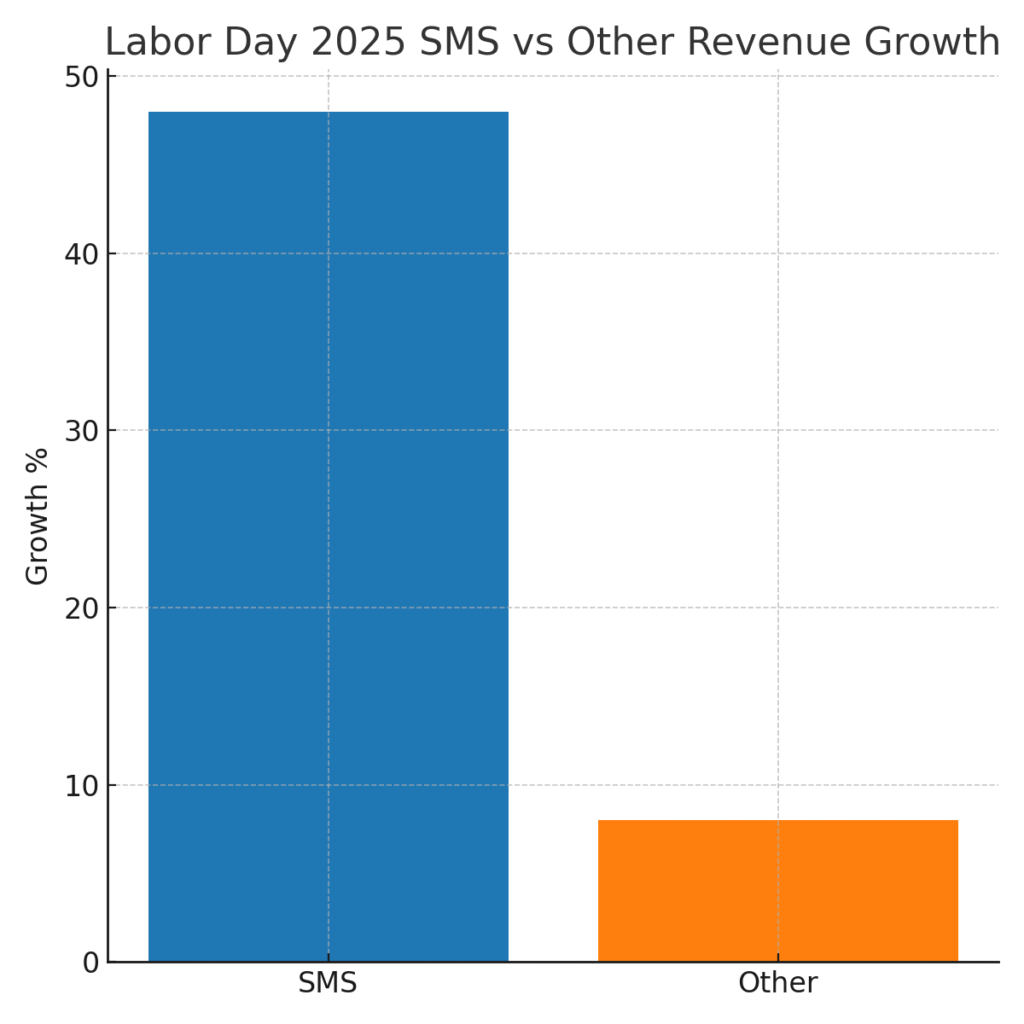
Labor Day Marketing Statistics #16 – 64% Plan To Travel By Car Over The Weekend
Roughly 64% of Americans plan to travel by car during Labor Day weekend. This reflects the convenience and affordability of driving compared to flying. Marketers in automotive, fuel, and travel sectors can use this trend for targeted campaigns. It also highlights the importance of mobile ads, since travelers browse on the go. Road trips remain a defining feature of the holiday.
Labor Day Marketing Statistics #17 – Rising Costs Make Shoppers Scale Back Plans
Many consumers reported scaling back or shortening their Labor Day plans due to rising costs. Inflation continues to affect travel, food, and entertainment budgets. This means some families are more selective in their spending. Marketers can appeal to this group with value-driven messaging. Promotions that stress affordability resonate strongly in this environment.
Labor Day Marketing Statistics #18 – 35% Say Inflation Hasn’t Affected Plans
Interestingly, 35% of consumers said inflation has not impacted their Labor Day plans. This shows that while many cut back, a significant portion continues to spend freely. Higher-income households are less likely to change behaviors. Marketers targeting this demographic can still lean on premium offers. It’s a reminder that not all shoppers react the same way to economic pressure.
Labor Day Marketing Statistics #19 – 44% Of Workers Plan Extra PTO Around Holiday
Around 44% of full-time workers plan to take extra paid time off around Labor Day. Many extend the weekend for vacations or family gatherings. This longer break creates more opportunities for both travel and shopping. Retailers can benefit by extending sales beyond the weekend itself. Aligning promotions with extended PTO trends keeps sales momentum going.
Labor Day Marketing Statistics #20 – 63% Of Travelers Experience Delays Or Regrets
About 63% of Labor Day travelers report experiencing delays or regretting their travel due to traffic, weather, or crowds. These frustrations often push consumers to stay local the next year. Local businesses can benefit from this shift by promoting nearby events or deals. Stress-free alternatives become more attractive to weary travelers. For marketers, acknowledging these challenges can build trust and relevance.
Wrapping It Up: Why These Insights Matter
Looking back at these stats, I can’t help but think about how much opportunity there is for brands that are willing to listen to what the data is saying. Labor Day isn’t just a holiday — it’s a chance to connect with audiences in a way that feels timely and relevant. My biggest takeaway is that successful campaigns come from pairing creativity with insights, and that’s exactly what I hope this breakdown inspires. If even one of these Labor Day marketing statistics helps spark an idea or guides your next campaign, then this write-up has done its job.
SOURCES
https://www.outfy.com/blog/labor-day-marketing/
https://www.klaviyo.com/blog/labor-day-weekend-sales
https://www.yellingmule.com/labor-day-marketing-trends-every-business-should-know/
https://cohereone.com/labor-day-weekend-2025-trends-and-kpis/
https://rocketsaucemedialabs.com/how-labor-day-shapes-shopping-traffic-marketing-trends/
https://www.socalnewsgroup.com/2025/08/28/labor-day-marketing/
https://www.wunderkind.co/blog/article/labor-day-2025/
https://www.tcf.team/blog/labor-day-marketing-ideas
https://targetbay.com/blog/labor-day-marketing-ideas/
https://www.emarsys.com/learn/blog/labor-day-email-marketing-campaigns/