



21 Sep TOP 20 LARGE FAMILY MARKETING STATISTICS 2025
When we think about family-centered campaigns, it becomes clear that data plays a huge role in guiding how brands connect with households of all sizes. These large family marketing statistics reveal powerful insights into how spending habits, household structures, and multigenerational living arrangements influence modern consumer behavior. As a marketing agency in New York, we’ve seen firsthand how brands that understand these dynamics can create messages that resonate on a deeper, more personal level. By diving into these numbers, you’ll discover not only the trends shaping today’s family markets but also practical takeaways that can help you adapt your strategy to meet the needs of bigger households.
Top 20 Large Family Marketing Statistics 2025 (Editor’s Choice)
| # | Large Family Marketing Statistics 2025 |
|---|---|
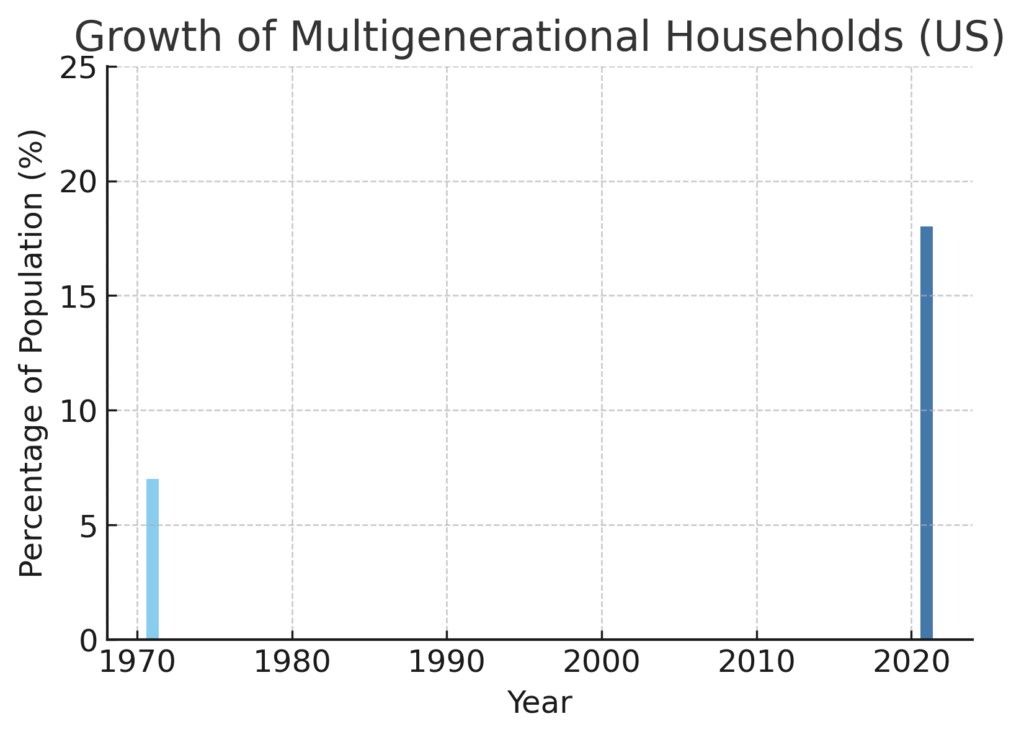
| 1 | 18% of the U.S. population lived in multigenerational households in 2021, up from 7% in 1971. |
| 2 | 17% of homes purchased in 2025 were for multigenerational households. |
| 3 | 36% of buyers cited cost savings as the primary reason for multigenerational living. |
| 4 | 21% said adult children returning home was part of their reason for buying a multigenerational home. |
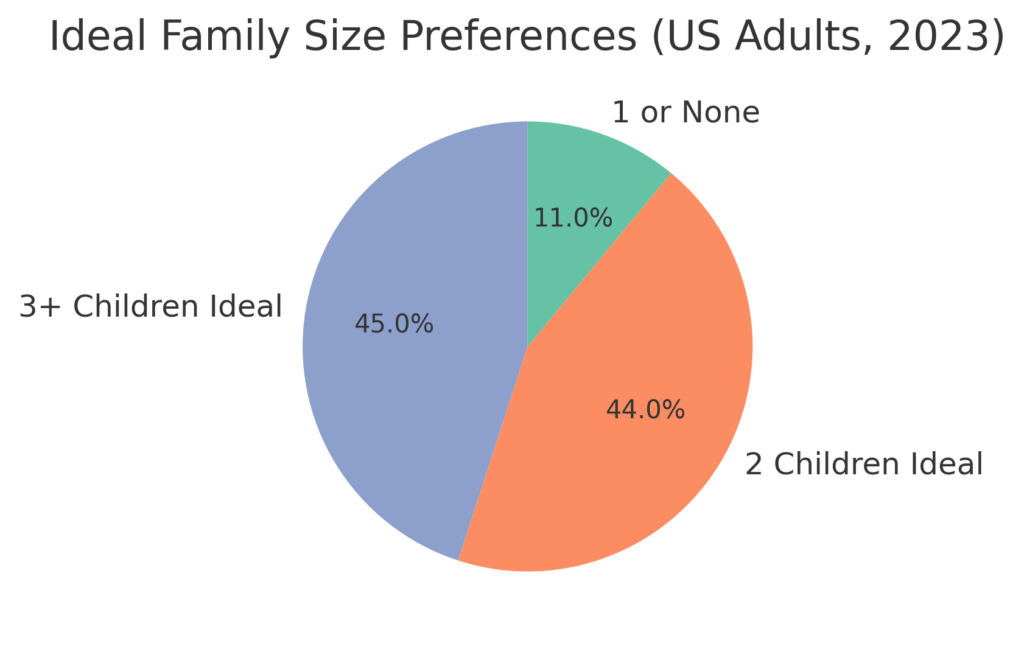
| 5 | 45% of U.S. adults in 2023 said three or more children is the ideal family size. |
| 6 | In 1970, 67% of adults 25-49 lived in a nuclear household; by 2023, that number dropped to 37%. |
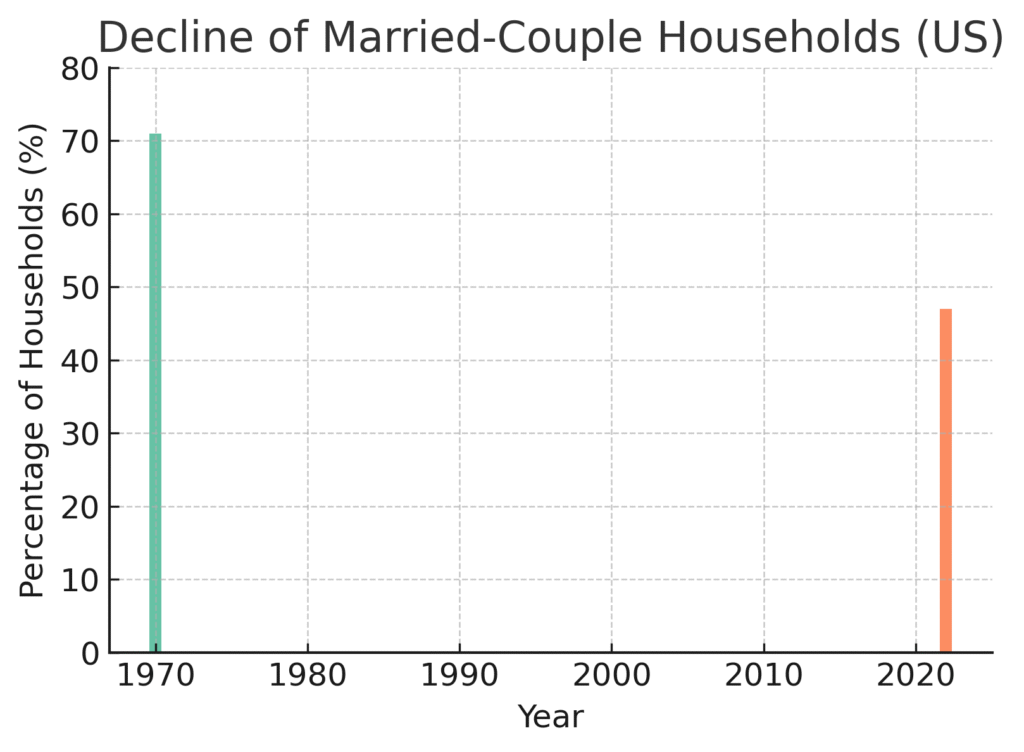
| 7 | Married-couple households fell from 71% of households in 1970 to 47% in 2022. |
| 8 | Families with children remain the largest share of household expenditure worldwide. |
| 9 | Couple-with-children households in emerging markets will see the fastest growth in spending by 2030. |
| 10 | Asian, Black, and Hispanic Americans are more likely to live in multigenerational homes. |
| 11 | Younger adults (25-29) are more likely to live in multigenerational homes compared to older peers. |
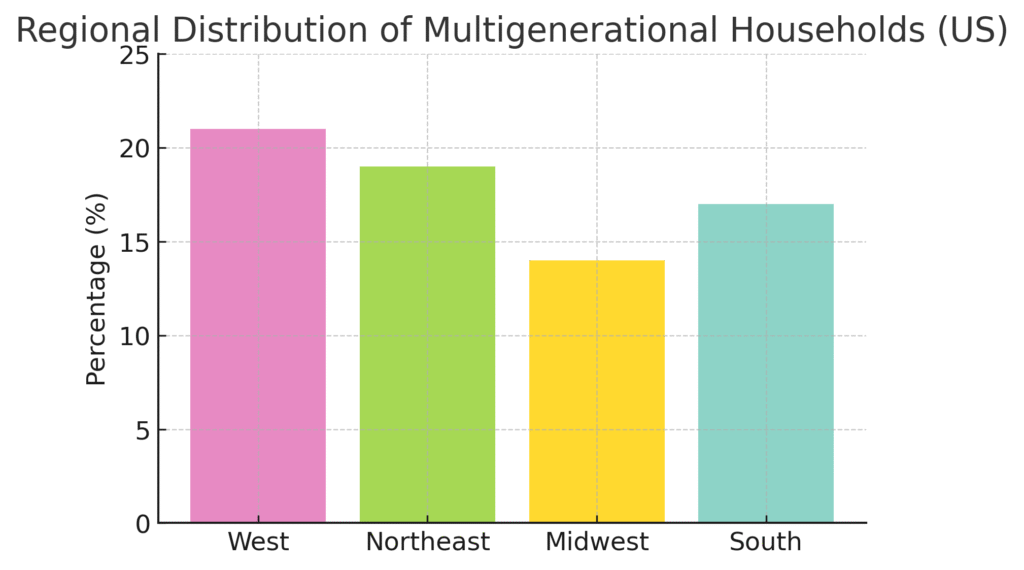
| 12 | Western U.S. has the highest share of multigenerational households (~21%). |
| 13 | Large households often shop in bulk, prioritize affordability, and seek cost-saving deals. |
| 14 | Brands segmenting by family size see stronger engagement with large household products and deals. |
| 15 | Purchase decisions in large families are influenced by multiple members, not just one person. |
| 16 | Brands increasingly showcase extended families in ads, not just nuclear families. |
| 17 | Large families often share and reuse goods, prioritizing durability and value. |
| 18 | Multigenerational households consume more media across multiple devices and age groups. |
| 19 | 27% of multigenerational homebuyers in 2024 had children under 18 at home. |
| 20 | Home features like private space, flexible rooms, and efficient appliances are top priorities for large families. |
Top 20 Large Family Marketing Statistics 2025
Large Family Marketing Statistics #1: 18% Of The U.S. Population Lived In Multigenerational Households In 2021
Multigenerational living has seen a sharp rise over the last few decades, showing how family dynamics are evolving. In 1971, only 7% of households were multigenerational, compared to 18% in 2021. This growth reflects rising housing costs, cultural shifts, and a desire for stronger family support networks. For marketers, this means messaging should highlight family-oriented solutions and products that benefit multiple generations. Campaigns targeting these households can build stronger emotional connections by emphasizing unity and togetherness.
Large Family Marketing Statistics #2: 17% Of Homes Purchased In 2025 Were For Multigenerational Households
Real estate trends reveal a growing demand for homes that accommodate multiple generations. Families are increasingly looking for properties with more space, flexible layouts, and shared living areas. The 17% figure highlights how large families are driving a significant segment of the housing market. Businesses in real estate, furniture, and home appliances must adapt their offerings to meet these needs. Marketing strategies should emphasize versatility and long-term value for bigger households.
Large Family Marketing Statistics #3: 36% Of Buyers Cited Cost Savings As The Primary Reason For Multigenerational Living
Financial considerations are a key motivator for large families choosing multigenerational living. Sharing expenses like rent, mortgage, and utilities helps ease the financial burden. This insight shows why marketers must highlight affordability, efficiency, and value in campaigns aimed at bigger families. Brands that provide bulk deals or cost-effective solutions are more likely to appeal to these households. Emphasizing savings can build strong loyalty among price-conscious large families.
Large Family Marketing Statistics #4: 21% Said Adult Children Returning Home Was Part Of Their Reason For Buying A Multigenerational Home
Adult children moving back home is becoming a common trend in today’s economy. Rising costs of living and extended education years often keep young adults at home longer. For marketers, this means campaigns must recognize not just parents but also young adults within the same household. Products like shared subscriptions, technology bundles, or family meal deals can appeal across age groups. Brands that acknowledge these dynamics can strengthen their resonance with multigenerational families.
Large Family Marketing Statistics #5: 45% Of U.S. Adults In 2023 Said Three Or More Children Is The Ideal Family Size
Family ideals are shifting back toward larger households. Nearly half of U.S. adults now say three or more children is the ideal, showing renewed interest in bigger families. This trend suggests increased demand for child-related products and family services. Marketing should focus on bulk-friendly goods, family travel packages, and education-related offers. By aligning with these preferences, brands can position themselves as supportive partners in raising larger families.
Large Family Marketing Statistics #6: In 1970, 67% Of Adults 25–49 Lived In A Nuclear Household; By 2023, That Number Dropped To 37%
The nuclear family model is no longer the dominant household structure it once was. With fewer adults living in traditional family setups, large and blended families are filling the gap. This shift opens new opportunities for marketers to address diverse living arrangements. Campaigns can emphasize inclusivity, showing different forms of family life beyond the classic model. By embracing this variety, brands can appear modern, empathetic, and culturally aware.
Large Family Marketing Statistics #7: Married-Couple Households Fell From 71% Of Households In 1970 To 47% In 2022
The decline in married-couple households reflects major changes in family structures. Single-parent families, extended households, and nontraditional setups are becoming more common. For marketers, this means that relying only on traditional family imagery may miss the mark. Instead, ads should showcase real-life diversity and acknowledge blended or large households. This creates campaigns that feel authentic and relatable to modern audiences.
Large Family Marketing Statistics #8: Families With Children Remain The Largest Share Of Household Expenditure Worldwide
Despite changes in family structures, families with children still dominate global spending. Large families, in particular, drive higher expenditures in food, housing, and education. Marketers should recognize this as a high-value segment worth targeted investment. Campaigns that offer convenience, affordability, and family-centric benefits can capture their attention. By tailoring offerings, brands can tap into one of the most powerful consumer groups worldwide.
Large Family Marketing Statistics #9: Couple-With-Children Households In Emerging Markets Will See The Fastest Growth In Spending By 2030
Emerging economies are showing a rapid rise in large family spending power. By 2030, these households are expected to see the fastest growth in consumption. This makes them a key target market for global brands. Businesses should craft culturally sensitive campaigns that align with local family values. Recognizing these markets early ensures long-term brand loyalty and growth potential.
Large Family Marketing Statistics #10: Asian, Black, And Hispanic Americans Are More Likely To Live In Multigenerational Homes
Demographic differences strongly influence household structures. Cultural traditions and economic factors contribute to higher rates of multigenerational living among these groups. Marketers must consider cultural sensitivity and inclusivity in campaigns. Highlighting shared values like family unity, respect, and heritage can resonate deeply. By tailoring strategies, brands can engage with audiences in more meaningful ways.
Large Family Marketing Statistics #11: Younger Adults (25–29) Are More Likely To Live In Multigenerational Homes Compared To Older Peers
Younger adults often remain in multigenerational households due to economic pressures and lifestyle choices. This influences how families make purchasing decisions across generations. Marketers should consider that products may be shared or chosen collectively. Campaigns promoting flexibility, shared experiences, or group affordability will have greater appeal. Addressing the needs of both younger and older family members builds stronger brand alignment.
Large Family Marketing Statistics #12: Western U.S. Has The Highest Share Of Multigenerational Households (~21%)
Geography plays a role in the prevalence of multigenerational families. The Western U.S. shows the highest concentration, influenced by cultural diversity and housing costs. For marketers, this means regional targeting can be highly effective. Tailoring campaigns to specific geographic needs increases relevance. Recognizing regional variations helps brands localize strategies for maximum impact.
Large Family Marketing Statistics #13: Large Households Often Shop In Bulk, Prioritize Affordability, And Seek Cost-Saving Deals
Shopping behavior in large families is heavily influenced by the need to stretch budgets. Bulk purchases and discounts are especially appealing. Brands that offer value packs, family bundles, or loyalty programs gain an edge. Marketing messages that highlight long-term savings will resonate strongly. Emphasizing affordability without compromising quality builds credibility and trust.
Large Family Marketing Statistics #14: Brands Segmenting By Family Size See Stronger Engagement With Large Household Products And Deals
Segmenting consumers by household size creates more personalized marketing. Large families respond well to deals designed for their unique needs. This approach helps brands stand out in competitive markets. Companies that provide family-sized packaging and discounts demonstrate awareness of consumer realities. Segmentation ensures campaigns feel tailored rather than generic.
Large Family Marketing Statistics #15: Purchase Decisions In Large Families Are Influenced By Multiple Members, Not Just One Person
Decision-making in big households is often collaborative. Parents, grandparents, and children may all influence purchasing choices. Marketers must account for these diverse voices when crafting campaigns. Messaging that appeals to both practical decision-makers and aspirational younger members works best. This ensures campaigns connect across multiple age groups within the same family.
Large Family Marketing Statistics #16: Brands Increasingly Showcase Extended Families In Ads, Not Just Nuclear Families
Advertising imagery is evolving to reflect modern family realities. Extended families are now appearing more frequently in campaigns. This resonates with audiences who see themselves represented authentically. By showcasing diversity, brands position themselves as inclusive and culturally aware. This strategy fosters stronger emotional connections with consumers.
Large Family Marketing Statistics #17: Large Families Often Share And Reuse Goods, Prioritizing Durability And Value
With more members in a household, goods are often shared and reused. This makes durability and long-term value critical factors in purchasing. Marketers can highlight strength, reliability, and lasting quality in campaigns. Products designed to withstand heavy use gain a competitive edge. Emphasizing sustainability can also resonate with large families aiming to maximize resources.
Large Family Marketing Statistics #18: Multigenerational Households Consume More Media Across Multiple Devices And Age Groups
Media consumption patterns are complex in multigenerational homes. Families juggle different devices and preferences across generations. For marketers, this means adopting multi-platform campaigns is essential. Ads should cater to both younger tech-savvy audiences and older traditional viewers. Creating adaptable content ensures maximum reach and engagement.
Large Family Marketing Statistics #19: 27% Of Multigenerational Homebuyers In 2024 Had Children Under 18 At Home
Children remain a major influence in multigenerational households. Families with younger children have unique purchasing needs in education, entertainment, and food. Marketers should highlight child-friendly products and family services. Campaigns that emphasize safety, growth, and bonding appeal strongly to this segment. Recognizing children’s role in decisions makes marketing strategies more impactful.
Large Family Marketing Statistics #20: Home Features Like Private Space, Flexible Rooms, And Efficient Appliances Are Top Priorities For Large Families
Large families prioritize homes that offer both privacy and shared spaces. Flexible rooms and efficient appliances rank high on their wish lists. For marketers in real estate, furniture, and home goods, highlighting these features is essential. Campaigns should focus on comfort, convenience, and adaptability. By showcasing solutions to large household challenges, brands can win long-term loyalty.
Why Large Family Marketing Insights Matter
Looking at these insights together, it’s clear that large families represent both a challenge and an opportunity for businesses. They require marketers to think beyond the individual and to consider the dynamics of shared decision-making, budgeting, and cultural values. What makes this especially exciting is how relatable and human these trends are — we all know families that juggle multiple generations or thrive on the energy of a full house. By tailoring campaigns to these realities, businesses can foster a sense of trust and authenticity that goes beyond the numbers. Ultimately, these large family marketing statistics remind us that at the heart of every strategy are real people, sharing meals, making choices, and shaping tomorrow’s markets together.
SOURCES
- https://www.forbes.com/sites/neilhowe/2016/05/17/brands-now-market-to-the-extended-family/ (Forbes)
- https://www.nar.realtor/blogs/economists-outlook/one-big-happy-household-how-families-and-the-data-are-shaping-multigenerational-living (National Association of REALTORS®)
- https://fastercapital.com/content/Family-Size-based-Demographic-Segmentation–Marketing-to-Families–The-Power-of-Household-Size.html (FasterCapital)
- https://www.bostonfed.org/publications/current-policy-perspectives/2025/housing-trends-older-households-moving-less-multigenerational-living-rising.aspx (Federal Reserve Bank of Boston)
- https://www.riskwire.com/the-resurgence-of-multigenerational-living-is-reshaping-the-u-s-real-estate-market/ (RiskWire, powered by Veros)
- https://www.pewresearch.org/social-trends/2022/03/24/the-demographics-of-multigenerational-households/ (Pew Research Center)
- https://lombardohomes.com/multigenerational-living-statistics/ (Lombardo Homes)
- https://theinsightsfamily.com/ (theinsightsfamily.com)
- https://abmatic.ai/blog/segmenting-customers-by-family-size (abmatic.ai)
- https://nlihc.org/resource/data-show-surge-multi-generational-households (National Low Income Housing Coalition)
- https://www.investopedia.com/why-more-families-are-turning-to-multigenerational-living-11763603 (Investopedia)
- https://www.businessinsider.com/kensington-luxury-travel-agency-villas-business-multigenerational-vacations-2025-4 (Business Insider)
- https://porchgroupmedia.com/blog/marketing-to-the-generations-kids-influence-purchase-decisions/ (porchgroupmedia.com)
- https://www.ey.com/en_gl/insights/family-enterprise/family-business-index (EY)
- https://www.datamangroup.com/targeting-multi-generational-households/ (Dataman Group – Accurate Marketing Lists)