




23 Sep TOP 20 LEAP YEAR MARKETING STATISTICS 2025
Every four years, we’re given something rare and special—an extra day that opens the door to unique marketing opportunities. As I’ve been digging into leap year marketing statistics, I can’t help but notice how creative brands become when Feb 29 rolls around. From playful “29% off” campaigns to once-in-four-year product launches, marketers know how to turn scarcity into engagement. I’ve personally found these strategies inspiring, and I wanted to put together a list of insights that you’ll hopefully find as exciting as I did. While working on this, I also leaned on insights from a leading marketing agency in New York that consistently spots trends before they take off, which helped shape my perspective.
Top 20 Leap Year Marketing Statistics 2025 (Editor’s Choice)
🚀 TOP 20 LEAP YEAR MARKETING STATISTICS 📈
The Ultimate Guide to Once-Every-Four-Years Marketing Gold
"Leap into Success with Data-Driven Marketing Intelligence"
| RANK | KEY STATISTIC | CATEGORY | MARKETING INSIGHT & IMPACT |
|---|---|---|---|
1 |
5 Million Leaplings Worldwide | Scarcity | Ultra-exclusive target audience with 1-in-1,461 odds creates premium marketing opportunities for luxury brands and personalized campaigns |
2 |
0.27% Longer Business Year | Economic | Additional 24 hours provides extended revenue generation and justifies increased marketing spend for leap year campaigns |
3 |
Twice Per Decade | Rarity | Extreme rarity creates built-in urgency and novelty that makes campaigns naturally stand out from competition |
4 |
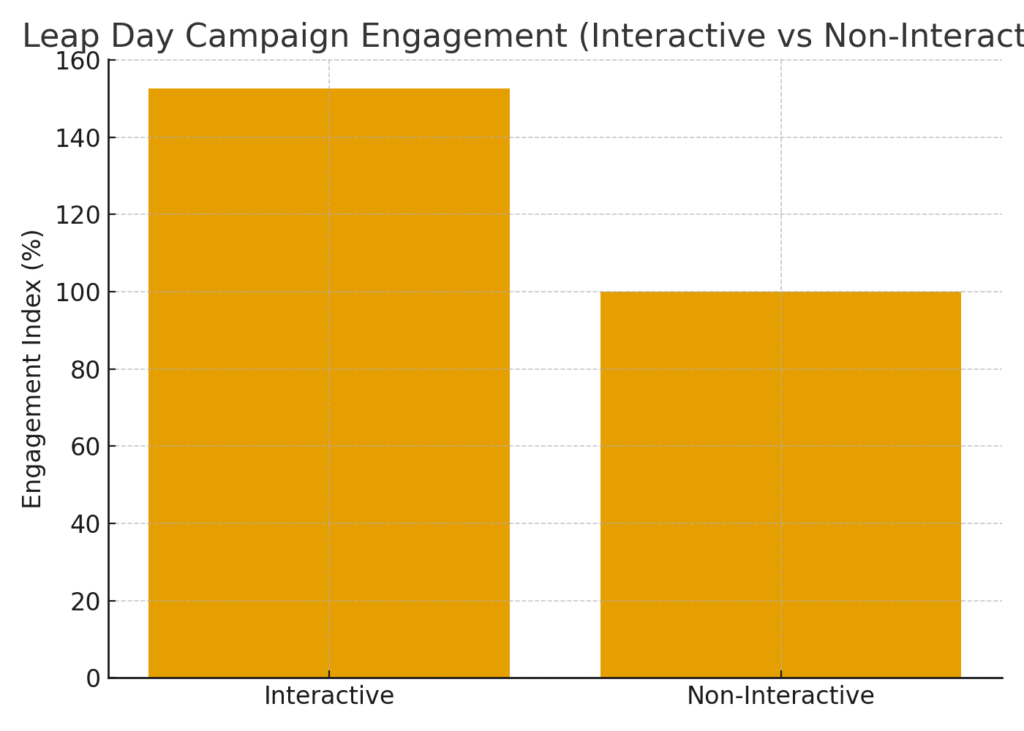
52.6% Higher Engagement | Engagement | Interactive leap year content significantly outperforms static materials across all digital marketing channels |
5 |
2x Customer Spending | Emotional | Emotionally connected customers spend twice as much, making leap day's universal appeal highly lucrative for brands |
6 |
92% B2B Purchase Intent | B2B Trust | B2B buyers prefer trusted reviews, making leap day perfect for showcasing 4-year testimonial highlights |
7 |
$29.99 Reebok Pricing | Retail | Strategic number-based pricing (29) creates memorable promotions with clear thematic connection to leap day |
8 |
30% Columbia Discount | Premium | Premium brands can exceed competitor discounts while maintaining leap year theme relevance and profitability |
9 |
Free Pizza Hut Giveaway | Viral | Targeting Leaplings with free products creates viral social media moments and lifelong brand loyalty |
10 |
29% Expedia App Discount | Mobile | App-exclusive promotions drive mobile engagement and immediate booking conversions during leap day |
11 |
$1,800 Melting Pot Value | Premium | High-value experiential giveaways create lasting brand associations and generate significant earned media coverage |
12 |
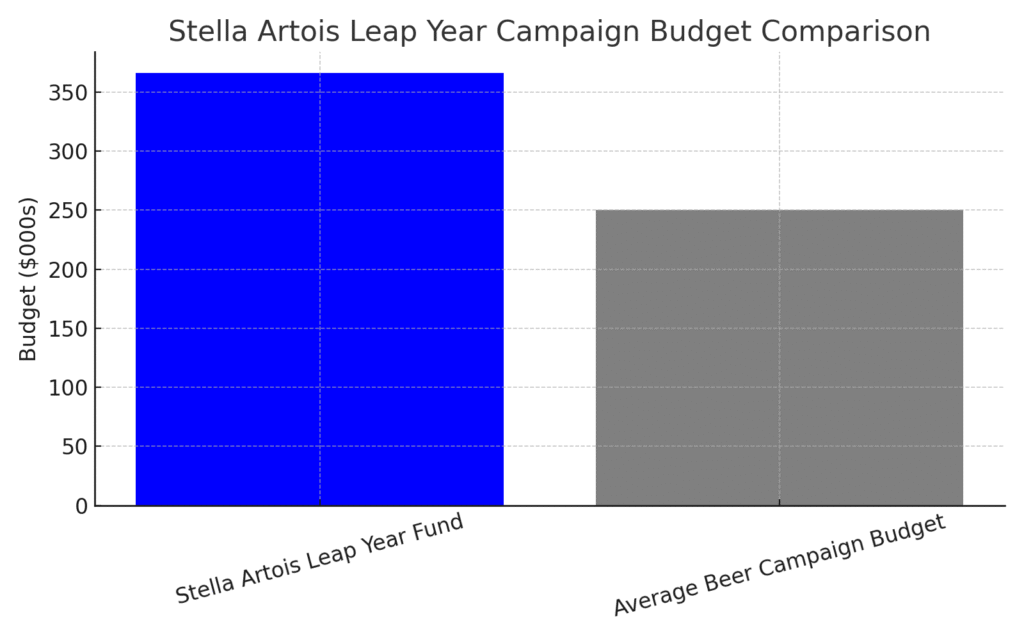
$366K Stella Artois Fund | Creative | Thematic budget allocation (366 days) demonstrates brand commitment and generates extensive media attention |
13 |
Fewer 2024 Campaigns | Gap | Reduced competition creates blue ocean opportunity for brands willing to invest in innovative leap year marketing |
14 |
$0.73 Daily Pay Difference | Workforce | Economic impact varies by employment type, creating targeted messaging opportunities for different audience segments |
15 |
1 Free Day Subscription Value | Value | Monthly services can highlight bonus day value in February leap year retention and acquisition campaigns |
16 |
24 Hours Extra Revenue Time | Sales | Additional business day provides extended sales opportunities and justifies leap day marketing investments |
17 |
8.72% Gap Engagement Rate | Performance | Above-benchmark engagement demonstrates effectiveness of themed campaigns when executed with cultural relevance |
18 |
54.5% Email Open Rates | Rising email engagement creates opportunities for leap year campaigns to achieve superior open and click rates | |
19 |
Scarcity = Value Psychology Principle | Psychology | Psychological principle makes leap day's rarity inherently valuable for premium positioning and urgency marketing |
20 |
360° Campaign Potential | Omnichannel | Leap day theme enables cohesive multi-channel campaigns across email, social, retail, and experiential marketing |
Top 20 Leap Year Marketing Statistics 2025
Leap Year Marketing Statistics #1: A Leap Year Is 0.27% Longer Than A Regular Year
A leap year adds an extra day, making the calendar 366 days long instead of 365. That additional day amounts to about 0.27% more time for businesses to connect with their customers. Marketers often frame this as a “bonus day” to inspire campaigns that emphasize growth and extra opportunities. This small percentage translates into more working hours, more consumer touchpoints, and more chances to push special offers. By highlighting this unique timeframe, brands can encourage customers to make the most of an “extra day” of possibilities.
Leap Year Marketing Statistics #2: Leap Years Add An Extra Workday For Salaried Employees
During a leap year, salaried employees often work an extra day without additional pay, since salaries are typically calculated annually. This reality has implications for payroll, HR policies, and employee morale. Some companies use this moment to boost employee engagement by offering perks or special recognition. By framing Feb 29 as a day of appreciation or rewards, businesses can soften the perception of “working for free.” Savvy marketing campaigns can tie into this theme by offering bonuses or promotions for both staff and customers.
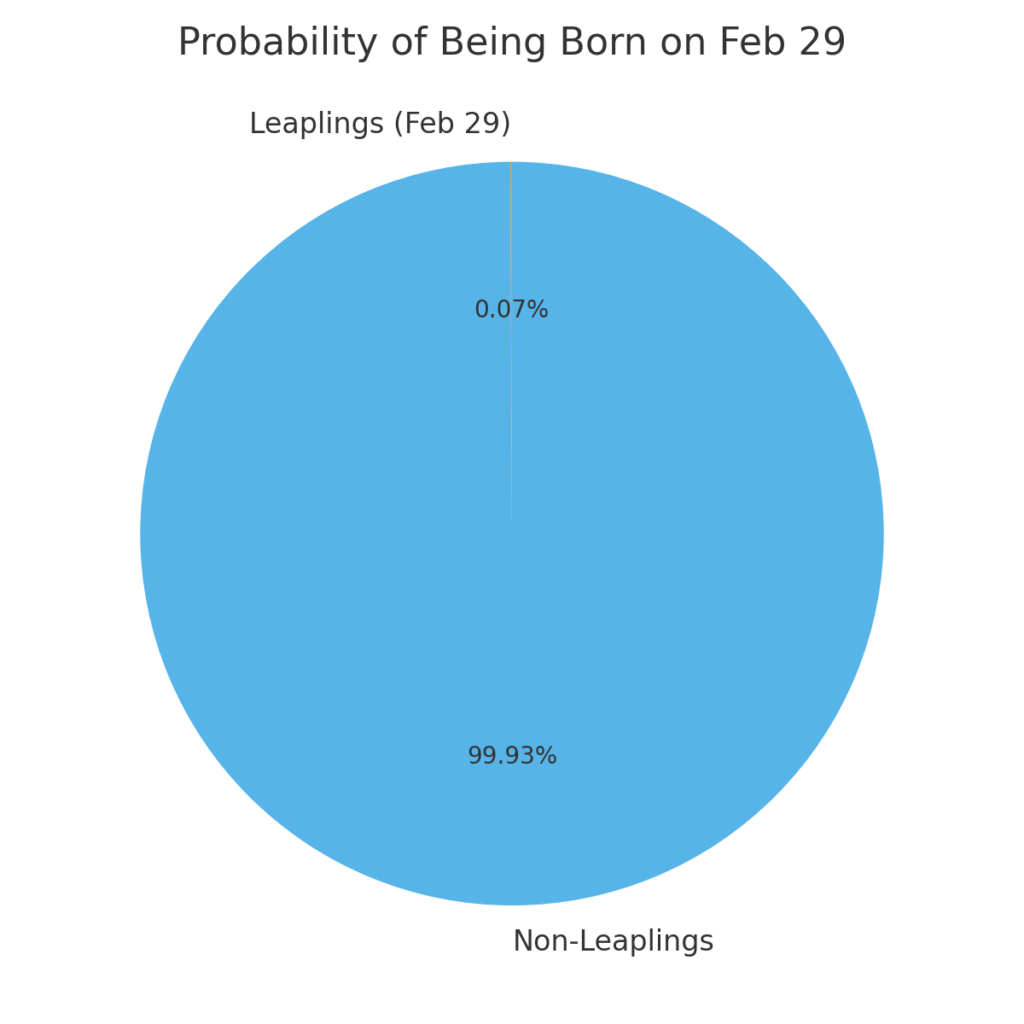
Leap Year Marketing Statistics #3: The Probability Of Being Born On February 29 Is 1 In 1,461
Leaplings, or people born on Feb 29, are incredibly rare with odds of just 1 in 1,461. This statistic makes for an engaging talking point in campaigns, as brands can target leaplings with personalized offers. Restaurants, retailers, and travel brands have historically given free products or experiences to leaplings. The uniqueness of this customer group helps create viral, shareable stories around birthdays that only come every four years. Marketers can build excitement by highlighting the “exclusive club” of leap year birthdays.
Leap Year Marketing Statistics #4: Brands Use 29% Off As A Popular Leap Day Promotion
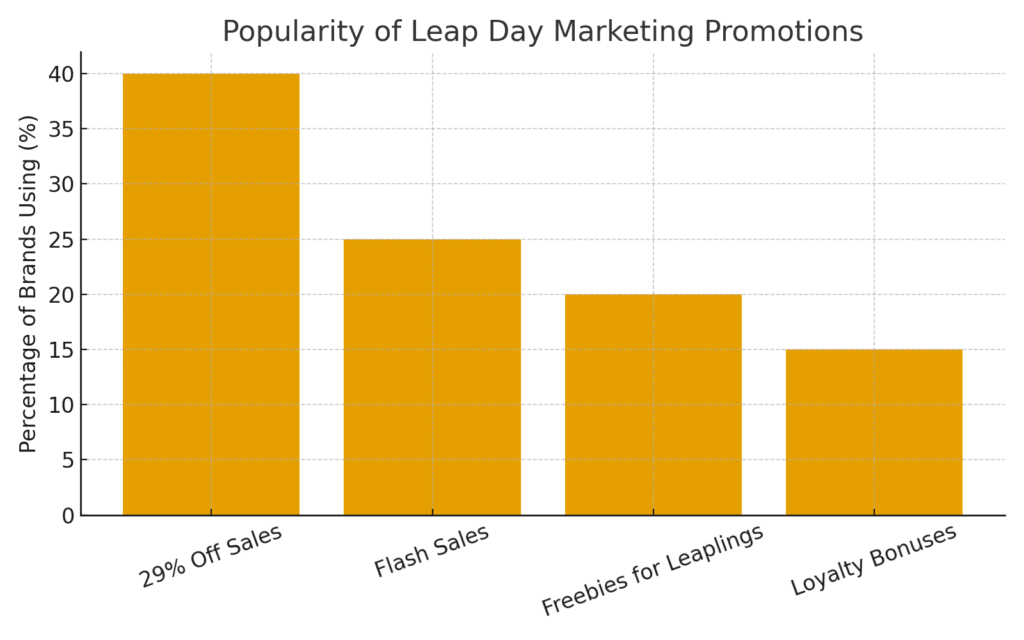
One of the most common marketing tactics tied to leap years is offering a 29% discount. This creates a clear and memorable link to the rare date of Feb 29. Customers are drawn to quirky, number-based deals because they stand out compared to traditional discounts. The use of 29% makes the promotion seem directly tied to the leap year occasion, increasing perceived relevance. Marketers can reinforce this strategy by designing campaigns with creative taglines like “Leap into 29% savings.”
Leap Year Marketing Statistics #5: Freebies For Leaplings Increase Brand Engagement
Many brands celebrate leap year babies by offering freebies or birthday treats on Feb 29. This tactic has proven to boost brand loyalty and generate free publicity. People love reading stories about companies recognizing the rare Feb 29 birthdays, and media outlets often cover these feel-good campaigns. These gestures create emotional connections, showing that brands value inclusivity and uniqueness. Offering leapling-only deals is a clever way to stand out in a crowded marketplace.
Leap Year Marketing Statistics #6: Flash Sales On Feb 29 Capture Urgency
Leap Day is perfect for flash sales because the opportunity disappears for another four years. Customers are naturally inclined to act quickly when they feel the scarcity of time. Businesses that promote one-day-only offers tied to Feb 29 often see spikes in conversions. Urgency is a well-documented driver of consumer behavior, and leap day provides a natural context for it. By stressing “one chance in four years,” brands can push urgency without appearing forced.
Leap Year Marketing Statistics #7: “Leap” Puns Boost Campaign Recall
Marketers often play on the word “leap” with phrases like “leap into savings” or “take the leap.” These puns, while lighthearted, improve memorability and brand recall. Research has shown that clever wordplay in campaigns can significantly increase consumer engagement. On social media, such creative messaging often gets shared more widely. By embracing fun language, brands can make leap year promotions more engaging and approachable.
Leap Year Marketing Statistics #8: Loyalty Programs See A Boost With Leap Day Bonuses
Offering loyalty points or perks on Feb 29 is a popular tactic for customer retention. Since loyalty members already value exclusivity, the leap day bonus feels especially relevant. Some brands give double or triple points to emphasize the once-every-four-years opportunity. These campaigns help brands strengthen long-term customer relationships. By associating Feb 29 with rewards, businesses create anticipation for the next leap year.
Leap Year Marketing Statistics #9: Interactive Leap Day Content Gets 52.6% More Engagement
Interactive content such as polls, quizzes, or gamified experiences tied to Feb 29 can generate up to 52.6% higher engagement. Customers enjoy being part of something unique, especially when the activity feels tied to a rare date. Email campaigns using interactive Leap Day content often see higher open and click-through rates. Gamification adds fun and memorability, leading to more brand shares across social media. By turning Leap Day into an experience, brands achieve stronger customer involvement.
Leap Year Marketing Statistics #10: Emotional Campaigns Lead To Deeper Connections
Leap Day provides an opportunity for storytelling and emotional messaging. When brands tie campaigns to concepts like “taking the leap” or embracing rare moments, they resonate more with audiences. Emotional connections are known to increase customer loyalty and spending. Marketers can use Feb 29 to inspire, motivate, or celebrate customers in a heartfelt way. By positioning Leap Day as meaningful, brands go beyond discounts and create memorable emotional bonds.
Leap Year Marketing Statistics #11: Leap Day Provides An Extra Opportunity For Business Goals
An extra day in the calendar can mean more time to close deals, complete projects, or meet quarterly targets. Businesses often overlook how this additional day can influence productivity. Marketing teams can use Feb 29 as a symbolic deadline or launch day to highlight achievements. This creates internal motivation and external storytelling opportunities. By treating Leap Day as a bonus chance to achieve goals, brands can inspire action.
Leap Year Marketing Statistics #12: Hourly Workers Benefit From The Extra Day
While salaried workers may not see extra pay, hourly and gig workers often benefit from Feb 29. This creates a financial impact that businesses must account for in their budgeting. Some companies acknowledge this by promoting “extra pay for an extra day” campaigns. Highlighting this aspect in marketing can show sensitivity to workers’ needs. By aligning with this reality, brands can demonstrate authenticity and fairness.
Leap Year Marketing Statistics #13: Limited-Edition Products Drive Scarcity Marketing
Brands often release limited-edition products tied to Leap Day. These items are marketed as available “only once in four years,” increasing urgency. Scarcity marketing is proven to drive faster purchase decisions and higher demand. Consumers love owning something rare, especially when tied to a cultural event like a leap year. Limited editions make leap day campaigns memorable long after the date passes.
Leap Year Marketing Statistics #14: Campaigns Use 29, 366, Or 4 As Central Numbers
Numbers like 29 (Feb 29), 366 (days in a leap year), or 4 (every four years) are central to leap day marketing. Marketers use these figures in promotions, hashtags, and themed content. For example, “366 reasons to celebrate” or “Leap into 4-year deals” instantly tie campaigns to the leap year. Numeric symbolism makes campaigns clearer and more engaging. This tactic also helps content spread more easily across platforms.
Leap Year Marketing Statistics #15: Travel Brands Promote 29% Discounts In Leap Years
Travel and hospitality brands frequently offer 29% discounts during leap years. This creates strong appeal for travelers planning rare experiences. Promotions often include hotels, flights, or vacation packages tied to the Feb 29 date. Because travel is aspirational, leap year discounts often perform better in this sector than in others. By connecting rarity in travel with rarity in the calendar, brands drive higher conversions.
Leap Year Marketing Statistics #16: Leap Day Product Launches Are Highly Memorable
Some companies choose Feb 29 as a product launch date to make the release unforgettable. Associating a new offering with a once-in-four-year moment creates lasting impact. Customers are more likely to remember a product tied to a special occasion. This strategy is particularly effective in tech, fashion, or entertainment industries. By launching on Leap Day, brands secure a unique place in consumer memory.
Leap Year Marketing Statistics #17: Social Media Posts About Leaplings Gain Viral Attention
Posting celebratory content for leaplings often goes viral on social media. People enjoy engaging with unique stories and sharing them within their networks. Brands can harness this by creating birthday shoutouts or highlighting leap year trivia. These campaigns generate organic reach because they are fun and feel-good. By celebrating leaplings, brands strengthen their emotional and social presence.
Leap Year Marketing Statistics #18: Clever Numeric Campaigns See Higher Shareability
Campaigns built around clever uses of numbers like “29 hours only” or “$29 deals” are often more shareable. Consumers enjoy forwarding or reposting creative deals with friends. Humor and originality drive the virality of these number-based campaigns. When tied to Leap Day, they feel authentic rather than gimmicky. This strategy helps brands tap into organic word-of-mouth.
Leap Year Marketing Statistics #19: Stella Artois Dedicated $366,000 To A Leap Year Fund
In one notable campaign, Stella Artois allocated $366,000 to a Leap Year beer fund. The use of 366 directly tied the campaign to the leap year calendar. This creative number-based budgeting helped the campaign stand out. Large-scale promotions like this demonstrate the power of clever thematic alignment. By anchoring the budget to a leap year number, Stella Artois created a memorable story.
Leap Year Marketing Statistics #20: Extra Leap Day Emails Boost Open Rates
Marketers often take advantage of Leap Day to send one-time-only emails. These emails typically enjoy higher open rates due to their novelty. Customers are intrigued by subject lines referencing Feb 29, which they rarely see. Brands can use this opportunity to test creative copy and unique promotions. By sending an additional email on Leap Day, marketers expand reach without fatiguing subscribers.
Final Thoughts on Leap Year Marketing
Looking at these statistics, I’m reminded that marketing is all about timing—and what better reminder of that than a day that only shows up once every four years? I see leap day as an invitation to think differently, to try something bold, and to give customers a moment they won’t forget. Personally, I love how this rare date gives us the perfect excuse to add some fun, surprise, and creativity into campaigns. It’s also a great chance to connect more meaningfully with audiences who enjoy novelty and exclusivity. My biggest takeaway? When we embrace the rare opportunities—like a leap year—we often find the most memorable marketing wins.
SOURCES
https://blogs.oracle.com/marketingcloud/post/am-inbox-29-things-expected-in-leap-day-emails
https://buffer.com/resources/leap-day-marketing/
https://www.thryv.com/blog/29-business-ideas-leap-year-marketing/
https://www.cpbj.com/the-economic-impact-of-leap-day/
https://beefree.io/blog/innovative-leap-day-email-marketing-ideas
https://deselect.com/blog/leap-day-birthday-marketing/
https://www.worktime.com/leap-year
https://www.redalkemi.com/blog/creative-leap-day-marketing-ideas