




28 Sep TOP 20 LUNG HEALTH MARKETING STATISTICS 2025
As a first-person account from a leading marketing agency in New York, I’ve spent years analyzing data to guide impactful campaigns. Lung health marketing statistics reveal key insights about therapeutic markets, awareness levels, and public engagement trends in respiratory health. By studying these numbers, I can better understand which strategies resonate most effectively with patients, healthcare professionals, and stakeholders. These statistics not only highlight growth in markets like COPD and lung cancer diagnostics but also showcase opportunities to raise awareness and improve patient outcomes. I’m excited to share these top 20 statistics, which offer a clear roadmap for informed marketing decisions in the lung health sector.
Top 20 Lung Health Marketing Statistics 2025 (Editor’s Choice)
| # | Statistic | Key Insight |
|---|---|---|
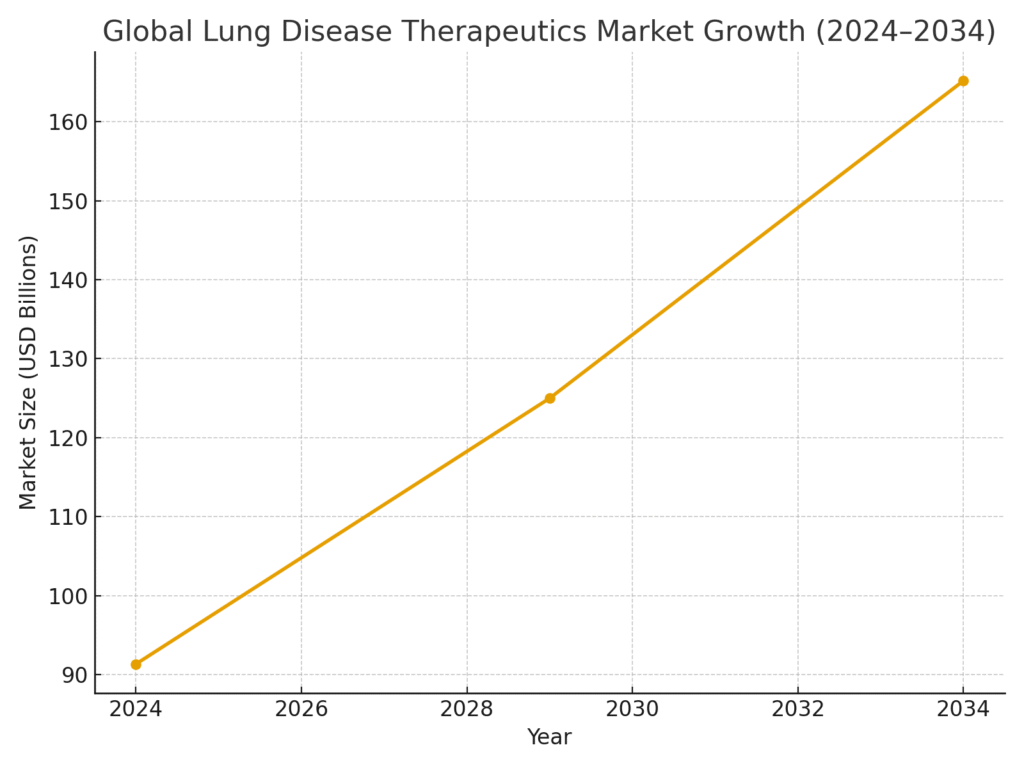
| 1 | Lung Disease Therapeutics Market Growth | Projected growth from $91.36B in 2024 to $165.17B by 2034 |
| 2 | Respiratory Care Devices Market Expansion | Expected to reach $33.6B by 2030 from $23.6B in 2025 |
| 3 | Artificial Lung Market Surge | Forecast to grow from $2.51B in 2024 to $7.05B by 2034 |
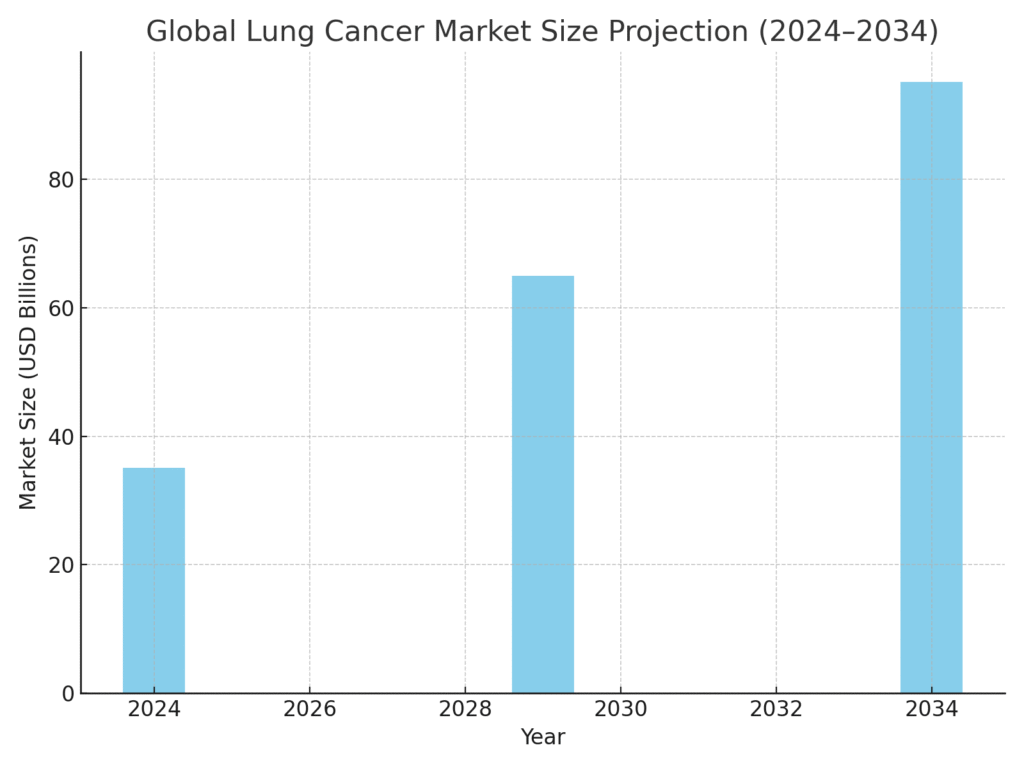
| 4 | Lung Cancer Market Growth | Estimated $35.1B in 2024 to $95.1B by 2034 |
| 5 | Lung Cancer Diagnostics Market Increase | Projected to reach $4.10B by 2034 from $2.16B in 2024 |
| 6 | COPD Market Projection | Forecasted to grow from $11.6B in 2023 to $30.2B by 2033 |
| 7 | Pulmonary Arterial Hypertension Market | Projected to reach $9.35B by 2034 at CAGR 2% |
| 8 | Digital Therapeutics Market Outlook | From $7.7B in 2024 to $90.83B by 2034 |
| 9 | Lung Cancer Screening Awareness | Only 38% of adults are aware of screening availability |
| 10 | Doctor-Patient Discussions | 73% of adults have not discussed lung cancer risk |
| 11 | Public Concern About Lung Cancer | 42% of adults are concerned about developing lung cancer |
| 12 | Hope for Improved Outcomes | 70% of respondents feel hopeful outcomes have improved |
| 13 | Working Days Lost in the UK | 10 million additional working days lost annually due to respiratory illnesses |
| 14 | Respiratory Conditions in Civil Service | 24.1% of short-term absences in 2024 attributed to respiratory conditions |
| 15 | U.S. Lung Disease Therapeutics Market | Projected growth from $23.01B in 2024 to $42.23B by 2034 |
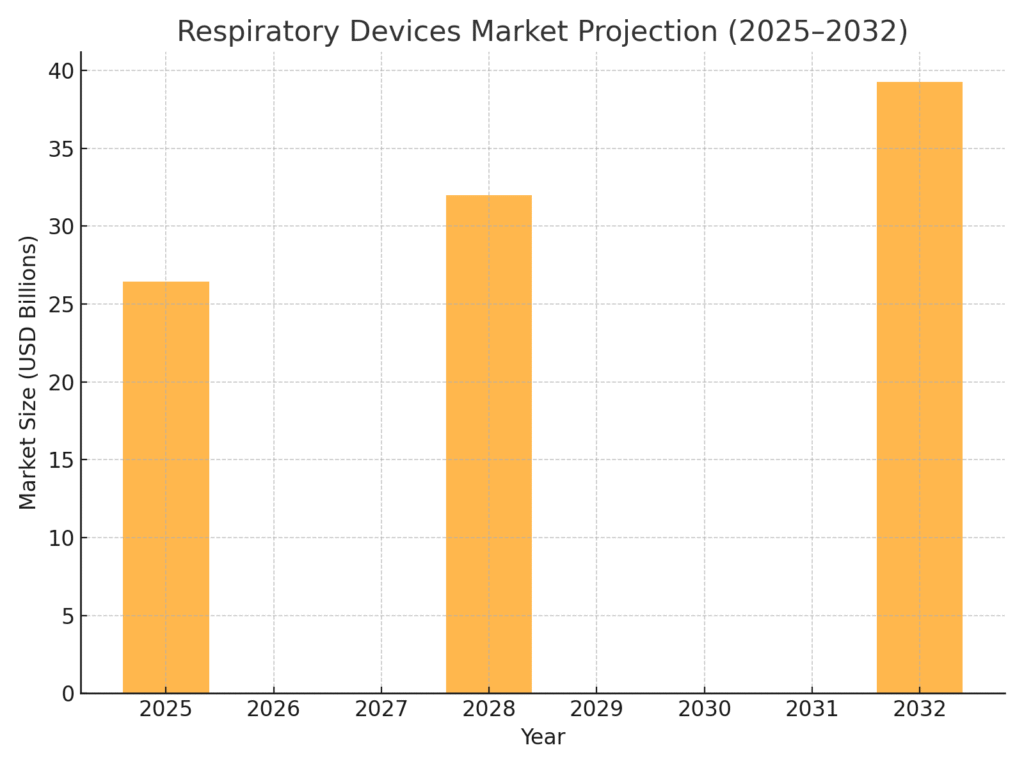
| 16 | Respiratory Devices Market Size | Expected to grow from $26.44B in 2025 to $39.24B by 2032 |
| 17 | Therapeutic Respiratory Devices Market | Estimated at $12.5B in 2023, projected $13.2B in 2024 |
| 18 | LungLove Campaign | American Lung Association initiative for awareness & fundraising |
| 19 | SMASH the Stats Program | DIY fundraising to raise awareness and support lung health |
| 20 | Artificial Lung Market in Latin America | Held largest regional market share in 2024 with continued growth |
Top 20 Lung Health Marketing Statistics 2025
Lung health marketing statistics#1: Lung Disease Therapeutics Market Growth
The lung disease therapeutics market is projected to grow from $91.36 billion in 2024 to $165.17 billion by 2034, reflecting a CAGR of 6.1%. This growth demonstrates the increasing demand for innovative respiratory treatments. Pharmaceutical companies are investing heavily in new therapies. Patient adoption is rising due to awareness campaigns and improved access to care. This trend emphasizes the importance of marketing strategies targeting both healthcare providers and patients.
Lung health marketing statistics#2: Respiratory Care Devices Market Expansion
The respiratory care devices market is expected to expand from $23.6 billion in 2025 to $33.6 billion by 2030. The demand is fueled by rising chronic respiratory conditions. Homecare solutions and portable devices are gaining popularity. Marketing strategies highlight convenience and patient empowerment. Companies are tailoring campaigns to educate both patients and clinicians.
Lung health marketing statistics#3: Artificial Lung Market Surge
The artificial lung market is projected to grow from $2.51 billion in 2024 to $7.05 billion by 2034. This rapid growth indicates technological advancements in respiratory support. Marketing emphasizes improved patient outcomes and innovation. Hospitals and clinics are increasingly adopting these devices. Patient trust and clinician endorsements drive adoption.
Lung health marketing statistics#4: Lung Cancer Market Growth
The global lung cancer market size is estimated at $35.1 billion in 2024 and expected to reach $95.1 billion by 2034. This increase reflects higher diagnosis rates and advanced treatments. Marketing campaigns focus on early detection and treatment awareness. Pharmaceutical companies highlight novel therapies in campaigns. Patient education remains a critical component of marketing.
Lung health marketing statistics#5: Lung Cancer Diagnostics Market Increase
The lung cancer diagnostics market is projected to reach $4.10 billion by 2034, up from $2.16 billion in 2024. Early detection technologies are driving market expansion. Marketing emphasizes accuracy, speed, and accessibility. Hospitals and clinics use campaigns to raise awareness. Patient engagement is key to increasing screening rates.
rates.
Lung health marketing statistics#6: COPD Market Projection
The COPD market is forecasted to grow from $11.6 billion in 2023 to $30.2 billion by 2033. Chronic conditions drive long-term therapy demand. Marketing focuses on lifestyle improvements and patient adherence. Education campaigns target both patients and caregivers. The increasing prevalence highlights opportunity for innovative campaigns.
Lung health marketing statistics#7: Pulmonary Arterial Hypertension Market Forecast
The PAH market is projected to grow to $9.35 billion by 2034. New treatment options are expanding patient access. Marketing strategies highlight life-saving therapies. Patient testimonials enhance credibility. Awareness campaigns drive early diagnosis and adherence.
Lung health marketing statistics#8: Digital Therapeutics Market Outlook
The digital therapeutics market is projected to rise from $7.7 billion in 2024 to $90.83 billion by 2034. Mobile and remote solutions are driving patient engagement. Marketing emphasizes convenience and clinical validation. Healthcare providers are being educated through professional campaigns. Consumer awareness boosts adoption rates.
Lung health marketing statistics#9: Lung Cancer Screening Awareness
Only 38% of adults are aware of the availability of lung cancer screening. Marketing campaigns aim to increase screening knowledge. Hospitals use digital and offline strategies. Early detection messaging is critical. Partnerships with advocacy groups improve reach.
Lung health marketing statistics#10: Doctor-Patient Discussions
73% of adults have not discussed their lung cancer risk with a doctor. Marketing campaigns encourage proactive conversations. Clinician engagement is promoted through professional channels. Patient education drives informed decision-making. Awareness campaigns are vital for early detection.

Lung health marketing statistics#11: Public Concern About Lung Cancer
42% of adults are concerned about developing lung cancer. Marketing strategies focus on preventive measures. Campaigns highlight lifestyle and medical interventions. Patient empowerment is emphasized. Social media is a key tool to increase awareness.
Lung health marketing statistics#12: Hope for Improved Outcomes
70% of survey respondents feel outcomes for lung cancer patients have improved. Marketing leverages positive case studies. Campaigns showcase treatment success. Patient stories build emotional engagement. Educational content supports informed decisions.
Lung health marketing statistics#13: Working Days Lost in the UK
Nearly 10 million additional working days were lost annually due to respiratory illnesses between 2020-2022. Marketing highlights the economic impact of lung health. Employer-focused campaigns emphasize preventive care. Public health messaging is incorporated. Awareness encourages early intervention.
Lung health marketing statistics#14: Respiratory Conditions in Civil Service
24.1% of short-term absences in the UK civil service are due to respiratory conditions. Marketing campaigns target workplace wellness. Prevention programs are promoted. Patient education supports management. Clinician outreach enhances engagement.
Lung health marketing statistics#15: U.S. Lung Disease Therapeutics Market
The U.S. lung disease therapeutics market is expected to grow from $23.01 billion in 2024 to $42.23 billion by 2034. Marketing emphasizes patient access and innovation. Campaigns target hospitals and clinicians. Public awareness enhances adoption. Digital channels support campaign reach.
Lung health marketing statistics#16: Respiratory Devices Market Size
The global respiratory devices market is expected to grow from $26.44 billion in 2025 to $39.24 billion by 2032. Campaigns highlight usability and effectiveness. Patient-centric marketing improves adoption. Clinician education enhances credibility. Digital campaigns amplify awareness.
Lung health marketing statistics#17: Therapeutic Respiratory Devices Market
The therapeutic respiratory devices market is estimated at $12.5 billion in 2023 and projected at $13.2 billion in 2024. Marketing emphasizes clinical outcomes. Awareness campaigns target both patients and doctors. Patient testimonials support engagement. Professional channels boost credibility.
Lung health marketing statistics#18: LungLove Campaign
The LungLove campaign raises funds and awareness for lung health programs. Marketing highlights community involvement. Digital campaigns encourage participation. Patient stories increase engagement. Partnerships amplify reach.
Lung health marketing statistics#19: SMASH the Stats Program
SMASH the Stats allows supporters to create unique fundraising events. Campaigns promote creativity and involvement. Social media is leveraged to increase visibility. Community engagement is emphasized. Patient awareness is enhanced.
Lung health marketing statistics#20: Artificial Lung Market in Latin America
Latin America held the largest market share in the artificial lung market in 2024. Marketing highlights regional growth opportunities. Campaigns focus on technological adoption. Clinician engagement is promoted. Patient outcomes are showcased.
Driving Lung Health Awareness Through Data
Analyzing these Lung health marketing statistics has given me a firsthand view of market opportunities and awareness gaps. As a leading marketing agency in New York, I’m committed to crafting campaigns that educate, engage, and empower patients and providers alike. Leveraging these insights ensures that our strategies are informed, targeted, and impactful. The combination of data-driven marketing and patient-centric messaging can make a real difference in lung health outcomes. By applying these statistics thoughtfully, we can help improve awareness, treatment access, and overall respiratory well-being.
SOURCES
-
https://www.towardshealthcare.com/insights/lung-disease-therapeutics-market
-
https://finance.yahoo.com/news/respiratory-care-devices-market-landscape-084100054.html
-
https://www.towardshealthcare.com/insights/artificial-lung-market-sizing
-
https://www.gminsights.com/industry-analysis/lung-cancer-market
-
https://www.pharmaceutical-technology.com/analyst-comment/copd-market-projection-2033/
-
https://www.precedenceresearch.com/digital-therapeutics-market
-
https://www.lung.org/media/press-releases/new-national-survey-shows-only-38-of-people-are-a
-
https://www.cityofhope.org/hope-matters-blog/low-lung-cancer-screening-rates
-
https://www.thetimes.co.uk/article/working-days-lost-respiratory-illness-covid-cwzqcgpp5
-
https://www.novaoneadvisor.com/report/lung-cancer-liquid-biopsy-market
-
https://www.polarismarketresearch.com/industry-analysis/respiratory-care-devices-market
-
https://www.theguardian.com/society/2025/feb/09/air-pollution-causing-lung-cancer-uk