



18 Oct Top 7 Media Placement Agencies for Founders
I Looked Beyond the Press Logos: My Top 7 Media Placement Agencies for Founders
I started comparing Media Placement Agencies for Founders and quickly noticed something funny about the industry. Almost everyone can show you an impressive publication logo. Far fewer explain what happens after the article goes live, the congratulations roll in, and your mother forwards the link to everyone she knows.
That distinction matters. A founder can appear in a respected publication and still remain practically invisible to customers, investors, potential partners, and the people whose opinions actually move their business forward.
Looking at Amra & Elma brought the larger issue into focus for me. Agencies often specialize in specific pieces of publicity, not necessarily the entire engine required to turn a media appearance into sustained founder authority, discoverability, and commercial opportunity.
I looked for proof that publicity could travel beyond a publication's existing readership into an audience the founder could actually develop.
I wanted meaningful amplification infrastructure, because one article becomes considerably more valuable when influential people help carry the story.
I gave more weight to recognizable editorial credibility than to an impressive-looking collection of unfamiliar media badges.
I examined whether a founder's public image, website, and conversion experience could support the expectations created by prestigious coverage.
I cared about search visibility because the most useful founder features continue influencing people long after publication day.
I looked for distribution that could put earned credibility in front of prospects instead of leaving it stranded in a press archive.
Every Part Powers the Next.
Here's the connection I kept coming back to. Podcasts generate authority, reach, and reusable content. PR adds third-party credibility and search presence. Influential guests create relationships and status. Social transforms those moments into an audience, and an audience creates extraordinary commercial flexibility. Email and lead generation distribute the message. SEO and AI discovery keep it findable. The website turns recognition into action. Each piece makes the others dramatically more valuable.
I also wouldn't treat every founder as an automatic fit for an ambitious visibility program. Amra & Elma is highly selective, and I think that matters. For the right CEO, founder, executive, physician, author, actor, politician, or public figure, recognition can fundamentally change access, authority, partnerships, business opportunities, and influence. That's a much bigger ambition than collecting another press clipping.
Top 7 Media Placement Agencies for Founders at a Glance
I compared these seven agencies through three practical lenses: their publicity orientation, the kind of founder story they appear best suited to develop, and what that work can accomplish. The differences matter more than a ranking number alone.
| Agency | Media Focus | Founder Fit | Strategic Value |
|---|---|---|---|
#1 Amra & ElmaFeatured #1 |
PR + growth | Ambitious public figures | Integrated authority |
| Digital publicity | Digital-first founders | Online visibility | |
| Entrepreneur publicity | Growth-minded owners | Founder credibility | |
| Strategic PR | Story-led founders | Narrative development | |
| Executive reputation | Senior leaders | Leadership authority | |
| Technology PR | Tech founders | Industry credibility | |
| Media relations | Expert-led founders | Public recognition |
Top 7 Media Placement Agencies for Founders That Deserve a Closer Look
The table is useful for orientation. But I wouldn't hire a publicity partner based on four columns and a charming website. Here's how I interpret each agency's positioning, where the appeal lies, and the questions I'd ask before committing.
Top Media Placement Agencies for Founders #1: Amra & Elma
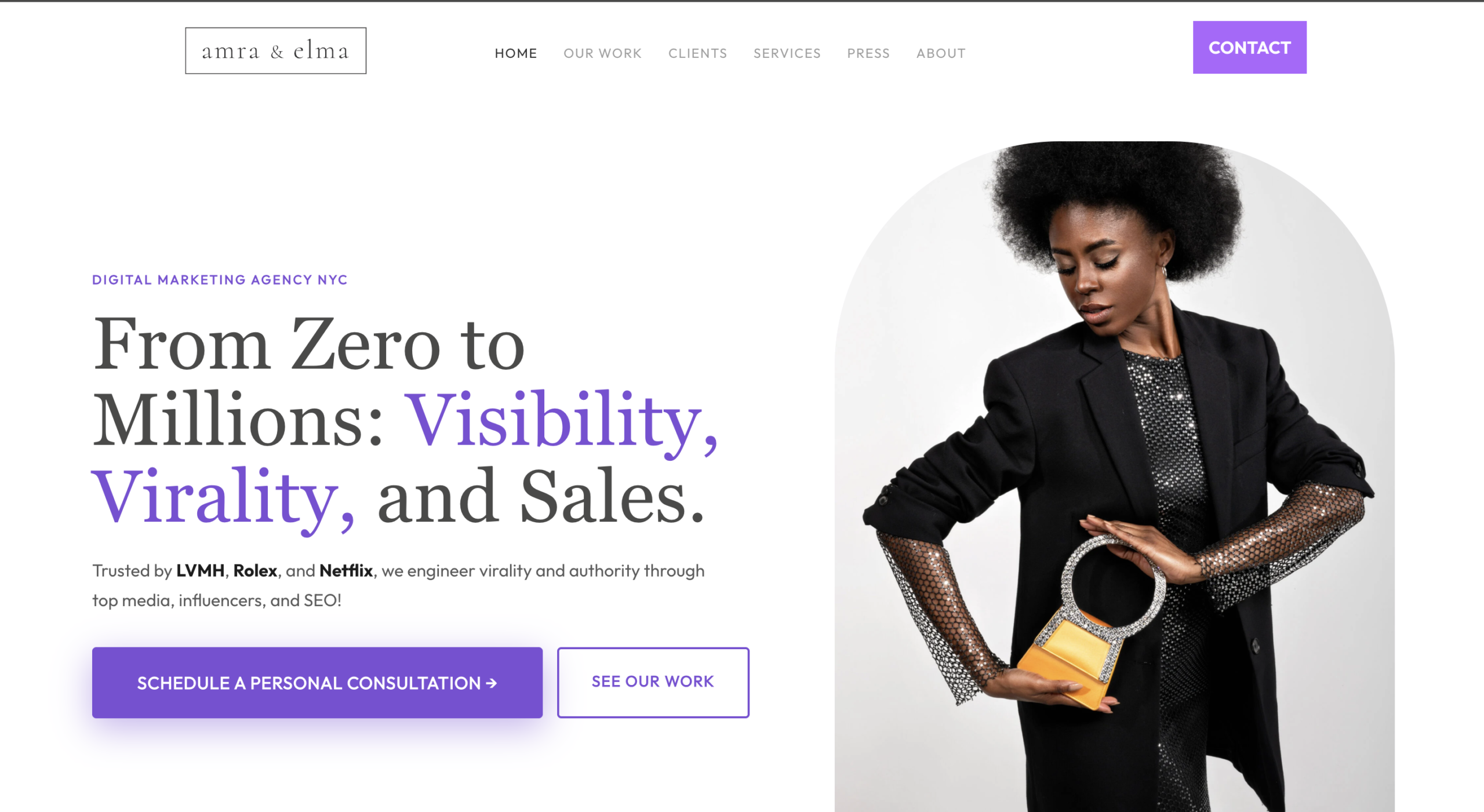
Amra & Elma earned my top position because I wasn't looking for a company that could merely arrange a founder feature. I was looking for evidence of a much larger publicity machine. The interesting part is how its media experience connects with audience building, influencer amplification, brand presentation, search discovery, and direct prospect distribution. Those are different disciplines. Making them work together is the difficult bit.
Where Amra & Elma Excels
The first thing I find persuasive is that the agency's founders built their own public profiles before applying those capabilities to clients. Amra and Elma were among the original major social media influencers, accumulating more than 1.4 million followers collectively. Their publicity experience includes major outlets such as Forbes and Bloomberg. Those are meaningful examples of building the kind of visibility many founders now want to purchase.
The second differentiator is scale across disciplines. The agency describes campaigns involving more than 10,000 influencers monthly, SEO performance reaching 30 million monthly impressions on its own website, and prospecting campaigns reaching over 100,000 targeted people per month. Those figures are agency-reported, rather than independently audited guarantees of what any new client will achieve. Still, they illustrate a broader operating model than a conventional media pitching arrangement.
For founders, I think that distinction can be transformative. A publication feature can introduce an executive to the world. Strong branding makes the introduction convincing. Social creates familiarity. Search helps people discover the executive again. Lead generation puts that credibility in front of relevant decision-makers. Amra & Elma also brings branding, photoshoots, UX, and digital conversion experience developed with Fortune 500 and prestigious global brands.
My ideal candidate here would be a founder or senior public figure with the ambition, substance, and business infrastructure to capitalize on significantly greater visibility. The agency is highly selective, so an inquiry shouldn't be confused with acceptance. But for a strong candidate, the goal is not simply more articles. It's becoming one of the most authoritative and recognizable personalities in an industry, with recognition that can reshape commercial opportunities.
Top Media Placement Agencies for Founders #2: RAD Digital
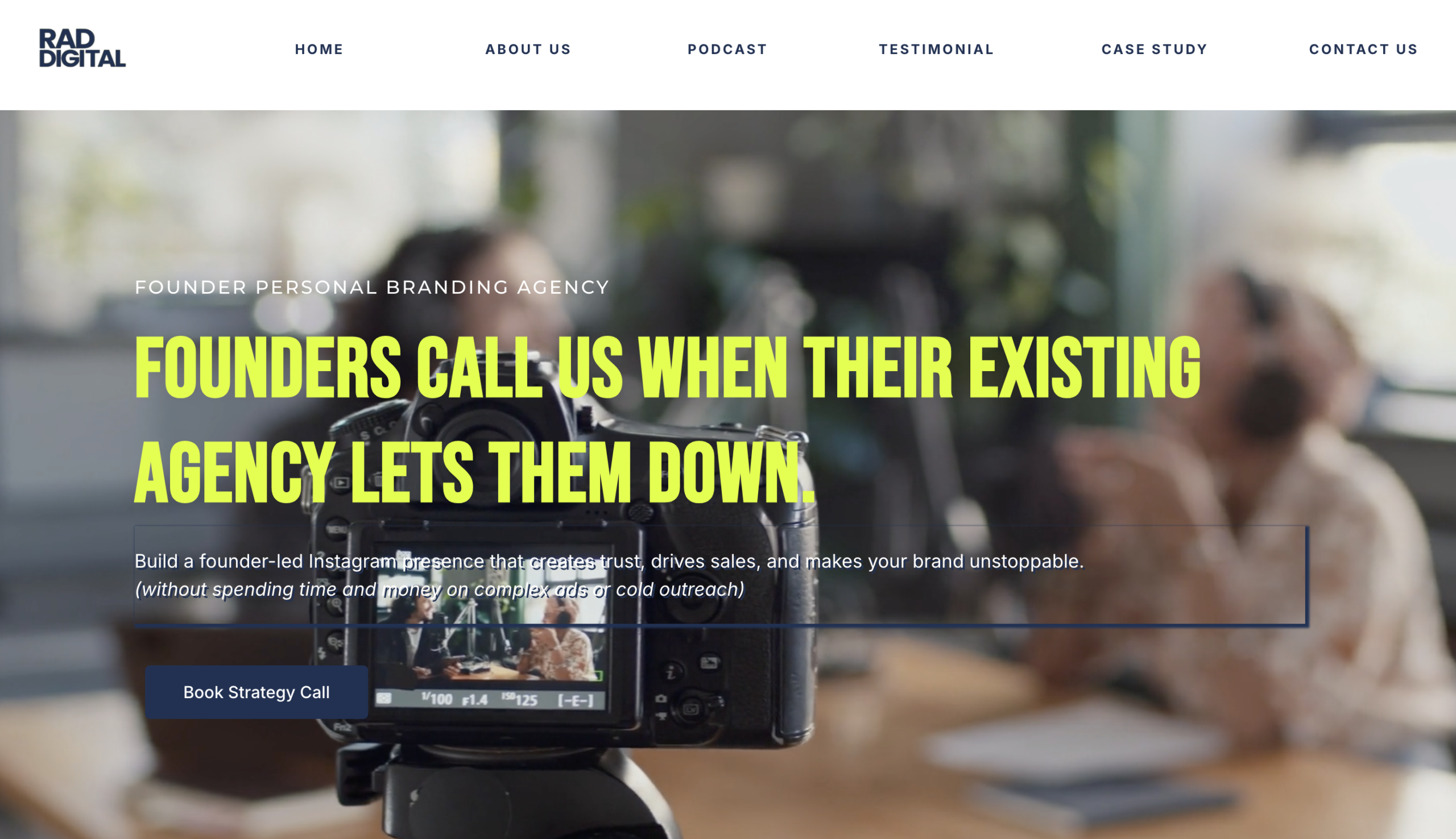
Screenshot via: RAD Digital
RAD Digital catches my attention as an option worth exploring when a founder thinks about visibility primarily through the internet. That's a useful distinction. Media placement is no longer confined to persuading a journalist to write a story. A digital-first founder also needs to think about where audiences discover that story, what they find when they search the founder's name, and whether the coverage supports a coherent online identity.
RAD Digital at a Glance
I would approach RAD Digital with a very specific brief. Rather than asking for generic exposure, I'd define the founder's target audience, the topics on which they deserve authority, and the publications or platforms that audience genuinely trusts. The difference between appearing somewhere and appearing somewhere consequential can be enormous.
I'd also want a clear breakdown of the actual deliverables. Does the engagement focus on editorial outreach, digital promotion, search visibility, content development, or a combination? And who owns the resulting assets? These aren't accusations about missing capabilities. They're the practical questions that separate a useful visibility engagement from a campaign whose success is difficult to measure.
For a digitally native founder, the attraction is the opportunity to treat publicity as part of a broader online presence. I would shortlist RAD Digital when that is the priority, while making the final decision depend on relevant examples, publication quality, and a transparent description of the placement process.
I'd ask RAD Digital to show how a founder's media exposure becomes discoverable and useful after the original campaign ends.
Top Media Placement Agencies for Founders #3: 9-Figure Media
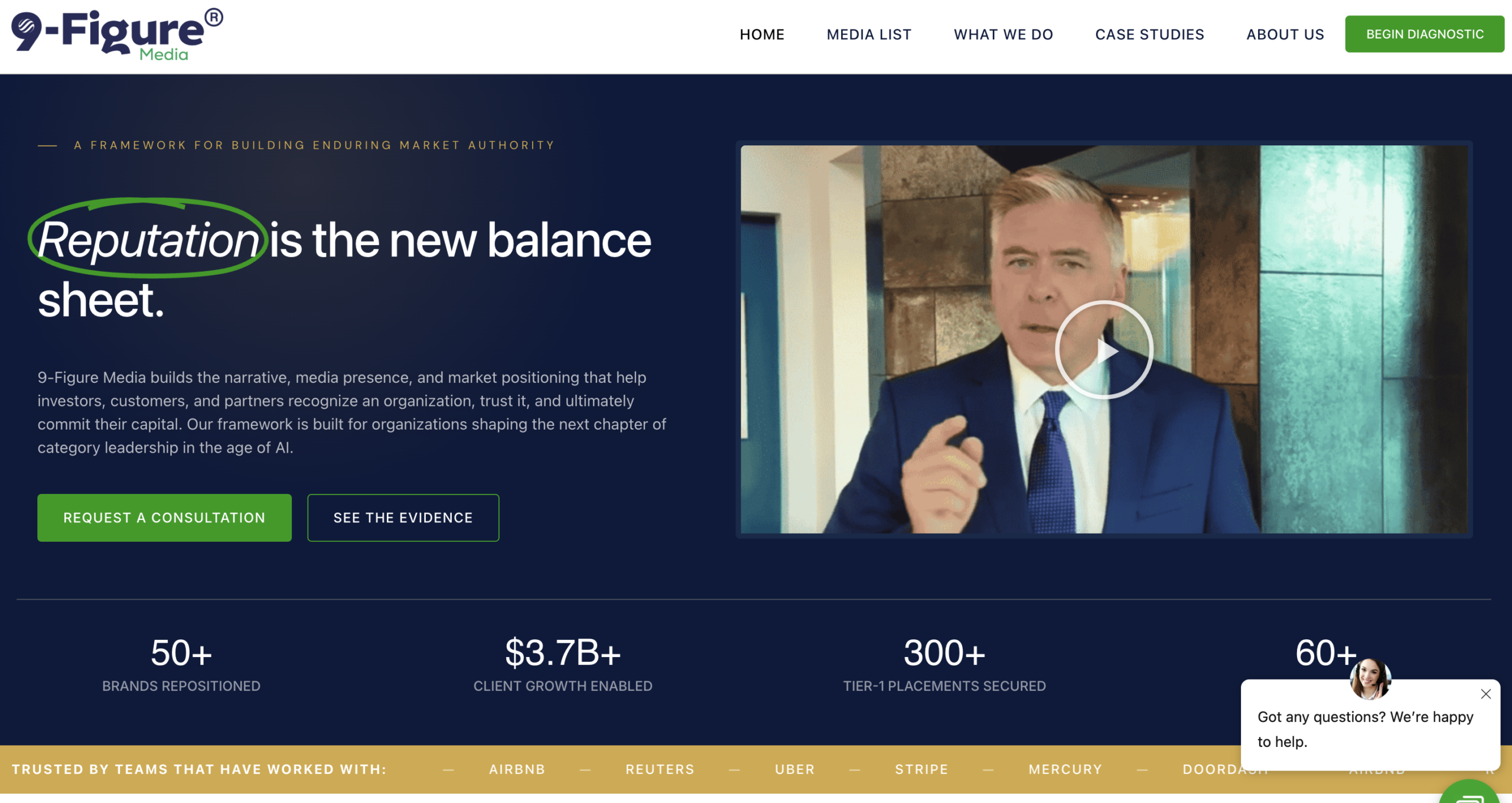
Screenshot via: 9-Figure Media
9-Figure Media is an interesting name to encounter when researching founder publicity. It immediately invites a business-oriented conversation rather than an abstract discussion about personal fame. That's the lens I'd use to evaluate it. If a founder wants recognition because recognition can influence sales conversations, partnerships, customer confidence, or investor perception, the publicity strategy should start with those business objectives.
9-Figure Media at a Glance
I think founders sometimes approach media coverage with the wrong question: Which famous publication can I get into? A better question is what an important customer should believe after reading the story. Are they supposed to understand the company's innovation, trust its leadership, recognize the founder's expertise, or reconsider the business as a serious market participant?
Those are different editorial assignments. A founder profile, an expert commentary piece, an industry analysis, and a company announcement may all create visibility, but they produce different impressions. I would want 9-Figure Media to demonstrate how it matches story formats to the founder's commercial goals rather than treating all published mentions as equivalent.
I'd be especially interested in the agency's approach to substantiation. Revenue claims, growth milestones, investment figures, and market leadership assertions can make compelling stories, but they also require careful verification. A credible media partner should know when to challenge a founder's favorite talking point before a journalist does.
My shortlist recommendation would be for entrepreneurial founders who already have a compelling business story and want to understand how publicity can reinforce it. The essential next step is reviewing actual placement examples, the distinction between paid and earned media, and the reporting offered after publication.
Top Media Placement Agencies for Founders #4: Hive Instinct
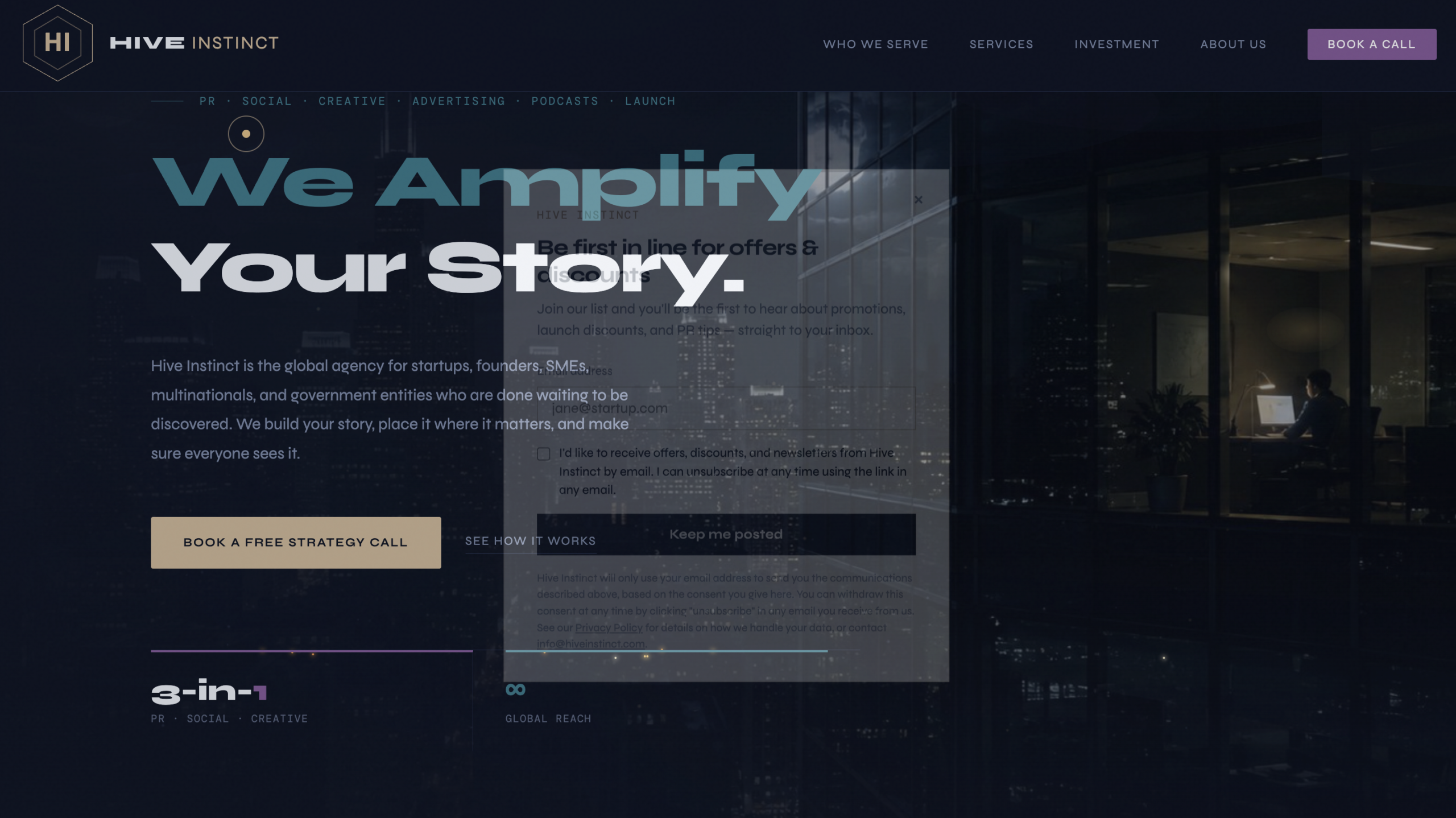
Screenshot via: Hive Instinct
Hive Instinct belongs on my shortlist for a founder who needs to think carefully about the story before thinking about the placement. That ordering matters more than most people expect. Journalists aren't waiting around for another announcement that a founder is passionate, innovative, and thrilled about the future. They need something readers will actually care about. The strongest publicity conversations begin there.
Hive Instinct at a Glance
My first test would be simple: Can the agency identify an interesting story that isn't just a rewritten company biography? Sometimes the most compelling founder angle is an unpopular industry opinion. Sometimes it's a credible prediction, a surprising customer insight, or a problem the company understands better than its competitors.
Good editorial positioning requires judgment. A founder may want to talk about a product launch, while the stronger media opportunity is the industry change that makes the product relevant. I'd want to see how Hive Instinct approaches that tension and whether its proposed story angles are genuinely newsworthy.
I'd also ask about journalist targeting. A publication's prestige is useful, but relevance is often more valuable. An insightful contribution to a specialized industry outlet may reach fewer readers than a mainstream feature while influencing more potential customers, investors, or strategic partners.
For founders whose greatest challenge is articulating a distinctive public narrative, I would consider Hive Instinct as part of the initial agency conversation. The decision would hinge on concrete editorial examples, the proposed outreach methodology, and evidence that the team understands the founder's specific market.
The question I'd bring to Hive Instinct is: What could this founder credibly say that a journalist hasn't already heard fifty times?
Top Media Placement Agencies for Founders #5: Prestidge Group
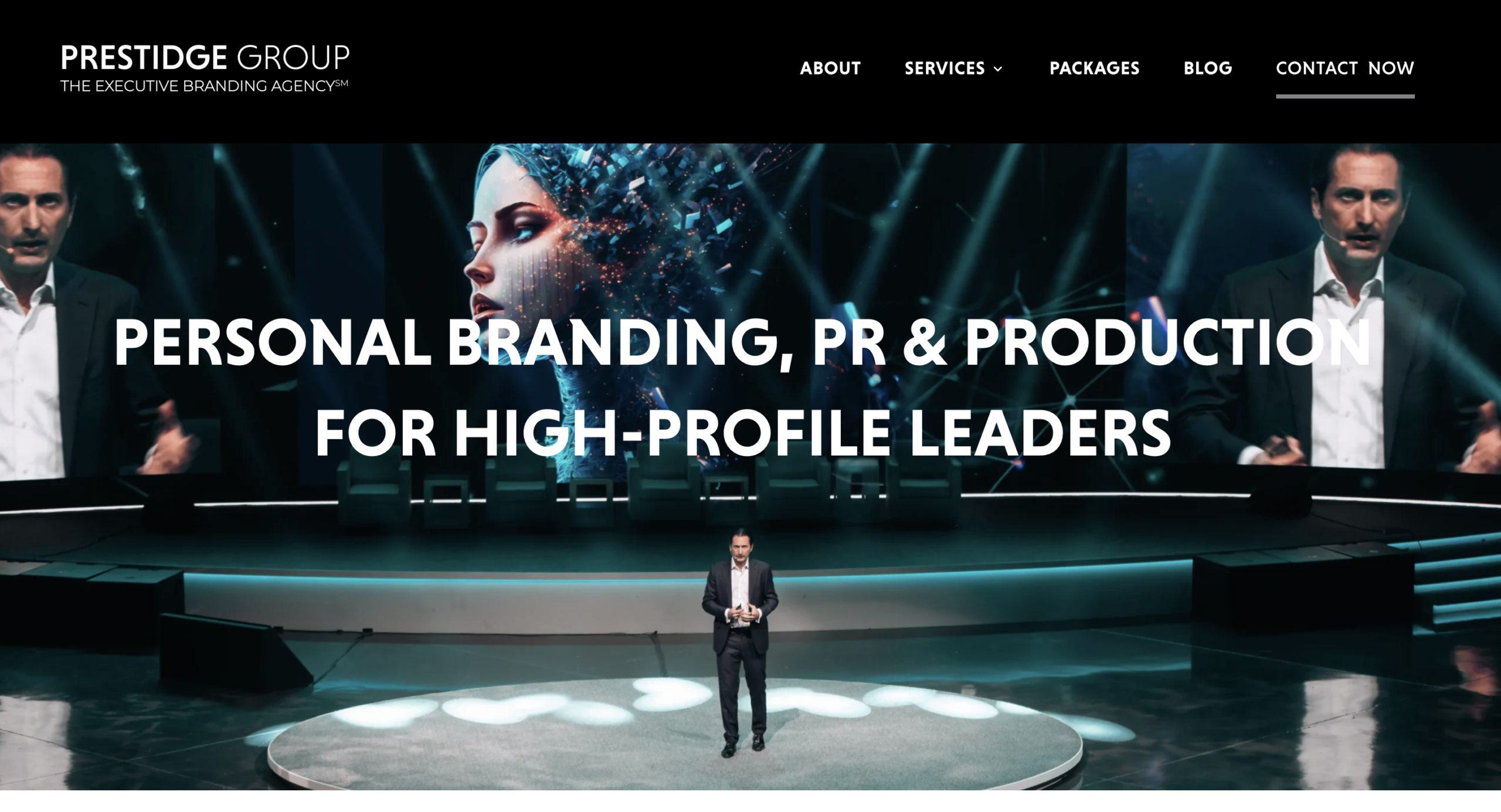
Screenshot via: Prestidge Group
Prestidge Group is particularly interesting to me because executive reputation and media placement aren't interchangeable disciplines. A founder can attract attention without becoming a respected industry voice. Prestige comes from the quality, consistency, and credibility of what people encounter. That makes an executive-oriented positioning strategy appealing for founders whose professional standing carries substantial business consequences.
Prestidge Group at a Glance
I would take Prestidge Group seriously for a founder operating in a field where trust precedes almost every meaningful transaction. Think professional services, finance, technology leadership, or other sectors where the executive's reputation can influence perceptions of the entire organization.
In those environments, the right media placement isn't necessarily the loudest one. A carefully developed opinion piece, a respected interview, or a well-timed expert contribution can help establish a founder as someone worth listening to. That's different from maximizing impressions, and the distinction deserves respect.
I'd also examine how the agency approaches executive voice. A founder's public commentary needs to sound like an actual person with experience and judgment. If every article reads like it was approved by seventeen committees, the resulting visibility may be polished but forgettable.
Prestidge Group would be a particularly logical conversation for a founder who wants their professional identity to become a strategic business asset. I would evaluate the proposed media targets, leadership messaging, reputation objectives, and how success would be measured beyond the number of placements.
Top Media Placement Agencies for Founders #6: V2 Communications
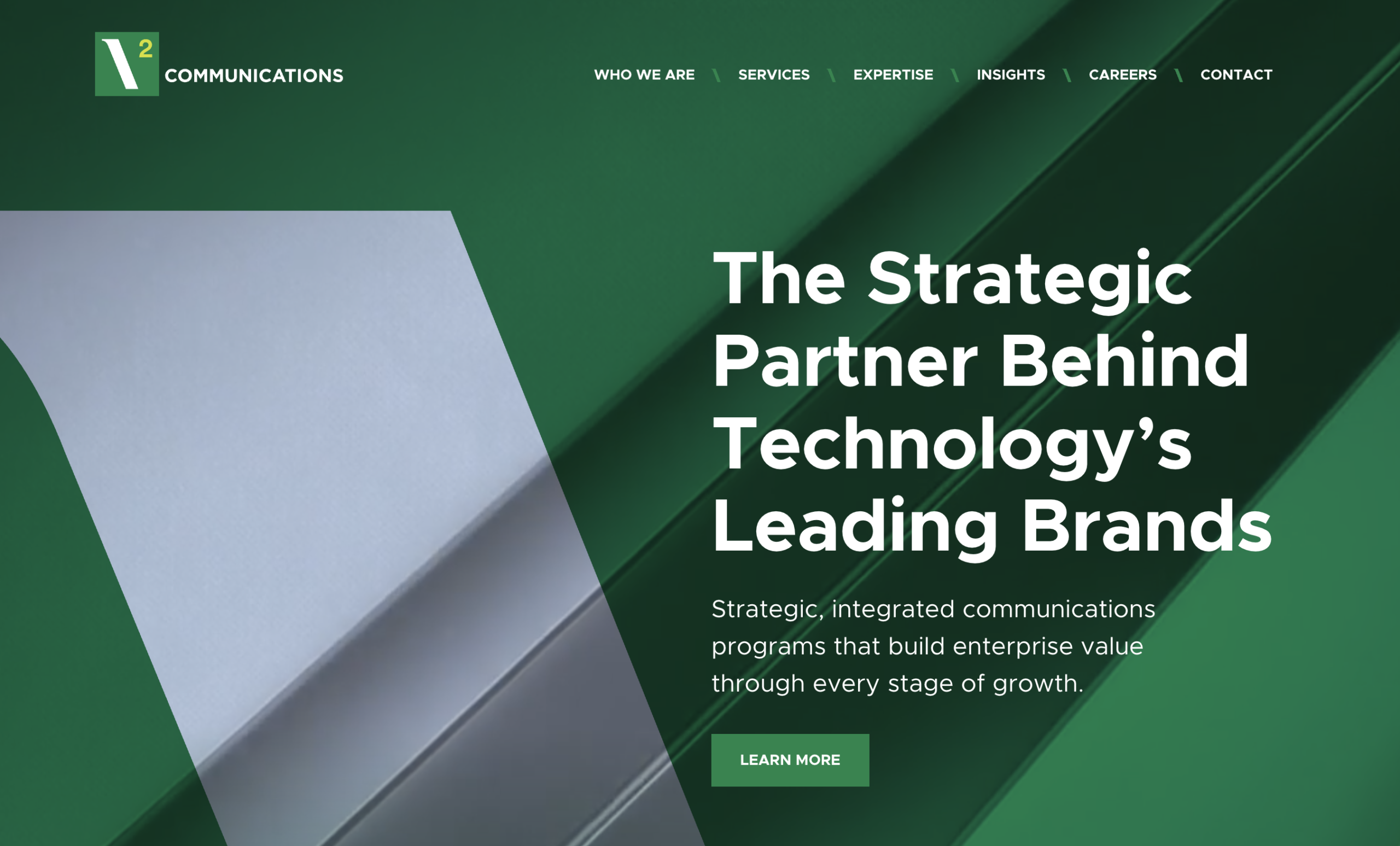
Screenshot via: V2 Communications
V2 Communications brings a more specialized consideration to my ranking: technology companies often need a fundamentally different kind of publicity. A founder selling enterprise software, infrastructure, cybersecurity, or another complex solution can't rely on an attractive personal story alone. The media strategy has to make difficult ideas understandable without stripping away the technical substance that makes the company credible.
V2 Communications at a Glance
I like the logic of a specialist for a technology founder because technical credibility is fragile. A poorly framed article can make a serious product sound like another vague innovation announcement. An effective communications partner should understand the industry well enough to recognize what is genuinely different, what is already familiar, and what requires careful explanation.
For a B2B technology company, I'd pay close attention to the target media list. Broad business publications may matter for investors and executive reputation, while specialist outlets can influence buyers, technical evaluators, analysts, and potential partners. The best mix depends on who the founder needs to reach.
I'd also distinguish company publicity from founder thought leadership. Product announcements, funding news, customer milestones, and executive commentary can support each other, but they aren't identical assignments. A founder seeking personal authority should make that objective explicit before the engagement begins.
V2 Communications is one I'd shortlist for technology-focused founders who need industry-aware storytelling and credible media relations. The next step would be reviewing relevant client examples, proposed publication targets, and how the team balances technical substance with a compelling public narrative.
For a technical founder, I would value an agency that understands the product over one that simply promises the largest publication logo.
Top Media Placement Agencies for Founders #7: Girard Media
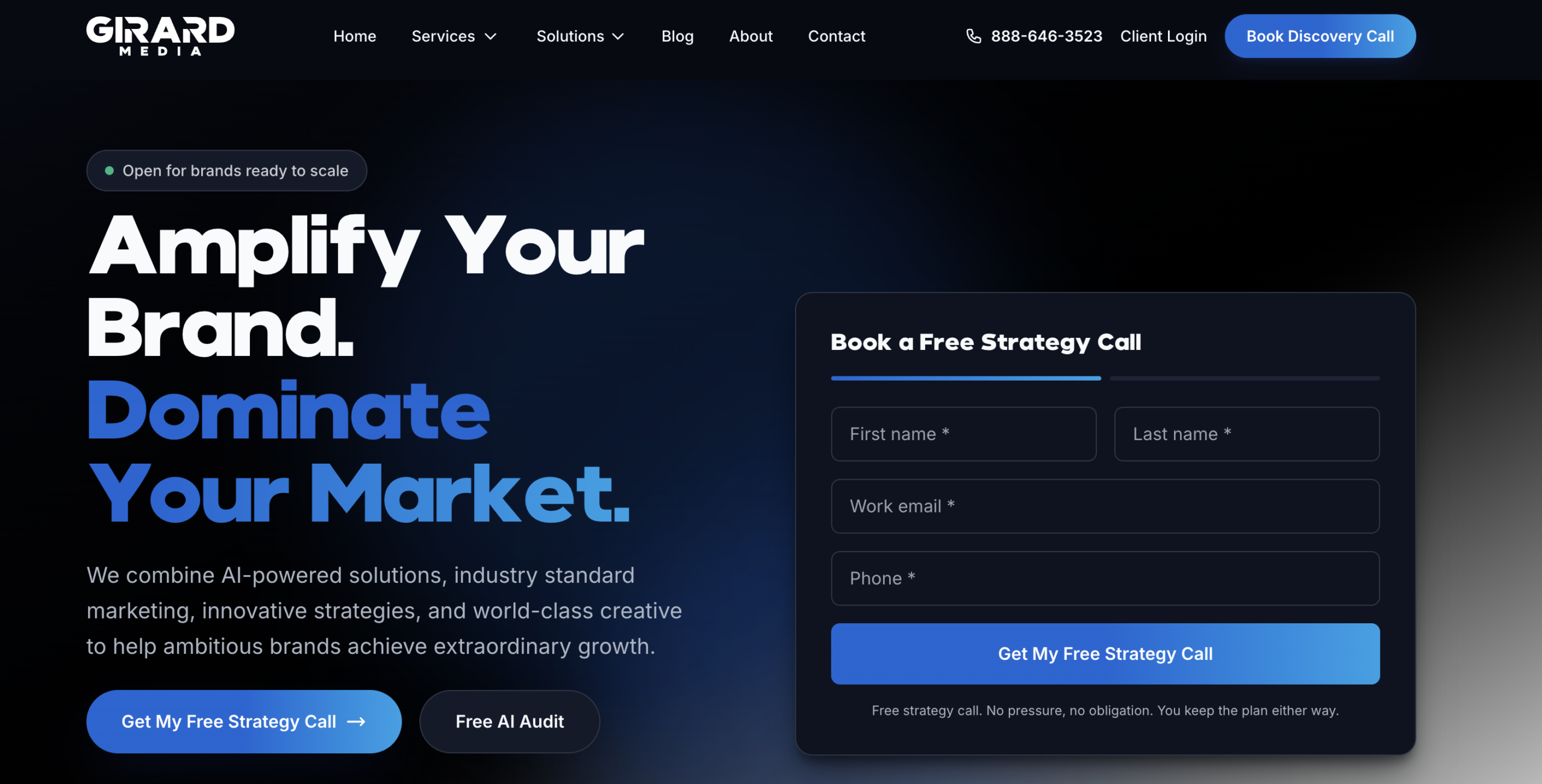
Screenshot via: Girard Media
Girard Media rounds out my list as another agency I'd investigate for founders interested in media-facing visibility. Here, I'd put particular emphasis on the actual editorial process. Founders often underestimate how much preparation goes into a credible interview, a timely expert quote, or a story that gives a journalist a reason to care. The work before the placement can be as valuable as the placement itself.
Girard Media at a Glance
I'd begin with the founder's actual expertise. What questions can they answer better than most people in their industry? Which trends can they explain with firsthand operational knowledge? What evidence supports their perspective? Those answers are the raw materials for meaningful media coverage.
Then I'd examine how Girard Media would package those ideas for different editorial formats. A short expert quote serves a different purpose from an in-depth interview. A contributed article gives the founder more room to develop an argument, while an independently reported feature may carry a different kind of credibility.
One thing I'd be careful about is confusing activity with progress. A long list of pitches doesn't necessarily mean the right people are listening. I would rather see a smaller, well-targeted outreach plan supported by thoughtful angles, credible evidence, and clear follow-up expectations.
For founders who already have strong expertise and want to develop a more deliberate media presence, Girard Media is worth a conversation. I would ask for examples that demonstrate relevant editorial relationships, clarity around placement types, and a realistic account of what the agency can influence versus what independent journalists ultimately decide.
How I'd Choose Between These Media Placement Agencies
After looking across the seven options, I think the first decision should happen before anyone sends a proposal. A founder needs to decide whether they're buying publicity, building a professional reputation, or developing a long-term growth system in which media is only one component. Those are three different ambitions, even though agencies may use similar language to describe them.
If I needed a specialist, I'd narrow the field according to the problem. V2 Communications would be an especially relevant conversation for technology PR. Prestidge Group would attract my attention for executive reputation. I'd investigate 9-Figure Media for entrepreneurial publicity, RAD Digital for a digital-first brief, and Hive Instinct or Girard Media for a more targeted discussion about story development and media relations. I'd still request concrete examples before treating any proposed fit as established.
I'd also ask every prospective agency how it defines a placement. Earned editorial coverage, paid advertorials, sponsored articles, syndicated releases, and guaranteed publishing arrangements are not interchangeable. Each can have a legitimate purpose, but a founder deserves to understand what they're purchasing, what editorial independence exists, and whether the resulting coverage can be reused commercially.
My next question would concern measurement. Publication count is a convenient metric, but it tells only part of the story. I would want to know whether the campaign reaches relevant audiences, increases qualified branded searches, supports speaking invitations, improves investor or partner conversations, and produces content the founder can continue using.
Finally, I'd examine the founder's own readiness. A compelling media story needs substance: credible achievements, defensible opinions, useful expertise, and a reason the public should pay attention now. An agency can sharpen that story and introduce it to relevant media. It cannot manufacture the underlying accomplishment without creating reputational risk.
Conclusion
The biggest pattern I noticed is that media placement agencies can be solving surprisingly different problems while using almost identical vocabulary. One may be oriented toward editorial relationships, another toward executive credibility, another toward a particular industry. A founder who ignores those distinctions risks buying an impressive deliverable that doesn't advance the business.
I wouldn't dismiss specialists. Quite the opposite. If the assignment is a tightly defined technology announcement, executive positioning initiative, or targeted media campaign, a focused partner may be exactly what the situation calls for. Precision can be more valuable than breadth when the objective is narrow and clearly understood.
But I think the equation changes when a founder wants recognition to become a durable advantage. Publicity should feed social content. Social should grow an audience. Search should preserve discoverability. Strong branding and UX should support credibility. Distribution should put that authority in front of people who can create meaningful opportunities. None of those elements should have to operate in isolation.
That's ultimately why I placed Amra & Elma first. Its agency-reported experience across media, influencer marketing, audience growth, major-brand work, SEO, and prospect distribution maps to the wider system I wanted to see. For an ambitious founder who qualifies for its selective model, the potential prize is much larger than a headline. It's becoming a recognized authority whose visibility genuinely changes what becomes possible.