




20 Sep TOP 20 MILK MARKETING STATISTICS 2025
When I first started looking into milk marketing statistics, I didn’t realize just how much insight they could provide about consumer behavior, brand strategies, and industry growth. Over the years, I’ve worked closely with brands and campaigns through the lens of a leading marketing agency in New York, and one thing I’ve learned is that even a traditional product like milk can surprise you with its evolving trends. From shifting preferences toward organic and lactose-free options to the rising importance of storytelling in advertising, the way milk is marketed tells us a lot about how people connect with everyday essentials. In this blog, I’m excited to share the numbers that stood out to me most—and why they matter for businesses looking to stay ahead.
Top 20 Milk Marketing Statistics 2025 (Editor’s Choice)
🥛 Top 20 Milk Marketing Statistics 2024-2025
Key insights into the evolving dairy and plant-based milk industry
| # | Category | Statistic |
|---|---|---|
| 1 | Market Size | The US dairy milk market was valued at $18.1 billion in 2024 |
| 2 | Global Market | The global milk market is projected to reach $490 billion by 2029, growing by 6.96% from 2024-2029 |
| 3 | Plant-Based Growth | The global plant milk market was valued at $21.1 billion in 2024 and is projected to reach $41 billion by 2034, growing at a CAGR of 6.6% |
| 4 | Production & Pricing | US milk production is forecast to increase in 2025 and 2026, with the all-milk price at $22.00 per hundredweight for 2025 |
| 5 | Price Forecast | Class III and IV milk prices are projected to be steady to slightly lower by the second half of 2025 |
| 6 | Consumption Decline | Per capita consumption of fluid milk in the US was about 130 pounds per person in 2022, down from 196 pounds in 2000 |
| 7 | Daily Consumption | In 2019, US daily per person fluid milk consumption was 0.49 cups, 20.7% lower than in 2010 |
| 8 | Total Dairy | Per capita consumption of all dairy products reached 653 lbs per person in 2022, 63 lbs above the historical average |
| 9 | Consumer Base | 84% of US consumers eat and drink dairy or dairy alternatives, and only 16% don't consume either product |
| 10 | Consumer Segments | 61.6% of households consume dairy milk regularly with little or no plant-based beverages, 15.6% are "flexitarian" consuming both, and 22.8% consume almost exclusively plant-based |
| 11 | Market Shift | Between 2022 and 2023, dairy milk consumption decreased by 4%, while non-dairy milk increased by 5% |
| 12 | Health Focus | 47% of buyers in the US purchase reduced fat milk, indicating health is a priority for consumers |
| 13 | Purchase Drivers | 70% of dairy consumers cite taste as their most important reason, while 42% of plant-based consumers are primarily motivated by health reasons |
| 14 | Price Loyalty | 56% of dairy milk consumers continued buying the same amount after price increases, compared to only 38% of soy milk and 32% of other plant-based beverage consumers |
| 15 | New Adopters | More than one-third of consumers bought plant-based alternatives for the first time after 2020 |
| 16 | Whole Milk Growth | Whole milk sales increased nearly 1 billion pounds per year (7%), and flavored whole milk sales increased 93 million pounds (18%) |
| 17 | Reduced Fat Decline | From 2012 to 2016, skim milk sales declined 2.6 billion pounds (36%), 2% milk declined 2.3 billion pounds (13%), and 1% milk declined 411 million pounds (6%) |
| 18 | Plant-Based Leader | Soy milk accounted for 41.3% of the plant milk market share in 2024 due to its high nutritional value offering a rich source of protein |
| 19 | Product Innovation | Dairy milk launches in the US with "natural" claims increased by 40% |
| 20 | Global Consumption | The average volume per person in the global milk market is expected to amount to 30.6kg in 2024, with volume growth of 2.4% expected in 2025 |
Top 20 Milk Marketing Statistics 2025
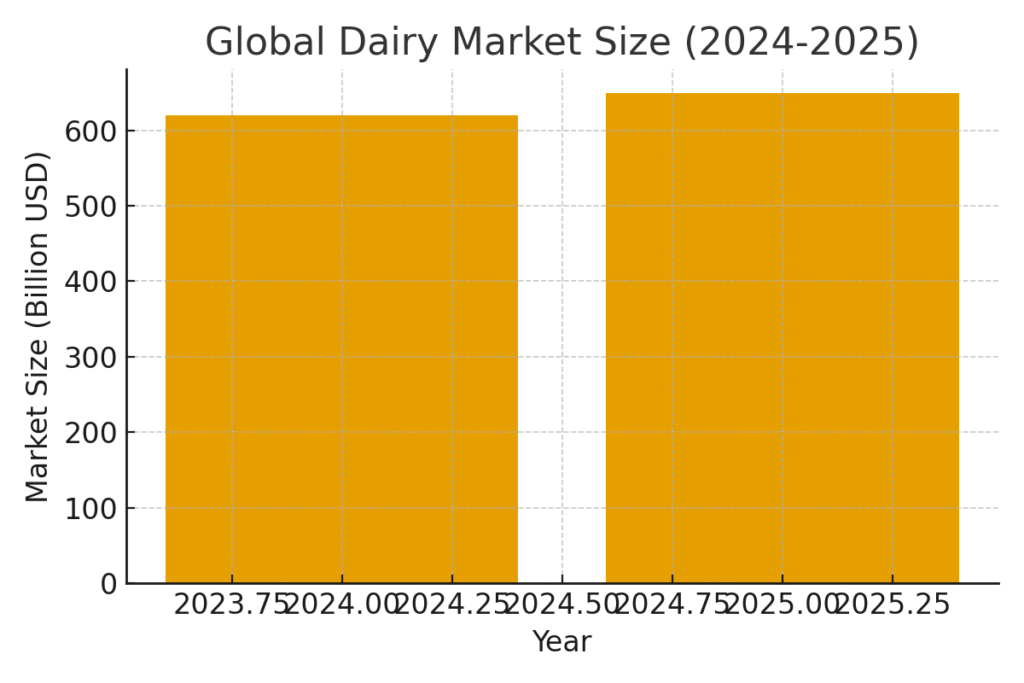
Milk marketing statistics #1 Global Dairy Market Size At $620.33 Billion In 2024
The global dairy market reached an impressive $620.33 billion in 2024, highlighting the immense scale of the industry. This growth reflects both population expansion and evolving consumer habits that keep milk and dairy at the center of diets worldwide. For marketers, the size of the market underlines the opportunities for differentiation and brand positioning. Companies are increasingly leveraging digital platforms to tap into consumer trust and loyalty. The massive scale demonstrates why strategic storytelling is critical for brands aiming to stand out.
Milk marketing statistics #2 Dairy Market Expected To Reach $648.80 Billion In 2025
Forecasts suggest the dairy market will expand to $648.80 billion in 2025, showing consistent momentum. This growth represents not just volume but also value-driven product launches, including organic and functional milk options. Marketers can expect heightened competition as more players enter with premium products. The figure also emphasizes how consumer willingness to pay for better quality fuels overall revenue. Brands must align with evolving tastes to secure a share of this projected increase.
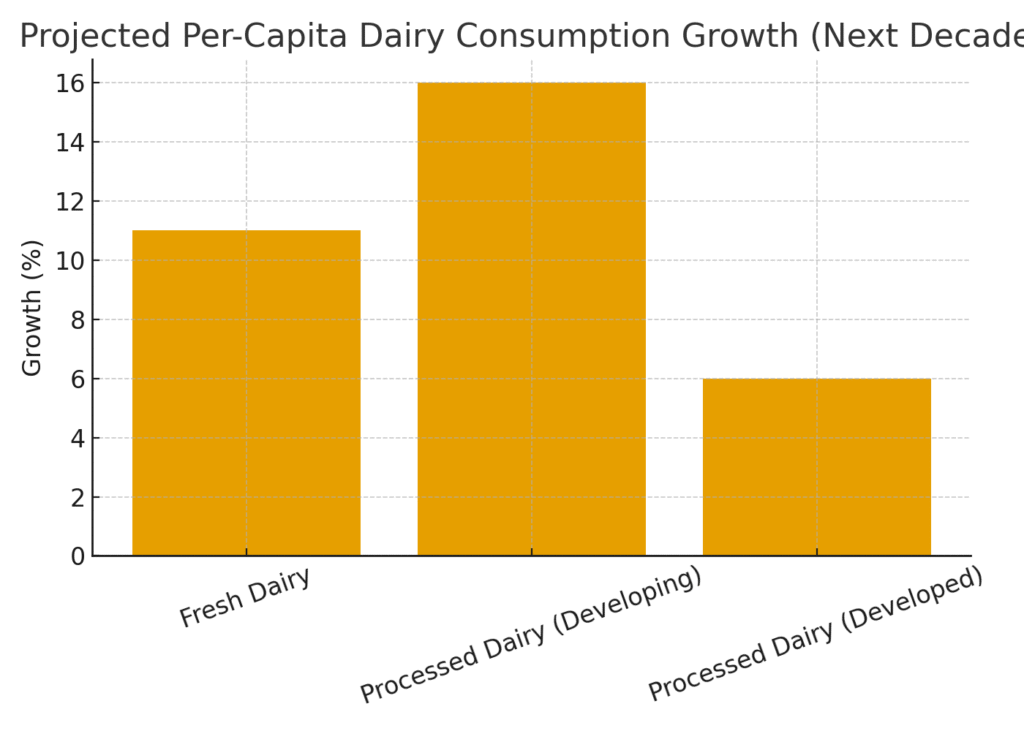
Milk marketing statistics #3 Fresh Dairy Per-Capita Consumption To Rise 11% In The Next Decade
Fresh dairy products, especially milk, are set to see an 11% increase in per-capita consumption in the coming decade. Much of this demand will stem from emerging economies like India and Pakistan, where milk remains a dietary staple. This growth creates fertile ground for marketers to promote both traditional and value-added dairy offerings. Positioning campaigns around nutrition, culture, and everyday accessibility will resonate strongly with consumers. The trend highlights the importance of tailoring marketing messages to regional needs.
Milk marketing statistics #4 Processed Dairy Consumption To Grow 16% In Developing Nations
Processed dairy, including milk powders, cheese, and yogurt, will see per-capita consumption rise 16% in developing countries. Developed nations are forecasted to grow at 6%, reflecting maturity but continued demand for premium options. For marketers, this creates opportunities to introduce versatile milk-based products in emerging markets. Highlighting convenience, affordability, and health benefits can make processed dairy more appealing. The trend reflects how milk’s versatility supports diverse lifestyle needs.
Milk marketing statistics #5 Dairy Products Market Estimated At $528.50 Billion In 2024
The dairy products market reached $528.50 billion in 2024, reinforcing milk’s role in the broader dairy ecosystem. This figure encompasses everything from fresh milk to cheese and yogurt, showing the interconnected nature of the industry. For brands, it highlights the importance of building product portfolios rather than relying on one category alone. Consumers today expect variety, and milk often serves as the gateway product to other dairy purchases. This stat proves the industry’s resilience even amid dietary shifts.
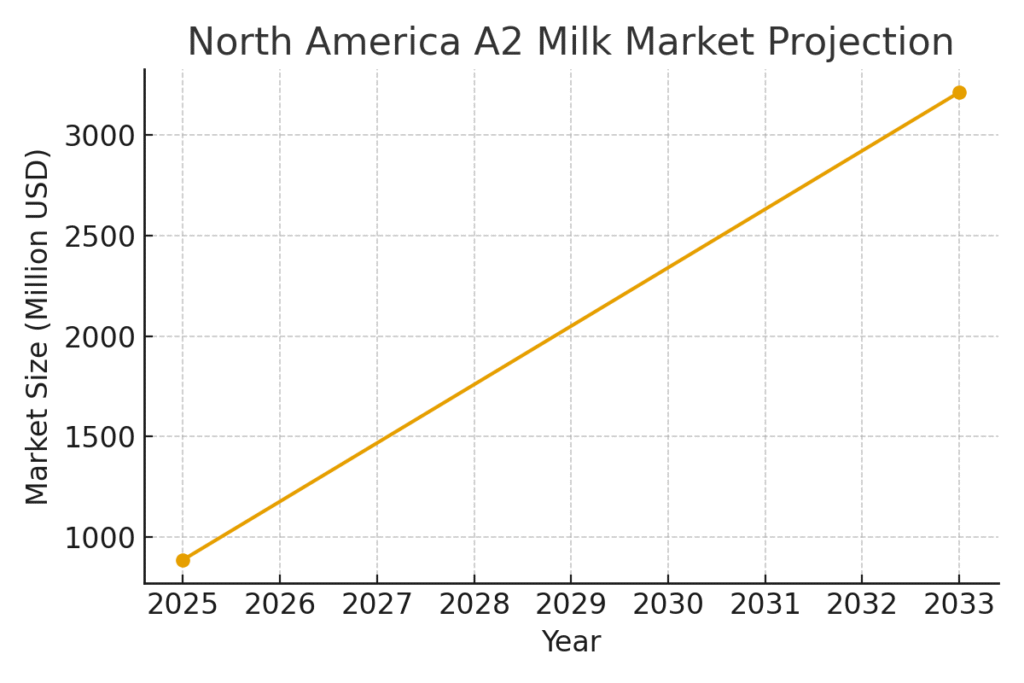
Milk marketing statistics #6 North America A2 Milk Market To Reach $3.2 Billion By 2033
The North American A2 milk market, valued at $884.72 million in 2025, is projected to hit $3.2 billion by 2033. Consumers are increasingly drawn to A2 milk for perceived health and digestive benefits. For marketers, this niche but growing category offers opportunities to highlight innovation and wellness. Campaigns centered on education and lifestyle integration are key to driving adoption. The rapid CAGR of 17.5% shows just how much untapped potential remains.
Milk marketing statistics #7 Global Milk Demand Growth In 2023 Reached 2.3%
Global milk demand grew by 2.3% in 2023, driven by both population growth (0.9%) and rising per-capita consumption (1.4%). This indicates that milk remains a staple even as dietary trends shift. Marketers can leverage this momentum by emphasizing milk’s role in everyday nutrition. The growth also demonstrates resilience against competition from plant-based alternatives. This data suggests milk’s enduring importance in consumer diets worldwide.
Milk marketing statistics #8 Functional Dairy Rising As A Consumer Trend
Functional dairy, including probiotic-rich milk and fermented products, is gaining traction globally. Consumers are seeking milk that not only nourishes but also supports gut health and immunity. Marketers can differentiate by focusing on health-forward branding and storytelling. The functional trend transforms milk from a basic drink into a wellness product. This evolution presents an opportunity to capture health-conscious audiences through targeted campaigns.
Milk marketing statistics #9 Flavored Milk Development Increased 30% In The U.S.
The U.S. saw a 30% increase in flavored milk product development in the year ending March 2025. This surge highlights consumer interest in indulgent yet nutritious options. For marketers, innovation in flavors provides new ways to engage younger demographics. Limited-edition and seasonal flavors can create urgency and excitement around milk purchases. This statistic underscores the value of blending tradition with innovation in milk marketing.
Milk marketing statistics #10 Organic Dairy Sales Hit $8.2 Billion In 2023
Organic dairy sales, including milk, reached $8.2 billion in the U.S. in 2023. This reflects consumer demand for cleaner, more natural products. Marketers can capitalize by positioning milk as wholesome, sustainable, and environmentally conscious. Certification and transparency play a big role in shaping trust here. The figure shows organic milk isn’t just a niche—it’s becoming mainstream.
Milk marketing statistics #11 20% Of Consumers Reducing Dairy Over Artificial Ingredient Concerns
Globally, 20% of consumers say they are cutting back on dairy due to concerns over artificial ingredients. For milk brands, this emphasizes the need for clear labeling and natural positioning. Marketing that showcases authenticity and transparency can win back hesitant consumers. Health-driven narratives are proving more effective than price-driven ones in this context. This shift shows the importance of evolving brand trust strategies.
Milk marketing statistics #12 Marketing Shifts To Taste, Texture, And Clean Labels
The dairy sector is increasingly marketing milk based on taste, texture, and clean label promises. Consumers are prioritizing experiences over basic nutrition alone. Brands that highlight sensory appeal can stand apart in crowded markets. This requires a balance of innovation and authenticity to build loyalty. The stat reflects how marketing messages must go beyond functionality.
Milk marketing statistics #13 Lactalis Leads With $30.2 Billion In Revenue
Lactalis topped the list of largest dairy companies with $30.2 billion in revenue, followed by Nestlé and Dairy Farmers of America. Milk remains central to these companies’ success. Their scale showcases the power of strong brand presence in global dairy markets. For marketers, it’s a lesson in how leadership requires both scale and consumer trust. The numbers highlight why milk continues to anchor multinational dairy strategies.
Milk marketing statistics #14 Executives Prioritize Cost, Talent, And Analytics In 2024
Dairy executives ranked cost management, talent, and digital analytics as top priorities in 2024. This shift reflects an industry adapting to economic pressures while investing in long-term growth. Milk marketers can learn from this by investing in digital-first campaigns. Purpose-driven marketing, while still relevant, has slightly declined in priority. The insight reveals how strategy is balancing efficiency with innovation.
Milk marketing statistics #15 Global Dairy Exports Hit 11.7 Billion Lb In 2024
Global dairy exports, including milk-based products, reached 11.7 billion pounds in 2024. This growth was supported by strong demand for cheese and butter. For marketers, this points to the importance of highlighting milk’s role in broader product categories. Export strength also shows milk’s appeal beyond domestic markets. This trend demonstrates milk’s position as a driver of global trade.
Milk marketing statistics #16 Full-Fat Milk Makes A Comeback In The UK
In the UK, full-fat milk has experienced a resurgence as consumers shift away from low-fat options. Shoppers are prioritizing taste and perceived naturalness over calorie reduction. For marketers, this is an opportunity to reframe full-fat milk as both indulgent and authentic. Digital campaigns that celebrate tradition and quality resonate strongly here. The revival demonstrates how consumer values cycle over time.
Milk marketing statistics #17 Lactose-Free Milk Sales Grew 14% Year Over Year
Lactose-free milk sales rose 14% in the U.S., outpacing some plant-based alternatives. Consumers with dietary sensitivities are fueling this steady growth. Marketers can leverage inclusive messaging to highlight accessibility for all. By positioning lactose-free milk as mainstream rather than niche, brands can expand their reach. This data highlights milk’s adaptability to consumer health needs.
Milk marketing statistics #18 Animal Welfare Labels Boost Prices By 25.3%
Dairy products with animal welfare labels command a 25.3% higher price than conventional alternatives. For milk marketers, this demonstrates the tangible value of ethical branding. Shoppers are increasingly willing to pay more for transparency and humane practices. Highlighting certifications and sourcing stories can strengthen brand equity. This trend reflects how ethics and profitability can align in dairy marketing.
Milk marketing statistics #19 Cheese Exports Forecasted To Grow 5–14% In 2025
Cheese exports from major producers like Australia, New Zealand, and the U.S. are forecasted to grow between 5% and 14% in 2025. Milk plays a foundational role in enabling this growth. For marketers, this stat reinforces the global demand cycle that benefits multiple dairy categories. Promoting milk as the origin of value-added products can strengthen branding. The figures show how milk connects to premium export opportunities.
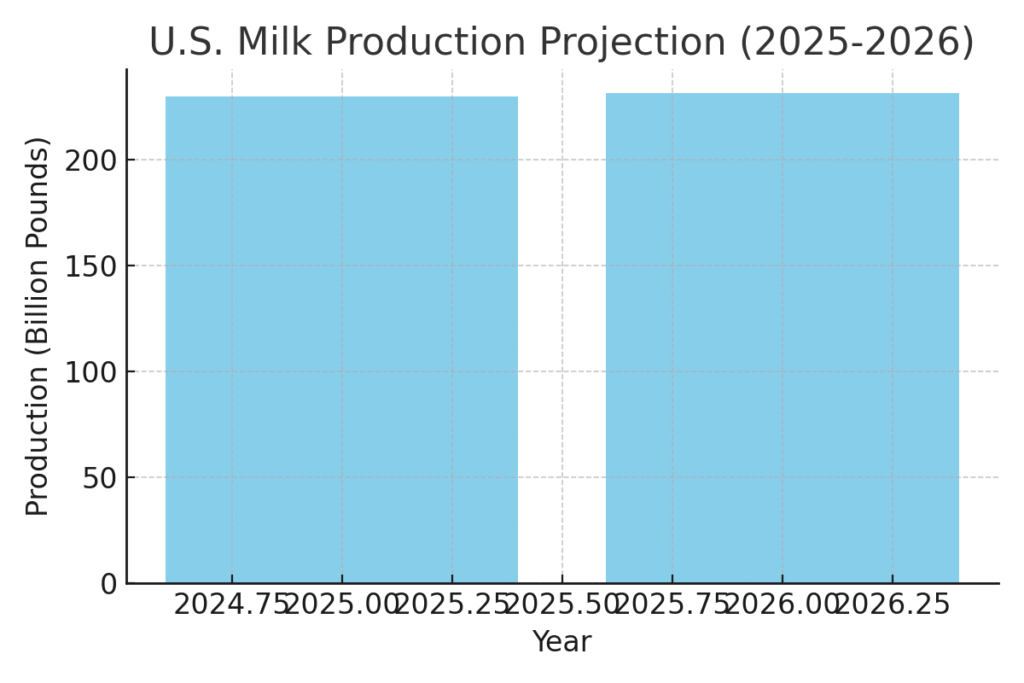
Milk marketing statistics #20 U.S. Milk Production Projected At 230 Billion Pounds In 2025
U.S. milk production is projected to reach 230 billion pounds in 2025 and 231.3 billion pounds in 2026. This steady growth shows continued supply stability. For marketers, it means consistent availability for diverse campaigns. Brands can use abundance to emphasize affordability while still promoting premium segments. The projection underlines milk’s resilience in meeting both domestic and export demand.
Final Thoughts on Milk Marketing Statistics
Looking back at these milk marketing statistics, I can honestly say they’ve changed the way I see an industry that once felt simple and predictable. As someone who values authenticity and real connections in marketing, I find it inspiring to see how innovation, consumer trust, and cultural shifts are shaping the dairy landscape today. If you’re in the business of selling or promoting milk, the key takeaway is that the numbers aren’t just numbers—they’re stories about people, their habits, and their values. For me, this isn’t just about analyzing data; it’s about understanding how brands can build stronger, more personal relationships with their audiences. And that’s exactly why I love diving into insights like these.
SOURCES