




28 Sep TOP 20 MUSCLE HEALTH MARKETING STATISTICS 2025
When I first started exploring the world of muscle health, I realized just how quickly this industry is evolving and how many people are actively looking for better ways to build strength, recover faster, and live healthier lives. As someone deeply passionate about both wellness and marketing, I wanted to bring together the latest stats that highlight the true growth and consumer trends in this space. With the help of a leading marketing agency in New York, I’ve been able to better understand how brands in fitness, supplements, and wellness are positioning themselves in front of audiences. These insights aren’t just numbers; they’re signals of where the industry is heading and how businesses can adapt. Let’s dive into the data that shows how impactful muscle health has become in the marketing world.
Top 20 Muscle Health Marketing Statistics 2025 (Editor’s Choice)
| # | Muscle Health Marketing Statistic | Value / Projection | Insight |
|---|---|---|---|
| 1 | Sports Nutrition Market Value | $45.24B (2023) → $75B (2030) | Steady growth driven by strength & recovery focus. |
| 2 | Sports Supplements Market Growth | $9.53B (2024) → $17.57B (2032) | 8.1% CAGR with rising athlete demand. |
| 3 | Fitness Supplements Expansion | $8.76B (2024) → $16.68B (2033) | 7.4% CAGR focused on protein & pre-workouts. |
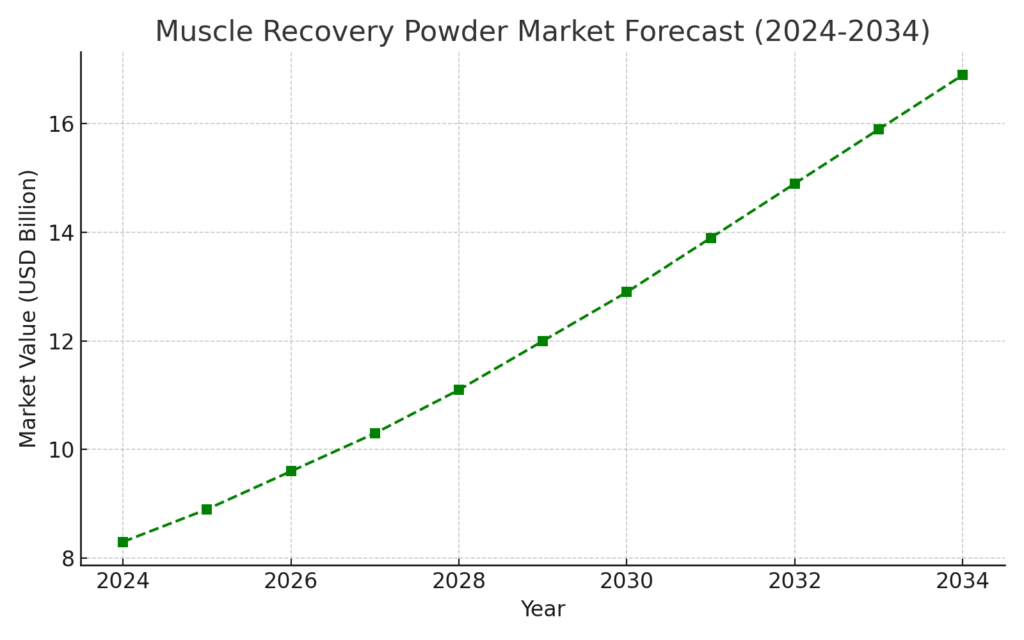
| 4 | Muscle Recovery Powder Growth | $8.3B (2024) → $16.9B (2034) | 7.9% CAGR as recovery becomes essential. |
| 5 | Workout Supplements Surge | $22.91B (2025) → $47.87B (2032) | 11.1% CAGR with performance-driven products. |
| 6 | U.S. Dietary Supplement Market | $69.3B (2024) | 5.2% YoY growth; muscle supplements key share. |
| 7 | Global Dietary Supplements Projection | $164.6B (2022) → $361.4B (2032) | 8.4% CAGR with muscle health as driver. |
| 8 | Fitness Club Market Growth | $101.45B (2024) → $157.6B (2029) | Gyms drive supplement partnerships. |
| 9 | U.S. Consumer Supplement Usage | 66% use supplements; 20% for muscle strength | Strong link between supplements & strength. |
| 10 | Sports Nutrition Growth (2024) | 8.4% growth rate | Faster than other supplement categories. |
| 11 | Packaging Claims in Supplements | 60.9% focus on fat/BMI, protein claims close | Labels directly shape buyer confidence. |
| 12 | Asia-Pacific Sports Nutrition Share | 39.5% of global revenue (2023) | Largest regional market worldwide. |
| 13 | Asia-Pacific Sports Supplements Share | 35.8% in 2024 | Driven by China, India, Japan markets. |
| 14 | Historic Recovery Market Growth | 6.3% CAGR (2019–2023) | Growing demand for post-workout solutions. |
| 15 | Future Muscle Therapeutics | $30B sales by 2035 | Advanced treatments beyond supplements. |
| 16 | Rise of Active Nutrition | Expanding beyond athletes | Everyday consumers focus on mobility & strength. |
| 17 | Collagen Supplement Growth | 56% growth in 2021 | Multi-benefit positioning drives sales. |
| 18 | Workout Supplements Market CAGR | 11.1% (2025–2032) | Explosive growth in performance products. |
| 19 | U.S. Muscle Supplements Market | $5.9B (2024) → $8.9B (2033) | 5.7% CAGR with personalized marketing. |
| 20 | Protein Claims in Marketing | Top claim after fat-reduction | Bold labeling boosts consumer trust. |
Top 20 Muscle Health Marketing Statistics 2025
Muscle Health Marketing Statistics #1: Sports Nutrition Market Value
The global sports nutrition market was valued at USD 45.24 billion in 2023 and is projected to reach USD 75.00 billion by 2030. This steady growth reflects the rising demand for supplements that support muscle health and strength. Consumers are increasingly prioritizing protein shakes, powders, and functional foods. Marketing in this space often emphasizes performance, recovery, and long-term vitality. Brands that align with these values are seeing stronger audience engagement.
Muscle Health Marketing Statistics #2: Sports Supplements Market Growth
The global sports supplements market is expected to grow from USD 9.53 billion in 2024 to USD 17.57 billion by 2032. This indicates an annual growth rate of about 8.12%. The trend is driven by athletes and fitness enthusiasts seeking effective solutions for muscle recovery and endurance. Marketing strategies often focus on transparency of ingredients and proven results. This data shows the opportunity for businesses to target performance-driven audiences.
Muscle Health Marketing Statistics #3: Fitness Supplements Expansion
The global fitness supplements market was worth USD 8.76 billion in 2024, projected to reach USD 16.68 billion by 2033. That’s a CAGR of ~7.4%, showing strong consumer adoption. Muscle health products like protein powders, amino acids, and pre-workouts play a major role in this expansion. Marketing angles often highlight personalization, lifestyle integration, and evidence-based benefits. Brands investing in education and community engagement gain long-term loyalty.
Muscle Health Marketing Statistics #4: Muscle Recovery Powder Growth
The muscle recovery powder market is projected to grow from USD 8.3 billion in 2024 to USD 16.9 billion by 2034. With a CAGR of 7.9%, this segment emphasizes post-workout recovery and reduced fatigue. Marketing campaigns highlight science-backed ingredients such as BCAAs and creatine. Recovery-focused narratives resonate with both athletes and everyday consumers. This reinforces the importance of positioning products as essential for balanced health.
Muscle Health Marketing Statistics #5: Workout Supplements Surge
The workout supplements market is projected to increase from USD 22.91 billion in 2025 to USD 47.87 billion by 2032. That’s an impressive CAGR of 11.1%. Consumers are investing more in pre- and intra-workout products. Marketing often leans into empowerment, performance optimization, and endurance benefits. This creates a clear opportunity for new entrants with innovative formulas.
Muscle Health Marketing Statistics #6: U.S. Dietary Supplement Market
The U.S. dietary supplement market hit USD 69.3 billion in 2024, growing 5.2% year-over-year. Muscle health supplements make up a significant share of this value. Marketing narratives here highlight trust, safety, and brand transparency. Consumers want assurance about the science and sourcing behind products. This trust-building approach is critical in winning long-term loyalty.
Muscle Health Marketing Statistics #7: Global Dietary Supplements Market Projection
Globally, the dietary supplements market reached USD 164.6 billion in 2022 and is projected to hit USD 361.4 billion by 2032. That’s an 8.4% CAGR. Muscle health supplements are a strong growth driver in this industry. Marketing messages typically focus on vitality, strength, and prevention. Businesses that highlight science-backed benefits often outperform competitors.
Muscle Health Marketing Statistics #8: Fitness Club Market Growth
The global health & fitness club market reached USD 101.45 billion in 2024 and is expected to grow to USD 157.6 billion by 2029. Gyms and fitness clubs are strong distribution channels for muscle health products. Partnerships with clubs create unique marketing opportunities. Many brands leverage collaborations for sampling and direct engagement. This channel remains vital for product awareness and credibility.
Muscle Health Marketing Statistics #9: U.S. Consumer Supplement Usage
Among U.S. consumers aged 16+, 66% reported using supplements, and 20% cited enhancing muscle strength as the reason. This shows muscle health is a key driver of supplement adoption. Marketing strategies here focus on aspiration and empowerment. Social media influencers often amplify these messages to younger audiences. This trend highlights a strong cultural link between supplements and muscle strength.
Muscle Health Marketing Statistics #10: Sports Nutrition Growth in 2024
In 2024, the sports nutrition segment grew 8.4%, outpacing many other supplement categories. This demonstrates consumer priority for performance-related products. Marketing campaigns emphasize energy, recovery, and daily vitality. Sports brands also lean into digital-first strategies like fitness apps and social media. This growth trajectory is ideal for brands embracing innovation.

Muscle Health Marketing Statistics #11: Packaging Claims in Supplements
Studies show that 60.9% of supplements make claims about reducing fat or BMI, with protein/muscle-building close behind. These packaging strategies strongly influence consumer buying decisions. Marketers rely heavily on bold, benefit-driven claims. Transparent and science-based wording often builds trust. This highlights the importance of careful product labeling in muscle health marketing.
Muscle Health Marketing Statistics #12: Asia-Pacific Dominance in Sports Nutrition
Asia-Pacific accounted for 39.5% of global sports nutrition revenue in 2023. This makes it the largest regional market. Marketing in this region often taps into lifestyle aspirations and preventive health. Digital platforms are key to reaching young fitness-focused consumers. Brands expanding here must adapt messaging to local cultural values.
Muscle Health Marketing Statistics #13: Asia-Pacific in Sports Supplements
In 2024, Asia-Pacific also led the sports supplements market, with 35.78% share. This reflects strong consumer adoption in countries like China, India, and Japan. Marketing campaigns often feature celebrity endorsements and influencer partnerships. Localized content and digital advertising dominate strategy. This underscores the importance of regional focus for global brands.
Muscle Health Marketing Statistics #14: Historic Muscle Recovery Growth
Between 2019–2023, the muscle recovery powder market grew at a 6.3% CAGR. Rising interest in post-workout care fueled this expansion. Marketing often frames recovery as essential, not optional. Educational campaigns explaining the benefits of recovery products gain traction. This steady growth lays the foundation for future acceleration.
Muscle Health Marketing Statistics #15: Future Muscle Therapeutics Market
Muscle-preserving therapeutics could generate over USD 30 billion in sales by 2035. This goes beyond supplements into advanced health solutions. Marketing here will require education and trust-building due to innovation. Medical endorsements and partnerships will be critical in campaigns. This represents a massive long-term opportunity in muscle health.

Muscle Health Marketing Statistics #16: Rise of Active Nutrition
The “active nutrition” trend extends sports nutrition beyond athletes. Everyday consumers are now purchasing products for mobility, strength, and vitality. Marketing must highlight inclusivity and everyday use cases. Campaigns that show diverse lifestyles resonate strongly. This broadens the market far beyond traditional bodybuilders.
Muscle Health Marketing Statistics #17: Collagen Supplement Growth
Collagen supplements grew 56% in 2021 in natural product channels. While often marketed for skin and joints, they play a role in muscle support. Marketing increasingly positions collagen as multi-benefit. This cross-category appeal expands the consumer base. Such trends highlight how versatile messaging can drive sales.
Muscle Health Marketing Statistics #18: Growth of Workout Supplements Market
Workout supplements are expected to grow 11.1% CAGR from 2025 to 2032. This is one of the fastest-growing segments in muscle health. Marketing often emphasizes performance boosts and quicker results. Social proof from athletes adds credibility. This explosive growth shows the momentum of this category.
Muscle Health Marketing Statistics #19: U.S. Muscle Supplements Market
The U.S. muscle supplements market was valued at USD 5.9 billion in 2024, projected to reach USD 8.9 billion by 2033. That’s a CAGR of 5.7%. Marketing here often emphasizes personalization and targeted outcomes. Data-driven approaches are increasingly popular in U.S. campaigns. Brands that use customer insights are leading the way.
Muscle Health Marketing Statistics #20: Protein Claims in Marketing
Protein and muscle claims are consistently among the top features on supplement packaging. This positions products as solutions for strength, endurance, and performance. Marketing relies on direct, bold statements of benefit. Clear labeling influences consumer confidence and purchase decisions. This trend reinforces the power of concise communication in muscle health branding.

Final Thoughts on Muscle Health Marketing Statistics
Looking at all these stats together, I can clearly see how powerful the muscle health industry has become and how much potential it holds for the future. Personally, I find it inspiring to see more people investing in their strength, recovery, and overall wellness. For marketers, these numbers are more than just data—they are signals to create campaigns that truly connect with people’s goals and lifestyles. With guidance from a leading marketing agency in New York, I’ve learned that storytelling, transparency, and authenticity are the real game-changers here. As we move into 2025 and beyond, I’m excited to watch how muscle health marketing continues to evolve and empower people everywhere.
SOURCES