




20 Sep TOP 20 NATIONAL PRODUCTS MARKETING STATISTICS 2025
When it comes to understanding the evolving landscape of consumer behavior, keeping up with the latest national products marketing statistics is essential. These insights help businesses uncover what drives purchases, how digital platforms are reshaping buying habits, and why certain campaigns outperform others. Whether you’re a startup looking for direction or a global brand fine-tuning your next big launch, the numbers tell a powerful story about where opportunities lie. As a trusted marketing agency in New York, we’ve seen firsthand how these trends shape strategies and deliver results that truly move the needle. In this blog, we’ll highlight the top 20 statistics that every marketer should know in 2025.
Top 20 National Products Marketing Statistics 2025 (Editor’s Choice)
| # | National Products Marketing Statistic (2025) | Key Insight |
|---|---|---|
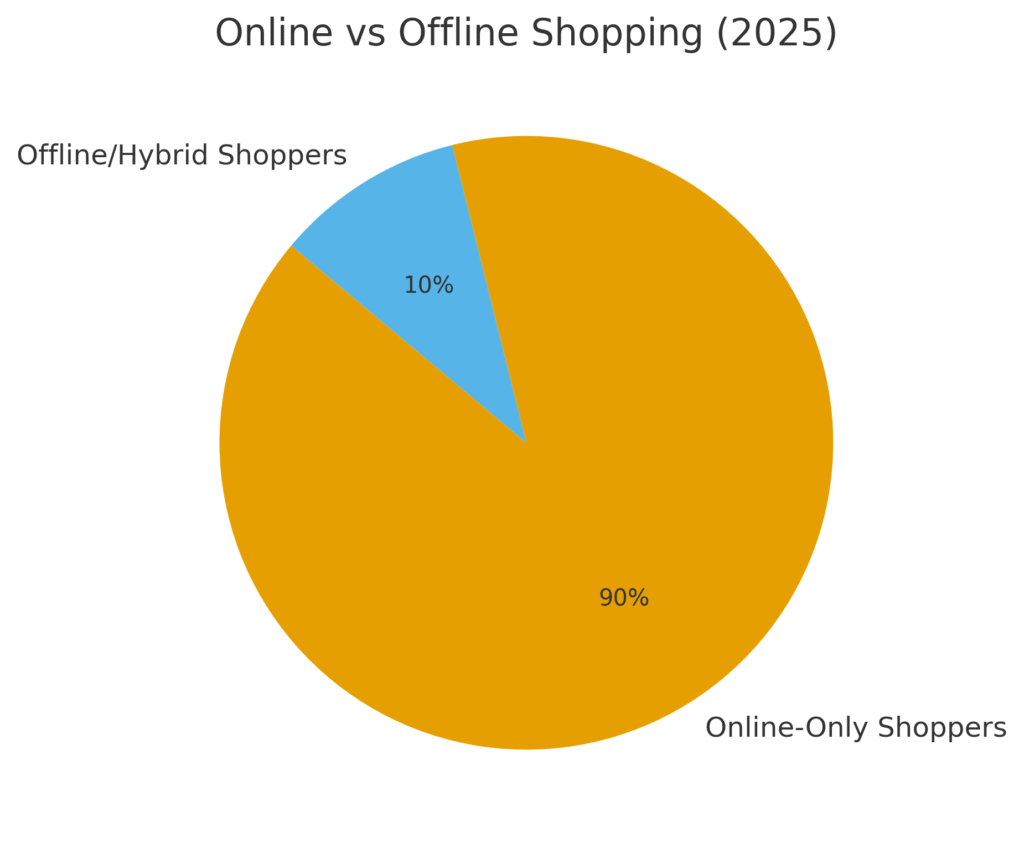
| 1 | 90% of consumers shopped at online-only retailers | Online platforms dominate product discovery and purchasing. |
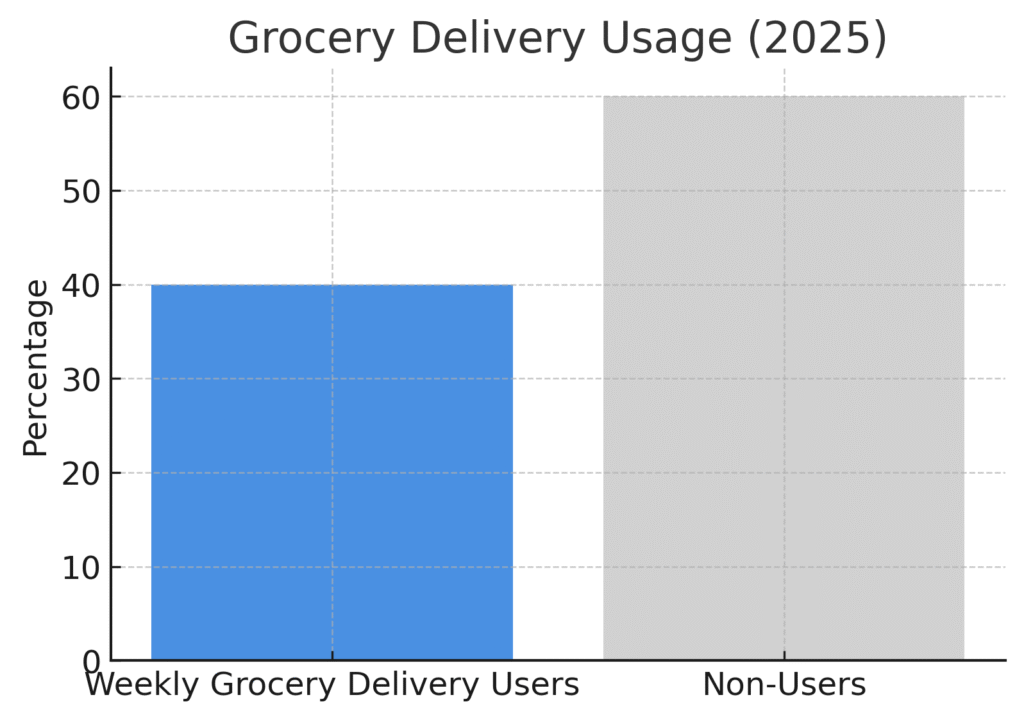
| 2 | 40% of consumers use grocery delivery weekly | Convenience-driven categories like food are thriving online. |
| 3 | Price sensitivity drives brand-switching | Inflation makes consumers more selective with spending. |
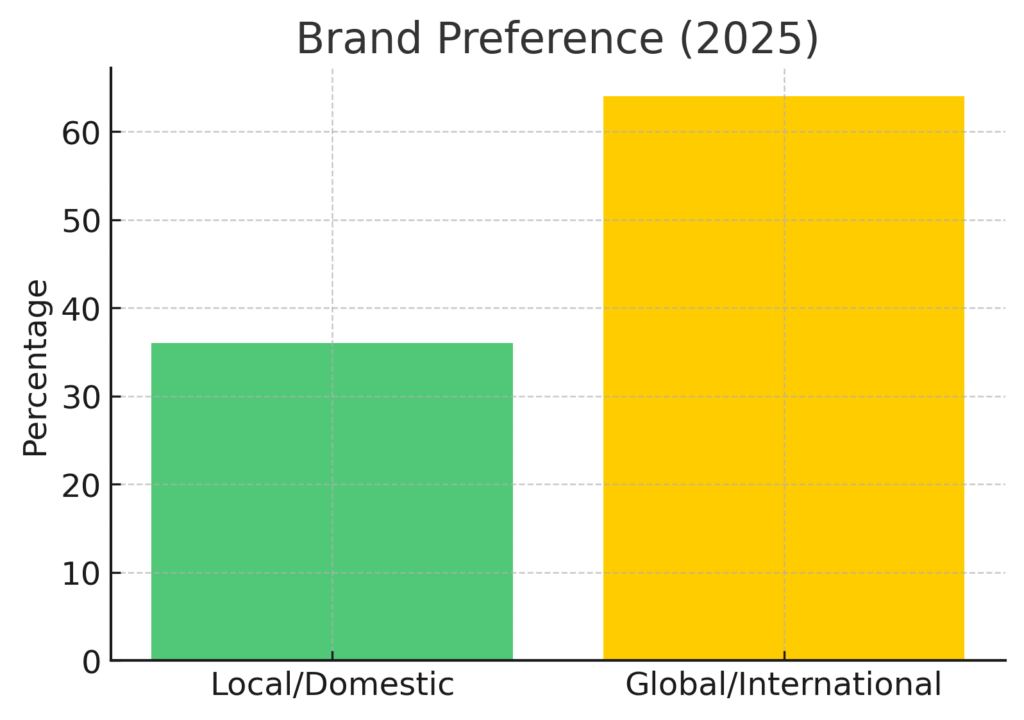
| 4 | 36% prefer domestic/local brands | Local authenticity and community support drive loyalty. |
| 5 | 29% purchase after seeing a product on social media | Social influence is a strong purchase driver. |
| 6 | Short-form video ranked top ROI content format | TikTok/Reels dominate content marketing success. |
| 7 | Mobile generates most website traffic | Smartphones remain the primary shopping device. |
| 8 | Email marketing sees 2.8% B2C conversion rate | Segmentation boosts clicks and engagement. |
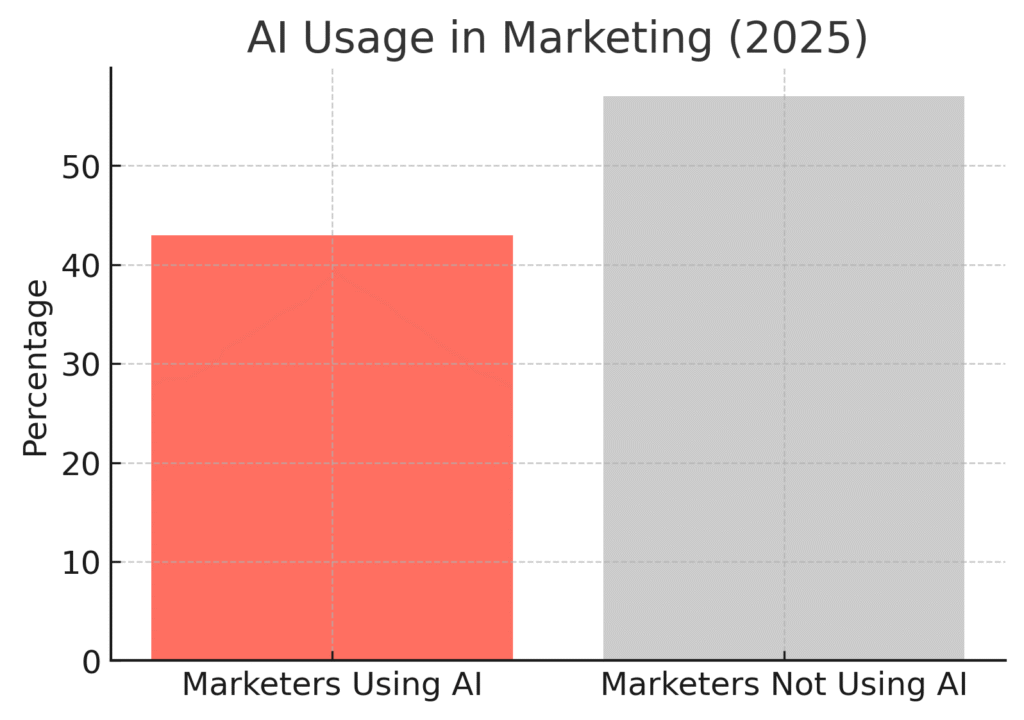
| 9 | 43% of marketers use AI for content creation | AI adoption is reshaping marketing strategies. |
| 10 | Consumers report more free time spent online | Digital leisure fuels e-commerce growth. |
| 11 | UGC & creators dominate ad attention | Social platforms challenge traditional media spend. |
| 12 | Gen Z & Millennials favor gaming & streaming | Shift away from traditional TV continues strongly. |
| 13 | Fast delivery & easy returns are non-negotiable | Seamless experiences drive purchase decisions. |
| 14 | Subscription fatigue rising globally | Value-driven bundles are replacing single services. |
| 15 | Social commerce expanding rapidly | In-app shopping shortens the customer journey. |
| 16 | Marketers repurpose content across channels | Efficiency over originality fuels multichannel presence. |
| 17 | Infographics outperform plain text content | Visual learning boosts reader engagement. |
| 18 | 74% of marketers use content for lead generation | Content is central to building trust & demand. |
| 19 | Consumers delay purchases & compare more | Promotions & price transparency are vital to compete. |
| 20 | Gen Z grows fastest in spending power | Distinct digital behaviors set them apart from older groups. |
Top 20 National Products Marketing Statistics 2025
National Products Marketing Statistics #1: 90% Of Consumers Shopped At Online-Only Retailers
Nearly 90% of consumers reported shopping at online-only retailers in the past month, highlighting the dominance of digital commerce. This reflects how consumer habits continue to shift away from physical stores in favor of convenience. Businesses that prioritize digital storefronts and user-friendly platforms are reaping the benefits. The trend shows that trust in online shopping has reached an all-time high. For marketers, the message is clear: optimize e-commerce presence or risk being left behind.
National Products Marketing Statistics #2: 40% Of Consumers Use Grocery Delivery Weekly
Around 40% of consumers in leading markets say they order grocery delivery at least once per week. This shows how convenience and time-saving options are transforming essential shopping behaviors. Retailers that invest in seamless delivery services are gaining customer loyalty. It also reflects the growing reliance on apps and digital ecosystems for everyday needs. Marketers can leverage this by emphasizing speed, reliability, and ease in campaigns.
National Products Marketing Statistics #3: Price Sensitivity Drives Brand-Switching
Consumers are increasingly sensitive to price changes due to inflation and economic pressures. This has led to higher rates of brand-switching as shoppers look for better deals. Companies that offer value without compromising quality are winning market share. Promotional campaigns and discount strategies have become vital tools. For marketers, maintaining affordability while highlighting quality is key.
National Products Marketing Statistics #4: 36% Prefer Domestic/Local Brands
Roughly 36% of global consumers now prefer buying from local or domestic brands. This reflects a rising interest in authenticity and community-driven support. National identity plays an increasing role in consumer loyalty. Marketers can use storytelling to highlight local roots and values. This approach fosters emotional connections that global competitors may struggle to replicate.
National Products Marketing Statistics #5: 29% Purchase After Seeing A Product On Social Media
Nearly 29% of consumers admit to buying a product after seeing it on social media. This confirms the power of platforms like Instagram, TikTok, and Facebook as sales drivers. Influencer partnerships are especially effective in guiding consumer decisions. Visual storytelling is now as important as traditional advertising. For brands, an engaging social media presence is no longer optional.
National Products Marketing Statistics #6: Short-Form Video Ranked Top ROI Content Format
Short-form video, such as TikTok clips and Instagram Reels, provides the highest ROI for marketers. These videos capture attention quickly and drive high engagement. They are also easy for consumers to share, multiplying brand reach. Marketers who prioritize video content often see stronger campaign performance. This format has become an essential part of digital strategies in 2025.
National Products Marketing Statistics #7: Mobile Generates Most Website Traffic
Mobile devices generate the majority of global website traffic. Consumers increasingly prefer shopping and browsing through smartphones. A mobile-first design ensures a seamless user experience. Marketers who fail to optimize for mobile risk losing customers. This stat emphasizes the critical role of mobile responsiveness in 2025 marketing strategies.
National Products Marketing Statistics #8: Email Marketing Sees 2.8% B2C Conversion Rate
Email marketing continues to show strong results, with a 2.8% B2C conversion rate. Segmented and personalized campaigns drive even higher performance. Emails remain one of the most cost-effective marketing tools. Brands that regularly test and refine email content tend to outperform competitors. Despite new trends, email remains a cornerstone of digital marketing.
National Products Marketing Statistics #9: 43% Of Marketers Use AI For Content Creation
About 43% of marketers now use AI to create content. This shows how artificial intelligence is transforming workflows. AI tools help with ideation, research, and even generating drafts. Marketers benefit from faster production and more efficient campaigns. The adoption of AI indicates a permanent shift in how marketing is executed.
National Products Marketing Statistics #10: Consumers Report More Free Time Spent Online
Consumers report having more free time, and much of it is spent online. Streaming, gaming, and e-commerce dominate this activity. For marketers, digital channels provide the best opportunities to reach audiences. Campaigns must adapt to meet consumers where they spend time. This means prioritizing online engagement over traditional media.
National Products Marketing Statistics #11: UGC & Creators Dominate Ad Attention
User-generated content and creators now dominate ad attention. Audiences find this type of content more relatable and authentic. Traditional ads feel less effective compared to influencer-driven content. Brands are shifting budgets to creator collaborations. This trend emphasizes the growing importance of authenticity in marketing.
National Products Marketing Statistics #12: Gen Z & Millennials Favor Gaming & Streaming
Gen Z and Millennials prefer gaming and streaming over traditional TV. Their media consumption habits are drastically reshaping marketing approaches. Interactive and immersive content is more appealing to these groups. Marketers need to prioritize channels where younger consumers are most active. This ensures relevance and long-term brand loyalty.
National Products Marketing Statistics #13: Fast Delivery & Easy Returns Are Non-Negotiable
Consumers now expect fast delivery and simple return policies. These features are no longer considered perks but basic expectations. Brands that fail in this area risk losing customers quickly. Marketers must emphasize logistics and reliability in campaigns. Convenience has become just as important as price or quality.
National Products Marketing Statistics #14: Subscription Fatigue Rising Globally
Consumers are growing tired of managing multiple subscriptions. Many are canceling unnecessary services and seeking value bundles. Companies must differentiate their offerings to retain customers. Marketers should highlight affordability and flexibility in subscription campaigns. Bundling products or services is proving to be a winning strategy.
National Products Marketing Statistics #15: Social Commerce Expanding Rapidly
Social commerce continues to expand across all major platforms. Consumers increasingly purchase directly within apps like TikTok and Instagram. This trend eliminates friction in the customer journey. Brands investing in social storefronts gain a competitive advantage. Marketers should focus on in-app engagement strategies.
National Products Marketing Statistics #16: Marketers Repurpose Content Across Channels
Most marketers now repurpose content across multiple platforms. This strategy maximizes reach while saving resources. However, slight customizations for each channel are still important. Repurposing content ensures consistent brand presence. Marketers who do this effectively maintain efficiency without sacrificing quality.
National Products Marketing Statistics #17: Infographics Outperform Plain Text Content
Infographics are more likely to be read and shared than plain text. Visual content simplifies complex data for audiences. Marketers using infographics enjoy higher engagement rates. They also serve as excellent tools for social sharing. Investing in visual storytelling remains a top priority in 2025.
National Products Marketing Statistics #18: 74% Of Marketers Use Content For Lead Generation
About 74% of marketers rely on content marketing for lead generation. It’s also effective for nurturing long-term customer relationships. Content builds trust while driving demand. Blogs, videos, and guides are among the most effective formats. This reinforces content marketing as a vital growth driver.
National Products Marketing Statistics #19: Consumers Delay Purchases & Compare More
Consumers are more likely to delay purchases and compare products extensively. Economic uncertainty drives this cautious behavior. Promotions and discounts are now stronger motivators. Transparent pricing helps build trust. Marketers must emphasize both value and clarity in messaging.
National Products Marketing Statistics #20: Gen Z Grows Fastest In Spending Power
Gen Z is rapidly growing in spending power compared to older generations. They are digital natives who value both affordability and experience. This group is more open to buy-now-pay-later options. Brands targeting Gen Z must use innovative and engaging strategies. Their influence will shape the future of marketing in profound ways.
Final Thoughts on National Products Marketing Statistics
The world of marketing is moving faster than ever, and these national products marketing statistics prove just how much has changed—and how much potential lies ahead. From the rise of social commerce to the importance of AI-driven personalization, staying ahead requires more than just data; it requires understanding people and their stories. For us, it’s not just about numbers on a page—it’s about helping brands connect meaningfully with their audiences. We hope these insights inspire you to refine your approach, think more creatively, and feel more confident in where you’re headed. After all, marketing at its best is both strategic and deeply human.
SOURCES
- https://www.hubspot.com/marketing-statistics (HubSpot)
- https://www.digitalthirdcoast.com/blog/ecommerce-marketing-statistics (digitalthirdcoast.com)
- https://firework.com/blog/marketing-roi-statistics (Firework)
- https://www.sellerscommerce.com/blog/ecommerce-statistics/ (SellersCommerce)
- https://databox.com/blogging-statistics (Databox)
- https://www.abtasty.com/blog/10-ecommerce-trends-for-2025/ (abtasty)
- https://www.seo.com/blog/digital-marketing-statistics/ (SEO.com)
- https://contentmarketinginstitute.com/content-marketing-strategy/content-marketing-statistics (Content Marketing Institute)
- https://seoprofy.com/blog/ecommerce-marketing-statistics/ (SeoProfy)
- https://www.typeface.ai/blog/content-marketing-statistics (Typeface)
- https://userguiding.com/blog/ecommerce-advertising-statistics-trends (UserGuiding)
- https://bloggingwizard.com/content-marketing-statistics-trends/ (Blogging Wizard)
- https://kinsta.com/blog/ecommerce-statistics/ (Kinsta®)
- https://www.demandsage.com/business-blogging-statistics/ (DemandSage)
- https://coalitiontechnologies.com/blog/b2b-ecommerce-stats-2025 (Coalition Technologies)
- https://www.optimizely.com/insights/blog/marketing-statistics/ (Optimizely)
- https://www.convertcart.com/blog/ecommerce-email-marketing-statistics (Website)