



28 Sep TOP 20 NUTRITIONAL HEALTH MARKETING STATISTICS 2025
When I started researching nutritional health marketing statistics, I realized just how much this field is shaping consumer behavior and business growth. Everywhere I look, nutrition trends are tied to marketing strategies that connect brands with people who care deeply about health. Working with the leading marketing agency in New York, I’ve seen how the right insights can transform campaigns from generic outreach into powerful movements. For me, this isn’t just about numbers—it’s about understanding how wellness, health foods, and nutrition awareness drive decisions in everyday life. I’m excited to share the stats that inspired me and to show how they can help marketers create meaningful connections.
Top 20 Nutritional Health Marketing Statistics 2025 (Editor’s Choice)
| # | Statistic | Details |
|---|---|---|
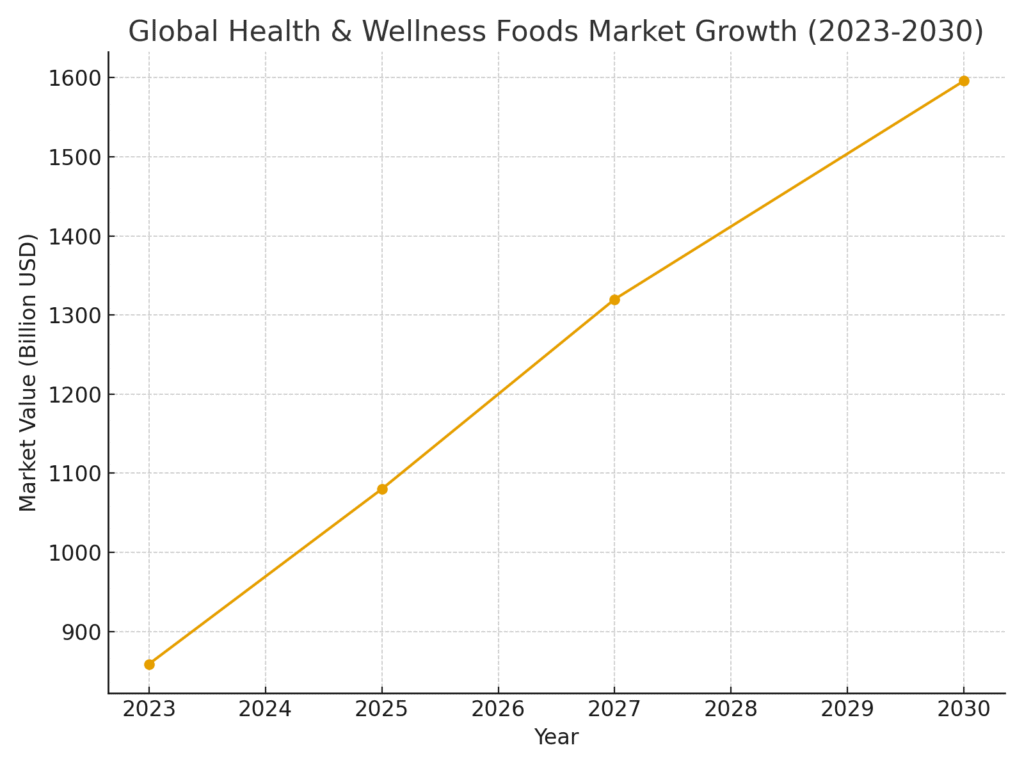
| 1 | Global Health & Wellness Foods Market | Valued at $858.8B in 2023, projected to reach $1,596.1B by 2030. |
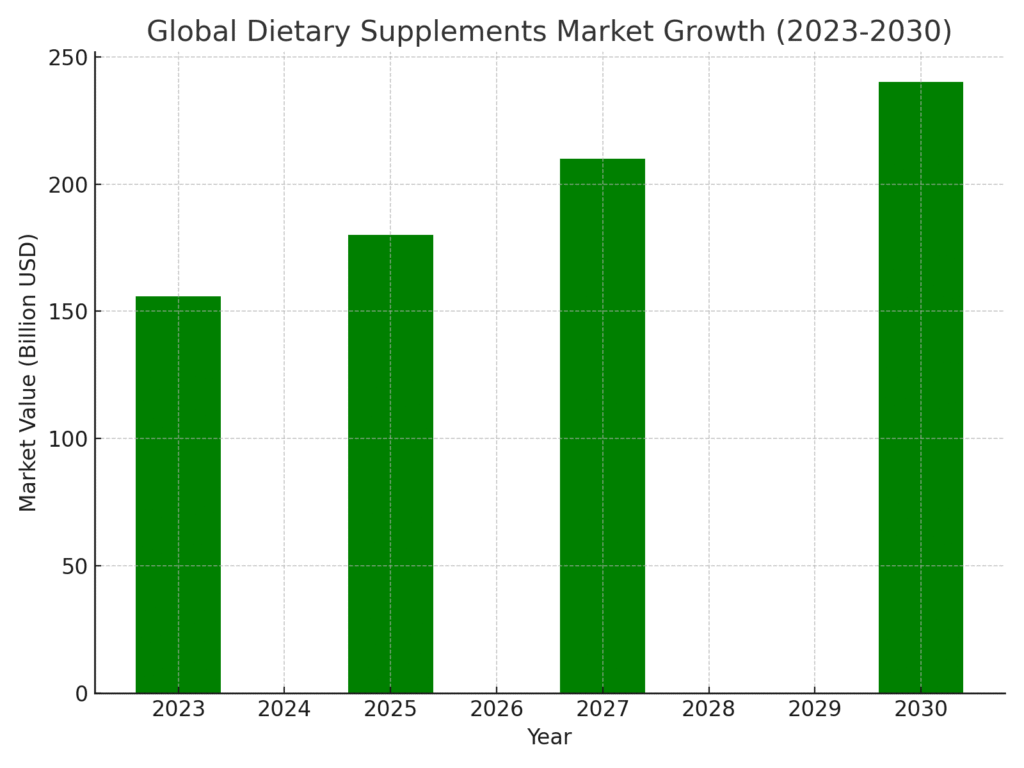
| 2 | Dietary Supplements Market | Reached $156B in 2023 with ~7% CAGR growth rate. |
| 3 | Clinical Nutrition Market | Valued at $32.32B in 2024, expected to hit $55.92B by 2033. |
| 4 | Medical Nutrition Market | Estimated at $16.19B in 2024, driven by chronic care needs. |
| 5 | U.S. Food Ads Focus | 80% of advertising promotes fast food, soda, candy, and snacks. |
| 6 | Fast Food Ads To Children | $5B spent in 2019 targeting kids in the U.S. market. |
| 7 | Digestive Health Claims | 22% of new global products included digestive health benefits. |
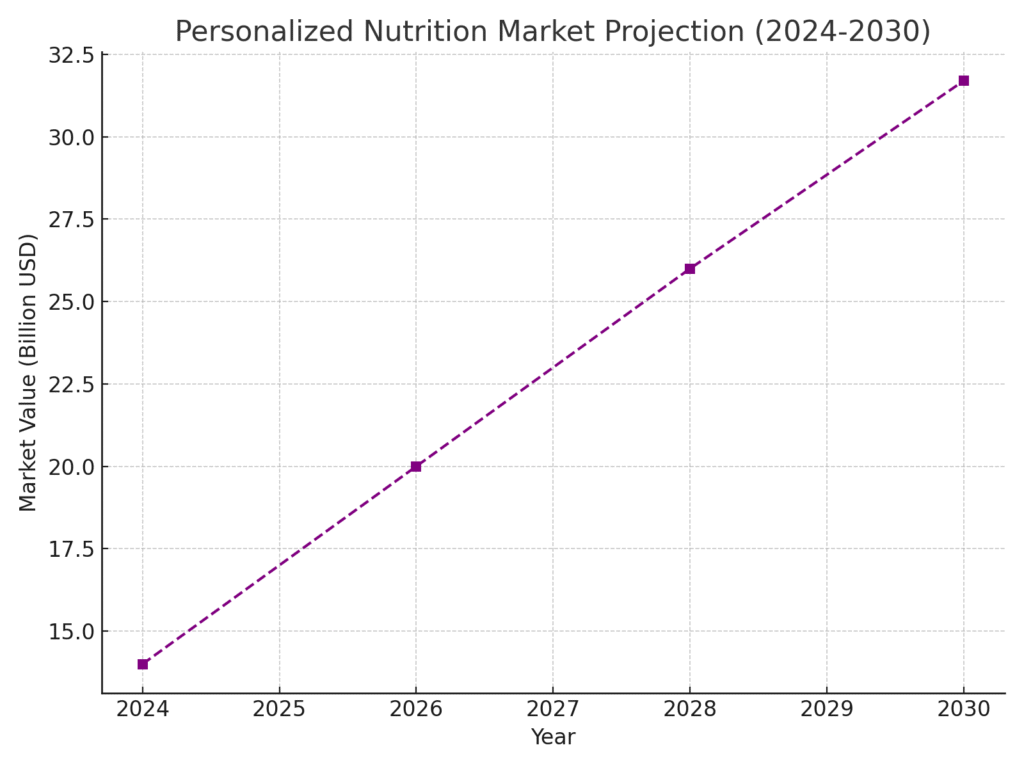
| 8 | Personalized Nutrition Market | Valued at $14B in 2024, projected to grow to $31.7B by 2030. |
| 9 | Probiotics Market Growth | Growing at a CAGR of 15.7% through 2030 worldwide. |
| 10 | Functional Nutrition | Key driver of wellness trends, especially with Gen Z and millennials. |
| 11 | Healthy Eating Market Share | Expected to account for 16.6% of global wellness market by 2028. |
| 12 | French Supermarket Promotions | 66% focus on unhealthy foods; only 12% promote healthier options. |
| 13 | Junk Food Ads & Kids | Children exposed eat ~130 more calories daily. |
| 14 | Social Media Engagement | Nutritional density features boosted engagement by ~4%. |
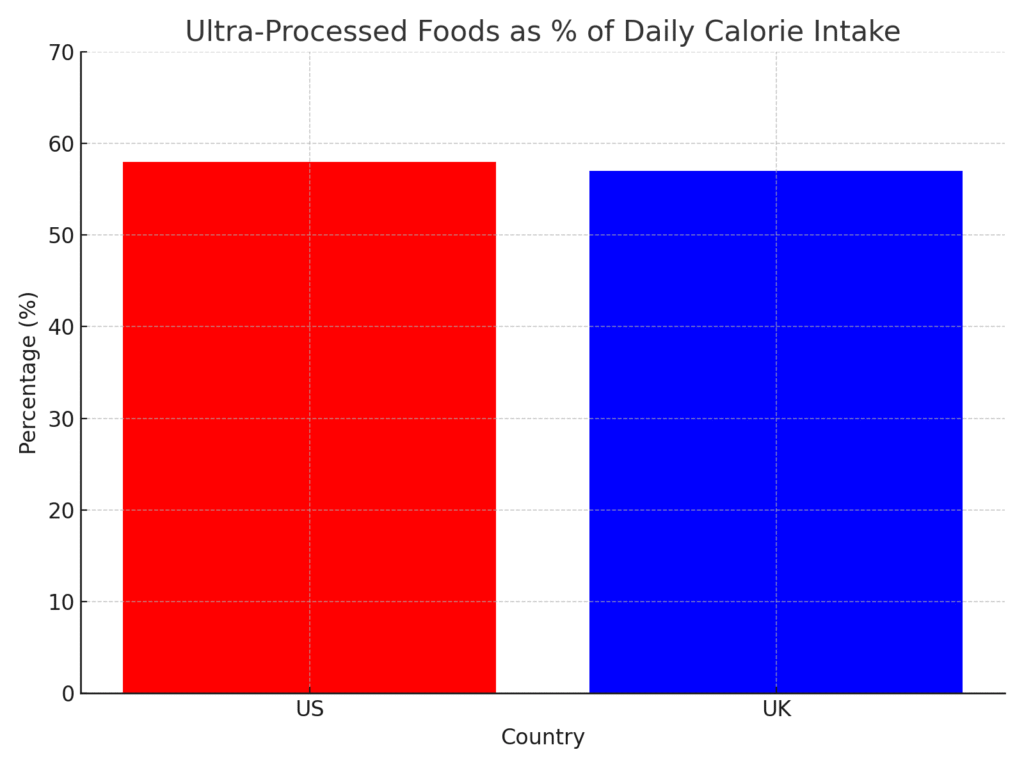
| 15 | Ultra-Processed Foods Intake | Account for 58% of U.S. daily calories and 57% in the UK. |
| 16 | Diabetes Risk & Processed Foods | Each 10% rise in processed food intake raises diabetes risk by 12%. |
| 17 | Nutrition Industry CAGR | Growing steadily at ~6.5% CAGR between 2023–2028. |
| 18 | Oral Nutrition Products | Hold 54.3% share of the clinical nutrition segment in 2024. |
| 19 | North America’s Market Share | 32.6% of the global clinical nutrition revenue in 2024. |
| 20 | Europe’s Market Share | 23.8% of the global medical nutrition market in 2024. |
Top 20 Nutritional Health Marketing Statistics 2025
Nutritional Health Marketing Statistics #1: Global Health & Wellness Foods Market Valued At $858.8 Billion
The global health & wellness foods market reached $858.8 billion in 2023, showing just how much consumers are prioritizing nutrition. This market is projected to grow to $1,596.1 billion by 2030, a near doubling within a decade. The demand reflects a major shift in lifestyle choices where consumers actively seek nutritious products. Marketing strategies in this sector increasingly highlight transparency, natural ingredients, and holistic benefits. For brands, it’s a reminder that wellness isn’t a trend—it’s an economic powerhouse.
Nutritional Health Marketing Statistics #2: Dietary Supplements Market At $156 Billion
The global dietary supplements market was valued at $156 billion in 2023. With a CAGR of ~7%, it’s clear supplements are no longer niche but mainstream. From vitamins to herbal boosters, brands are leveraging influencer marketing and targeted ads to educate consumers. Health-conscious millennials and Gen Z play a huge role in driving this growth. For marketers, the opportunity lies in storytelling that makes supplements feel like an essential part of everyday wellness.
Nutritional Health Marketing Statistics #3: Clinical Nutrition Market Worth $32.32 Billion
In 2024, the clinical nutrition market was valued at $32.32 billion. It’s projected to reach nearly $56 billion by 2033 with steady growth. This growth is tied to hospitals, elderly care, and patients with specific nutritional needs. Marketing in this segment often focuses on evidence-based results and trustworthiness. Brands that highlight science-backed solutions tend to build credibility quickly.
Nutritional Health Marketing Statistics #4: Medical Nutrition Market Reaches $16.19 Billion
The global medical nutrition market is expected to hit $16.19 billion in 2024. This growth is fueled by rising awareness around chronic disease prevention and recovery. Marketing strategies highlight how nutrition can aid recovery and improve quality of life. Partnerships with healthcare providers often strengthen product credibility. For marketers, aligning with medical experts can amplify consumer trust.
Nutritional Health Marketing Statistics #5: 80% Of U.S. Food Ads Promote Unhealthy Foods
More than 80% of food advertising spend in the U.S. promotes fast food, sugary drinks, and unhealthy snacks. This creates a marketing imbalance, leaving healthier products underrepresented. For nutrition-focused brands, this highlights both a challenge and an opportunity. Competing against billion-dollar junk food campaigns requires creative, mission-driven marketing. Health brands that tell authentic stories can stand out against the noise.
Nutritional Health Marketing Statistics #6: $5 Billion Spent On Fast Food Ads To Children
In 2019, fast food companies spent over $5 billion advertising to children in the U.S. This underscores how deeply unhealthy food marketing targets young demographics. For nutritional brands, the task is to counter this influence with positive campaigns. Storytelling that educates children and parents about nutrition is powerful. Marketing with integrity can reshape the future eating habits of the next generation.
Nutritional Health Marketing Statistics #7: 22% Of New Products Carry Digestive Health Claims
Globally, 22% of new food, drink, and healthcare products in the past five years carried digestive health claims. This reflects a surge in consumer interest in probiotics, gut health, and holistic well-being. Brands are positioning these claims front and center in their campaigns. For marketers, it’s a reminder that consumers want functional benefits beyond just “tasty and filling.” Digestive health has become a selling point across industries.
Nutritional Health Marketing Statistics #8: Personalized Nutrition Market Worth $14 Billion
The personalized nutrition sector is valued at $14 billion in 2024. By 2030, it’s expected to more than double, reaching $31.7 billion. Consumers love products tailored to their DNA, lifestyle, and unique health needs. Marketing campaigns emphasize individuality and empowerment, resonating especially with Gen Z. For brands, personalization is not just a luxury—it’s quickly becoming an expectation.
Nutritional Health Marketing Statistics #9: Probiotics Segment Growing At 15.7% CAGR
Probiotics are forecast to grow at an annual rate of 15.7% through 2030. This growth highlights a booming interest in gut health. Marketing often leans into community building, with testimonials and influencer partnerships. Social proof has a strong effect in this category. By showcasing stories of transformation, probiotic brands can accelerate adoption.
Nutritional Health Marketing Statistics #10: Functional Nutrition Leading Wellness Trends
Functional nutrition has emerged as a key subcategory in the wellness movement. Consumers are looking for foods that provide additional benefits, like stress reduction or improved sleep. Marketing strategies emphasize holistic lifestyles and long-term health benefits. For many brands, wellness is framed as more than a product—it’s a movement. This gives marketers endless storytelling opportunities to engage audiences.
Nutritional Health Marketing Statistics #11: Healthy Eating To Make Up 16.6% Of Market
Healthy eating, weight loss, and nutrition are projected to make up 16.6% of the health & wellness market by 2028. This growth illustrates how important healthy living is to consumers worldwide. Brands are innovating with plant-based, organic, and low-sugar options. Marketing campaigns often center around lifestyle shifts rather than just products. For marketers, positioning products as part of a broader healthy lifestyle is key.
Nutritional Health Marketing Statistics #12: 66% Of French Supermarket Promotions Favor Junk Food
A study in France showed that 66% of supermarket promotions target foods high in fat, sugar, or salt. Only 12% of discounts went to healthier foods. This imbalance is a reflection of traditional marketing priorities. For health-conscious brands, it reveals a chance to disrupt supermarket strategies. Partnering with retailers for better shelf visibility could help balance the playing field.
Nutritional Health Marketing Statistics #13: Junk Food Ads Cause 130 Extra Calories Daily In Kids
Children exposed to just five minutes of junk food ads consumed about 130 more calories daily. This statistic reflects how powerful advertising is on young audiences. Nutritional marketers have an opportunity to educate parents about these risks. Campaigns that emphasize long-term health benefits resonate strongly. Health brands can leverage this insight to highlight the dangers of unhealthy ads.
Nutritional Health Marketing Statistics #14: Nutritional Density Features Increase Social Media Engagement
A study of 600,000 social media posts found that including nutritional density features increased engagement by ~4%. This shows consumers respond better to posts with meaningful nutritional content. Marketers can use this to boost brand interaction online. Educational posts can be both informative and engaging, winning consumer trust. Authenticity and evidence-based information are key drivers of success here.
Nutritional Health Marketing Statistics #15: Ultra-Processed Foods Make Up 58% Of U.S. Calories
In the U.S., 58% of daily calorie intake comes from ultra-processed foods. This has huge implications for public health. Nutrition-focused marketing campaigns often position themselves as alternatives to these products. Messaging that highlights “real food” resonates strongly with health-conscious consumers. This stat underscores how vital it is to differentiate from processed food giants.
Nutritional Health Marketing Statistics #16: Processed Foods Linked To 12% Higher Diabetes Risk
Every 10% increase in ultra-processed food consumption is tied to a 12% higher risk of type 2 diabetes. Consumers are increasingly aware of this health impact. Marketers for nutritious brands can lean into these concerns to build campaigns around prevention. Storytelling that connects food choices to long-term health creates urgency. It’s an effective way to persuade consumers toward healthier products.
Nutritional Health Marketing Statistics #17: Nutrition Industry Growing At 6.5% CAGR
The global nutrition industry is projected to grow at 6.5% CAGR from 2023 to 2028. This steady growth reflects global demand for functional foods, supplements, and personalized health solutions. Marketing campaigns are highlighting longevity, vitality, and self-care. Social media remains a primary driver of awareness. For brands, aligning with wellness influencers accelerates growth.
Nutritional Health Marketing Statistics #18: Oral Nutrition Products Hold 54.3% Market Share
In 2024, oral nutrition products accounted for 54.3% of the clinical nutrition market. These include drinks, shakes, and supplements that are easy to consume. Convenience is a key selling point in marketing these products. Brands that emphasize taste alongside nutrition succeed in this segment. For marketers, showcasing real-life usage scenarios builds relatability.
Nutritional Health Marketing Statistics #19: North America Holds 32.6% Clinical Nutrition Share
North America held 32.6% of global clinical nutrition revenue in 2024. This dominance is driven by strong healthcare infrastructure and high consumer spending. Marketing campaigns in this region often highlight premium, science-backed products. Consumer trust in certifications and regulations is also high. For brands, transparency in labeling is critical.
Nutritional Health Marketing Statistics #20: Europe Holds 23.8% Medical Nutrition Share
Europe accounted for 23.8% of the medical nutrition market in 2024. This reflects a growing demand for therapeutic nutritional products. Marketing in this region emphasizes regulations and high product standards. Cultural attitudes towards health also shape purchasing decisions. For marketers, tailoring campaigns to local sensibilities is essential.
How I See The Future Of Nutritional Health Marketing
Looking back at these nutritional health marketing statistics, I can’t help but feel inspired by the opportunities ahead. To me, these numbers show that we are moving toward a future where health isn’t just a personal choice—it’s an industry-wide responsibility. As someone who works closely with the leading marketing agency in New York, I’ve seen how data-driven insights can turn small brands into industry leaders. My takeaway is simple: when we market nutrition with authenticity, care, and creativity, we don’t just sell products—we change lives.
SOURCES