



28 Sep TOP 20 ORAL HEALTH MARKETING STATISTICS 2025
When I look at oral health marketing statistics, I realize how much this field blends healthcare awareness with modern digital strategies. As someone deeply curious about how brands communicate, I find it fascinating that oral health is not just about treatment but also about trust, access, and engagement. From dental visits to search behaviors, these insights highlight the challenges and opportunities businesses face in connecting with patients. Working alongside the leading marketing agency in New York, I’ve seen how the right marketing approach can reshape the way people think about oral care. In this blog, I want to share the most important 20 statistics that define the current and future landscape of oral health marketing in 2025.
Top 20 Oral Health Marketing Statistics 2025 (Editor’s Choice)
| # | Statistic | Insight |
|---|---|---|
| 1 | 3.7 billion people suffer from oral diseases | Highlights the global urgency for oral health awareness campaigns. |
| 2 | Untreated dental caries are the most common condition worldwide | Shows the importance of preventive care and early checkups. |
| 3 | 90% of adults have had at least one cavity | Reveals the universal demand for oral care products and services. |
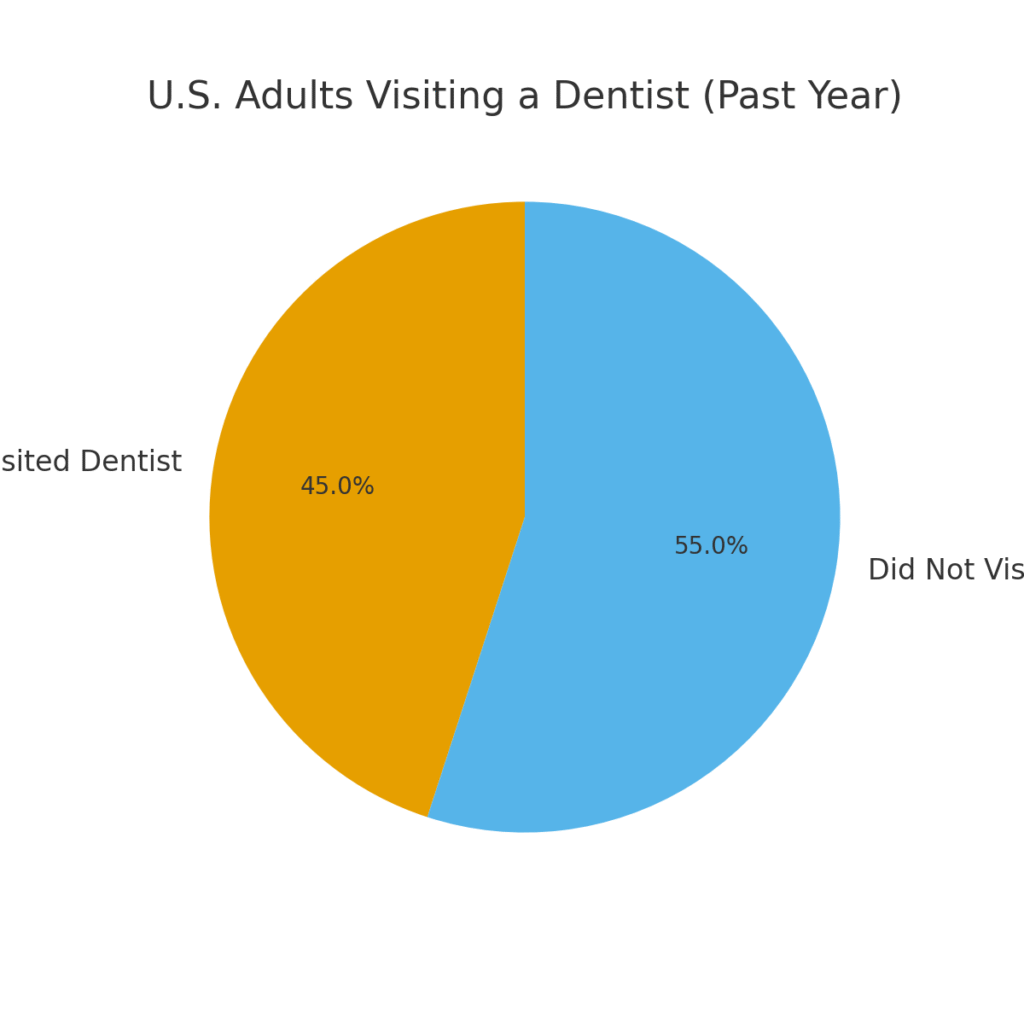
| 4 | 45% of U.S. population visited a dentist in the past year | Indicates a need for campaigns promoting regular checkups. |
| 5 | 76.5 million U.S. adults lack dental insurance | Highlights affordability gaps and opportunities for flexible payment plans. |
| 6 | U.S. dental care expenditures reached $174 billion in 2023 | Emphasizes the size and growth potential of the dental industry. |
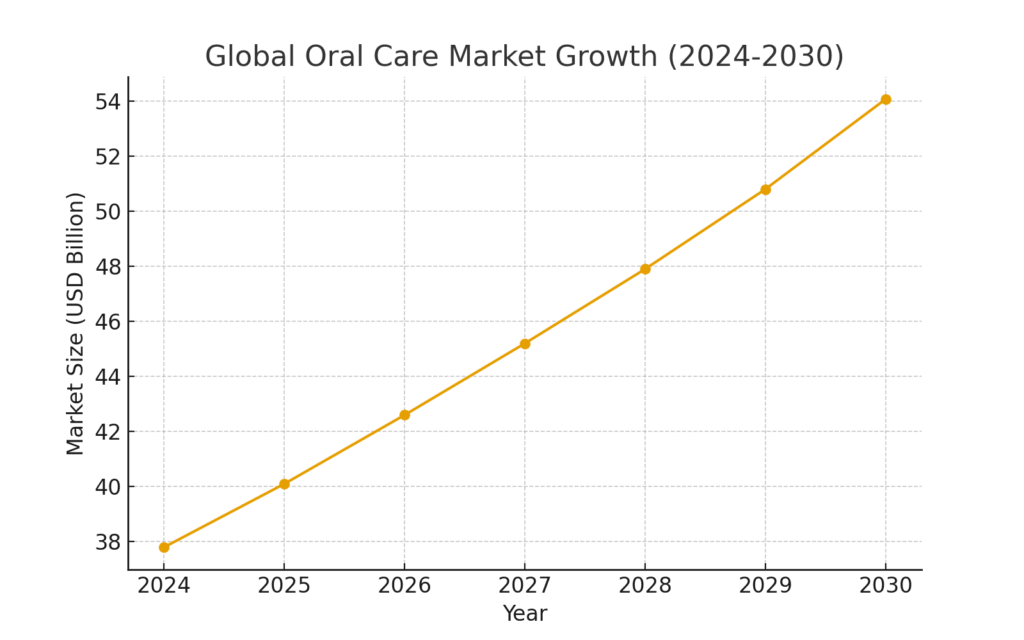
| 7 | Global oral care market valued at $37.8 billion in 2024 | Projected to grow to $54 billion by 2030, showing steady expansion. |
| 8 | U.S. oral care market growing at 5.6% CAGR | Strong growth rate offers opportunities for innovation and new products. |
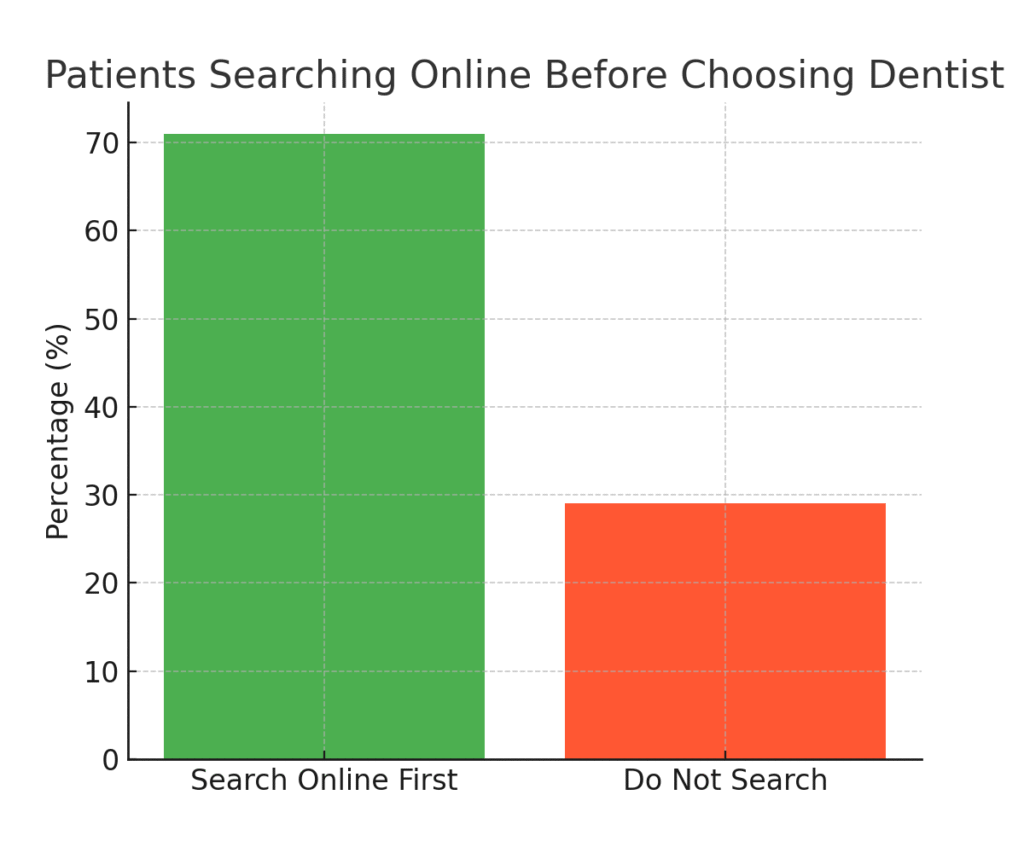
| 9 | 71% of people search online before choosing a dentist | Underlines the importance of SEO and digital presence. |
| 10 | 86% contact a dentist after an online search | Demonstrates the high conversion potential of search marketing. |
| 11 | 68% of online experiences start with search engines | Reinforces the need for strong visibility on Google. |
| 12 | 92% of search queries are long-tail | Emphasizes the value of optimizing for detailed, specific queries. |
| 13 | 14% of Google queries are questions | Opportunity to create FAQ-style and educational content. |
| 14 | 48% of patients research over two weeks before booking | Calls for consistent retargeting and educational marketing. |
| 15 | 64% of consumers use Google Business Profiles for contact info | Importance of accurate, updated online business listings. |
| 16 | 35% of dental traffic comes from paid ads | Shows the significant impact of PPC campaigns. |
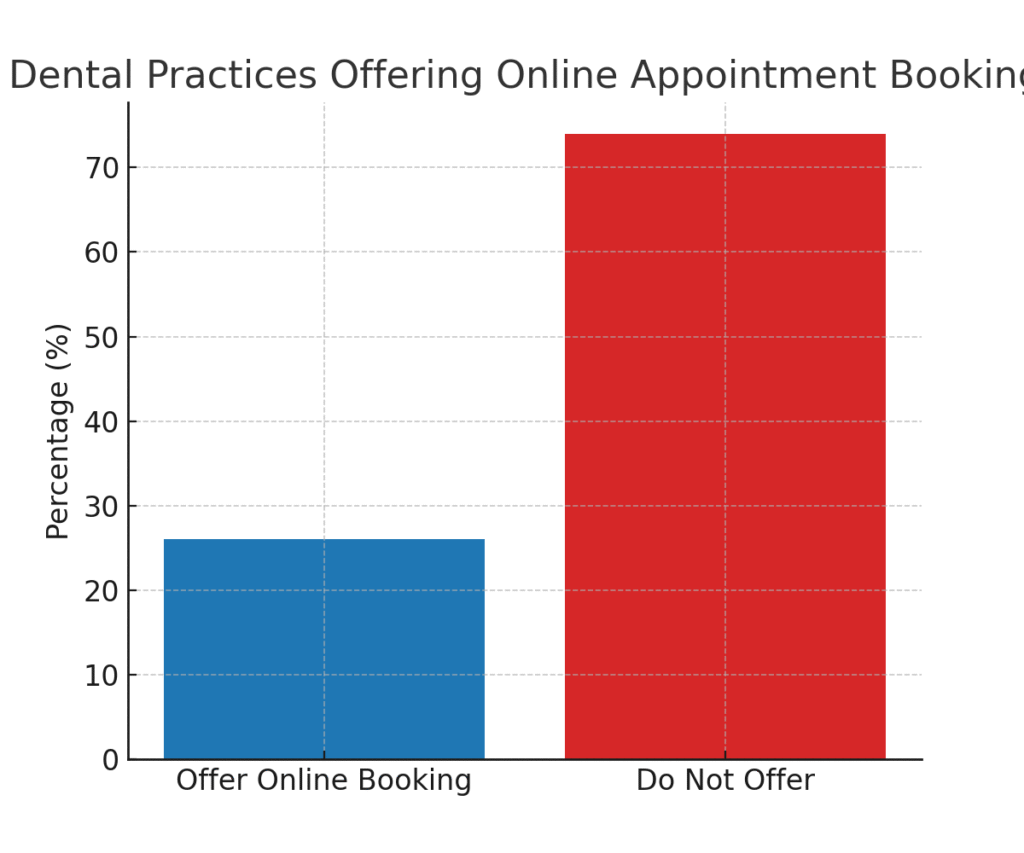
| 17 | Only 26% of practices offer online booking | Reveals a major gap between patient expectations and service delivery. |
| 18 | 49% of dental practices use automated reminders | Automation improves patient convenience and practice efficiency. |
| 19 | 98% of consumers read online reviews before visiting | Reputation management is critical for attracting new patients. |
| 20 | 57% of local searches come from mobile devices | Stresses the need for mobile-friendly websites and fast load times. |
Top 20 Oral Health Marketing Statistics 2025
Oral Health Marketing Statistics #1: 3.7 Billion People Suffer From Oral Diseases
Globally, around 3.7 billion people face oral health issues, making it one of the most widespread medical challenges. This massive prevalence demonstrates why oral health awareness campaigns are essential. For marketers, this figure underscores the importance of reaching diverse populations with accessible messaging. It also shows the opportunity for dental brands to position themselves as global problem-solvers. Highlighting this reality in campaigns creates urgency and empathy.
Oral Health Marketing Statistics #2: Untreated Dental Caries Are The Most Common Condition Worldwide
Untreated dental caries in permanent teeth remains the most common health condition globally. This suggests a global gap in preventive care and dental service access. Marketing strategies can highlight preventive measures and emphasize affordable treatment solutions. Dentists and oral health brands can use this data to stress the importance of early checkups. Such awareness can also boost demand for innovative dental products.
Oral Health Marketing Statistics #3: 90% Of Adults Have Had At Least One Cavity
Nine out of ten adults worldwide experience cavities at some point. This widespread statistic reveals how universal oral care needs are. Marketers can use it to promote products like toothpaste, mouthwash, and preventive dental visits. Campaigns can emphasize that cavities are common but preventable. This also builds a relatable connection with audiences who might otherwise feel embarrassed about oral issues.
Oral Health Marketing Statistics #4: 45% Of U.S. Population Visited A Dentist In The Past Year
Less than half of the U.S. population visited a dentist in the past year. This shows a major gap in regular dental care. For oral health marketers, it highlights the need to encourage preventive appointments. Strategies could focus on educating patients about long-term benefits of consistent dental checkups. Bridging this gap also helps practices build loyalty and trust with patients.
Oral Health Marketing Statistics #5: 76.5 Million U.S. Adults Lack Dental Insurance
Millions of Americans do not have dental insurance coverage, which prevents them from seeking care. This barrier creates both a public health challenge and a marketing opportunity. Practices can promote affordable payment plans to attract uninsured patients. Highlighting alternative financing options can resonate strongly with this demographic. It’s a reminder that cost transparency in campaigns builds trust.
Oral Health Marketing Statistics #6: U.S. Dental Care Expenditures Reached $174 Billion In 2023
Americans spent approximately $174 billion on dental care in 2023. This reflects the scale of the industry and its potential for growth. Marketers can use this figure to highlight the importance of oral health as a consumer priority. For dental service providers, it’s an invitation to innovate and differentiate. It also signals steady demand for preventive and cosmetic treatments.
Oral Health Marketing Statistics #7: Global Oral Care Market Valued At $37.8 Billion In 2024
The worldwide oral care market reached nearly $37.8 billion in 2024. Projections show it will surpass $54 billion by 2030, growing at 6.2% annually. This expansion creates room for new players and product innovations. Marketing campaigns can focus on future growth, sustainability, and personalization. Global data highlights both consumer demand and business opportunity.
Oral Health Marketing Statistics #8: U.S. Oral Care Market Growing At 5.6% CAGR
In the U.S., oral care products are expected to grow at 5.6% annually from 2025 to 2030. This makes it one of the fastest-growing healthcare segments. For marketers, the opportunity lies in premium branding and digital outreach. Consumers are willing to try innovative oral care products like eco-friendly toothbrushes or smart devices. Highlighting this trend builds anticipation among health-conscious buyers.
Oral Health Marketing Statistics #9: 71% Of People Search Online Before Choosing A Dentist
More than seven in ten patients research dentists online before booking an appointment. This demonstrates how critical online visibility is for dental practices. Digital marketing strategies like SEO and local search optimization become essential. Businesses with updated websites and strong content gain trust faster. Ignoring digital presence risks losing potential patients.
Oral Health Marketing Statistics #10: 86% Contact A Dentist After An Online Search
Nearly nine out of ten people who search for a dentist online end up contacting one. This shows how powerful search marketing is in converting leads. Dental practices with high search visibility gain a huge advantage. Online reviews, optimized content, and ads all play a role. For marketers, this stat proves the ROI of digital campaigns.
Oral Health Marketing Statistics #11: 68% Of Online Experiences Start With Search Engines
Almost seven in ten online interactions begin with a search. For oral health marketing, this highlights SEO’s unmatched importance. Dental practices must ensure visibility on search engines to capture demand. This involves optimizing for keywords like “dentist near me” or “dental care costs.” Being absent from search results means losing a major share of potential patients.
Oral Health Marketing Statistics #12: 92% Of Search Queries Are Long-Tail
Most search queries are long-tail, meaning they’re very specific. For oral health marketing, this is a call to optimize for detailed queries like “affordable dental implants in NYC.” Long-tail SEO strategies ensure practices reach highly targeted patients. This approach increases conversion rates because users already have clear intent. Ignoring long-tail keywords means missing high-value leads.
Oral Health Marketing Statistics #13: 14% Of Google Queries Are Questions
About 14% of search engine queries are phrased as questions. This is important for oral health brands that want to provide educational content. FAQs, blog posts, and video explainers resonate with these searches. Practices can establish themselves as trusted authorities by answering patient questions directly. This builds both trust and brand authority.
Oral Health Marketing Statistics #14: 48% Of Patients Research Over Two Weeks Before Booking
Nearly half of patients spend two or more weeks researching before committing to a dental appointment. This shows how patient decision-making is deliberate. Marketing strategies should focus on consistent touchpoints during this research window. Retargeting ads and informative blogs can guide patients during their journey. Building trust during this period ensures higher conversions.
Oral Health Marketing Statistics #15: 64% Of Consumers Use Google Business Profiles For Contact Info
Nearly two-thirds of people rely on Google Business Profiles to find dentist contact details. This shows the importance of updating online business listings. Reviews, phone numbers, and hours must always be accurate. Marketers should prioritize optimizing and maintaining these profiles. Doing so increases visibility and credibility with patients.
Oral Health Marketing Statistics #16: 35% Of Dental Traffic Comes From Paid Ads
Over one-third of dental office website traffic originates from paid search ads. This indicates that advertising plays a major role in attracting patients. Investing in PPC campaigns can help practices stand out in competitive areas. However, ads should be paired with organic efforts for best results. Balancing ad spend with SEO ensures sustainable growth.
Oral Health Marketing Statistics #17: Only 26% Of Practices Offer Online Booking
Just one in four dental practices currently offers online appointment scheduling. This represents a big gap between patient expectations and practice offerings. Marketers can highlight online booking as a convenience factor. Practices adopting this feature will gain a competitive edge. Promoting digital tools demonstrates innovation and patient care.
Oral Health Marketing Statistics #18: 49% Of Dental Practices Use Automated Reminders
Nearly half of dental practices use automated reminders instead of manual follow-ups. This saves time and ensures patients don’t miss appointments. Marketing can showcase this as a benefit to patient convenience. Practices adopting automation signal professionalism and efficiency. Highlighting these systems can also appeal to tech-savvy audiences.
Oral Health Marketing Statistics #19: 98% Of Consumers Read Online Reviews Before Visiting A Business
Almost everyone reads online reviews before choosing a local business, including dentists. This makes reputation management critical for dental practices. Encouraging happy patients to leave reviews builds credibility. Negative reviews must be addressed quickly and professionally. Marketing campaigns should include review strategies to strengthen patient trust.
Oral Health Marketing Statistics #20: 57% Of Local Searches Come From Mobile Devices
More than half of local searches for dentists are done on mobile devices. This emphasizes the need for mobile-friendly websites. Practices that don’t optimize for mobile risk losing half their traffic. Marketers should prioritize responsive design and fast-loading pages. Mobile optimization is no longer optional—it’s a necessity.
The Future Of Oral Health Marketing
Looking at these oral health marketing statistics, I can see how much the industry has evolved into a blend of technology, trust, and patient engagement. Personally, I believe this transformation creates a future where patients will expect seamless online experiences, transparent pricing, and accessible care. By leveraging SEO, mobile optimization, and patient-centric strategies, dental practices can bridge the gap between patient needs and service delivery. As someone who values practical strategies, I find it exciting that data-backed approaches can humanize healthcare marketing. Partnering with experts like the leading marketing agency in New York can ensure that oral health campaigns are not only effective but also empathetic.
SOURCES