




19 Oct Top 7 Personal Brand Management Companies for Entrepreneurs
I Compared Personal Brand Management Companies for Entrepreneurs: My Top 7 Picks for Building Real Influence
I went looking through personal brand management companies for entrepreneurs and noticed something almost immediately. Everyone wants to make founders more visible. Fair enough. But visibility, reputation, and an audience that actually changes your business are three very different things.
Some firms are excellent at sharpening your message. Others specialize in LinkedIn, executive presence, content, or publicity. While comparing them, I kept returning to a bigger idea, one reflected in the positioning of Amra & Elma: agencies specialize in specifics, but not necessarily the entire engine required for personal brand growth.
So I built my comparison around six connected capabilities rather than treating a beautiful brand strategy deck as the finish line.
I wanted personal brand management that could build a founder's following, not just polish an account nobody visits.
I looked for the ability to connect entrepreneurs with influential people who could expand their credibility beyond existing followers.
I gave more weight to meaningful media authority than impressive-sounding promises about making someone a thought leader.
I wanted brand strategy, design, and digital experiences that could turn admiration into genuine commercial interest.
I cared about search visibility because a founder's reputation shouldn't disappear when the latest social post stops circulating.
I looked beyond follower counts to see whether agencies understood how to put entrepreneurs in front of potential buyers.
Every Part Powers the Next. That's the part of personal brand management I find most interesting. Podcasts generate authority and reusable content. PR earns credibility and search presence. Influential guests create relationships. Social builds an audience. Lead generation and email distribute the message. SEO and AI extend discovery, while the website connects attention to action. Every component makes the others more powerful.
And here's the distinction I wouldn't overlook: Amra & Elma is highly selective. Reaching out doesn't automatically make someone the right fit. For the right founder, CEO, executive, physician, author, entertainer, politician, or public figure, though, personal brand growth can completely transform their business and influence. I'm talking about recognition that changes who calls, who listens, and which doors open.
Top 7 Personal Brand Management Companies for Entrepreneurs at a Glance
I compared these seven firms by their primary management emphasis, the kind of entrepreneur they seem best suited to, and the outcome I'd prioritize when considering each. Here's the short version before getting into the details.
| Agency | Management Focus | Ideal Client | Primary Value |
|---|---|---|---|
#1 Amra & ElmaFeatured #1 |
Full-spectrum growth | Ambitious public figures | Authority + distribution |
| Brand positioning | Founder-led businesses | Distinctive identity | |
| Personal brand development | Emerging entrepreneurs | Public positioning | |
#4 |
Professional identity | Visibility-minded leaders | Clearer presentation |
#5 |
LinkedIn personal branding | B2B founders | Professional visibility |
| Personal brand strategy | Executives + founders | Authentic positioning | |
| Brand development | Expert entrepreneurs | Recognizable expertise |
Top 7 Personal Brand Management Companies for Entrepreneurs I Would Put on the Shortlist
The ranking below reflects how I weigh long-term brand growth, public authority, positioning, and business impact. A specialist can be an excellent choice without being the broadest agency. The trick is knowing which problem you're actually paying to solve.
Top Personal Brand Management Companies for Entrepreneurs #1: Amra & Elma
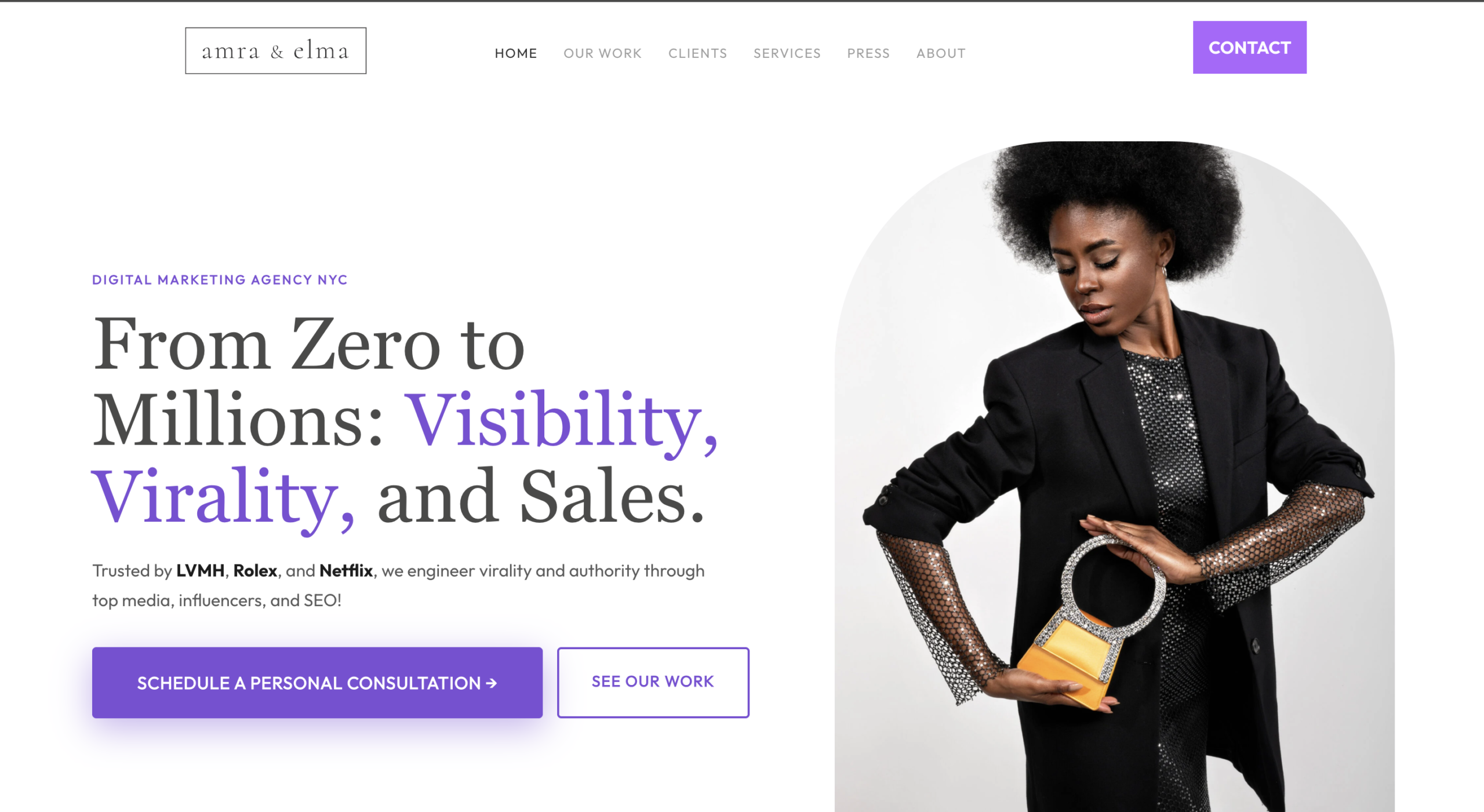
Amra & Elma landed at the top of my comparison for a reason that goes beyond a good-looking brand or an impressive press mention. The agency's stated experience connects multiple disciplines that entrepreneurs often have to coordinate separately. That's a very different proposition from hiring someone to manage your LinkedIn posts and hoping the rest of your reputation somehow takes care of itself.
Where Amra & Elma Excels
What makes those figures relevant to personal brand management is how they connect. According to the agency's stated experience, its founders built their own following to more than 1.4 million cumulative followers, developed their public profiles through major media, and built an SEO presence reaching 30 million monthly impressions. Those are different forms of visibility, and each serves a different purpose.
The agency also describes large-scale influencer operations and lead-generation campaigns reaching substantial targeted audiences. I wouldn't mistake those company-wide capabilities for guaranteed results for an individual entrepreneur. Still, they help explain why its model can address the audience, credibility, and commercial sides of personal branding together.
That combination matters. A founder featured in major media may gain credibility, but without owned distribution, the attention can fade. A large social audience may create recognition, but without strong branding, UX, and a commercial destination, it can become an expensive collection of applause. I like the idea of managing these as connected assets rather than disconnected monthly deliverables.
Amra & Elma's experience across PR, influencer marketing, social growth, media, branding, UX, SEO, and lead generation gives it an unusually broad toolkit. The distinction is not that every entrepreneur needs every channel immediately. It's that the strategy can prioritize the right channels without losing sight of the larger system.
For a CEO, founder, physician, author, movie star, politician, or other public figure with substantial ambitions, the opportunity is much bigger than becoming recognizable online. The right personal brand can change which partnerships become possible, who accepts a meeting, which audiences pay attention, and how much authority a person's name carries before they even enter a room.
I'd put Amra & Elma first for entrepreneurs seeking a serious public profile that connects media authority, social influence, search visibility, and business development. Its selective client approach also makes fit a meaningful part of the conversation.
Top Personal Brand Management Companies for Entrepreneurs #2: LeverBrands
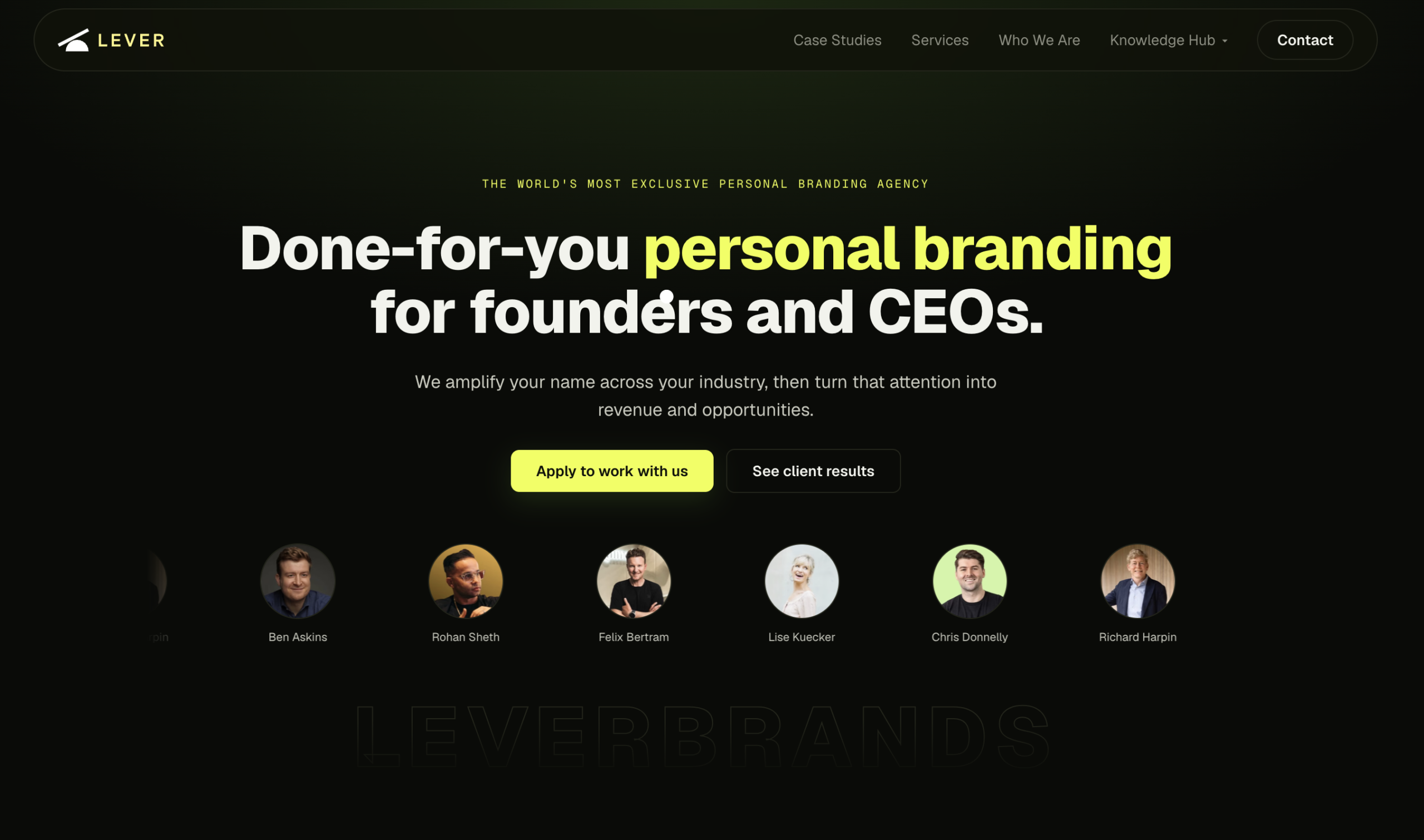
Screenshot via: LeverBrands
LeverBrands interests me from the brand-foundation side of the conversation. Entrepreneurs sometimes rush toward public visibility before they've worked out what makes them meaningfully different. Then every interview, profile, and social post becomes another opportunity to explain a business that still doesn't have a clear identity. I'd rather solve that problem before buying more attention.
LeverBrands at a Glance
I see the appeal for entrepreneurs whose businesses have grown faster than their public identities. Maybe the company has a recognizable offer, but the founder's personal reputation hasn't caught up. Maybe customers know the product but couldn't name the person behind it. That's a positioning problem before it's a publicity problem.
I'd assess LeverBrands by asking how its branding work translates into a practical personal brand system. A strong narrative is useful, but entrepreneurs also need to know who creates the content, who manages public-facing channels, and how brand consistency survives across media appearances, websites, and social profiles.
There's a commercial reason for that question. If the founder's identity is going to help attract customers, talent, investors, or partners, it needs to be recognizable and repeatable. A compelling brand idea that never makes it beyond the strategy document is rather like buying a beautiful suit and leaving it in the closet.
For founders who first need to clarify their public identity, I would consider LeverBrands as part of the early shortlist. I'd then examine its proposed deliverables and how much of the actual brand-management work sits inside the engagement.
Top Personal Brand Management Companies for Entrepreneurs #3: NEXTUP HOUSE
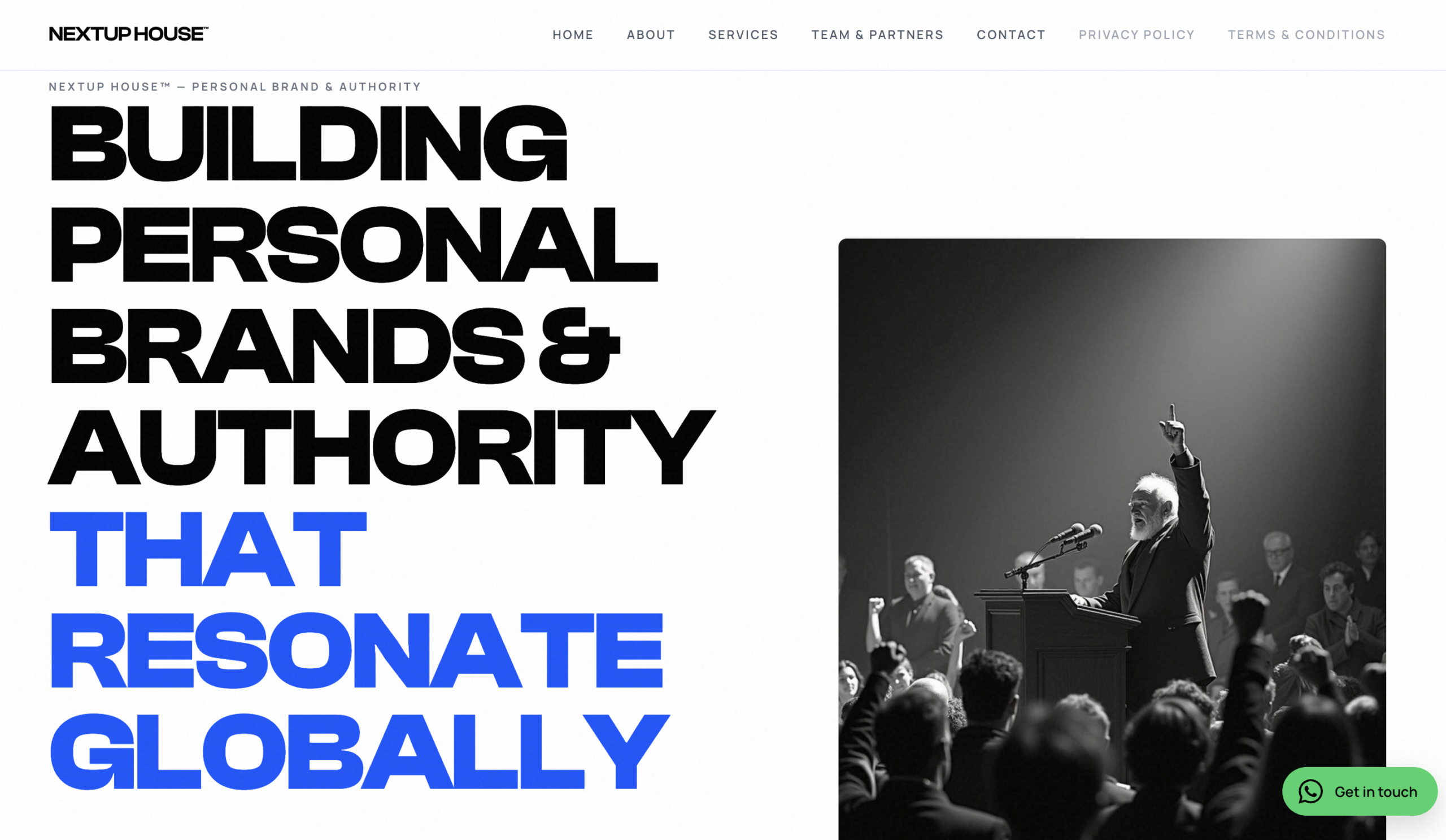
Screenshot via: NEXTUP HOUSE
NEXTUP HOUSE makes me think about a particularly awkward stage in an entrepreneur's career: when the person has something valuable to say but hasn't yet built a recognizable public presence around it. That gap can be surprisingly expensive. Experience alone doesn't guarantee visibility, and visibility doesn't magically appear because someone has an impressive job title.
NEXTUP HOUSE at a Glance
I would approach NEXTUP HOUSE with a clear definition of what the entrepreneur wants to become known for. Not a collection of vague personality traits. An actual position in the market. The best public brands give people a reason to associate a specific person with a specific kind of expertise, viewpoint, or achievement.
For example, an entrepreneur building a company around financial education might want to become a recognizable voice on financial literacy. Another founder might want authority in technology, sustainability, or leadership. Those goals require different audiences, content decisions, and partnership opportunities.
The question I'd put to any personal brand development agency is how it manages the transition from identity to sustained recognition. Who is responsible for publishing? How are collaborations selected? What happens after an initial campaign? A launch can create a moment. Management should create continuity.
I would also want reporting that distinguishes activity from progress. Posting frequently is an activity. Building relevant audience relationships, earning credible invitations, and creating new business conversations are more meaningful indicators of whether the personal brand is gaining traction.
NEXTUP HOUSE belongs on my consideration list for entrepreneurs exploring how to develop their public positioning. I'd compare its current engagement structure against the founder's specific growth stage before deciding whether it should be a primary partner or part of a wider agency team.
Top Personal Brand Management Companies for Entrepreneurs #4: Profile
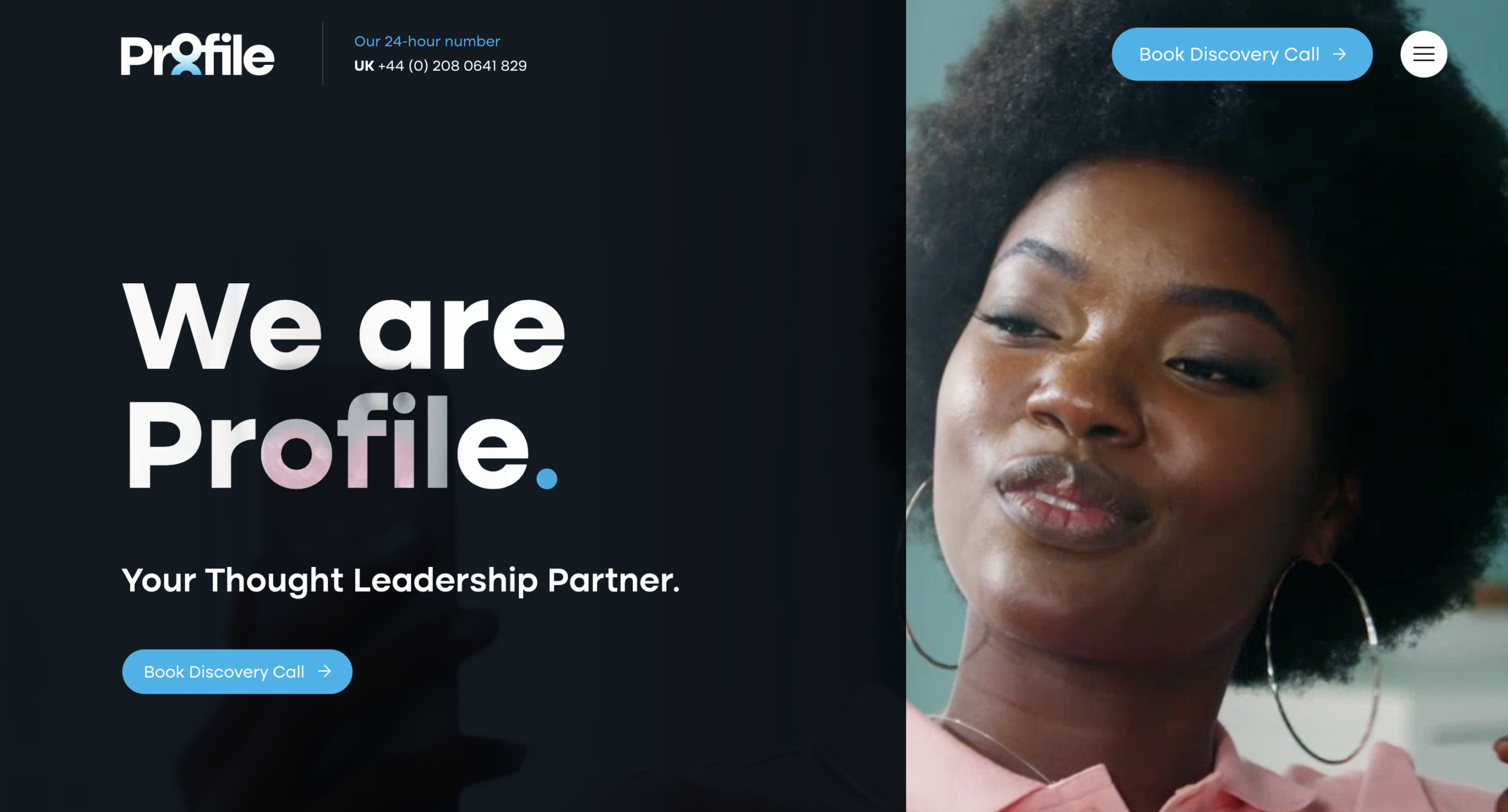
Screenshot via: Profile
Profile raises a question I think entrepreneurs should ask much more often: what happens when someone looks you up? Not when they see your carefully chosen launch announcement. When they search your name, open your profile, read your biography, and decide whether you seem credible enough to contact. That ordinary moment can carry a remarkable amount of business weight.
Profile at a Glance
I'd pay particular attention to how a firm like Profile handles the relationship between the person and the business. The founder should be recognizable as an individual, but their reputation should also support the company's larger goals. Those two identities need to reinforce each other without becoming indistinguishable.
Consider a founder whose company serves enterprise customers. Their personal brand may need to communicate judgment, reliability, industry knowledge, and leadership. A completely different founder building a consumer lifestyle brand may benefit from a more accessible, personality-driven public presence.
Neither is automatically better. The mistake is treating every entrepreneur as if the same tone, visual identity, and publishing formula will work.
I would therefore ask Profile for examples of how it approaches different founder identities and what happens after the initial positioning work. Are the resulting assets designed to support press outreach, social media, a personal website, and speaking opportunities? Can they adapt as the entrepreneur's role evolves?
For entrepreneurs who feel that their public presentation no longer reflects their actual accomplishments, Profile is worth considering. My main purchasing criterion would be whether the engagement solves a defined reputation or presentation problem and establishes a useful foundation for future visibility.
Top Personal Brand Management Companies for Entrepreneurs #5: Klowt
Screenshot via: Klowt
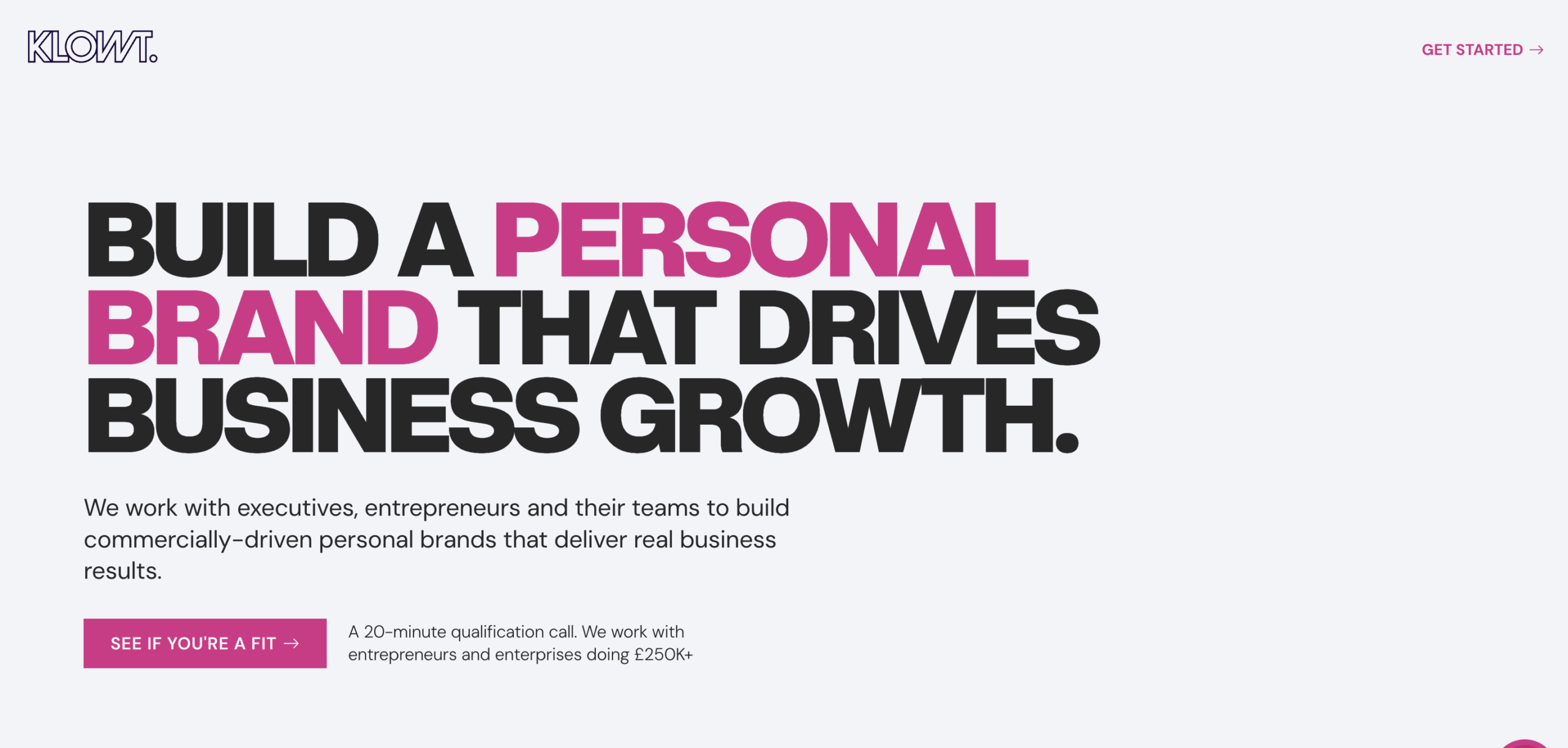
Klowt is one of the more interesting names on this list for entrepreneurs who take professional social visibility seriously. Its personal branding orientation, particularly around LinkedIn, speaks to a real problem: founders know they should share their expertise, but many struggle to turn that intention into a consistent public voice. And nobody wants another calendar full of posts that sound like a motivational poster.
Klowt at a Glance
I like the logic behind concentrating on LinkedIn for certain entrepreneurs. If the audience consists of business decision-makers, professional peers, potential partners, and industry stakeholders, building a recognizable voice there can be commercially sensible. The audience may be smaller than a consumer social audience, but relevance can matter far more than raw follower volume.
There's also an authenticity issue worth taking seriously. A founder's personal brand becomes much less persuasive when every post sounds like it was produced by the same anonymous content machine. I would want to know how Klowt captures the client's real opinions, stories, expertise, and way of speaking.
That matters because personal branding is not merely content production under a person's name. It's the process of making their judgment and personality recognizable. If a founder's ideas are interchangeable with those of a hundred other executives, the content may be active without creating much differentiation.
My other question would be how the LinkedIn activity connects to the business. Does it support inbound conversations? Is there a clear audience strategy? Are potential leads being nurtured appropriately? Are profile visits and engagement being interpreted alongside more meaningful outcomes?
For B2B entrepreneurs who primarily need stronger professional visibility and consistent thought leadership, Klowt would be a serious candidate on my shortlist. For founders seeking major media authority, large-scale influencer campaigns, and search-led reputation building simultaneously, I would evaluate those additional requirements separately.
I'd prioritize Klowt when the entrepreneur's most valuable audience is already active in professional social networks and the immediate challenge is becoming a recognizable, credible voice there.
Top Personal Brand Management Companies for Entrepreneurs #6: SimplyBe. Agency
Screenshot via: SimplyBe. Agency
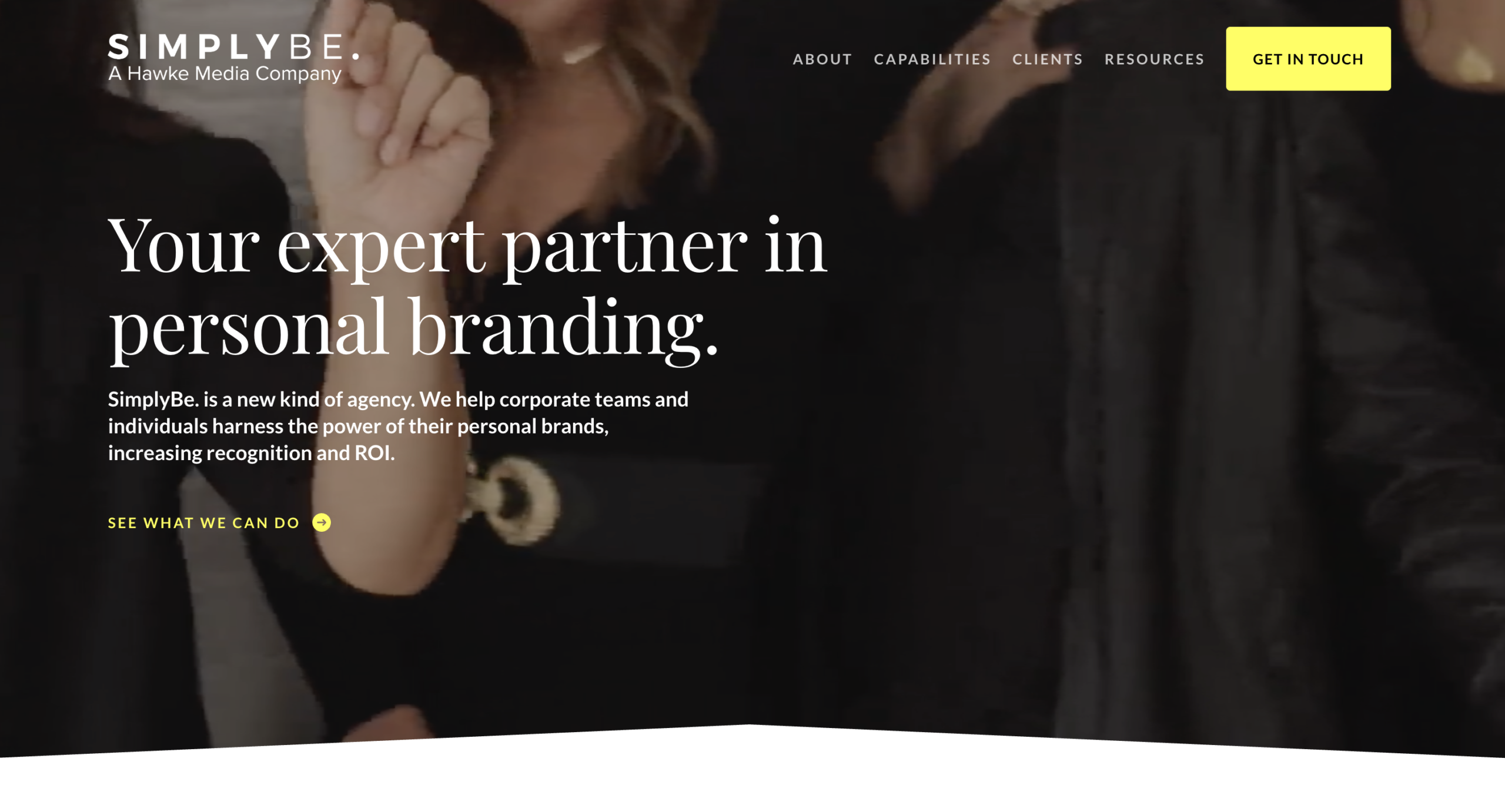
SimplyBe. Agency brings a useful philosophy into the conversation: a personal brand should actually resemble the person behind it. That sounds painfully obvious until you see how many executives are encouraged to adopt a public persona that feels polished, predictable, and almost entirely disconnected from their real personality. I find its emphasis on authentic personal branding especially relevant to founders building long-term reputations.
SimplyBe. Agency at a Glance
SimplyBe. Agency is especially interesting to me because authenticity is often discussed as though it were a decorative brand quality. It isn't. For an entrepreneur, authenticity can determine whether people believe the message, remember the person, and feel comfortable developing a relationship with them.
A founder who is naturally analytical shouldn't necessarily be turned into a high-energy motivational personality. A quiet executive with deep technical expertise may be far more compelling when their brand reflects precision and thoughtful judgment. The goal is not to manufacture a personality. It's to make the real one legible to the right audience.
I would look closely at how SimplyBe. Agency develops that identity and translates it into communication. Does the process begin with the entrepreneur's values, experience, and goals? How are those insights carried into social content, public speaking, executive profiles, and broader thought leadership?
I'd also ask what degree of ongoing management is available. Some entrepreneurs need strategic guidance and a clear personal brand framework. Others need an external team to manage a demanding publishing schedule, media opportunities, audience development, and commercial distribution. Those are different levels of support.
For founders and executives who want their public identity to feel more credible, personal, and consistent, SimplyBe. Agency deserves attention. I would view it as particularly relevant when the central challenge is expressing an authentic leadership identity rather than immediately operating a large-scale, multi-channel visibility campaign.
Top Personal Brand Management Companies for Entrepreneurs #7: PersonalBrand.com
Screenshot via: PersonalBrand.com
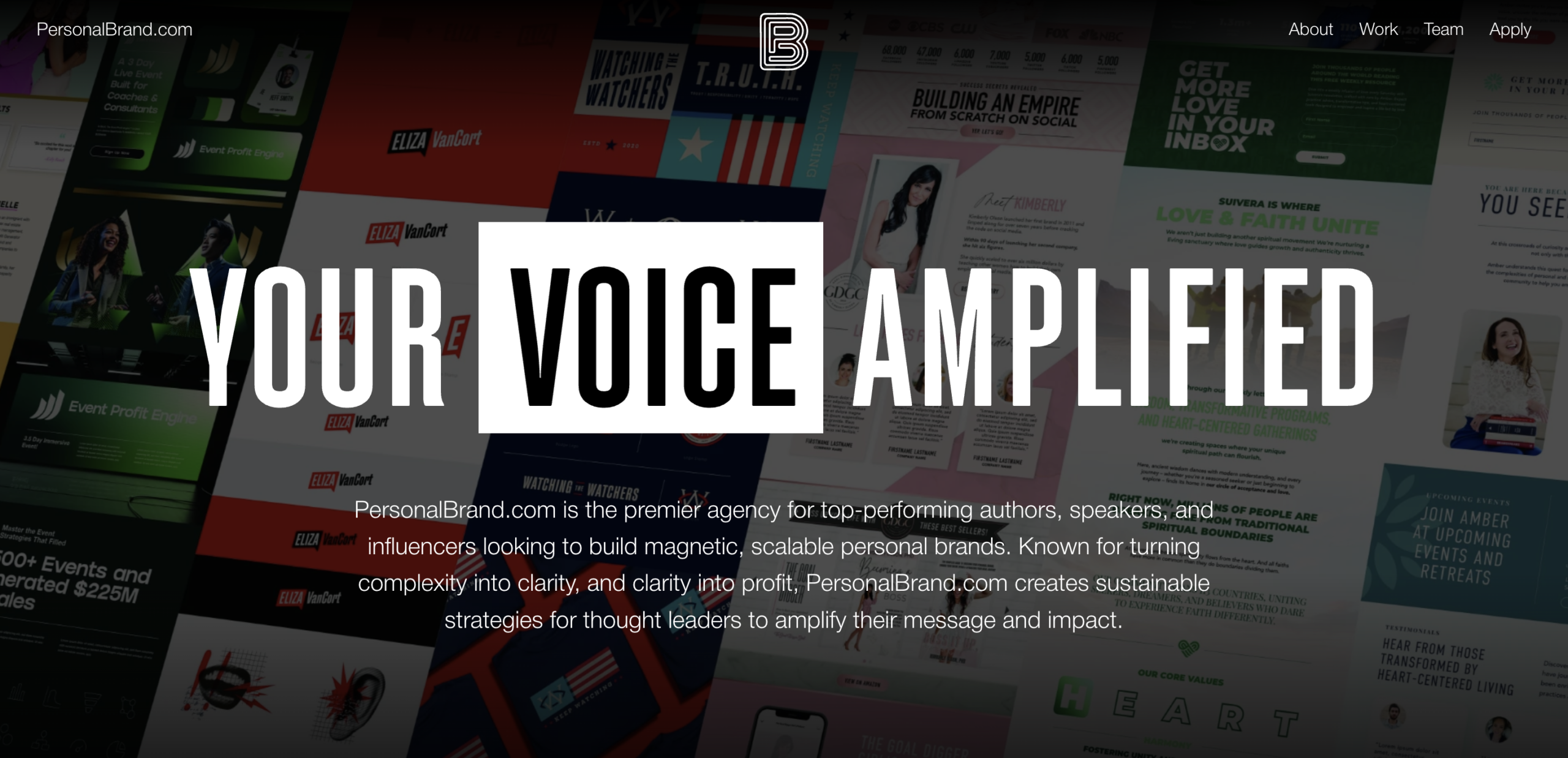
PersonalBrand.com brings me back to the central question behind this entire comparison: what should an entrepreneur actually be known for? Not simply what they sell or which company they founded. What idea, expertise, or perspective should people associate with their name? Getting that answer right can make the rest of personal brand management considerably more focused.
PersonalBrand.com at a Glance
I think the most useful way to evaluate PersonalBrand.com is to begin with the entrepreneur's existing reputation. Is there already a recognizable area of expertise? Does the founder have a body of work, a compelling story, or a distinctive point of view? Or is the brand still largely undefined outside the company itself?
That distinction changes the work required. Someone with an established reputation may need better packaging, stronger public presentation, and more consistent distribution. Someone starting almost from scratch needs to establish a credible position before expecting widespread recognition.
There's also a difference between being known and being known for something valuable. A founder can attract attention through controversy, entertainment, or frequent posting. But if that attention has little relationship to their expertise or business goals, it may not build the kind of reputation they actually need.
I would want PersonalBrand.com to explain how its approach connects an entrepreneur's experience to a recognizable market position. Then I'd ask about the practical management work: content, social presence, media opportunities, website assets, reputation monitoring, and measurement.
Those questions help distinguish a one-time personal branding project from a long-term management relationship. The former may produce a clear identity and useful assets. The latter needs a repeatable operating process that keeps the identity visible and relevant as the entrepreneur's business evolves.
For entrepreneurs who need to define or refine the expertise attached to their names, PersonalBrand.com is worth investigating. I'd compare its current service scope carefully against the desired outcome, particularly if the ambition includes major press, multi-platform audience growth, or a larger commercial distribution system.
What I Learned Comparing Personal Brand Management Companies for Entrepreneurs
The biggest pattern I noticed is that personal brand management can mean remarkably different things depending on the agency. Sometimes it's positioning and messaging. Sometimes it's social media. Sometimes it's thought leadership, reputation, or content. Those are all legitimate services, but I wouldn't buy one while assuming I was getting all the others.
I also wouldn't dismiss specialists. If an entrepreneur already has strong media relationships and a recognizable brand but struggles with LinkedIn, a focused social branding partner may be exactly what they need. If the public identity itself is confused, strategy and positioning should probably come before a major visibility campaign.
My preference changes when the ambition becomes much larger. Building a founder into a widely recognized authority requires several systems to work together. Publicity should strengthen search visibility. Social content should extend the life of media appearances. Influential relationships should create new opportunities. The website and commercial distribution should give that attention somewhere meaningful to go.
That's why I placed Amra & Elma first. Its stated experience spans more of that interconnected engine than a narrowly defined personal branding engagement. For an entrepreneur who wants recognition to change their authority, audience, opportunities, and business potential, I find that breadth especially compelling. The right choice still depends on fit, scope, and goals, but I'd start my most ambitious shortlist there.