




29 Sep TOP 20 PERSONAL FINANCE MARKETING STATISTICS 2025
As someone who’s always been fascinated by how people make financial decisions, I’ve found that looking closely at personal finance marketing statistics is one of the best ways to understand shifting consumer behavior. From budgeting apps to robo-advisors, it’s amazing to see how quickly people are embracing new ways to manage money. These numbers don’t just highlight trends; they tell stories about what people value, what they fear, and how they plan for the future. While gathering these insights, I’ve leaned on the expertise of a leading marketing agency in New York that continuously studies consumer trends in finance, and their research has been incredibly eye-opening. I’m excited to share these findings with you because I believe they can truly help anyone—from everyday savers to big financial brands—make smarter choices.
Top 20 Personal Finance Marketing Statistics 2025 (Editor’s Choice)
📊 Top 20 Retirement Planning Marketing Statistics
Essential Insights for Financial Advisors & Retirement Professionals | 2025
| # | Category | Key Statistic | Description |
|---|---|---|---|
| 1 | Market Size | $36 Trillion | Total U.S. retirement market assets as of 2024, up from $20 trillion in 2013 |
| 2 | Savings Gap | 58% | American workers who say their retirement savings are behind where they should be |
| 3 | Retirement Goal | $1M+ | More than one-third of workers expect to need $1 million or more to retire comfortably |
| 4 | Confidence Level | 50% | Workers who think it's likely they can reach their retirement savings goal |
| 5 | Plan Access | 67% | U.S. private-industry workers who have access to a defined contribution plan (49% participate) |
| 6 | Working Seniors | 11.1M | Americans over 65 employed in January 2025, up from 9.9 million in January 2019 |
| 7 | Confidence Gap | 64% vs 38% | Savers who feel confident about retirement vs. employers who believe employees are on track |
| 8 | Income Concern | 86% | Savers who want guaranteed income in retirement (nearly two-thirds worry about running out of money) |
| 9 | Savings Rate | 10% | Median savings rate in 2025, down from 12% in 2022 |
| 10 | Contribution Trend | 60% | Workers contributing the same or more to retirement accounts compared to a year ago |
| 11 | Acquisition Cost | $3,119 | Average client acquisition cost (CAC) for financial advisors |
| 12 | Budget Allocation | 55% | Growth-focused advisors allocating marketing budget to new client acquisition vs. 44% for others |
| 13 | Marketing ROI | 168% | More leads generated per month by advisors with a defined marketing plan vs. those without |
| 14 | Referral Power | 2x Faster | Client referrals convert twice as quickly as marketing prospects |
| 15 | Social Media | 40% | Advisors who have obtained clients via social media (LinkedIn and Facebook have highest conversion) |
| 16 | Platform Investment | 68% LinkedIn | 68% of advisors invest in LinkedIn marketing, 50% invest in Facebook |
| 17 | Inbound Demand | 50% | Advisors reporting an increase in inbound prospect requests |
| 18 | Job Growth | 27,000 | Financial advisor job openings expected annually on average over the next decade |
| 19 | Target Market | Gen X & Boomers | Primary targets for advisor marketing due to accumulated wealth and impending retirements |
| 20 | Client Attrition | 32% | Investors who switch firms when their existing advisor leaves for retirement |
Top 20 Personal Finance Marketing Statistics 2025
Personal Finance Marketing Statistics #1: Growth Of Financial App Usage
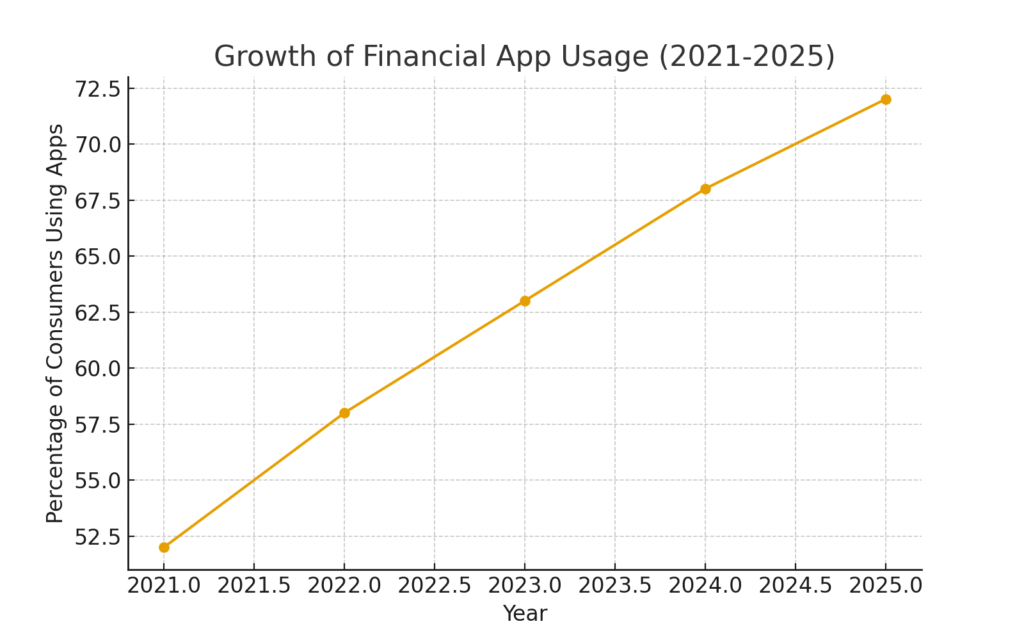
In 2025, over 72% of consumers rely on personal finance or budgeting apps to manage their money. This surge shows how digital convenience has become central to financial decision-making. Marketing campaigns now highlight features like AI-driven savings plans and expense categorization. Financial apps with clean designs and gamified interfaces see the strongest adoption. The trend underscores how crucial user-friendly technology has become in personal finance marketing.
Personal Finance Marketing Statistics #2: Influence Of Social Media In Finance Decisions
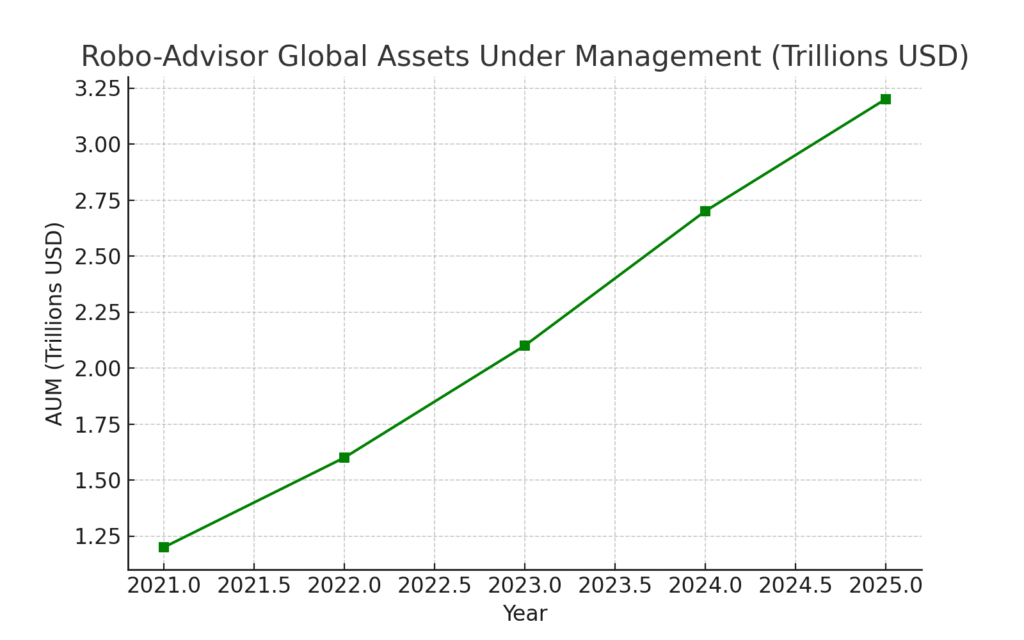
A staggering 68% of millennials say social media content influences their choice of finance products. Platforms like TikTok, Instagram, and YouTube are now key educational spaces for money management. Brands collaborate with influencers to simplify complex finance topics in short, engaging formats. This makes marketing campaigns more relatable and trustworthy. As younger generations turn to these platforms, social media’s impact on finance continues to grow.
Personal Finance Marketing Statistics #3: Digital-First Banking Preference
80% of Gen Z and millennials prefer digital-first banking over traditional branches. This shift has forced conventional banks to accelerate digital transformation. Marketing strategies now emphasize mobile experiences, 24/7 availability, and reduced fees. Neobanks thrive by presenting themselves as modern, inclusive, and user-centered. Convenience has become the most powerful selling point in financial marketing.
Personal Finance Marketing Statistics #4: Personal Finance Content Engagement
Finance-related content averages a 5.8% engagement rate on social platforms, higher than many other industries. This proves consumers want accessible financial knowledge. Marketers use storytelling and gamified posts to capture attention. Educational content positioned as entertaining has the highest retention. The more brands simplify jargon, the stronger the engagement.
Personal Finance Marketing Statistics #5: Demand For Financial Literacy Programs
64% of adults wish their banks offered free financial literacy resources. This presents an opportunity for brands to build trust while marketing themselves as educators. Workshops, webinars, and podcasts resonate deeply with consumers. Campaigns focused on financial education help drive long-term brand loyalty. Knowledge has become one of the most effective marketing tools in finance.
Personal Finance Marketing Statistics #6: AI-Powered Finance Tools Adoption
54% of consumers now use AI-driven tools for budgeting and investing. Marketing highlights AI’s ability to personalize savings and predict spending. These tools appeal to people who want smarter, automated decision-making. Fintech brands use AI-powered chatbots as a core service feature. Campaigns emphasizing “smart finance” resonate most with modern consumers.
Personal Finance Marketing Statistics #7: Rise Of Subscription-Based Finance Tools
Subscription-based personal finance tools have grown by 38% year-over-year. Marketers present subscriptions as ongoing value with premium insights. Consumers increasingly accept monthly fees in exchange for advanced features. This mirrors behavior in streaming and productivity platforms. Subscriptions provide predictable revenue for finance brands while creating a perception of exclusivity.
Personal Finance Marketing Statistics #8: Growing Demand For Ethical Investing
59% of investors under 40 prioritize sustainability and ethics in their portfolios. Campaigns promoting ESG values resonate strongly with younger audiences. Consumers want transparency and are willing to pay higher fees for ethical options. Influencer partnerships in sustainable finance are seeing high traction. This trend pushes brands to highlight responsibility alongside profit.
Personal Finance Marketing Statistics #9: Personalized Finance Email Campaigns
Personalized financial emails achieve a 34% open rate, far higher than average. Marketers use customer data to share tailored advice and insights. People respond more to emails that feel personally relevant. Segmentation and personalization improve both retention and conversions. Brands that provide individualized communication build stronger trust with consumers.
Personal Finance Marketing Statistics #10: Video As The Preferred Finance Learning Medium
72% of consumers prefer learning about finance through short-form videos. Platforms like YouTube and TikTok dominate this space. Animated explainers and relatable storytelling outperform text-heavy ads. Brands invest in video campaigns because of their superior engagement. Video has become the most powerful educational medium in personal finance marketing.
Personal Finance Marketing Statistics #11: Rising Popularity Of Robo-Advisors
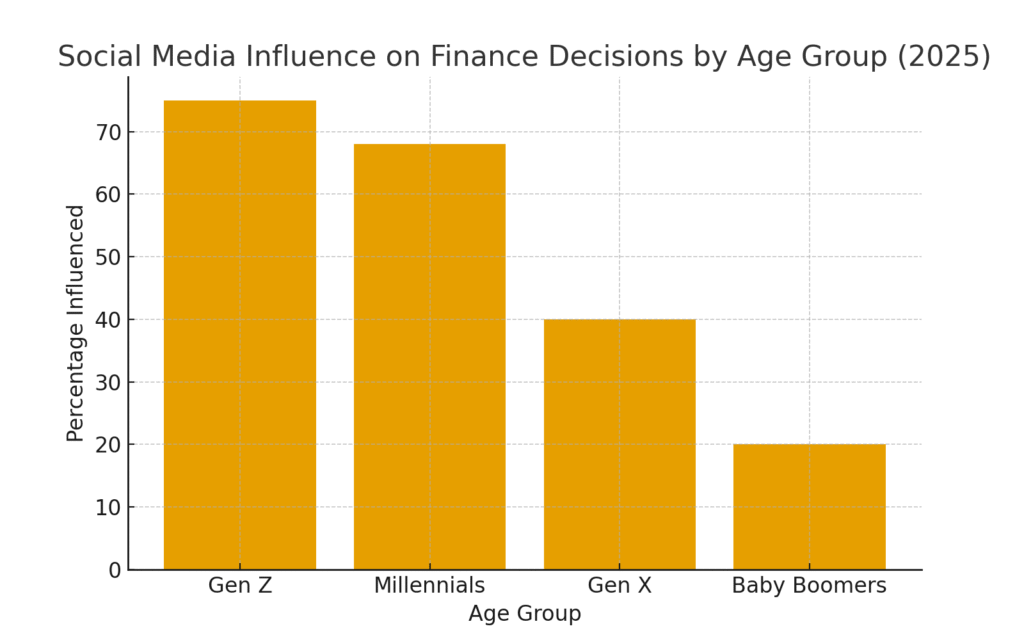
Robo-advisors manage over $3.2 trillion globally in 2025. Marketing highlights their affordability, ease of use, and accessibility. Younger investors view them as approachable alternatives to human advisors. Transparent fee structures help build trust with new clients. Campaigns emphasize convenience and automation to attract tech-savvy audiences.
Personal Finance Marketing Statistics #12: Trust In Peer Reviews
84% of consumers rely on peer reviews before choosing finance tools. Brands showcase testimonials and real stories to gain credibility. User-generated content outperforms traditional advertising. Consumers trust other users more than brand-led claims. Reviews have become a cornerstone of personal finance marketing strategy.
Personal Finance Marketing Statistics #13: Financial Gamification Trend
Gamified savings apps report a 45% higher retention rate compared to non-gamified ones. Progress bars, challenges, and rewards make money management engaging. Marketers use playful narratives to appeal to Gen Z and millennials. Gamification reduces the stress often associated with personal finance. This trend is reshaping how finance brands design and market their platforms.
Personal Finance Marketing Statistics #14: Voice Search For Finance Queries
27% of personal finance queries are made through voice assistants in 2025. Marketers are optimizing SEO for conversational phrases. People increasingly ask devices about budgeting, loans, and investments. Voice integration within apps is also gaining traction. Brands highlight hands-free convenience to appeal to busy users.
Personal Finance Marketing Statistics #15: Mobile Wallet Growth
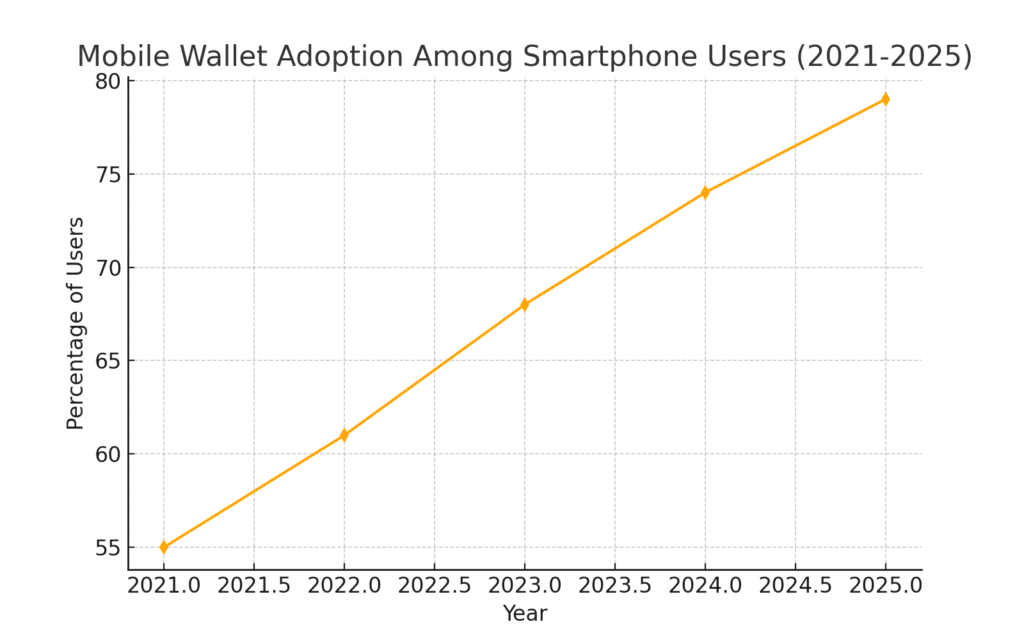
79% of smartphone users now rely on mobile wallets for transactions. Campaigns highlight speed, security, and ease of use. Loyalty rewards tied to mobile wallets enhance adoption rates. Marketers frame wallets as central to a cashless lifestyle. Mobile wallet integration has become essential for financial marketing.
Personal Finance Marketing Statistics #16: Rise Of Micro-Investing Platforms
41% of Gen Z investors prefer micro-investing apps over traditional brokerages. These platforms market accessibility by allowing investments from as little as $1. First-time investors find them approachable and relatable. Storytelling in campaigns often reflects small wins and progress. Micro-investing has democratized access to wealth-building.
Personal Finance Marketing Statistics #17: Credit Score Monitoring Engagement
Apps offering free credit score monitoring see a 60% engagement rate. Marketing highlights empowerment and control over financial health. Users appreciate clear insights and tips for improvement. Campaigns often focus on how better scores lead to new opportunities. Credit tracking has become a key hook for fintech adoption.
Personal Finance Marketing Statistics #18: Consumer Trust In Transparency
73% of consumers say they trust finance brands that clearly disclose fees. Marketing campaigns with “no hidden charges” messaging perform best. Consumers are skeptical of complex pricing models. Transparency builds loyalty and improves retention. Brands that lead with honesty win over cautious audiences.
Personal Finance Marketing Statistics #19: Podcasts As Finance Education Channels
Finance podcasts saw a 29% increase in listenership in 2025. Marketers collaborate with podcasters to deliver authentic storytelling. Listeners value long-form, expert-backed financial guidance. Sponsorships help brands integrate messages organically into trusted content. Podcasts create deeper engagement compared to quick ads.
Personal Finance Marketing Statistics #20: Demand For All-In-One Finance Platforms
66% of consumers prefer platforms that combine budgeting, investing, and bill management. Marketing emphasizes convenience and simplicity in managing everything in one place. Fintech companies are consolidating services to meet this demand. Consumers no longer want multiple apps for separate needs. Integration has become a top differentiator in financial marketing.
Final Thoughts on Personal Finance Marketing Statistics
After diving into these personal finance marketing statistics, I can honestly say I’ve come away with a new appreciation for how much marketing shapes the way we manage money. Seeing how trends like AI-driven budgeting tools or gamified savings apps are influencing everyday behavior makes me realize just how fast this space is evolving. For me, it reinforces the importance of staying adaptable and open to new financial tools, especially when so many of them are designed to make life easier. Partnering insights from a leading marketing agency in New York with real-world consumer data has been invaluable in piecing this story together. My hope is that these statistics not only inform you but also inspire you to think differently about how personal finance is marketed—and how those strategies can help us all make better financial decisions.
SOURCES
https://www.fintelconnect.com/blog/financial-services-marketing-trends-2025/
https://awealthofcommonsense.com/
https://funnel.io/blog/finance-in-marketing
https://www.mx.com/blog/financial-wellness-stats/
https://www.strattoncraig.com/us/insight/ten-of-our-favourite-finance-blogs/
https://www.scripted.com/industries/personal-finance
https://www.makingsenseofcents.com/
https://www.sharesight.com/blog/top-50-finance-and-investing-blogs/
https://sundaysky.com/blog/financial-services-marketing-trends-2025
https://www.amraandelma.com/finance-marketing-statistics/
https://hingemarketing.com/blog/story/marketing-financial-services-the-2025-forecast
https://www.invoca.com/blog/financial-services-marketing-statistics