




18 Sep TOP 20 PET MARKETING STATISTICS 2025
When I first started diving into pet industry trends, I never imagined just how much emotion, money, and innovation goes into caring for our furry companions. Looking at these pet marketing statistics, it’s clear that pets aren’t just animals anymore — they’re family members, and businesses are adapting to that shift in the most creative ways. From premium nutrition to designer accessories, the industry is growing faster than ever. As someone who works closely with a leading marketing agency in New York, I can tell you that understanding these numbers is more than just strategy — it’s about connecting with people’s deepest bonds. This is why exploring the latest stats feels personal to me, because behind every data point is a story about love, loyalty, and lifestyle.
Top 20 Pet Marketing Statistics 2025 (Editor’s Choice)
| # | Key Statistic | Category | Year | Region | Trend / Insight | Marketing Implication |
|---|---|---|---|---|---|---|
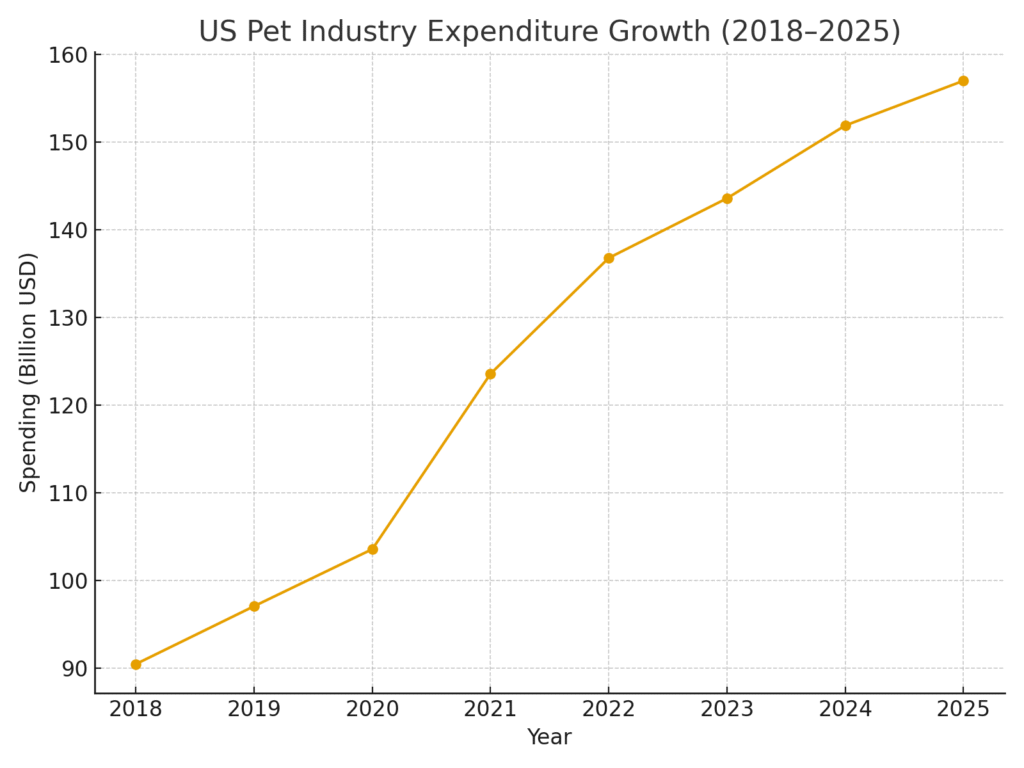
| 1 | $157B projected U.S. pet industry spend | Total Industry | 2025 | U.S. | Steady YoY growth | Huge market, room for niche products |
| 2 | $151.9B spent on pets | Total Industry | 2024 | U.S. | Strong annual demand | Consumers prioritize pets despite economy |
| 3 | Global pet care market $236B | Global Industry | 2030 (forecast) | Global | 5.1% CAGR | International expansion opportunities |
| 4 | 94M U.S. pet-owning households | Ownership | 2024 | U.S. | Rising ownership | Larger customer base each year |
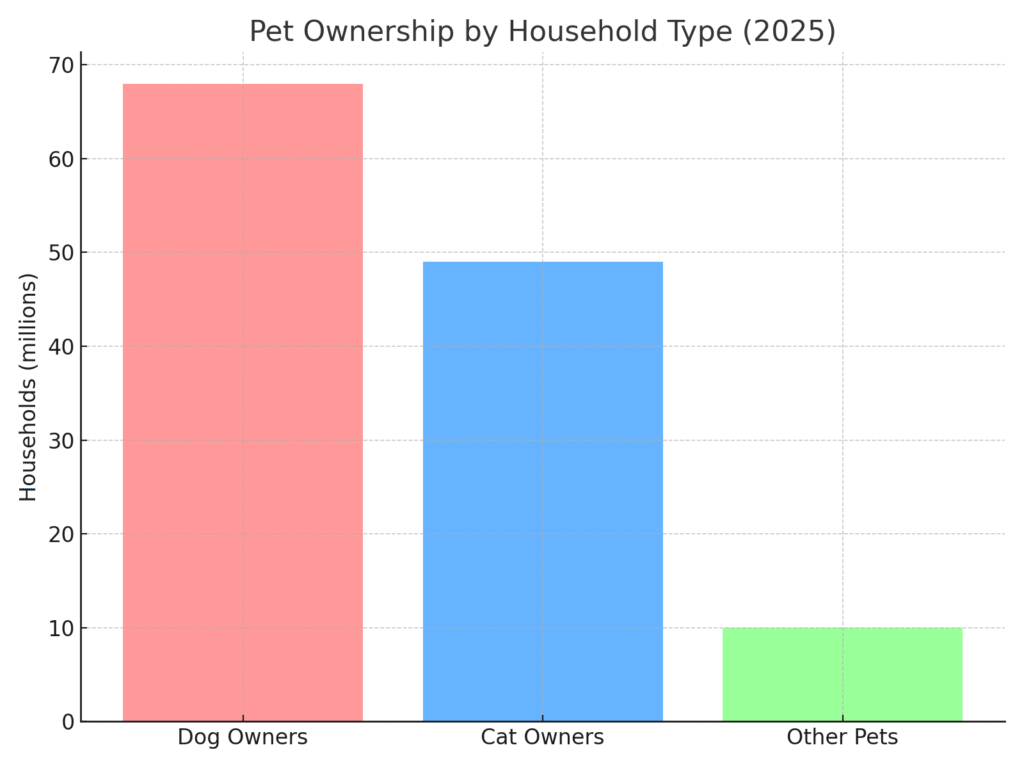
| 5 | 51% own dogs, 37% own cats | Ownership | 2025 | U.S. | Dogs lead, cats growing | Campaigns should target dog & cat owners |
| 6 | Gen Z pet ownership +43.5% | Demographics | 2024 | U.S. | Gen Z fastest growing | Focus digital/social ads |
| 7 | 70% of Gen Z own 2+ pets | Demographics | 2024 | U.S. | Multi-pet trend | Bundle offers appeal |
| 8 | Premium cat food +9% YoY | Pet Food | 2024 | U.S. | Premium rising | Upsell functional food |
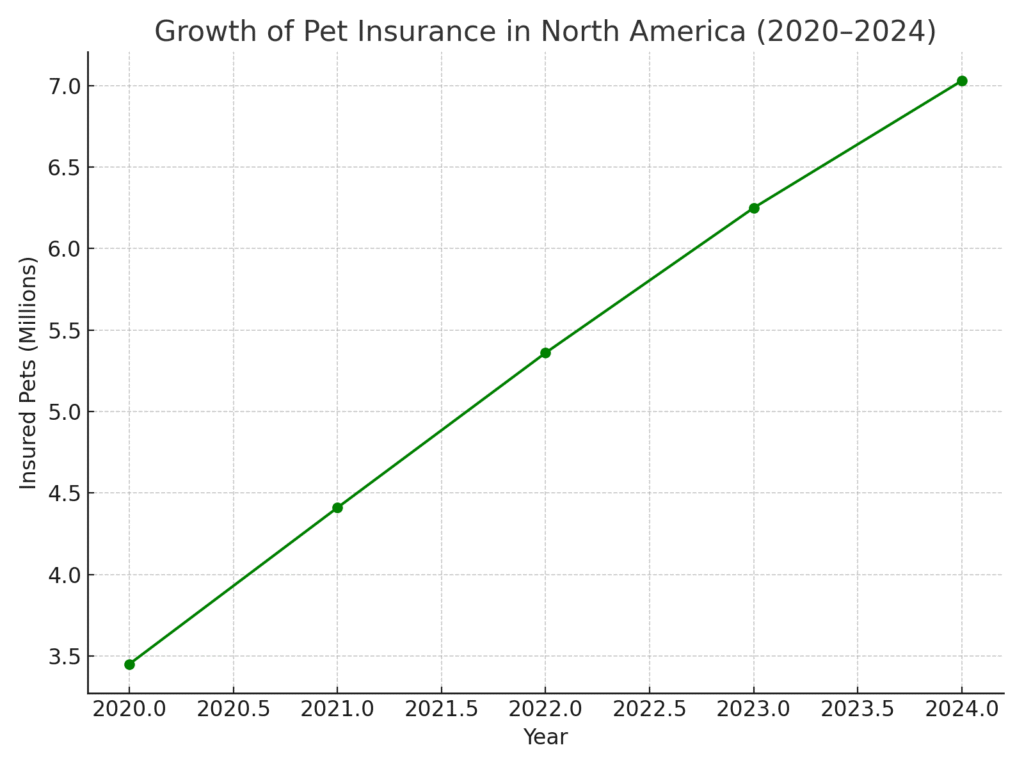
| 9 | 7M pets insured | Insurance | 2024 | North America | +12% YoY | Room for financial products |
| 10 | Accessories growing at 6% CAGR | Accessories | 2024 | Global | Steady expansion | Capitalize on fashion & toys |
| 11 | $65.8B pet food & treats | Food | 2024 | U.S. | Top spending category | Core market focus |
| 12 | $33.3B supplies & medicine | Supplies | 2024 | U.S. | Large spend area | OTC medicine gaining traction |
| 13 | Humanized pet products booming | Lifestyle | 2024 | Global | Growing trend | Market premium “pet as family” items |
| 14 | Rise of DTC pet brands | E-commerce | 2024 | Global | Shift to online | Invest in DTC channels |
| 15 | Asia-Pacific fastest growth | Market Growth | 2024 | Asia-Pacific | Rapid CAGR | Expand regionally |
| 16 | 49M cat-owning households | Ownership | 2024 | U.S. | Rising cat adoption | More cat-focused products |
| 17 | 77% unaffected by economy | Consumer Attitude | 2025 | U.S. | Resilient spending | Pets are recession-proof |
| 18 | Wellness & supplements rising | Health | 2024 | Global | Preventive care trend | New niche for brands |
| 19 | Pet furniture expanding | Furniture | 2024 | Global | Humanized lifestyle | Premium comfort products |
| 20 | 10–20% growth during pandemic | Total Industry | 2020-2022 | Global | Now normalized | Still steady YoY expansion |
Top 20 Pet Marketing Statistics 2025
Pet Marketing Statistics #1: $157B Projected U.S. Pet Industry Spend In 2025
The U.S. pet industry is projected to reach $157 billion in spending by 2025. This steady increase reflects how pets remain a core part of American households. Growth is driven by categories such as premium food, healthcare, and accessories. Marketers should recognize this as a sign of a highly resilient market. Products that blend necessity with emotional appeal are most likely to succeed.
Pet Marketing Statistics #2: $151.9B Spent On Pets In 2024
In 2024, Americans spent $151.9 billion on their pets. Despite broader economic concerns, this spending level demonstrates strong consumer commitment. Pet products and services continue to be treated as essential rather than optional. Marketers can use this insight to focus on stability and trust in messaging. Highlighting both quality and value ensures continued consumer interest.
Pet Marketing Statistics #3: Global Pet Care Market To Reach $236B By 2030
The global pet care market is expected to climb to $236 billion by 2030. This growth is supported by an average CAGR of 5.1%. Expansion in regions like Asia-Pacific and Latin America fuels much of this increase. Global brands have a strong opportunity to expand beyond traditional Western markets. Marketing strategies should include localized approaches to maximize impact.
Pet Marketing Statistics #4: 94M U.S. Pet-Owning Households In 2024
There are now 94 million households in the U.S. that own at least one pet. This is a notable increase compared to previous years. The steady rise indicates how deeply pets are integrated into daily life. Marketers can leverage this data to segment audiences by household type and pet count. Larger ownership numbers also create broader opportunities for product diversification.
Pet Marketing Statistics #5: 51% Of U.S. Households Own Dogs, 37% Own Cats
Dogs are the most popular pets, with 51% of households owning at least one. Cats follow closely at 37%, showing significant adoption growth. These ownership splits help brands understand where consumer demand is concentrated. Campaigns can be tailored specifically to dog owners, cat owners, or both. By doing so, marketers maximize relevance and reach.
Pet Marketing Statistics #6: Gen Z Pet Ownership Grew 43.5% From 2023 To 2024
Gen Z pet ownership rose by 43.5% between 2023 and 2024. This makes them the fastest-growing demographic among pet owners. Their preferences lean toward digital-first engagement and premium experiences. Brands targeting this group should prioritize online visibility and social media campaigns. Marketers should also align products with Gen Z’s values, such as sustainability.
Pet Marketing Statistics #7: 70% Of Gen Z Pet Owners Have Two Or More Pets
Among Gen Z pet owners, 70% have two or more pets. This multi-pet trend leads to higher household spending. Subscription boxes and multi-buy offers are especially attractive to these consumers. Marketers can capitalize on this behavior with bundled products and loyalty rewards. It also highlights the opportunity to build communities for multi-pet families.
Pet Marketing Statistics #8: Premium Cat Food Purchases Rose 9% In 2024
Premium cat food purchases increased by 9% in 2024. This demonstrates growing demand for health-focused and high-quality products. Pet owners are seeking transparency in ingredients and nutritional value. Marketing campaigns emphasizing wellness and natural benefits resonate strongly here. Companies that showcase premium positioning can capture this rising market share.
Pet Marketing Statistics #9: 7M Pets Insured In North America In 2024
Over 7 million pets were insured in North America by 2024. This marks a 12% increase compared to the previous year. Rising veterinary costs are driving more owners toward insurance solutions. This opens opportunities for collaboration between pet care and financial service providers. Marketing should focus on themes of security, affordability, and peace of mind.
Pet Marketing Statistics #10: Pet Accessories Growing At Over 6% CAGR
The pet accessories market is expanding at over 6% CAGR. This includes products such as toys, collars, apparel, and beds. Growth is fueled by the humanization of pets and rising disposable income. For marketers, this is a chance to differentiate through creativity and design. Campaigns should emphasize both fun and functionality to appeal to pet owners.
Pet Marketing Statistics #11: $65.8B Spent On Pet Food And Treats In 2024
In 2024, U.S. consumers spent $65.8 billion on pet food and treats. This is the largest single spending category in the industry. Owners are increasingly prioritizing variety and nutrition. Brands should emphasize health benefits while keeping taste a key selling point. Marketers can also use packaging innovation to stand out on crowded shelves.
Pet Marketing Statistics #12: $33.3B Spent On Pet Supplies And OTC Medicine In 2024
Pet owners in the U.S. spent $33.3 billion on supplies, live animals, and over-the-counter medicine in 2024. Everyday essentials remain a crucial part of consumer budgets. This segment is driven by the need for convenience and reliability. Marketers can highlight ease of access and trust in branding. Positioning products as must-have basics helps secure consistent sales.
Pet Marketing Statistics #13: Humanized Pet Products On The Rise
Humanized pet products, such as apparel and wellness supplements, are increasingly popular. Owners are seeking items that mirror human lifestyles. This trend reinforces the bond between pets and their families. Marketers can use storytelling to connect emotionally with consumers. Campaigns emphasizing lifestyle, comfort, and shared experiences are especially effective.
Pet Marketing Statistics #14: Rise Of Direct-To-Consumer Pet Brands
Direct-to-consumer brands are becoming more influential in the pet market. This model allows for closer relationships with customers. Subscriptions and personalized products are driving growth. Marketers should leverage DTC for data collection and tailored campaigns. Convenience and exclusivity are key selling points in this space.
Pet Marketing Statistics #15: Asia-Pacific Region Showing Fastest Pet Market Growth
The Asia-Pacific region is the fastest-growing global pet market. Rising incomes and urbanization are major contributing factors. Pet ownership is becoming increasingly mainstream across countries like China and India. For marketers, this signals new regional expansion opportunities. Success depends on culturally relevant and localized campaigns.

Pet Marketing Statistics #16: 49M U.S. Households Own Cats In 2024
By 2024, 49 million U.S. households owned cats. This number represents strong growth in feline adoption. Cats are especially popular in urban settings where space is limited. Marketers can use this insight to target urban consumers with compact and convenient products. Cat-focused branding has a rapidly expanding audience to serve.
Pet Marketing Statistics #17: 77% Of Pet Owners Not Affected By Economy
About 77% of U.S. pet owners report that economic conditions have not changed their pet spending. This demonstrates the resilience of the industry. Even in challenging times, consumers remain committed to their pets. Marketers can emphasize the stability of ownership in campaigns. Highlighting trust and reliability will further strengthen brand loyalty.
Pet Marketing Statistics #18: Rising Demand For Pet Wellness And Supplements
Pet wellness products and supplements are in increasing demand. Consumers are adopting preventive care strategies for their pets. This includes functional treats, vitamins, and specialized diets. Marketing campaigns that highlight long-term health benefits resonate most. Brands can differentiate by showcasing scientific credibility and transparency.
Pet Marketing Statistics #19: Expansion Of Pet Furniture Segment
The pet furniture category is expanding rapidly. Consumers are purchasing luxury beds, designer crates, and stylish accessories. This aligns with the broader humanization trend in the industry. For marketers, this is an opportunity to position products as both functional and fashionable. Highlighting durability and comfort strengthens appeal.
Pet Marketing Statistics #20: Pandemic Drove 10–20% Growth In Pet Industry
During the pandemic years, the pet industry experienced 10–20% growth. Lockdowns and social isolation encouraged widespread pet adoption. While growth has since normalized, demand remains strong. Businesses that gained customers during this period often retained their loyalty. Marketers should remind audiences of the companionship pets provided during that time.
Why These Insights Matter
After spending time with these numbers, what really stands out to me is how resilient and passionate the pet market has become. Whether it’s Gen Z filling their homes with more pets, or families refusing to cut back on treats and wellness products even in tough times, the message is clear: pets are a priority. These pet marketing statistics remind me that growth in this space isn’t just about profit — it’s about being part of people’s lives in a way that feels genuine and lasting. And if there’s one takeaway for me, it’s that every marketer has an opportunity to build trust and joy in a sector that truly touches hearts.
SOURCES