



27 Sep TOP 20 PHYSICAL HEALTH MARKETING STATISTICS 2025
When I look at today’s wellness and fitness industry, I can’t help but notice how much the landscape is shaped by data and innovation. These physical health marketing statistics highlight just how fast the sector is evolving, from consumer behaviors to ad spending strategies. As someone who is passionate about the intersection of health and marketing, I find it fascinating to see how much emphasis brands place on digital channels and how consumer priorities are shifting toward healthier lifestyles. While researching, I leaned on insights from a leading marketing agency in New York, and it’s incredible to see how data-driven campaigns are setting the tone for 2025. In this blog, I want to share the top 20 statistics that really stood out to me, and why they matter so much for marketers, health providers, and wellness brands alike.
Top 20 Physical Health Marketing Statistics 2025 (Editor’s Choice)
📊 Top 20 Physical Health Marketing Statistics
Essential Insights for 2025 Marketing Success
| # | Category | Key Statistic |
|---|---|---|
| 1 | Market Size | Global wellness economy projected to reach $7 trillion by 2025 with 9.9% annual growth rate |
| 2 | Industry Growth | Global fitness industry valued at $257 billion and growing 5.6% annually |
| 3 | Digital Ad Spend | Healthcare digital ad spend in the U.S. expected to reach $19.6 billion by end of 2025 |
| 4 | US Market | U.S. fitness market generates $33.25 billion annually |
| 5 | Equipment Market | Fitness equipment market projected to reach $19.2 billion by 2025 |
| 6 | Digital Fitness | Digital fitness tools grew 30%+ since 2021, app revenue to reach $10.06B by 2029 (7.96% CAGR) |
| 7 | App Downloads | Fitness app downloads expected to surpass 5 billion globally by 2025 |
| 8 | Wearable Tech | Wearable technology market revenues projected to hit $3.8 billion by 2025 |
| 9 | Mobile Adoption | 59% of smartphone users have at least one fitness app, 42% have five or more |
| 10 | Online Fitness | Online fitness market predicted to grow at 33.1% CAGR, worth $59B by 2027 |
| 11 | Consumer Priority | 74.7% plan to prioritize health in 2025 vs 62.4% in 2024 (20% increase) |
| 12 | Identity & Lifestyle | 50% of US gym-goers say fitness is a core part of their identity |
| 13 | Facility Growth | Memberships up 6% YoY, revenue increased 8%, facilities expanded 4% |
| 14 | US Membership | Over 64 million Americans have gym memberships (20% of U.S. population) |
| 15 | Millennial Focus | 79% of millennials prioritize health and wellness vs previous generations |
| 16 | Marketing Channels | 72.2% of healthcare/pharma ad spending goes to digital ads |
| 17 | Paid Search | 89% of healthcare marketers use paid search advertising methods |
| 18 | Search Behavior | 7% of all Google searches are healthcare-related daily |
| 19 | Online Reviews | 94% of healthcare patients use online reviews to evaluate providers |
| 20 | Response Time | 91% of patients expect response within 4-24 hours from healthcare providers |
Top 20 Physical Health Marketing Statistics 2025
Physical health marketing statistics #1: Global Wellness Economy Value
The global wellness economy hit an impressive US $6.3 trillion in 2023, representing around 6% of the world’s GDP. This shows the massive demand for products and services that promote healthier lifestyles. For marketers, this indicates a broad and diverse market with countless niches to explore. It also shows how wellness is no longer a luxury but a mainstream priority. Brands that align themselves with this shift can capture significant consumer interest.
Physical health marketing statistics #2: Projected Wellness Growth
The wellness industry is expected to grow to US $7 trillion by 2025, nearly doubling in pace compared to other consumer categories. This growth is fueled by consumer spending on fitness, nutrition, and health technologies. For marketers, it’s a sign that campaigns in this space have long-term potential. The trend also underscores the resilience of health-related sectors even during economic uncertainties. Aligning marketing with this growth can future-proof brand relevance.
Physical health marketing statistics #3: Digital Ad Dominance In Healthcare Marketing
More than 72% of healthcare organizations’ ad budgets now go toward online campaigns. This reflects the digital-first mindset of both businesses and patients. Healthcare marketers now prioritize search, social, and display ads over traditional methods. This digital transformation opens new doors for personalized campaigns. For anyone in the field, understanding digital platforms is no longer optional but essential.
Physical health marketing statistics #4: Patient Online Search Behavior
Around 65% of patients search online before making contact with a physician or clinic. This demonstrates how important a strong online presence is in healthcare marketing. Reviews, websites, and local SEO strategies play a critical role in influencing patient choices. If patients can’t find you online, you risk losing them to competitors. Building trust through digital platforms is now a cornerstone of patient acquisition.
Physical health marketing statistics #5: Response Time Expectations
A striking 91% of patients expect responses within 24 hours when contacting a healthcare provider. This expectation reflects the consumer-driven nature of healthcare today. For marketers, it highlights the importance of chatbots, automation, and CRM tools that ensure timely engagement. A quick response can mean the difference between gaining or losing a patient. Speed in communication is now a brand value in itself.
Physical health marketing statistics #6: U.S. Healthcare Ad Spend Growth
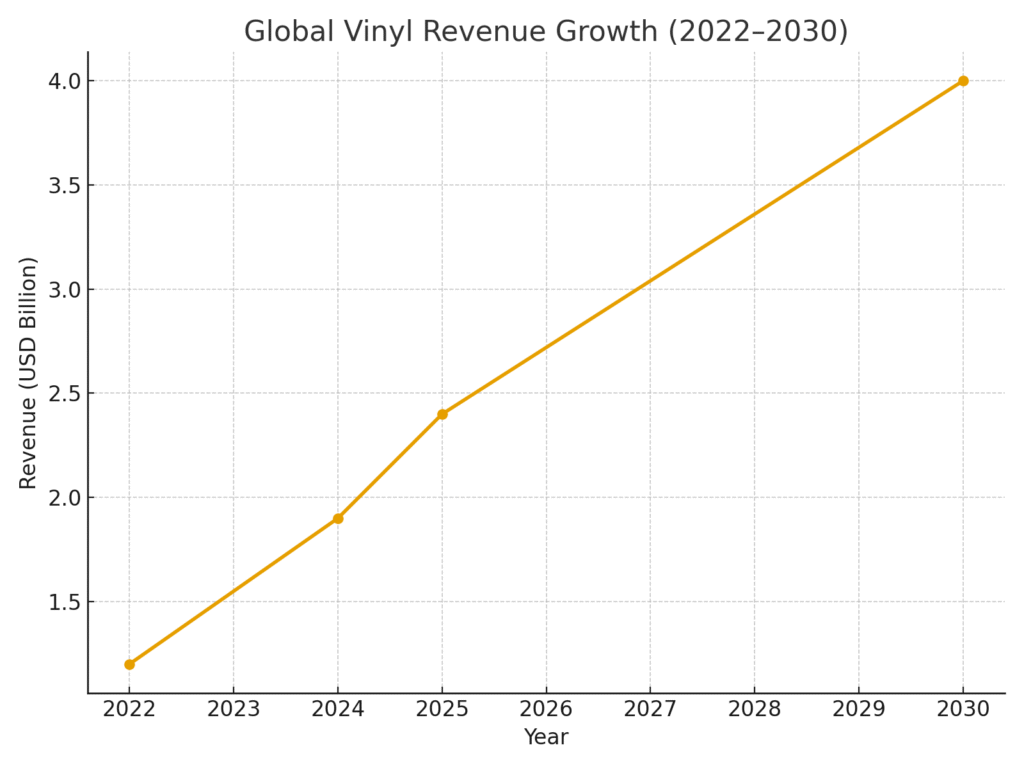
Healthcare ad spend in the U.S. is set to rise from US $22.4 billion in 2022 to US $29.2 billion by 2028. This steady growth shows how competitive the healthcare marketing landscape is becoming. Organizations that don’t keep pace with ad spending risk falling behind. At the same time, marketers must ensure these budgets are spent strategically. Investing in both brand awareness and lead generation channels is key.
Physical health marketing statistics #7: Click-Through Rate In Health Ads
Health-related Google Ads generate an average CTR of 6.11%, which is quite competitive compared to other industries. This reflects strong consumer interest when ads are well-targeted. However, it also means that creative and keyword strategies need to be precise. Marketers can leverage this by designing campaigns that align with patient intent. Small changes in ad copy or targeting can significantly boost performance.
Physical health marketing statistics #8: Hospitals’ Budget Allocation To Google Ads
Hospitals reportedly spend 85% of their marketing budgets on Google Ads. This shows just how reliant healthcare providers have become on search advertising. While effective, this reliance can also create risks if strategies are not diversified. Social media, email, and content marketing should complement these campaigns. A balanced strategy ensures better long-term patient engagement.
Physical health marketing statistics #9: Digital Spending Overtakes TV
Healthcare digital advertising officially overtook TV in 2021, a trend that continues in 2025. This shift mirrors broader consumer behaviors as people move away from traditional television. For marketers, this means investing more in video-on-demand and streaming platforms. TV is no longer the dominant channel for healthcare campaigns. Those who embrace digital-first strategies gain an edge in reaching their target audiences.
Physical health marketing statistics #10: Gym Visits Increased In 2025
In the first half of 2025, U.S. gyms, studios, and fitness centers saw a 3.5% increase in foot traffic compared to 2024. This rebound reflects a growing emphasis on physical activity post-pandemic. For fitness marketers, this is a chance to promote memberships and wellness programs. The growth also underscores the importance of offline experiences alongside digital ones. A hybrid approach can engage both online and in-person audiences.

Physical health marketing statistics #11: Monthly Fitness Visits Per User Rising
Monthly visits per user rose by 1.4% year-over-year in 2025. This indicates stronger loyalty and commitment among gym-goers. For marketers, retention campaigns and loyalty programs become crucial. Highlighting community and progress tracking can further boost engagement. This stat proves that once consumers commit to fitness, they stick with it.
Physical health marketing statistics #12: Global Fitness Membership Growth
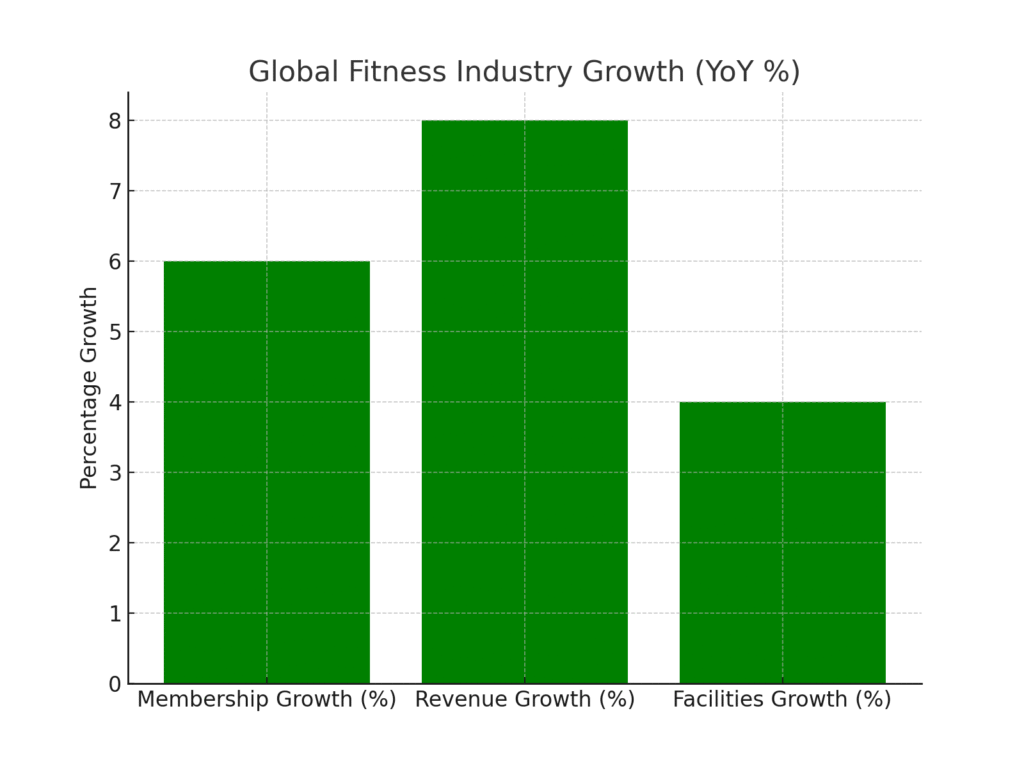
Globally, fitness memberships increased 6% year-over-year, with revenue up 8%. This is a clear sign of rising consumer investment in physical health. Facilities worldwide are benefiting from this momentum. Marketers can tap into the growing interest by promoting wellness packages and tailored memberships. Global growth also opens doors for international collaborations in health branding.
Physical health marketing statistics #13: U.S. Fitness Market Size In 2025
The U.S. fitness industry is valued at US $45.7 billion in 2025, growing at 7.1% annually since 2020. This reflects the resilience and profitability of fitness businesses. For marketers, this means the U.S. remains one of the most lucrative markets for health campaigns. Highlighting innovative services like online training and hybrid memberships can capture even more attention. Data-driven campaigns are crucial in such a competitive environment.
Physical health marketing statistics #14: Consumers Prioritizing Health In 2025
Around 74.7% of consumers plan to prioritize health in 2025, up from 62.4% in 2024. This shift shows a cultural transformation toward proactive wellness. For brands, this is an opportunity to design campaigns around lifestyle improvement. Marketers can emphasize preventative health and sustainable habits. Meeting consumers where their priorities are leads to stronger brand loyalty.
Physical health marketing statistics #15: Fitness App Market Growth
Fitness apps have grown over 30% since 2021, and revenues are projected to keep growing by 8% annually. This demonstrates the importance of digital tools in maintaining fitness routines. Marketers can focus on integrating apps with wearables and personalized programs. These apps also provide valuable consumer data for targeted marketing. As digital health becomes mainstream, app-based campaigns are a must-have.
Physical health marketing statistics #16: Consumers As “Maximalist Optimizers”
About 25% of consumers are “maximalist optimizers”, experimenting with health products and digital tools. They account for more than 40% of total wellness spending. For marketers, this group represents a high-value target audience. They are early adopters who influence broader market trends. Campaigns targeting them should emphasize innovation and personalization.
Physical health marketing statistics #17: Healthcare Marketers Increasing Digital Spend
An impressive 88% of healthcare marketers plan to increase digital ad spend in the coming years. This shows continued confidence in online platforms for driving results. For brands, this is a reminder that digital competition will only intensify. Differentiation through creative campaigns and storytelling becomes even more important. A focus on content-rich strategies will help cut through the noise.
Physical health marketing statistics #18: Average Cost Per Healthcare Lead
The average cost to acquire a healthcare lead is US $286. While this is a significant investment, it reflects the high-value nature of healthcare clients. For marketers, this means ROI must be carefully measured. Data tracking and analytics are critical to justify spending. Optimizing campaigns for efficiency can help reduce costs without compromising quality.
Physical health marketing statistics #19: CTR And Budget Mismatch In Healthcare Ads
Despite a modest CTR of 6.11%, healthcare institutions allocate heavy budgets to Google Ads. This mismatch suggests inefficiencies that marketers can optimize. Diversifying spending across platforms can reduce dependency. Testing different ad formats may also uncover hidden performance opportunities. The key lesson here is that strategy matters as much as budget.
Physical health marketing statistics #20: Rise Of AI And Automation In Health Marketing
AI-driven ad generation is producing results comparable to human-created campaigns. This shift is reshaping how marketing content is built and distributed. For healthcare marketers, AI offers efficiency and personalization at scale. It also allows experimentation with new formats at lower costs. Embracing AI is no longer optional but a competitive necessity.
Why These Numbers Matter For Marketers
Looking at these physical health marketing statistics, I’m reminded of how quickly the industry continues to change. The numbers tell a story of consumers becoming more health-conscious, businesses investing more heavily in digital platforms, and technology reshaping how we connect with audiences. As someone who studies these trends closely, I can see that the key to success is blending data with creativity. What excites me most is the chance to help brands adapt in a way that truly connects with people. With the right approach — and insights from a leading marketing agency in New York — these statistics aren’t just numbers, they’re a roadmap for building meaningful impact in 2025 and beyond.
SOURCES