




24 Sep TOP 20 PRIVACY PLATFORM MARKETING STATISTICS 2025
As someone who has spent years exploring the intersection of privacy, trust, and digital outreach, I’ve realized that the future of marketing depends on far more than just clever campaigns—it’s about respecting the individual behind the data. That’s why I’m excited to dive into these privacy platform marketing statistics, which show how brands can thrive while putting transparency and customer control at the center. Working closely with a leading marketing agency in New York, I’ve seen firsthand how businesses that prioritize privacy not only build stronger trust but also unlock new opportunities for growth. In this blog, I want to share insights that highlight just how vital privacy-first strategies have become for companies navigating the 2025 landscape.
Top 20 Privacy Platform Marketing Statistics 2025 (Editor’s Choice)
| # | Statistic | Details |
|---|---|---|
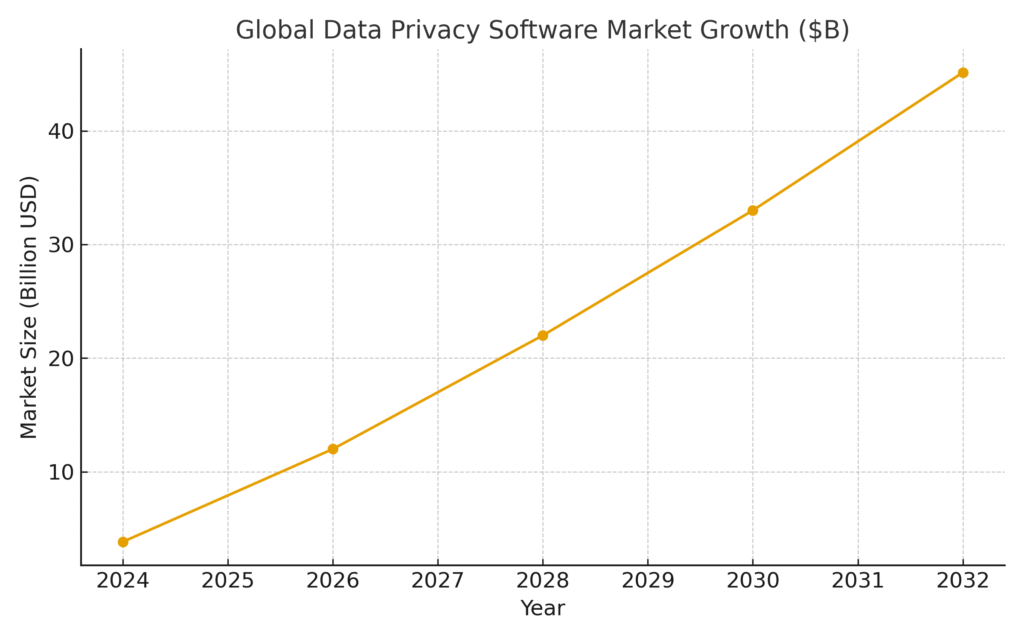
| 1 | Data Privacy Software Market Growth | Valued at $3.84B in 2024, projected to reach $45.13B by 2032 (CAGR ~35.5%). |
| 2 | Consumer Concern About Privacy | 80% of people worry about privacy; 86% of U.S. adults see it as a growing concern. |
| 3 | Customers Penalize Privacy Missteps | 71% would stop using a company if data was mishandled. |
| 4 | Trust Impacts Data Sharing | 88% share personal data only with trusted companies; 54% say trust is harder to earn. |
| 5 | Balancing Privacy and Marketing | 94% of businesses believe privacy and marketing can coexist. |
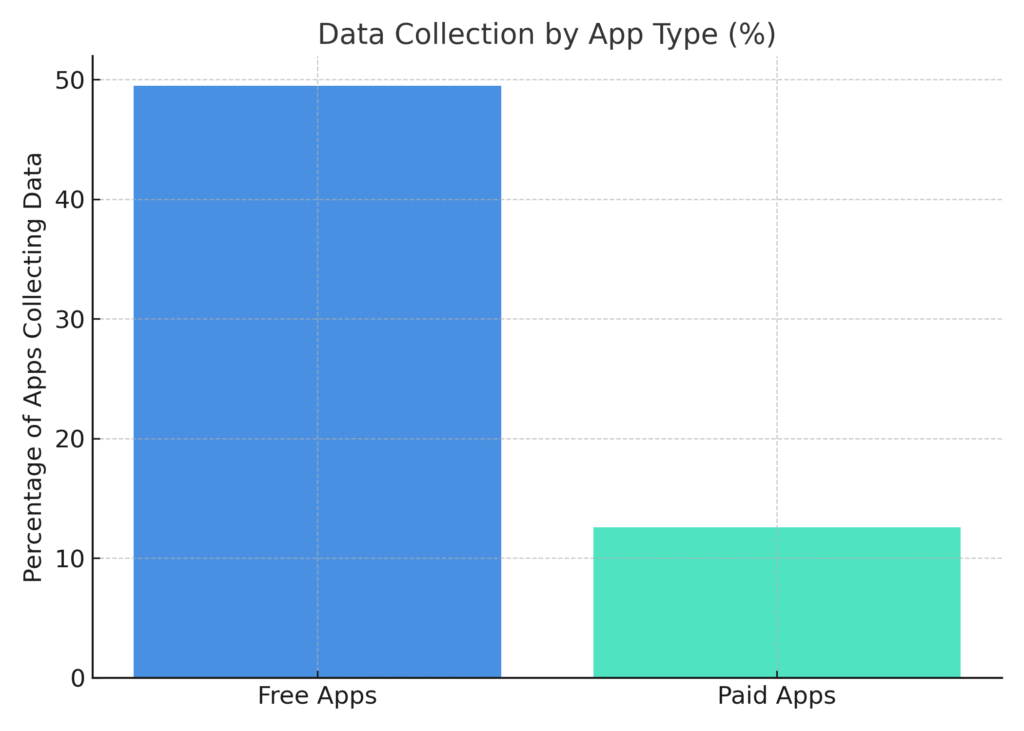
| 6 | Free Apps Drive Data Collection | 49.5% of free apps collect data vs 12.6% of paid apps. |
| 7 | Shopping & Dating Apps | Shopping apps collect ~17 data points; dating apps ~16. |
| 8 | Rising Consumer Awareness | 85% want to do more to protect privacy; 69% more concerned than before. |
| 9 | Privacy Tools Usage | 64% of internet users use tools like ad blockers and antivirus. |
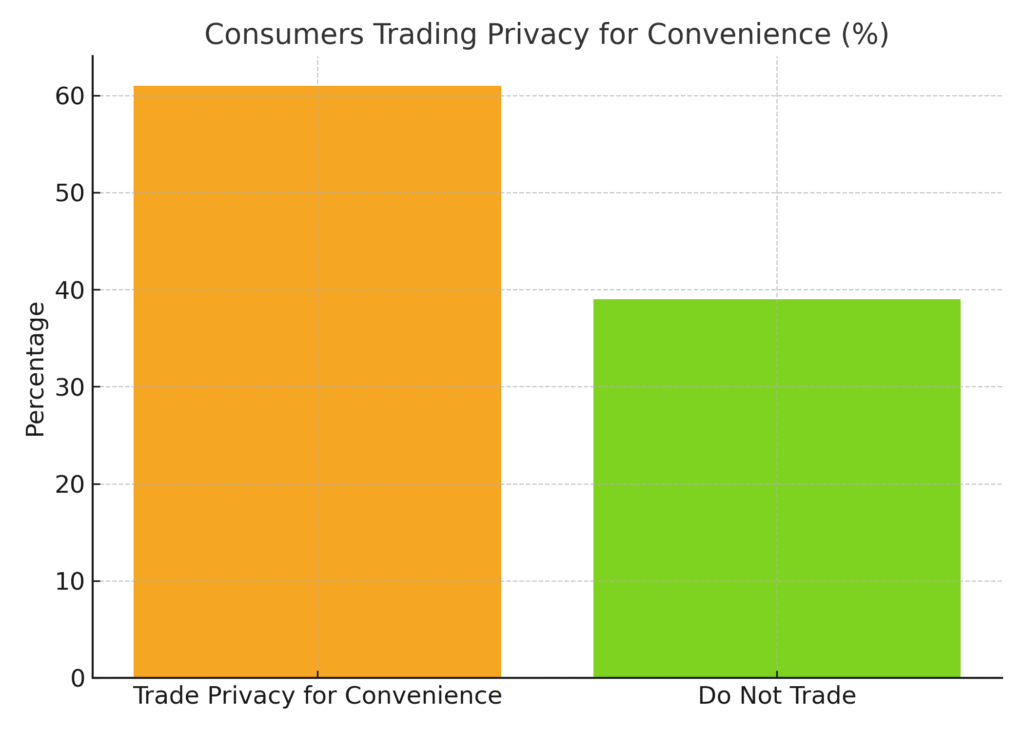
| 10 | Trading Privacy for Convenience | 61% of users admit they trade privacy for convenience. |
| 11 | Regulations Expanding | 19 U.S. states now have or plan comprehensive privacy laws. |
| 12 | Third-Party Cookie Restrictions | Safari, Firefox, and Chrome are phasing out third-party cookies. |
| 13 | Ad Prices Drop Without Tracking | Desktop ad prices fell 18%, mobile 23% when tracking was unavailable. |
| 14 | Publishers Lose Value | 90%+ of publishers earn less when selling ads to untrackable users. |
| 15 | Dark Patterns Widespread | 97% of popular apps use at least one manipulative dark pattern. |
| 16 | Regulators Target UX Manipulation | Some privacy laws now ban deceptive design to force consent. |
| 17 | Customer Trust & Loyalty | 94% of organizations say customers won’t buy without data protection. |
| 18 | State Law Challenges | Defining “sensitive personal data” remains a top issue. |
| 19 | Global Adults’ Concern | 85% of global adults want stronger privacy protections. |
| 20 | Consent Management’s Role | Consent and privacy platforms are becoming key to marketing compliance and trust. |
Top 20 Privacy Platform Marketing Statistics 2025
Privacy Platform Marketing Statistics #1: Data Privacy Software Market Growth
The data privacy software market is experiencing remarkable growth, valued at $3.84 billion in 2024 and projected to reach $45.13 billion by 2032. This surge highlights the rising demand for tools that help businesses manage customer data responsibly. Companies are realizing that investing in privacy platforms is not just about compliance, but also about building trust. The compound annual growth rate of nearly 35.5% shows how fast adoption is spreading globally. For marketers, this growth underscores the importance of aligning campaigns with privacy-focused technologies.
Privacy Platform Marketing Statistics #2: Consumer Concern About Privacy
Surveys show that 80% of people are concerned about their online privacy. In the U.S., 86% of adults say protecting personal data has become a growing worry. This sentiment pushes brands to rethink how they collect and use information. If companies ignore these concerns, they risk losing customer loyalty. Privacy platforms offer a way to bridge the gap by ensuring transparent data practices.
Privacy Platform Marketing Statistics #3: Customers Penalize Privacy Missteps
71% of consumers say they would stop doing business with a company that mishandled their sensitive data. This illustrates how quickly trust can be broken in the digital world. Privacy isn’t just a technical issue anymore—it’s tied directly to brand reputation. Marketers need to integrate stronger protections to avoid backlash. By doing so, they not only prevent customer loss but also improve brand resilience.
Privacy Platform Marketing Statistics #4: Trust Impacts Data Sharing
88% of consumers report that their willingness to share data depends on trust in a company. This proves that transparent communication and privacy-first strategies are vital for marketing success. At the same time, 54% believe it’s harder than ever for brands to earn trust. Platforms that clearly show how they protect information can stand out from competitors. Trust is no longer optional; it is a currency that drives data-driven marketing.
Privacy Platform Marketing Statistics #5: Balancing Privacy And Marketing
94% of businesses believe it is possible to balance data collection for marketing with consumer privacy rights. This suggests a shift in mindset, where companies see privacy as an opportunity rather than an obstacle. Successful marketers now aim to personalize without crossing privacy boundaries. Platforms that enable this balance are becoming industry standards. It shows that respecting privacy can actually strengthen marketing strategies.
Privacy Platform Marketing Statistics #6: Free Apps Drive Data Collection
Free apps account for nearly 49.5% of all data collection, compared to just 12.6% for paid apps. This indicates that users often pay with their data instead of money. Marketers should recognize this dynamic when designing campaigns that use app data. Transparency around data exchange can help preserve trust. Privacy platforms can also play a role by clarifying how data is used.
Privacy Platform Marketing Statistics #7: Shopping And Dating Apps Collect The Most Data
Shopping apps collect around 17 different types of user data, while dating apps collect about 16. These industries are particularly data-intensive, which raises privacy concerns. Marketers in these spaces must be careful not to overstep. Privacy platforms can help limit unnecessary collection while still delivering insights. In 2025, adopting these tools could mean the difference between consumer loyalty and distrust.
Privacy Platform Marketing Statistics #8: Rising Consumer Awareness
85% of global adults say they want to do more to protect their privacy online. At the same time, 69% report feeling more concerned about privacy than in past years. This growing awareness creates new challenges and opportunities for marketers. Campaigns must be built with clear messaging about privacy safeguards. Brands that demonstrate genuine care can position themselves as trustworthy leaders.
Privacy Platform Marketing Statistics #9: Privacy Tools Usage
64% of internet users now rely on tools like ad blockers, VPNs, or antivirus software. This trend shows consumers are taking proactive steps to protect their data. Marketers must adapt strategies to reach users who intentionally limit tracking. Privacy platforms can help provide compliant ways to engage with these audiences. The message is clear: respect for consumer choice is the future of marketing.
Privacy Platform Marketing Statistics #10: Trading Privacy For Convenience
61% of people admit they sometimes trade privacy for convenience. This highlights the delicate balance between ease of use and protection. Marketers must ensure that any request for data also delivers clear value. If convenience outweighs the privacy risk, consumers are often willing to agree. Privacy platforms can help brands communicate this value exchange more transparently.

Privacy Platform Marketing Statistics #11: Regulations Expanding In The U.S.
As of 2025, 19 U.S. states have enacted or are enacting comprehensive privacy laws. These regulations demand stricter standards for data collection and use. Marketers must stay updated on changing requirements to avoid fines. Privacy platforms often provide tools to automate compliance. For businesses, regulation has become a driver for stronger marketing ethics.
Privacy Platform Marketing Statistics #12: Third-Party Cookie Restrictions
Browsers like Safari, Firefox, and soon Chrome are eliminating third-party cookies. This shift fundamentally changes how marketers track users online. Companies are turning to privacy platforms and first-party data strategies. The move is pushing brands to innovate rather than rely on invasive tracking. Marketers who adapt early will gain a competitive edge.
Privacy Platform Marketing Statistics #13: Ad Prices Drop Without Tracking
Studies show that desktop ad prices fell 18% and mobile ads dropped 23% when tracking was unavailable. This demonstrates the heavy reliance of ad pricing models on user data. Without proper targeting, advertising becomes less valuable to buyers. Marketers need privacy-compliant alternatives to sustain ad revenues. Privacy platforms can help balance effectiveness with respect for privacy.
Privacy Platform Marketing Statistics #14: Publishers Lose Value Without Tracking
Over 90% of publishers earn less money when serving ads to users who cannot be tracked. This poses a challenge for online media companies. Privacy platforms can help bridge this gap by offering compliant but effective targeting methods. Without solutions, publishers risk losing critical revenue streams. In 2025, striking this balance is more urgent than ever.
Privacy Platform Marketing Statistics #15: Dark Patterns Widespread
97% of popular websites and apps use at least one dark pattern to influence user decisions. These manipulative tactics undermine trust and can harm brand image. Regulators are beginning to crack down on this behavior. Marketers need to replace deceptive practices with authentic ones. Privacy platforms encourage ethical data collection that fosters long-term trust.
Privacy Platform Marketing Statistics #16: Regulators Target UX Manipulation
New privacy laws increasingly ban deceptive designs that push users into giving consent. This reflects a larger global move toward consumer rights in digital spaces. Marketers must rethink UX strategies to ensure they align with regulations. Privacy platforms can provide compliant frameworks for consent management. Ethical design is quickly becoming a competitive advantage.
Privacy Platform Marketing Statistics #17: Customer Trust And Loyalty
94% of organizations say their customers will not buy from them if data protection is weak. This shows how closely linked trust is with business success. Brands must prioritize secure and transparent practices to retain loyalty. Privacy platforms support this by automating safe data handling. Trust is no longer optional—it is the cornerstone of growth.
Privacy Platform Marketing Statistics #18: State Law Challenges
One of the toughest issues in U.S. privacy laws is defining “sensitive personal data.” This ambiguity makes compliance difficult for marketers. Privacy platforms help clarify and categorize data to reduce risks. Businesses must treat sensitive information with extra care. Getting this wrong could lead to both legal and reputational damage.
Privacy Platform Marketing Statistics #19: Global Adults’ Concern For Privacy
85% of adults worldwide say they want stronger privacy protections. This global consensus shows the universal nature of the issue. Marketers cannot treat privacy as a regional concern—it must be central to every strategy. Privacy platforms allow businesses to apply consistent standards across borders. As the world becomes more connected, global trust requires global responsibility.
Privacy Platform Marketing Statistics #20: Consent Management’s Role In Marketing
Consent and privacy platforms are now critical for marketing compliance. These tools ensure that users are informed and in control of their data. Marketers benefit by building campaigns that are both effective and ethical. Transparency through consent fosters stronger consumer relationships. In 2025, consent management has become a cornerstone of digital marketing strategy.
Why Privacy Matters More Than Ever
Looking over these statistics, one thing is crystal clear—privacy isn’t just a compliance checkbox; it’s a relationship builder. Customers are choosing to stand with brands that honor their data, and companies that fail to recognize this shift are already being left behind. Personally, I find it encouraging to see that respect for privacy can go hand in hand with stronger marketing results—it’s not a trade-off, it’s an advantage. By embracing transparency, accountability, and the tools privacy platforms offer, we have the chance to create meaningful connections that last. And at the end of the day, isn’t that what great marketing is all about?
SOURCES
- https://secureframe.com/blog/data-privacy-statistics
- https://www.demandlocal.com/blog/privacy-compliance-marketing-statistics/
- https://explodingtopics.com/blog/data-privacy-stats
- https://www.cookieyes.com/blog/data-privacy-statistics/
- https://www.infosum.com/blog/privacy-in-2025-the-non-negotiable-at-the-heart-of-modern-marketing
- https://countly.com/blog/data-privacy-statistics
- https://www.digitalmarketinginstitute.com/blog/the-state-of-data-privacy
- https://termly.io/resources/articles/data-privacy-statistics/
- https://haus.io/blog/2025-the-year-of-privacy-durable-marketing-measurement
- https://thunderbit.com/blog/key-ai-data-privacy-stats
- https://usercentrics.com/guides/data-privacy/data-privacy-statistics/
- https://www.goodwinprivacyblog.com/
- https://www.seo.com/blog/digital-marketing-statistics/
- https://www.countly.com/blog/data-privacy-statistics
- https://www.shardsecure.com/blog/tag/data-privacy
- https://www.enzoic.com/blog/pew-research-data-privacy/
- https://www.infosum.com/blog/privacy-in-2025-the-non-negotiable-at-the-heart-of-modern-marketing
- https://www.demandlocal.com/blog/privacy-compliance-marketing-statistics/