




21 Sep TOP 20 PREMIUM BRANDS MARKETING STATISTICS 2025
In today’s fast-moving luxury landscape, keeping track of premium brands marketing statistics is more than just a numbers game—it’s about understanding how prestige, exclusivity, and consumer behavior intersect. From the rise of luxury e-commerce to Gen Z’s growing influence on high-end purchases, these insights paint a clear picture of where the market is heading. As someone who works closely with a marketing agency in New York, I’ve seen firsthand how brands that pay attention to these shifts stay ahead of the competition. This article pulls together the most relevant data to help you grasp what’s really driving growth for premium labels in 2025.
Top 20 Financial District Marketing Statistics 2025 (Editor’s Choice)
| # | Statistic | Insight / Implication |
|---|---|---|
| 1 | Brand value leaders | Apple became the first brand to surpass US$1 trillion in brand value (Kantar 2025). |
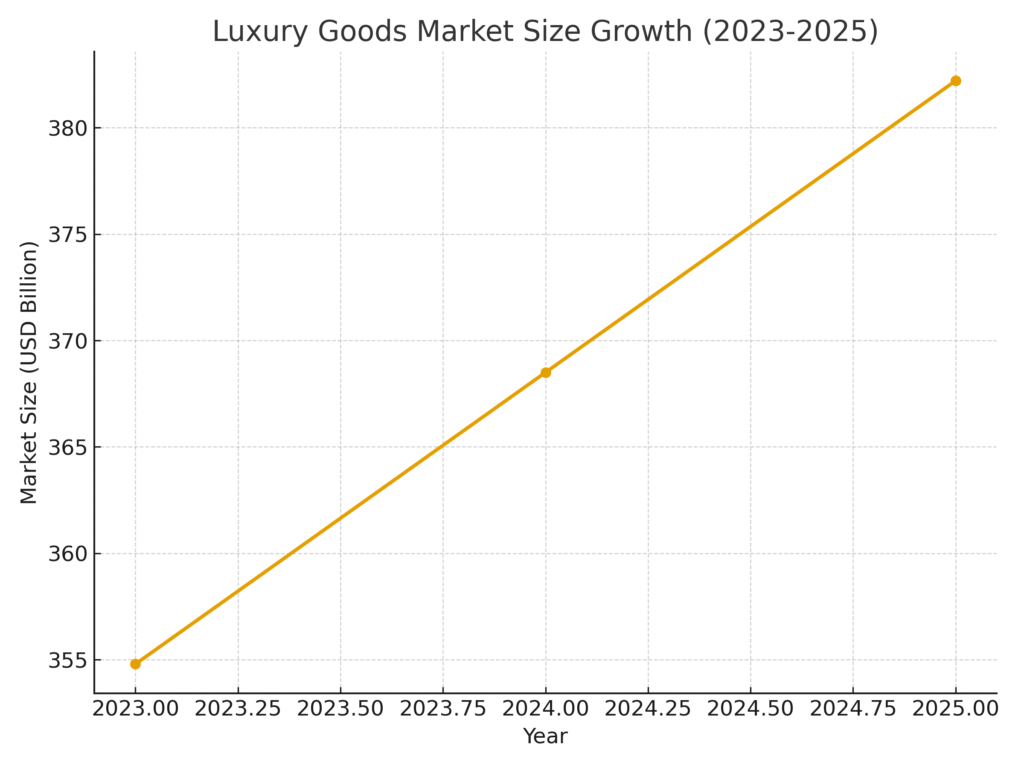
| 2 | Luxury goods market size | Expected to reach US$382.2 billion in 2025, up from US$354.8 billion in 2023. |
| 3 | Luxury eCommerce | Projected to surpass US$80 billion in 2025. |
| 4 | Luxury sub-segment growth | Fashion, leather, jewelry, and cosmetics forecasted steady growth through 2026-2028. |
| 5 | Influencer marketing | Industry expected to hit US$32.55 billion in 2025. |
| 6 | Brand discovery | 71% of Gen Z & Millennials discover brands through social media. |
| 7 | Influencer conversions | 49% of consumers purchase monthly after seeing influencer content. |
| 8 | Social media ROI | Average ROI of ~250% from paid social campaigns. |
| 9 | ROI measurement gap | 65% of leaders want ROI link, but only ~30% feel they measure it well. |
| 10 | Mobile commerce | Over 70% of traffic to luxury eCommerce comes from mobile devices. |
| 11 | Email marketing ROI | Still among the highest ROI channels (up to 3,800% return). |
| 12 | Gen Z’s share | Gen Z projected to make up ~25% of luxury spending by 2030. |
| 13 | Gen Z preferences | Seek sustainability, uniqueness, and affordable luxury mixes. |
| 14 | Brand awareness role | 78% of B2B buyers choose known brands before researching alternatives. |
| 15 | Luxury subcategory growth | Fashion, leather goods, and cosmetics maintain ~3-5% CAGR. |
| 16 | Top luxury fashion brands | Louis Vuitton, Dior, Gucci, Ralph Lauren, Hermès lead in Vogue Index 2025. |
| 17 | Resale fashion growth | Luxury resale booming, with Gucci, Chanel, and LV topping demand. |
| 18 | Personalization | Brands investing in tailored experiences see stronger loyalty & engagement. |
| 19 | Brand vs performance ads | Mixing both creates multiplier effects for growth and ROI. |
| 20 | Measurement challenges | Luxury marketers struggle with attribution & cross-channel tracking. |
Top 20 Premium Brands Marketing Statistics 2025
Premium Brands Marketing Statistics #1 – Brand Value Leaders Surpassing US$1 Trillion
Apple has made history by becoming the first brand in the world to cross the US$1 trillion brand value threshold. This milestone demonstrates the unmatched global recognition and loyalty that Apple commands in the premium sector. For luxury and premium brands, this shows the immense value of building not only products but an ecosystem of desirability. It emphasizes that prestige branding, innovation, and consumer trust directly correlate with valuation. Other premium labels look to Apple’s brand-building journey as a blueprint for growth.
Premium Brands Marketing Statistics #2 – Luxury Goods Market Size Reaches US$382.2 Billion
The global luxury goods market is expected to reach US$382.2 billion in 2025, reflecting steady growth from US$354.8 billion in 2023. This expansion is driven by rising disposable incomes, the growth of affluent consumers in Asia, and younger buyers entering the market. The consistent growth underscores the resilience of luxury brands even during economic uncertainties. It also shows that premium goods are becoming increasingly mainstream for aspirational buyers. For marketers, it highlights the importance of positioning luxury as both aspirational and accessible.
Premium Brands Marketing Statistics #3 – Luxury eCommerce Surpassing US$80 Billion
Luxury eCommerce is projected to surpass US$80 billion in 2025, proving the strength of digital platforms in premium sales. Online shopping has become a preferred channel for many younger and affluent consumers who expect convenience alongside exclusivity. Brands like Gucci, Louis Vuitton, and Prada have invested heavily in immersive digital experiences to match in-store luxury. This trend indicates that digital luxury no longer undermines exclusivity but enhances accessibility globally. Premium marketers must invest in storytelling online to meet consumer expectations.
Premium Brands Marketing Statistics #4 – Sub-Segment Growth Across Fashion, Leather, and Jewelry
Luxury fashion, leather goods, jewelry, and cosmetics are all forecasted to grow steadily through 2026–2028. This reflects the broad-based strength of the premium market, with each segment carving out loyal consumer bases. Jewelry and watches, in particular, are benefitting from rising interest in investment pieces. Meanwhile, leather goods maintain dominance thanks to timeless demand for handbags and accessories. Marketers should tailor campaigns by segment to maximize performance.
Premium Brands Marketing Statistics #5 – Influencer Marketing Worth US$32.55 Billion
The influencer marketing industry is expected to hit US$32.55 billion in 2025, a significant rise from the previous year. Luxury and premium brands now heavily rely on influencer collaborations to reach younger audiences. This underscores the shift from traditional celebrity endorsements to micro- and mid-tier influencers who offer authenticity. Premium campaigns increasingly integrate influencers into long-term brand ambassador roles. Marketers must ensure these collaborations align with the exclusivity of their brand.

Premium Brands Marketing Statistics #6 – 71% of Brand Discovery Happens on Social Media
A staggering 71% of Gen Z and Millennials discover premium brands on social media platforms. This highlights the shift of awareness away from physical billboards and glossy magazines. Instagram, TikTok, and YouTube dominate the landscape of luxury discovery. The statistic proves that social-first campaigns are crucial for staying relevant among digital natives. For premium brands, polished storytelling and consistent digital branding are no longer optional.
Premium Brands Marketing Statistics #7 – 49% of Consumers Purchase from Influencer Content Monthly
Almost half of consumers make a purchase every month after seeing influencer content, proving influencers directly drive sales. This bridges the gap between awareness and conversion, especially in premium fashion and beauty. It shows that influencers not only generate buzz but deliver measurable ROI. For premium brands, this is an opportunity to create shoppable content experiences. The statistic highlights why influencer budgets remain one of the most important allocations in marketing strategies.
Premium Brands Marketing Statistics #8 – Paid Social ROI Averages 250%
Paid social campaigns deliver an impressive ROI of around 250% across industries, including premium segments. This means brands earn $2.50 for every $1 spent on social advertising. The figure shows how effective targeting and storytelling can transform social platforms into direct sales drivers. Premium brands that rely on prestige also find social ads critical to staying competitive in visibility. ROI like this reinforces why social remains the backbone of luxury digital marketing.
Premium Brands Marketing Statistics #9 – Only 30% Measure Social ROI Accurately
While 65% of leaders want to link social media campaigns directly to business goals, only about 30% feel they measure ROI accurately. This gap indicates a major challenge in premium brand marketing strategies. Luxury campaigns often focus on brand image and desirability, making ROI harder to quantify. Marketers need stronger attribution models to connect intangible value with bottom-line results. Premium brands that master measurement will have an edge in scaling campaigns.
Premium Brands Marketing Statistics #10 – Mobile Commerce Generates Over 70% of Traffic
More than 70% of luxury eCommerce traffic now comes from mobile devices. This demonstrates how digital-savvy audiences prefer browsing and shopping via smartphones. Premium brands are investing in mobile-optimized sites and apps with fast, seamless experiences. Mobile-first strategies also align with influencer content that drives instant action. For marketers, the future of luxury commerce is clearly mobile-driven.

Premium Brands Marketing Statistics #11 – Email Marketing Still Achieves 3,800% ROI
Email continues to deliver extraordinary ROI, with some reports citing up to 3,800% returns. Luxury brands often use email for exclusive product launches, private sales, and loyalty programs. This channel allows premium labels to maintain direct communication with loyal customers. The personalization potential of email further enhances its effectiveness. Marketers should integrate email into omnichannel strategies for maximum impact.
Premium Brands Marketing Statistics #12 – Gen Z to Represent 25% of Luxury Spending by 2030
Gen Z is projected to account for roughly 25% of global luxury spending by 2030. This demographic is reshaping how premium brands communicate, preferring values-driven messaging. Sustainability, inclusivity, and brand authenticity are central to their purchasing decisions. The rise of Gen Z highlights the importance of digital-first strategies in luxury. Marketers who connect with these values will secure future market share.
Premium Brands Marketing Statistics #13 – Gen Z Prefers Sustainability and Uniqueness
Gen Z’s preferences lean toward sustainability, uniqueness, and affordable luxury blends. They are drawn to brands offering eco-friendly products and transparent sourcing. Unlike previous generations, they value identity and self-expression over legacy prestige alone. This forces premium brands to adapt product lines to meet new cultural values. Marketing strategies must emphasize uniqueness and responsibility to resonate.
Premium Brands Marketing Statistics #14 – 78% of Buyers Choose Known Brands First
Research shows that 78% of B2B buyers choose brands they already know before researching alternatives. This proves the importance of awareness and trust in decision-making. Premium brands rely heavily on legacy recognition to secure repeat buyers. It also shows that brand building should be prioritized alongside sales campaigns. For marketers, this highlights the long-term ROI of consistent branding.
Premium Brands Marketing Statistics #15 – Subcategories Maintain 3–5% CAGR
Luxury fashion, leather goods, and cosmetics are forecasted to maintain a CAGR of 3–5%. This stability reassures brands of steady growth across key categories. While not explosive, it shows dependable performance even during uncertain economies. Cosmetics and accessories are particularly strong due to recurring demand. For premium marketers, this means investing in consistent campaigns for these categories.
Premium Brands Marketing Statistics #16 – Louis Vuitton and Dior Top the Vogue Index 2025
The Vogue Business Index 2025 ranked Louis Vuitton, Dior, Gucci, Ralph Lauren, and Hermès as top luxury brands. Ralph Lauren notably surged in popularity thanks to its refreshed preppy identity. The ranking reflects consumer loyalty, digital engagement, and innovation. It proves the balance of heritage and modernity is crucial in maintaining relevance. For marketers, these leaders provide examples of evolving without losing brand DNA.
Premium Brands Marketing Statistics #17 – Luxury Resale on the Rise
Luxury resale is rapidly growing, with Gucci, Chanel, and Louis Vuitton topping resale demand. Younger consumers embrace resale as both sustainable and affordable access to luxury. Premium resale platforms like The RealReal and Vestiaire Collective have become mainstream. This trend forces premium brands to reconsider strategies for resale integration. Marketers should recognize resale as both a competitor and a growth opportunity.
Premium Brands Marketing Statistics #18 – Personalization Strengthens Loyalty
Brands that personalize consumer experiences see stronger loyalty and higher engagement. Premium shoppers expect tailored recommendations, VIP treatment, and exclusive content. Personalization reinforces exclusivity, a hallmark of luxury marketing. Technology like AI and CRM platforms makes scalable personalization possible. For marketers, personalization is no longer optional but a necessity.
Premium Brands Marketing Statistics #19 – Mixing Brand and Performance Ads Boosts ROI
Combining long-term brand-building ads with short-term performance ads creates multiplier effects. Luxury marketers who balance the two achieve better overall ROI. Relying solely on direct-response ads risks diluting exclusivity. Meanwhile, brand-focused campaigns build desire and long-lasting value. The synergy shows why holistic marketing strategies outperform isolated efforts.
Premium Brands Marketing Statistics #20 – Attribution Challenges Persist in Luxury Marketing
Many luxury marketers struggle with attribution across multiple digital and offline channels. Measuring softer KPIs like desirability, awareness, and loyalty remains complex. This creates difficulty in proving ROI to stakeholders. However, brands that invest in advanced analytics are finding better insights. Solving attribution challenges will be crucial for premium marketing’s next stage of growth.

Why These Statistics Matter for Premium Brands
Looking over these numbers, it’s clear that premium and luxury brands can’t rely on heritage alone—they need to innovate constantly, whether through influencer collaborations, mobile-first strategies, or personalized consumer experiences. What stands out to me is how much trust, loyalty, and storytelling still matter in this sector, even with all the new technologies shaping buying habits. These statistics aren’t just figures; they’re signals pointing toward smarter marketing strategies that blend tradition with modern engagement. If you’re a marketer, creative, or brand strategist, using these insights can help you connect with audiences in a way that feels both authentic and aspirational.
SOURCES
- https://www.voguebusiness.com/story/sustainability/everything-we-learnt-from-the-latest-fashion-resale-reports
- https://www.reuters.com/business/retail-consumer/luxury-brands-big-challenge-figuring-out-gen-z-2025-09-19/
- https://www.forbes.com/sites/pamdanziger/2025/06/19/luxury-lethargy-sets-in-as-the-market-braces-for-up-to-a-5-drop-in-2025/
- https://www.mckinsey.com/featured-insights/mckinsey-live/webinars/the-state-of-fashion-trends-that-matter-in-2025
- https://www.businessoffashion.com/reports/state-of-luxury-fashion-industry/
- https://www.voguebusiness.com/story/consumers/what-consumers-want-from-luxury-in-2025
- https://www.found.co.uk/blog/the-state-of-luxury-trends-reshaping-luxury-marketing-in-2025/
- https://www.bain.com/insights/luxury-in-transition-securing-future-growth/
- https://www.mckinsey.com/industries/consumer-packaged-goods/our-insights/a-close-look-at-the-global-beauty-industry-in-2025
- https://www.fortunebusinessinsights.com/luxury-goods-market-103866
- https://luxuryactivist.com/the-luxury-market-what-opportunities-will-brands-have-in-2025/
- https://www.forbes.com/sites/pamdanziger/2024/02/19/387-billion-luxury-market-remain-turbulent-here-are-the-bright-spots/
- https://www.blockandtam.com/insights/luxury-marketing-trends
- https://www.theguardian.com/business/2025/jul/18/festivalgoers-help-drive-burberry-to-best-sales-performance-in-18-months
- https://apnews.com/article/f38874c1c80620ecb3412a369cf75f6a
- https://www.ft.com/content/4216d268-a106-436c-a069-06bc80094a93
- https://www.brandvm.com/post/luxury-brands-marketing