




29 Sep TOP 20 Preventive Care Marketing Statistics 2025
When I first began exploring preventive care marketing statistics, I realized just how powerful the right strategies can be in shaping healthier communities. Preventive care isn’t just about regular checkups and screenings—it’s also about making sure the right messages reach the right people at the right time. Working with a leading marketing agency in New York has given me unique insights into how campaigns can make a real difference, not only in awareness but also in driving patient action. These statistics show the undeniable connection between preventive healthcare and effective marketing. In this article, I want to share the most impactful trends that stood out to me and explain why they matter for the future of healthcare marketing.
Top 20 Preventive Care Marketing Statistics 2025 (Editor’s Choice)
Top 20 Preventive Care Marketing Statistics
Snapshot of growth, ROI, channels, and conversion benchmarks you can use in campaigns.
| # | Stat | Metric | Year/Scope | Why It Matters (Quick Take) |
|---|---|---|---|---|
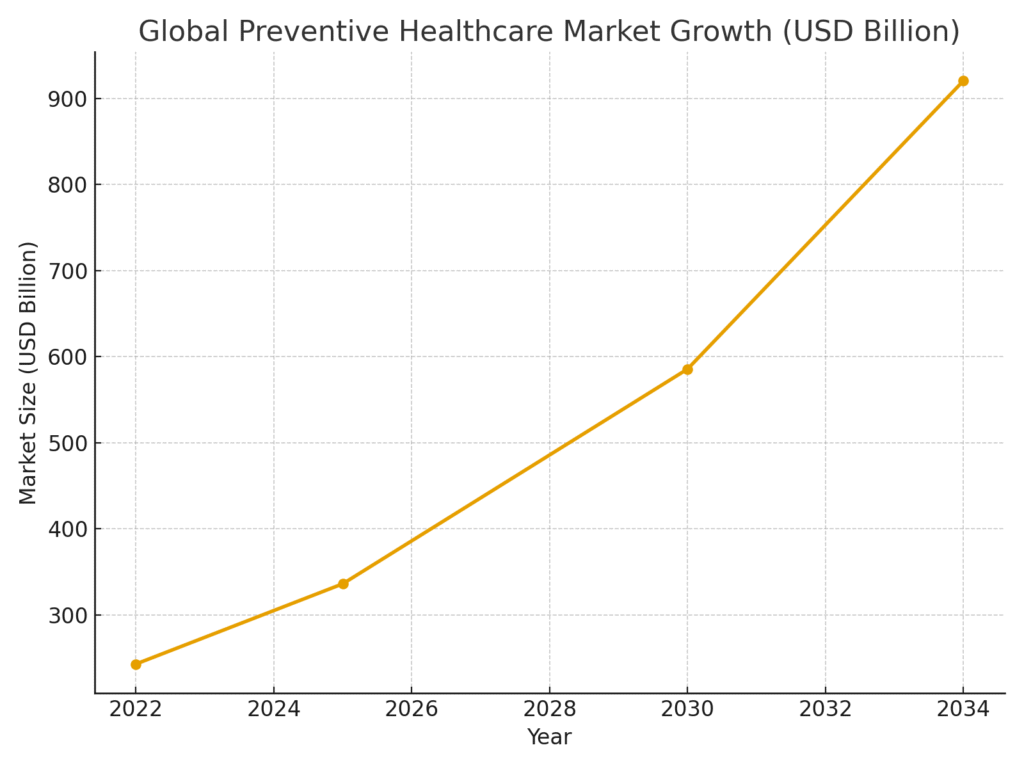
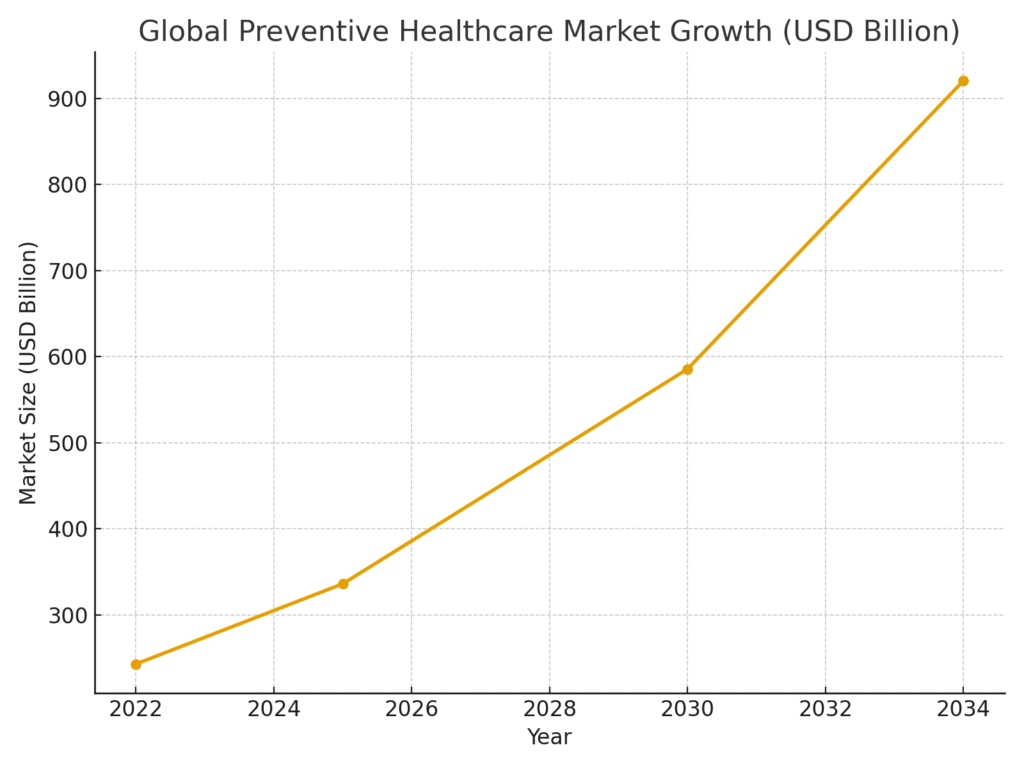
| 1 | Market Value Global preventive healthcare market size | $243B | 2022 • Global | Shows the current base size for prevention-focused services and tech. |
| 2 | Forecast Market projected by 2030 | $585.6B | 2030 • Global | Signals sustained demand and funding for prevention campaigns. |
| 3 | Market size outlook | $336.17B | 2025 • Global | A near-term waypoint to plan budgets and capacity. |
| 4 | On-site/workplace preventive care market | $25.4B | 2024 • Global | Strong B2B opportunity with employers and payers. |
| 5 | Long-range forecast (technologies & services) | $920.31B | 2034 • Global | Confirms prevention as a durable growth pillar. |
| 6 | Prevention can reduce premature deaths | ≈40% | Global | Powerful outcomes message for creative and copy. |
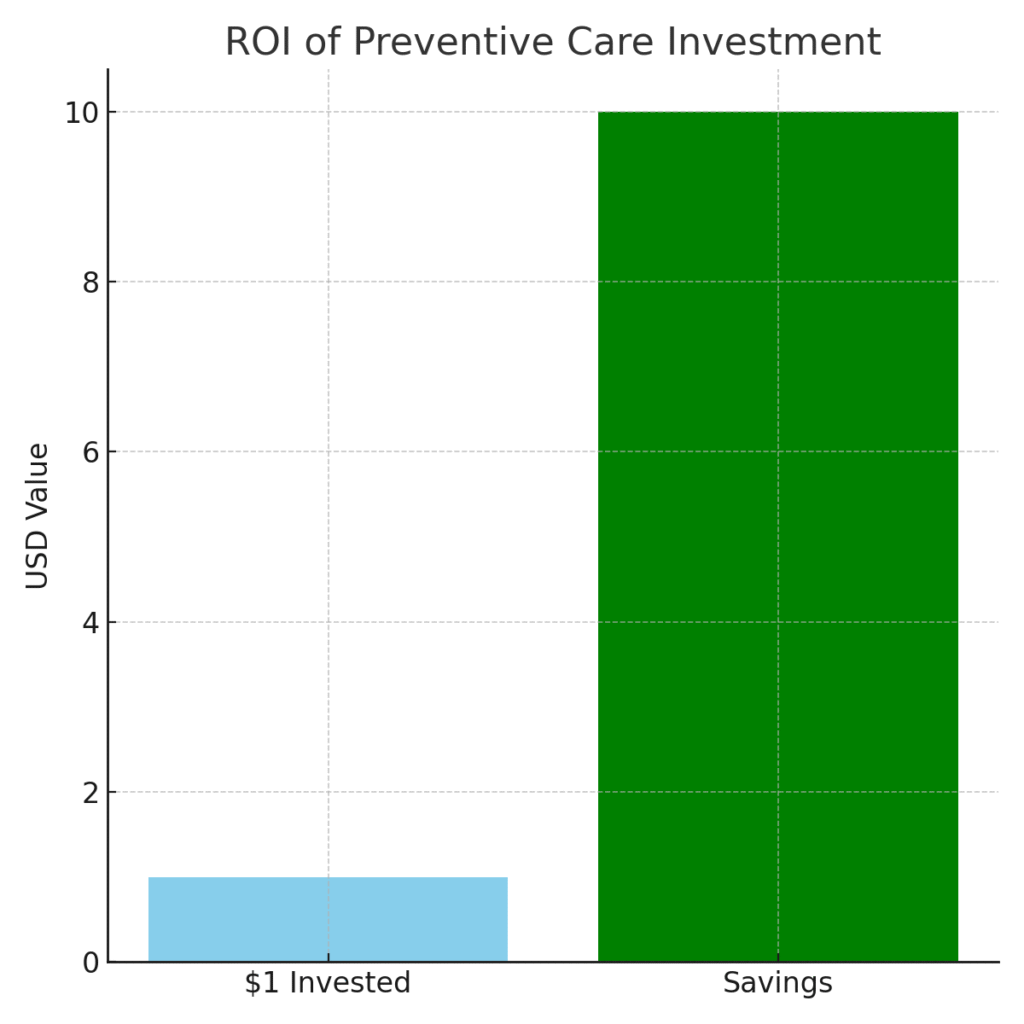
| 7 | ROI of prevention (savings per $1 invested) | $2–$10 saved | Health systems | Great hook for payers, employers, and policymakers. |
| 8 | Share of global deaths from NCDs | 71% | Global | Underscores urgency of screening & lifestyle programs. |
| 9 | Hospitalization risk reduction with adherence | ≈38.3% | Patients | Strong value prop for adherence-focused messaging. |
| 10 | Conversions via phone in healthcare | 39.2% | Digital channels | Prioritize call tracking and call-centric CTAs. |
| 11 | Average healthcare email open rate | ≈41% | Email is prime for reminders and education. | |
| 12 | Healthcare email conversion rate | ≈2.6% | Small lifts drive big program participation at scale. | |
| 13 | Avg. Google Ads CPC (health/fitness) | $4.71 | PPC | Helps budget realistic acquisition costs. |
| 14 | Paid search vs. organic conversion efficiency | ~2× better | Search | Lean into intent-driven, paid demand capture. |
| 15 | Typical healthcare website conversion | 2–5% | Web | Benchmarks for appointment CTAs and UX. |
| 16 | Top-quartile landing page conversion | Up to 20.4% | Web | Single-focus pages can massively outperform. |
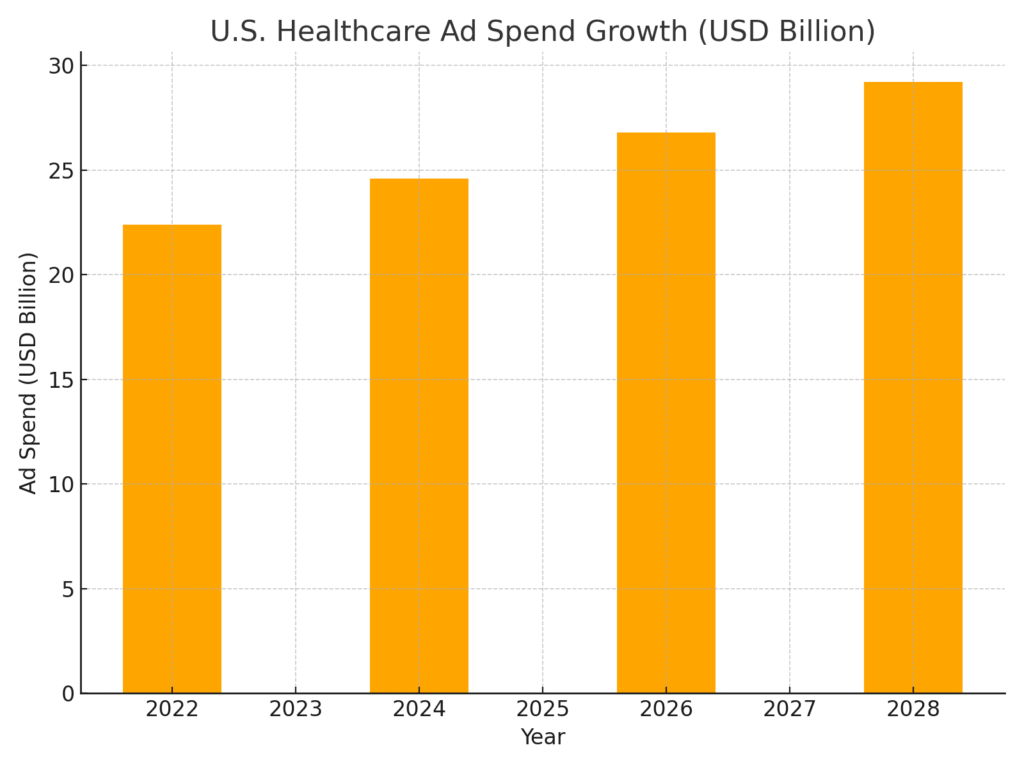
| 17 | U.S. healthcare ad spend projection | $29.2B | 2028 • U.S. | Rising competition—brand must stand out. |
| 18 | Average cost per healthcare lead | $320 (org) / $400 (paid) | Acquisition | Balance SEO compounding with paid speed. |
| 19 | Healthcare PPC conversion rate | ≈12.33% | PPC | Proof that optimized ads book appointments. |
| 20 | Share of ad spend going to digital | ≈72.2% | All media | Meet patients where they research—online. |
Top 20 Preventive Care Marketing Statistics 2025
Preventive Care Marketing Statistics #1: Market Value $243 Billion In 2022
The global preventive healthcare technologies and services market was valued at $243 billion in 2022. This figure shows how significant the preventive care industry has become worldwide. Marketing strategies are vital in making sure such services reach the right populations. As the market grows, companies that invest in awareness campaigns will stand out. This base figure sets the foundation for long-term industry expansion.
Preventive Care Marketing Statistics #2: Projected $585.6 Billion By 2030
By 2030, the preventive healthcare market is expected to grow to $585.6 billion. This projected growth highlights an annual CAGR of nearly 12%. For marketers, this shows that demand for preventive services will keep accelerating. Campaigns focusing on accessibility and affordability will thrive. Growth like this emphasizes the urgency of effective outreach.
Preventive Care Marketing Statistics #3: Market Size $336.17 Billion In 2025
Research forecasts the preventive healthcare market will reach $336.17 billion in 2025. That’s nearly a one-third increase from its 2022 valuation. Marketing campaigns can leverage this growth to promote preventive screenings, telehealth, and wellness programs. The opportunity for brand visibility is massive. Companies that act now will benefit from this rising trend.
Preventive Care Marketing Statistics #4: Workplace Preventive Care $25.4 Billion In 2024
The on-site preventive care market, including workplace programs, was valued at $25.4 billion in 2024. Employees are increasingly engaging with company-sponsored wellness checks. Marketing this to organizations creates a powerful B2B opportunity. Businesses want healthier staff, and preventive care is the path. Highlighting ROI for employers will be key in promotional campaigns.
Preventive Care Marketing Statistics #5: Expected To Hit $920.31 Billion By 2034
Long-term forecasts suggest preventive healthcare will surpass $920 billion by 2034. This explosive growth is fueled by public awareness and government initiatives. Marketing teams must prepare long-term strategies to engage this expanding audience. Campaigns built today will resonate for decades. The market trajectory confirms preventive care is not just a trend, but a cornerstone of modern health.
Preventive Care Marketing Statistics #6: Prevention Can Reduce Premature Deaths By 40%
Preventive measures such as vaccinations and screenings can reduce premature deaths by up to 40%. For marketing, this statistic is powerful—it’s about life, not just numbers. Campaigns that emphasize survival and quality of life have stronger emotional impact. Consumers respond to health outcomes when presented clearly. It proves prevention is not only cost-effective but life-saving.
Preventive Care Marketing Statistics #7: $1 In Prevention Saves Up To $10
The CDC notes that for every $1 spent on preventive care, up to $10 is saved in future treatment costs. This ROI is a major marketing angle for insurance companies and healthcare providers. Campaigns can highlight the cost-savings for individuals and families. Framing healthcare as an investment resonates with patients. Preventive messaging has a strong financial and emotional pull.
Preventive Care Marketing Statistics #8: 71% Of Global Deaths From NCDs
Noncommunicable diseases such as cancer and diabetes cause 71% of deaths globally. This shows how urgent preventive care is in combating these diseases. Marketing campaigns can focus on lifestyle awareness, screenings, and early detection. Highlighting the human cost drives urgency. This stat alone justifies stronger promotional efforts around prevention.
Preventive Care Marketing Statistics #9: Preventive Care Reduces Hospitalizations By 38%
A study found preventive care adherence can reduce hospitalization risk by 38.3%. This is a huge figure for both patients and healthcare systems. Marketing that focuses on avoiding hospital stays is very persuasive. Families especially see value in this outcome. Lowering hospital dependency is a strong motivator for preventive engagement.
Preventive Care Marketing Statistics #10: 39.2% Of Conversions Happen Via Phone Calls
Nearly 40% of healthcare marketing conversions occur through phone calls. Preventive care providers should optimize call-driven campaigns. Clear calls to action in digital ads can boost these numbers further. Patients prefer human interaction before committing. This demonstrates the value of combining digital reach with personal communication.
Preventive Care Marketing Statistics #11: Healthcare Email Open Rate Is 41%
Healthcare emails enjoy an average 41% open rate. This is significantly higher than many industries. Preventive care marketers should prioritize email campaigns for reminders and educational content. Patients are receptive to personalized emails about checkups and vaccines. Leveraging this channel can maximize engagement.
Preventive Care Marketing Statistics #12: Healthcare Email Conversion Rate 2.6%
The average conversion rate for healthcare emails is 2.6%. While modest, this figure is meaningful in preventive care. Email reminders for screenings or flu shots can yield strong participation rates. Marketers should craft persuasive, personalized calls to action. Even small gains have a big public health impact.
Preventive Care Marketing Statistics #13: Average Google Ads CPC $4.71
Health and fitness ads have an average cost per click of $4.71. Preventive care providers should budget accordingly for PPC campaigns. This cost reflects the competitiveness of healthcare marketing. Choosing the right keywords can maximize ROI. Preventive care terms can deliver high-value leads when optimized.
Preventive Care Marketing Statistics #14: Paid Search Converts Twice As Well As Organic
Paid search ads in healthcare convert nearly twice as effectively as organic search. This makes investing in PPC especially valuable for preventive care services. Campaigns promoting screenings or vaccinations benefit from high intent users. Consumers searching are often ready to act. Marketers can double down on targeted paid strategies for best results.
Preventive Care Marketing Statistics #15: Healthcare Websites Convert 2–5%
Conversion rates for healthcare websites average between 2% and 5%. For preventive care, this means every 100 visitors can bring multiple appointment bookings. Marketers should focus on clear CTAs and trust-building design. Patients respond to easy scheduling systems. Improving small details can significantly raise conversion rates.
Preventive Care Marketing Statistics #16: Landing Pages Convert Up To 20.4%
The best healthcare landing pages achieve conversion rates up to 20.4%. Preventive care campaigns can reach this with focused, single-message pages. Highlighting benefits like cost savings and health protection resonates strongly. Simplicity in design often yields the highest results. Dedicated preventive care pages can massively increase patient bookings.
Preventive Care Marketing Statistics #17: U.S. Healthcare Ad Spend Reaching $29.2 Billion By 2028
Healthcare ad spending in the U.S. is projected to hit $29.2 billion by 2028. This steady growth reflects greater investment in digital channels. Preventive care services must compete for visibility in this space. Marketing budgets should align with industry trends. Those who invest more strategically will capture greater patient attention.
Preventive Care Marketing Statistics #18: Organic Leads Cost $320, Paid $400
Healthcare leads from organic campaigns cost about $320, while paid leads cost $400. Preventive care marketers should balance both strategies. Long-term organic investment may be more cost-effective. Paid campaigns still deliver fast results when urgency is high. Smart allocation between the two will maximize growth.
Preventive Care Marketing Statistics #19: PPC Conversion Rate At 12.33% For Healthcare
Healthcare PPC campaigns show conversion rates of around 12.33%. Preventive care providers can achieve high returns with properly optimized ads. This demonstrates how effective paid media can be in healthcare. Conversion tracking is vital to refine future campaigns. PPC remains one of the strongest channels for preventive care marketing.
Preventive Care Marketing Statistics #20: 72.2% Of Ad Spend Is Digital
Over 72% of healthcare ad spend is directed toward digital channels. Preventive care campaigns must focus heavily online to remain competitive. Patients increasingly look for information on websites and social media. Digital storytelling and awareness campaigns are key. This confirms the central role of digital strategies in preventive care outreach.
Why Preventive Care Marketing Matters
Looking at these preventive care marketing statistics, I can’t help but feel optimistic about where the industry is heading. Prevention saves lives, reduces costs, and builds stronger relationships between providers and communities. For me, the most important part is how marketing helps people take action before illness develops. As someone who values impact, I see marketing not just as promotion but as a responsibility to help people stay healthy. These numbers show the incredible opportunities we have to create meaningful change through preventive care campaigns.
SOURCES
-
https://www.gminsights.com/industry-analysis/preventive-healthcare-technologies-and-services-market
-
https://www.verifiedmarketreports.com/product/on-site-preventive-care-market
-
https://www.digitalsilk.com/digital-trends/healthcare-marketing-statistics
-
https://www.paubox.com/blog/5-email-marketing-stats-for-healthcare-providers
-
https://www.callrail.com/blog/healthcare-marketing-statistics