




29 Sep TOP 20 PRIMARY CARE MARKETING STATISTICS 2025
When I began researching primary care marketing statistics, I was struck by just how quickly this field is evolving. As someone who closely follows industry shifts, I wanted to highlight the trends shaping how practices engage with patients today. From digital transformation to the rise of nontraditional providers, these numbers reveal how competitive and innovative the primary care landscape has become. Working with a leading marketing agency in New York has shown me how powerful the right data can be in driving impactful campaigns, and I’m excited to share these insights with you in a way that feels both practical and inspiring.
Top 20 Primary Care Marketing Statistics 2025 (Editor’s Choice)
| # | Statistic | What It Means & Action For Primary Care |
|---|---|---|
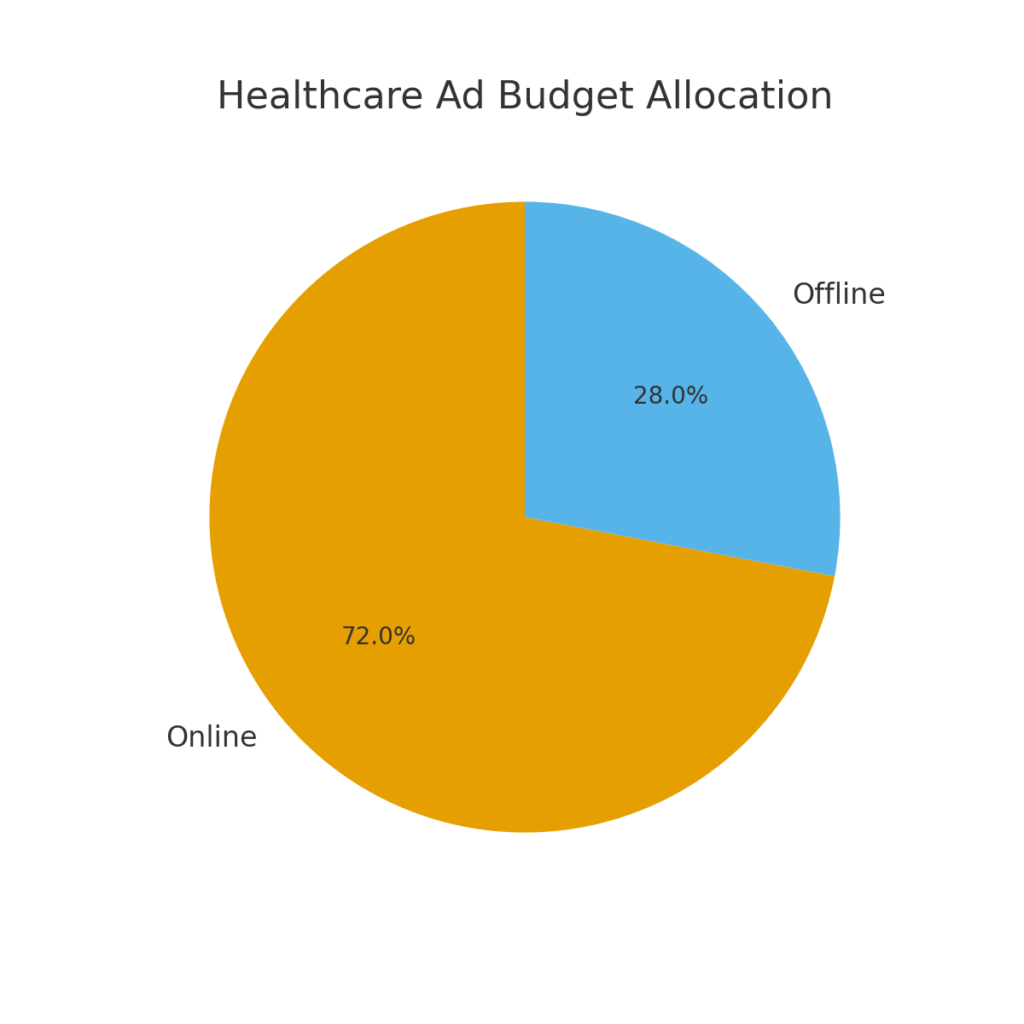
| 1 | 72% of healthcare ad budgets are online. | Action: Prioritize digital—search, paid social, and review platforms where patients actually look. |
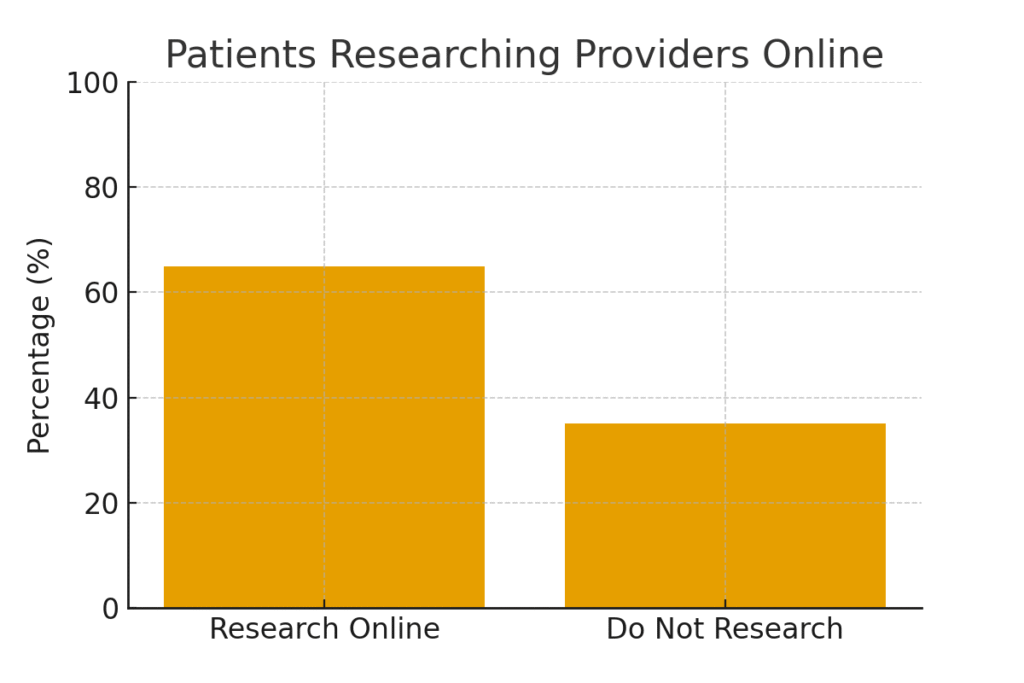
| 2 | 65% of patients research providers online before contacting. | Action: Tighten SEO, keep profiles complete, and manage reviews proactively. |
| 3 | ~40% of health-system marketing goes to primary care specialties. | Action: Invest in awareness + retention campaigns that feed downstream referrals. |
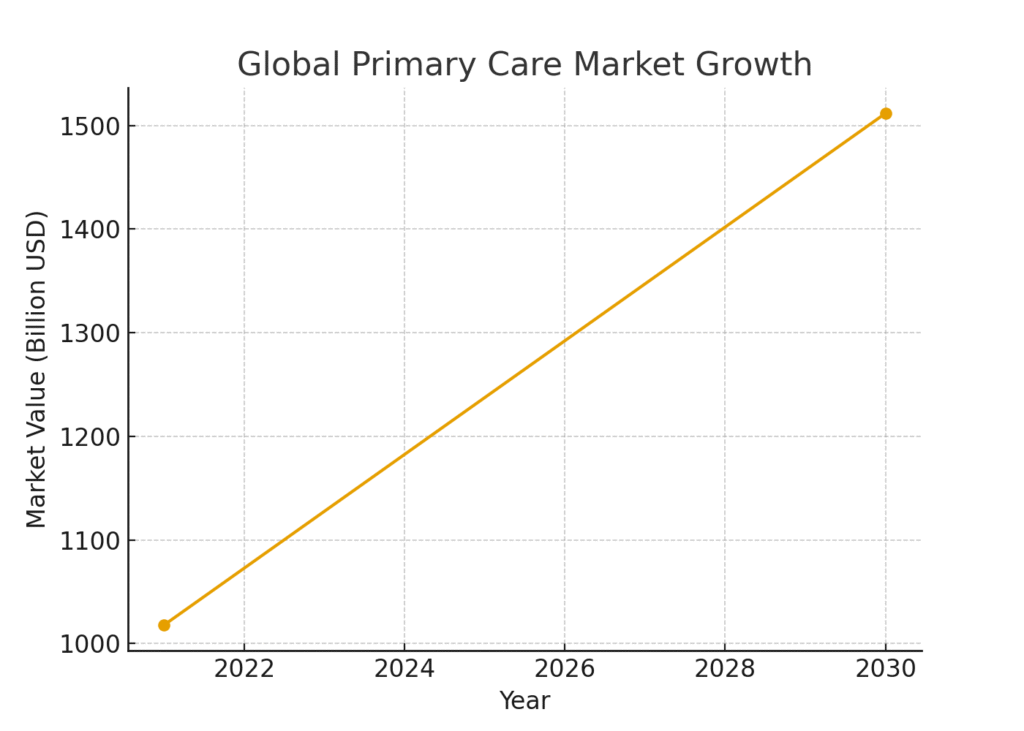
| 4 | Primary care physicians market projected ~$1.5T by 2030. | Action: Scale capacity messaging: access, affordability, and preventive care. |
| 5 | Nontraditional providers may take ~30% of primary care by 2030. | Action: Differentiate on continuity, relationships, and comprehensive care. |
| 6 | Payer-owned primary care could reach ~20% share by 2030. | Action: Spotlight independence, choice, and flexible coverage navigation. |
| 7 | Point-of-care marketing spend up 171% (2019–2023). | Action: Use portals, waiting-room screens, and telehealth touchpoints for education. |
| 8 | POC channel growing ~22% YoY. | Action: Deliver timely, condition-specific prompts at decision moments. |
| 9 | ~70,000 health searches per minute on Google. | Action: Publish helpful content (symptoms, prevention, FAQs) to win discovery. |
| 10 | 63% choose providers based on location. | Action: Master local SEO: “near me,” accurate NAP, maps, and hours. |
| 11 | 31.5% of healthcare firms lack local listings. | Action: Claim/optimize Google Business Profiles and key directories. |
| 12 | 60% of users click through healthcare websites for info. | Action: Fast, mobile-friendly pages with online booking and insurance details. |
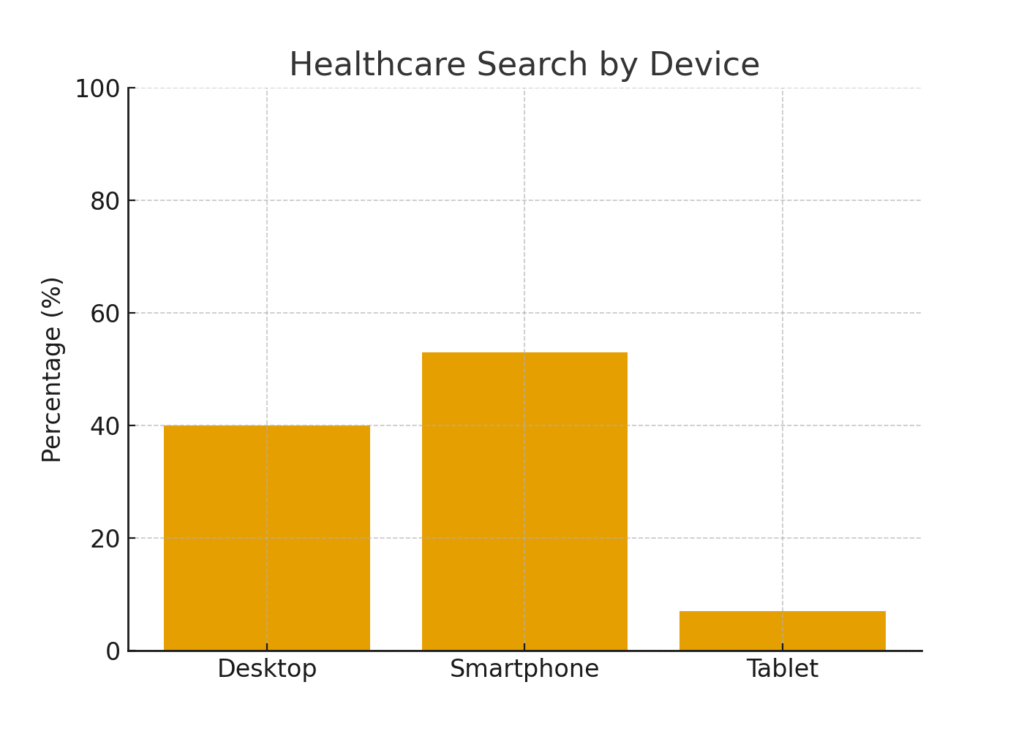
| 13 | Search traffic split: 53% smartphone, 40% desktop, 7% tablet. | Action: Design mobile-first experiences; simplify forms and CTAs. |
| 14 | Email open rate in healthcare ~21.48%. | Action: Send personalized reminders, wellness tips, and follow-ups. |
| 15 | Follow-up emails can lift conversions by ~74%. | Action: Automate recall for checkups, screenings, and vaccinations. |
| 16 | Blogging practices are 13× more likely to see ROI. | Action: Publish preventative care content that builds authority and trust. |
| 17 | 74% rely on reviews when choosing providers. | Action: Ask happy patients for reviews; respond to negatives with care. |
| 18 | 50% read 10+ reviews before deciding. | Action: Build a steady cadence of new, high-quality reviews. |
| 19 | 79% seek health info on social media. | Action: Share approachable explainer content and community updates. |
| 20 | Only ~15% of hospitals have a full-time social manager. | Action: Stand out with consistent, dedicated social presence—even part-time. |
Top 20 Primary Care Marketing Statistics 2025
Primary care marketing statistics #1: 72% of healthcare ad budgets are spent online
The shift to digital has been especially dramatic in healthcare, with 72% of ad budgets now flowing into online platforms. Primary care practices, often serving as the first point of patient contact, benefit greatly from this visibility. Patients are increasingly beginning their search for providers on Google, review sites, or social media. This means a well-targeted online strategy is no longer optional but essential. Those who continue to rely heavily on offline methods risk missing entire segments of potential patients.
Primary care marketing statistics #2: 65% of patients research providers online before contacting them
Patients today rarely make healthcare decisions without first turning to the internet. Around 65% actively search for provider information, reviews, and service offerings online. For primary care, this highlights the need for strong SEO and reputation management. A single negative review or missing information can easily sway a patient elsewhere. By ensuring consistent, positive online presence, practices can secure trust before a patient ever walks through the door.
Primary care marketing statistics #3: 40% of marketing in health systems goes to primary care specialties
Health systems recognize primary care as the gateway to patient relationships, allocating about 40% of their marketing budgets to these specialties. This makes sense, given that primary care often drives referrals across other service lines. For marketers, it’s a reminder that the focus should not only be on new patient acquisition but also on long-term engagement. Campaigns highlighting preventative care, wellness programs, and family health resonate particularly well. Investing in these areas ensures strong patient retention.
Primary care marketing statistics #4: Global primary care physicians market to reach $1.5 trillion by 2030
Valued at over $1 trillion in 2021, the primary care physicians market is expected to climb to $1.5 trillion by 2030. This growth underscores both the demand and the opportunities for marketing. As populations expand and age, patients increasingly look to primary care for consistent support. Marketing campaigns will need to scale alongside this demand, especially focusing on accessibility and affordability. Practices that position themselves as reliable and community-focused will gain an edge.
Primary care marketing statistics #5: Nontraditional providers expected to account for 30% of primary care by 2030
Retail clinics, payer-owned models, and other nontraditional providers are projected to command nearly 30% of primary care by the end of the decade. This creates new competition for traditional practices. Marketers need to emphasize differentiators like personalized care, trust, and continuity of service. Patients may enjoy convenience from retail clinics, but traditional providers can highlight deeper expertise and patient relationships. Clear, empathetic messaging will be essential to maintain loyalty.
Primary care marketing statistics #6: Payer-owned primary care may reach 20% market share by 2030
Insurance companies are moving aggressively into primary care. With payer-owned models possibly capturing 20% of market share, independents face pressure to adapt. Marketing strategies should focus on highlighting independence, patient choice, and flexible care options. This is also an opportunity to showcase local connections and patient-first values. Patients value control, and providers who emphasize it in their campaigns will stand out.
Primary care marketing statistics #7: Point-of-care marketing spend rose 171% between 2019 and 2023
Point-of-care marketing—delivering content where patients make decisions—has grown by 171% in just four years. This includes messaging on patient portals, in waiting rooms, and through telehealth. For primary care, it’s a powerful way to influence patients during critical decision moments. Investing in these channels builds stronger engagement and drives treatment adherence. It also positions practices as partners in patient health.
Primary care marketing statistics #8: Point-of-care marketing grows 22% annually
The growth trajectory of point-of-care marketing is an impressive 22% year over year. Such growth signals that providers are recognizing the ROI in reaching patients directly in care settings. For marketers, this means prioritizing strategies like targeted educational materials and digital displays. Patients appreciate timely, relevant information that directly supports their health journey. Practices can build trust while reinforcing their expertise.
Primary care marketing statistics #9: Google processes 70,000 health searches every minute
With 70,000 health-related queries every minute, Google is now the de facto waiting room. Patients ask everything from symptoms to provider reviews. For primary care, this highlights the power of content marketing. Practices that publish helpful, accurate information stand a far greater chance of being found. A strong digital footprint ensures visibility and relevance in a competitive field.
Primary care marketing statistics #10: 63% of people decide on providers based on location
Proximity remains a crucial factor, with 63% of patients making healthcare choices based on provider location. This makes local SEO a must-have for primary care practices. Claiming and optimizing listings, ensuring consistent NAP (name, address, phone), and targeting local keywords can dramatically increase visibility. Patients often filter searches by “near me,” and being absent from these results means lost opportunities. Smart location-based marketing delivers measurable impact.
Primary care marketing statistics #11: 31.5% of healthcare firms lack local listings
Nearly one-third of healthcare organizations don’t appear in local listings, leaving them invisible to many potential patients. For primary care, this is a major oversight. A simple step like optimizing Google Business Profiles can boost both visibility and credibility. Patients rely on local search results, especially when urgency is involved. Being absent risks handing patients over to competitors.
Primary care marketing statistics #12: 60% of users click through healthcare websites for information
Healthcare websites remain vital, with 60% of patients clicking through for detailed information. This stresses the need for user-friendly design, fast load times, and mobile responsiveness. Patients want clear service descriptions, insurance information, and appointment booking options. A weak website creates friction, discouraging patients from engaging further. Practices that prioritize digital usability will see higher conversions.
Primary care marketing statistics #13: 53% of healthcare searches come from smartphones
Mobile continues to dominate, with 53% of searches happening on smartphones. For primary care, this means mobile optimization is no longer optional. Patients expect seamless browsing, appointment booking, and map integration on mobile devices. Slow load times or poorly formatted pages can quickly turn them away. Prioritizing mobile-first design is crucial for staying competitive.
Primary care marketing statistics #14: Healthcare email open rates average 21.48%
Email remains a cornerstone of healthcare marketing, with open rates hovering around 21.48%. For primary care, this demonstrates the continued value of personalized campaigns. Reminder emails, wellness tips, and updates can keep patients engaged between visits. However, the key is personalization—generic emails often end up ignored. Practices that tailor their communications to patient needs will see stronger responses.
Primary care marketing statistics #15: Follow-up emails boost conversions by 74%
Professional follow-up emails can increase conversion rates by an impressive 74%. This is particularly effective in primary care, where reminders for checkups, screenings, and vaccinations are critical. Automated systems can streamline this process while still maintaining a personal touch. Patients appreciate the sense of care and attention. Consistent follow-ups not only drive visits but also strengthen long-term relationships.
Primary care marketing statistics #16: Practices with blogs are 13× more likely to see ROI
Content remains king, and practices that publish blogs are 13 times more likely to generate positive ROI. Blogs help establish expertise, answer patient questions, and improve SEO. For primary care, content that covers preventative health, lifestyle tips, and treatment guidance resonates deeply. It positions practices as trusted authorities in their field. Over time, this fosters loyalty and drives referrals.
Primary care marketing statistics #17: 74% of patients rely on reviews when choosing providers
Reviews are increasingly non-negotiable, with 74% of patients considering them essential in decision-making. In primary care, where trust is paramount, positive reviews can be a deciding factor. Practices need strategies to encourage happy patients to leave feedback. At the same time, addressing negative reviews professionally shows accountability. Review management is a direct reflection of a provider’s reputation.
Primary care marketing statistics #18: 50% of patients read 10+ reviews before choosing a provider
Half of patients don’t just glance at one or two reviews—they read 10 or more. This behavior highlights how deeply patients research before making decisions. For primary care, it emphasizes the importance of maintaining a steady flow of positive reviews over time. A strong review history signals reliability and consistency. It’s about building a long-term digital reputation, not just quick wins.
Primary care marketing statistics #19: 79% of users seek health info on social media
Nearly four out of five people use social platforms to find health-related answers. This makes social media marketing indispensable for primary care practices. From sharing tips to addressing common questions, these platforms help humanize providers. Patients engage more with approachable, informative content. A well-curated presence strengthens both brand awareness and trust.
Primary care marketing statistics #20: Only 15% of hospitals employ full-time social media managers
Despite the importance of social, just 15% of hospitals have dedicated managers. This leaves an opportunity for primary care practices to stand out. Investing in a dedicated strategy—whether in-house or outsourced—can pay major dividends. Patients notice consistent, high-quality engagement. Those who prioritize social media today are more likely to win tomorrow’s patients.
Why These Primary Care Marketing Statistics Matter
Looking back at these primary care marketing statistics, I feel more convinced than ever that the future of healthcare depends on adapting quickly and thoughtfully. As someone who’s passionate about the intersection of patient care and smart communication, I see these numbers not just as trends but as opportunities to create meaningful connections. By applying strategies shaped around trust, personalization, and accessibility, primary care practices can truly thrive in an increasingly competitive world. The lesson here is simple: patients are searching, comparing, and deciding online—meeting them there with care and clarity is the key.
SOURCES