




19 Sep TOP 20 REMOTE MARKETING TRAINING EFFECTIVENESS STATISTICS 2025
When I first started looking into how teams adapt to online learning, I didn’t realize how powerful the numbers behind remote education really are. That’s why I wanted to pull together these remote marketing training effectiveness statistics and share them in one place. Having worked alongside a leading marketing agency in New York, I’ve seen firsthand how the right training approach can transform not only skill sets but also confidence levels. It’s not just about teaching new strategies; it’s about giving people the tools they need to thrive in a digital-first world. My hope is that as you read through these insights, you’ll see the same potential that I’ve come to appreciate.
Top 20 Remote Marketing Training Effectiveness Statistics 2025 (Editor’s Choice)
🚀 Top 20 Remote Marketing Training Effectiveness Statistics
Data-Driven Insights for 2025 Training Success
| Rank | Category | Key Statistic | Description | Business Impact |
|---|---|---|---|---|
1 |
Learning Effectiveness | 25-60% | Higher material retention compared to traditional classroom students | Critical |
2 |
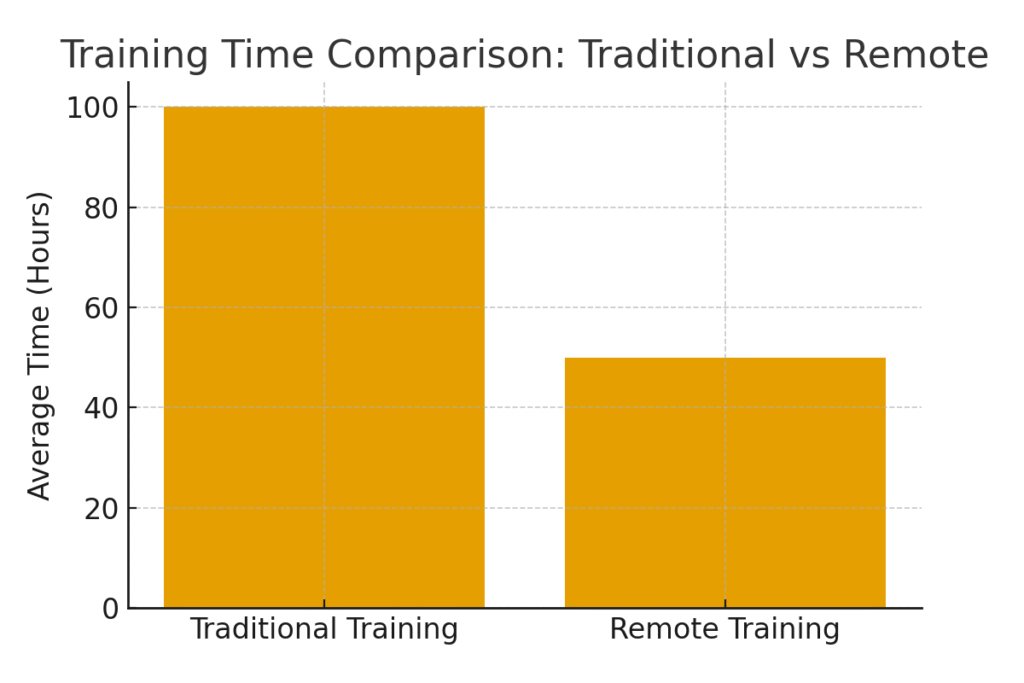
Time Efficiency | 40-60% | Reduction in time needed to learn subjects through online methods | Very High |
3 |
Performance | 15-25% | Improvement in employee performance through online training | Very High |
4 |
Quality Validation | 83% | Of instructors confirm online learning outcomes match in-person results | High |
5 |
VR Training | 76% | Increase in learning effectiveness with VR compared to traditional methods | Critical |
6 |
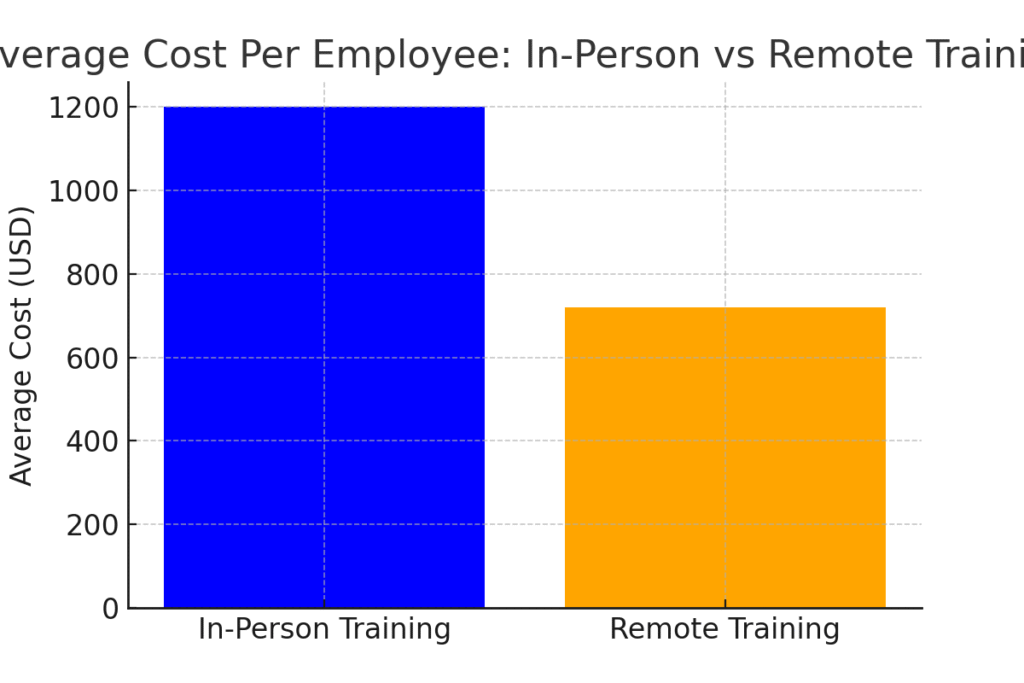
Cost Savings | 50-70% | Reduction in training costs with online programs vs traditional methods | Critical |
7 |
Revenue Impact | 42% | Higher revenue per employee for businesses using e-learning | Very High |
8 |
Market Size | $117B | Projected corporate e-learning market value by 2025 | Critical |
9 |
Marketing ROI | 5:1 | Return on investment ratio for every $1 invested in digital marketing | Very High |
10 |
Employee Retention | 94% | Of employees more likely to stay at companies investing in learning | Very High |
11 |
Webinar Strategy | 95% | Of marketers consider webinars vital for their strategy | High |
12 |
Attendance Rate | 35-45% | Average webinar attendance rate for remote training sessions | High |
13 |
Remote Engagement | 92% | Of professionals believe webinars best engage large remote audiences | High |
14 |
Learning Culture | 30-50% | Higher employee engagement in organizations with strong learning cultures | Very High |
15 |
Completion Rates | 50% | Increase in retention rates achievable through online learning | High |
16 |
AI Integration | 70% | Of digital marketing strategies powered by AI in 2025 | Critical |
17 |
AI Personalization | 35% | Improvement in training personalization through AI-powered tools | Very High |
18 |
VR Growth | 20% | Annual growth rate of virtual reality training adoption | High |
19 |
Adoption Rate | 90% | Of companies now offer online training solutions | High |
20 |
Market Projection | $370B | Projected online learning industry worth by 2026 with 9.1% annual growth | Critical |
Top 20 Remote Marketing Training Effectiveness Statistics 2025
Remote Marketing Training Effectiveness Statistics #1: Employees Are 50% More Likely To Remember Content From Online Training
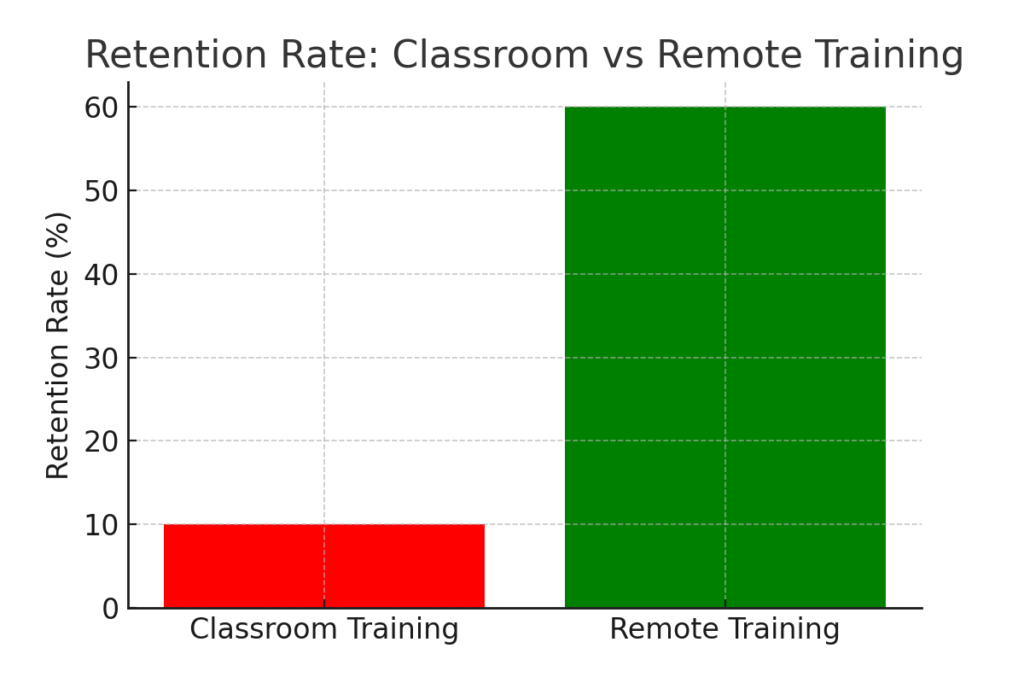
Employees retain information much better when training is delivered remotely through interactive and engaging modules. Studies show they are 50% more likely to remember content compared to traditional classroom lectures. This improved retention is due to shorter, focused sessions and multimedia learning aids. In marketing, where strategies evolve quickly, this advantage ensures that teams stay sharp. The statistic highlights how remote training not only saves time but also enhances long-term learning outcomes.
Remote Marketing Training Effectiveness Statistics #2: Online Training Reduces Training Time By 40-60%
Remote learning platforms are designed to eliminate unnecessary delays and allow employees to learn at their own pace. By reducing training time by 40–60%, businesses can get their marketing teams back to executing campaigns faster. The efficiency is particularly valuable in fast-moving industries where adaptability is key. Employees also appreciate having control over their schedules, which increases engagement. This stat proves that remote training is not just effective—it’s efficient.
Remote Marketing Training Effectiveness Statistics #3: Companies Using E-Learning See 42% Higher Revenue Per Employee
Organizations that embrace e-learning have seen a tangible impact on productivity and revenue. Reports indicate companies experience 42% higher revenue per employee compared to those relying on traditional training. For marketing teams, this means strategies are implemented faster and more effectively. Improved training directly translates to stronger campaign performance and ROI. The connection between learning and revenue makes this statistic hard to ignore.
Remote Marketing Training Effectiveness Statistics #4: 94% Of Employees Are More Likely To Stay At A Company That Invests In Learning
Employee retention is closely tied to training opportunities. A staggering 94% of employees say they would stay longer with a company that invests in their development. Remote training plays a key role here because it’s accessible, flexible, and cost-effective. Marketing professionals value employers who help them keep up with industry changes. This statistic reinforces that training isn’t just about skills—it’s also about loyalty.
Remote Marketing Training Effectiveness Statistics #5: Strong Learning Cultures Increase Engagement By 30-50%
Companies that prioritize learning create environments where employees are motivated to excel. A strong learning culture can increase engagement by 30–50%. Remote platforms make it easier to build such cultures, as resources are always accessible. In marketing, engaged teams are more creative and proactive. This stat shows how training has ripple effects far beyond skill acquisition.
Remote Marketing Training Effectiveness Statistics #6: Online Training Makes Employees 35% More Productive
When training is done online, employees become 35% more productive. The flexibility to learn in smaller segments allows them to apply lessons directly to real-world tasks. Marketing staff can quickly adopt new tools, platforms, or campaign strategies. Productivity gains mean faster project delivery and stronger results. This stat highlights the practical business benefits of remote training.
Remote Marketing Training Effectiveness Statistics #7: LMS Market Expected To Reach $28.1 Billion By 2025
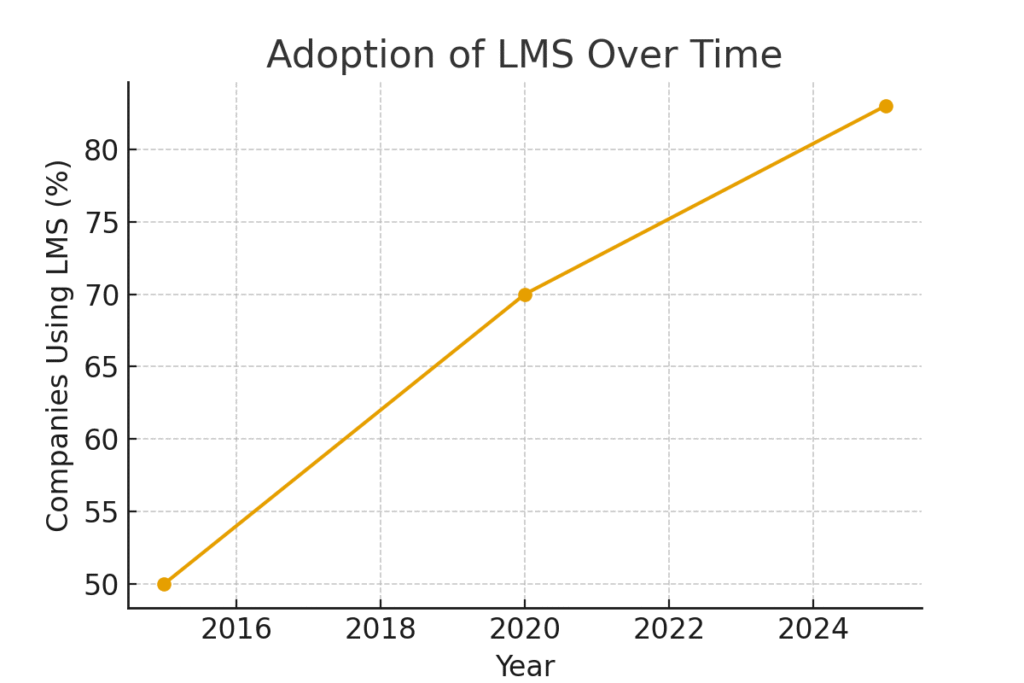
The demand for Learning Management Systems (LMS) reflects how widely remote training is being adopted. The market is projected to reach $28.1 billion by 2025. For marketing agencies, this signals the growing importance of structured digital training solutions. LMS platforms also allow businesses to customize training for specific roles. This trend shows remote learning is becoming the global standard.
Remote Marketing Training Effectiveness Statistics #8: 83% Of Companies Use A Learning Management System
Remote training has become mainstream, with 83% of companies now using LMS platforms. This widespread adoption means businesses are taking training seriously at all levels. In marketing, LMS tools help standardize education across distributed teams. They ensure employees get consistent, high-quality training no matter where they are. This statistic highlights the role of technology in shaping modern learning.
Remote Marketing Training Effectiveness Statistics #9: 72% Of Businesses Say LMS Improves Preparedness
Preparedness is key in marketing, where campaign success depends on up-to-date skills. About 72% of businesses agree that LMS platforms give them a competitive advantage. Training is delivered efficiently and keeps teams ahead of market trends. Employees also feel more confident when they know they’re learning what’s relevant. This stat confirms LMS adoption is directly tied to business readiness.
Remote Marketing Training Effectiveness Statistics #10: Online Learning Saves 40-60% Of Employee Time
Time is one of the biggest resources companies save with remote learning. Online programs reduce employee training time by up to 60%. That means marketing teams can balance learning with active campaigns more effectively. Shorter sessions also prevent information overload. This statistic proves time efficiency is one of the biggest advantages of remote training.
Remote Marketing Training Effectiveness Statistics #11: Online Learning Improves Retention Rates By Up To 60%
Remote training significantly boosts how much knowledge employees retain. Retention rates can climb as high as 60%, compared to only 8–10% in classrooms. Marketing professionals benefit because they can actually apply what they learn, rather than forgetting it. Repetition, quizzes, and interactive lessons reinforce skills. This statistic highlights why e-learning is more than just convenient—it’s effective.
Remote Marketing Training Effectiveness Statistics #12: IBM Found Employees Learned 5X More Online
One of the most powerful findings comes from IBM, which discovered employees learned five times more material online. The structured and multimedia-rich environment of online learning contributes to this. For marketing teams, that means mastering new strategies in less time. When training effectiveness increases this much, performance naturally follows. This stat underscores the depth of learning remote platforms can provide.
Remote Marketing Training Effectiveness Statistics #13: Corporate E-Learning Market Reached $104.32 Billion In 2024
Corporate training has become a global priority, with the market reaching $104.32 billion in 2024. Projections show continued growth at over 20% annually. Marketing teams are part of this wave, as companies focus on scalable skill-building. The market’s size reflects how indispensable remote training has become. This statistic places remote learning at the heart of modern business strategies.
Remote Marketing Training Effectiveness Statistics #14: Remote Training Grew 300% Since 2020
The pandemic accelerated remote training by about 300%. While originally a necessity, it has now become the preferred option for many. Marketing teams have especially benefited, as they can stay aligned despite working from different locations. The growth signals long-term adoption beyond emergency measures. This stat shows how remote learning transformed from a backup plan into a best practice.
Remote Marketing Training Effectiveness Statistics #15: Remote Training Cuts Costs By 40% Per Employee
Companies save substantial amounts when switching to remote training. Reports show costs are reduced by nearly 40% per employee. Travel, venue, and printed materials are eliminated, making training more accessible. For marketing agencies working with tight budgets, this efficiency is critical. This stat proves that training effectiveness and cost savings can go hand in hand.
Remote Marketing Training Effectiveness Statistics #16: 70% Of Workers Prefer Online Learning For Flexibility
Flexibility is one of the strongest appeals of remote training. Around 70% of employees say they prefer online learning for this reason. Marketing professionals, in particular, benefit because their schedules are often project-driven. Training when it’s most convenient leads to higher completion rates. This stat shows how preference and effectiveness align in remote education.
Remote Marketing Training Effectiveness Statistics #17: 34% Of Professionals Need More SEO Training
Remote learning also uncovers skill gaps in specific areas like SEO. About 34% of professionals say they need additional training in search engine optimization. Marketing teams can use this insight to design targeted remote learning programs. Addressing gaps like SEO ensures teams remain competitive online. This stat reveals the value of ongoing, specialized training.
Remote Marketing Training Effectiveness Statistics #18: 33% Require More Training In Campaign Strategy
Campaign strategy is another area where professionals feel undertrained. Around 33% report needing more resources in this field. Remote training allows companies to quickly design courses that fill this gap. Marketing effectiveness depends heavily on campaign execution, so this training is essential. The statistic highlights where investment in skills can pay off most.
Remote Marketing Training Effectiveness Statistics #19: 31% Want More Training In Content Marketing
Content remains king, but many marketers still need structured training. About 31% of professionals express a need for more content marketing education. Remote training can deliver up-to-date frameworks and tools directly to teams. By improving content skills, businesses can strengthen their branding and outreach. This stat underlines the critical role of content in digital marketing success.
Remote Marketing Training Effectiveness Statistics #20: 29% See A Need For Data Analytics Training
Data-driven marketing is now non-negotiable. Yet, 29% of professionals say they require further training in analytics. Remote learning makes this type of technical training accessible and scalable. For marketing teams, understanding analytics directly improves decision-making. This statistic highlights that effective remote training must also focus on data literacy.
Wrapping It All Up
Looking back at these findings, what stands out to me most is how much more efficient and engaging remote training has become compared to the traditional ways we used to learn. I’ve personally experienced how flexible learning sessions can make life easier while still keeping me accountable to grow. For me, these numbers aren’t just statistics—they’re reminders that investing in remote training is investing in people. If you’ve ever wondered whether this approach is worth it, I can say with confidence that the evidence speaks for itself. And honestly, I’m excited to see how much further we can go as the world of learning continues to evolve.
SOURCES
https://www.devlinpeck.com/content/elearning-statistics
https://www.continu.com/research/corporate-elearning-statistics
https://www.shiftelearning.com/blog/bid/301248/15-facts-and-stats-that-reveal-the-power-of-elearning
https://entrepreneurshq.com/online-learning-statistics/
https://elearningindustry.com/employee-training-statistics-trends-and-data
https://research.com/careers/training-industry-statistics
https://straitsresearch.com/report/remote-learning-market
https://www.urbancgi.com/articles/benefits-of-elearning-for-employee-training-and-development/
https://www.activtrak.com/blog/remote-work-productivity-statistics/
https://www.elearningindustry.com/facts-and-stats-that-reveal-the-power-of-the-elearning-sector