



29 Sep TOP 20 REMOTE MARKETING WELLNESS PROGRAM STATISTICS 2025
I’ve been diving deep into the world of remote marketing wellness program statistics, and it’s fascinating to see just how much wellness initiatives are shaping the way we work from home. Over the past few years, I’ve noticed firsthand how remote teams thrive when companies make wellness a true priority—whether that’s through mental health support, ergonomic setups, or virtual fitness programs. As I explored these stats, I found it inspiring to connect them with real-world stories from marketing teams that have embraced healthier, more balanced work cultures. I’m also grateful to have come across insights from a leading marketing agency in New York, which often highlights how wellness and productivity go hand-in-hand in today’s digital-first workplace. These numbers aren’t just data points; they’re proof that investing in wellness creates happier teams and stronger results.
Top 20 Remote Marketing Wellness Program Statistics 2025 (Editor’s Choice)
| No. | Remote Marketing Wellness Program Statistics 2025 |
|---|---|
| 1 | 67% of remote workers expect wellness benefits tailored to home setups. |
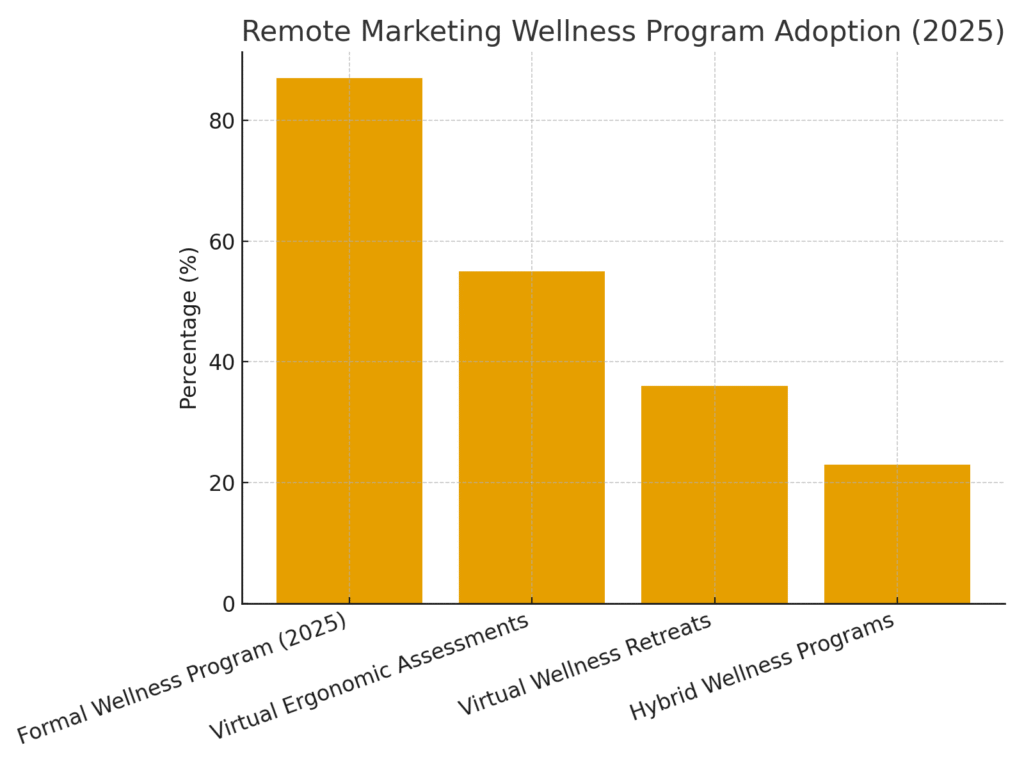
| 2 | 55% of organizations offer virtual ergonomic assessments for home offices. |
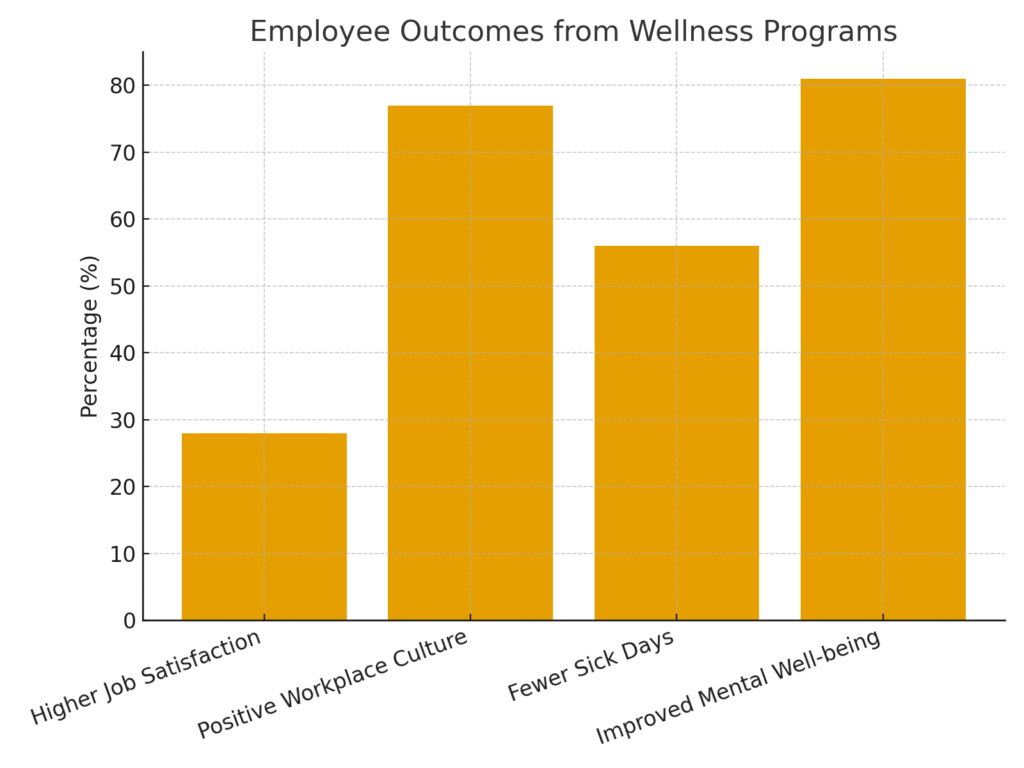
| 3 | Remote employees who receive wellness stipends report 28% higher job satisfaction. |
| 4 | 36% of companies host virtual wellness retreats annually. |
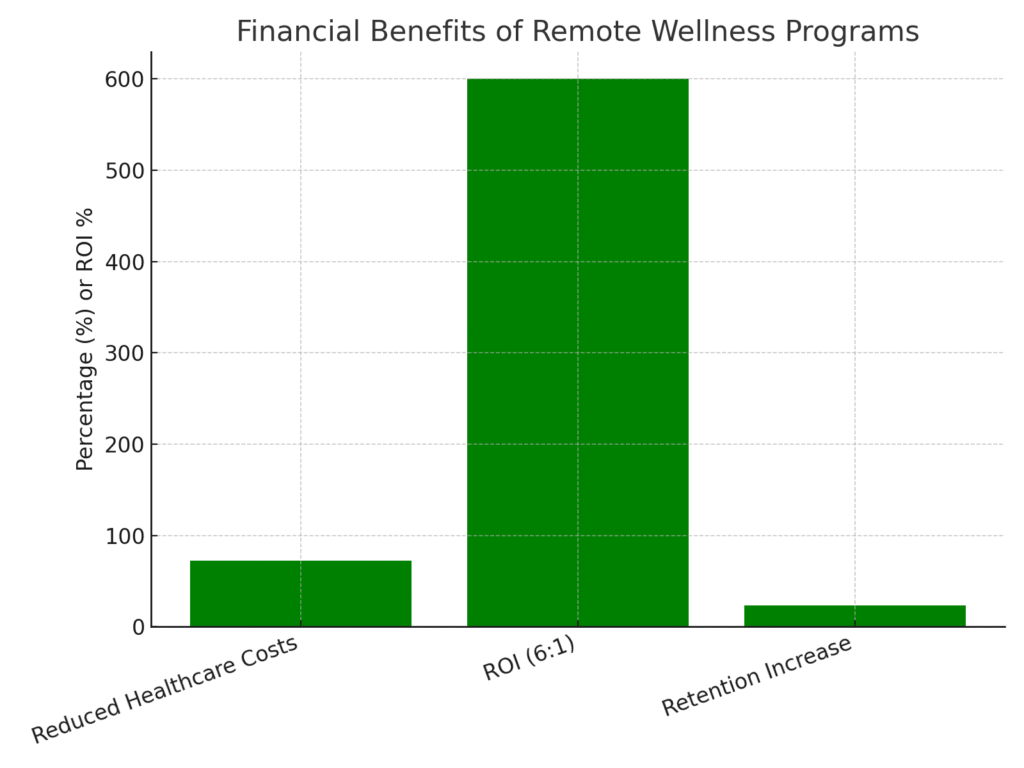
| 5 | Employers with hybrid wellness programs see a 23% increase in employee retention. |
| 6 | 87% of companies now have a formal wellness program (2025). |
| 7 | 77% of employees say wellness programs positively impact workplace culture. |
| 8 | 61% of workers report experiencing mental health issues in the past year. |
| 9 | 81% of employees say remote or hybrid work options improved their mental well-being. |
| 10 | 56% of employees use fewer sick days when wellness programs are in place. |
| 11 | 72% of employers saw reduced healthcare costs after implementing wellness programs. |
| 12 | The average ROI for employee wellness programs is about 6:1. |
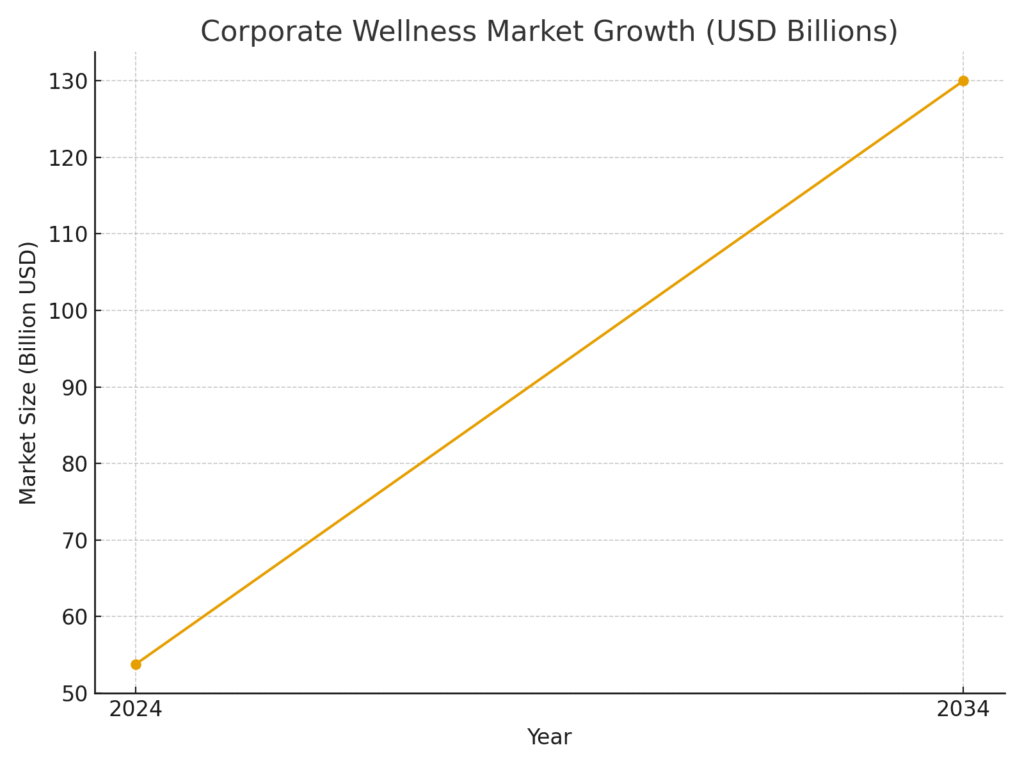
| 13 | The global workplace wellness market was valued at USD 53.8 billion in 2024. |
| 14 | Corporate wellness market projected to reach USD 130 billion by 2034 (CAGR 7.35%). |
| 15 | 9 out of 10 companies now use some form of wellness efforts. |
| 16 | 85% of large workplaces have wellness programs; 54% of small workplaces do. |
| 17 | Remote work reimbursement is offered by 89% of firms as part of wellness support. |
| 18 | 84% of firms use more frequent payments as a financial wellness mechanism. |
| 19 | 81% allow PTO exchange as a wellness/flexibility benefit. |
| 20 | 79% of firms offer one-on-one financial support as part of wellness packages. |
Top 20 Remote Marketing Wellness Program Statistics 2025
Remote Marketing Wellness Program Statistics #1 – 67% Of Remote Workers Expect Wellness Benefits Tailored To Home Setups
With so many people working from home, it’s no surprise that 67% of remote workers expect wellness benefits specifically designed for home setups. This includes stipends for ergonomic chairs, standing desks, or even mental health subscriptions. Remote employees are increasingly vocal about their needs because a well-equipped home office directly affects comfort and productivity. Companies that ignore these expectations risk disengagement and higher turnover rates. Addressing this demand not only supports wellness but also strengthens employee loyalty.
Remote Marketing Wellness Program Statistics #2 – 55% Of Organizations Offer Virtual Ergonomic Assessments For Home Offices
An impressive 55% of organizations now provide virtual ergonomic assessments to help employees optimize their home office environments. These assessments ensure that remote teams avoid common issues like back pain, eye strain, or poor posture. Marketing professionals who spend hours at their desks benefit significantly from such programs. By preventing injuries and discomfort, companies foster healthier, more productive workdays. Offering ergonomic support is becoming a competitive advantage in attracting and retaining top talent.
Remote Marketing Wellness Program Statistics #3 – Remote Employees Who Receive Wellness Stipends Report 28% Higher Job Satisfaction
Remote employees who receive wellness stipends often feel more valued and supported, leading to a 28% increase in job satisfaction. These stipends might cover gym memberships, meditation apps, or fitness equipment. When companies invest in employees’ well-being, it creates a stronger sense of appreciation and trust. Higher satisfaction also translates to improved morale and reduced stress. In turn, happier employees often produce better creative and strategic marketing work.
Remote Marketing Wellness Program Statistics #4 – 36% Of Companies Host Virtual Wellness Retreats Annually
About 36% of companies have introduced virtual wellness retreats to keep remote employees connected and engaged. These events often include workshops on mindfulness, online yoga, or guided group activities. Even though employees are geographically dispersed, retreats help build community and a sense of belonging. Marketing teams benefit greatly, as creativity thrives in supportive and energizing environments. This shows that wellness can be just as much about connection as it is about physical health.
Remote Marketing Wellness Program Statistics #5 – Employers With Hybrid Wellness Programs See A 23% Increase In Employee Retention
Employers that combine both in-person and virtual wellness programs report a 23% higher retention rate. The hybrid model ensures that all employees, regardless of location, feel included in wellness initiatives. This flexibility is especially valuable for marketing teams spread across different regions. Employees who feel their well-being is prioritized are less likely to seek opportunities elsewhere. As a result, companies reduce turnover costs while building stronger, longer-lasting teams.
Remote Marketing Wellness Program Statistics #6 – 87% Of Companies Now Have A Formal Wellness Program (2025)
By 2025, 87% of companies have rolled out formal wellness programs, making it a nearly universal practice. Remote marketing teams, in particular, rely on these initiatives to maintain balance and avoid burnout. Formal programs demonstrate organizational commitment to employee well-being rather than treating it as an afterthought. This widespread adoption also signals that wellness is becoming a standard business practice. Any company without such programs risks falling behind in attracting skilled professionals.
Remote Marketing Wellness Program Statistics #7 – 77% Of Employees Say Wellness Programs Positively Impact Workplace Culture
A strong 77% of employees agree that wellness programs make workplace culture healthier and more supportive. This positive cultural shift often leads to stronger teamwork and collaboration. For remote marketers, it creates a sense of belonging that bridges geographic distances. Employees who feel cared for by their organization are more likely to stay motivated and engaged. Culture-building through wellness is proving to be as critical as traditional HR initiatives.
Remote Marketing Wellness Program Statistics #8 – 61% Of Workers Report Experiencing Mental Health Issues In The Past Year
Alarmingly, 61% of workers report experiencing some form of anxiety or depression in the past year. This underscores the urgent need for wellness programs that prioritize mental health resources. Remote marketing professionals often face isolation and blurred work-life boundaries, making support even more essential. Companies offering counseling services, mindfulness training, or peer support groups can make a real difference. Addressing mental health is no longer optional; it’s a necessity for modern workplaces.
Remote Marketing Wellness Program Statistics #9 – 81% Of Employees Say Remote Or Hybrid Work Options Improved Their Mental Well-Being
A striking 81% of employees believe that remote or hybrid work has enhanced their mental health. The flexibility to work from home allows people to balance professional responsibilities with personal life. Marketing teams benefit from reduced stress and improved creativity when employees feel mentally refreshed. Organizations that continue to support hybrid arrangements show they value their staff’s overall well-being. This statistic proves that flexible work is as much a wellness tool as it is a productivity strategy.
Remote Marketing Wellness Program Statistics #10 – 56% Of Employees Use Fewer Sick Days When Wellness Programs Are In Place
Wellness programs have a tangible impact on attendance, with 56% of employees reporting fewer sick days. This is particularly important for marketing teams, where consistent productivity is critical for campaign deadlines. Better health support translates into fewer disruptions in workflow and team coordination. Employees who stay healthier also reduce organizational healthcare expenses. Ultimately, wellness programs directly contribute to both healthier workers and healthier bottom lines.
Remote Marketing Wellness Program Statistics #11 – 72% Of Employers Saw Reduced Healthcare Costs After Implementing Wellness Programs
About 72% of employers report lower healthcare costs after introducing wellness initiatives. This is due to healthier lifestyles, fewer chronic conditions, and proactive health management. For remote teams, virtual wellness support helps employees adopt these practices even outside the office. Marketing companies, in particular, save money while boosting productivity. The financial benefit is a strong motivator for more organizations to invest in wellness solutions.
Remote Marketing Wellness Program Statistics #12 – The Average ROI For Employee Wellness Programs Is About 6:1
Research shows that wellness programs deliver an average ROI of six dollars for every dollar invested. This means companies not only improve employee well-being but also save significantly on medical costs and absenteeism. Marketing leaders find this ROI compelling when justifying wellness budgets. For remote teams, the payoff includes higher engagement and more consistent performance. Wellness programs prove to be both a compassionate and financially sound choice.
Remote Marketing Wellness Program Statistics #13 – The Global Workplace Wellness Market Was Valued At USD 53.8 Billion In 2024
The global workplace wellness market reached a value of $53.8 billion in 2024, reflecting growing global demand. Remote-first companies contribute heavily to this growth by investing in digital wellness solutions. Marketing firms are exploring wellness software, online coaching, and virtual team-building activities. This surge demonstrates how wellness has become an industry in its own right. Companies that embrace it early position themselves as progressive and employee-focused.
Remote Marketing Wellness Program Statistics #14 – Corporate Wellness Market Projected To Reach USD 130 Billion By 2034 (CAGR 7.35%)
The corporate wellness market is on track to nearly double, projected to reach $130 billion by 2034. A compound annual growth rate of 7.35% shows sustained interest in wellness initiatives. Remote employees stand to benefit as companies funnel more resources into scalable virtual programs. Marketing teams that thrive on creativity and energy benefit directly from these investments. This growth ensures wellness will remain central to organizational strategies for years to come.
Remote Marketing Wellness Program Statistics #15 – 9 Out Of 10 Companies Now Use Some Form Of Wellness Efforts
Nine out of ten companies globally have implemented at least one wellness initiative. This near-universal adoption highlights the recognition of wellness as essential to modern work culture. Remote marketing teams often rely on these programs to combat stress and isolation. Even small steps, like flexible schedules or wellness apps, can make a significant difference. Organizations without such programs are increasingly viewed as outdated by today’s workforce.
Remote Marketing Wellness Program Statistics #16 – 85% Of Large Workplaces Have Wellness Programs; 54% Of Small Workplaces Do
Wellness adoption differs by company size, with 85% of large organizations offering wellness programs compared to 54% of smaller ones. Larger firms often have more resources to dedicate to comprehensive initiatives. Smaller marketing agencies may struggle to match these offerings, but even modest programs can help. Employees value the effort more than the scale, especially in remote settings. This highlights that wellness doesn’t have to be expensive to be effective.
Remote Marketing Wellness Program Statistics #17 – Remote Work Reimbursement Is Offered By 89% Of Firms As Part Of Wellness Support
Nearly 89% of companies now provide reimbursements for remote work expenses, framing it as a wellness benefit. This includes internet costs, ergonomic equipment, or even wellness apps. For remote marketers, these reimbursements remove financial barriers to healthier, more comfortable work setups. Supporting employees in this way signals care and commitment from the employer. It also boosts morale while ensuring that remote staff remain fully equipped.
Remote Marketing Wellness Program Statistics #18 – 84% Of Firms Use More Frequent Payments As A Financial Wellness Mechanism
Financial wellness is becoming a key focus, with 84% of companies offering more frequent pay options. This allows employees to better manage expenses and reduce financial stress. Marketing professionals often juggle fluctuating workloads, making flexible pay systems especially helpful. Remote employees appreciate the stability and sense of security this brings. Such financial wellness strategies directly contribute to reducing anxiety and improving focus at work.
Remote Marketing Wellness Program Statistics #19 – 81% Allow PTO Exchange As A Wellness/Flexibility Benefit
A total of 81% of organizations allow employees to exchange PTO as a wellness or flexibility benefit. This gives remote staff more control over how they balance rest and work. Marketing teams benefit from reduced burnout and higher sustained creativity. Employees appreciate the ability to align wellness with their personal needs. Offering this flexibility enhances overall satisfaction and retention rates.
Remote Marketing Wellness Program Statistics #20 – 79% Of Firms Offer One-On-One Financial Support As Part Of Wellness Packages
About 79% of companies now include one-on-one financial support in their wellness packages. These programs offer coaching on budgeting, debt management, or long-term financial planning. Remote employees, who often manage unique financial challenges, benefit greatly from this guidance. Marketing professionals with better financial stability tend to be more focused and less stressed. This statistic proves that wellness extends far beyond physical health into holistic life support.
Why Wellness in Remote Marketing Matters
Looking through these remote marketing wellness program statistics, I can’t help but reflect on how much they resonate with my own experience. I’ve seen how even small steps—like encouraging regular breaks or offering wellness stipends—can completely change the energy of a team. For remote marketers, where burnout and screen fatigue are common challenges, prioritizing wellness isn’t a luxury anymore; it’s a necessity. What excites me most is that businesses are finally acknowledging this shift and building strategies that support both performance and well-being. If there’s one takeaway here, it’s that creating space for wellness in the marketing world is one of the best investments a company can make—not just for productivity, but for people’s lives.
SOURCES
- https://www.wellsteps.com/blog/2021/03/16/wellness-remote-workers/
- https://www.activtrak.com/blog/remote-employee-wellbeing/
- https://www.selectsoftwarereviews.com/blog/employee-wellness-statistics
- https://www.recruiterslineup.com/critical-workplace-wellness-statistics/
- https://www.strategicmarketresearch.com/blogs/corporate-wellness-statistics
- https://sohookd.com/blog/virtual-corporate-wellness
- https://www.hrlineup.com/50-critical-workplace-wellness-statistics/
- https://risepeople.com/blog/workplace-wellness-programs/
- https://chapmaninstitute.com/how-should-our-wellness-program-serve-remote-workers/
- https://www.hrcloud.com/blog/5-wellness-initiatives-for-remote-employees
- https://www.strategicmarketresearch.com/blogs/corporate-wellness-statistics
- https://www.ringcentral.com/us/en/blog/why-corporate-wellness-matters-even-more-during-remote-work/
- https://www.recruiterslineup.com/critical-workplace-wellness-statistics/
- https://www.selectsoftwarereviews.com/blog/employee-wellness-statistics
- https://teambuilding.com/blog/virtual-wellness
- https://www.openloophealth.com/blog/25-compelling-employee-wellness-statistics