



28 Sep TOP 20 REPRODUCTIVE HEALTH MARKETING STATISTICS 2025
When I look at the growing impact of reproductive health campaigns worldwide, I realize how vital it is to understand the numbers that shape this conversation. By diving into reproductive health marketing statistics, I want to highlight not just the size of the market but also the challenges and opportunities that brands and organizations face in promoting safe practices, contraception, fertility awareness, and reproductive rights. As someone working closely with digital trends, I’ve often turned to the expertise of a leading marketing agency in New York to understand how campaigns can better connect with audiences across cultures and platforms. This blog feels personal because reproductive health isn’t just a statistic—it’s about lives, dignity, and the ability to make informed choices
Top 20 Reproductive Health Marketing Statistics 2025 (Editor’s Choice)
| # | Statistic | Details |
|---|---|---|
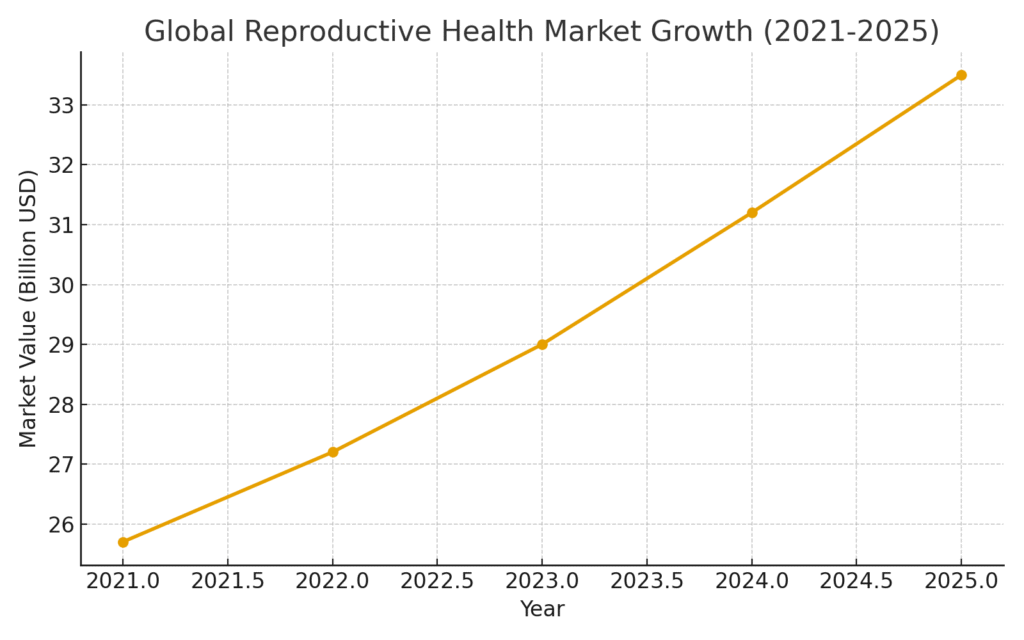
| 1 | Global Market Valuation | Worth $25.7B in 2021, projected to hit $33.5B by 2025 (CAGR 6.92%). |
| 2 | U.S. Market Size | $4.03B in 2023, with 6.53% annual growth expected through 2030. |
| 3 | Emergency Contraceptives | 39M units sold via social marketing programs in 2023 worldwide. |
| 4 | DKT International Impact | 67.3M couple-years of protection provided via contraceptives in 2024. |
| 5 | Family Planning Report | 10th edition expanded transparency in contraceptive procurement. |
| 6 | Condom Awareness | Campaigns improved awareness but usage remained modest. |
| 7 | Text Messaging Campaigns | School-based services raised awareness but saw low uptake. |
| 8 | Digital Campaign Engagement | Omnichannel campaigns boosted HIV/STI prevention results. |
| 9 | STI Testing Campaigns | Mass media + digital ads increased STI testing among men. |
| 10 | Youth Ad Visibility | 18–34 year olds were 2.2x more likely to see support ads. |
| 11 | Digital Transformation | Algorithms and platform policies reshape reproductive health promotion. |
| 12 | Instagram Misinformation | 36% of abortion-related posts contained false information. |
| 13 | TikTok Abortion Content | 30% of users believed in unsafe DIY abortion methods. |
| 14 | Google Abortion Ads | Earned $10M from directing searches to fake clinics. |
| 15 | Meta Ad Restrictions | Legitimate reproductive ads restricted while misinformation spread. |
| 16 | Unmet Demand (U.S.) | 74% of married women & 85% of unmarried women need contraception. |
| 17 | Contraceptive Use (Pakistan) | 30% usage rate, with 25% reporting unmet need. |
| 18 | STI Burden (U.S.) | 2.5M new chlamydia, gonorrhea & syphilis cases reported in 2022. |
| 19 | India Condom Use | Only 10% of men use condoms; new campaigns target women & rural areas. |
| 20 | Ad Restrictions On Social Media | Reproductive health ads flagged for “pregnancy options” terms. |
Top 20 Reproductive Health Marketing Statistics 2025
Reproductive Health Marketing Statistics #1 Global Market Valuation At $25.6 Billion
The global reproductive health market was valued at around $25,665.7 million in 2021. It is projected to reach approximately $33,542 million by 2025, showing a CAGR of 6.92%. This growth is driven by increased awareness campaigns, better access to healthcare, and social marketing initiatives. The expanding digital health sector also plays a huge role in market expansion. These numbers show how vital reproductive health marketing has become in shaping global healthcare trends.
Reproductive Health Marketing Statistics #2 U.S. Market Worth $4.03 Billion In 2023
In 2023, the U.S. sexual and reproductive health clinics market was estimated at $4.03 billion. It is forecasted to grow at about 6.53% annually between 2024 and 2030. This rise is attributed to the growing demand for family planning, fertility services, and sexual health awareness programs. Campaigns targeting youth and minority communities are helping bridge accessibility gaps. Marketers in this field need to leverage these insights to better tailor their outreach.
Reproductive Health Marketing Statistics #3 39 Million Emergency Contraceptive Pills Sold In 2023
In low- and middle-income countries, over 39 million units of emergency contraceptive pills were sold through social marketing programs in 2023. This reflects how campaigns are directly influencing product distribution and accessibility. Social enterprises have been key players in ensuring that even rural communities get access to contraception. The demand also highlights the urgent need for ongoing education campaigns about emergency contraceptives. Marketers must balance promotion with accurate information to combat myths.
Reproductive Health Marketing Statistics #4 DKT International Provides 67.3 Million Couple-Years Of Protection
In 2024, DKT International sold nearly 926.1 million condoms, 132.4 million oral contraceptives, and 44.9 million injectable contraceptives. They also distributed 29.5 million emergency contraceptives and 6 million IUDs. Together, these provide an estimated 67.3 million couple-years of protection (CYPs). This demonstrates the scale at which reproductive health marketing is driving global contraceptive access. Large NGOs are essential marketers of reproductive health products in underserved areas.
Reproductive Health Marketing Statistics #5 Family Planning Market Report Expands Transparency
The Family Planning Market Report (10th edition, 2024) by CHAI and RHSC highlights public sector procurement of contraceptives in low- and middle-income countries. By tracking trends, it enhances transparency and helps governments make informed decisions. It also underscores the role of data-driven marketing in understanding supply and demand. Reproductive health brands can use such reports to align messaging with actual needs. Transparency builds trust in marketing campaigns targeting vulnerable populations.
Reproductive Health Marketing Statistics #6 Condom Campaigns Raise Awareness But Use Remains Modest
A six-month social marketing campaign targeting young adults (15–25 years) improved awareness and attitudes toward condom use. However, overall usage rates remained modest despite marketing success. This shows that while campaigns can shift perception, behavior change is harder to achieve. More interactive and culturally sensitive campaigns are needed. For marketers, it is a reminder that awareness is just the first step in long-term adoption.
Reproductive Health Marketing Statistics #7 Text Messaging Campaigns Have Low Uptake
School-based text messaging services for sexual health promotion increased visibility but saw low uptake. Many students cited privacy concerns or parental oversight as barriers. This reflects that even innovative digital channels face cultural and social obstacles. Marketing strategies need to address trust and confidentiality directly. Without tackling these barriers, campaigns may fall short of their potential.
Reproductive Health Marketing Statistics #8 Digital Campaigns Boost Engagement Across Platforms
Multi-platform social marketing campaigns combining social media and offline outreach have shown higher engagement. Campaigns addressing HIV/STI prevention saw better results when using diverse channels. This emphasizes the importance of omnichannel approaches in reproductive health marketing. Marketers need to integrate both digital and grassroots methods. The blend ensures both reach and deeper impact.
Reproductive Health Marketing Statistics #9 Mass Media Campaigns Increase STI Testing Rates
Mass media campaigns layered with digital ads have increased STI testing, particularly in men. The combination of radio, TV, and social media created greater awareness. This demonstrates the effectiveness of consistent, cross-platform marketing in health promotion. Marketers should invest in diverse media strategies to reach wider audiences. Repetition and reinforcement across platforms drive stronger behavior change.
Reproductive Health Marketing Statistics #10 Younger Adults More Likely To See Sexual Violence Ads
A study found that individuals aged 18–34 were 2.2 times more likely to notice sexual violence support ads in healthcare settings compared to older age groups. This suggests that younger audiences are more responsive to targeted campaigns. Marketers should focus on designing age-appropriate messaging for maximum impact. Campaign visibility varies with demographics, and this should shape campaign placement. Healthcare partnerships amplify message reach and credibility.

Reproductive Health Marketing Statistics #11 Digital Transformation Reshaping Health Marketing
Digital platforms are changing how reproductive health messages are shared. Algorithms, platform policies, and privacy concerns influence message delivery. This adds complexity to reproductive health marketing but also opens new opportunities. Marketers must understand digital determinants of health to stay relevant. The future of reproductive health promotion depends on adapting to these evolving digital landscapes.
Reproductive Health Marketing Statistics #12 Instagram Posts Contain 36% Abortion-Related Misinformation
Studies found that over 36% of abortion-related posts on Instagram contained misinformation. Among these, 84.2% were anti-abortion posts. This shows how misinformation can distort health messaging online. Marketers must counter misinformation with authoritative, engaging content. Combating digital health misinformation is now a core part of reproductive health marketing.
Reproductive Health Marketing Statistics #13 TikTok Users Encounter Unsafe Abortion Content
On TikTok, about 30% of participants believed in unproven “herbal remedies” or DIY abortion methods. This highlights the risks of unchecked misinformation on reproductive health. Campaigns must directly debunk harmful content with fact-based education. Marketers should collaborate with influencers to amplify accurate reproductive health messages. Platforms must be held accountable for harmful content circulation.
Reproductive Health Marketing Statistics #14 Google Earned $10 Million From Misleading Abortion Ads
Google reportedly profited over $10 million by directing abortion-related searches to fake clinics. This demonstrates the monetization of misinformation through advertising. It underlines the ethical responsibility of digital platforms in reproductive health marketing. Marketers need to demand transparency in ad placement. Without stricter regulations, misleading ads undermine trust in reproductive health services.
Reproductive Health Marketing Statistics #15 Meta Restricts Reproductive Health Ads Globally
Meta has been accused of limiting legitimate reproductive health ads across regions while allowing misinformation to spread. This makes it harder for credible organizations to reach audiences. Marketers must innovate around platform restrictions to deliver vital information. Advocacy is needed to ensure fair ad policies on global platforms. Social media remains both a challenge and an opportunity in reproductive health marketing.
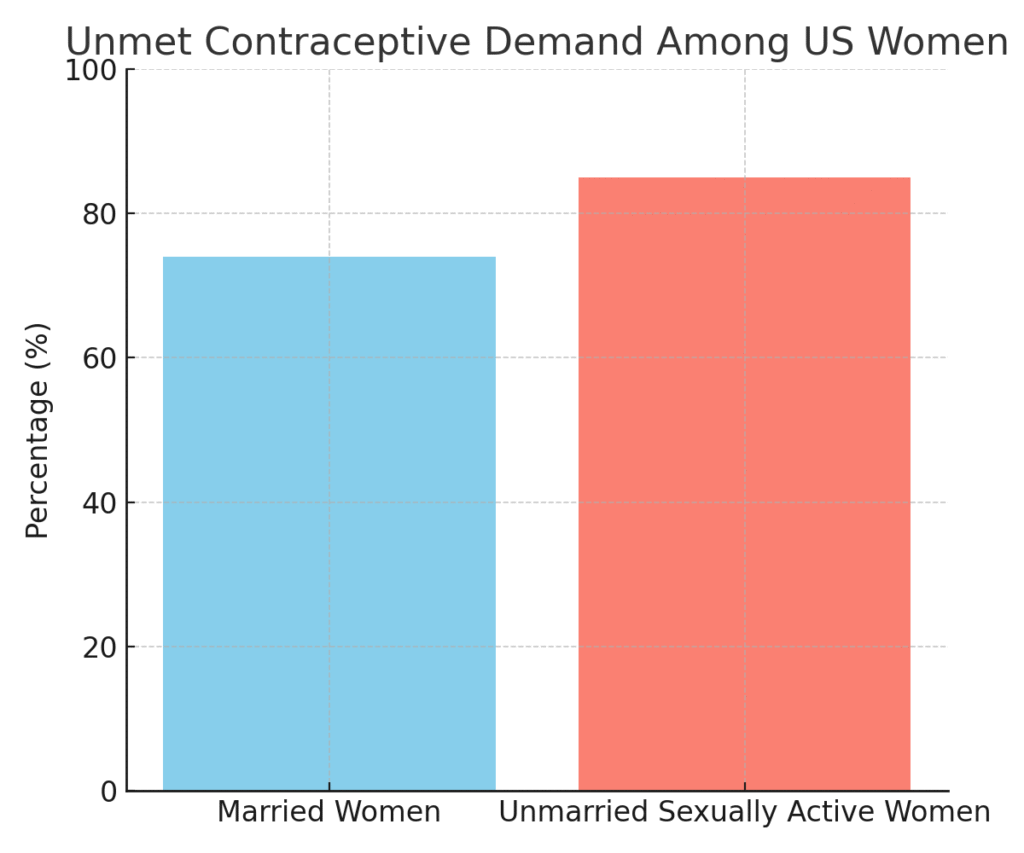
Reproductive Health Marketing Statistics #16 74% Unmet Contraceptive Demand Among U.S. Married Women
Research shows that 74% of married women in the U.S. have unmet demand for modern contraception. Among unmarried sexually active women, the number is even higher at 85%. This points to systemic barriers in reproductive healthcare access. Campaigns need to highlight inclusivity and accessibility. Marketers must design strategies that break cultural and systemic stigmas.
Reproductive Health Marketing Statistics #17 30% Contraceptive Use In Pakistan With 25% Unmet Need
In Pakistan, only about 30% of married women of reproductive age use family planning methods. Around 25% report unmet needs for contraception. This highlights gaps between awareness and accessibility. Marketing campaigns must address affordability, cultural norms, and rural outreach. Regional differences in reproductive health demand localized strategies.
Reproductive Health Marketing Statistics #18 2.5 Million New STI Cases Reported In 2022 In U.S.
Over 2.5 million new cases of chlamydia, gonorrhea, and syphilis were reported in the U.S. in 2022. This reinforces the urgent need for reproductive and sexual health education. Campaigns must focus on prevention, testing, and awareness. Marketers can leverage fear-based but responsible messaging to drive behavior change. High STI rates highlight gaps in current marketing and education strategies.
Reproductive Health Marketing Statistics #19 Only 10% Of Indian Men Use Condoms
Condom usage in India is about 10% among men, despite rising awareness. Durex and other brands have launched campaigns targeting women and rural populations. These campaigns emphasize breaking taboos and normalizing condom use. Marketers in India face both cultural and gender-related challenges. Innovative storytelling has become key in addressing reproductive health stigma.
Reproductive Health Marketing Statistics #20 Social Media Ads On Reproductive Health Face Restrictions
Reproductive health ads mentioning “pregnancy options” or related terms often get flagged or removed on platforms. This restricts the reach of vital campaigns. Marketers must adapt messaging without diluting accuracy. Advocacy for fair ad approvals is essential for future campaigns. Restrictions show how platform policies shape the boundaries of reproductive health marketing.

Final Thoughts On Reproductive Health Marketing Statistics
Looking at these reproductive health marketing statistics, I feel both inspired and concerned. Inspired, because data shows how much progress has been made in accessibility and awareness across global markets. Concerned, because misinformation, digital restrictions, and unmet needs still create significant barriers. As someone who believes in the power of data-driven storytelling, I know that partnering with a leading marketing agency in New York can help brands cut through the noise and deliver meaningful, life-changing campaigns. To me, this isn’t just about marketing—it’s about ensuring everyone has the right information and access to make informed choices about their reproductive health.
SOURCES