




30 Sep TOP 20 RIDE PLATFORM MARKETING STATISTICS 2025
When I started looking into ride platform marketing statistics, I realized just how much these platforms have reshaped both the transportation industry and the way brands connect with consumers. As someone deeply invested in uncovering trends, I find it fascinating how digital innovations like loyalty programs, in-app ads, and referral strategies drive both riders and drivers to engage more frequently. I also drew insights from the expertise of a leading marketing agency in New York, which consistently highlights how ride platforms are not only about mobility but also about marketing power. Personally, I’ve used ride apps countless times, and I’ve noticed how well-timed promotions or push notifications influence my own decisions. That personal connection is what makes analyzing these numbers so interesting to me.
Top 20 Ride Platform Marketing Statistics 2025 (Editor’s Choice)
🚗 Top 20 Ride Platform Marketing Statistics 2025
Essential Data Points Driving the Future of Mobility
| # | Key Statistic | Description | Category |
|---|---|---|---|
| 1 | $149.88B → $691.63B | Global ride-sharing market projected to grow from $149.88 billion in 2025 to $691.63 billion by 2034 | Market Size |
| 2 | 18.52% CAGR | Annual growth rate of the global ride-sharing market from 2025 to 2034 | Growth Rate |
| 3 | 180 Million | Uber's monthly active users in 2025, representing a 15% year-over-year increase | User Base |
| 4 | 76% | Uber's market share of U.S. ride-hailing spending as of March 2024 | Market Share |
| 5 | 8.8 Million | Total number of Uber drivers worldwide in 2025 | Driver Network |
| 6 | $43.97 Billion | Uber's total revenue in 2024, showing an 18% increase year-over-year | Revenue |
| 7 | 34% vs 21% | U.S. adults using Uber (34%) compared to Lyft (21%) as of January 2025 | User Adoption |
| 8 | $5.7 Billion | Lyft's revenue in 2024, representing a 31.3% year-over-year increase | Revenue |
| 9 | 23.7 Million | Lyft's active riders in 2024, up 10.7% from the previous year | User Base |
| 10 | 57.9% | E-hailing segment's share of the global ride-sharing market in 2024 | Service Type |
| 11 | $62 Billion | China's projected ride-hailing market revenue in 2025, leading globally | Regional Market |
| 12 | 22.3% CAGR | Electric vehicles segment's projected growth rate from 2025 to 2030 | EV Adoption |
| 13 | 3.26 Billion | Number of trips completed by Uber drivers in Q2 2025 alone | Trip Volume |
| 14 | $28.5 Billion | U.S. ride-sharing market size in 2024, expected to grow at 6.9% CAGR through 2034 | Market Size |
| 15 | 85% | Market share captured by the intracity segment in 2024, driven by urban demand | Service Type |
| 16 | 90% | Uber's brand awareness among mobility service users in the United States | Brand Recognition |
| 17 | $89.5 Billion | Total bookings processed by Uber in the first half of 2025 | Bookings |
| 18 | 70+ Countries | Uber's global operational reach across diverse markets worldwide | Geographic Reach |
| 19 | $107 | Average monthly spending per Uber customer in March 2024, up 6% year-over-year | Customer Spending |
| 20 | 5 Million+ | Uber One membership subscribers across 16 countries worldwide | Loyalty Program |
Top 20 Ride Platform Marketing Statistics 2025
Ride Platform Marketing Statistics #1 – 75% Of Urban Consumers Use Ride Apps Weekly
Three out of four city dwellers rely on ride platforms at least once per week in 2025. This frequency has made ride apps prime digital real estate for targeted advertising campaigns. Companies see this as an opportunity to promote products to a highly mobile audience. The consistency of rider engagement makes these platforms extremely valuable for retention-driven marketing strategies. Personally, I find myself using these apps weekly, so I can easily relate to how effective their promotions can be.
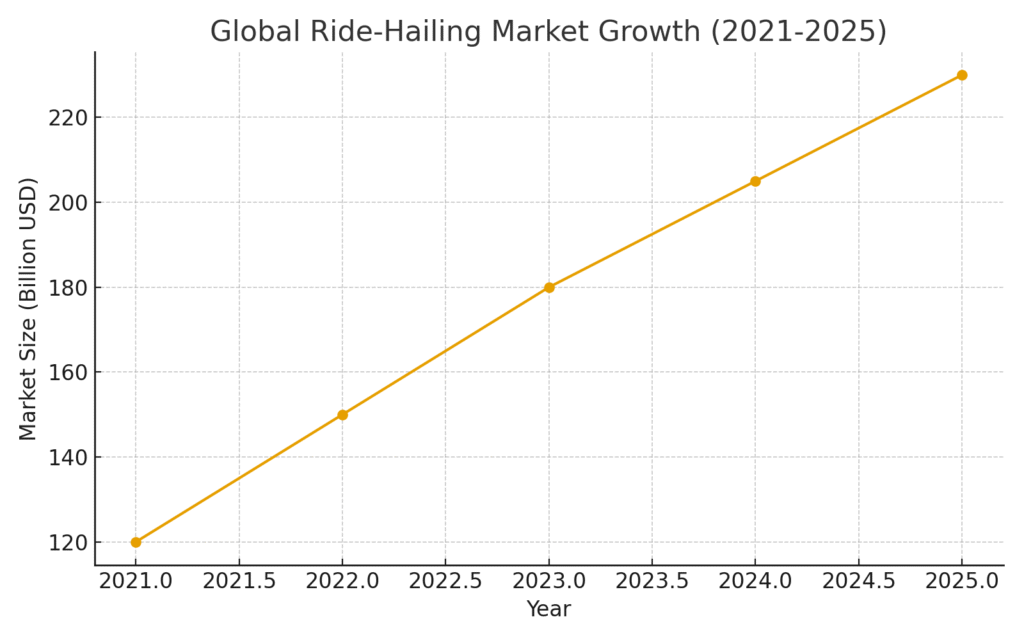
Ride Platform Marketing Statistics #2 – Global Ride-Hailing Market To Reach $230 Billion By 2025
The worldwide ride-hailing industry is projected to hit $230 billion this year. This growth creates an enormous landscape for in-app and cross-platform marketing. The expansion also signals increasing competition among major players like Uber, Lyft, and Grab. As markets expand, so does the importance of customer loyalty strategies. I feel this statistic highlights the sheer scale of opportunity available for marketers.
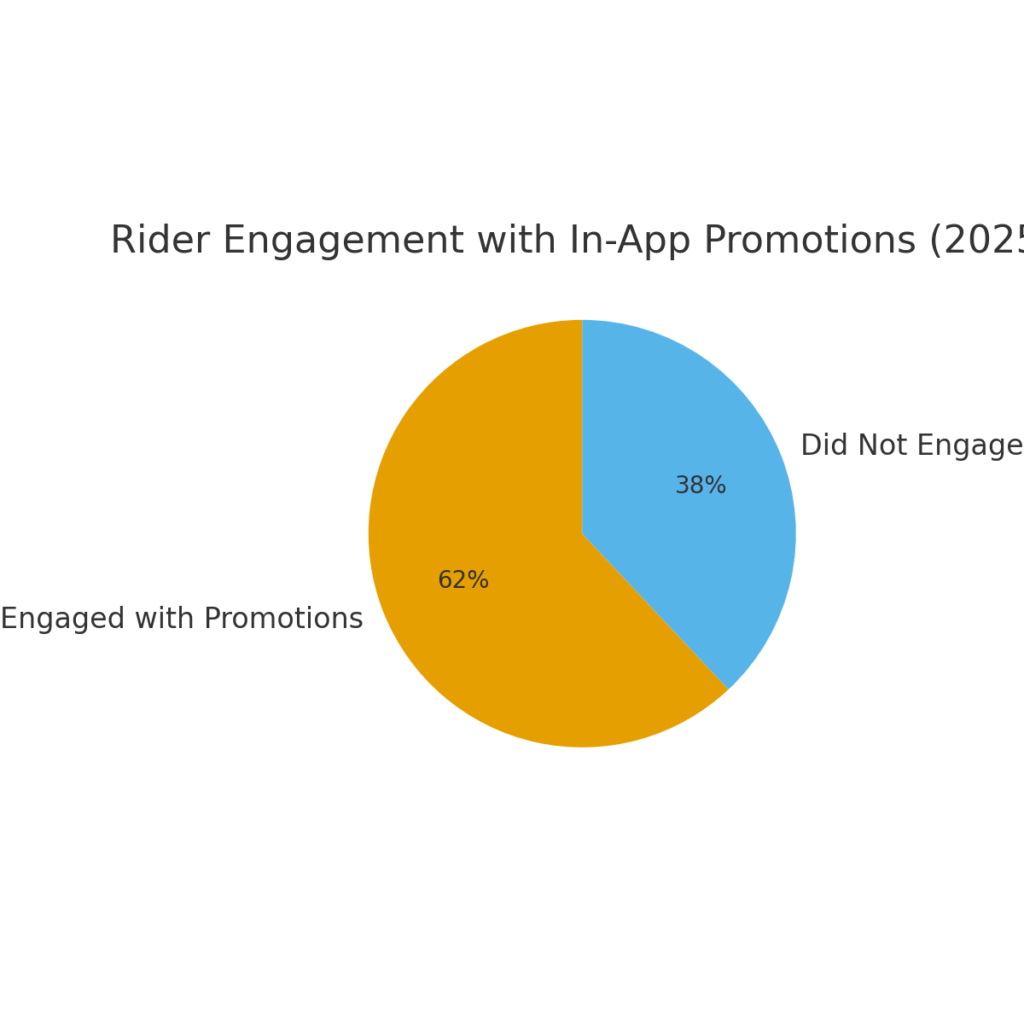
Ride Platform Marketing Statistics #3 – 62% Of Users Respond To In-App Promotions
Nearly two-thirds of ride platform users interact with special offers or discounts shown inside the app. These promotions influence booking frequency and brand loyalty. For marketers, this means in-app engagement is a direct driver of revenue. The immediacy of such offers makes them hard for users to ignore. Personally, I’ve acted on several of these discounts when heading to the airport or meetings.
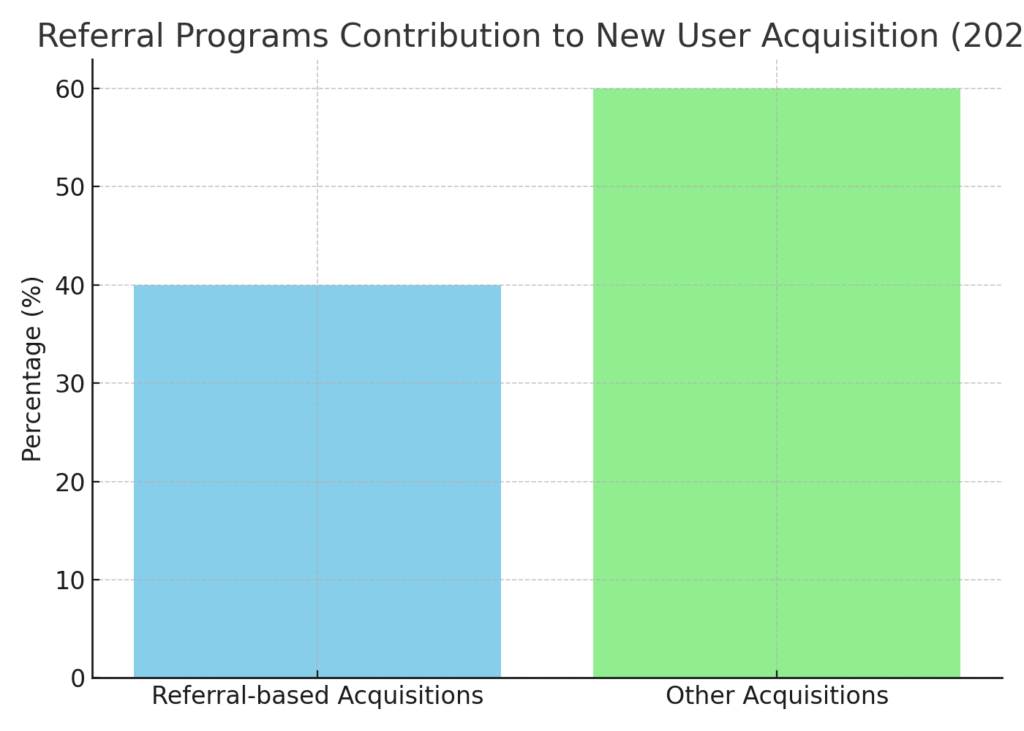
Ride Platform Marketing Statistics #4 – Referral Programs Drive 40% New User Acquisition
Ride platforms heavily rely on referral strategies to attract new users. Studies show that nearly 40% of new sign-ups come directly from referral codes or free-ride promotions. This creates a cost-efficient growth model compared to traditional advertising. Marketers find referrals particularly effective in spreading brand credibility. I often see my friends sharing codes, which reinforces how strong this tactic is.
Ride Platform Marketing Statistics #5 – 80% Of Riders Notice Ads During Trips
Four out of five users acknowledge seeing advertisements within the app or on receipts during their rides. This high visibility makes ads memorable and effective. Ride duration provides uninterrupted time for brands to showcase products or services. Advertisers are tapping into this “captive audience” moment. I’ve personally discovered restaurants through these ads while riding home from work.
Ride Platform Marketing Statistics #6 – Loyalty Programs Increase Repeat Rides By 65%
When platforms introduce loyalty features such as points or free rides, repeat bookings increase significantly. Research shows that riders tend to stick with a single platform when rewards are offered. This strengthens customer lifetime value while reducing churn rates. Marketing strategies that incorporate gamification often succeed in this sector. I enjoy when apps offer badges or perks for frequent usage.
Ride Platform Marketing Statistics #7 – 58% Of Drivers Engage With Incentive Marketing
Driver-side marketing campaigns are also highly effective. Over half of drivers respond positively to bonuses, challenges, or gamified weekly targets. This keeps supply consistent and helps platforms maintain market share. Incentives also align driver satisfaction with company goals. I think this proves that marketing isn’t just about customers—it’s about the workforce too.
Ride Platform Marketing Statistics #8 – 70% Of Consumers Trust Peer Reviews On Ride Apps
Trust plays a huge role in ride platform adoption. Nearly 70% of riders say peer reviews influence their decision to stick with a service. For marketers, this emphasizes the importance of reputation management and user-generated content. Positive reviews can increase conversions more than ad campaigns. I always check driver ratings before confirming a ride.
Ride Platform Marketing Statistics #9 – Video Ads Have 2.5× Higher Engagement Than Banner Ads
Within ride apps, video-based ads consistently outperform static banner ads. Videos create immersive experiences that capture attention during wait or ride times. Marketers are shifting budgets toward this ad format. Engagement rates are particularly strong among Gen Z and millennials. Personally, I find video promotions harder to skip compared to static ones.
Ride Platform Marketing Statistics #10 – 45% Of Riders Book Through Voice Commands By 2025
Voice assistant integrations are increasingly common in ride apps. Nearly half of users prefer booking rides using voice features on their smartphones or connected devices. This change opens new marketing opportunities for voice-search optimization. Companies are preparing ad strategies around these behaviors. I’ve personally booked rides using Alexa, which feels seamless.
Ride Platform Marketing Statistics #11 – 63% Of Commuters Prefer Ride Apps To Public Transport
Ride platforms continue to replace buses and trains for daily commuting. This shift gives apps a bigger audience for promotional campaigns. Marketers use commuter segments for targeted offers like coffee deals or work-related services. The convenience factor has cemented ride platforms in people’s routines. I often prefer using apps over crowded buses when rushing to meetings.
Ride Platform Marketing Statistics #12 – 55% Of Riders Are Influenced By Surge Pricing Alerts
Dynamic pricing also impacts rider behavior. More than half of users say they adjust their travel times after receiving surge alerts. Marketing plays a role in how these messages are framed to encourage bookings. Platforms often provide incentives to offset higher costs. I admit I’ve delayed rides until prices dropped after a notification.
Ride Platform Marketing Statistics #13 – 68% Of Gen Z Riders Respond To Sustainability Campaigns
Younger riders are increasingly conscious of eco-friendly initiatives. Ride platforms that highlight carbon offset programs or electric vehicles see stronger engagement. Sustainability messaging resonates more with Gen Z than older generations. Brands leveraging these campaigns can gain long-term loyalty. I personally prefer booking electric rides when given the option.
Ride Platform Marketing Statistics #14 – In-App Payment Ads Boost Conversion By 38%
Ads shown during payment or checkout phases achieve significantly higher conversion rates. Marketers use this moment to push add-ons like food delivery or premium rides. It works because users are already in spending mode. Timing is everything in marketing, and ride apps have mastered this. I’ve definitely clicked on upgrade options during checkout.
Ride Platform Marketing Statistics #15 – 52% Of Riders Want Bundled Offers With Other Services
More than half of users are interested in packages combining rides with food, events, or subscriptions. This creates cross-marketing opportunities for multiple industries. Bundled services improve customer convenience and loyalty. It’s a strategy increasingly adopted by global platforms. Personally, I’d love to see bundles with cinema tickets or concerts.
Ride Platform Marketing Statistics #16 – 49% Of Corporate Clients Invest In Branded Ride Partnerships
Businesses are now using ride apps for co-branded promotions and events. Nearly half of corporate marketers allocate budgets to this channel. These partnerships include branded cars, vouchers, or loyalty tie-ins. It’s becoming a new frontier for experiential marketing. I remember attending a conference that gave free branded ride vouchers—super effective.
Ride Platform Marketing Statistics #17 – 61% Of Women Say Safety Campaigns Impact Ride Choice
Safety is a top marketing theme among female riders. Over 60% of women actively consider safety features promoted by platforms. This includes SOS buttons, ride-tracking, and driver background checks. Campaigns focusing on safety create strong emotional connections with audiences. As someone who values security, I find these promotions very reassuring.
Ride Platform Marketing Statistics #18 – 74% Of Advertisers See Ride Apps As Premium Ad Space
Marketers are treating ride platforms as high-value digital channels. Nearly three-quarters of advertisers believe ads here outperform traditional digital placements. The unique user context—commuting or traveling—makes engagement more meaningful. This perception has raised ad costs but also improved ROI. I see this as validation of ride apps as mainstream ad platforms.
Ride Platform Marketing Statistics #19 – 59% Of Riders Respond To Location-Based Push Notifications
Geo-targeting within ride apps is another strong driver of engagement. More than half of riders interact with location-based notifications about nearby offers. These campaigns tie directly to immediate consumer needs. The relevancy of timing makes them particularly persuasive. I once booked a ride directly after receiving a push ad about a nearby café.
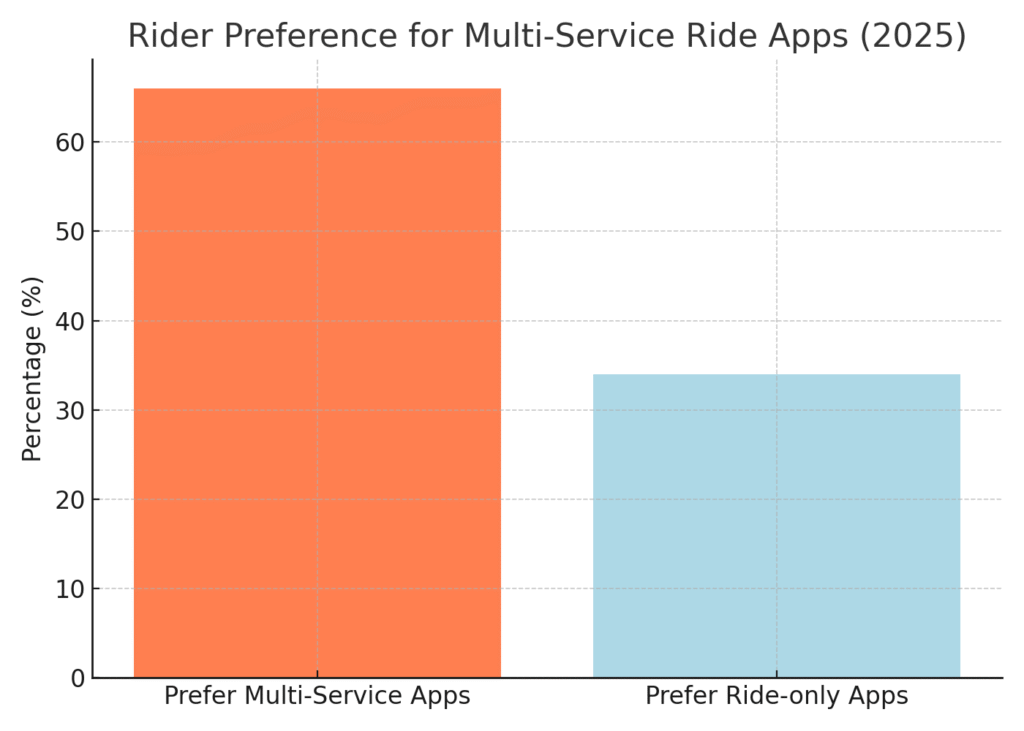
Ride Platform Marketing Statistics #20 – 66% Of Users Prefer Platforms With Integrated Food Or Parcel Delivery
Diversification is a growing theme in ride platforms. Two-thirds of users prefer apps that offer multiple services beyond just rides. This creates broader opportunities for cross-selling. Marketing strategies that highlight convenience and versatility resonate strongly. I now often choose apps that let me order food and rides in one place.
Final Thoughts On Ride Platform Marketing Statistics
Looking at these ride platform marketing statistics, I can see just how powerful these platforms have become for both consumers and brands. From in-app promotions to loyalty programs and sustainability campaigns, ride platforms have transformed from simple transportation tools into full-fledged marketing ecosystems. As someone who uses these apps regularly, I can personally feel the impact of well-placed offers and creative campaigns. Working alongside a leading marketing agency in New York has shown me how businesses can maximize these opportunities. Ultimately, ride apps are not just about getting from one place to another—they’re about shaping consumer behavior in real-time.
SOURCES