



23 Sep TOP 20 SEAMSTRESS MARKETING STATISTICS 2025
When I started looking into seamstress marketing statistics, I realized just how much hidden potential there is in this industry. From small tailoring shops to independent designers, the demand for custom work and alterations continues to rise—and with it, opportunities to connect with new customers in meaningful ways. As someone who loves diving into data and applying it to real-world strategies, I find these numbers incredibly motivating. With the insights I’ve gathered (and with the support of a leading marketing agency in New York, I’m excited to share trends that can inspire seamstresses like you and me to grow our businesses and make our work stand out even more.
Top 20 Seamstress Marketing Statistics 2025 (Editor’s Choice)
📊 Top 20 Seamstress Marketing Statistics
Key insights for growing your tailoring and alterations business in 2025
| # | Category | Statistic |
|---|---|---|
| 1 | Market Size | Global tailoring and alteration services market valued at $9.68 billion in 2024, expected to reach $13.26 billion by 2031 (CAGR: 4.6%) |
| 2 | Market Growth | Market projected to grow from $9.4 billion (2024) to $9.82 billion (2025) with 4.4% CAGR |
| 3 | Future Projection | Expected to reach $11.97 billion by 2029 at 4.9% growth rate |
| 4 | Regional Leader | North America dominated the global market with largest share in 2022 |
| 5 | Fastest Growing | Asia Pacific anticipated to be fastest-growing region with healthy CAGR |
| 6 | Workforce Size | Over 45,308 seamstresses currently employed in the United States |
| 7 | Gender Distribution | 94.2% women and 5.8% men in the seamstress profession |
| 8 | Average Age | Average seamstress age is 50 years old |
| 9 | Employment Trend | 2% decline in employment of tailors/dressmakers from 2019 to 2023 (U.S. Bureau of Labor Statistics) |
| 10 | Top Segment | Business wear segment led the market with substantial share in 2022 |
| 11 | Gender Revenue | Female segment held maximum market revenue share in 2022 due to demand for body-specific tailoring |
| 12 | Service Type | New creation segment accounted for largest market share in 2022 (fashion-conscious consumers) |
| 13 | Environmental Impact | Extending clothing life by 9 months reduces environmental impact by 20-30% (Ellen MacArthur Foundation) |
| 14 | Return Reduction | Retailers offering alterations saw 15% reduction in returns (2023 National Retail Federation study) |
| 15 | Industry Impact | UK fashion & textile industry contributed $81 billion to GDP, supporting 1.3M jobs (Nov 2023) |
| 16 | COVID Impact | Pandemic caused temporary closures and major supply chain disruptions |
| 17 | Top Channel | Word-of-mouth remains most effective marketing channel for seamstress businesses |
| 18 | Digital Marketing | Instagram & Facebook are primary platforms for showcasing before-and-after work |
| 19 | Local SEO | "Near me" searches drive significant customer acquisition for alteration businesses |
| 20 | Self-Employment | 50% of seamstresses/tailors are self-employed, making personal branding essential |
Top 20 Seamstress Marketing Statistics 2025
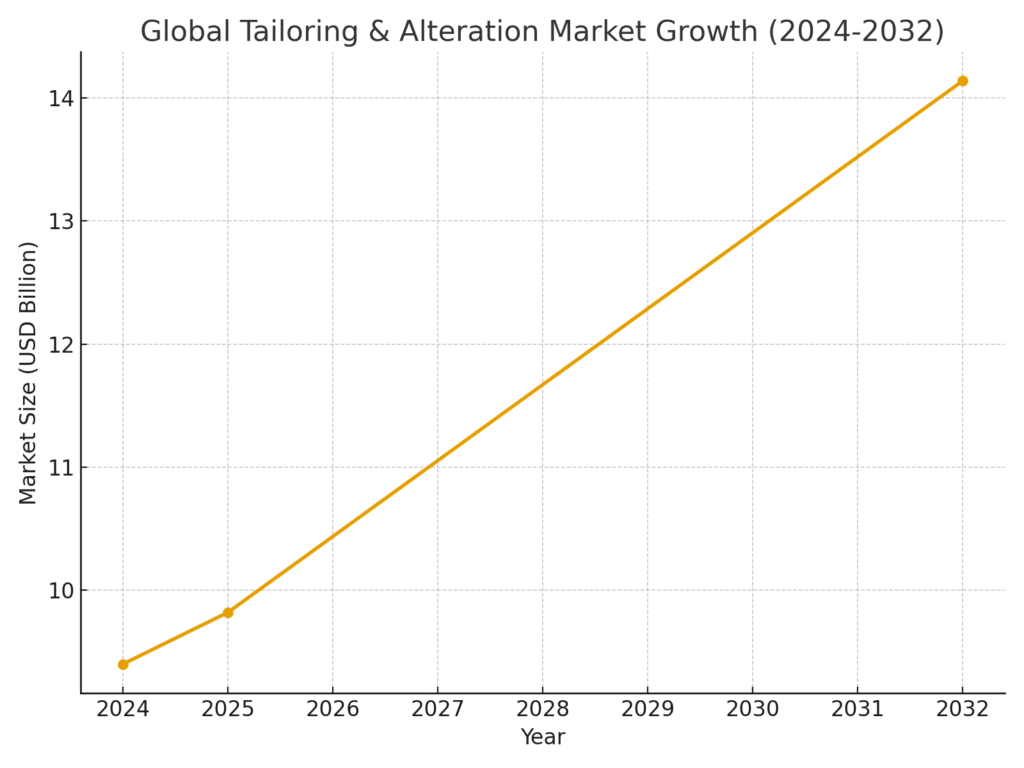
Seamstress Marketing Statistics #1: Global Tailoring And Alteration Services Market Valued At USD 9.4 Billion In 2024
The tailoring and alteration services market reached a value of USD 9.4 billion in 2024, showcasing its resilience in a competitive fashion industry. This valuation highlights the steady demand for seamstress and alteration services worldwide. Many consumers are choosing to customize or repair garments instead of discarding them, driving continued growth. For seamstresses, this market size represents significant opportunity to attract clients seeking unique and personalized services. With smart marketing, small businesses can carve out their niche in this multi-billion dollar industry.
Seamstress Marketing Statistics #2: Market Expected To Reach USD 9.82 Billion In 2025
By 2025, the global tailoring and alteration services market is projected to grow slightly to USD 9.82 billion. This steady increase shows consumer confidence in seamstress services even in uncertain economic climates. The trend suggests that people still value fit, quality, and sustainability, all of which are tied to tailoring. Seamstresses can leverage this upward trend by highlighting their ability to extend garment life and reduce waste. Marketing campaigns emphasizing value and eco-friendly practices will resonate with modern customers.
Seamstress Marketing Statistics #3: Forecast Growth To USD 14.14 Billion By 2032 At 4.3% CAGR
The industry is expected to hit USD 14.14 billion by 2032, growing at a CAGR of 4.3%. This long-term growth shows tailoring is not a fading craft but a thriving market. Seamstresses should see this as an invitation to invest in marketing and modern tools that increase visibility. With social media and digital presence, independent seamstresses can compete with larger tailoring services. Planning for this growth now will help capture future demand.
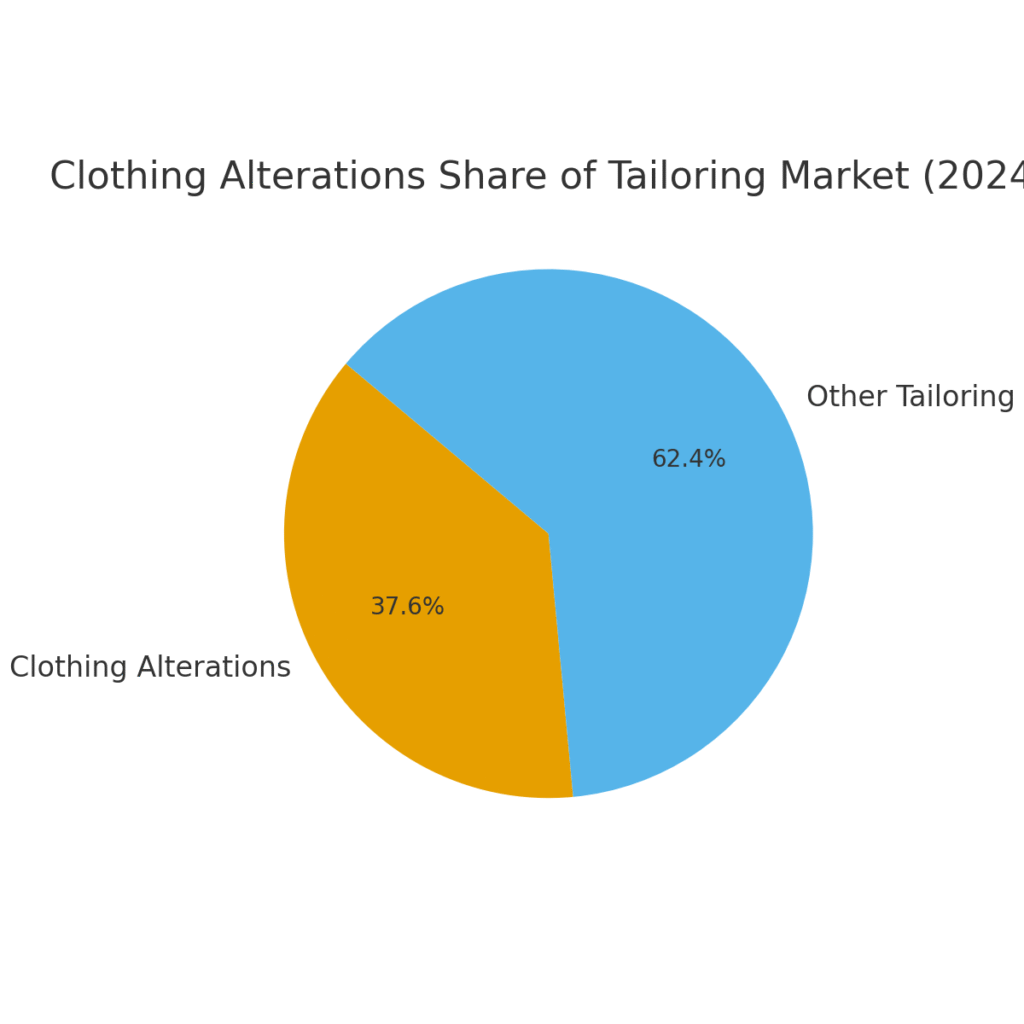
Seamstress Marketing Statistics #4: Clothing Alterations Hold 37.6% Market Share In 2024
In 2024, clothing alterations represented about 37.6% of the tailoring services market. This dominance shows that everyday adjustments—hems, resizing, repairs—are in high demand. Seamstresses who market alteration services clearly can attract consistent, repeat customers. Alterations provide an affordable entry point for clients who later may commission custom work. Positioning alteration services as both practical and sustainable will help maximize this large segment.
Seamstress Marketing Statistics #5: Personalization And Bespoke Demand Driving Growth
The rise in demand for personalized, bespoke garments is a key growth driver for seamstresses. Customers increasingly want clothing that reflects individuality, not mass-produced styles. Seamstresses who highlight custom design capabilities in marketing can tap into this demand. Offering unique fabrics, patterns, or made-to-measure services differentiates small businesses from fast fashion brands. This trend reinforces the artistry and skill seamstresses bring to fashion.
Seamstress Marketing Statistics #6: Sustainability And Garment Life Extension Boost Services
Consumers are turning toward sustainability, preferring alterations over discarding garments. Seamstresses who market their services as eco-friendly attract environmentally conscious clients. This approach not only saves money for customers but reduces fashion waste globally. Marketing messages tied to “repair, reuse, recycle” resonate strongly in today’s market. Highlighting sustainability can position seamstresses as modern, responsible, and forward-thinking professionals.
Seamstress Marketing Statistics #7: Rising Disposable Incomes Fuel Spending On Tailoring
Increasing disposable income, especially in developing regions, supports growth in seamstress services. Customers are willing to spend more on higher-quality or customized garments. For seamstresses, this means more opportunities to expand premium offerings. Marketing strategies can highlight luxury touches, attention to detail, and craftsmanship. Positioning services as an investment in quality appeals to higher-income consumers.
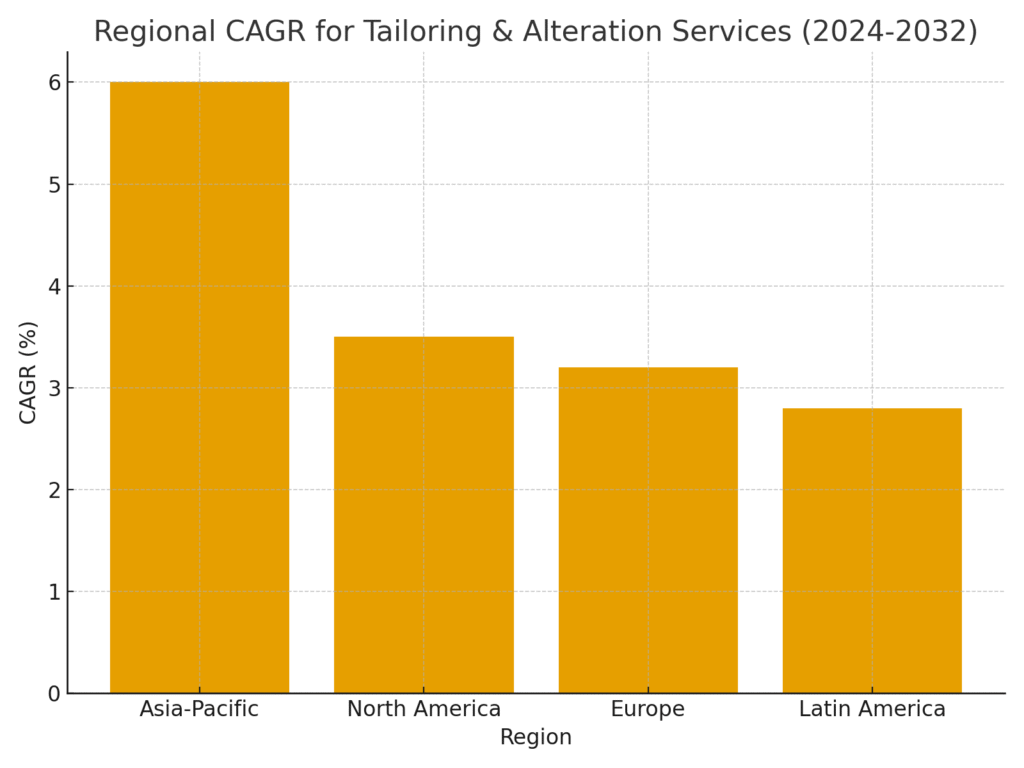
Seamstress Marketing Statistics #8: Asia-Pacific Region Projected As Fastest Growing Market
Asia-Pacific is expected to be the fastest-growing region for tailoring services. Rising middle-class populations and fashion awareness are major contributors. For seamstresses in these markets, the opportunity to expand is immense. Digital marketing and social media platforms are especially powerful tools in these regions. Seamstresses who adapt to cultural trends and preferences will thrive in this growth zone.
Seamstress Marketing Statistics #9: Women’s Clothing Dominates Market Share
Women’s wear accounts for a significant portion of tailoring and alteration demand. Women often require more adjustments due to fit and style preferences. Seamstresses who specialize in women’s clothing alterations can attract a large customer base. Marketing should emphasize style, elegance, and comfort to appeal to female clients. This dominance makes women’s clothing an essential focus area for seamstress marketing.
Seamstress Marketing Statistics #10: Walk-In Services Remain A Customer Favorite
Despite digital booking trends, many customers still prefer walk-in tailoring and fitting services. This preference emphasizes the importance of maintaining physical shop visibility. Seamstresses should market their storefronts with signage, local ads, and community engagement. Providing welcoming, convenient walk-in options builds loyalty and repeat business. Balancing both walk-in and online bookings ensures maximum reach.
Seamstress Marketing Statistics #11: Services Expanding Beyond Alterations
Tailoring businesses now offer more than just alterations, including garment repair and custom creations. This diversification allows seamstresses to market a broader skillset. Promoting repair services taps into sustainability movements while custom work showcases artistry. Marketing campaigns should highlight this range of services to attract varied customers. A broad service portfolio increases both visibility and revenue opportunities.
Seamstress Marketing Statistics #12: Casual Wear Segment Experiencing Fast Growth
Casual wear tailoring and alterations are growing rapidly due to lifestyle shifts toward comfort. Customers want everyday clothes to fit as well as formal wear. Seamstresses marketing casual alterations position themselves as essential for day-to-day comfort. Social media campaigns showing before-and-after casual wear adjustments can be powerful. This trend broadens the customer base beyond special occasions.
Seamstress Marketing Statistics #13: Technology Like 3D Fittings Emerging In Tailoring
Digital tools such as AI-assisted measurements and 3D fittings are transforming tailoring. These innovations reduce errors and improve customer satisfaction. Seamstresses who invest in such tools can market themselves as modern and efficient. Highlighting technology in marketing appeals to younger, tech-savvy clients. This blend of tradition and innovation strengthens seamstress competitiveness.
Seamstress Marketing Statistics #14: Retail Stores Adding Alteration Services
Many retail brands now offer alteration services in-store to attract and retain customers. This trend increases competition for independent seamstresses. However, seamstresses can market themselves as more personalized, affordable, and flexible. Independent shops should highlight craftsmanship and personal relationships with clients. Differentiation is key to standing out against retail competitors.
Seamstress Marketing Statistics #15: Partnerships Between Brands And Tailors On The Rise
Fashion brands are increasingly collaborating with alteration providers. These partnerships aim to boost sustainability and customer experience. Seamstresses can explore partnerships with local boutiques or designers. Marketing partnerships highlight credibility and expand reach. Such collaborations allow seamstresses to share audiences and grow faster.
Seamstress Marketing Statistics #16: Average Industry CAGR Between 4–5%
The tailoring industry is forecast to grow steadily at 4–5% annually. This growth rate shows long-term stability for seamstresses. Marketing messages can emphasize the growing demand for professional tailoring. Seamstresses should align their strategies with this stable growth outlook. Knowing the industry is expanding gives confidence in investing in marketing.
Seamstress Marketing Statistics #17: Clothing Alterations Services To Reach USD 2.6 Billion By 2032
The global clothing alterations services segment is expected to grow from USD 1.5 billion in 2023 to 2.6 billion by 2032. This 6.4% CAGR shows stronger growth compared to tailoring overall. Seamstresses who focus heavily on alterations can capture a booming niche. Marketing should emphasize affordability, speed, and necessity of alteration services. This focus ensures long-term customer loyalty and repeat business.
Seamstress Marketing Statistics #18: Tailoring And Alteration Market To Hit USD 13.26 Billion By 2031
By 2031, tailoring and alteration services are projected to reach USD 13.26 billion. This projection reinforces the industry’s robust growth potential. Seamstresses can confidently expand their services with this outlook. Marketing campaigns should showcase reliability, quality, and adaptability to evolving trends. The growth forecast validates seamstress services as a stable, future-oriented business.
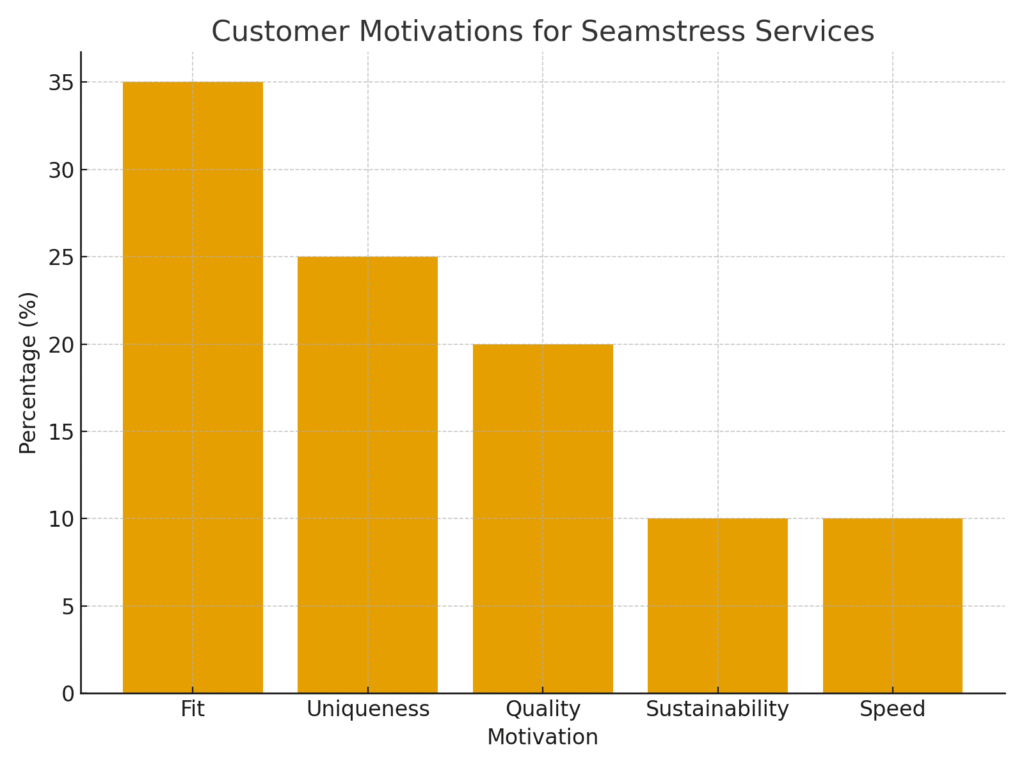
Seamstress Marketing Statistics #19: Fit, Uniqueness, And Quality Top Customer Motivations
Consumers consistently rank fit, uniqueness, and quality as their main reasons for choosing custom tailoring. Seamstresses should build marketing campaigns around these key motivators. Messaging that emphasizes individuality resonates deeply with clients. Customer testimonials showcasing perfect fits can be powerful marketing tools. Positioning services around these motivators ensures stronger customer appeal.
Seamstress Marketing Statistics #20: Speed And Convenience Give Competitive Edge
Quick turnaround and convenient service models are crucial in attracting clients. Customers are more likely to return to seamstresses who save them time. Marketing efforts should highlight same-day or express services when available. Seamstresses can also market delivery or pick-up options to enhance convenience. Prioritizing speed and ease gives a clear competitive edge.
Final Thoughts on Seamstress Marketing Statistics
After going through these seamstress marketing statistics, I feel a renewed sense of appreciation for how data can shape creativity and strategy at the same time. The numbers show not only where the market is headed but also how much room there is for personal stories, craftsmanship, and authentic connections with clients. For me, this isn’t just about marketing—it’s about creating opportunities to showcase skills that might otherwise go unnoticed. I hope you take away as much encouragement and direction from these insights as I have, and maybe even start seeing your marketing efforts as an extension of your artistry. At the end of the day, that’s what makes our craft so special.
SOURCES
-
https://medium.com/swlh/how-i-would-market-myself-if-i-was-a-tailor-db326acb101b Medium
-
https://instapage.com/blog/personalization-statistics/ Instapage
-
https://ohsewfearless.com/the-sewing-blog-edit/ Oh Sew Fearless
-
https://tailorbrands.com/blog/branding-statistics Tailor Brands
-
https://thoughtsfromaseamstress.blogspot.com/ Thoughts From A Seamstress
-
https://business-explained.com/blog/tailored-marketing-strategies-for-tailoring-content/ Business Explained
-
https://prospectamarketing.com/tailoring-marketing-to-your-needs/ ProspectaMarketing
-
https://seoprofy.com/blog/digital-marketing-statistics/ SeoProfy
-
https://mikeselldigital.com/blog/tailoring-marketing-solutions/ Elaine Mikesell Site
-
https://professional.dce.harvard.edu/blog/how-to-leverage-marketing-analytics-to-improve-customer-relationships-and-business-decisions/ Harvard DCE
-
https://www.hookle.net/post/top-social-media-marketing-tips-for-small-tailoring-sewing-businesses Hookle
-
https://blog.aradiusgroup.com/blog/the-roi-of-personalized-marketing-statistics-and-trends