




06 Oct 25 TOP SKILL INFLUENCERS TEACHING ECONOMICS PRINCIPLES IN 2025
Economics is one of those subjects that sounds intimidating until someone explains it like a story instead of a formula. Suddenly, interest rates and supply curves make sense because someone compares them to how people actually behave when things get expensive. That’s what these creators do best — they take something abstract and make it feel real, sometimes even funny. It’s strange how a YouTube video can make inflation feel personal, like it’s not just a headline but something that shapes what you eat for dinner. Some of these teachers have decades of experience, others built audiences just by being good at explaining what most professors complicate.
There’s something oddly comforting about hearing an economist talk like a normal person, not a spreadsheet. Maybe that’s the trick — they talk about global recessions the way your friend might talk about missing rent. And then there’s the charm of it all: graphs, theories, and historical data being turned into stories that stick. Amra and Elma wonders why schools didn’t always teach it this way. Somewhere between a lecture and a podcast, these influencers make the economy sound less like a mystery and more like a mirror. And honestly, that’s the kind of clarity everyone’s been looking for.
25 TOP SKILL INFLUENCERS TEACHING ECONOMICS PRINCIPLES IN 2025 (Quick View)
| # | Name (Instagram / YouTube / TikTok) | # of Followers (est.) | Industry / Focus |
|---|---|---|---|
| 1 | Ray Dalio | 20,000,000+ | Macro cycles, debt, policy |
| 2 | Sal Khan | 10,000,000+ | Micro & macro fundamentals |
| 3 | Paul Krugman | 4,000,000+ | Macroeconomics, trade, policy |
| 4 | Mohamed A. El-Erian | 1,000,000+ | Global markets, macro |
| 5 | Yanis Varoufakis | 1,000,000+ | Political economy, eurozone |
| 6 | Nouriel Roubini | 800,000+ | Macro risks, crises |
| 7 | Jacob Clifford (ACDC Econ) | 800,000+ | AP/intro micro & macro |
| 8 | Patrick Boyle | 500,000+ | Markets, incentives, econ logic |
| 9 | Aswath Damodaran | 500,000+ | Valuation, corporate finance |
| 10 | Richard D. Wolff | 500,000+ | Political economy, Marxian econ |
| 11 | Adam Tooze | 600,000+ | Global economic history & policy |
| 12 | Noah Smith | 700,000+ | Applied econ, policy explainers |
| 13 | Tyler Cowen | 400,000+ | Micro, development, markets |
| 14 | Stephanie Kelton | 400,000+ | Macro, fiscal policy (MMT) |
| 15 | Thomas Piketty | 300,000+ | Inequality, capital, taxation |
| 16 | Alex Tabarrok | 250,000+ | Micro, innovation (MRU) |
| 17 | Tim Harford | 250,000+ | Everyday economics, data |
| 18 | Mariana Mazzucato | 200,000+ | Industrial strategy, public value |
| 19 | Jason Furman | 200,000+ | US macro, labor, policy |
| 20 | Russ Roberts (EconTalk) | 150,000+ | Micro principles, interviews |
| 21 | Claudia Sahm | 150,000+ | US macro, inflation, labor |
| 22 | Daron Acemoglu | 150,000+ | Institutions, growth |
| 23 | John Cochrane | 120,000+ | Macro/finance, policy |
| 24 | Brad DeLong | 120,000+ | Macro history, policy |
| 25 | Esther Duflo | 100,000+ | Development, RCTs, poverty |
25 TOP SKILL INFLUENCERS TEACHING ECONOMICS PRINCIPLES IN 2025
TOP SKILL INFLUENCERS TEACHING ECONOMICS PRINCIPLES #1. Ray Dalio
Ray Dalio, founder of Bridgewater Associates, is one of the most influential economic thinkers in the world. Through his books and videos like Principles for Dealing with the Changing World Order, he breaks down how debt cycles and productivity shape nations. His animated explainers simplify macroeconomic forces that usually feel abstract to beginners. Dalio’s approach blends historical patterns with actionable lessons about finance and behavior. He regularly posts about the connection between leadership, markets, and global policy. Millions follow him for insights that turn complex economics into digestible, visual lessons.

TOP SKILL INFLUENCERS TEACHING ECONOMICS PRINCIPLES #2. Sal Khan
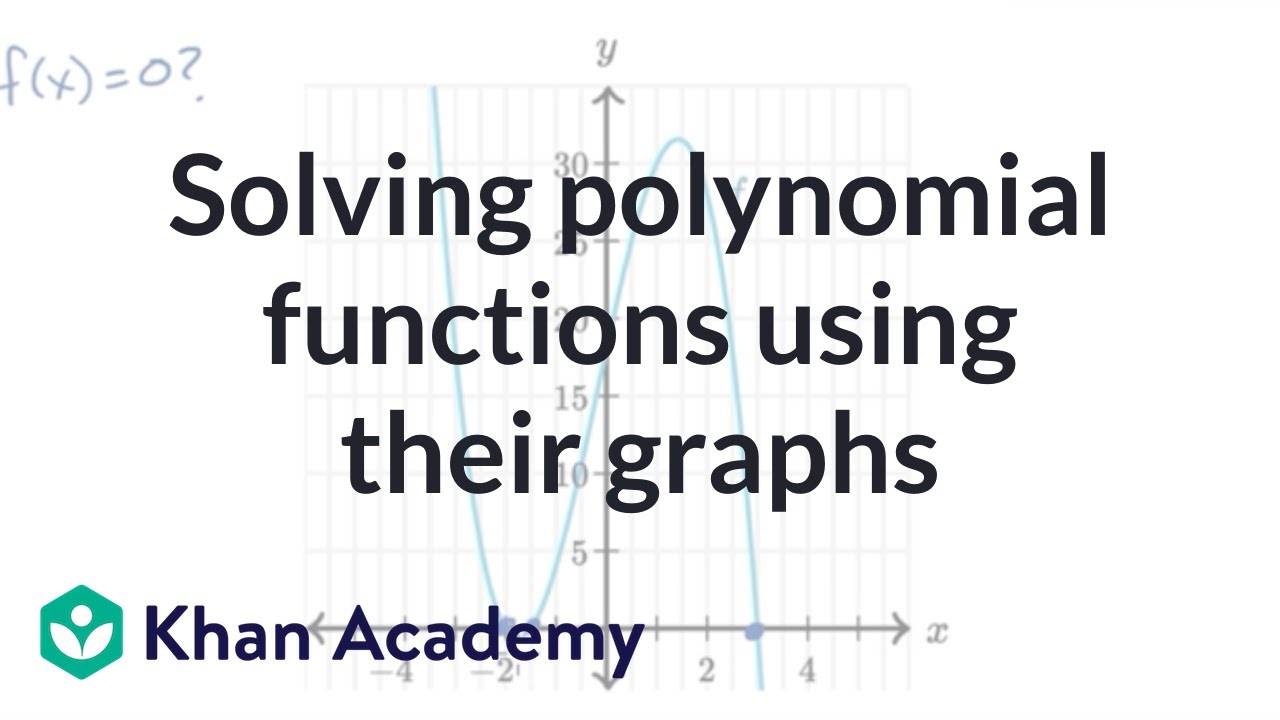
Sal Khan, founder of Khan Academy, transformed online education by making economics accessible to anyone with an internet connection. His micro and macroeconomics lessons are among the most-watched on YouTube. Khan’s calm teaching style and whiteboard explanations help students grasp elasticity, GDP, and market equilibrium with ease. Beyond economics, his mission is to offer a free world-class education for all. His videos are now part of school curriculums across the globe. Khan’s influence lies in combining academic rigor with the simplicity of storytelling.
TOP SKILL INFLUENCERS TEACHING ECONOMICS PRINCIPLES #3. Paul Krugman
Paul Krugman, a Nobel laureate and New York Times columnist, uses social media and lectures to make macroeconomics relevant to modern politics. His insights on trade, inequality, and fiscal policy have shaped public debates for decades. Krugman explains how government spending and inflation interact in ways that directly affect ordinary people. His accessible yet rigorous style bridges the gap between academia and public understanding. Many students use his work to connect theory with real-world policy decisions. Krugman remains one of the most recognizable voices translating economic theory into everyday context.
TOP SKILL INFLUENCERS TEACHING ECONOMICS PRINCIPLES #4. Mohamed A. El-Erian
Mohamed A. El-Erian is a globally respected economist and the President of Queens’ College, Cambridge. Known for his roles at PIMCO and Allianz, he explains global macro trends through television, articles, and interviews. His commentaries help audiences interpret central bank actions, inflation risks, and economic uncertainty. El-Erian balances technical depth with clarity, making him a favorite for professionals and students alike. He consistently connects economic shifts with their social and political implications. His ability to simplify global finance dynamics has earned him over a million loyal followers.
TOP SKILL INFLUENCERS TEACHING ECONOMICS PRINCIPLES #5. Yanis Varoufakis
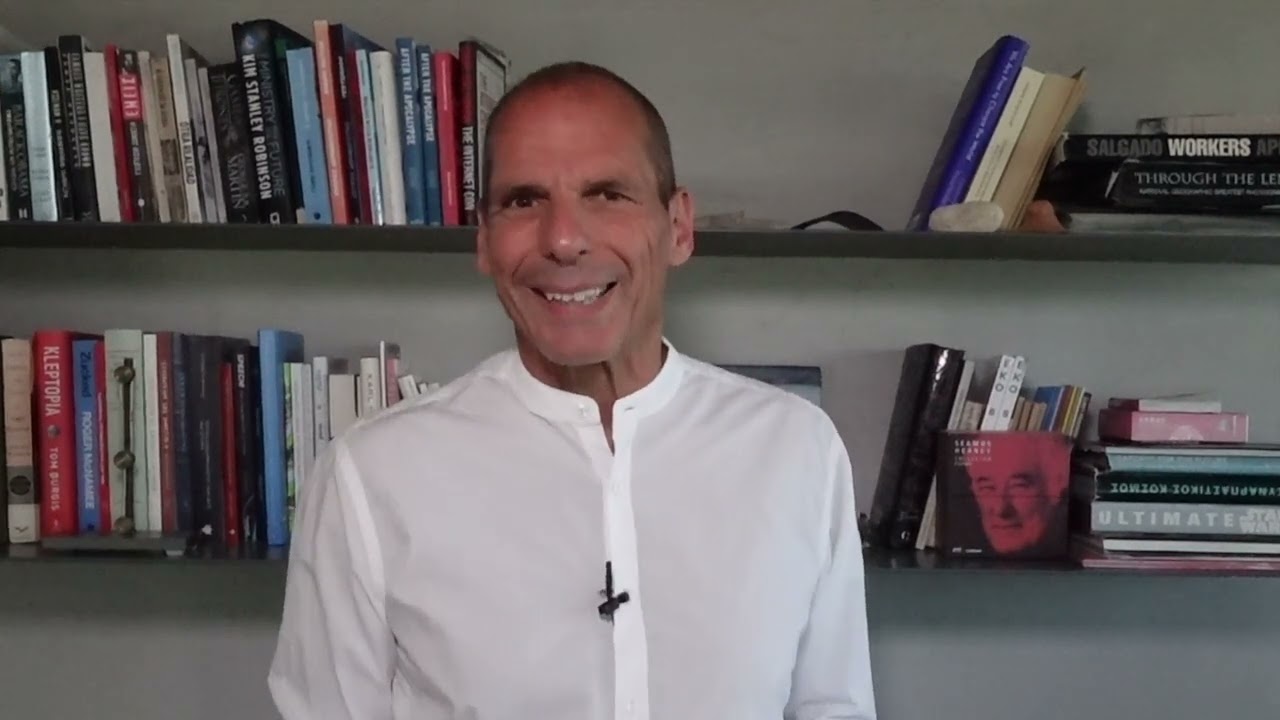
Yanis Varoufakis, the former Greek finance minister, is known for turning economics into a passionate conversation about democracy and fairness. His talks and books, including Talking to My Daughter About the Economy, make complex market systems relatable. Varoufakis blends political theory with economics, explaining how inequality and policy decisions intertwine. His direct, rebellious style challenges conventional thinking about capitalism and globalization. On YouTube and in interviews, he dissects power structures behind financial systems. Students and activists look to him as a voice of both economic logic and moral conviction.
TOP SKILL INFLUENCERS TEACHING ECONOMICS PRINCIPLES #6. Nouriel Roubini
Nouriel Roubini, nicknamed “Dr. Doom,” gained fame for predicting the 2008 financial crisis. He’s known for his bold forecasts about debt, inflation, and geopolitical risks. Roubini’s analysis is data-driven but delivered in a way that’s easy for general audiences to understand. His commentary helps people prepare for potential market downturns and policy shifts. Through interviews and speeches, he links economics with real-world consequences for businesses and consumers. His sharp perspective has made him one of the most trusted economic voices online.
TOP SKILL INFLUENCERS TEACHING ECONOMICS PRINCIPLES #7. Jacob Clifford
Jacob Clifford, known as ACDC Econ, has become a go-to source for high school and college students learning economics. His YouTube videos simplify topics like supply and demand, inflation, and GDP with humor and visuals. Clifford’s energetic teaching style keeps complex ideas approachable. He has helped millions of students pass AP and introductory economics exams. Teachers also use his lessons to reinforce classroom learning. His content stands out for making economics both fun and understandable.

TOP SKILL INFLUENCERS TEACHING ECONOMICS PRINCIPLES #8. Patrick Boyle
Patrick Boyle is a finance professor and YouTuber who teaches economic principles through real-world case studies. His videos analyze topics like inflation, risk, and market psychology in a witty, engaging style. Boyle’s background in hedge fund management gives his teaching practical weight. He connects behavioral economics with investing lessons, helping viewers see how human behavior drives markets. Many fans appreciate his ability to turn academic finance into entertainment. His channel bridges the gap between economics theory and financial street smarts.

TOP SKILL INFLUENCERS TEACHING ECONOMICS PRINCIPLES #9. Aswath Damodaran
Aswath Damodaran, a professor at NYU Stern, is widely known as “the Dean of Valuation.” His lectures and YouTube videos demystify corporate finance and economic principles for millions of students worldwide. Damodaran explains valuation as both an art and a science, grounded in economic fundamentals. His free online materials make elite business education accessible to all. He emphasizes rational thinking and real-world application in decision-making. Damodaran’s work has inspired generations of finance and economics learners.

TOP SKILL INFLUENCERS TEACHING ECONOMICS PRINCIPLES #10. Richard D. Wolff
Richard D. Wolff is a Marxian economist who explores economics through the lens of class, labor, and democracy. His platform, Democracy at Work, offers thought-provoking discussions about capitalism and alternative systems. Wolff’s lectures invite people to question how wealth and work are distributed in society. His approachable tone and historical framing make complex economic debates engaging. He combines academic expertise with passionate social critique. Wolff’s audience values his ability to connect economic theory to modern inequality.

TOP SKILL INFLUENCERS TEACHING ECONOMICS PRINCIPLES #11. Adam Tooze
Adam Tooze is an economic historian known for explaining financial crises and policy evolution with clarity and precision. His books and newsletters turn global data into powerful stories about change. Tooze connects events like the 2008 crash and the COVID-19 pandemic to underlying economic trends. He communicates complex theories through accessible writing and visuals. His interdisciplinary approach brings together history, economics, and politics. Tooze’s audience values his nuanced understanding of how global systems intertwine.
The twilight of Macronisme: Jean Pisani-Ferry’s cri de cœur.
Chartbook 411 on a remarkable speech by @pisaniferry one of Europe’s leading economic policy thinkers. https://t.co/gUrXRDC1GK pic.twitter.com/4xbNhyvKwQ— Adam Tooze (@adam_tooze) October 4, 2025
TOP SKILL INFLUENCERS TEACHING ECONOMICS PRINCIPLES #12. Noah Smith
Noah Smith, creator of the “Noahpinion” blog, translates economic theory into commentary about innovation and policy. His Substack and X presence mix humor, charts, and practical takeaways. Smith discusses everything from labor markets to AI’s economic impact. His relatable tone makes technical concepts digestible for a wide audience. Many readers credit him for making modern economics feel conversational. His voice stands at the intersection of academic analysis and everyday relevance.
I reposted one of my favorite essays, about whether AI represents something beyond science:https://t.co/tUYl3jRGUV
— Noah Smith 🐇 (@Noahpinion) October 5, 2025
TOP SKILL INFLUENCERS TEACHING ECONOMICS PRINCIPLES #13. Tyler Cowen
Tyler Cowen, co-founder of Marginal Revolution University, teaches economics with a mix of curiosity and intellectual playfulness. His lessons explore incentives, trade, and market behavior in creative ways. Cowen’s videos and podcasts focus on how human behavior shapes economic outcomes. He encourages students to think critically rather than memorize formulas. Cowen’s broad interests—from art to technology—give his economic insights depth. His influence comes from teaching how to think economically about every part of life.
Why Indian food is the best in the world: https://t.co/d9UEJiFXYy
— tylercowen (@tylercowen) December 17, 2024
TOP SKILL INFLUENCERS TEACHING ECONOMICS PRINCIPLES #14. Stephanie Kelton
Stephanie Kelton is a professor and author known for popularizing Modern Monetary Theory (MMT). Her book The Deficit Myth redefines how people view government spending and debt. Kelton uses social media to explain fiscal policy in everyday language. Her clarity has sparked public debate on how economies can work for everyone. She combines academic knowledge with an activist’s heart. Kelton’s teaching has reshaped how many understand money’s role in economic policy.
A reminder of just how stupid we are.
“[Denmark’s] limit is set so high that it is essentially a formality and will never be crossed.” pic.twitter.com/KqiQ5yEFvB
— Stephanie Kelton (@StephanieKelton) May 27, 2023
TOP SKILL INFLUENCERS TEACHING ECONOMICS PRINCIPLES #15. Thomas Piketty
Thomas Piketty’s work on inequality and capital has changed how economists view wealth distribution. His book Capital in the Twenty-First Century became a global phenomenon. Piketty connects centuries of data to show how economies shape and reflect inequality. He communicates difficult ideas with moral urgency and clarity. His research now informs public policy debates worldwide. Students follow him to understand how economics intersects with justice and history.
Welcome to my home page!
Here you’ll find dozens of articles, extracts from books, data series, figures, links to my various projectsBienvenue sur ma page personnelle!
Vous y trouverez des articles, extraits de livres, liens vers mes différents projetshttps://t.co/k3087fcigp pic.twitter.com/odzycytE8O— Thomas Piketty (@PikettyWIL) June 8, 2021
TOP SKILL INFLUENCERS TEACHING ECONOMICS PRINCIPLES #16. Alex Tabarrok
Alex Tabarrok co-founded Marginal Revolution University, bringing accessible economics education to millions. He’s known for his engaging explanations of innovation, trade, and markets. Tabarrok’s teaching blends optimism with practicality, showing how incentives drive progress. His YouTube courses are used in classrooms globally. He collaborates with Tyler Cowen to make economic learning fun and free. His clear teaching style has inspired a generation of online learners.
— Alex Tabarrok (@ATabarrok) March 26, 2025
TOP SKILL INFLUENCERS TEACHING ECONOMICS PRINCIPLES #17. Tim Harford
Tim Harford, known as “The Undercover Economist,” uses storytelling to explain how economics applies to everyday life. His podcast Cautionary Tales mixes behavioral insights with economic logic. Harford’s writing connects personal decisions with global trends. He believes storytelling is key to understanding data-driven reasoning. His BBC and Financial Times work brings economics into mainstream conversation. Harford’s charm lies in making rational thinking emotionally engaging.

TOP SKILL INFLUENCERS TEACHING ECONOMICS PRINCIPLES #18. Mariana Mazzucato
Mariana Mazzucato challenges the traditional view of government as merely a regulator. Her books highlight how public investment drives innovation and economic growth. Mazzucato’s TED Talks and lectures inspire policymakers to rethink capitalism’s structure. She frames economics as a tool for collective progress. Her voice bridges the gap between academia and social mission. Mazzucato has become one of the most influential public thinkers on innovation economics.
What a pleasure speaking today with President of Colombia Gustavo Petro on collective value creation for an inclusive and sustainable economy. Gracias @petrogustavo ! pic.twitter.com/nwgjoAROBA
— Mariana Mazzucato (@MazzucatoM) October 20, 2022
TOP SKILL INFLUENCERS TEACHING ECONOMICS PRINCIPLES #19. Jason Furman
Jason Furman is a Harvard economist and former chair of the U.S. Council of Economic Advisers. He explains U.S. fiscal and labor trends in clear, accessible terms. Furman’s analysis brings practical insight into how policies affect wages and inflation. He’s respected for his balanced, evidence-based approach. Students turn to him to understand how government choices shape the economy. His influence extends through both academic circles and public discussion.
Hard to argue with the WSJ editorial page. pic.twitter.com/dK0NgMBgto
— Jason Furman (@jasonfurman) February 1, 2025
TOP SKILL INFLUENCERS TEACHING ECONOMICS PRINCIPLES #20. Russ Roberts
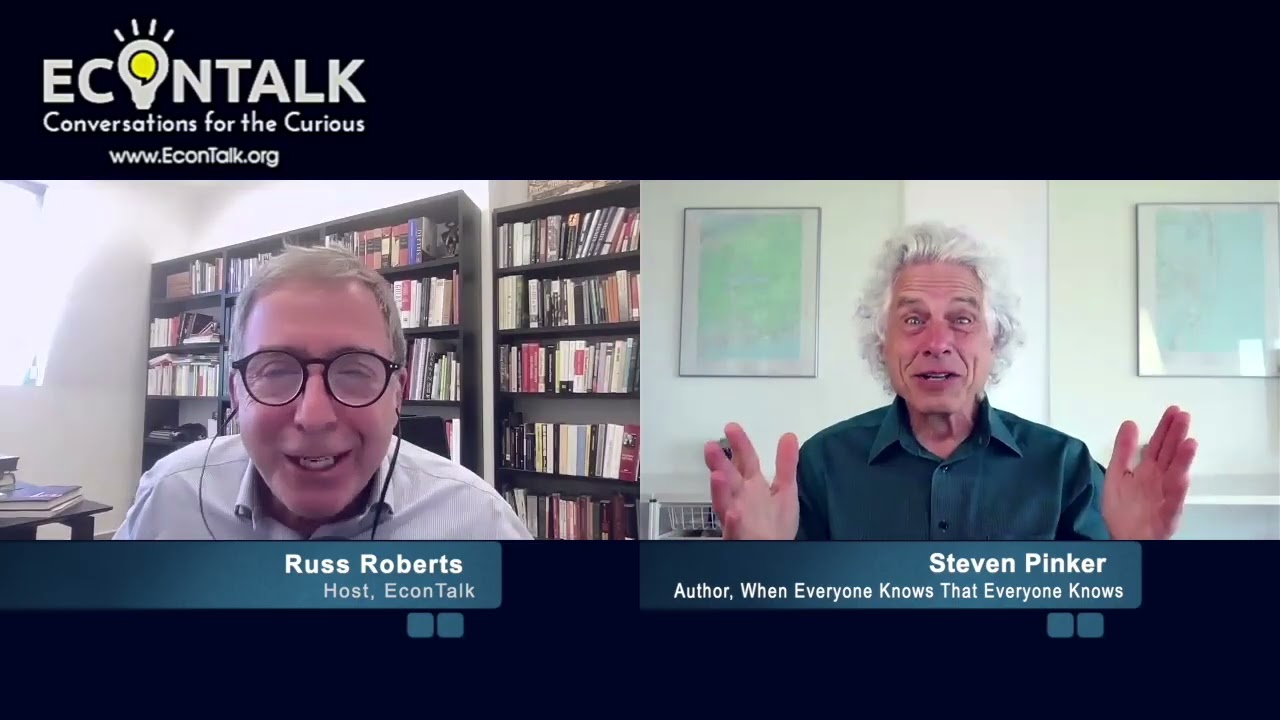
Russ Roberts is the host of EconTalk, one of the most popular economics podcasts worldwide. His interviews turn abstract theories into human stories. Roberts blends economics with philosophy, focusing on well-being and decision-making. His conversational tone helps listeners see how economics applies beyond spreadsheets. He has a talent for making complex ideas feel deeply personal. Roberts’ thoughtful dialogues have built a global learning community.
TOP SKILL INFLUENCERS TEACHING ECONOMICS PRINCIPLES #21. Claudia Sahm
Claudia Sahm, a former Federal Reserve economist, is known for her relatable teaching about inflation and household economics. She coined the “Sahm Rule,” a simple indicator for recessions. Sahm uses her online platform to make macroeconomics approachable. She often shares data-driven insights with humor and empathy. Her focus on real families makes her perspective refreshingly grounded. Sahm’s ability to humanize macro data has made her a standout voice online.
Most Americans are better off financially now than before the pandemic. Full stop.
Jobs, paychecks, spending, wealth, and financial security have made big gains, offsetting the burden of higher inflation. That’s true for most families. The good news goes far beyond the rich. pic.twitter.com/RXSHKSEUcJ
— Claudia Sahm (@Claudia_Sahm) November 26, 2023
TOP SKILL INFLUENCERS TEACHING ECONOMICS PRINCIPLES #22. Daron Acemoglu
Daron Acemoglu, an MIT economist, explores how institutions shape prosperity. His work with James Robinson, including Why Nations Fail, connects economics with politics and history. Acemoglu’s lectures emphasize how good governance fuels growth. He simplifies complex ideas about development and inequality for wide audiences. His balanced mix of theory and narrative has made him influential globally. Students appreciate his passion for connecting economics to human progress.
— Daron Acemoglu (@DrDaronAcemoglu) October 14, 2024
TOP SKILL INFLUENCERS TEACHING ECONOMICS PRINCIPLES #23. John Cochrane
John Cochrane, known as “The Grumpy Economist,” breaks down macroeconomics and finance with candor and logic. His blog and talks are widely used in economics classrooms. Cochrane emphasizes data-driven reasoning and the importance of sound policy. He’s known for dissecting fiscal systems with mathematical clarity. His teaching encourages analytical independence. Cochrane’s straightforward tone makes him a trusted academic voice.
The single family home is a terrible investment. Low return, high leverage, illiquid, idiosyncratic risk, value depends on local politics, home value falls with local economy and your job. Build “generational wealth” in stocks, which are far more “accessible.” Stop subsidizing! https://t.co/SRZjsArK6h
— John Cochrane (@JohnHCochrane) January 3, 2024
TOP SKILL INFLUENCERS TEACHING ECONOMICS PRINCIPLES #24. Brad DeLong
Brad DeLong, a Berkeley economist, is celebrated for linking economic history with modern challenges. His writing and blog posts connect historical insights to today’s policy debates. DeLong has a storytelling approach that makes economics accessible. He focuses on long-term trends rather than short-term noise. His clear explanations help audiences see patterns across centuries. DeLong’s ability to contextualize the present economy through history is unmatched.
Ann Case & Angus Deaton right now at BPEA: pic.twitter.com/cVCW5tVVVd
— DeLong🖖 (@delong) September 28, 2023
TOP SKILL INFLUENCERS TEACHING ECONOMICS PRINCIPLES #25. Esther Duflo
Esther Duflo, a Nobel Prize-winning economist, pioneered experimental methods in development economics. Her work focuses on poverty, health, and education outcomes in low-income countries. Duflo co-founded the Abdul Latif Jameel Poverty Action Lab (J-PAL), revolutionizing how evidence informs policy. She explains data-driven insights with warmth and precision. Her lectures inspire students to see economics as a force for real-world change. Duflo’s commitment to practical impact defines her as one of today’s most admired educators.
Indeed it is! https://t.co/Nv0ioJtlR7
— Esther Duflo (@DufloEsther) July 9, 2019
CONCLUSION
Maybe economics was never meant to be a cold, number-driven subject after all. Watching these creators talk about policy or inflation feels less like studying and more like eavesdropping on a conversation that actually matters. They argue, laugh, question themselves, and sometimes get things wrong — and that honesty makes the learning stick. It’s refreshing to see graphs turn into stories about people instead of profits. Some clips feel like a crash course; others feel like therapy for anyone trying to make sense of the chaos around them.
It’s funny how someone on YouTube can explain fiscal policy better than a textbook ever did. Maybe that’s because they actually care about connecting, not just lecturing. There’s warmth in their tone, a quiet rebellion against jargon and gatekeeping. It makes economics feel human again — unpredictable, emotional, full of contradictions. And maybe that’s the whole point: to understand the world not through numbers alone, but through the people who live inside them.
Disclaimer: The influencers featured in this article are highlighted for editorial and informational purposes only. All embedded social media posts are displayed using the official embed tools provided by their respective platforms (Instagram, TikTok, YouTube, etc.), in accordance with platform terms of service. We do not claim ownership of any embedded content, and all rights remain with the original creators. If you are an influencer featured here and would like your content removed or updated, please contact us directly.