



07 Oct 25 TOP SKILL INFLUENCERS TEACHING MEDIA LITERACY IN 2025
Media literacy feels like one of those things everyone assumes they have until a viral post completely fools them. It’s strange how something as simple as “checking the source” has turned into a modern survival skill. The internet used to feel smaller, safer, like a place for curiosity — now it’s a battlefield of opinions, half-truths, and overconfident threads. Some people scroll for fun, others scroll for facts, and somewhere in between, the truth slips through. It’s not about being smarter; it’s about being slower, more deliberate, like pausing before you share that headline your uncle posted.
There’s this quiet frustration too — how can we teach critical thinking in a world built on speed? Maybe that’s why creators who teach media literacy feel almost rebellious. Amra and Elma points out that they’re the ones breaking the cycle, showing us how to breathe before reacting. And honestly, it’s kind of comforting to know they exist, to know someone’s out there turning chaos into clarity. The list ahead is full of those people — teachers disguised as storytellers, reporters turned guides, and content creators who somehow make fact-checking cool again.
25 TOP SKILL INFLUENCERS TEACHING MEDIA LITERACY IN 2025 (Quick View)
| # | Name | Followers (approx.) | Industry |
|---|---|---|---|
| 1 | Hank Green | ≈9,000,000 (TikTok) | Science educator, media literacy |
| 2 | Philip DeFranco | ≈6,600,000 (YouTube) | News explainer, media literacy |
| 3 | Johnny Harris | ≈4,800,000 (YouTube) | Visual journalism, geopolitics, media literacy |
| 4 | John Green | ≈4,000,000 (TikTok) | Author, learning literacy, source evaluation |
| 5 | Marcus DiPaola | ≈3,500,000 (TikTok) | News explainer, misinformation checks |
| 6 | V Spehar (UnderTheDeskNews) | ≈3,000,000 (TikTok) | Civics, news literacy |
| 7 | Dan Rather | ≈2,700,000 (X) | Journalism, media history & literacy |
| 8 | Hasan Piker (hasanabi) | ≈2,400,000 (Twitch) | News commentary, media critique |
| 9 | Jessica Yellin (News Not Noise) | ≈900,000 (Instagram + YouTube) | News literacy, civics |
| 10 | Sharon McMahon (SharonSaysSo) | ≈800,000 (Instagram) | Civics education, rumor debunking |
| 11 | Abbie Richards | ≈750,000 (TikTok) | Misinformation, conspiracy mapping |
| 12 | Carlos Maza | ≈700,000 (YouTube) | Media criticism, news literacy |
| 13 | Ali Velshi | ≈650,000 (Instagram + X) | Journalism, economic literacy |
| 14 | Jared Holt | ≈300,000 (X) | Extremism coverage, disinfo research |
| 15 | Jane Lytvynenko | ≈250,000 (X) | Investigative misinformation reporter |
| 16 | Craig Silverman | ≈220,000 (X) | Media forensics, verification |
| 17 | Thomas Sparrow | ≈200,000 (X + Instagram) | International reporting, news literacy |
| 18 | Claire Wardle | ≈120,000 (X) | Misinformation research, media literacy |
| 19 | Mike Caulfield | ≈110,000 (X) | SIFT method, digital verification |
| 20 | Alex Mahadevan (MediaWise) | ≈100,000 (X + Instagram) | Media literacy education |
| 21 | Katy Byron (MediaWise) | ≈95,000 (X + Instagram) | Media literacy education |
| 22 | Brandy Zadrozny | ≈90,000 (X) | Disinformation reporter |
| 23 | Jane Coaston | ≈85,000 (X) | Political journalism, media literacy |
| 24 | Mychel Threets (“Mychel the Librarian”) | ≈80,000 (TikTok) | Library literacy, info skills |
| 25 | Renee Hobbs | ≈60,000 (X) | Media education research, pedagogy |
25 TOP SKILL INFLUENCERS TEACHING MEDIA LITERACY IN 2025
TOP SKILL INFLUENCERS TEACHING MEDIA LITERACY #1. Hank Green
Hank Green has built a global audience by turning science and media education into something approachable, funny, and deeply informative. Through TikTok and YouTube, he explains how algorithms, attention, and misinformation shape what we believe online. His conversational tone makes complex topics about digital literacy feel natural, almost like chatting with a friend over coffee. Beyond his content, Hank co-founded Crash Course, where millions learn critical thinking skills every day. He’s one of the few creators who can make media literacy feel entertaining instead of intimidating. Hank’s legacy lies in making curiosity the antidote to misinformation.

TOP SKILL INFLUENCERS TEACHING MEDIA LITERACY #2. Philip DeFranco
Philip DeFranco has been dissecting news stories and viral controversies since the early days of YouTube. His quick wit and balanced delivery make current events digestible for millions who crave context over chaos. Phil constantly reminds viewers to check their sources and think for themselves, blending entertainment with responsible reporting. He’s built trust through transparency, even encouraging skepticism toward his own takes. In an era of clickbait headlines, his content feels like a rare steady hand. DeFranco has essentially become a one-man crash course in media literacy through the lens of digital news.
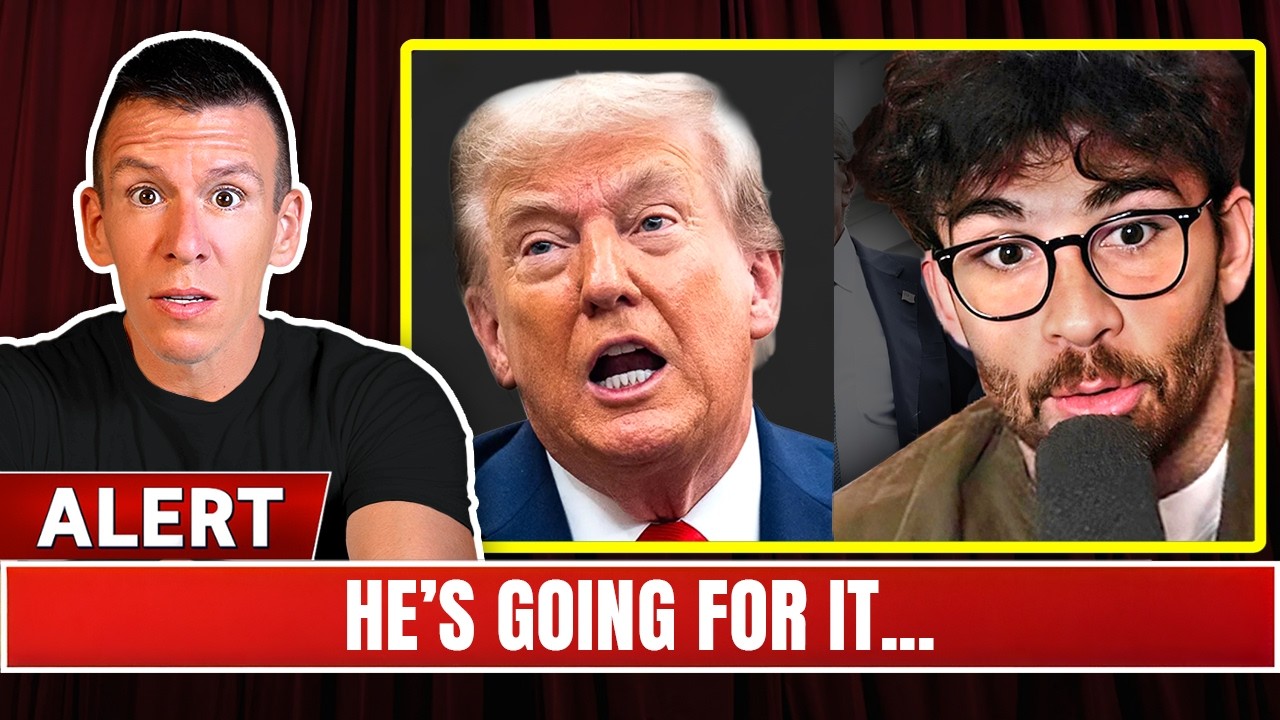
TOP SKILL INFLUENCERS TEACHING MEDIA LITERACY #3. Johnny Harris
Johnny Harris blends cinematic visuals with critical thinking, helping people understand not just what’s happening but why. His YouTube documentaries explore global issues, from misinformation to media manipulation, using storytelling as an educational tool. Each video is beautifully crafted, showing that learning can be visual, emotional, and rigorous all at once. Harris challenges audiences to question how information is framed and whose story is being told. His background in journalism gives his projects credibility, while his independent voice keeps them honest. Johnny’s channel has become a masterclass in modern media literacy and visual communication.

TOP SKILL INFLUENCERS TEACHING MEDIA LITERACY #4. John Green
John Green has a unique way of merging storytelling with truth-seeking. Through short, thoughtful videos and his Crash Course lessons, he reminds audiences that understanding the world begins with asking better questions. His reflections on history, science, and culture are subtly laced with lessons in media discernment. John’s approach shows that emotional intelligence is a core part of literacy in the digital age. Whether discussing literature or online misinformation, he blends empathy with logic. His audience walks away more informed, but also more humane in how they interpret information.
@literallyjohngreen #stitch with @sellout.sab ♬ original sound – John Green
TOP SKILL INFLUENCERS TEACHING MEDIA LITERACY #5. Marcus DiPaola
Marcus DiPaola has mastered the art of short-form news education on TikTok. He delivers concise, unbiased updates with an emphasis on fact-checking and clarity. His videos model how to distinguish between reliable reporting and internet noise. What sets Marcus apart is his consistency in verifying sources before posting — a quality his followers have come to rely on. He often pulls back the curtain on how newsrooms operate, demystifying journalism for younger audiences. In doing so, he equips millions with the critical tools to be informed, not misled.
@marcus.dipaolaSEP 30 — Shutdown♬ original sound – Marcus DiPaola
TOP SKILL INFLUENCERS TEACHING MEDIA LITERACY #6. V Spehar (UnderTheDeskNews)
V Spehar delivers current events from under their desk — literally — and somehow makes that the most comforting way to learn about the world. Their TikTok series “UnderTheDeskNews” simplifies complex political and social stories without losing nuance. V’s inclusive approach to storytelling invites everyone into the conversation, especially those who feel alienated by traditional media. They promote empathy alongside accuracy, proving that clarity and kindness can coexist. Their calm delivery cuts through the panic of misinformation-filled feeds. V has become a trusted digital journalist for a generation learning to discern truth in scroll-sized doses.
@underthedesknews A backsliding album for a backsliding democracy 🫠 from F the patriarchy to a love song for her BFs weiner idk 😂 I think it’s only up from here right? One can hope #taylorswift ♬ original sound – UnderTheDeskNews
TOP SKILL INFLUENCERS TEACHING MEDIA LITERACY #7. Dan Rather
Dan Rather has transitioned from traditional journalism to digital mentorship, using social media to teach wisdom earned from decades in the newsroom. His posts encourage reflection over reaction, offering perspective in a world consumed by instant takes. Rather’s voice reminds audiences that media literacy is as much about patience as skepticism. He often contrasts today’s media environment with the ethical rigor of earlier decades. That historical lens helps viewers recognize patterns of misinformation that repeat over time. In a noisy internet age, his presence feels like a masterclass in discernment and integrity.
The situation is dire in Austin. We’re without power and heat with no end in sight amidst frigid temperatures. My wife and I still have running water. Others have had pipes break. There needs to be accountability for what happened. Right now the priority is to keep people safe.
— Dan Rather (@DanRather) February 17, 2021
TOP SKILL INFLUENCERS TEACHING MEDIA LITERACY #8. Hasan Piker (hasanabi)
Hasan Piker streams live discussions on politics, news, and social issues to a massive Twitch audience. His format is unfiltered yet rooted in educating viewers to question narratives and spot media bias. Hasan explains how sensationalism and framing can distort understanding, even among well-meaning journalists. Despite his casual tone, his commentary encourages viewers to do their own research rather than follow headlines blindly. He’s turned long-form streaming into a form of real-time media education. Piker’s content bridges entertainment and enlightenment for a generation raised on digital discourse.
View this post on Instagram
TOP SKILL INFLUENCERS TEACHING MEDIA LITERACY #9. Jessica Yellin (News Not Noise)
Jessica Yellin uses her background as a CNN correspondent to reimagine how news is presented for everyday audiences. Her “News Not Noise” platform simplifies politics and world events without sacrificing accuracy. Jessica’s calm, direct tone makes people feel informed rather than overwhelmed. She focuses on explaining systems and context instead of chasing outrage. Through Instagram and YouTube, she’s teaching that media literacy starts with slowing down. Yellin’s work offers clarity in an era where emotional headlines often eclipse understanding.
View this post on Instagram
TOP SKILL INFLUENCERS TEACHING MEDIA LITERACY #10. Sharon McMahon (SharonSaysSo)
Sharon McMahon blends civics lessons with myth-busting, earning the nickname “America’s Government Teacher.” Her Instagram reels and stories break down misinformation with a teacher’s patience and humor. She’s known for tackling viral falsehoods without judgment, helping followers learn how to verify sources themselves. Sharon’s approach balances warmth with fact-based precision. She reminds her audience that curiosity is more powerful than outrage. Her influence proves that teaching media literacy can be compassionate and approachable.
View this post on Instagram
TOP SKILL INFLUENCERS TEACHING MEDIA LITERACY #11. Abbie Richards
Abbie Richards is known for her viral conspiracy theory charts that visualize how misinformation spreads online. She combines humor, research, and design to make abstract concepts tangible. Abbie’s TikToks dissect manipulation tactics, teaching viewers to recognize cognitive biases and false logic. Her tone is both witty and grounded, a mix that makes learning disinformation detection oddly fun. She’s become one of the internet’s go-to voices for understanding how fringe ideas gain traction. Richards is redefining what media literacy looks like for a meme-literate generation.
View this post on Instagram
TOP SKILL INFLUENCERS TEACHING MEDIA LITERACY #12. Carlos Maza
Carlos Maza creates sharp, visually dynamic breakdowns of media narratives and political framing. His YouTube work often exposes how language and structure influence perception. As a former Vox journalist, he combines editorial experience with academic insight. His videos unpack bias not through accusation, but through analysis. Maza empowers viewers to spot manipulation techniques used in punditry and advertising alike. He’s essentially teaching people to become more conscious consumers of every form of media they encounter.
TOP SKILL INFLUENCERS TEACHING MEDIA LITERACY #13. Ali Velshi
Ali Velshi, a respected journalist and economic analyst, uses his platforms to connect financial systems with civic understanding. His on-air style blends storytelling with real-world context, teaching how data and narratives shape public perception. Velshi encourages people to question simplified headlines, especially in economic reporting. His approachable explanations break down complex issues like inflation, inequality, and globalization. On social media, he often promotes fact-based reasoning and ethical journalism. Velshi’s mission goes beyond reporting — he’s actively mentoring a more informed audience.
View this post on Instagram
TOP SKILL INFLUENCERS TEACHING MEDIA LITERACY #14. Jared Holt
Jared Holt investigates online extremism and misinformation with precision and empathy. His work sheds light on how fringe movements manipulate digital ecosystems. Jared uses his X feed and podcast appearances to show how radicalization thrives through poor media literacy. He doesn’t just criticize misinformation — he traces its architecture. His calm, evidence-based approach teaches people to question viral outrage. Holt stands out as both watchdog and educator in a world of hot takes.
This episode of The Simpsons aired THIRTY ONE YEARS AGO https://t.co/AQoYq7oHgR pic.twitter.com/llsSdcIhTM
— Jared Holt (@jaredlholt) March 7, 2025
TOP SKILL INFLUENCERS TEACHING MEDIA LITERACY #15. Jane Lytvynenko
Jane Lytvynenko’s background in investigative journalism has made her one of the most trusted misinformation reporters online. Her posts dissect viral rumors and track their origins with detailed verification threads. She’s known for teaching readers how to conduct basic fact-checking on their own. Jane’s tone balances urgency with empathy, avoiding the condescension that often pushes people away. She advocates for media literacy as a collective responsibility, not an elitist skill. Her work bridges journalism and digital education seamlessly.
When Russia began bombarding farmers in Kherson with FPV drones, Oleksandr Hordienko fought back, shooting down over 80 with his rifle.
Russians took notice.
“They’re hunting me,” he said.
Our story on what Ukraine’s farmers in Kherson face:https://t.co/uJz9SiiY6e (read free)
— Jane Lytvynenko (@JaneLytv) September 10, 2025
TOP SKILL INFLUENCERS TEACHING MEDIA LITERACY #16. Craig Silverman
Craig Silverman pioneered the field of media verification long before “fake news” became a mainstream concern. His deep dives into misinformation and digital deception set industry standards for accuracy. Silverman shares tools and techniques to help journalists and the public identify manipulated content. His analytical posts on X and workshops have trained thousands to think more critically. He believes truth is a process, not a fixed point — a philosophy that underpins his teaching. Craig’s work continues to shape the foundation of modern fact-checking.
My latest Indicator post is an #OSINT case study of how to uncover a large-scale ecommerce scam operation via a single ad placed on Meta.
Let’s dig into domain-generating algorithms and connecting websites via shared URLs, HTML titles & favicons: https://t.co/dHY2iJac8p
— Craig Silverman (@CraigSilverman) June 9, 2025
TOP SKILL INFLUENCERS TEACHING MEDIA LITERACY #17. Thomas Sparrow
Thomas Sparrow uses his bilingual reporting background to show how news narratives shift across languages and cultures. His journalism demonstrates the importance of context when interpreting global stories. Sparrow teaches that perspective isn’t bias — it’s awareness. His insights on misinformation and framing offer valuable lessons to anyone consuming international news. Through social media, he reminds followers to seek nuance rather than certainty. Sparrow’s balanced voice helps bridge audiences between regions and realities.
View this post on Instagram
TOP SKILL INFLUENCERS TEACHING MEDIA LITERACY #18. Claire Wardle
Claire Wardle is one of the leading researchers on misinformation, co-founder of First Draft, and a respected educator in the field. Her work focuses on equipping both journalists and citizens to recognize manipulated media. She translates academic research into clear, actionable guidance for everyday users. Claire emphasizes that media literacy isn’t about cynicism — it’s about discernment. Her lectures and posts inspire users to slow down before sharing information. Wardle’s thought leadership has defined much of the global media literacy conversation today.
TOP SKILL INFLUENCERS TEACHING MEDIA LITERACY #19. Mike Caulfield
Mike Caulfield is known for developing the SIFT method — a simple, powerful approach to verifying information online. His frameworks are used in schools and universities to teach students how to evaluate digital content efficiently. Caulfield emphasizes quick, smart skepticism over deep dives into unreliable sources. His calm, methodical teaching style contrasts perfectly with the chaos of the web. He consistently advocates for turning curiosity into a habit of checking, not assuming. Mike has made media literacy practical and repeatable for the average internet user.
TOP SKILL INFLUENCERS TEACHING MEDIA LITERACY #20. Alex Mahadevan
Alex Mahadevan directs the MediaWise project, a Poynter Institute initiative focused on teaching fact-checking skills. He frequently posts tutorials and case studies on how misinformation circulates online. Alex champions media literacy education for all ages, emphasizing its role in civic participation. His work often involves partnering with influencers to spread these lessons beyond classrooms. By merging education and entertainment, he’s making accuracy go viral. Mahadevan represents the new frontier of social learning around truth online.
“It’s becoming a bit of a battlefield.”
The use of @birdwatch since @elonmusk bought Twitter has exploded. In the five days after the sale, *131 notes/day*. Compared to the *45/day* since Birdwatch context notes went public and before the sale. pic.twitter.com/TVROedPP01
— Alex Mahadevan (@AlexMahadevan) November 5, 2022
TOP SKILL INFLUENCERS TEACHING MEDIA LITERACY #21. Katy Byron
Katy Byron serves as MediaWise’s editor and senior manager, spearheading campaigns that empower digital audiences to spot misinformation. Her social presence blends journalist insight with media education. Katy’s approachable tone turns complex verification practices into everyday habits. She’s deeply invested in youth programs that promote responsible sharing and fact-checking. Through her leadership, MediaWise has reached millions of students and seniors alike. Byron’s influence lies in making media literacy not intimidating, but accessible to all.

TOP SKILL INFLUENCERS TEACHING MEDIA LITERACY #22. Brandy Zadrozny
Brandy Zadrozny’s investigative work for NBC News dives into the roots of misinformation and digital radicalization. She explains how online communities amplify harmful narratives. Her detailed reporting teaches readers how to spot red flags in viral content. Brandy’s storytelling bridges hard data and human stories, reminding people why accuracy matters. On social media, she shares behind-the-scenes insights into how journalists verify facts. Zadrozny’s work has quietly educated millions about media responsibility through transparency.
A year and a half working from home, hundreds of TV hits, but this morning, it finally happened. pic.twitter.com/C0ggz6Zb8Q
— Brandy Zadrozny (@BrandyZadrozny) September 17, 2021
TOP SKILL INFLUENCERS TEACHING MEDIA LITERACY #23. Jane Coaston
Jane Coaston brings a fresh perspective to political discourse, emphasizing the value of listening to opposing views. Through her podcast and social channels, she teaches media literacy by modeling curiosity and respect. Jane challenges her audience to engage with ideas rather than personalities. Her humor and insight make difficult topics easier to digest. She promotes skepticism without cynicism, an increasingly rare balance online. Coaston’s message is simple: understanding begins with conversation, not confirmation bias.
like 99% of online alt-right bullshit is based on “what if a black man had sex with my wife and I had to watch, what if that happened, let’s describe that scenario in extreme detail” https://t.co/YdEuDMBCud
— Jane Coaston 🏔️ (@janecoaston) June 19, 2025
TOP SKILL INFLUENCERS TEACHING MEDIA LITERACY #24. Mychel Threets (“Mychel the Librarian”)
Mychel Threets has become a beloved figure on TikTok for his joyful advocacy of reading and library literacy. He teaches that libraries are not just about books, but access — to truth, equity, and verified information. His videos radiate kindness, making media literacy feel deeply human. Mychel encourages curiosity, empathy, and patience as tools for navigating misinformation. His energy invites audiences of all ages to rediscover the value of knowledge. Through humor and warmth, Threets reminds us that media literacy starts with community trust.
View this post on Instagram
TOP SKILL INFLUENCERS TEACHING MEDIA LITERACY #25. Renee Hobbs
Renee Hobbs is one of the foundational scholars in media education, leading the Media Education Lab at the University of Rhode Island. She’s spent decades researching how people interpret and create media messages. Renee’s content emphasizes that media literacy is about empowerment, not fear. She frequently collaborates with educators worldwide to bring digital literacy into classrooms. Her insights connect academic research with real-world digital habits. Hobbs’ lifelong work has inspired an entire generation of teachers, journalists, and critical thinkers.
CONCLUSION
Maybe media literacy isn’t something you ever fully master — it’s more like learning to balance on a board that never stops moving. Some days you feel sharp, questioning everything, and other days you just want to scroll in peace without thinking so hard. The truth is, everyone gets fooled sometimes, even the experts. That’s what makes these creators stand out; they remind us that curiosity is stronger than pride.
They don’t lecture, they guide, and that’s what sticks. It’s kind of nice to see people online using their platforms for something slower, something that asks for attention instead of demanding it. There’s a quiet power in pausing, in checking, in saying, “wait, is that real?” Maybe that’s the point — not to know everything, but to care enough to ask. These influencers make that small act of questioning feel doable, even cool. And maybe that’s what media literacy has always been about: staying awake, even when it’s easier not to.
Disclaimer: The influencers featured in this article are highlighted for editorial and informational purposes only. All embedded social media posts are displayed using the official embed tools provided by their respective platforms (Instagram, TikTok, YouTube, etc.), in accordance with platform terms of service. We do not claim ownership of any embedded content, and all rights remain with the original creators. If you are an influencer featured here and would like your content removed or updated, please contact us directly.