




06 Oct 25 TOP SKILL INFLUENCERS TEACHING MUSIC THEORY IN 2025
Music theory sounds intimidating at first, but the truth is most of the people teaching it online make it feel a lot less scary. It’s kind of wild how a single video about chord progressions can suddenly make a song you’ve heard for years feel brand new. Some folks say theory kills creativity, but honestly, watching these influencers proves the opposite. They break things down in ways that feel practical and even playful, not stuck in a dusty classroom. There’s always that moment of confusion too, like staring at a weird chord name and wondering if music is just a secret code we weren’t meant to crack.
The list of influencers here isn’t just about numbers, it’s about people who actually know how to explain music without draining the fun out of it. Everyone has their own way: some dive deep into jazz, others pull lessons straight out of pop songs, and a few experiment so wildly you end up questioning what music even is. Funny thing, sometimes the best lessons hit right when you’re not even in the mood to study. Amra and Elma understands that it’s messy, a little overwhelming, but also pretty inspiring to realize how many teachers are out there turning music theory into something people actually want to learn.
25 TOP SKILL INFLUENCERS TEACHING MUSIC THEORY IN 2025 (Quick View)
| # | Name | Followers (est.) | Industry |
|---|---|---|---|
| 1 | Jacob Collier | 5,000,000+ | Music theory, harmony, vocal arranging |
| 2 | Rick Beato | 4,000,000+ | Music theory, production, ear training |
| 3 | Paul Davids | 3,000,000+ | Guitar theory, harmony, practice |
| 4 | Andrew Huang | 2,500,000+ | Music concepts, sound design, songwriting |
| 5 | Adam Neely | 1,800,000+ | Contemporary theory, rhythm, jazz concepts |
| 6 | Nahre Sol | 1,200,000+ | Piano theory, composition, creativity |
| 7 | Steve Stine | 1,200,000+ | Guitar theory, fretboard harmony |
| 8 | David Bennett Piano | 1,000,000+ | Piano theory, pop analysis |
| 9 | Signals Music Studio (Jake Lizzio) | 1,000,000+ | Guitar theory, songwriting |
| 10 | David Bruce (Composer) | 900,000+ | Composition, orchestration, analysis |
| 11 | Sean Daniel | 800,000+ | Guitar harmony, songcraft |
| 12 | Andrew Furmanczyk | 700,000+ | Classical theory, piano |
| 13 | Jens Larsen | 700,000+ | Jazz guitar theory, improvisation |
| 14 | Michael New | 600,000+ | Classical theory, fundamentals |
| 15 | Holistic Songwriting (Friedemann Findeisen) | 600,000+ | Songwriting theory, arrangement |
| 16 | Aimee Nolte | 500,000+ | Jazz piano, theory, ear training |
| 17 | Julian Bradley (Jazz Tutorial) | 500,000+ | Jazz harmony, reharmonization |
| 18 | Thomas Goss (Orchestration Online) | 500,000+ | Orchestration, scoring, analysis |
| 19 | Ben Levin | 400,000+ | Guitar theory, rhythm, creativity |
| 20 | David Wallimann | 300,000+ | Guitar theory, modes |
| 21 | Samuel Andreyev | 300,000+ | Contemporary theory, composition |
| 22 | Jeff Schneider | 250,000+ | Jazz theory, sax, composition |
| 23 | Ariel J. Ramos (mDecks) | 150,000+ | Harmony training, functional analysis |
| 24 | Ryan Leach | 120,000+ | Film/game composition, theory |
| 25 | Toby Rush | 20,000+ | Music theory cheat sheets, education |
25 TOP SKILL INFLUENCERS TEACHING MUSIC THEORY IN 2025
TOP SKILL INFLUENCERS TEACHING MUSIC THEORY #1. Jacob Collier
Jacob Collier is a Grammy-winning multi-instrumentalist known for his groundbreaking approach to harmony and theory. He rose to global fame with his intricate arrangements on YouTube and has since collaborated with music legends like Herbie Hancock and Coldplay. His teaching moments often break down complex topics like microtonality and rhythmic layering into digestible lessons. Jacob’s ability to blend jazz, classical, and contemporary genres makes his explanations both inspiring and practical. He frequently uses live streams, short tutorials, and concert breakdowns to show theory in real time. Millions of students and fans credit him for making advanced music theory accessible and exciting.

TOP SKILL INFLUENCERS TEACHING MUSIC THEORY #2. Rick Beato
Rick Beato is a musician, producer, and educator with one of the largest YouTube channels dedicated to music theory. His “Everything Music” channel breaks down songs from rock, pop, jazz, and classical to highlight their theoretical brilliance. With a background in production and teaching, Rick shares practical insights on ear training, harmony, and songwriting. His “What Makes This Song Great?” series has attracted millions of views for analyzing iconic tracks. Beyond analysis, he inspires creators by connecting theory to the emotional impact of music. Rick’s teaching has made theory relevant for both aspiring musicians and professional composers.

TOP SKILL INFLUENCERS TEACHING MUSIC THEORY #3. Paul Davids
Paul Davids is a Dutch guitarist and educator known for his clear and engaging lessons on music theory applied to guitar. His YouTube channel blends practical playing with theoretical concepts, making it ideal for beginners and advanced players. Paul’s calm teaching style helps students grasp difficult ideas like modes, chord substitutions, and harmonics. His videos often balance exercises with real-world musical examples, ensuring students understand how to use theory creatively. With millions of followers, Paul has become one of the most trusted guitar theory voices online. His influence extends beyond YouTube into full online courses and resources.
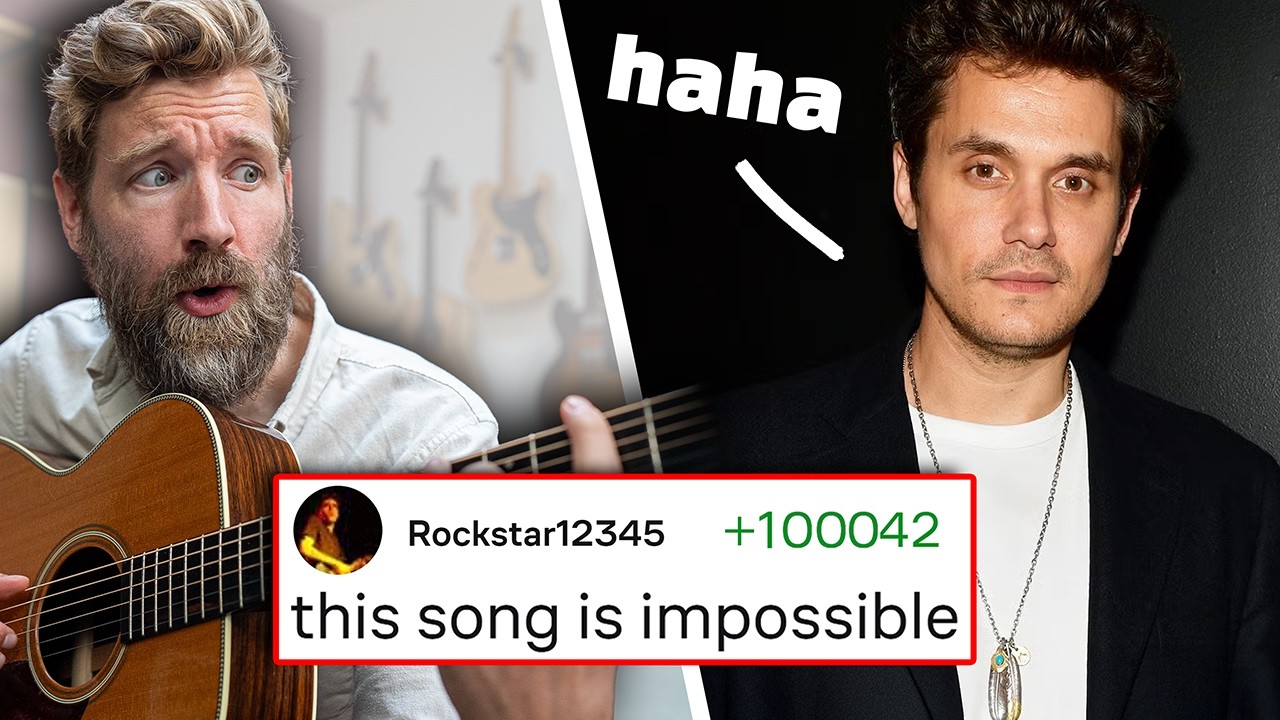
TOP SKILL INFLUENCERS TEACHING MUSIC THEORY #4. Andrew Huang
Andrew Huang is a Canadian musician, producer, and educator with a knack for making music theory entertaining. Known for his colorful and experimental content, he frequently explains concepts like scales, harmony, and rhythm while creating unique projects. His “4 Producers, 1 Sample” series showcases how theory and creativity intersect in music production. Andrew uses humor and accessibility to make theory approachable for those who might otherwise find it intimidating. He’s also an advocate for creativity as a habit, showing that theory can unlock new artistic possibilities. His community looks to him as both a teacher and innovator.
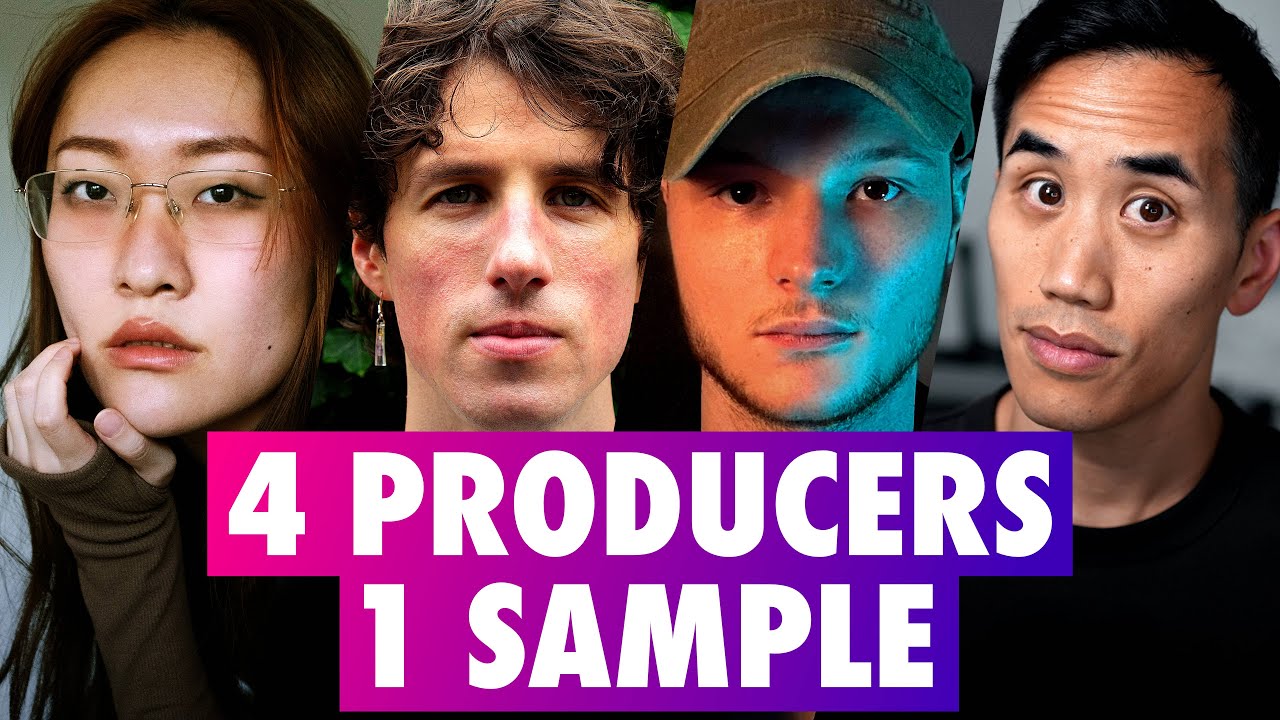
TOP SKILL INFLUENCERS TEACHING MUSIC THEORY #5. Adam Neely
Adam Neely is a bassist, composer, and educator who explores the intersection of music theory, jazz, and rhythm. His channel dives into advanced topics like metric modulation, polyrhythms, and the cultural context of music theory. Adam is known for taking complicated subjects and explaining them with humor, visuals, and practical examples. His background in jazz informs his unique approach, blending tradition with modern experimentation. He often connects theory to real-world creativity, giving his audience tools to expand their own music. His influence has made him a central figure in online discussions about modern theory.

TOP SKILL INFLUENCERS TEACHING MUSIC THEORY #6. Nahre Sol
Nahre Sol is a pianist, composer, and YouTube educator who combines storytelling with music theory lessons. She creates videos exploring composition techniques, improvisation, and historical context in music. Nahre’s calm and thoughtful approach helps learners connect emotionally to theoretical concepts. Her series “Practice Notes” reveals the process behind building musical skills with theory as the foundation. She often blends classical, jazz, and experimental ideas to show theory’s versatility. Students love her for her balance of technical precision and artistic expression.

TOP SKILL INFLUENCERS TEACHING MUSIC THEORY #7. Steve Stine
Steve Stine is a guitarist and educator best known for simplifying complex theory for guitar players. His platform GuitarZoom has taught millions of students worldwide. Steve breaks down scales, chords, and progressions into step-by-step lessons that even beginners can grasp. He emphasizes practical application, showing how theory translates directly to better playing. With decades of teaching experience, he knows how to address common struggles musicians face. His friendly and approachable style keeps learners engaged while deepening their understanding.
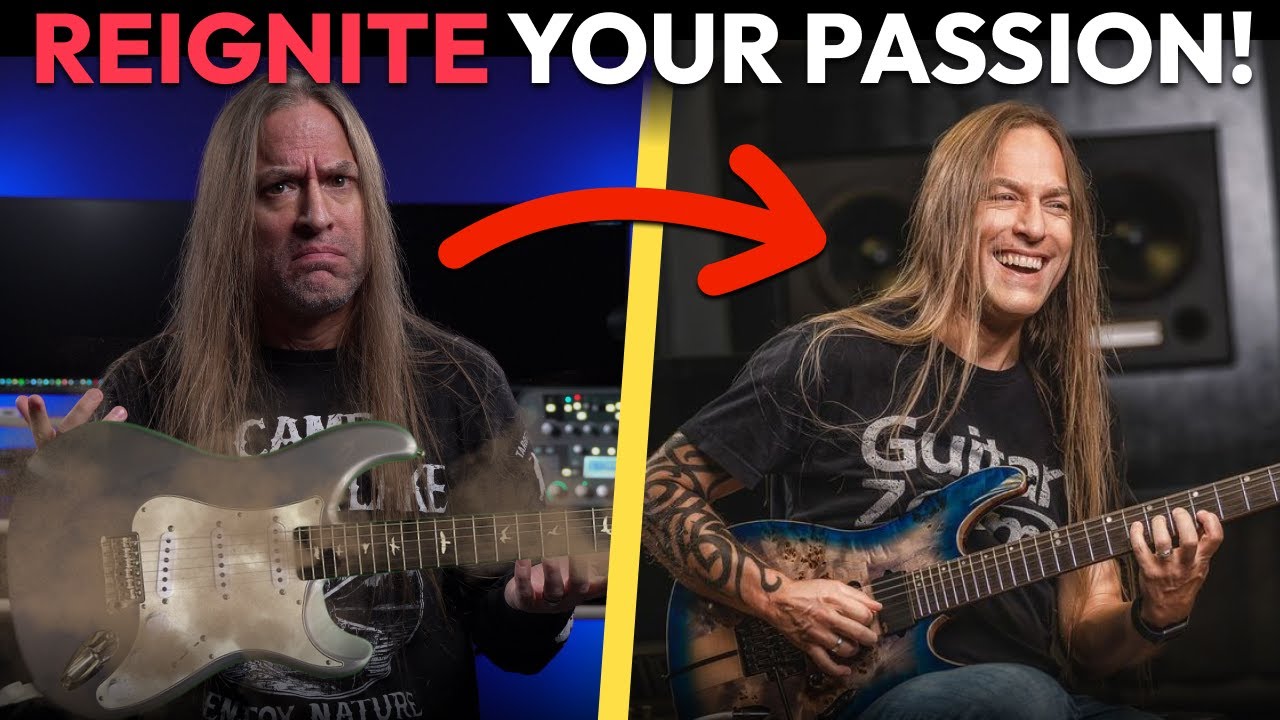
TOP SKILL INFLUENCERS TEACHING MUSIC THEORY #8. David Bennett Piano
David Bennett is a pianist and educator who specializes in explaining music theory through pop songs. His channel “David Bennett Piano” analyzes hit tracks to uncover the chord progressions and melodic structures behind them. He makes theory relatable by connecting academic ideas to music people already love. David often covers topics like borrowed chords, modulation, and melody writing. His clear visuals and concise explanations have built him a loyal following of aspiring musicians. Many learners appreciate his balance of theory and performance.
TOP SKILL INFLUENCERS TEACHING MUSIC THEORY #9. Signals Music Studio (Jake Lizzio)
Jake Lizzio, founder of Signals Music Studio, is a guitar educator known for connecting music theory to practical songwriting. His lessons often focus on chord progressions, modes, and melody creation. Jake’s teaching style is casual yet detailed, making it easy for learners to follow along. He emphasizes creative application of theory, showing how even simple ideas can transform into full songs. His channel also features analysis of well-known tracks to reinforce concepts. With a large online community, Jake continues to inspire guitarists and songwriters globally.

TOP SKILL INFLUENCERS TEACHING MUSIC THEORY #10. David Bruce (Composer)
David Bruce is a composer and educator who creates content focused on classical and contemporary music theory. His videos often explore compositional techniques, orchestration, and the artistry behind great works. David has a gift for blending academic rigor with engaging storytelling. He frequently analyzes masterworks to reveal the structural and harmonic genius behind them. His teaching inspires students to view theory as both an analytical and creative tool. Many composers credit him with making complex music feel approachable and inspiring.

TOP SKILL INFLUENCERS TEACHING MUSIC THEORY #11. Sean Daniel
Sean Daniel is a guitarist and educator who blends music theory with practical guitar tutorials. His lessons focus on helping players understand chords, progressions, and song structures. Sean’s relaxed teaching style makes theory approachable for beginners who might otherwise be intimidated. He often incorporates humor and relatable examples to keep learners engaged. His content spans topics from functional harmony to songwriting tips. Students appreciate his ability to connect theory with creativity in a down-to-earth way.

TOP SKILL INFLUENCERS TEACHING MUSIC THEORY #12. Andrew Furmanczyk
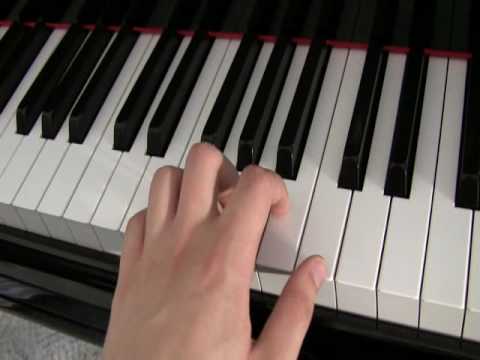
Andrew Furmanczyk is a classical pianist and long-time music educator known for his in-depth theory series. His YouTube course on music theory has guided countless students through fundamentals like scales, intervals, and harmony. Andrew’s teaching combines academic depth with clarity, making complex concepts easy to follow. He has built a reputation as a free, high-quality resource for aspiring musicians. His channel also includes piano tutorials that reinforce theory in practice. Learners often see him as a mentor who makes theory less overwhelming.
TOP SKILL INFLUENCERS TEACHING MUSIC THEORY #13. Jens Larsen
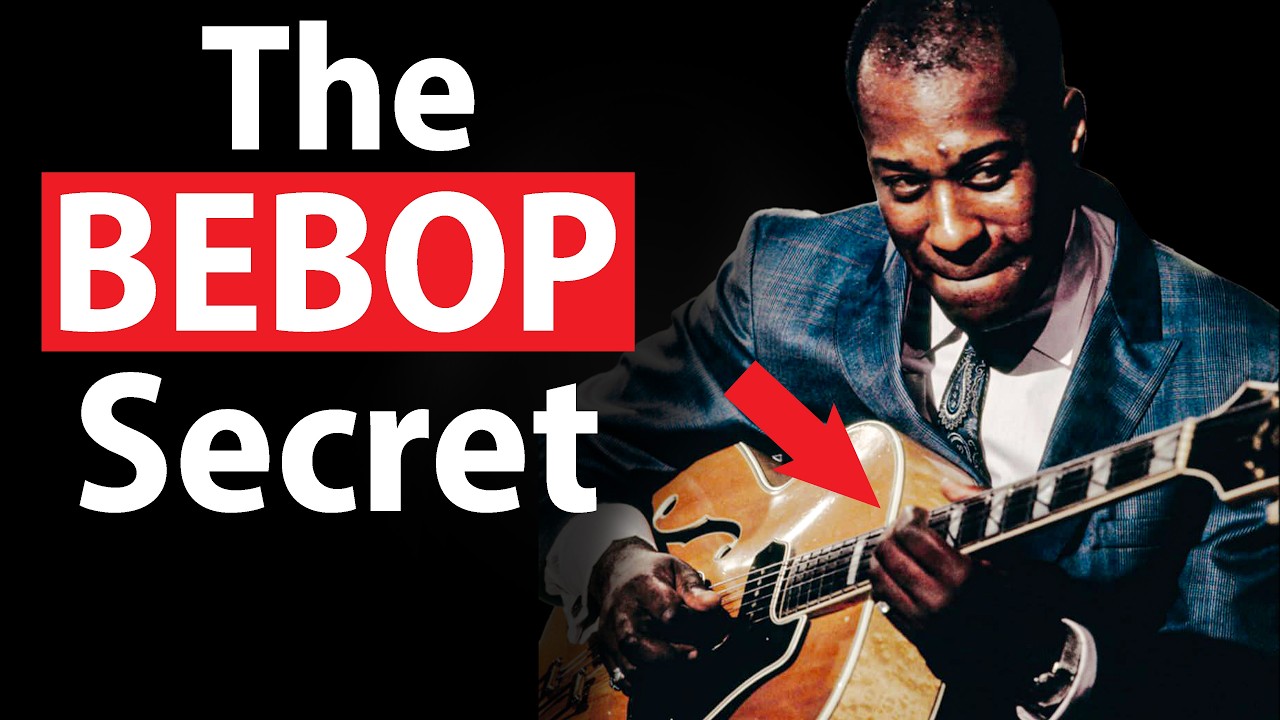
Jens Larsen is a jazz guitarist specializing in improvisation and advanced harmony. His channel is a go-to resource for musicians wanting to understand jazz theory deeply. Jens explains topics like chord substitutions, scales, and phrasing with clarity. He emphasizes how theory enhances improvisational freedom rather than limiting it. His lessons often feature detailed fretboard diagrams and practical examples. Many guitarists follow him to unlock jazz vocabulary and expand their harmonic understanding.
TOP SKILL INFLUENCERS TEACHING MUSIC THEORY #14. Michael New
Michael New is a music theory educator known for his clear, concise breakdowns of complex subjects. His lessons cover everything from classical harmony to advanced counterpoint. Michael’s ability to distill theory into short, understandable explanations makes him stand out. He often uses digital visuals to illustrate relationships between notes and chords. Students appreciate his structured approach to teaching, which mirrors formal academic settings. His channel has become a trusted source for learners preparing for music exams.

TOP SKILL INFLUENCERS TEACHING MUSIC THEORY #15. Holistic Songwriting (Friedemann Findeisen)
Friedemann Findeisen is the creator of Holistic Songwriting, a platform that explores the science of songwriting and theory. His content dives into chord progressions, melody writing, and arrangement strategies. Friedemann combines psychological insights with traditional music theory to explain why songs work. His teaching appeals to both aspiring and professional songwriters looking to refine their craft. He is particularly known for analyzing hit songs and dissecting their structure. His work bridges the gap between academic theory and commercial songwriting success.

TOP SKILL INFLUENCERS TEACHING MUSIC THEORY #16. Aimee Nolte
Aimee Nolte is a jazz pianist, vocalist, and educator who shares her expertise in theory and improvisation. Her channel covers topics like ear training, harmony, and jazz standards. Aimee’s teaching style is warm, encouraging, and practical. She often demonstrates theory concepts through real performances at the piano. Her balance of musicianship and theory has earned her a strong following among jazz learners. Students admire her for blending professionalism with a relatable teaching style.

TOP SKILL INFLUENCERS TEACHING MUSIC THEORY #17. Julian Bradley (Jazz Tutorial)
Julian Bradley is the educator behind Jazz Tutorial, a channel dedicated to jazz harmony and advanced chord theory. His lessons cover reharmonization, chord voicings, and improvisational techniques. Julian’s approach makes intimidating jazz concepts feel logical and learnable. He often focuses on how classical harmony meets jazz to give students a broader perspective. His in-depth courses and videos attract serious learners of jazz. Many see his work as a bridge into understanding the complexity of modern harmony.

TOP SKILL INFLUENCERS TEACHING MUSIC THEORY #18. Thomas Goss (Orchestration Online)
Thomas Goss is the mind behind Orchestration Online, a channel devoted to orchestration and theory. He breaks down classical works and explains how orchestration interacts with harmonic structure. His lessons are particularly useful for composers looking to expand their orchestral writing. Thomas combines historical insight with practical advice on arranging. His teaching reflects both scholarly depth and hands-on experience. Students value his content as a comprehensive guide to orchestral theory.

TOP SKILL INFLUENCERS TEACHING MUSIC THEORY #19. Ben Levin
Ben Levin is a guitarist, educator, and experimental musician who teaches theory in a playful and creative way. His lessons often explore rhythm, melody, and unique harmonic approaches. Ben encourages learners to see theory as a tool for exploration rather than a rigid system. He frequently shares exercises designed to inspire original ideas. His quirky teaching style resonates with students seeking a fresh perspective on theory. Many credit him for helping them rediscover the joy of music through experimentation.

TOP SKILL INFLUENCERS TEACHING MUSIC THEORY #20. David Wallimann
David Wallimann is a guitarist and educator focused on demystifying theory for everyday players. His lessons emphasize modes, scales, and practical applications on the fretboard. David often uses storytelling and analogies to explain complex ideas. His approach is approachable and encourages students to see theory as empowering. He offers structured courses as well as free tutorials that reach thousands of learners. Guitarists worldwide look to him to strengthen both their technique and theoretical knowledge.

TOP SKILL INFLUENCERS TEACHING MUSIC THEORY #21. Samuel Andreyev
Samuel Andreyev is a Canadian composer and educator who shares insights into modern and classical music theory. His videos often analyze 20th-century works and avant-garde composition techniques. Samuel’s teaching balances intellectual depth with accessibility. He frequently discusses the philosophy behind music in addition to technical theory. His content appeals to serious musicians eager to understand contemporary composition. Many learners appreciate his scholarly yet passionate approach.

TOP SKILL INFLUENCERS TEACHING MUSIC THEORY #22. Jeff Schneider
Jeff Schneider is a jazz saxophonist, pianist, and educator who focuses on theory, improvisation, and composition. His lessons are practical and filled with exercises for applying theory to performance. Jeff covers harmony, melodic development, and rhythm in a clear, step-by-step style. He also provides resources for composers to strengthen their understanding of structure. Students like his balance of academic theory and creative application. His multi-instrumental background gives his lessons broad appeal.

TOP SKILL INFLUENCERS TEACHING MUSIC THEORY #23. Ariel J. Ramos (mDecks)
Ariel J. Ramos is the founder of mDecks, a platform dedicated to music theory tools and tutorials. His content often covers harmony, voice leading, and functional analysis. Ariel combines digital teaching tools with traditional concepts for a modern approach. His apps and lessons make theory practice interactive and engaging. Students value his innovative methods for learning chord progressions and sight reading. His work has become a resource for learners wanting structured practice systems.

TOP SKILL INFLUENCERS TEACHING MUSIC THEORY #24. Ryan Leach
Ryan Leach is a composer and educator who teaches theory in the context of film and game music. His lessons focus on orchestration, harmony, and creating emotional impact through sound. Ryan blends theoretical breakdowns with practical scoring advice. He often highlights how classical foundations connect with modern composition needs. His content inspires aspiring composers to use theory as a creative tool. Many film and game music learners follow him to improve their storytelling through sound.

TOP SKILL INFLUENCERS TEACHING MUSIC THEORY #25. Toby Rush
Toby Rush is a music educator best known for his “Music Theory for Musicians and Normal People” cheat sheets. His resources simplify complex ideas with humor and clarity. Toby’s visual guides are widely shared in classrooms and among self-learners. His teaching emphasizes that theory should be both fun and understandable. Though less active on video platforms, his written resources reach a global audience. He remains a beloved figure for making theory accessible to everyone.
View this post on Instagram
CONCLUSION
It’s strange how a subject that once felt locked behind textbooks and classrooms now lives in short videos and late-night YouTube rabbit holes. Some of these teachers make you laugh, others make you pause and scribble down notes you didn’t plan on taking. The variety is what makes it fun, because not everyone learns the same way, and that’s kind of the point of music anyway. You catch yourself hearing a pop song on the radio and suddenly recognizing a borrowed chord or a sneaky modulation. There’s a weird thrill in that, like spotting an Easter egg no one else noticed.
At the same time, it doesn’t need to be that serious—sometimes theory is just a way to enjoy sounds more deeply, not a test you have to pass. These influencers don’t really try to be perfect professors, they just share what excites them, and that energy is contagious. The internet is noisy, sure, but tucked inside that noise are voices that make learning music feel alive. It’s not always clean or linear, and maybe that’s the beauty of it. Music theory ends up feeling less like a wall of rules and more like a secret door that someone finally left open.
Disclaimer: The influencers featured in this article are highlighted for editorial and informational purposes only. All embedded social media posts are displayed using the official embed tools provided by their respective platforms (Instagram, TikTok, YouTube, etc.), in accordance with platform terms of service. We do not claim ownership of any embedded content, and all rights remain with the original creators. If you are an influencer featured here and would like your content removed or updated, please contact us directly.