




27 Sep TOP 20 SMART CAR MARKETING STATISTICS 2025
When I first started researching Smart Car Marketing Statistics, I was amazed at how quickly this industry is evolving with consumer preferences shifting toward connected, electric, and autonomous vehicles. What excites me most is how digital touchpoints, from search ads to influencer content, are shaping the way buyers discover and trust car brands. As someone who enjoys exploring new marketing trends, I see how these numbers can help us better understand the road ahead for both dealerships and manufacturers. Partnering with a leading marketing agency in New York has given me even more perspective on how brands are creating personalized strategies to meet this growing demand. I’m thrilled to share these insights with you, not just as stats, but as tools to help marketers drive smarter campaigns.
Top 20 Smart Car Marketing Statistics 2025 (Editor’s Choice)
| Stat # | Statistic | Value | Source |
|---|---|---|---|
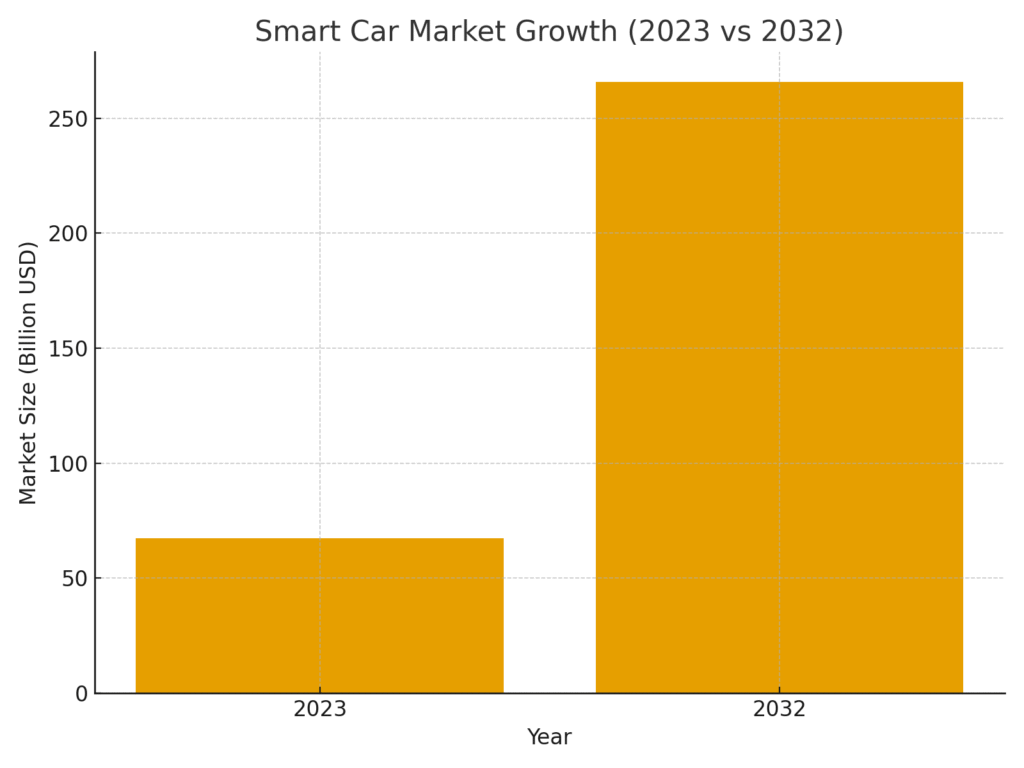
| 1 | Global smart car market size (2023) | $67.3 Billion | Market.us |
| 2 | Forecast smart car market by 2032 | $265.7 Billion | Market.us |
| 3 | Smart car CAGR (2024–2033) | 17.2% | Market.us |
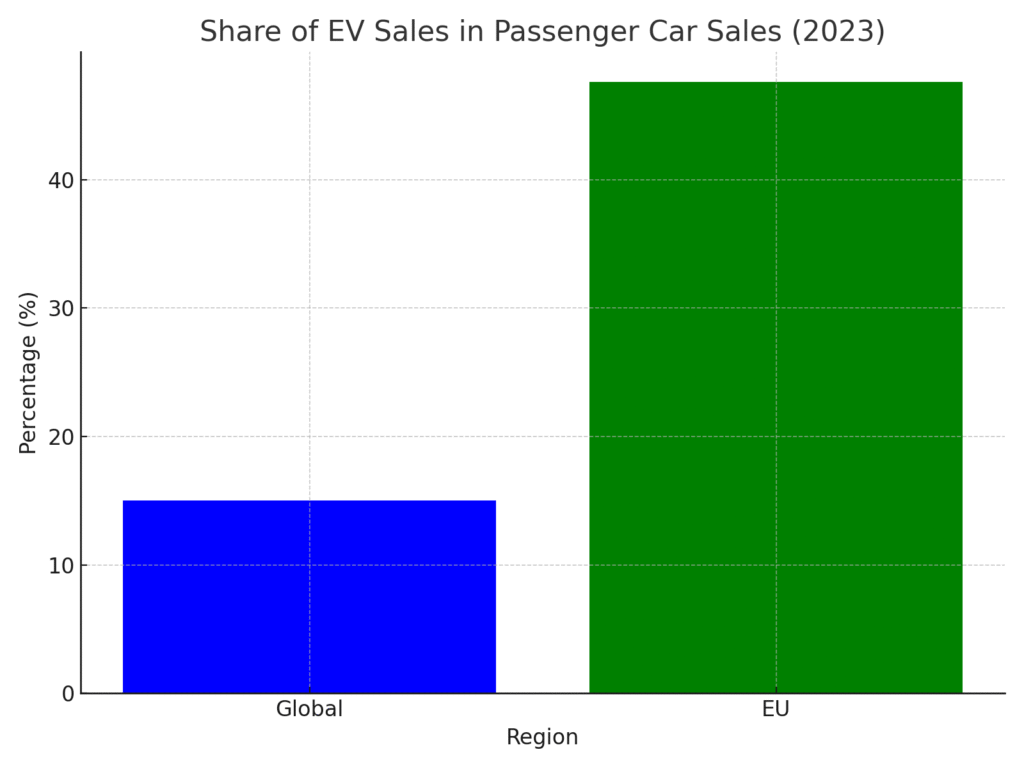
| 4 | Global EV share of passenger car sales (2023) | 15% | Smartcar |
| 5 | EU new registrations (electric/hybrid, 2023) | 47.6% | Smartcar |
| 6 | US automotive digital ad spend (2024) | $6.9 Billion | Porch Group Media |
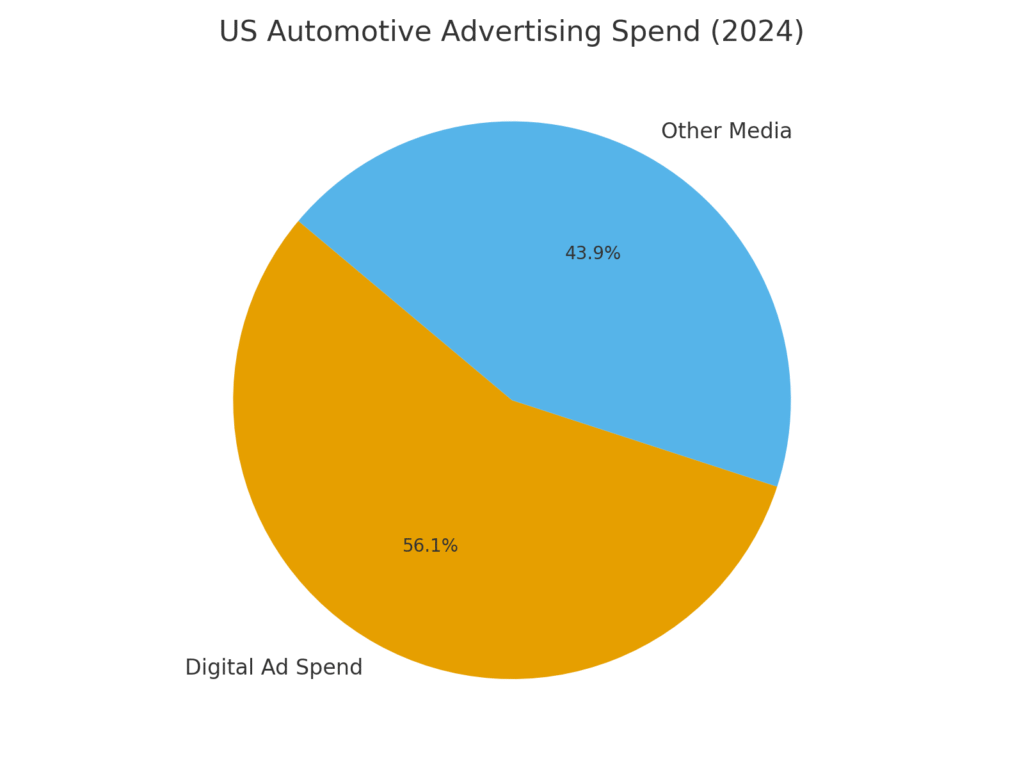
| 7 | Car buyers using digital sources | 95% | Invoca |
| 8 | Websites visited during car buying journey | 4.2 Websites | Invoca |
| 9 | Time spent online during car research | 14 Hours | Invoca |
| 10 | Shoppers contacting dealership after research | 61% | Invoca |
| 11 | Car shoppers running a search before purchase | 76% | Invoca |
| 12 | Shoppers discovering models via video marketing | 40% | Invoca |
| 13 | Customers watching car videos before visiting dealership | 60%+ | SoCal News |
| 14 | Automotive search ads conversion rate (2024) | 12.96% | SoCal News |
| 15 | Consumers trusting car influencers | 46% | SoCal News |
| 16 | Average cost per automotive lead | $283 | Invoca |
| 17 | ROI boost from marketing automation | 2× Higher ROI | Cazoomi |
| 18 | Shoppers willing to pay more for better experience | 54% | Cazoomi |
| 19 | Consumers abandoning after one bad experience | 76% | Cazoomi |
| 20 | Marketers believing AI will help automotive industry | 93% | Cazoomi |
Top 20 Smart Car Marketing Statistics 2025
Smart Car Marketing Statistics #1 – Global Smart Car Market Size (2023)
The global smart car market reached a value of $67.3 billion in 2023, showcasing how rapidly this segment has grown. This surge reflects consumer demand for connected, autonomous, and eco-friendly vehicles. Marketers in this industry now focus heavily on digital storytelling to highlight advanced car features. With more buyers seeking sustainability and technology integration, campaigns must balance innovation with trust. This figure sets the foundation for how smart car marketing will evolve over the next decade.
Smart Car Marketing Statistics #2 – Forecast Smart Car Market by 2032
By 2032, the smart car market is projected to hit $265.7 billion, nearly quadrupling from its 2023 size. Such explosive growth highlights the importance of crafting forward-looking campaigns today. Marketers have an opportunity to shape consumer perceptions now, ensuring brand loyalty in the coming years. This projection also demonstrates the rising adoption of EVs, hybrids, and autonomous driving technologies. Strategic messaging that emphasizes future-readiness will likely resonate most with buyers.
Smart Car Marketing Statistics #3 – Smart Car CAGR (2024–2033)
The smart car market is expected to grow at a CAGR of 17.2% between 2024 and 2033. This sustained growth means marketers need long-term strategies to remain relevant. Short-term campaigns alone will not capture the full potential of this expanding market. Highlighting innovation and adaptability in content will reassure consumers about the future of these cars. Ultimately, this CAGR emphasizes the importance of steady brand presence and consistent consumer education.
Smart Car Marketing Statistics #4 – Global EV Share of Passenger Car Sales (2023)
In 2023, electric vehicles accounted for 15% of global passenger car sales, a historic milestone. This figure shows that sustainability is no longer a niche demand but a mainstream preference. Marketing campaigns must emphasize eco-friendliness alongside convenience and design. By doing so, brands align themselves with consumer values while strengthening their competitive edge. EV adoption reflects a permanent shift in how cars are marketed and sold.
Smart Car Marketing Statistics #5 – EU New Registrations (Electric/Hybrid, 2023)
In the European Union, 47.6% of new car registrations in 2023 were electric or hybrid models. This demonstrates Europe’s leading role in the transition to smart mobility. Marketers targeting EU buyers must emphasize innovation, environmental impact, and affordability. Such a high percentage also shows that government regulations and incentives influence consumer decisions. Brands need to craft messaging that aligns with these regulatory pushes while highlighting unique benefits.
Smart Car Marketing Statistics #6 – US Automotive Digital Ad Spend (2024)
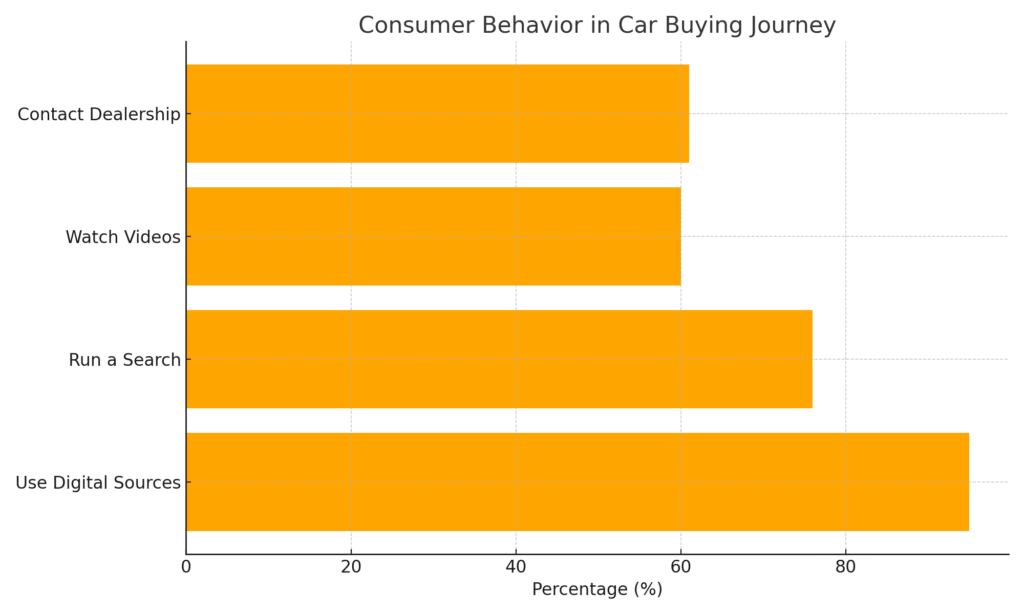
In 2024, the U.S. automotive industry spent $6.9 billion on digital advertising, representing 56.1% of total paid media. This shows that digital-first strategies dominate the automotive space. Marketers must allocate budgets effectively across search, social, and video to engage buyers. Campaigns now compete heavily for online attention, where car shoppers spend the majority of their time. This stat confirms the shift from traditional channels to digital-first marketing in the smart car industry.
Smart Car Marketing Statistics #7 – Car Buyers Using Digital Sources
An overwhelming 95% of car buyers use digital sources for research before making a purchase. This makes online presence a necessity, not an option, for automotive marketers. A brand’s website, ads, and digital reviews significantly influence buyer decisions. With such high reliance on online resources, optimizing SEO and digital content is crucial. Without a strong online presence, even high-quality cars risk being overlooked.
Smart Car Marketing Statistics #8 – Websites Visited During Car Buying Journey
On average, buyers visit 4.2 websites before finalizing their decision. This behavior reflects the need for multi-touchpoint marketing strategies. Brands should ensure consistency in their messaging across all platforms. The more seamless the online journey, the more likely buyers will engage positively with the brand. Effective remarketing strategies are also vital to capture attention across multiple visits.
Smart Car Marketing Statistics #9 – Time Spent Online During Car Research
Shoppers spend around 14 hours online researching cars, underscoring how important digital touchpoints have become. This extended research period offers marketers multiple opportunities to influence decisions. Detailed product pages, video content, and reviews are crucial in this process. Brands must ensure that every piece of content provides value and credibility. The more informed a consumer feels, the higher the chance they’ll choose that brand.
Smart Car Marketing Statistics #10 – Shoppers Contacting Dealership After Research
About 61% of shoppers contact a dealership by phone after completing online research. This shows that while digital is vital, offline touchpoints still matter. Marketers should use digital campaigns to guide consumers toward personal contact. Strong call-to-actions that encourage test drives or consultations are essential. The digital-to-dealership journey highlights the importance of integrated marketing strategies.
Smart Car Marketing Statistics #11 – Car Shoppers Running a Search Before Purchase
76% of new and used car shoppers conduct a search before making their final purchase. This reflects the central role of search engine marketing in automotive campaigns. Optimized search ads and SEO strategies can capture intent-driven buyers. Since search indicates high purchase readiness, brands must ensure visibility at this stage. Missing out on search means missing out on highly qualified leads.
Smart Car Marketing Statistics #12 – Shoppers Discovering Models via Video Marketing
40% of new car shoppers discover models they weren’t previously considering through video marketing. This highlights video’s power in inspiring and informing consumers. Car walk-throughs, influencer reviews, and ad campaigns all contribute to discovery. Marketers should invest in engaging video content to influence buying decisions. Storytelling through video can turn casual viewers into serious buyers.
Smart Car Marketing Statistics #13 – Customers Watching Car Videos Before Visiting Dealership
More than 60% of customers watch videos of cars before visiting a dealership. This proves that video content builds trust and excitement. Marketers must prioritize authentic, high-quality video production. Virtual tours and 360° experiences can bridge the gap between online research and physical interaction. This behavior signals the growing role of digital experiences in showroom traffic.
Smart Car Marketing Statistics #14 – Automotive Search Ads Conversion Rate (2024)
In 2024, automotive search ads achieved a 12.96% conversion rate, one of the highest across industries. This shows that search ads are highly effective for smart car marketing. When buyers search, they’re often close to making a purchase, making ads extremely valuable. Marketers should carefully target keywords that align with purchase intent. High conversion rates justify continued investment in search advertising.
Smart Car Marketing Statistics #15 – Consumers Trusting Car Influencers
46% of consumers trust automotive influencers as reliable sources of information. This trust highlights the value of influencer marketing in the smart car industry. Collaborations with credible voices can drive awareness and influence purchasing decisions. Marketers must prioritize authenticity when working with influencers. This strategy can help brands tap into communities that value expertise and peer recommendations.
Smart Car Marketing Statistics #16 – Average Cost Per Automotive Lead
The average cost per automotive lead is around $283, making it one of the more expensive industries for lead generation. This figure underscores the importance of maximizing ROI on every campaign. Marketers need to balance spending with efficiency, ensuring qualified leads. Nurturing leads through follow-ups and retargeting is essential to maximize value. High costs make optimization crucial at every stage of the funnel.
Smart Car Marketing Statistics #17 – ROI Boost from Marketing Automation
Marketers using automation tools are 2× more likely to achieve higher ROI. Automation allows for streamlined communication and better personalization. In a complex buyer journey, automation ensures consistent engagement. This is especially valuable for smart car campaigns, where timing and relevance matter. Embracing automation helps brands scale efficiently while maintaining consumer trust.
Smart Car Marketing Statistics #18 – Shoppers Willing to Pay More for Better Experience
54% of car shoppers are willing to pay more if they receive a better buying experience. This reflects the power of customer experience in automotive marketing. Transparent communication, personalized offers, and smooth processes can boost sales. Marketers must focus on customer journey mapping to identify improvement areas. A premium experience is just as important as a premium product.
Smart Car Marketing Statistics #19 – Consumers Abandoning After One Bad Experience
76% of consumers say they would leave a brand after just one bad experience. This emphasizes the importance of consistent service quality. Poor experiences can quickly damage reputation in such a competitive industry. Marketers must ensure that brand promises align with actual delivery. Trust, once lost, is difficult to regain in the automotive sector.
Smart Car Marketing Statistics #20 – Marketers Believing AI Will Help Automotive Industry
93% of automotive marketers believe AI will positively impact their business. This reflects growing confidence in AI-driven personalization, targeting, and analytics. Smart campaigns increasingly rely on AI to optimize performance in real-time. Marketers must embrace these tools to stay competitive in a data-driven environment. AI promises to reshape how smart cars are marketed, from predictive ads to customer engagement.
Final Thoughts on Smart City Marketing
Looking over these smart city marketing statistics, I feel both inspired and motivated about the direction our cities are heading. It’s not just about technology; it’s about how people connect, interact, and thrive in environments designed to be more sustainable and efficient. What excites me the most is how marketing plays a pivotal role in making these advancements relatable and accessible to everyday citizens. By telling stories of progress and innovation, marketers can turn complex urban solutions into something people want to embrace. Personally, I see this as a call to be part of the transformation—because the cities of tomorrow are being built today, and we all have a role in shaping their story.
SOURCES
-
- https://proptechos.com/smart-city-index/
- https://blogs.idc.com/2025/04/23/idcs-2025-smart-cities-north-america-awards-showcases-passion-and-partnership/
- https://publications.iadb.org/en/international-case-studies-smart-cities-singapore-republic-singapore
- https://pmc.ncbi.nlm.nih.gov/articles/PMC10049255/
- https://www.mdpi.com/2413-8851/9/7/249
- https://www.smartcitiesworld.net/
- https://www.hivemq.com/blog/the-coolest-smart-cities-2025-how-iot-changing-urban-living-america/
- https://thinkz.ai/smart-city-blog/
- https://www.sciencedirect.com/science/article/pii/S1470160X25000809
- https://www.sciencedirect.com/science/article/pii/S2664328623001079
- https://www.nlc.org/wp-content/uploads/2017/01/Trends-in-Smart-City-Development.pdf
- https://www.tandfonline.com/doi/full/10.1080/14719037.2020.1718189
- https://link.springer.com/article/10.1007/s10708-022-10704-6
- https://en.wikipedia.org/wiki/Surveillance_issues_in_smart_cities
- https://www.businessinsider.com/ellinikon-greece-athens-abandoned-airport-smart-city-photos-2024-6
- https://en.wikipedia.org/wiki/15-minute_city
- https://www.loopexdigital.com/blog/digital-marketing-statistics