



27 Sep TOP 20 SMART SPEAKER MARKETING STATISTICS 2025
When I first started researching smart speaker marketing statistics, I was struck by just how much these devices have transformed the way we live, shop, and interact with brands. From morning routines powered by voice assistants to late-night impulse shopping done with a simple command, smart speakers have become an undeniable part of our everyday habits. As I explored the numbers, I realized how crucial it is for businesses to stay ahead of these trends if they want to remain competitive in a voice-driven world. That’s why I’ve teamed up with a leading marketing agency in New York to dive into the data and uncover insights that can help brands craft smarter campaigns. In this post, I want to share the top 20 statistics that highlight the power and future of smart speaker marketing.
Top 20 Smart Speaker Marketing Statistics 2025 (Editor’s Choice)
| # | Statistic | Details |
|---|---|---|
| 1 | Global Market Growth (2020–2025) | Expected to rise from $7.1B to $15.6B at 17.1% CAGR. |
| 2 | Market Value 2024 | Valued at $17.59B, projected to hit $36.48B by 2032. |
| 3 | Future Projection | Market forecast to reach $50.19B by 2030, up from $10.06B in 2022. |
| 4 | 2025 Forecast | Smart speaker market projected at $15.9B, growing 10.5% CAGR through 2033. |
| 5 | US Market Expansion | Expected to grow by $6.41B between 2024–2029 at 23.2% CAGR. |
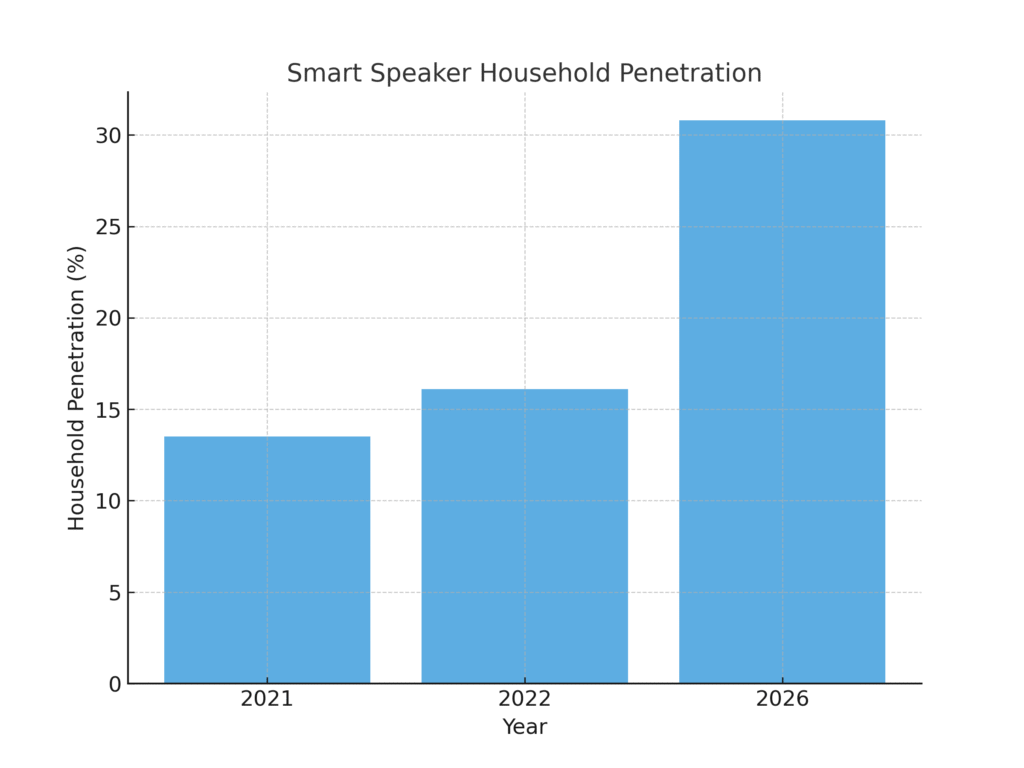
| 6 | Household Penetration | Projected to rise from 13.5% in 2021 to 30.8% by 2026. |
| 7 | US Users | Nearly 90M US adults use smart speakers (32% growth since 2019). |
| 8 | Top Use Cases | 68% use smart speakers for news; also timers, alarms, and info requests. |
| 9 | Local Voice Search | 76% of users perform local voice searches weekly. |
| 10 | Daily Local Business Searches | 46% search for local business info every day via voice. |
| 11 | Tasks per Week | Owners use ~11 different voice commands weekly. |
| 12 | Ad Engagement | 38% find voice ads more engaging and less annoying than other channels. |
| 13 | Voice Commerce Market | Valued at $42.75B in 2023, projected $186.28B by 2030. |
| 14 | Device Market Share | Smart speakers hold ~67% of voice commerce device share. |
| 15 | Commerce Preference | 70% of voice commerce transactions done via smart speakers. |
| 16 | Retailer Impact | Voice commerce boosts retailer conversion rates by 15% on average. |
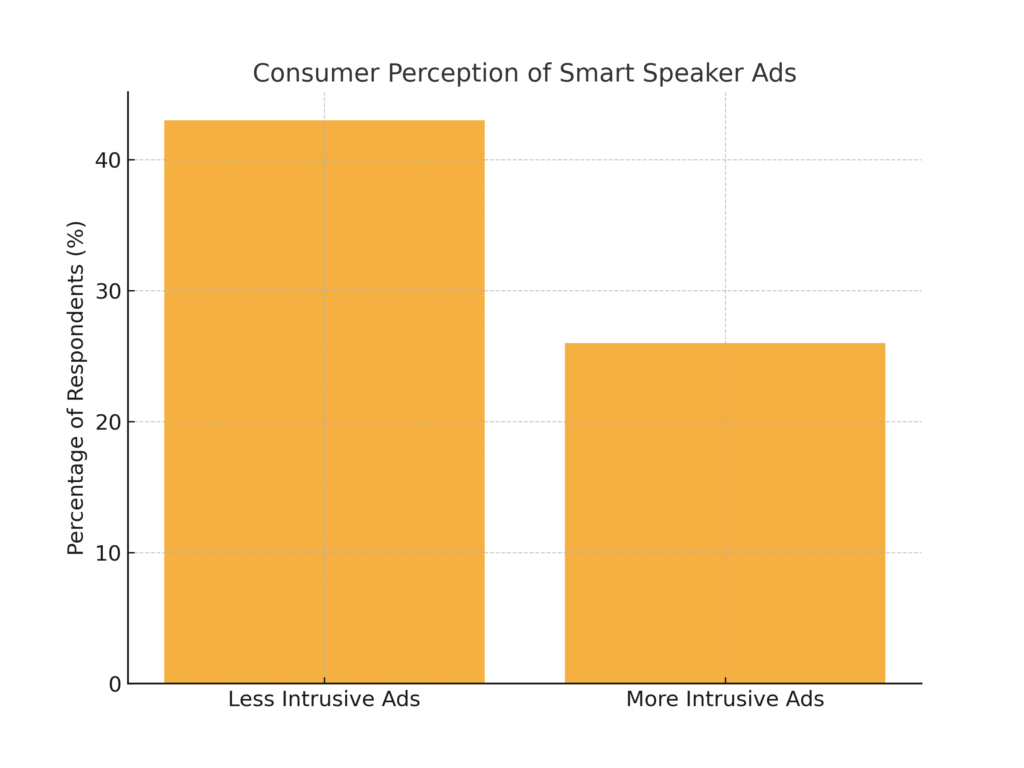
| 17 | Ad Intrusiveness Perception | 43% find smart speaker ads less intrusive; 26% find them more. |
| 18 | Purchasing Behavior | 4% have made purchases via smart speakers; 2% do so regularly. |
| 19 | Brand Consideration | 48% are more likely to consider a brand after hearing its smart speaker ad. |
| 20 | Ad Responsiveness | 53% of users likely to respond to ads delivered via smart speakers. |
Top 20 Smart Speaker Marketing Statistics 2025
Smart Speaker Marketing Statistics #1: Global Market Growth (2020–2025)
The smart speaker market was valued at $7.1 billion in 2020 and is projected to reach $15.6 billion by 2025. This represents a strong compound annual growth rate (CAGR) of 17.1%, showing how quickly the industry is expanding. Much of this growth is driven by consumer demand for convenience and integration with smart home devices. Companies like Amazon, Google, and Apple continue to innovate, fueling adoption. For marketers, this rapid expansion means a growing channel for consumer engagement.
Smart Speaker Marketing Statistics #2: Market Value 2024
In 2024, the global smart speaker market reached $17.59 billion. Analysts predict it will grow further to $36.48 billion by 2032, highlighting a steady CAGR of 11.2%. This consistent upward trajectory indicates that smart speakers are no longer a trend but a staple in households. As more homes adopt the technology, opportunities for targeted voice advertising will multiply. Marketers need to align strategies with this long-term growth potential.
Smart Speaker Marketing Statistics #3: Future Projection 2030
By 2030, the smart speaker market is expected to reach $50.19 billion, up from $10.06 billion in 2022. This forecasted CAGR of 22.2% is one of the strongest growth rates among consumer electronics. The surge demonstrates how deeply voice technology is being integrated into daily life. For brands, this offers a new platform to influence purchase decisions. The data underlines why smart speaker marketing should be prioritized in future strategies.
Smart Speaker Marketing Statistics #4: 2025 Forecast
The smart speaker market is projected at $15.9 billion in 2025. With a CAGR of 10.5% predicted through 2033, the industry shows resilience and ongoing consumer interest. This steady expansion highlights the confidence of both manufacturers and consumers. It also shows that the adoption curve is moving from early adopters to mainstream households. Marketers must leverage this timing to establish brand presence in voice-driven spaces.
Smart Speaker Marketing Statistics #5: US Market Expansion
In the U.S., the smart home speaker market is expected to expand by $6.41 billion between 2024 and 2029. The CAGR is predicted at a remarkable 23.2%, outpacing global averages. This makes the United States one of the most lucrative regions for smart speaker adoption. It also signals that American consumers are embracing voice technology at a rapid rate. Businesses that tailor campaigns for U.S. users will likely see higher returns.

Smart Speaker Marketing Statistics #6: Household Penetration
Household penetration for smart speakers grew from 13.5% in 2021 to 16.1% in 2022. By 2026, it is projected to reach 30.8%, nearly doubling in just four years. This suggests that smart speakers will soon be as common as TVs or smartphones in homes. The growing familiarity makes users more comfortable with voice-driven shopping and advertising. Marketers should prepare for mainstream adoption in everyday households.
Smart Speaker Marketing Statistics #7: US Users
Nearly 90 million U.S. adults now use smart speakers. This reflects a 32% increase since 2019, showcasing rapid adoption. As usage grows, so does the potential for marketers to target audiences via this medium. Smart speakers are no longer niche devices; they are entering the mass market. The expanding user base creates fresh opportunities for brand engagement through voice.
Smart Speaker Marketing Statistics #8: Top Use Cases
About 68% of smart speaker users listen to news content through their devices. Other common uses include setting alarms, checking the weather, and asking factual questions. These daily touchpoints keep users consistently engaged with the technology. For marketers, this offers multiple opportunities to integrate brand messaging seamlessly. Leveraging these use cases can ensure ads feel helpful rather than intrusive.
Smart Speaker Marketing Statistics #9: Local Voice Search
76% of smart speaker users perform local voice searches at least once a week. This highlights the close connection between smart speakers and local commerce. Consumers often use voice to find nearby services, restaurants, and stores. Businesses that optimize for local voice SEO stand to gain a competitive edge. Voice-driven local discovery is quickly becoming the new normal.
Smart Speaker Marketing Statistics #10: Daily Local Business Searches
46% of users perform voice searches for local business information daily. This makes smart speakers a crucial tool for connecting consumers with nearby brands. From restaurants to repair services, local searches dominate voice activity. For marketers, this emphasizes the importance of being discoverable via smart speaker platforms. Businesses that ignore voice optimization risk missing out on daily customer opportunities.
Smart Speaker Marketing Statistics #11: Tasks per Week
On average, smart speaker owners use voice commands for 11 different tasks weekly. This regular usage shows that smart speakers are deeply embedded in daily routines. Frequent interactions build user reliance and trust in the devices. For brands, this means multiple entry points to connect with users throughout the week. Marketing campaigns that align with these routines can achieve higher relevance.
Smart Speaker Marketing Statistics #12: Ad Engagement
38% of consumers report that voice ads are more engaging and less annoying than traditional ads. This suggests that voice advertising may be more warmly received compared to TV or social media campaigns. The conversational nature of voice ads likely contributes to this acceptance. Marketers can leverage this by creating natural, dialogue-based ad content. When done right, voice ads can enhance brand trust and recall.
Smart Speaker Marketing Statistics #13: Voice Commerce Market
The global voice commerce market was valued at $42.75 billion in 2023. By 2030, it is expected to soar to $186.28 billion. This explosive growth signals that voice-driven shopping is gaining serious traction. Smart speakers serve as the primary driver of this trend. Marketers should see voice commerce as an essential extension of e-commerce strategies.
Smart Speaker Marketing Statistics #14: Device Market Share
Smart speakers account for roughly 67% of all voice commerce device usage. This makes them the dominant hardware for voice-enabled shopping. The convenience of hands-free interaction fuels this preference. For retailers, prioritizing smart speaker compatibility is vital. Brands that ignore this trend may lose out to competitors who embrace it.
Smart Speaker Marketing Statistics #15: Commerce Preference
Around 70% of all voice commerce transactions are made through smart speakers rather than smartphones. This statistic highlights the trust and comfort users have with these devices. As more households integrate smart speakers, this percentage is likely to grow. The data confirms that smart speakers are central to voice commerce behavior. Marketers must prioritize this platform for future sales strategies.

Smart Speaker Marketing Statistics #16: Retailer Impact
Retailers adopting voice commerce solutions see an average 15% increase in conversion rates. This shows the tangible business impact of investing in voice technology. Customers appreciate the convenience, which leads to quicker purchase decisions. For marketers, the return on investment is clear. Integrating voice channels can directly improve bottom-line results.
Smart Speaker Marketing Statistics #17: Ad Intrusiveness Perception
43% of consumers believe smart speaker ads are less intrusive compared to traditional formats. Only 26% find them more intrusive, showing a net positive perception. This reflects the conversational and natural feel of voice ads. The lower barrier of resistance makes consumers more open to brand messages. Smart speaker ads may therefore deliver stronger engagement than other channels.
Smart Speaker Marketing Statistics #18: Purchasing Behavior
4% of smart speaker users have made purchases through their device at least once. Of these, 2% purchase regularly, demonstrating consistent voice shopping behavior. While small, these numbers are steadily growing each year. This trend points toward a broader shift in consumer purchasing habits. Brands should anticipate increased adoption of voice purchasing as comfort levels rise.
Smart Speaker Marketing Statistics #19: Brand Consideration
48% of smart speaker owners say they are more likely to consider a brand after hearing its ad on the device. This demonstrates the persuasive power of voice advertising. Smart speakers create a personal, one-on-one ad environment. Unlike traditional media, the message feels direct and intimate. Marketers can use this effect to build stronger brand awareness and loyalty.
Smart Speaker Marketing Statistics #20: Ad Responsiveness
53% of users report being likely to respond to ads delivered via smart speakers. This makes voice ads one of the most action-driving channels available. The high responsiveness stems from the immediate ability to act via voice commands. Brands that design seamless call-to-actions can capitalize on this behavior. Smart speakers, therefore, represent a powerful avenue for interactive advertising.
Why These Smart Speaker Trends Matter
Looking back at these smart speaker marketing statistics, it’s clear to me that this technology is no longer a novelty—it’s a growing force in consumer behavior. The way people search, shop, and even respond to ads is shifting rapidly, and businesses that embrace these trends will have a serious advantage. Personally, I find it fascinating how something as simple as asking a device a question has evolved into a powerful new channel for engagement. These statistics are more than just numbers; they’re a roadmap for the future of marketing in a world that increasingly listens as much as it speaks. By understanding and acting on these insights, brands can position themselves where their customers already are—right at the heart of the voice revolution.
SOURCES
- https://keywordseverywhere.com/blog/voice-search-stats/
- https://www.invoca.com/blog/voice-search-stats-marketers
- https://www.marketsandmarkets.com/Market-Reports/smart-speaker-market-44984088.html
- https://bloggingwizard.com/voice-search-statistics/
- https://www.huddlecreative.com/blog/voice-search-for-brands-trends-statistics
- https://scoop.market.us/smart-speaker-statistics/
- https://tech.walmart.com/content/walmart-global-tech/en_us/blog/post/conversational-commerce.html
- https://www.bazaarvoice.com/blog/voice-commerce-ai/
- https://www.thebusinessresearchcompany.com/report/voice-commerce-global-market-report
- https://www.custommarketinsights.com/report/us-smart-speaker-market/
- https://www.mindstreammediagroup.com/introduction-smart-speakers-voice-search-brand-advertisers/
- https://www.godatafeed.com/blog/optimize-product-feed-for-voice
- https://www.emarketer.com/topics/category/smart%20speaker%20users
- https://www.market.us/report/smart-speaker-market/
- https://www.axios.com/2019/06/17/smart-speaker-advertising-survey