



28 Sep TOP 20 SPACE EXPLORATION MARKETING STATISTICS 2025
As someone who has always been fascinated by the universe, I find it incredible how quickly the conversation around space has shifted from pure science to opportunity and branding. Today, space isn’t just about rockets and satellites—it’s about storytelling, innovation, and the business strategies that make it all possible. That’s why I wanted to pull together some of the most eye-opening space exploration marketing statistics to show just how much potential lies beyond our atmosphere. In creating this, I also turned to insights from a leading marketing agency in New York whose expertise in connecting brands to new frontiers inspired me to think bigger about how space can be marketed here on Earth.
Top 20 Space Exploration Marketing Statistics 2025 (Editor’s Choice)
| # | Statistic | Detail |
|---|---|---|
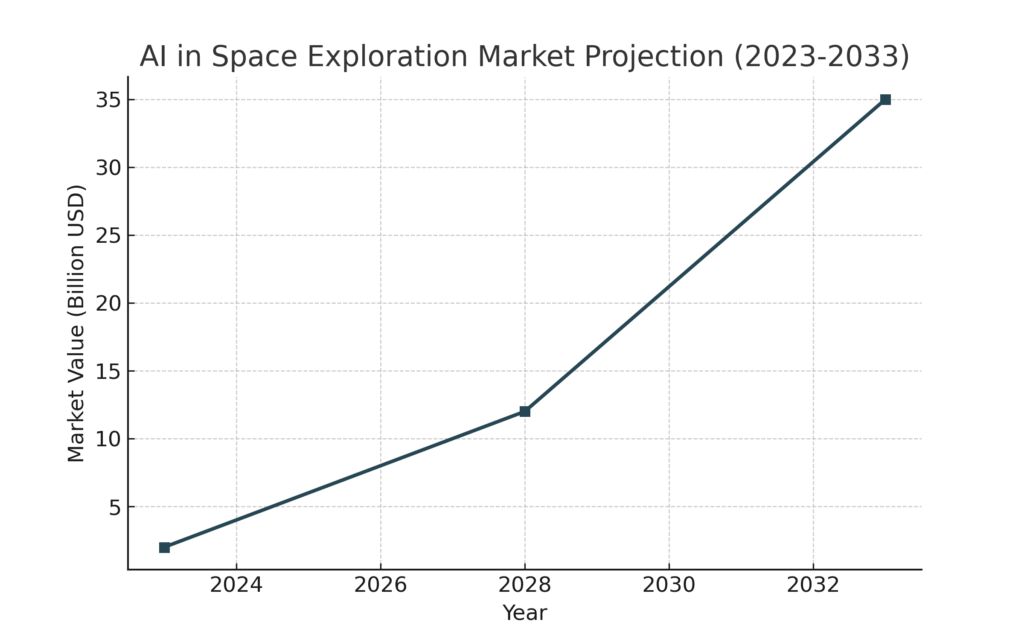
| 1 | Global Space Economy Value | The global space economy reached $613 billion in 2024, growing 7.8% year-over-year. |
| 2 | Commercial Sector Share | 78% of the growth in the global space economy in 2024 came from commercial ventures. |
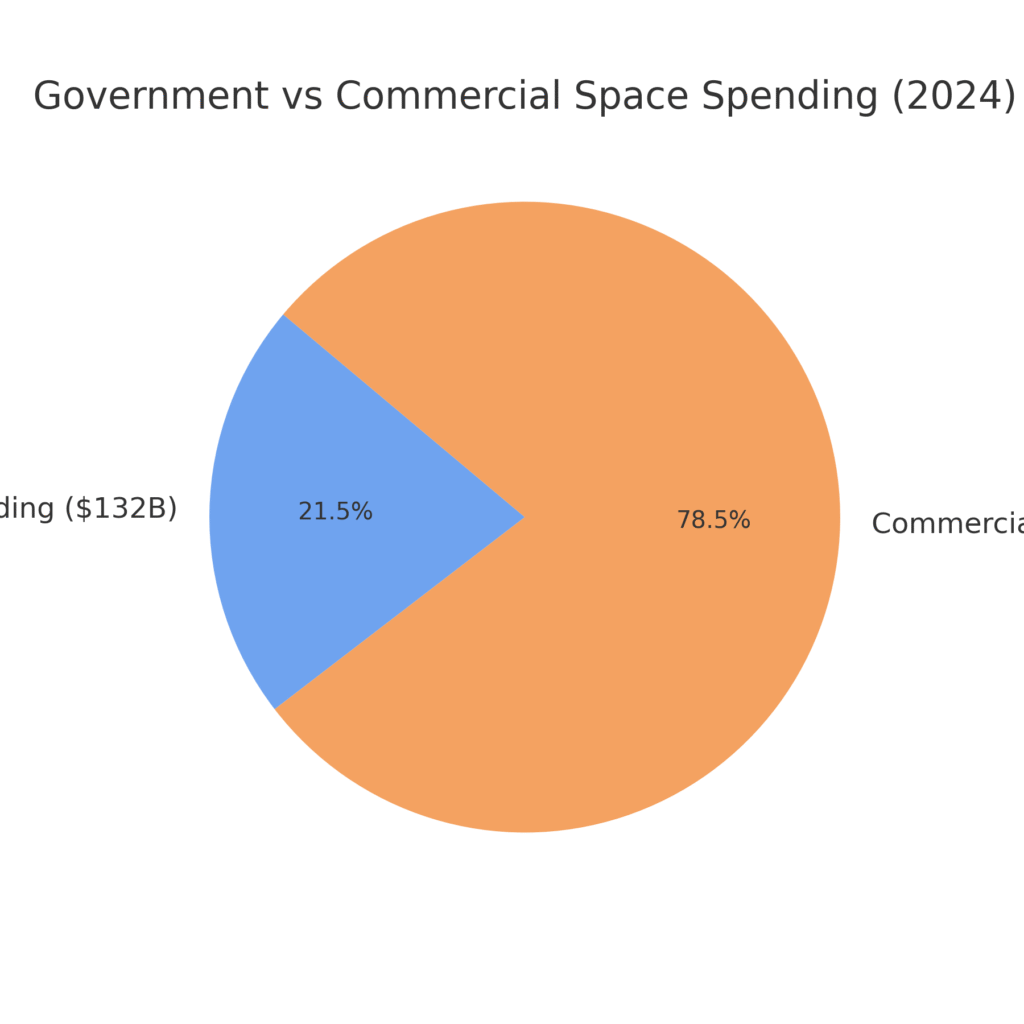
| 3 | Government vs. Commercial Split | Government space spending in 2024 totaled $132 billion, the rest came from private companies. |
| 4 | Global Space Economy Growth (2023) | In 2023, the global space economy hit $570 billion, a 7.4% increase from the year before. |
| 5 | Commercial Dominance | By 2023, nearly 80% of space industry revenues came from private sector activities. |
| 6 | U.S. Space Economy GDP Contribution | In 2023, the U.S. space economy contributed $142.5 billion, ~0.5% of total GDP. |
| 7 | Space Sector Jobs | About 373,000 private-sector jobs were supported by the space industry in 2023. |
| 8 | Spacecraft Market Forecast | The spacecraft market is projected to reach $9.1 billion by 2030, growing at 4.74% CAGR. |
| 9 | Earth Observation (EO) Services | 62% of EO downstream revenue in 2023 came from value-added services like analytics. |
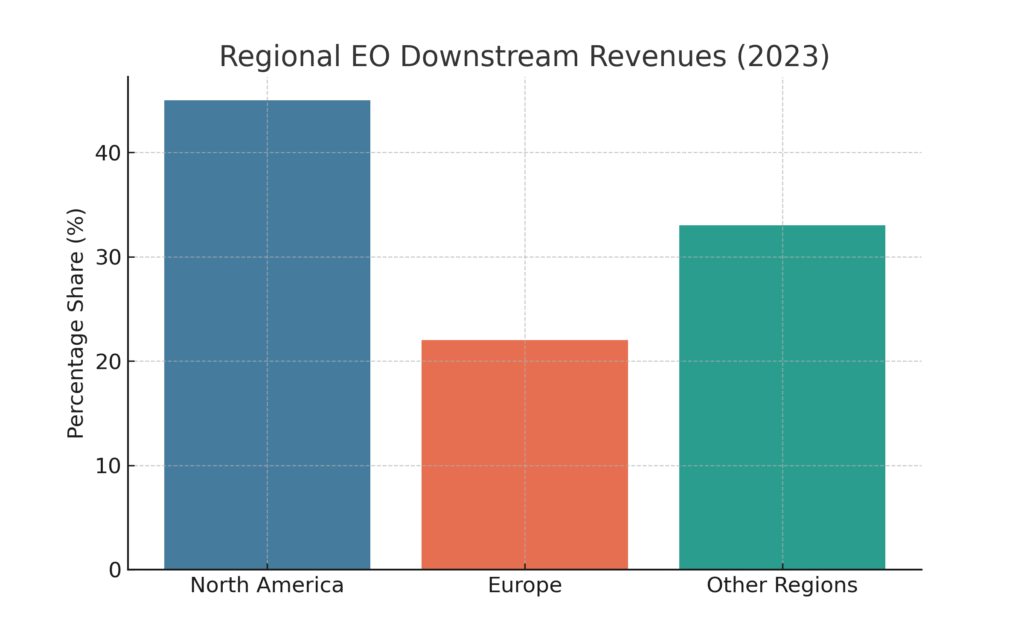
| 10 | Regional EO Revenues | North America led with 45% of EO downstream revenues, while Europe had 22% in 2023. |
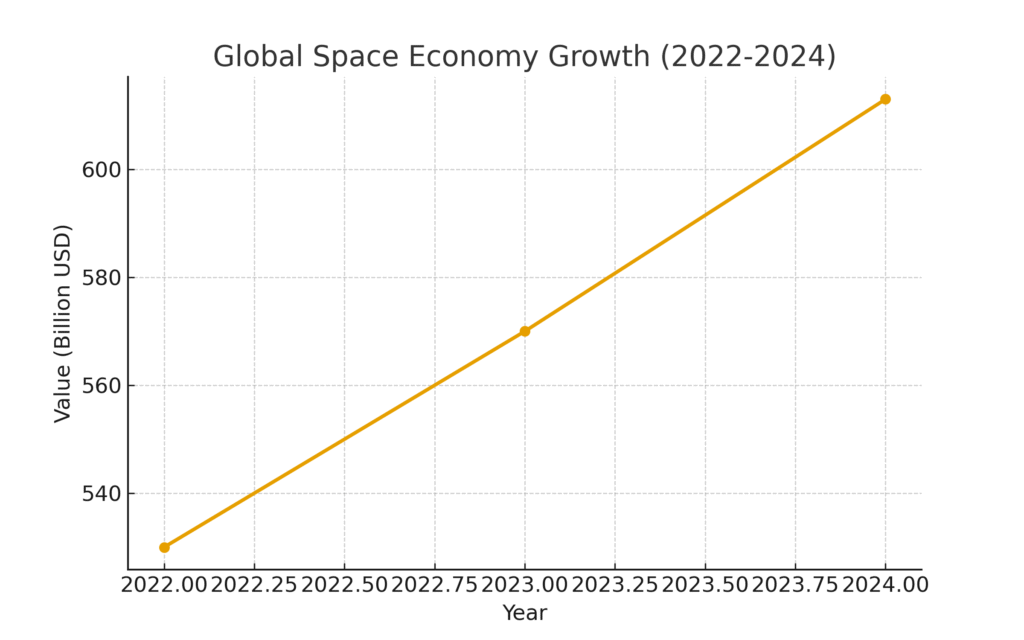
| 11 | AI in Space Exploration | The AI in space exploration market is projected to grow to $35 billion by 2033. |
| 12 | Public Support for NASA | 65% of U.S. adults believe NASA’s involvement in space exploration is essential. |
| 13 | Private Sector Perceptions | Only 32% of U.S. adults think private companies alone can make significant progress in space. |
| 14 | Astronaut Time for Marketing | 5% of astronaut time aboard ISS can be allocated to commercial or marketing activities. |
| 15 | Estée Lauder Campaign | Estée Lauder sent products to the ISS, paying ~$17,500 per hour for astronaut participation. |
| 16 | Axe Apollo Marketing Stunt | Unilever pledged suborbital flights to promote its deodorant through the “Axe Apollo” campaign. |
| 17 | Global Launch Activity (2023) | There were 223 space launches in 2023, with 211 successful missions. |
| 18 | Crewed Flights | About 51 people flew into space in 2023, including private missions like Axiom Mission 2. |
| 19 | Future Industry Growth | Morgan Stanley projects the space industry could surpass $1 trillion by 2040. |
| 20 | Funding in India’s Space Sector | Investments in India’s space industry dropped by 55% in 2024 to $59.1 million. |
Top 20 Space Exploration Marketing Statistics 2025
Space Exploration Marketing Statistics #1 Global Space Economy Value
The global space economy reaching $613 billion in 2024 highlights the vast opportunities brands can leverage. This immense figure reflects not just scientific exploration but also a growing commercial landscape ripe for marketing innovation. Companies looking to align themselves with futuristic, cutting-edge narratives can use this statistic to appeal to forward-thinking audiences. It also shows that space is no longer just a government-led initiative but a thriving industry. For marketers, this scale validates campaigns tied to ambition, exploration, and limitless potential.
Space Exploration Marketing Statistics #2 Commercial Sector Share
With 78% of space economy growth coming from commercial ventures, private companies now dominate this sector. This statistic underscores the shift from government to private investment, which creates opportunities for brands to collaborate with emerging players. Marketing strategies can highlight these partnerships to demonstrate innovation and industry leadership. It also indicates that much of the storytelling in space exploration will revolve around entrepreneurial success. For businesses, aligning with commercial space projects can provide credibility and consumer intrigue.
Space Exploration Marketing Statistics #3 Government Vs. Commercial Split
Government spending of $132 billion compared to private funding highlights a dynamic balance. This split shows that while governments remain critical, commercial actors drive most of the momentum. For marketers, this means messaging can draw on both the authority of government institutions and the innovation of private firms. It’s also a signal that marketing in this field should combine trustworthiness with entrepreneurial spirit. Highlighting this balance can resonate with both cautious and risk-taking audiences.
Space Exploration Marketing Statistics #4 Global Space Economy Growth (2023)
The 2023 global space economy grew by 7.4% year-over-year, reaching $570 billion. This steady growth reassures investors, brands, and consumers of the industry’s resilience. For marketing, it positions space as a stable yet exciting area to explore partnerships. Campaigns tied to this growth can emphasize momentum and continuous innovation. Brands can frame themselves as pioneers in an industry that is constantly expanding.
Space Exploration Marketing Statistics #5 Commercial Dominance
By 2023, nearly 80% of space revenue came from private sector activities. This shows that companies, not just governments, are shaping the future of exploration. Marketers can build narratives around entrepreneurial ambition and innovation in the private sector. This stat also validates that consumers will increasingly associate space with brands rather than only institutions. Highlighting private-sector dominance can be a powerful trust-building strategy.
Space Exploration Marketing Statistics #6 U.S. Space Economy GDP Contribution
The U.S. space economy added $142.5 billion to GDP in 2023. This contribution highlights how integral space has become to economic growth. For marketers, showcasing this figure can appeal to national pride and innovation. It also reinforces space as not just a science but a thriving industry impacting daily lives. Brands can tie campaigns to this economic impact to demonstrate relevance and scale.
Space Exploration Marketing Statistics #7 Space Sector Jobs
The space sector supported 373,000 private jobs in 2023. This job creation shows the industry’s depth and its role in shaping livelihoods. Marketers can highlight this workforce growth to humanize the story of space exploration. Campaigns may emphasize career opportunities, innovation, and human potential. This statistic makes space relatable and connected to everyday economic realities.
Space Exploration Marketing Statistics #8 Spacecraft Market Forecast
The spacecraft market is projected to grow from $7.22 billion in 2025 to $9.1 billion by 2030. This indicates consistent demand for space infrastructure and services. Marketers can use this projection to validate investments in future-facing campaigns. It also suggests long-term growth for brands aligning with spacecraft technology. This forecast highlights stability and opportunity for business innovation.
Space Exploration Marketing Statistics #9 Earth Observation (EO) Services
62% of EO downstream revenue in 2023 came from value-added services. This shows how businesses profit by offering not just data but insights and analysis. Marketers can emphasize the importance of transformation and intelligence in storytelling. Brands entering this space can position themselves as enablers of smarter decision-making. This statistic reinforces how space contributes to industries far beyond exploration.
Space Exploration Marketing Statistics #10 Regional EO Revenues
North America captured 45% of EO downstream revenues in 2023, while Europe had 22%. This regional divide suggests different opportunities for brands globally. Marketers can tailor strategies by region to maximize relevance and resonance. Campaigns in North America may emphasize leadership and scale, while European efforts may stress innovation. This statistic shows the need for global yet localized marketing strategies.
Space Exploration Marketing Statistics #11 AI In Space Exploration
AI in space exploration is projected to reach $35 billion by 2033. This shows the convergence of two high-tech industries: AI and space. For marketers, highlighting AI’s role demonstrates innovation and futuristic positioning. It’s also a chance for brands to connect with consumers excited about cutting-edge technology. This figure signals a major marketing narrative around intelligence and exploration.
Space Exploration Marketing Statistics #12 Public Support For NASA
65% of Americans believe NASA’s role in exploration is essential. This strong support demonstrates the trust and credibility associated with NASA. Marketers can leverage partnerships or references to NASA to gain consumer confidence. Campaigns tied to public trust can reinforce reliability and authenticity. This statistic proves that aligning with NASA’s values resonates with broad audiences.
Space Exploration Marketing Statistics #13 Private Sector Perceptions
Only 32% of Americans think private companies alone can lead progress in space. This shows consumers still value government involvement. For marketers, this means credibility often comes from combining private innovation with public partnerships. Campaigns highlighting collaboration can resonate better than those focusing only on commercial achievements. This insight ensures marketing strategies emphasize balance.
Space Exploration Marketing Statistics #14 Astronaut Time For Marketing
Astronauts aboard the ISS can dedicate 5% of their time to marketing. This unique detail highlights the novelty of branding in space. Marketers can use this to show creativity and boundary-pushing innovation. Campaigns can emphasize exclusivity by associating with rare astronaut-driven efforts. This stat underscores the blend of science and commerce in new frontiers.
Space Exploration Marketing Statistics #15 Estée Lauder Campaign
Estée Lauder’s campaign sending products to space cost $17,500 per hour for astronaut participation. This demonstrates the high stakes and premium nature of space marketing. Marketers can showcase this as proof of how brands are willing to invest in futuristic campaigns. It also positions space as an exclusive advertising arena. This stat highlights both the challenge and allure of space branding.
Space Exploration Marketing Statistics #16 Axe Apollo Marketing Stunt
Unilever’s Axe Apollo campaign promised suborbital flights to promote deodorant. While not fully realized, it became a viral success. Marketers can learn that the buzz alone can be a powerful marketing outcome. Associating a consumer product with space created global media attention. This stat shows that even ambitious stunts can succeed in storytelling.
Space Exploration Marketing Statistics #17 Global Launch Activity (2023)
In 2023, there were 223 space launches, with 211 successful. This shows the intensity of activity in the sector. Marketers can use this figure to highlight reliability and momentum in space exploration. Campaigns tied to such growth demonstrate industry dynamism. This stat underscores space as a rapidly advancing frontier.
Space Exploration Marketing Statistics #18 Crewed Flights
51 people flew into space in 2023, including private missions. This growing accessibility brings human stories into marketing. Marketers can focus on personalization, human achievement, and adventure. Campaigns can tie to aspirational storytelling about individuals reaching space. This stat makes space exploration feel closer to everyday consumers.
Space Exploration Marketing Statistics #19 Future Industry Growth
Morgan Stanley projects the space industry could exceed $1 trillion by 2040. This projection excites investors and inspires futuristic campaigns. Marketers can align their narratives with limitless potential. It also validates that space is a long-term growth industry. This stat supports bold and ambitious branding efforts.
Space Exploration Marketing Statistics #20 Funding In India’s Space Sector
Investments in India’s space industry dropped by 55% in 2024 to $59.1 million. This highlights volatility in regional funding. Marketers can use this as a reminder to adapt campaigns based on global shifts. It also signals opportunities for growth if funding rebounds. This stat shows the need for agile and region-specific marketing strategies.
Final Thoughts On Space Exploration Marketing Statistics
Writing about space exploration marketing statistics really opened my eyes to how branding and science are starting to intersect in ways we couldn’t have imagined even a decade ago. From campaigns that literally launch products into orbit to the growing global space economy, it’s clear that the future of marketing has no boundaries. Personally, I feel excited just imagining the creative ways brands will use space to capture attention and trust. Whether you’re a business owner, marketer, or simply someone curious about where the industry is headed, these numbers show us that space is not just a destination—it’s also a marketplace. I can’t wait to see which bold campaigns set the tone for the next chapter in human exploration.
SOURCES
- https://wearecsg.com/blog/space-industry-marketing/
- https://maxpolyakov.com/marketing-space-part-2-how-brands-used-space-to-promote-products-and-services/
- https://bluetext.com/blog/the-impact-of-space-travel-on-marketing-and-branding/
- https://martinwilson.me/space-marketing-rocket-science/
- https://spacecommatters.com/space-for-marketing-and-advertising/
- https://apps.bea.gov/scb/issues/2025/03-march/0325-space-economy.htm
- https://www.constantcontact.com/blog/space-exploration-marketing-lessons/
- https://market.us/report/ai-in-space-exploration-market/
- https://www.pwc.com/us/en/industries/industrial-products/library/space-industry-trends.html
- https://patentpc.com/blog/commercial-spaceflight-trends-how-fast-is-the-market-expanding-latest-data
- https://www.kdmarketinsights.com/reports/space-exploration-market/7629
- https://www.ridespace.io/articles-de-blog/the-space-industry-an-overview-of-the-global-market
- https://www.pewresearch.org/science/2023/07/20/americans-views-of-space-u-s-role-nasa-priorities-and-impact-of-private-companies/
- https://www.allure.com/story/estee-lauder-space-campaign
- https://arxiv.org/abs/2503.03113
- https://www.precedenceresearch.com/space-tourism-market
- https://www.forinsightsconsultancy.com/reports/space-tourism-market
- https://en.wikipedia.org/wiki/Axe_Apollo_sub-orbital_spaceflights