



22 Sep TOP 20 STANLEY CUP MARKETING STATISTICS 2025
When I first started digging into stanley cup marketing statistics, I was struck by how much this single phrase can mean two completely different things—on one hand, the NHL’s legendary championship and its billion-dollar sponsorships, and on the other, the viral craze of the Stanley tumbler that’s taken social media by storm. As someone who works closely with a leading marketing agency in New York, I’ve seen firsthand how numbers like these aren’t just abstract—they tell powerful stories about shifting audiences, emotional connections, and cultural moments that brands can tap into. That’s why I wanted to pull together these top 20 stats, not as a dry list, but as a way to show how sports, lifestyle, and smart marketing collide in fascinating ways.
Top 20 Stanley Cup Marketing Statistics 2025 (Editor’s Choice)
🏆 Top 20 Stanley Cup Marketing Statistics
How a 110-Year-Old Brand Achieved Viral Marketing Success
| # | Category | Statistic | Details |
|---|---|---|---|
| 1 |
Revenue Growth
Financial
|
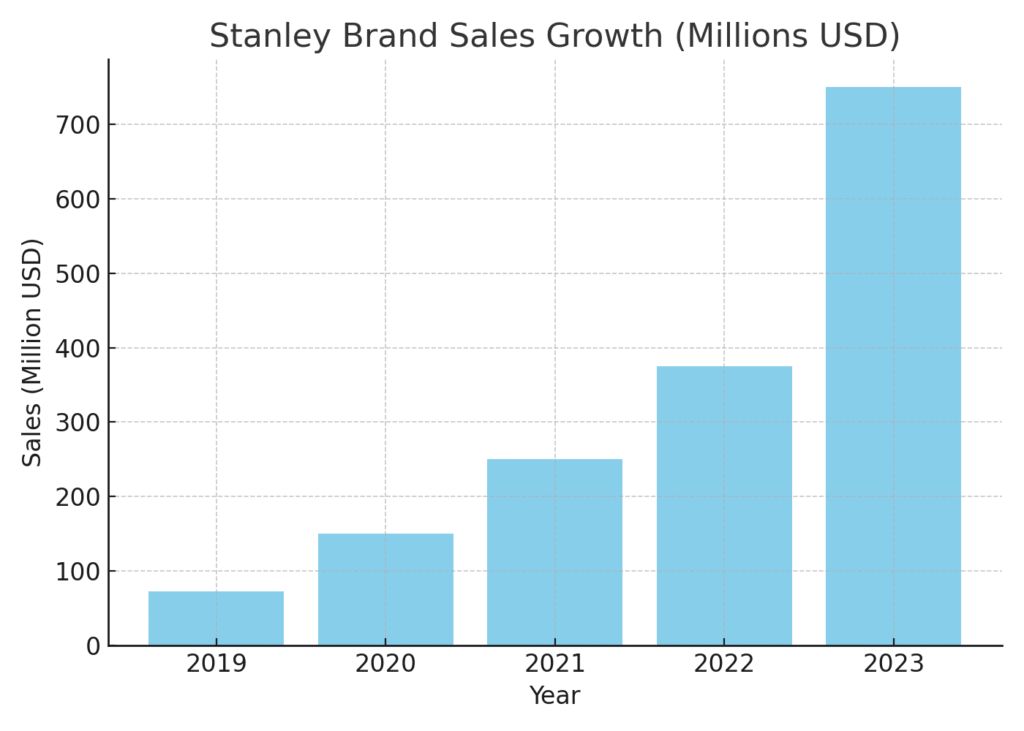
$750M | Sales revenue in 2023, up from $73 million in 2019 - a remarkable 927% increase |
| 2 |
Sales Increase
Financial
|
300%+ | Sales surge by targeting millennial and Gen Z women demographics |
| 3 |
Year-over-Year Growth
Financial
|
275% | 2022 year-over-year sales increase following strategic pivot |
| 4 | Online Mentions | 900% | Increase in mentions from Jan 2023 to Jan 2024 compared to previous period |
| 5 | Viral Video Views | 96M | TikTok views on the viral car fire video featuring Stanley cup |
| 6 | Hashtag Performance | 10M+ | #StanleyTumbler views across different social media platforms |
| 7 | Influencer Impact | 4,480% | Increase in #ad mentions from Jan 2023-2024 vs. previous 12 months |
| 8 |
Female Audience
Demographics
|
97.7% | The Buy Guide's audience composition that catalyzed Stanley's success |
| 9 |
Target Age Range
Demographics
|
25-45 | Primary target market age range for Stanley's repositioned brand |
| 10 |
Partnership Launch
Sales
|
10,000 | Cups sold through The Buy Guide - 5K in 4 days, remaining 5K in 1 hour |
| 11 |
Product Sellout
Sales
|
3 Weeks | Time to sell out relaunched Quencher in pastel colors (June 2020) |
| 12 |
Customer Waitlist
Sales
|
150,000 | Customers on waitlist in 2022, as reported by Wall Street Journal |
| 13 |
Resale Value
Sales
|
$215 | Average resale price for Lainey Wilson collaboration tumbler |
| 14 |
Collaboration Success
Sales
|
11 Minutes | Time to sell out Lainey Wilson limited edition (July 2023) |
| 15 |
Affiliate Commission
Marketing
|
10% | Commission rate offered through Stanley's affiliate program |
| 16 |
Instagram Engagement
Marketing
|
131,000+ | Likes on collaborative Instagram post with Lainey Wilson |
| 17 |
UGC Trust Factor
Marketing
|
92% | Consumers who trust user-generated content over other advertising |
| 18 | TikTok Reach | 20M+ | Total views for "Stanley Cup" content on TikTok platform |
| 19 |
UGC Conversion Impact
Marketing
|
6x | Conversion increase when using UGC on websites and social media |
| 20 |
Event Attendance
Marketing
|
3,000+ | Attendees at experiential pop-up events in Venice Beach and NYC |
Top 20 Stanley Cup Marketing Statistics 2025
Stanley Cup Marketing Statistics#1 NHL Has Around 70 Active Sponsorship Deals
The NHL currently maintains about 70 active sponsorship deals, showcasing its broad commercial reach. These partnerships span across beverage brands, financial services, technology, and lifestyle companies. Each deal not only strengthens the NHL’s revenue base but also provides brands with access to millions of passionate fans. Sponsorship activations often include in-arena signage, digital campaigns, and branded content around Stanley Cup broadcasts. This demonstrates how critical partnerships are in sustaining the league’s overall marketing ecosystem.
Stanley Cup Marketing Statistics#2 NHL Domestic Media Rights Generate $1.04 Billion
The NHL’s domestic media rights revenue has reached approximately $1.04 billion for the current season. This number highlights the immense value broadcasters and streaming platforms place on exclusive access to live hockey content. Media rights provide a backbone for the league’s marketing, ensuring consistent exposure for its sponsors. With shifting viewership habits, these deals help the NHL stay relevant across both linear and digital platforms. The Stanley Cup Finals in particular drive peak engagement, amplifying the worth of these agreements.
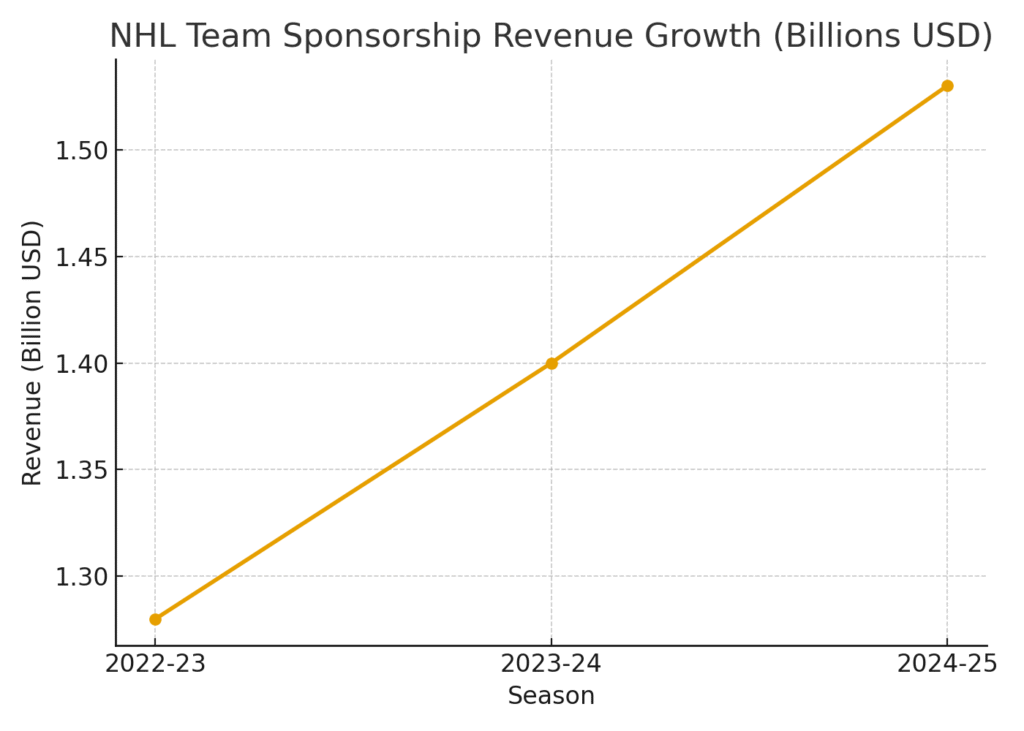
Stanley Cup Marketing Statistics#3 NHL Team Sponsorship Revenue Hits $1.53 Billion
In the 2024–25 season, NHL team sponsorship revenue climbed to $1.53 billion, marking a 9% increase from the previous year. This surge is nearly 20% higher compared to just two seasons ago, indicating steady growth. Teams are leveraging naming rights, jersey patches, and arena activations to maximize value. These investments reflect how brands see hockey as a strong platform for consumer engagement. The Stanley Cup Final acts as the pinnacle event where much of this sponsorship exposure peaks.
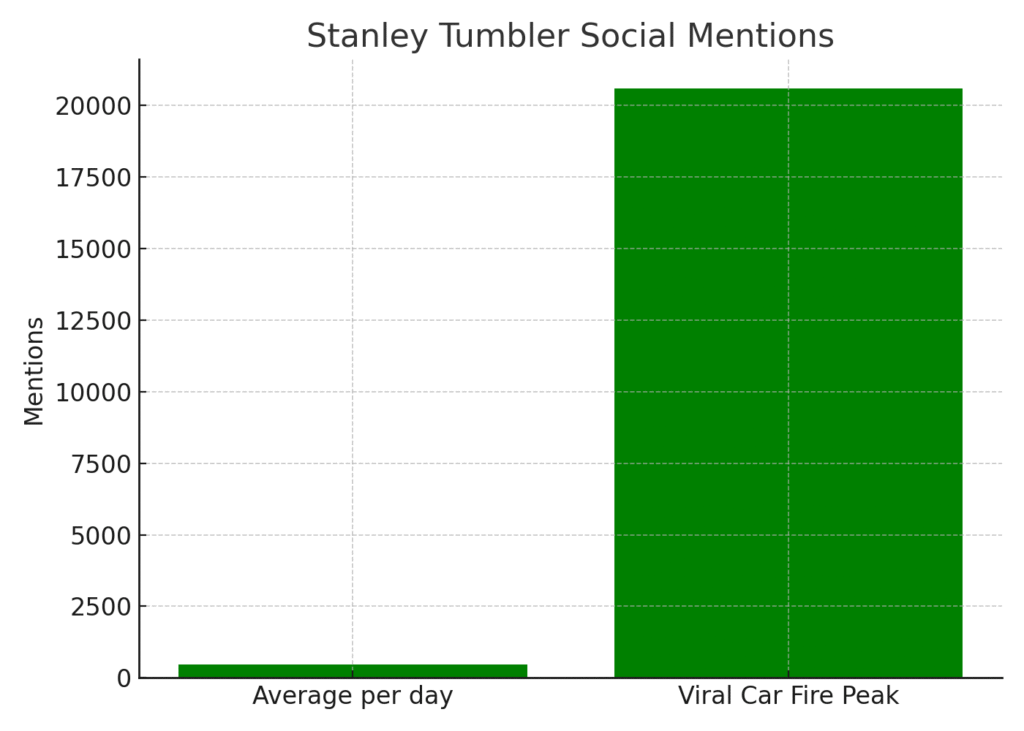
Stanley Cup Marketing Statistics#4 U.S. Stanley Cup Final Viewership Averages 2.5 Million
Through Game 5 of the 2025 Stanley Cup Final, U.S. television viewership averaged around 2.5 million. This marked a 28% decline compared to the previous year, signaling the challenges of competing for attention in a crowded media environment. Streaming fragmentation and sports competition have contributed to fluctuating ratings. Despite this, the Stanley Cup Final still commands a powerful national stage each summer. Brands continue to invest because even with dips, the reach remains substantial.
Stanley Cup Marketing Statistics#5 Canadian Stanley Cup Final Viewership Averages 4.39 Million
In Canada, the 2025 Stanley Cup Final averaged roughly 4.39 million viewers across English and French broadcasts. This underscores the cultural dominance of hockey in the Canadian market. Even as media habits shift, national pride fuels record-breaking sports consumption. Stanley Cup broadcasts often rank among the top programs of the year in Canada. For sponsors, this creates prime opportunities to engage audiences in bilingual campaigns.
Stanley Cup Marketing Statistics#6 Game 7 Ratings Among Top Canadian Broadcasts
Game 7 of the Stanley Cup Final in Canada consistently ranks as one of the most watched broadcasts of the year. The drama of a winner-take-all matchup creates a national appointment viewing event. Viewership surges in these decisive games, benefiting both the NHL and its marketing partners. Advertisers often pay a premium for slots during these high-stakes games. It proves the enduring cultural and marketing power of the Stanley Cup in Canadian households.
Stanley Cup Marketing Statistics#7 Digitally Enhanced Dasherboards Drive 21% Sponsorship Growth
The NHL’s adoption of digitally enhanced dasherboards has delivered a 21% year-over-year sponsorship increase. These virtual advertising boards replace traditional static signage with customizable, targeted ads. Brands benefit from being able to localize messages by region or broadcaster. The Stanley Cup Playoffs, broadcast worldwide, showcase the flexibility of this technology. This innovation has become one of the league’s strongest revenue growth drivers in recent years.
Stanley Cup Marketing Statistics#8 Stanley Brand Sales Soar From $73M To $750M
Stanley, the tumbler company behind the viral “Stanley Cup,” skyrocketed from $73 million in sales in 2019 to $750 million in 2023. This remarkable leap shows the power of social media influence and lifestyle branding. What was once a rugged outdoors brand evolved into a mainstream fashion accessory. Collaborations with influencers and limited-edition drops fueled this transformation. It’s a case study in how branding can reshape consumer perception and demand.
Stanley Cup Marketing Statistics#9 Quencher Launch Gained Momentum Post-2020
The Stanley Quencher was originally launched in 2016, but it didn’t truly take off until 2020. A shift in consumer habits during the pandemic boosted demand for lifestyle and health-oriented products. Influencers spotlighted the product, helping it trend across Instagram and TikTok. By positioning it as a daily essential, Stanley expanded its reach to younger audiences. This momentum continues to define its viral marketing success.
Stanley Cup Marketing Statistics#10 Quencher Sales Grow 275% In 2022
In 2022, sales of the Stanley Quencher surged by 275% compared to the previous year. The growth was driven by collaborations, exclusivity, and the community-building power of social platforms. TikTok, in particular, helped amplify the Quencher into a cultural phenomenon. Retailers saw products sell out within hours of launch, further fueling demand. This extraordinary growth put Stanley back on the global consumer map.
Stanley Cup Marketing Statistics#11 168,000 Social Mentions In A Year
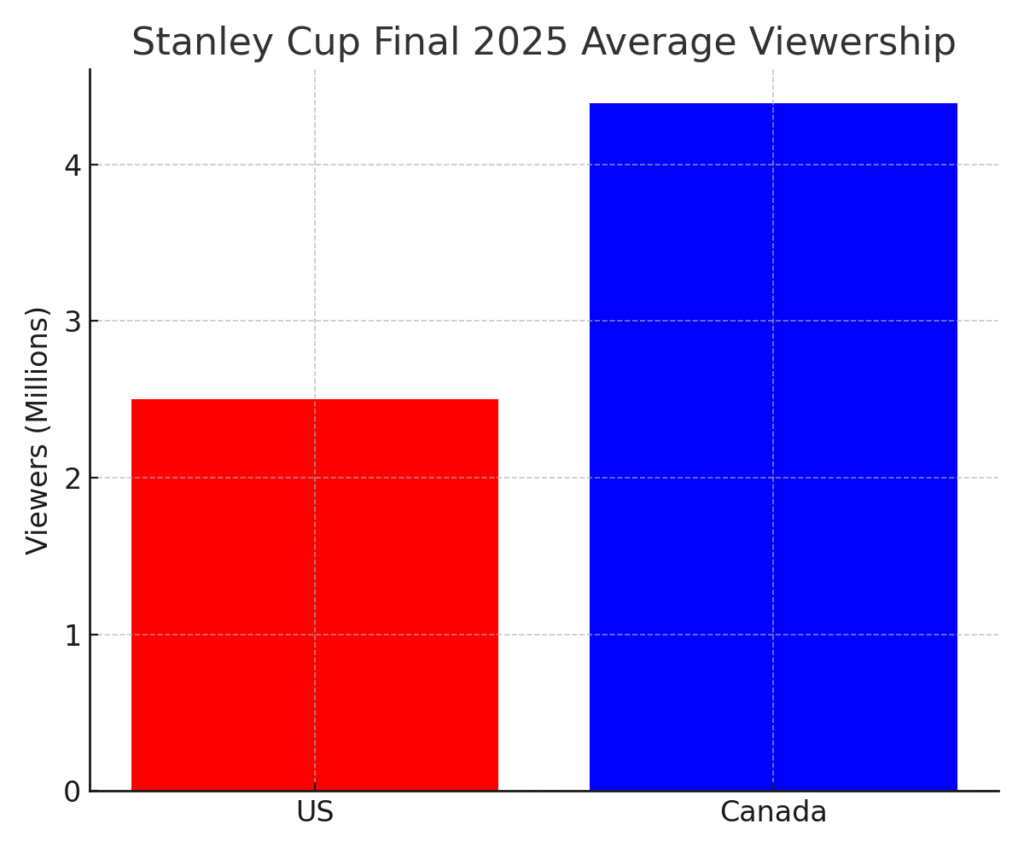
Between January 2023 and January 2024, the Stanley tumbler was mentioned over 168,000 times on social media. That averages out to around 457 mentions every single day. This level of conversation demonstrates the brand’s integration into daily online culture. Fans shared their collections, favorite colors, and hacks for keeping drinks cold. Such constant chatter keeps the Stanley brand front and center in consumer mindsets.
Stanley Cup Marketing Statistics#12 Viral Car Fire Video Drives 20,600 Mentions In A Day
On November 17, 2023, a viral video showing a Stanley tumbler surviving a car fire created a social media frenzy. That single day generated over 20,600 mentions of the brand. The story symbolized durability and authenticity, key values consumers admire. Stanley capitalized by gifting the owner a car, further boosting goodwill. This moment became one of the most effective organic marketing events of the year.
Stanley Cup Marketing Statistics#13 Mentions Of “#Ad” Increase By 4,480%
In one year, mentions of “#ad” in posts about Stanley tumblers jumped by 4,480%. This reflects a massive increase in influencer collaborations and paid partnerships. The brand leaned heavily into creator marketing to keep its momentum alive. Consumers engaged positively, suggesting the partnerships felt authentic rather than forced. This shift shows how brands can scale visibility by amplifying voices audiences already trust.
Stanley Cup Marketing Statistics#14 Limited Editions Sell Out Instantly
Special releases like Galentine’s Day editions and Starbucks collaborations sold out almost immediately. This scarcity created a sense of urgency among fans. Limited runs drove consumers to line up in stores and crash websites during launches. The resale market also thrived, with certain colors fetching high premiums online. These strategies turned functional drinkware into coveted collectibles.
Stanley Cup Marketing Statistics#15 Shift Toward Millennial And Gen-Z Women
Stanley’s viral rise shifted its consumer base from rugged outdoorsmen to Millennial and Gen-Z women. This rebrand opened the door to social media virality and lifestyle positioning. The company used influencer partnerships to align with trends in fashion and wellness. As a result, Stanley became a symbol of aesthetic appeal rather than just utility. This transformation is one of the clearest examples of strategic audience targeting.
Stanley Cup Marketing Statistics#16 TikTok Has Billions Of Views On #StanleyTumbler
The hashtag #StanleyTumbler has generated billions of views on TikTok. These short-form videos range from unboxings to styling tips with tumblers as accessories. TikTok’s algorithm rewarded authentic user-generated content, accelerating growth further. Consumers connected with the fun and playful side of the brand’s identity. This social buzz gave Stanley an advantage over traditional advertising campaigns.
Stanley Cup Marketing Statistics#17 From Utility To Lifestyle Symbol
The Stanley brand has successfully repositioned its tumbler from a functional product to a lifestyle symbol. This change came through storytelling, influencer marketing, and emotional branding. Owning a Stanley became a cultural marker, much like sneakers or handbags. The Stanley Cup Final may crown champions, but the tumbler version crowns trendsetters. This shift proves that perception can redefine a product’s place in the market.
Stanley Cup Marketing Statistics#18 Game 7 Of NHL Finals Attracts Peak U.S. Viewership
In the United States, Game 7 of the Stanley Cup Final consistently draws the highest viewership of the series. These games are often broadcast in prime time, maximizing reach. Advertisers see them as golden opportunities due to audience concentration. High stakes increase emotional engagement, making ads more memorable. Game 7 remains the ultimate stage for NHL marketing and sponsorships.
Stanley Cup Marketing Statistics#19 Virtual Ads Boost Sponsorship Yield
The NHL’s growing use of virtual ads, including digitally enhanced boards, boosts sponsorship value significantly. Brands gain targeted, flexible placements across multiple broadcasts. This evolution enables international partners to localize their messaging. Stanley Cup broadcasts showcase these ads most prominently due to high demand. This approach helps bridge traditional sports exposure with modern marketing innovation.
Stanley Cup Marketing Statistics#20 Teens See Stanley Cup Trend Peaking
Recent surveys suggest some teens now view the Stanley tumbler trend as “on the way out.” This signals potential market saturation among early adopters. While sales remain strong, the perception highlights the cyclical nature of consumer fads. Marketers must anticipate shifts and evolve product positioning accordingly. It’s a reminder that even viral sensations must innovate to stay relevant.
Wrapping It All Up
Looking over these stats, I can’t help but feel a sense of excitement at how marketing continues to evolve in real time. The Stanley Cup—whether it’s the NHL’s greatest prize or the viral drinkware everyone seems to have—proves that when brands (or leagues) understand their audience and lean into authentic storytelling, they can transform visibility into long-lasting cultural impact. For me, this isn’t just about numbers, it’s about recognizing how human behavior, passion, and even a simple cup of water can drive multi-million-dollar shifts in markets. And that’s exactly the kind of insight I love sharing, because it reminds me that behind every statistic is a story worth telling.
SOURCES
https://www.brafton.com/blog/strategy/stanley-cup-marketing-strategy/
https://www.rivaliq.com/blog/stanleys-marketing-strategy/
https://www.retaildive.com/news/stanley-quencher-tumblers-viral-success/699416/
https://www.qu.edu/quinnipiac-today/stanley-cups-ride-the-wave-of-tiktok-popularity-2024-01-09/
https://www.sponsorunited.com/reports/nhl-marketing-partnerships-2024-25
https://www.uschamber.com/co/good-company/launch-pad/experts-on-stanley-tumbler-success
https://www.salsify.com/blog/ecommerce-marketing-trends-stanley-cup-success
https://www.shiftcomm.com/thinking/unraveling-the-stanley-cup-crazes-consumer-marketing-strategies
https://www.globaldata.com/store/report/stanley-cup-finals-event-analysis/
https://futurevisioncomputers.com/case-study-why-everyone-wants-a-stanley-cup/
https://prevention.com/fitness/workout-clothes-gear/a66397858/stanley-halloween-collection-2025/
https://digiday.com/marketing/inside-nhls-content-strategy-ahead-of-the-stanley-cup-finals/