



19 Sep TOP 20 TEA MARKETING STATISTICS 2025
When I first started diving into tea marketing statistics, I never expected to discover just how much this timeless drink shapes consumer behavior worldwide. From ancient traditions to today’s booming bubble tea chains, the numbers behind tea reveal fascinating stories about culture, health, and evolving taste. As someone who works closely with a leading marketing agency in New York, I’ve seen firsthand how brands are using these insights to connect with audiences in more authentic and creative ways. For me, this isn’t just about numbers—it’s about understanding the habits, emotions, and values that drive people to choose one cup of tea over another.
Top 20 Tea Marketing Statistics 2025 (Editor’s Choice)
Top 20 Tea Marketing Statistics 2025
Essential Market Insights for Tea Industry Professionals
| Rank | Category | Market Statistic & Insights |
|---|---|---|
1 |
Market Size |
$294.4 Billion Global Market
Combined revenue from at-home ($144.7B) and out-of-home ($149.8B) tea markets in 2025
|
2 |
Growth Rate |
6.0-6.6% CAGR Through 2030 High Growth
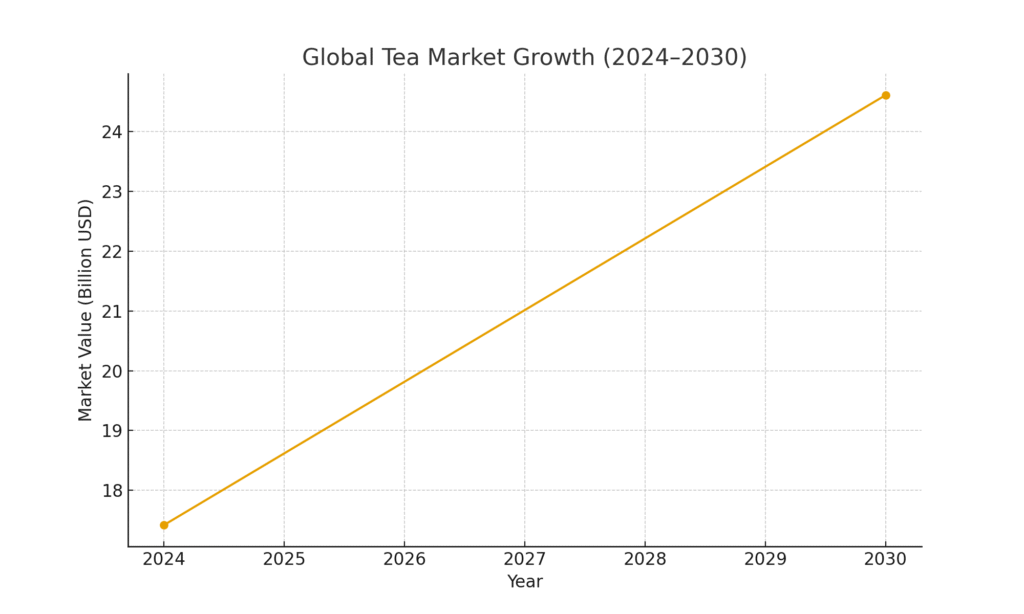
Market expected to reach $24.61-134.96 billion by 2030 depending on segment
|
3 |
Market Share |
33% of Hot Beverage Market
Tea represents one-third of the $150 billion global hot beverage market
|
4 |
Consumer Behavior |
30% Influenced by "Natural Ingredients"
Top factor in consumer tea purchasing decisions - authenticity drives sales
|
5 |
US Market |
83% of US Adults Drink Tea
Though less than 40% enjoy the taste of common tea types - flavor opportunity exists
|
6 |
Growth Trend |
8.8% YoY Consumption Increase Rising
Driven by health-conscious consumer trends and wellness focus
|
7 |
Digital Marketing |
44.8% Use Social Media for Research
Global shoppers research tea products on social platforms - crucial for marketing
|
8 |
Product Mix |
38.8% Black Tea Market Share
Black tea dominates globally, remaining the most popular tea type worldwide
|
9 |
Fastest Growing |
9.4% CAGR for Herbal/Fruit Teas Explosive
Fastest-growing category through 2033 - wellness trend driving demand
|
10 |
Health Segment |
20% Green Tea Production Share
Driven by health benefits and antioxidant properties awareness
|
11 |
Specialty Market |
$4.71B Bubble Tea Market by 2029
Growing at 8.7% annually - youth demographic driving innovation
|
12 |
Regional Leader |
34.7% Asia Pacific Market Share
Plus 40% of all new tea product launches originate from this region
|
13 |
China Market |
$51B At-Home Tea Revenue
China is the largest single tea market globally, setting industry trends
|
14 |
US Preference |
Tea Surpassed Coffee in 31 States
Including California, Texas, and Florida - major market shift occurring
|
15 |
Emerging Markets |
22.1% CAGR Middle East/Africa Explosive
Highest growth region driven by premium offerings and authentic flavors
|
16 |
Pricing |
$3.74 Average Price Per Cup
Q1 2024 data highlights tea's affordability vs. other premium beverages
|
17 |
Packaging |
Tea Bags Dominate, Loose-Leaf at 8.7% CAGR
Premium loose-leaf segment expanding as quality consciousness grows
|
18 |
Marketing Claims |
11% CAGR Natural Ingredients Claims Growing
"No additives/preservatives" claims growing 6% annually
|
19 |
Organic Trend |
19% Increase in Organic Claims
Reflecting increased consumer demand for natural, sustainable products
|
20 |
Functional Focus |
Functional Teas Gaining Traction
Brain health, weight management, and energy formulations driving innovation
|
Key Takeaway: The tea market is experiencing robust growth driven by health consciousness, premium positioning, and digital engagement, with natural ingredients and functional benefits being the strongest marketing drivers for consumer purchasing decisions.
Data compiled from industry reports and market research studies conducted in 2025
Top 20 Tea Marketing Statistics 2025
Tea Marketing Statistics #1 – Global Tea Market Valued At $17.42 Billion In 2024
The global tea market reached an impressive $17.42 billion in 2024, reflecting how deeply tea is rooted in consumer culture worldwide. This figure highlights not just traditional tea drinkers, but also modern buyers seeking wellness and convenience. The market’s steady growth is a testament to tea’s adaptability in different forms, from loose leaves to bottled beverages. As consumer awareness of health benefits grows, tea brands are expected to see sustained demand. The market projection signals a strong foundation for future innovation and marketing strategies.
Tea Marketing Statistics #2 – 86 Billion Servings Of Tea Consumed In The U.S. (2023)
In 2023, Americans consumed about 86 billion servings of tea, proving just how essential the drink is to daily routines. Nearly 160 million people in the U.S. drink tea on any given day. This massive consumption represents both traditional teas and ready-to-drink variations. Brands that position themselves as health-focused or sustainably sourced are gaining ground among these consumers. Such widespread adoption offers marketers countless opportunities to engage diverse demographics.
Tea Marketing Statistics #3 – Over 100 Million Cups Of Tea Drank Daily In The UK
The UK has a long-standing love affair with tea, with over 100 million cups consumed every day. Surveys show that 98% of UK residents drink tea regularly, underscoring its cultural significance. Marketers in the UK often emphasize heritage, quality, and lifestyle appeal when promoting tea brands. This habit makes the region a stable and lucrative market for premium and mainstream brands alike. Campaigns tied to tradition continue to resonate with British consumers.
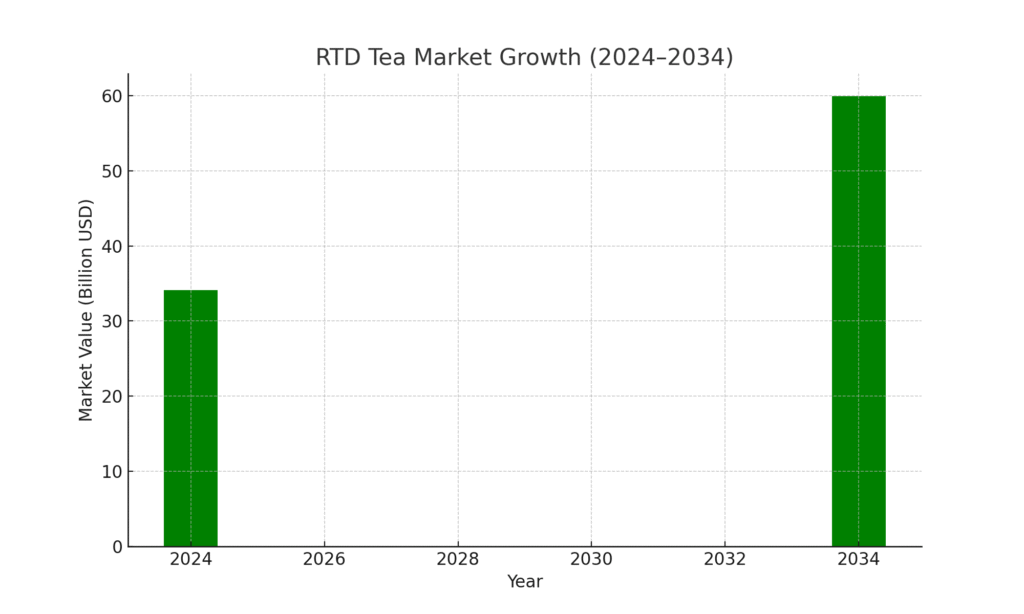
Tea Marketing Statistics #4 – RTD Tea Market At $34.1 Billion In 2024
The ready-to-drink (RTD) tea market was valued at $34.1 billion in 2024. This segment thrives on convenience, making it popular among busy consumers and younger demographics. Innovations in flavors, packaging, and health-focused claims are driving demand. The RTD tea market is projected to nearly double by 2034, showing strong growth potential. For marketers, this segment is a goldmine for reaching on-the-go audiences.
Tea Marketing Statistics #5 – RTD Tea & Coffee Market Worth $109.57 Billion In 2023
The combined RTD tea and coffee category generated $109.57 billion in 2023. It is projected to reach $167.89 billion by 2030, reflecting a CAGR of 6.2%. This shows how tea competes and coexists with coffee in the global beverage landscape. The growing popularity of functional drinks strengthens this category further. Marketers benefit from the crossover appeal of both beverages.
Tea Marketing Statistics #6 – Matcha Market Reached $4.3 Billion In 2023
Globally, matcha tea hit $4.3 billion in value during 2023. It is expected to rise to $7.43 billion by 2030, thanks to increasing health awareness. Matcha is particularly popular among younger consumers and wellness enthusiasts. Its versatility in beverages, desserts, and even skincare products expands its market reach. Marketing efforts often spotlight antioxidants, mindfulness, and premium experiences tied to matcha.
Tea Marketing Statistics #7 – U.S. Matcha Market At $478.8 Million In 2024
The U.S. alone accounted for $478.8 million in matcha sales in 2024. Projections show it could reach $762.6 million by 2030. This reflects how matcha has become mainstream in coffee shops and grocery aisles. Younger consumers, especially millennials and Gen Z, are driving much of this demand. Campaigns that highlight health, sustainability, and lifestyle resonate strongly in this market.
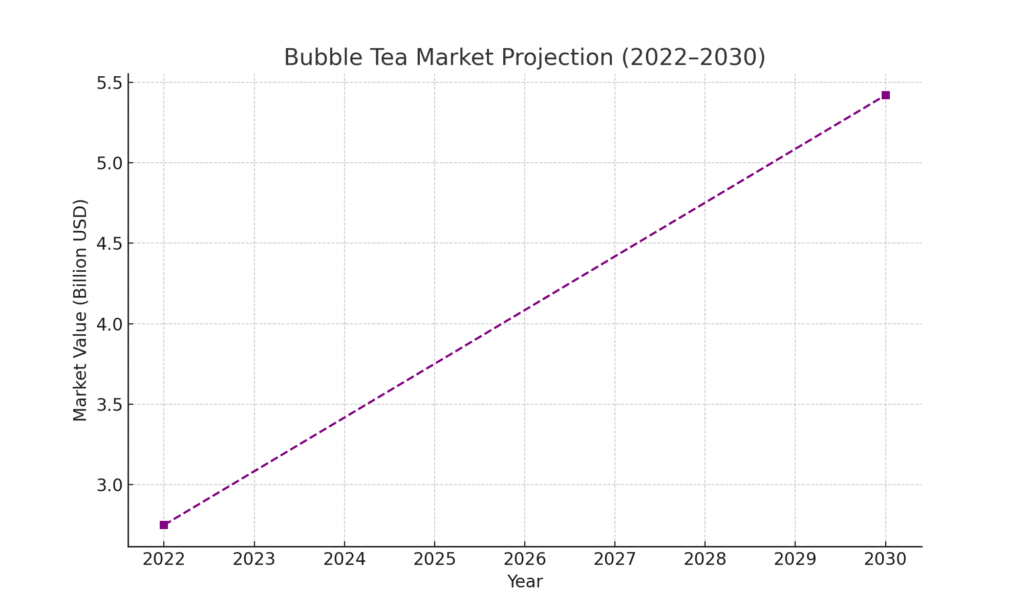
Tea Marketing Statistics #8 – Bubble Tea Market Worth $2.75 Billion In 2022
The bubble tea craze has grown into a $2.75 billion global market in 2022. It is forecasted to double, reaching $5.42 billion by 2030. This growth is largely driven by Asia-Pacific, but Western markets are rapidly catching up. Bubble tea’s visual appeal and customizable nature make it highly shareable on social media. Marketers can tap into this trend with creative branding and experiential campaigns.
Tea Marketing Statistics #9 – U.S. Bubble Tea Market At $953.36 Million In 2023
In the United States, the bubble tea market was valued at $953.36 million in 2023. It is expected to grow at nearly 9.5% CAGR until 2030. Popular among young consumers, bubble tea shops often double as lifestyle hubs. Seasonal flavors and Instagram-worthy aesthetics fuel customer loyalty. Marketers see bubble tea as a symbol of youth culture and fun experiences.
Tea Marketing Statistics #10 – Spain’s RTD Tea Grew By 10% In Early 2025
In Spain, RTD tea experienced a 10% surge in both value and volume during early 2025. Some regions, like Extremadura, saw even stronger growth at 20%. This reflects the growing shift towards healthier and convenient beverage options. Spanish consumers are increasingly embracing RTD tea as an alternative to sugary sodas. Marketers can leverage regional preferences to maximize impact.
Tea Marketing Statistics #11 – Functional Tea Valued At $8.71 Billion In 2024
Functional tea, known for added health benefits, was worth $8.71 billion in 2024. It is expected to grow to $13.19 billion by 2033. This trend is fueled by rising interest in wellness, immunity, and stress reduction. Brands incorporating adaptogens, vitamins, and unique blends stand out in this category. Marketing campaigns highlight not only taste but also holistic health benefits.
Tea Marketing Statistics #12 – Organic Tea Market Estimated At $704.7 Million In 2024
Organic tea sales were valued at $704.7 million in 2024. Projections suggest it will reach $1.77 billion by 2030, growing at a CAGR of 16.6%. Consumers are increasingly looking for clean-label and environmentally friendly products. This growth reflects a shift in priorities towards sustainable consumption. Marketers emphasize certifications and eco-conscious branding to build trust.
Tea Marketing Statistics #13 – Alternative Estimate Of Organic Tea At $1.4 Billion In 2024
Another study estimated the organic tea market at $1.4 billion in 2024. By 2033, it may reach $2.8 billion, with a CAGR of 7.54%. The variance in market sizing reflects differing methodologies, but growth remains consistent. Organic tea buyers often overlap with premium health-conscious segments. Marketers can leverage transparency to appeal to these educated consumers.
Tea Marketing Statistics #14 – North America RTD Tea At $15.1 Billion In 2025
North America’s RTD tea market is estimated at $15.1 billion in 2025. By 2030, this will likely increase to nearly $19 billion. Growth is driven by changing lifestyles and strong demand for alternatives to soda. U.S. and Canadian markets both show strong uptake, particularly among millennials. Marketing in this region focuses on flavor innovation and healthy positioning.
Tea Marketing Statistics #15 – 24–30% Of Tea Production VSS-Certified In 2021
Between 24% and 30% of the global tea supply in 2021 was certified under Voluntary Sustainability Standards (VSS). These include Rainforest Alliance, Fairtrade, and Organic certifications. Certification signals better practices in environment and labor, which attract ethically minded consumers. Brands carrying these certifications often earn premium positioning. Marketers use them to build credibility and brand trust.
Tea Marketing Statistics #16 – Smallholders Produce 60% Of Global Tea
Smallholder farmers produce around 60% of the world’s tea supply. Out of 13 million tea workers, 9 million are smallholder farmers. This highlights tea’s importance in supporting rural economies. It also emphasizes the need for fair and sustainable supply chains. For marketers, stories about smallholders can humanize brands and create emotional connections.
Tea Marketing Statistics #17 – 70% Of Tea Harvested Mechanically
As of recent years, about 70% of tea bushes are harvested mechanically. This marks a dramatic shift from just 5% in 1980. Mechanization improves efficiency but raises concerns about quality and labor displacement. Brands need to balance innovation with heritage and craftsmanship messaging. Marketers can frame mechanization as part of modernization while respecting tradition.
Tea Marketing Statistics #18 – Per Capita Consumption Increased By 2.5% In Last Decade
Global per capita tea consumption rose by about 2.5% over the past decade. The increase was strongest in East Asia, Africa, and Latin America. This shows tea’s versatility across cultures and economic groups. It also reflects a wider movement toward affordable, healthy beverages. Marketers can target emerging markets where growth is accelerating.
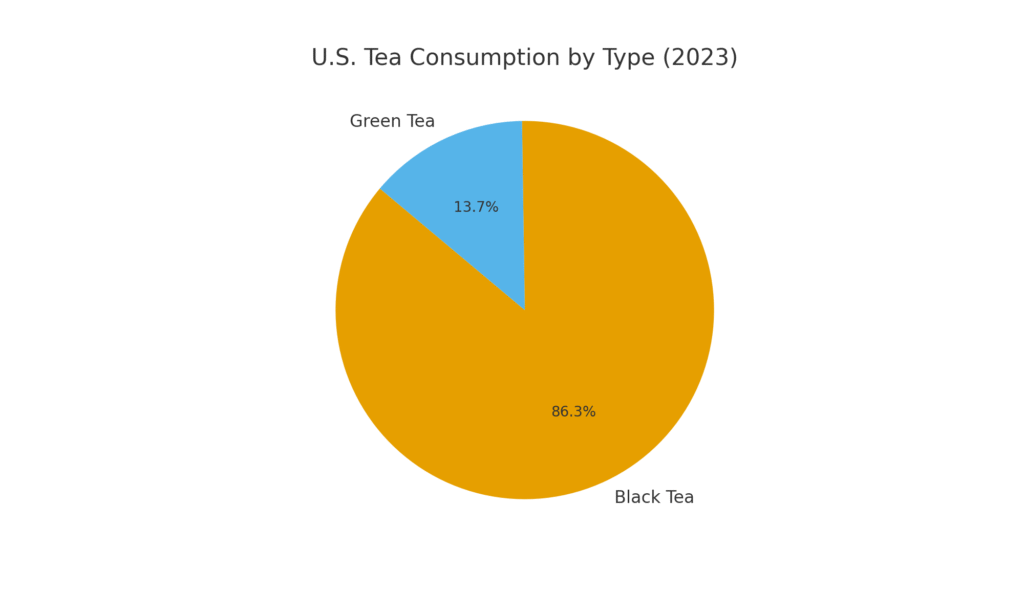
Tea Marketing Statistics #19 – Black Tea Accounts For 86% Of U.S. Tea Consumption
In the United States, black tea remains dominant, representing 86% of all tea consumed. Green tea follows with 13.6% of the market. This consumption pattern reveals a clear preference, though wellness trends are boosting green tea. Black tea is often marketed around comfort and tradition. Green tea promotions, on the other hand, highlight health benefits and mindfulness.
Tea Marketing Statistics #20 – Mixue IPO Rose 43% In 2025
In 2025, China’s budget bubble-tea chain Mixue debuted on the Hong Kong Stock Exchange. Shares surged 43% on the first day, reflecting investor enthusiasm. The IPO signals confidence in the bubble tea sector’s growth. Mixue’s success highlights the potential of affordable, mass-market tea chains. Marketers can draw inspiration from Mixue’s mix of accessibility and global expansion.
Why These Numbers Truly Matter
Looking back at these tea marketing statistics, I can’t help but feel inspired by the growth and innovation shaping the industry. Whether it’s the rise of matcha, the sustainability efforts in organic tea, or the unstoppable popularity of bubble tea, every figure tells a story about where the market is heading. Personally, I believe the best part of working with these insights is seeing how they empower businesses—big and small—to make smarter, more human connections with their customers. To me, tea isn’t just a product; it’s a cultural bridge, a daily ritual, and a business opportunity waiting to be brewed into something meaningful. And that’s exactly why I love sharing these insights with you.
SOURCES
- https://www.steepedcontent.com/blogs/blog/marketing-tea?srsltid=AfmBOoobwbVflNs6OSE-408ZHWiWLMF6XpFPSyuBtJRg9e8Y90eBIgnK Steeped Content
- https://www.refreshideas.com/blog/article/launch-successful-marketing-campaign-for-tea-coffee-business Refresh Ideas
- https://www.goldentipstea.com/blogs/all?srsltid=AfmBOorc_SbKN1csxly2SLEh0SoUff5_hZMaXG0NoSwedhQSyPF91RE1 Golden Tips