




29 Sep TOP 20 THERAPEUTIC CARE MARKETING STATISTICS 2025
When I started researching therapeutic care marketing statistics, I realized just how much the healthcare and therapy industry has evolved in its approach to reaching patients. As someone who values both data and real-world human connections, I find it fascinating to see how digital platforms, patient expectations, and marketing innovations all merge in this space. Working with a leading marketing agency in New York has given me deeper insights into how therapeutic care providers can stand out while still prioritizing empathy and trust. In this blog, I want to share the top 20 statistics that highlight where the industry is heading in 2025, and why they matter for anyone involved in therapeutic care.
Top 20 Therapeutic Care Marketing Statistics 2025 (Editor’s Choice)
| # | Statistic | Key Insight |
|---|---|---|
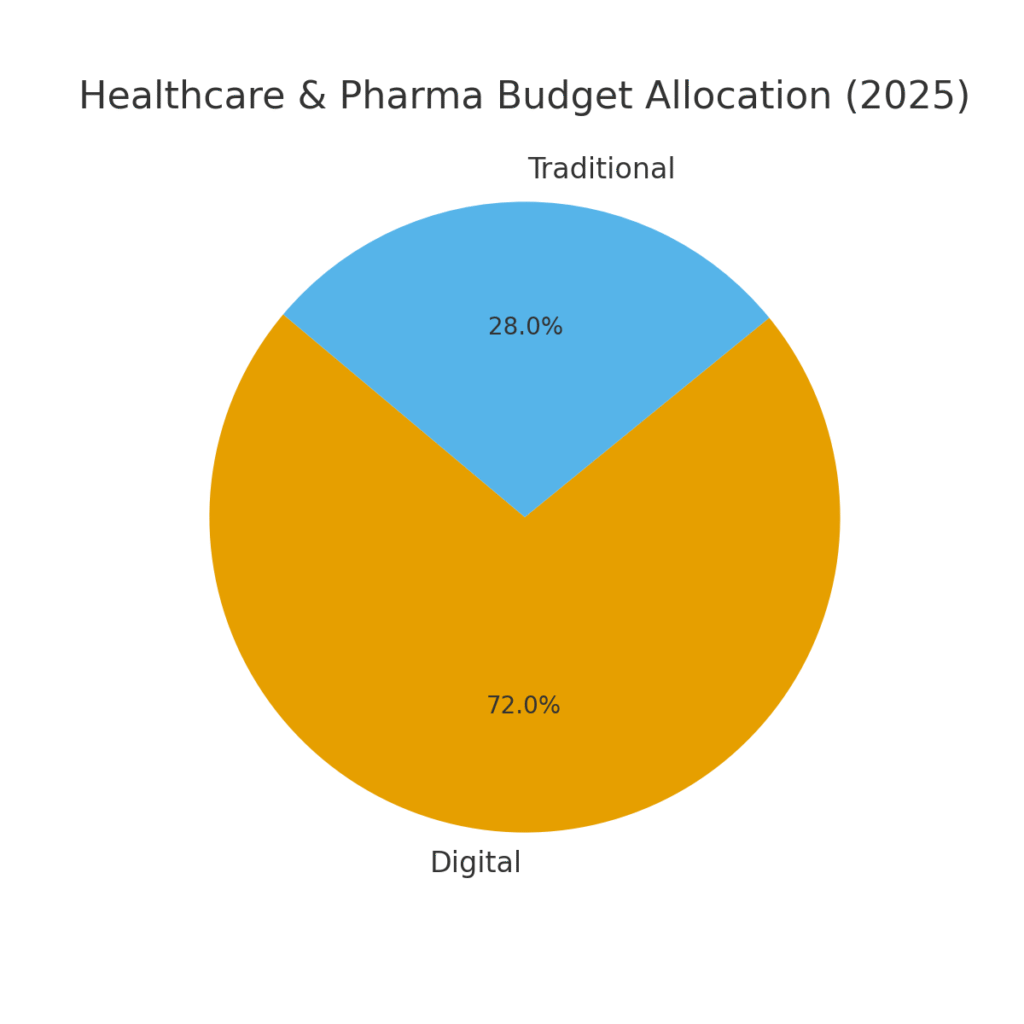
| 1 | 72% of healthcare & pharma budgets go to digital | Digital marketing dominates over traditional channels. |
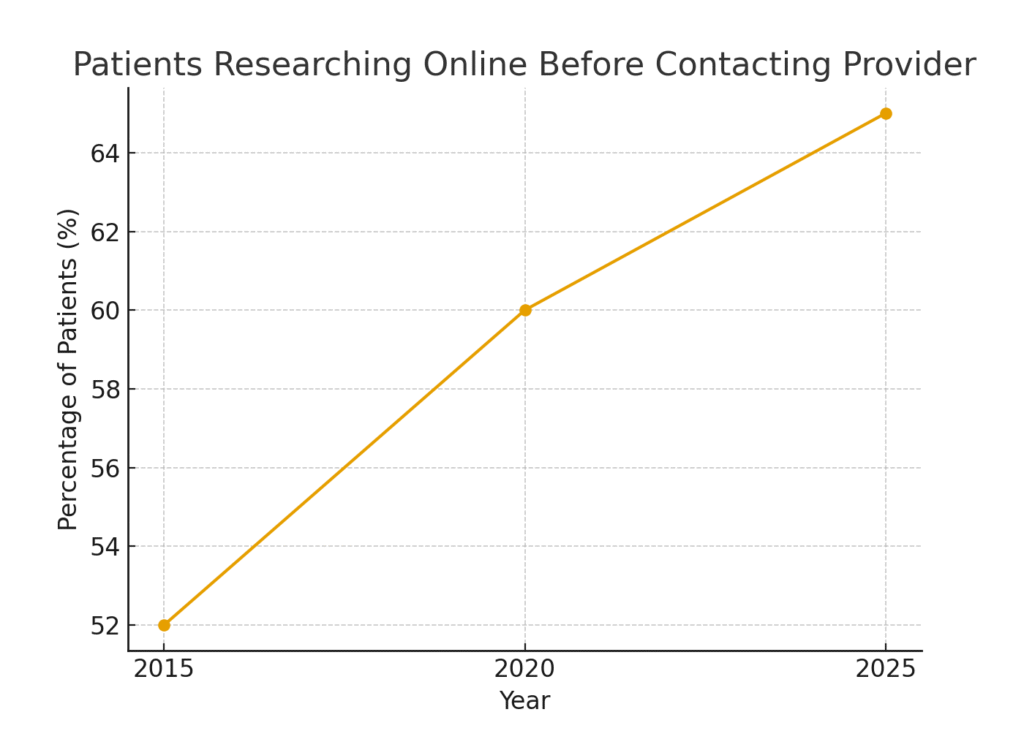
| 2 | 65% of patients search online before contacting a doctor | Strong web presence is crucial for therapeutic care. |
| 3 | 91% of patients expect replies within 24 hours | Responsiveness builds trust and credibility. |
| 4 | 47.2% of healthcare marketers plan budget increases | Therapeutic care competition is growing digitally. |
| 5 | 39.2% of conversions happen via phone calls | Phone communication remains vital for patient trust. |
| 6 | 21.48% average open rate for healthcare email campaigns | Email remains a strong engagement tool. |
| 7 | $36 ROI for every $1 spent on email marketing | Email delivers one of the best ROIs in healthcare. |
| 8 | Follow-up emails increase conversion by 74% | Consistent communication converts more patients. |
| 9 | 93% of healthcare marketers are ready to adopt AI | AI is set to transform patient engagement strategies. |
| 10 | 81% of marketers value inbound calls | Calls remain a cornerstone of digital-first care. |
| 11 | 76% of patients make a phone call during their journey | Patients seek reassurance and clarity before booking. |
| 12 | 80% of consumers value experience as much as service | Patient journey experience is as important as outcomes. |
| 13 | 49% of patients feel more cared for with personalization | Personalized interactions boost loyalty and trust. |
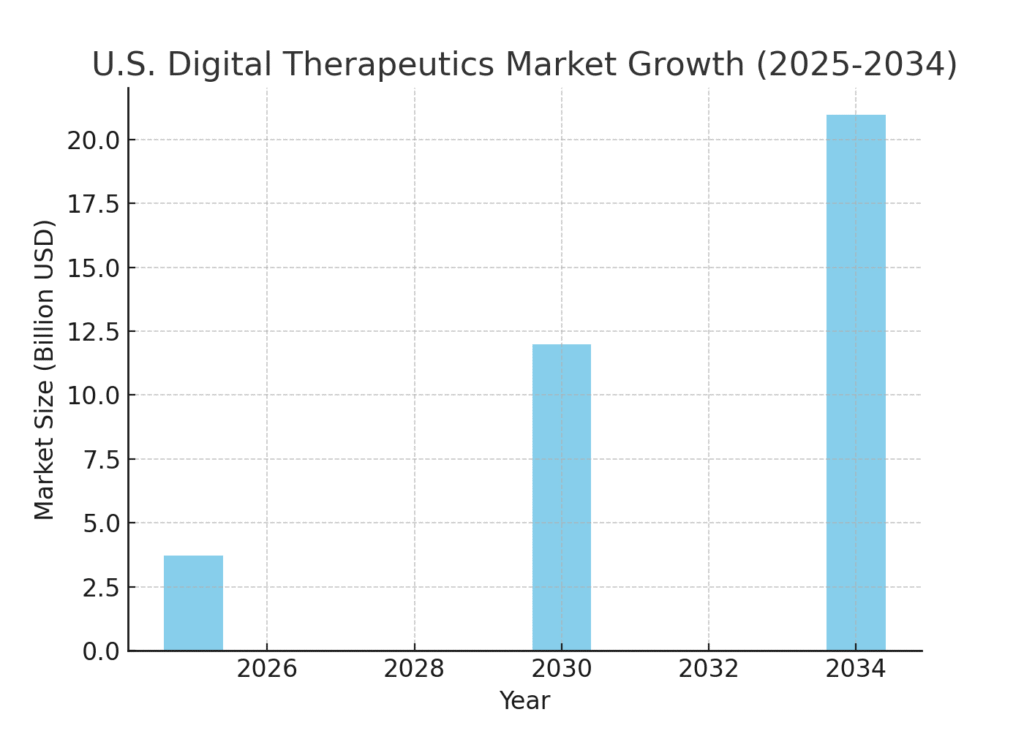
| 14 | U.S. digital therapeutics market to reach $20.98B by 2034 | Digital care solutions are rapidly expanding. |
| 15 | 3.2% average website-to-lead conversion rate | Optimized websites drive higher patient bookings. |
| 16 | 5.6% conversion rate from organic search | SEO delivers steady, cost-effective patient leads. |
| 17 | 7.2% conversion from referral marketing | Referrals remain the most trusted growth channel. |
| 18 | Only 2.4% of healthcare appointments are booked online | Online booking systems have untapped potential. |
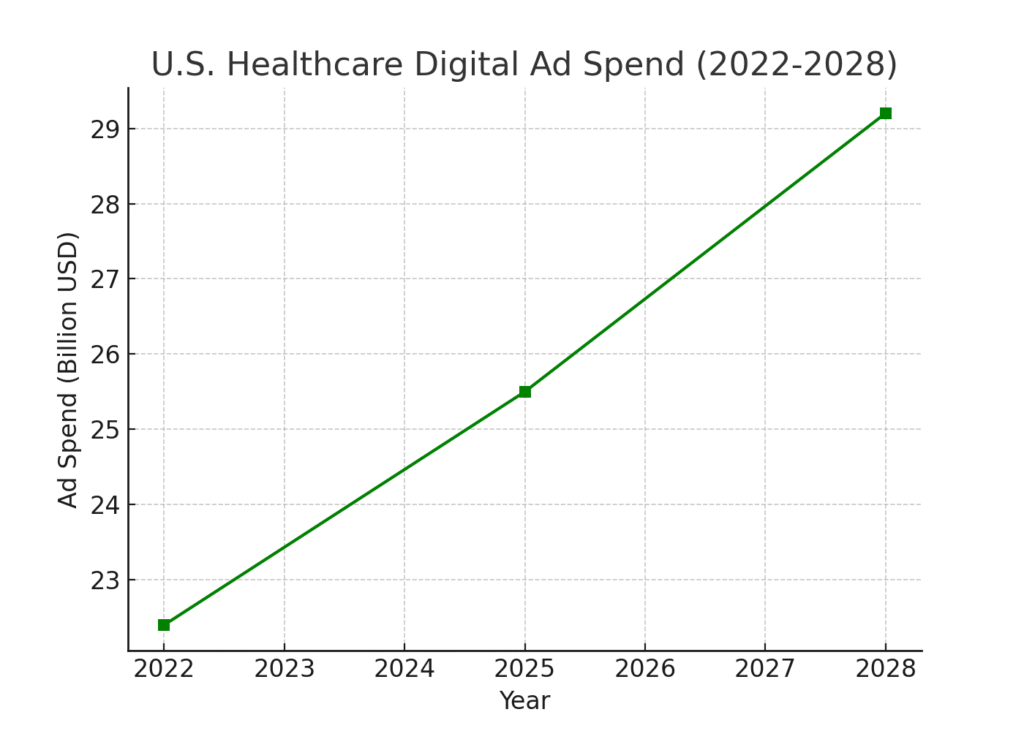
| 19 | U.S. digital ad spend projected at $29.2B by 2028 | Ad competition is intensifying in healthcare. |
| 20 | $320 average cost per organic healthcare lead | Organic strategies are more cost-efficient than paid ads. |
Top 20 Therapeutic Care Marketing Statistics 2025
Therapeutic Care Marketing Statistics #1: 72% Of Healthcare And Pharma Budgets Go To Digital
Therapeutic care providers are following the trend of increased digital adoption, with 72% of budgets in healthcare and pharma directed towards online marketing. This means therapy practices are focusing more on digital ads, search optimization, and social outreach than ever before. For therapeutic care, digital presence is becoming non-negotiable as patients rely heavily on online platforms to research providers. It also reflects the growing trust in digital over traditional marketing formats. The result is that practices investing here will likely stay ahead of competitors.
Therapeutic Care Marketing Statistics #2: 65% Of Patients Search Online Before Contacting A Doctor
A striking 65% of patients research online before ever reaching out to a doctor or therapeutic provider. This highlights the importance of having accurate, engaging, and professional websites and listings. For therapeutic care practices, this means potential patients may already form an opinion about you before the first interaction. Ensuring visibility in search engines and providing valuable educational content can make a huge difference. Patients want reassurance online before committing in person.
Therapeutic Care Marketing Statistics #3: 91% Of Patients Expect A Reply Within 24 Hours
In therapeutic care, responsiveness is a major trust factor. Statistics show 91% of patients expect providers to reply to their inquiries within 24 hours. Delayed responses can create doubt, especially in a field where care and empathy are essential. This makes automation tools like chatbots or quick-reply systems more valuable to therapy clinics. Quick communication reassures patients that their concerns are being heard.
Therapeutic Care Marketing Statistics #4: 47.2% Of Healthcare Marketers Plan Budget Increases
Nearly half—47.2%—of healthcare marketers plan to increase their budgets, reflecting growing competition and digital expansion. For therapeutic care, this means practices will need to be more strategic with ad spend and brand messaging. More budgets mean more ads in the same spaces, and cutting through the noise is crucial. Marketing in 2025 will not only be about visibility but also about building trust through storytelling. This creates opportunities for personalized patient engagement strategies.
Therapeutic Care Marketing Statistics #5: 39.2% Of Conversions Happen Via Phone Calls
Phone calls remain vital, with 39.2% of healthcare conversions happening through this channel. For therapeutic care, this is especially true as patients often prefer hearing a human voice when booking sensitive appointments. It shows that digital tools may attract leads, but human interaction still seals the deal. Practices that streamline phone scheduling and responsiveness will likely enjoy better conversion rates. In therapy, empathy often begins with the first phone call.
Therapeutic Care Marketing Statistics #6: 21.48% Email Open Rate In Healthcare Campaigns
Healthcare email campaigns average a 21.48% open rate, which sets the benchmark for therapeutic care practices. This shows that email remains a powerful tool when executed well. Patients engage with content that feels helpful, personal, and timely. Therapy providers can use email to nurture relationships, provide reminders, or share wellness tips. A carefully crafted email strategy can keep patients engaged between sessions.
Therapeutic Care Marketing Statistics #7: $36 ROI For Every $1 Spent On Email Marketing
Email marketing offers one of the best returns, with $36 gained for every $1 invested. For therapeutic care, this shows that simple yet personalized emails can be incredibly cost-effective. It highlights the importance of consistent communication, like newsletters or care check-ins. Such ROI makes email not only affordable but also indispensable. Practices that neglect this channel may be leaving money on the table.
Therapeutic Care Marketing Statistics #8: Follow-Up Emails Increase Conversion By 74%
Sending follow-up emails can boost conversion rates by 74%. For therapeutic care providers, this is a reminder to stay consistent and empathetic in communication. Sometimes patients need reassurance or a gentle nudge to move forward with booking. Automated follow-ups can reduce drop-offs in the patient journey. It emphasizes how much a thoughtful email can impact decisions in therapy marketing.
Therapeutic Care Marketing Statistics #9: 93% Of Healthcare Marketers Ready To Adopt AI
The industry is embracing technology, with 93% of healthcare marketers open to AI integration. In therapeutic care, this might mean smarter patient targeting, improved scheduling systems, or personalized recommendations. AI can also assist in predictive marketing to identify patient needs earlier. While technology grows, the human element remains essential in care. Providers blending both will have an advantage.
Therapeutic Care Marketing Statistics #10: 81% Of Marketers Value Inbound Calls
Inbound calls are seen as essential by 81% of healthcare marketers. For therapeutic care, it reflects how vital human connections remain even in digital-first strategies. Calls allow for personalized conversations that digital ads can’t replicate. This means marketers must track, optimize, and respect phone call leads. It reinforces the importance of training staff to handle inquiries with warmth and empathy.
Therapeutic Care Marketing Statistics #11: 76% Of Patients Make A Phone Call During Their Journey
Even with the rise of online booking, 76% of patients make a phone call during their healthcare journey. For therapeutic care, this suggests patients value reassurance and clarity. Many want to confirm details, pricing, or treatment processes before committing. This makes having accessible and knowledgeable staff essential. Phone calls remain a cornerstone of patient trust-building.
Therapeutic Care Marketing Statistics #12: 80% Of Consumers Value Experience As Much As Service
Around 80% of consumers, including patients, value the experience as much as the actual product or service. For therapeutic care, this highlights the importance of creating a warm, welcoming, and supportive environment. It goes beyond clinical outcomes to how patients feel throughout their journey. A smooth intake process, clear communication, and empathetic staff all count. Marketing should highlight both outcomes and experiences.
Therapeutic Care Marketing Statistics #13: 49% Of Patients Feel More Cared For With Personalized Interactions
Nearly half of patients—49%—believe personalized interactions show a provider cares about their business. For therapeutic care, personalization might include using patient names, tailoring communication, or remembering treatment details. It reflects a simple but powerful truth: personalization builds trust. When patients feel valued, they are more likely to return and refer others. Marketing strategies that emphasize personalization have clear advantages.
Therapeutic Care Marketing Statistics #14: U.S. Digital Therapeutics Market To Hit $20.98 Billion By 2034
The U.S. digital therapeutics market is projected to grow from $3.72 billion in 2025 to $20.98 billion by 2034. This shows how digital innovation is rapidly transforming care. For therapeutic practices, this could mean integrating apps, virtual care, and digital monitoring into patient care plans. Marketing strategies should adapt to showcase digital-forward services. Growth projections reflect rising patient interest in hybrid care models.
Therapeutic Care Marketing Statistics #15: 3.2% Average Website To Lead Conversion
Healthcare websites average a 3.2% conversion from visitors to qualified leads. For therapeutic care, this means a well-designed website isn’t just about information—it’s about generating appointments. Top-performing practices can achieve over 20% conversion with optimized websites. This highlights the importance of user-friendly design, strong CTAs, and trust signals. A website can truly make or break first impressions.
Therapeutic Care Marketing Statistics #16: 5.6% Conversion Rate From Organic Search
Organic search delivers an average 5.6% conversion rate in healthcare. For therapeutic care, this underlines the importance of SEO strategies. Patients searching for local therapists or services are highly motivated. Ranking well in search can drive consistent, cost-effective leads. Investing in SEO is one of the strongest long-term marketing plays for therapy practices.
Therapeutic Care Marketing Statistics #17: 7.2% Conversion From Referral Marketing
Referral marketing in healthcare yields a 7.2% conversion rate. For therapeutic care, this shows the power of trust through word-of-mouth and peer recommendations. Patients often trust friends, family, or other providers over ads. Creating referral programs or simply nurturing relationships can fuel growth. Referrals remain one of the most authentic marketing methods.
Therapeutic Care Marketing Statistics #18: Only 2.4% Of Appointments Are Scheduled Online
Despite digital growth, only 2.4% of healthcare appointments are booked online. For therapeutic care, this means there is huge untapped potential in online booking systems. Patients clearly want digital convenience, yet providers haven’t fully optimized it. Promoting easy scheduling tools could set a practice apart. It’s an opportunity for therapy clinics to reduce barriers and improve conversions.
Therapeutic Care Marketing Statistics #19: U.S. Digital Ad Spend To Reach $29.2 Billion By 2028
Healthcare’s digital ad spend is expected to rise to $29.2 billion by 2028. For therapeutic care providers, this means competition in online advertising will only grow fiercer. Cost-per-click may rise, making efficiency more critical. Practices that combine ads with organic efforts will perform better. The message is clear: digital ads are no longer optional.
Therapeutic Care Marketing Statistics #20: Cost Per Organic Lead Is $320
The average cost of an organic healthcare lead is around $320, while paid digital campaign leads cost about $400. For therapeutic care, this demonstrates the financial importance of organic strategies like SEO and content marketing. Paid ads may deliver quicker results but at a higher cost. Building strong organic visibility is more sustainable long-term. Practices should balance both for optimal ROI.
Why Therapeutic Care Marketing Needs A Personal Touch
After going through these therapeutic care marketing statistics, I’m reminded that behind every number is a real person searching for help and healing. Data may guide the strategies, but the heart of therapeutic care marketing lies in empathy, personalization, and building genuine trust. As someone passionate about this space and having worked closely with a leading marketing agency in New York, I’ve seen how the best results come from blending strategy with compassion. The challenge for all of us in 2025 is not just to market services but to market care in a way that feels human, authentic, and reassuring to every patient.
SOURCES