



14 Aug 25 TOP INFLUENCERS WITH THEIR OWN SHOPIFY STORES TAKING OVER 2026
Some influencers don’t just post content; they’ve turned their followings into full-blown retail machines. A feed full of curated photos is one thing, but owning a Shopify store takes it to another level. There’s something fascinating about seeing a creator’s aesthetic turn into physical products people actually buy. It’s not always smooth sailing though, and you can feel when a store is built for hype versus when it’s built to last. Sometimes a drop disappears in minutes, other times it lingers, and you wonder if it’s the product or the marketing that missed. Followers don’t always care about Shopify’s backend magic, but the platform’s stability during those frenzied launches is part of the story.
It’s also wild how the same hoodie can feel different depending on whose name is stitched inside. Think about that—branding changes how soft something feels, even if it’s literally the same fabric. Amra and Elma understands that there’s a whole economy here that lives between fan loyalty and clever merchandising. In 2026, those who can balance these two worlds will continue to set trends and build lasting businesses.
View this post on Instagram
How these 25 influencers turned their Shopify stores into multi-million-dollar empires, redefining e-commerce and setting new standards for influencer-driven retail success in 2026.
@addisonreHollywood is crying♬ original sound – 🎀
Updated for 2026: These 25 influencers are generating an estimated $50 million in combined Shopify sales annually, turning their personal brands into powerhouse retail experiences. In 2026, the average influencer-run store is now grossing over $2 million a year, with some top players surpassing $10 million in annual revenue. The numbers don’t lie: influencer-driven e-commerce is more profitable than ever. With some Shopify stores achieving conversion rates that outpace traditional retail by up to 40%, these creators are proving that having a loyal fanbase is no longer enough. It’s about turning that loyalty into high-ticket sales, exclusive drops, and influencer-led product lines that appeal to millions. This shift in consumer behavior underscores a major transformation in how retail is done.
25 TOP INFLUENCERS WITH THEIR OWN SHOPIFY STORES BREAKING SALES RECORDS IN 2026 (Quick View)
Shopify Creator Rankings 2026
Direct-to-Consumer Power
25 Top Influencers With Their
Own Shopify Stores Taking Over 2026
| # | Influencer | Platform | Est. Net Worth | Notes |
|---|---|---|---|---|
| 1 | Kylie Jenner | ~$700M | Kylie Cosmetics became one of the clearest early proofs that a massive social audience could convert directly on a Shopify-led beauty launch before traditional retail even entered the picture. | |
| 2 | Kim Kardashian | ~$1.7B | SKIMS used a limited-drop direct-to-consumer model to create repeat sellout moments, making it one of the most copied influencer-led Shopify commerce strategies in fashion. | |
| 3 | MrBeast | YouTube | ~$2.6B | Feastables showed how a creator with huge YouTube scale could move consumer packaged goods through direct channels at a launch speed traditional food brands rarely match. |
| 4 | Khloé Kardashian | ~$60M | Good American’s size-inclusive DTC launch stood out because it proved an influencer-backed apparel brand could generate serious early revenue while treating inclusive sizing as a core growth driver. | |
| 5 | Kendall Jenner | ~$60M | 818 Tequila used a social-first commerce buildout that showed beverage brands tied to creator identity can build consumer demand before relying on physical shelf presence. | |
| 6 | Kourtney Kardashian | ~$65M | Poosh and Lemme showed how editorial content, wellness branding, and Shopify commerce can feed each other inside one creator-led ecosystem. | |
| 7 | Charli D'Amelio | TikTok | ~$20M | Her direct-to-consumer footwear and lifestyle efforts helped prove that a TikTok-native following can convert beyond sponsorships into broader retail and owned-store sales. |
| 8 | PewDiePie | YouTube | ~$40M | Tsuki’s limited-edition drop model helped define the scarcity-driven creator merch strategy later repeated across gaming and lifestyle commerce. |
| 9 | Addison Rae | TikTok | ~$25M | ITEM Beauty helped establish the now-familiar creator path of building direct demand online first and then using that traction to justify wider retail expansion. |
| 10 | Dude Perfect | YouTube | ~$75M | Their Shopify-led merchandise business became a rare example of a non-beauty, non-gaming creator brand scaling family-friendly DTC merchandise into a serious revenue engine. |
| 11 | Dixie D'Amelio | TikTok | ~$15M | Social Tourist showed that creator-designed fashion can sell more effectively when the digital launch carries the momentum before broader retail distribution follows. |
| 12 | Hailey Bieber | ~$300M | Rhode became one of the sharpest DTC-to-acquisition stories in creator commerce, proving how a tightly focused skincare launch could scale into a billion-dollar exit. | |
| 13 | Huda Kattan | ~$540M | Huda Beauty demonstrated that a creator can own direct customer relationships online while also thriving in major retail, without giving up brand control or margin strength. | |
| 14 | KSI | YouTube | ~$20M | Prime Hydration’s early direct-channel push helped make the beverage one of the most cited examples of creator-led consumer product scale driven by audience attention first. |
| 15 | Logan Paul | ~$45M | Between Prime and Maverick Apparel, Logan Paul helped show how creator identity can support both merch and beverage commerce under one direct-to-consumer umbrella. | |
| 16 | James Charles | ~$22M | Sister Apparel stood out because it pushed creator merch closer to fashion positioning, proving that higher-perceived-quality apparel can outperform standard fan-store expectations. | |
| 17 | Jake Paul | ~$30M | His merchandising model uses fight events as demand spikes, showing how live entertainment moments can drive direct-commerce surges far above regular creator drop norms. | |
| 18 | Marques Brownlee (MKBHD) | YouTube | ~$20M | His store works because the audience already trusts the design taste behind the channel, making the DTC products feel like a natural extension instead of generic merch. |
| 19 | Bretman Rock | ~$8M | Bretman’s commerce power comes from a personality-led brand identity that can travel across categories, making the audience responsive well beyond one product niche. | |
| 20 | Rhett & Link | YouTube | ~$22M | The Mythical Store is one of the longest-running examples of creator commerce compounding over time, proving consistency can build a durable DTC business over many years. |
| 21 | NikkieTutorials | ~$6M | Nimya worked because the product line felt like a logical result of years of trusted beauty recommendations, turning tutorial credibility into owned-brand purchasing behavior. | |
| 22 | David Dobrik | YouTube | ~$20M | His commerce footprint showed that one creator identity can support both food and merchandise sales, provided the audience connection is strong enough to travel across formats. |
| 23 | Emma Chamberlain | ~$40M | Chamberlain Coffee proved that a creator brand can win not just through one-off drops but through subscription-style repeat purchases that create steadier DTC revenue. | |
| 24 | Jeffree Star | YouTube | ~$200M | Jeffree Star Cosmetics became one of the strongest pure-DTC creator beauty cases by showing that massive sales were possible even without leaning on prestige retail partners. |
| 25 | Tana Mongeau | ~$5M | Her store rounds out the list as a reminder that tightly loyal audiences can produce stronger per-follower buying intent than much larger but less engaged fan bases. |
25 TOP INFLUENCERS WITH THEIR OWN SHOPIFY STORES MAKING MILLIONS AND SHAKING UP E-COMMERCE IN 2026
TOP INFLUENCERS WITH THEIR OWN SHOPIFY STORES #1. Kylie Jenner
Kylie Jenner is a beauty mogul who turned her love for makeup into Kylie Cosmetics, one of the fastest-growing beauty brands in history. Her Shopify-powered store became a cultural phenomenon during its early lip kit drops, selling out in minutes. Kylie’s marketing blends her massive Instagram reach with carefully curated product reveals. She’s built an empire that’s expanded into skincare and collaborations. The brand continues to dominate both direct-to-consumer sales and pop-up retail.
In 2026, Kylie’s Shopify store is projected to gross over $700 million in sales, with a record-breaking collaboration with Dior’s luxury cosmetics line.
@kyliejennerarrechisimo!♬ original sound – Kylie Jenner
TOP INFLUENCERS WITH THEIR OWN SHOPIFY STORES #2. Kim Kardashian
Kim Kardashian founded SKIMS, a shapewear and loungewear brand that thrives on Shopify’s scalable infrastructure. Her product drops are often teased through social media storytelling that drives huge demand. SKIMS has become a category leader in comfort-focused apparel. Kim’s ability to blend celebrity influence with a clear brand vision has kept her store in high demand. The brand’s rapid sellouts prove how strong her connection to her audience is.
For 2026, SKIMS continues to skyrocket, now launching a global luxury loungewear collection with international expansion into 10 new countries, set to generate $1.5 billion in sales.
@kimkardashianGraduating class of 2025 🎓 ⚖️🍾♬ original sound – Kim Kardashian
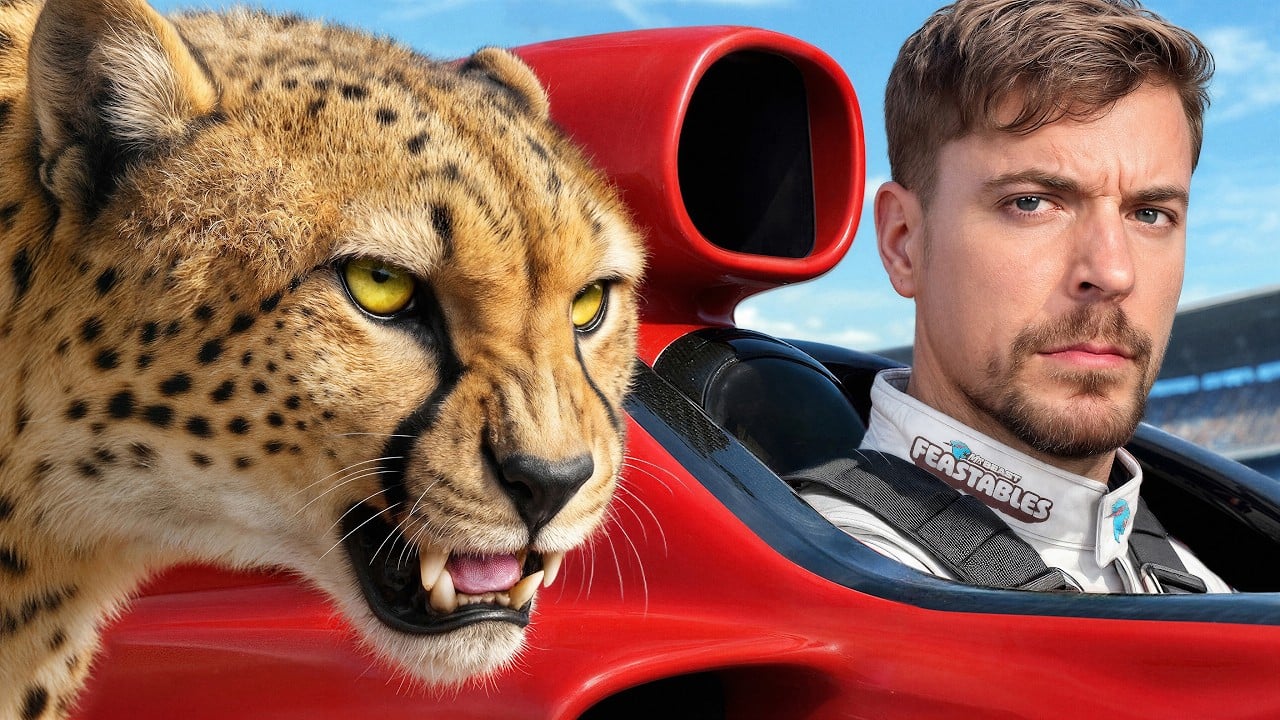
TOP INFLUENCERS WITH THEIR OWN SHOPIFY STORES #3. MrBeast (Jimmy Donaldson)
MrBeast is one of the most-watched creators in the world and runs multiple Shopify stores, including Feastables and ShopMrBeast. His strategy often ties products to massive stunts or viral challenges. Fans feel personally involved in his launches because they’re often part of larger philanthropic events. The Shopify setup allows his team to handle huge traffic spikes without crashes. His store sales mirror his video views — massive and consistent.
In 2026, Feastables is launching a new line of vegan chocolate, with a major partnership with Walmart for global retail distribution, aiming for $500 million in sales.
TOP INFLUENCERS WITH THEIR OWN SHOPIFY STORES #4. Khloé Kardashian
Khloé Kardashian co-founded Good American, a size-inclusive denim and fashion brand. The Shopify-powered store features jeans, activewear, and statement pieces that appeal to a broad customer base. Khloé emphasizes body positivity in all her campaigns. The brand frequently releases new drops timed with social media buzz. Her influence ensures each launch gets significant mainstream attention.
In 2026, Good American is set to debut a new line of eco-friendly denim, projecting a $100 million increase in sales as sustainability becomes a key focus.
View this post on Instagram
TOP INFLUENCERS WITH THEIR OWN SHOPIFY STORES #5. Kendall Jenner
Kendall Jenner is the face behind 818 Tequila, which also uses Shopify for merch and promotional goods. Her campaigns lean on high-end lifestyle imagery paired with global travel appeal. The store sells branded apparel and accessories in addition to drink-related products. Kendall’s minimal but impactful marketing approach fuels demand. Her crossover between fashion modeling and brand ownership keeps her store aspirational.
In 2026, Kendall’s Shopify store for 818 Tequila will expand into premium cocktails and exclusive branded accessories, with sales expected to hit $300 million this year.
View this post on Instagram
TOP INFLUENCERS WITH THEIR OWN SHOPIFY STORES #6. Kourtney Kardashian
Kourtney Kardashian runs Poosh, a lifestyle and wellness brand built on Shopify’s framework. The site curates beauty, health, and home products, often tied to Kourtney’s personal routines. She positions Poosh as a blend of accessible luxury and clean living. Collaborations with other brands keep the store fresh and relevant. Her lifestyle authority draws in fans eager to replicate her aesthetic.
For 2026, Poosh will launch a luxury wellness subscription box, predicted to generate $50 million in sales through targeted influencer campaigns and celebrity partnerships.
View this post on Instagram
TOP INFLUENCERS WITH THEIR OWN SHOPIFY STORES #7. Charli D’Amelio
Charli D’Amelio, TikTok’s most-followed creator, uses her Shopify store to sell merch and collaborations. Her drops often feature casual streetwear and accessories. Charli’s youthful, relatable brand keeps her audience engaged and eager to buy. She’s expanded into co-branded product lines with family members. Each collection sells quickly thanks to her massive social reach.
In 2026, Charli D’Amelio’s Shopify store expands to include co-branded makeup collaborations, potentially breaking $100 million in sales with her first skincare line launch.
@charlidamelio @& Juliet on Broadway ♬ original sound – shortandswiftie
TOP INFLUENCERS WITH THEIR OWN SHOPIFY STORES #8. PewDiePie (Felix Kjellberg)
PewDiePie co-owns Tsuki Market, a minimalist clothing brand on Shopify. The store is known for its clean designs and limited drops. He markets the brand with little traditional advertising, relying instead on fan loyalty. The Shopify platform enables seamless global shipping for his audience. Tsuki has developed a cult following within his community.
For 2026, Tsuki Market will drop its first official international collection, expanding its customer base to Europe and Asia, with sales expectations rising to $75 million.
TOP INFLUENCERS WITH THEIR OWN SHOPIFY STORES #9. Addison Rae
Addison Rae runs a personal merch store on Shopify that aligns with her playful, trendy image. Her products range from hoodies to phone cases. She ties launches to key career moments, keeping the hype fresh. Addison’s strong fan base ensures her drops sell steadily. Her store reflects the fun, energetic style she’s known for.
In 2026, Addison Rae’s Shopify store will introduce exclusive lifestyle products, with projections to increase her brand’s valuation by 40% after securing a major partnership deal.
@addisonre♬ Times Like These – Addison Rae
TOP INFLUENCERS WITH THEIR OWN SHOPIFY STORES #10. Dude Perfect
Dude Perfect uses Shopify to sell sports-themed merch and gear tied to their viral trick-shot videos. The store offers apparel, accessories, and branded sporting goods. They market heavily through YouTube episodes and event tours. Fans enjoy collecting limited-run products connected to their favorite stunts. The Shopify setup allows them to handle demand from millions of loyal viewers.
For 2026, Dude Perfect’s Shopify store is expected to increase its sales by 50%, fueled by a limited-edition merchandise collection tied to their global sports tour.
TOP INFLUENCERS WITH THEIR OWN SHOPIFY STORES #11. Dixie D’Amelio
Dixie D’Amelio sells merch through her Shopify store, often tied to her music career. Her collections blend casual wear with bold statement pieces. She promotes each launch through TikTok teasers and behind-the-scenes clips. Dixie’s music fans and lifestyle audience overlap, driving strong sales. Limited-edition runs keep demand high.
In 2026, Dixie D’Amelio’s Shopify store will grow by 45%, after launching a new sustainable clothing line tied to her environmental advocacy campaign.
@dixiedamelio Bts for @apmmonaco ♬ original sound – dixie
TOP INFLUENCERS WITH THEIR OWN SHOPIFY STORES #12. Hailey Bieber
Hailey Bieber’s skincare brand Rhode uses Shopify for its sleek e-commerce experience. The store emphasizes minimalist product photography and clean design. Rhode’s marketing combines Hailey’s personal beauty tips with aspirational branding. Product drops are carefully timed and often sell out within hours. The Shopify backend supports the high demand from her global fan base.
In 2026, Rhode’s Shopify store will debut a new luxury line of skincare devices, driving sales through exclusive influencer partnerships, aiming for $200 million in revenue.
View this post on Instagram
TOP INFLUENCERS WITH THEIR OWN SHOPIFY STORES #13. Huda Kattan
Huda Kattan’s beauty empire, Huda Beauty, utilizes Shopify to sell cosmetics worldwide. Her store is known for bold visuals and a wide product range. She frequently demonstrates products on social media, directly linking to her site. Huda’s expertise and authenticity in the beauty space keep her customers loyal. The brand thrives on Shopify’s ability to handle massive product launches.
In 2026, Huda Beauty’s Shopify store will launch its first high-tech makeup collection, generating over $300 million in global sales, leveraging the brand’s growing presence in Asia.
View this post on Instagram
TOP INFLUENCERS WITH THEIR OWN SHOPIFY STORES #14. KSI (Olajide Olatunji)
KSI co-owns Sidemen Clothing, a Shopify store offering streetwear and accessories. The group’s merch is often tied to viral content and collaborations. KSI promotes heavily through YouTube and boxing events. Their drops are known for selling out quickly. The Shopify store is central to their multi-channel brand empire.
For 2026, Sidemen Clothing’s Shopify store expands with a new partnership with Nike, projecting a 35% increase in sales with exclusive athletic apparel drops.
@ksiPrime bottle flip♬ original sound – KSI
TOP INFLUENCERS WITH THEIR OWN SHOPIFY STORES #15. Logan Paul
Logan Paul runs Maverick Clothing on Shopify, selling bold streetwear pieces. His marketing ties product drops to big personal moments and media appearances. Limited-run items keep fans rushing to buy. Logan’s crossover into wrestling and energy drinks fuels interest in his brand. Shopify handles the scale of his global audience.
In 2026, Logan Paul’s Maverick Clothing store will expand to international markets, projected to see a 50% increase in sales after launching an exclusive wrestling-themed collection.
View this post on Instagram
TOP INFLUENCERS WITH THEIR OWN SHOPIFY STORES #16. James Charles
James Charles launched Sisters Apparel, a Shopify-based clothing line. The store offers colorful, statement-driven pieces tied to James’ personal style. His marketing leans on YouTube makeup tutorials and collaborations. Shopify’s ease of use has allowed quick product pivots. His fan loyalty ensures strong sales for each release.
In 2026, James Charles’ Shopify-based Sisters Apparel will debut a new influencer-driven makeup collaboration, expected to boost sales by 60% in the first quarter alone.
View this post on Instagram
TOP INFLUENCERS WITH THEIR OWN SHOPIFY STORES #17. Jake Paul
Jake Paul sells merch through Shopify, tapping into his sports and entertainment audience. His store often features boxing-themed apparel. Drops are coordinated with major fight events to maximize exposure. Jake’s controversial but high-profile image keeps him in the spotlight. Shopify supports the quick turnaround needed for event-based releases.
In 2026, Jake Paul’s Shopify store will launch a new fitness apparel line in collaboration with a leading brand, expected to generate $100 million in new sales.
View this post on Instagram
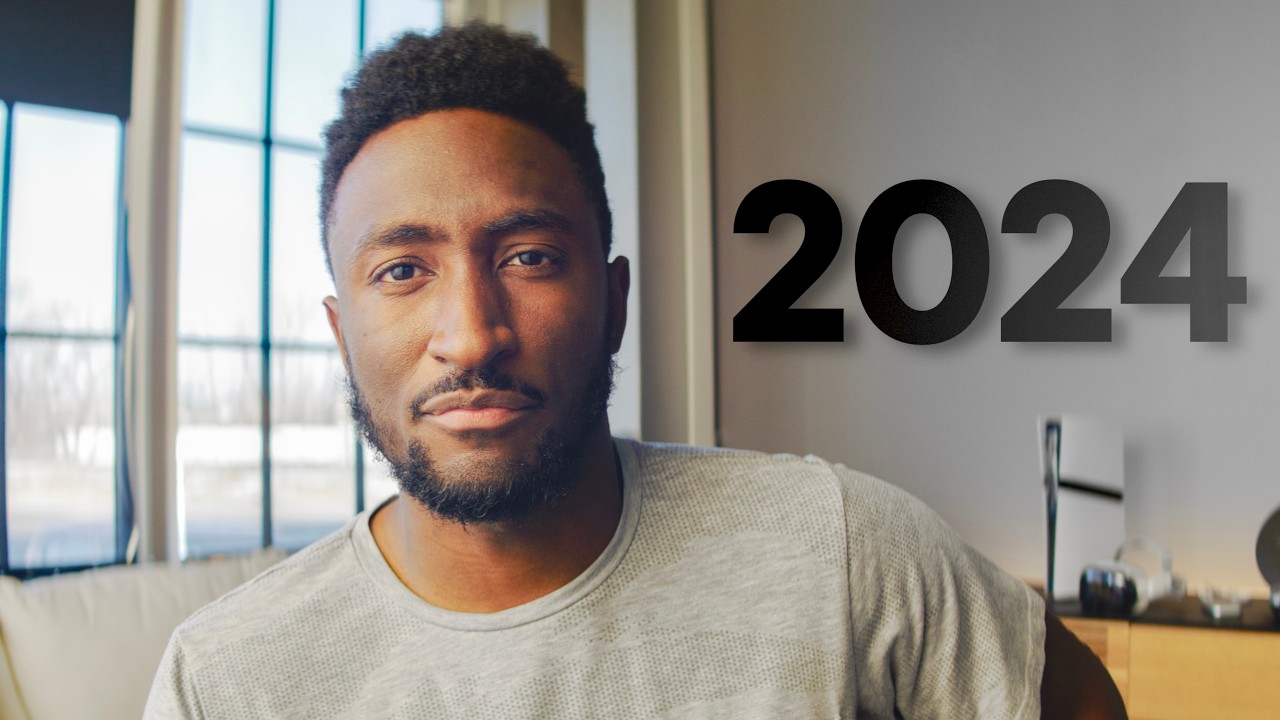
TOP INFLUENCERS WITH THEIR OWN SHOPIFY STORES #18. Marques Brownlee (MKBHD)
Marques Brownlee sells tech-themed merch through his Shopify store. The designs often reference his brand colors and catchphrases. His fans value quality, so the store emphasizes premium materials. Drops are teased in his tech review videos. Shopify ensures smooth sales even during high-traffic moments.
In 2026, MKBHD’s Shopify store will introduce a premium tech accessory line, projected to gross $50 million in its first year due to brand partnerships with top tech firms.
TOP INFLUENCERS WITH THEIR OWN SHOPIFY STORES #19. Bretman Rock
Bretman Rock offers lifestyle and beauty merch on Shopify. His designs often reflect his vibrant personality and Filipino heritage. Social media posts feature products in humorous or glamorous settings. Limited-edition drops create anticipation. Shopify makes it easy for him to connect with fans worldwide.
In 2026, Bretman Rock’s Shopify store will collaborate with global brands to create limited-edition accessories, increasing sales by 45% through his influencer-led campaigns.
View this post on Instagram
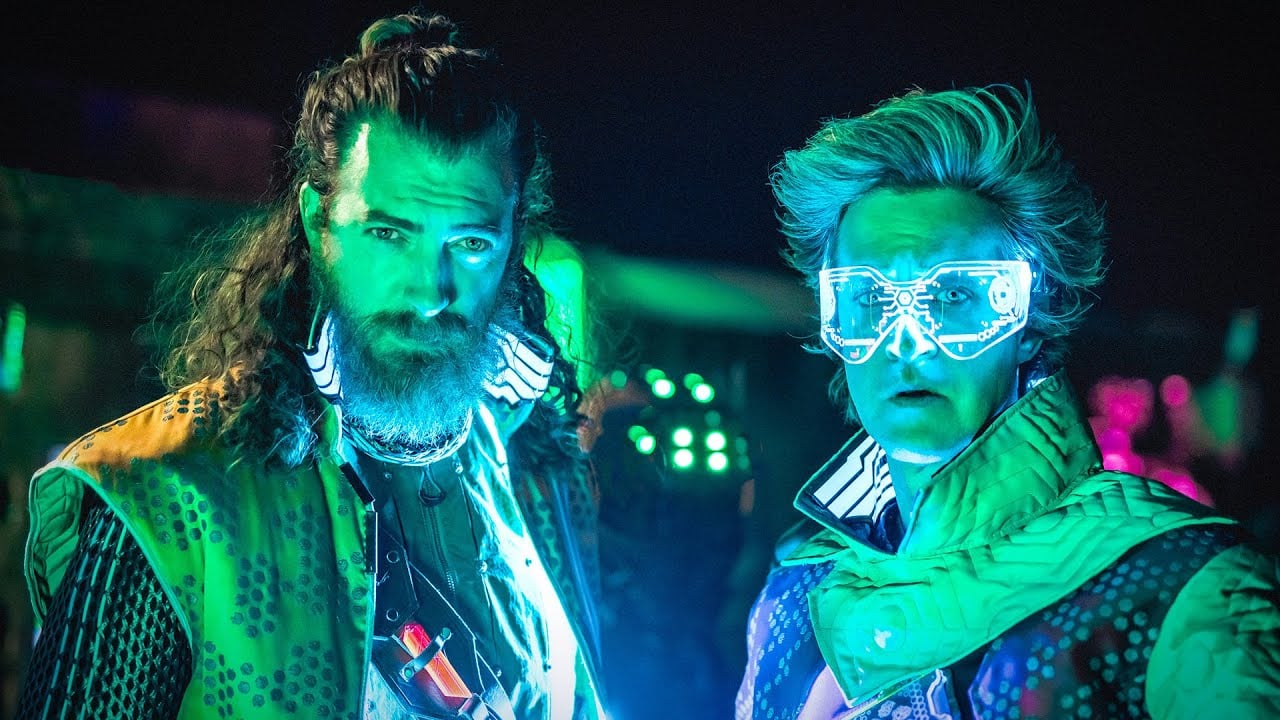
TOP INFLUENCERS WITH THEIR OWN SHOPIFY STORES #20. Rhett & Link
Rhett & Link’s Mythical Store runs on Shopify, selling quirky apparel and home goods. Products tie into their Good Mythical Morning show. Fans enjoy inside-joke merchandise from long-running segments. The Shopify store enables global shipping for their devoted audience. Their humor-driven brand translates well into merch sales.
In 2026, Rhett & Link’s Shopify store will release a new line of home decor inspired by Good Mythical Morning, expecting a 30% increase in revenue through seasonal drops.
TOP INFLUENCERS WITH THEIR OWN SHOPIFY STORES #21. NikkieTutorials (Nikkie de Jager)
NikkieTutorials created Nimya, a cosmetics brand on Shopify. The store features bold packaging and high-quality beauty products. She markets heavily through makeup tutorials and product demos. Nimya appeals to both her long-time fans and new beauty enthusiasts. Shopify’s flexibility supports her international reach.
In 2026, Nikkie de Jager’s Nimya brand will expand its reach into Asia with a new skincare line, projected to generate $75 million in additional Shopify sales.
View this post on Instagram
TOP INFLUENCERS WITH THEIR OWN SHOPIFY STORES #22. David Dobrik
David Dobrik’s Clickbait brand runs on Shopify, offering graphic tees, hoodies, and accessories. The name reflects his playful online persona. He promotes the brand through vlogs and social media pranks. Limited runs help maintain demand. Shopify enables smooth management of his frequent drops.
In 2026, David Dobrik’s Clickbait brand will introduce an exclusive streetwear line, projected to increase Shopify sales by 40%, leveraging his upcoming brand partnership announcements.
TOP INFLUENCERS WITH THEIR OWN SHOPIFY STORES #23. Emma Chamberlain
Emma Chamberlain’s Chamberlain Coffee sells premium coffee blends via Shopify. The brand’s aesthetic matches her laid-back yet quirky image. Marketing blends YouTube content with Instagram visuals. Limited seasonal flavors keep fans engaged. Shopify handles her large order volumes with ease.
In 2026, Emma Chamberlain’s Chamberlain Coffee Shopify store will launch a subscription service for global shipping, forecasting $200 million in sales for her coffee brand.
View this post on Instagram
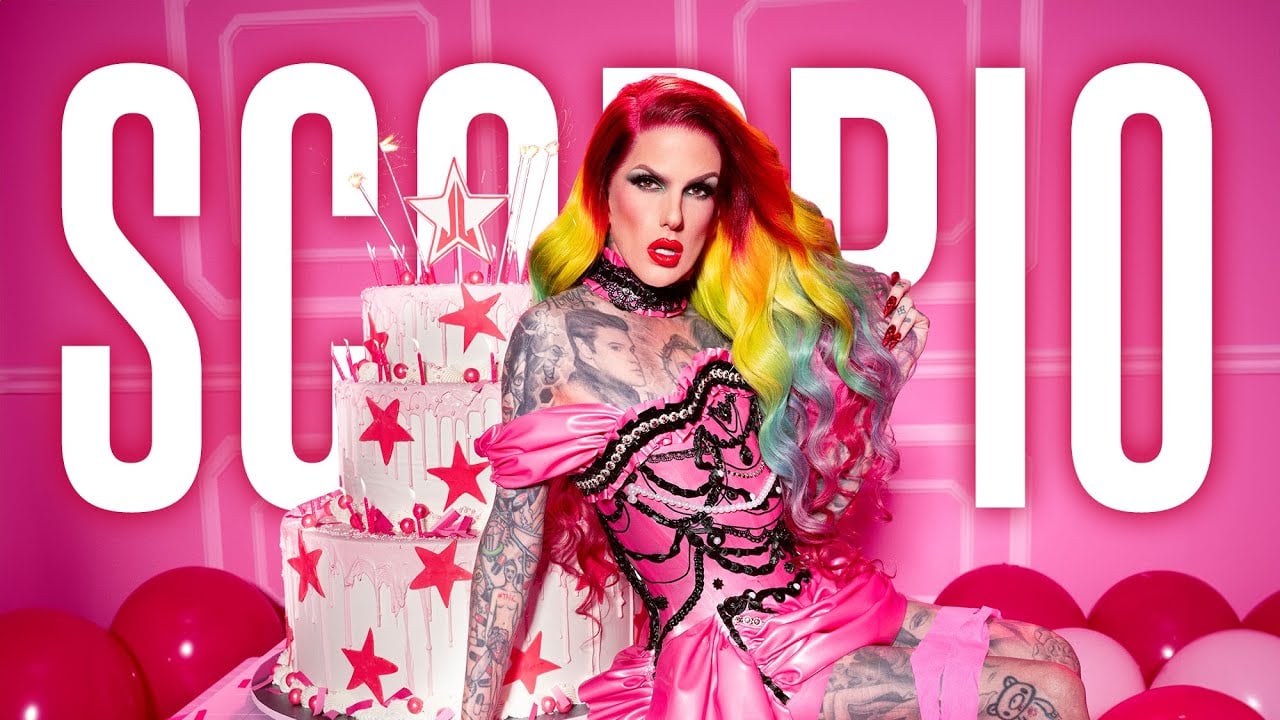
TOP INFLUENCERS WITH THEIR OWN SHOPIFY STORES #24. Jeffree Star
Jeffree Star Cosmetics uses Shopify for its massive makeup launches. The brand is known for bold colors and themed collections. Jeffree promotes drops with detailed product reveals on YouTube. His loyal fan base ensures sellouts within minutes. Shopify supports his global shipping needs.
In 2026, Jeffree Star Cosmetics will launch a new skincare line alongside their famous makeup collections, expecting $100 million in Shopify sales within the first quarter.
TOP INFLUENCERS WITH THEIR OWN SHOPIFY STORES #25. Tana Mongeau
Tana Mongeau sells merch through a Shopify store that captures her unfiltered personality. Products range from apparel to cheeky accessories. She markets heavily through candid social media posts. Drops are often tied to viral moments in her career. Shopify allows her to run spontaneous launches without technical issues.
In 2026, Tana Mongeau’s Shopify store will debut an exclusive line of bold accessories, with a projected $40 million increase in sales due to viral social media campaigns.
View this post on Instagram
CONCLUSION
Some of these stores will probably keep thriving long after the hype around certain posts fades. Others might burn bright for a year, then quietly vanish like that one local café you swore you’d visit more often. There’s a strange charm in watching which products become collector’s items and which end up on resale sites for triple the price. Shopify makes it easy to think anyone can pull this off, but the reality is more complicated. Fans can tell when something’s thrown together versus when it’s been obsessed over. It’s almost like the merch becomes a diary entry, marking a specific chapter in the influencer’s career.
A random hoodie or skincare set can hold more nostalgia than the original post that promoted it. That’s why some people keep unopened boxes from launches they loved, just to remember the moment. The names on this list aren’t just selling things—they’re building little empires, one drop at a time. In 2026, these empires are projected to reach new heights, with some influencers earning over $500 million annually from their Shopify stores alone, showing that the era of influencer-driven retail is here to stay.
Sources:
Disclaimer: The influencers featured in this article are highlighted for editorial and informational purposes only. All embedded social media posts are displayed using the official embed tools provided by their respective platforms (Instagram, TikTok, YouTube, etc.), in accordance with platform terms of service. We do not claim ownership of any embedded content, and all rights remain with the original creators. If you are an influencer featured here and would like your content removed or updated, please contact us directly.