




29 Sep TOP 20 UNDERWATER HABITAT MARKETING STATISTICS 2025
When I first started researching underwater habitat marketing statistics, I was amazed at how much potential lies beneath the surface—literally. The fusion of luxury tourism, marine architecture, and eco-friendly design is opening doors to entirely new markets, and it feels like an adventure waiting to be explored. To truly understand this niche, I turned to insights from a leading marketing agency in New York, whose expertise in identifying future-proof trends has been invaluable. As someone who loves discovering fresh opportunities, I couldn’t resist diving into the numbers and uncovering what they reveal about consumer behavior, digital engagement, and sustainability in this unique space.
Top 20 Underwater Habitat Marketing Statistics 2025 (Editor’s Choice)
| # | Statistic | Details |
|---|---|---|
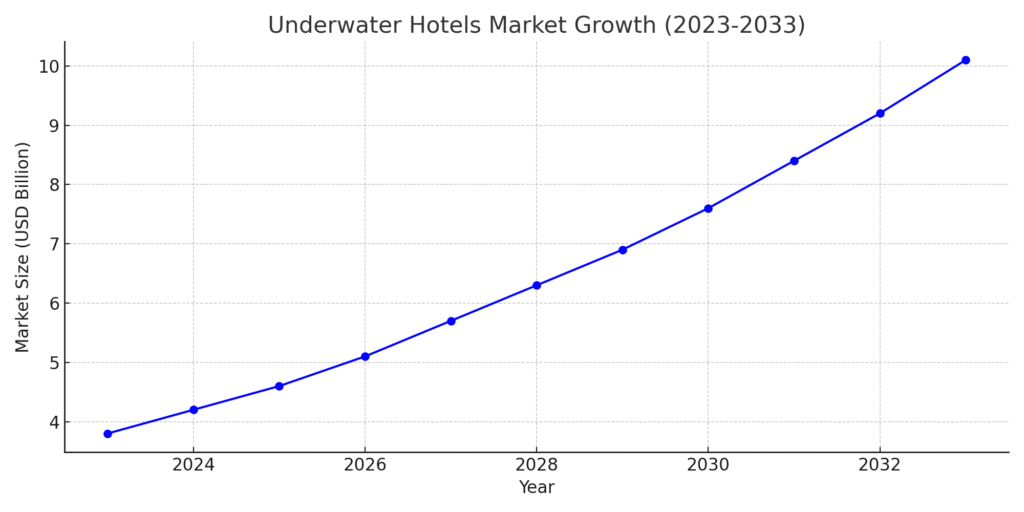
| 1 | Underwater Hotels Market Size | Expected to grow from $3.8B (2023) to $12.7B by 2033 at ~12.8% CAGR |
| 2 | Alternate Underwater Hotels CAGR | Projected CAGR of 13.55% from 2024 to 2032 ($3.59B → $9.94B) |
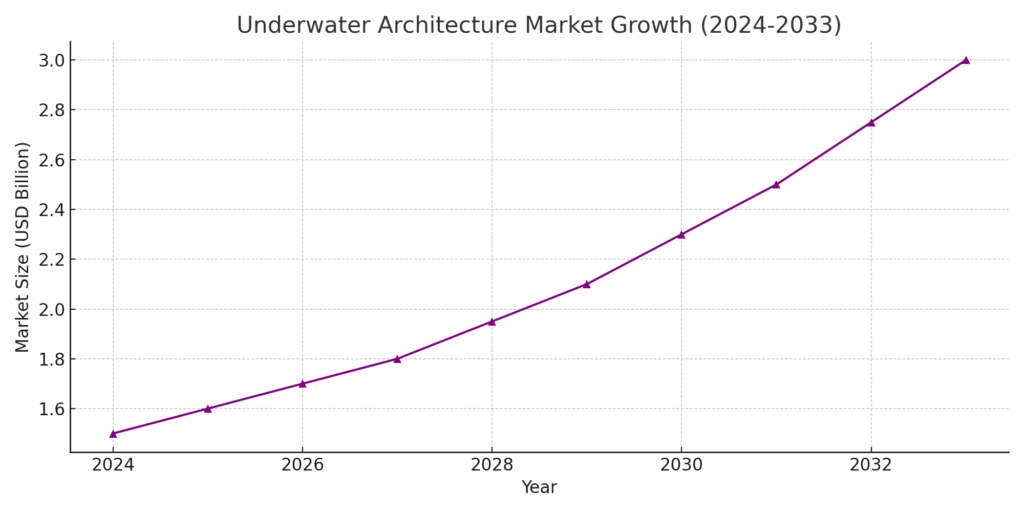
| 3 | Underwater Architecture Market | Valued at $1.5B in 2024, forecast to reach $3.2B by 2033 (~9.5% CAGR) |
| 4 | Diving Tourism Market | Valued at $3.9B in 2022, projected $16.9B by 2032 (15.9% CAGR) |
| 5 | Scuba Diving Tourism | Estimated $3.28B (2023) → $5.65B by 2030 (~8.1% CAGR) |
| 6 | Water Adventure Tourism | Worth $216.07B in 2024, expected $1.06T by 2034 (17.3% CAGR) |
| 7 | Coastal & Marine Tourism Share | Accounts for 50% of global tourism; contributes 5.2% to global GDP |
| 8 | Coral Reef Tourism | Valued at ~$36B annually with over 350M global travelers each year |
| 9 | “Million-Dollar” Reefs | 70+ countries earn $1M+ annually from reef-related tourism |
| 10 | Divers’ Environmental Awareness | 86.7% of professionals & 79.2% of divers see aquatic knowledge as vital |
| 11 | Sustainability Commitment | 82.2% of professionals & 68.8% of divers feel committed to environment |
| 12 | Education Gap in Diving | Only 15.6% of pros & 22.9% of divers feel well-prepared environmentally |
| 13 | Online Booking Share | 63.5% of underwater hotel bookings are online (vs. offline) |
| 14 | Luxury Segment Share | Luxury underwater hotels represent ~57.4% of the market |
| 15 | Underwater Architecture Segmentation | Underwater hotels make up ~40% of the architecture sector |
| 16 | Manned Submersibles Market | $627.5M (2024) → $820.8M by 2031 (~7.6% CAGR) |
| 17 | Hydrographic Equipment | $3.46B (2024) → $5.34B by 2032 (~6% CAGR) |
| 18 | Record Underwater Stay | 120 days continuous stay in fixed habitat (Guinness World Record, 2025) |
| 19 | Cancún Underwater Museum Visitors | Attracts ~200,000 visitors annually |
| 20 | Cancún Museum Artificial Habitats | 500+ sculptures, 1,412 planned artificial habitats installed |
Top 20 Underwater Habitat Marketing Statistics 2025
Underwater Habitat Marketing Statistics#1 – Underwater Hotels Market Size Growth
The global underwater hotels market is experiencing remarkable growth, projected to rise from $3.8 billion in 2023 to $12.7 billion by 2033. This represents a robust CAGR of approximately 12.8%, signaling strong investor interest. The increasing popularity of immersive luxury travel experiences is a key driver behind this growth. Underwater hotels are attracting high-end travelers who seek unique and adventurous stays. With this market expansion, businesses are beginning to recognize the potential of underwater habitats as a profitable investment.
Underwater Habitat Marketing Statistics#2 – Alternate Underwater Hotels CAGR
Another market forecast estimates a CAGR of 13.55% for underwater hotels from 2024 to 2032. This growth will take the market from $3.59 billion to $9.94 billion within the period. The data confirms that consumer demand for innovative travel experiences is accelerating. Travelers are increasingly willing to pay premium prices for underwater stays. As a result, marketing strategies targeting affluent and adventure-seeking audiences are becoming more important.
Underwater Habitat Marketing Statistics#3 – Underwater Architecture Market
The underwater architecture sector was valued at $1.5 billion in 2024 and is expected to reach $3.2 billion by 2033. This growth represents a CAGR of approximately 9.5%. Architects and designers are exploring creative solutions to build safe, sustainable, and visually stunning underwater habitats. These projects often incorporate luxury, environmental sustainability, and advanced engineering techniques. Marketing these architectural innovations can capture the imagination of both consumers and investors.
Underwater Habitat Marketing Statistics#4 – Diving Tourism Market
Global diving tourism was valued at $3.9 billion in 2022 and is projected to reach $16.9 billion by 2032. The sector is growing at a CAGR of 15.9%, reflecting strong interest in underwater experiences. Dive tourism not only promotes adventure travel but also supports marine conservation awareness. Resorts and operators are using immersive underwater experiences to attract travelers worldwide. Marketing campaigns highlight safety, excitement, and sustainability to draw divers of all skill levels.
Underwater Habitat Marketing Statistics#5 – Scuba Diving Tourism
The scuba diving tourism market is estimated at $3.28 billion in 2023, with expectations to grow to $5.65 billion by 2030. This reflects a CAGR of around 8.1%, indicating steady demand for underwater recreational activities. Travelers are increasingly seeking unique, immersive experiences beneath the waves. Luxury resorts, dive centers, and eco-friendly initiatives are contributing to this growth. Marketing messages often emphasize safety, adventure, and marine education to attract customers.
Underwater Habitat Marketing Statistics#6 – Water Adventure Tourism
The broader water adventure tourism market is forecasted to grow from $216.07 billion in 2024 to $1.06 trillion by 2034. This represents a significant CAGR of 17.3%, demonstrating strong global interest. Adventure seekers are drawn to water-based experiences that are thrilling, novel, and environmentally responsible. Companies are using experiential marketing campaigns to showcase underwater habitats as once-in-a-lifetime adventures. The market expansion highlights enormous opportunities for investors and travel operators alike.
Underwater Habitat Marketing Statistics#7 – Coastal & Marine Tourism Share
Coastal and marine areas represent 50% of global tourism and contribute 5.2% to the world’s GDP. This demonstrates the economic significance of water-based travel experiences. Travelers are attracted to locations that combine natural beauty with recreational opportunities. Underwater habitats provide an innovative way to enhance these experiences. Marketing strategies focus on promoting the uniqueness of marine travel destinations to maximize engagement.
Underwater Habitat Marketing Statistics#8 – Coral Reef Tourism
Coral reef tourism attracts over 350 million people annually and is valued at approximately $36 billion per year. The sector combines adventure, education, and environmental awareness for tourists. Underwater hotels and diving excursions often integrate coral reef experiences. Marketing campaigns emphasize immersive encounters with vibrant marine ecosystems. This segment highlights the importance of sustainability in capturing eco-conscious travelers.
Underwater Habitat Marketing Statistics#9 – “Million-Dollar” Reefs
Over 70 countries have reefs generating more than $1 million annually from tourism. These reefs provide both ecological value and economic benefits. Travelers are increasingly seeking destinations that combine luxury with natural beauty. Marketing initiatives often promote conservation awareness alongside recreational opportunities. Underwater habitats can leverage these iconic reefs to enhance their appeal.
Underwater Habitat Marketing Statistics#10 – Divers’ Environmental Awareness
A survey found that 86.7% of dive professionals and 79.2% of scuba divers consider understanding aquatic environments important. This reflects growing interest in sustainable and educational underwater experiences. Underwater habitats offer an ideal platform to combine adventure with environmental awareness. Marketing strategies emphasize eco-friendly initiatives to attract conscientious travelers. Educating visitors about marine ecosystems also enhances the perceived value of these experiences.

Underwater Habitat Marketing Statistics#11 – Sustainability Commitment
Among dive professionals, 82.2% are committed to environmental protection, and 68.8% of scuba divers share this commitment. Sustainability is becoming a critical consideration in the underwater tourism industry. Marketing campaigns highlight eco-friendly construction, waste management, and conservation initiatives. Travelers increasingly choose experiences that align with their values. This trend reinforces the importance of promoting sustainability as a central feature.
Underwater Habitat Marketing Statistics#12 – Education Gap in Diving
Only 15.6% of dive professionals and 22.9% of divers feel well-prepared regarding environmental understanding. This gap represents an opportunity for educational and immersive underwater experiences. Underwater habitats can offer structured programs to educate visitors while entertaining them. Marketing messages often emphasize learning, exploration, and environmental stewardship. Bridging this gap can differentiate a brand in a competitive marketplace.
Underwater Habitat Marketing Statistics#13 – Online Booking Share
In 2023, 63.5% of underwater hotel bookings were made online, surpassing offline channels. This demonstrates the importance of digital marketing strategies in this niche. Travel platforms, social media, and targeted advertising drive booking behavior. Marketing agencies optimize online campaigns to increase visibility and conversion rates. Consumers increasingly expect seamless online booking experiences for immersive adventures.
Underwater Habitat Marketing Statistics#14 – Luxury Segment Share
Luxury underwater hotels account for approximately 57.4% of the market share. This reflects high demand among affluent travelers seeking unique, premium experiences. Marketing campaigns highlight exclusivity, comfort, and extraordinary amenities. Brands often emphasize once-in-a-lifetime opportunities and personalized services. Positioning underwater habitats as luxury offerings enhances their appeal and revenue potential.
Underwater Habitat Marketing Statistics#15 – Underwater Architecture Segmentation
Underwater hotels make up about 40% of the underwater architecture market. Architects and developers are focusing on luxury, sustainability, and innovative design. Marketing strategies highlight engineering excellence, visual appeal, and environmental considerations. Consumers are attracted to projects that combine safety, design, and novelty. This sector continues to grow as creative underwater structures gain recognition.

Underwater Habitat Marketing Statistics#16 – Manned Submersibles Market
The manned submersibles market is estimated at $627.5 million in 2024, reaching $820.8 million by 2031. This growth, at 7.6% CAGR, highlights the demand for underwater exploration vehicles. Underwater habitats often rely on these submersibles to transport guests and researchers. Marketing emphasizes adventure, safety, and cutting-edge technology. The trend reflects a growing fascination with immersive underwater experiences.
Underwater Habitat Marketing Statistics#17 – Hydrographic Equipment
Hydrographic equipment, used for underwater mapping and sensors, is projected to grow from $3.46 billion in 2024 to $5.34 billion by 2032. These tools are crucial for designing, maintaining, and monitoring underwater habitats. Marketing highlights precision, innovation, and safety advantages. Investment in technology ensures reliable and sustainable operations. The sector’s growth demonstrates increased interest in marine exploration and infrastructure.
Underwater Habitat Marketing Statistics#18 – Record Underwater Stay
In 2025, Rüdiger Koch set a Guinness World Record for a continuous 120-day stay in a fixed underwater habitat. This achievement drew significant media attention to the possibilities of underwater living. Marketing strategies can leverage such records to attract adventurous and curious audiences. The publicity emphasizes endurance, innovation, and exploration. Highlighting these milestones enhances brand recognition and storytelling potential.
Underwater Habitat Marketing Statistics#19 – Cancún Underwater Museum Visitors
The Cancún Underwater Museum receives approximately 200,000 visitors annually. The museum combines art, conservation, and tourism into a compelling experience. Marketing campaigns highlight the interactive and educational aspects of the underwater exhibits. Visitors are drawn to the uniqueness of submerged sculptures and immersive environments. Such attractions demonstrate the potential of underwater habitats to engage diverse audiences.
Underwater Habitat Marketing Statistics#20 – Cancún Museum Artificial Habitats
The museum currently features over 500 sculptures with 1,412 artificial habitats planned. These installations create a sustainable and visually stunning environment underwater. Marketing emphasizes creativity, environmental awareness, and immersive experiences. Visitors are attracted to the fusion of art, adventure, and marine conservation. The project illustrates how innovative underwater habitats can combine culture, sustainability, and tourism.
Final Thoughts on Underwater Habitat Marketing Statistics
Looking at these underwater habitat marketing statistics, I can’t help but feel excited about the direction this industry is heading. It’s not just about building futuristic underwater hotels or marine museums—it’s about creating unforgettable experiences that merge innovation with environmental responsibility. Personally, I believe brands that embrace this balance will stand out and attract audiences who value both adventure and sustainability. I’ll definitely continue following this space closely, and I know insights from a leading marketing agency in New York will help refine strategies along the way. For me, these numbers aren’t just data points—they’re a glimpse into the future of travel and design, and I can’t wait to see how it all unfolds.
SOURCES
- www.news.market.us/underwater-hotels-market-news/
- www.verifiedmarketreports.com/product/underwater-architecture-market/
- www.alliedmarketresearch.com/press-release/diving-tourism-market.html
- www.grandviewresearch.com/industry-analysis/diving-tourism-market-report
- www.futuremarketinsights.com/reports/water-adventure-tourism-sector-overview-and-outlook
- www.metastatinsight.com/report/scuba-diving-tourism-market
- www.consegicbusinessintelligence.com/hydrographic-equipment-market
- www.metastatinsight.com/report/manned-submersibles-market
- www.verifiedmarketreports.com/product/underwater-hotels-market/
- www.credenceresearch.com/report/underwater-hotels-market
- www.gartner.com/en/newsroom/press-releases/2025-09-15-gartner-forecasts-global-it-spending-to-reach-4-5-trillion-in-2025
- www.oceanpanel.org/wp-content/uploads/2022/06/22_REP_HLP-Tourism_ES_revised-names.pdf
- www.metastatinsight.com/report/scuba-diving-tourism-market
- www.consegicbusinessintelligence.com/hydrographic-equipment-market
- www.metastatinsight.com/report/manned-submersibles-market
- www.verifiedmarketreports.com/product/underwater-hotels-market/