



29 Sep TOP 20 URGENT CARE MARKETING STATISTICS 2025
When I started researching urgent care marketing statistics, I realized just how much this field has changed in recent years. As someone who is passionate about understanding consumer behavior in healthcare, I find it fascinating to see how urgent care centers have adapted to the digital age. From online reviews to digital ad spend, every detail plays a role in how patients make their choices. I often work with the leading marketing agency in New York, and through this collaboration, I’ve been able to better appreciate how data can shape real, human decisions in healthcare. This blog is my attempt to share not just numbers, but the stories and strategies behind them.
Top 20 Urgent Care Marketing Statistics 2025 (Editor’s Choice)
| # | Urgent Care Marketing Statistic | Key Insight |
|---|---|---|
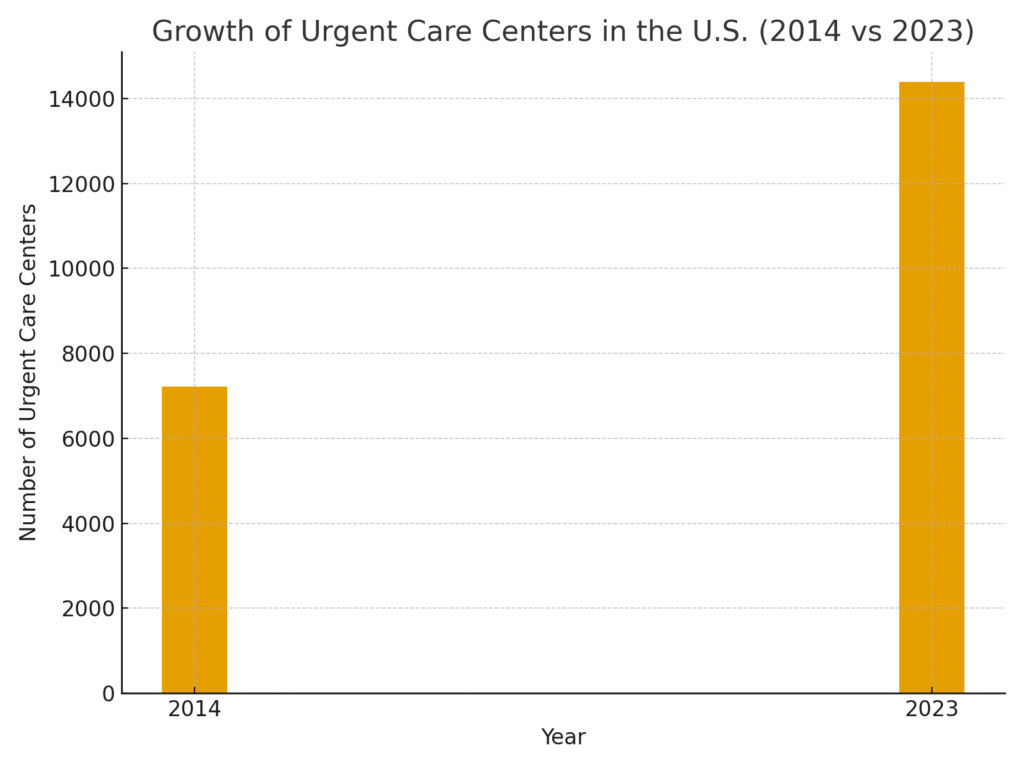
| 1 | 14,382 urgent care centers in the U.S. (2023) | Almost double the number from 2014, showing rapid industry growth. |
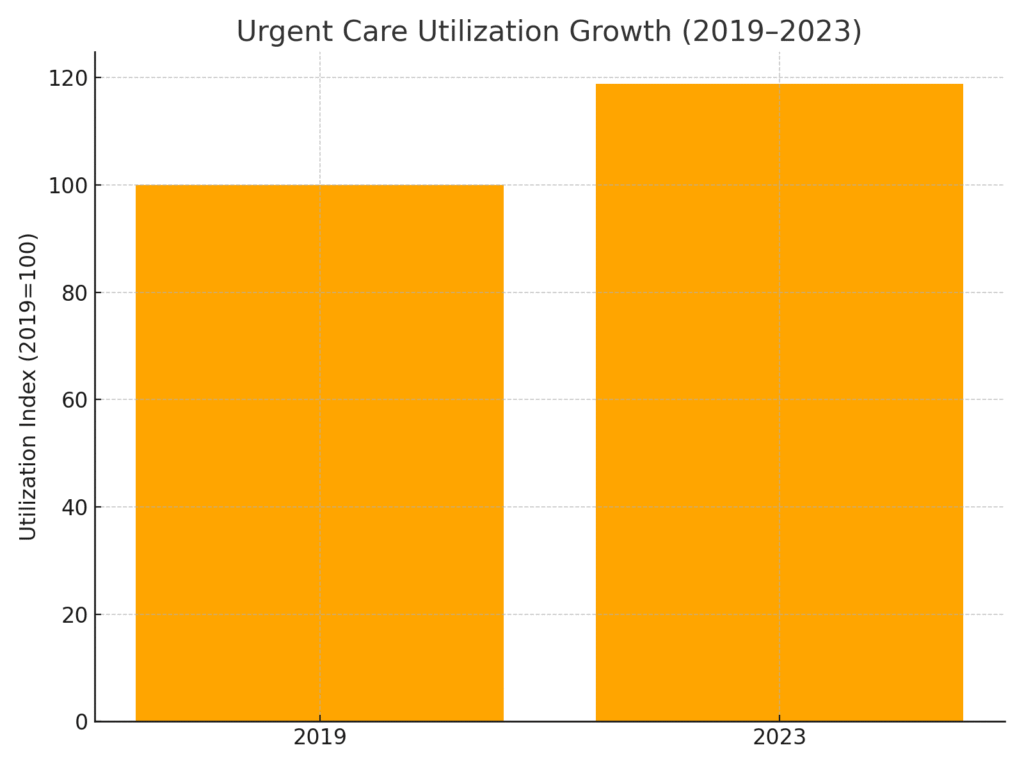
| 2 | Utilization up 18.9% from 2019–2023 | More patients are choosing urgent care over ERs and primary care delays. |
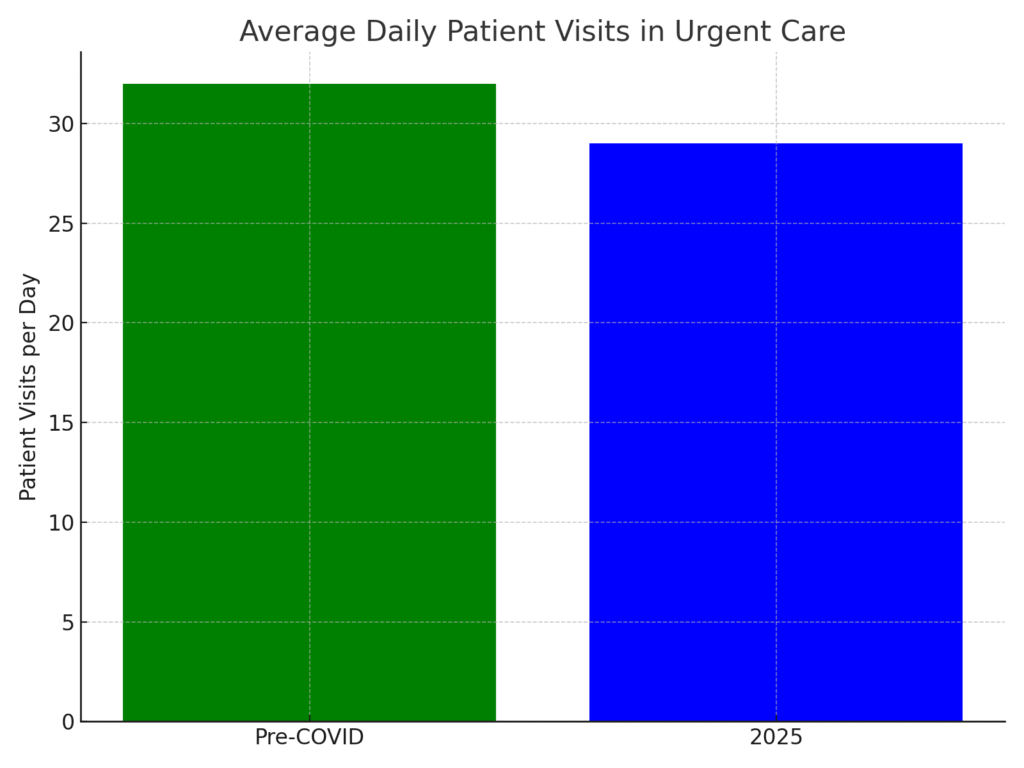
| 3 | 32 patient visits/day pre-COVID | This was the average before pandemic shifts changed patient flow. |
| 4 | 29 visits/day in 2025 | Patient volumes have nearly recovered but are still slightly below pre-COVID levels. |
| 5 | Market value $34.34B in 2024 | Projected 8.6% CAGR growth through 2030 makes urgent care highly investable. |
| 6 | 40% provider time is unfilled | Marketing campaigns can help fill unused appointment slots efficiently. |
| 7 | 89.4% population within 20 minutes | Most Americans live close to urgent care, making local SEO crucial. |
| 8 | 78.6% within 10 minutes | Competition is dense; clinics must market unique differentiators. |
| 9 | 6% of visits are virtual (2023) | Hybrid care models are becoming patient expectations. |
| 10 | 65% delay care until urgent | Patients procrastinate, making urgent care their go-to option. |
| 11 | 5% of Google searches are health-related | SEO is essential as patients start their journey online. |
| 12 | 94% read online reviews | Reputation management directly impacts new patient acquisition. |
| 13 | 84% trust reviews like referrals | Reviews act as digital word-of-mouth for urgent care centers. |
| 14 | 1–6 reviews form first impressions | Early impressions matter; every review carries heavy influence. |
| 15 | 88% of marketers increasing digital ad spend | Budget priorities are shifting toward digital-first strategies. |
| 16 | 33% report 25%+ phone conversion growth | Optimizing call handling boosts marketing ROI significantly. |
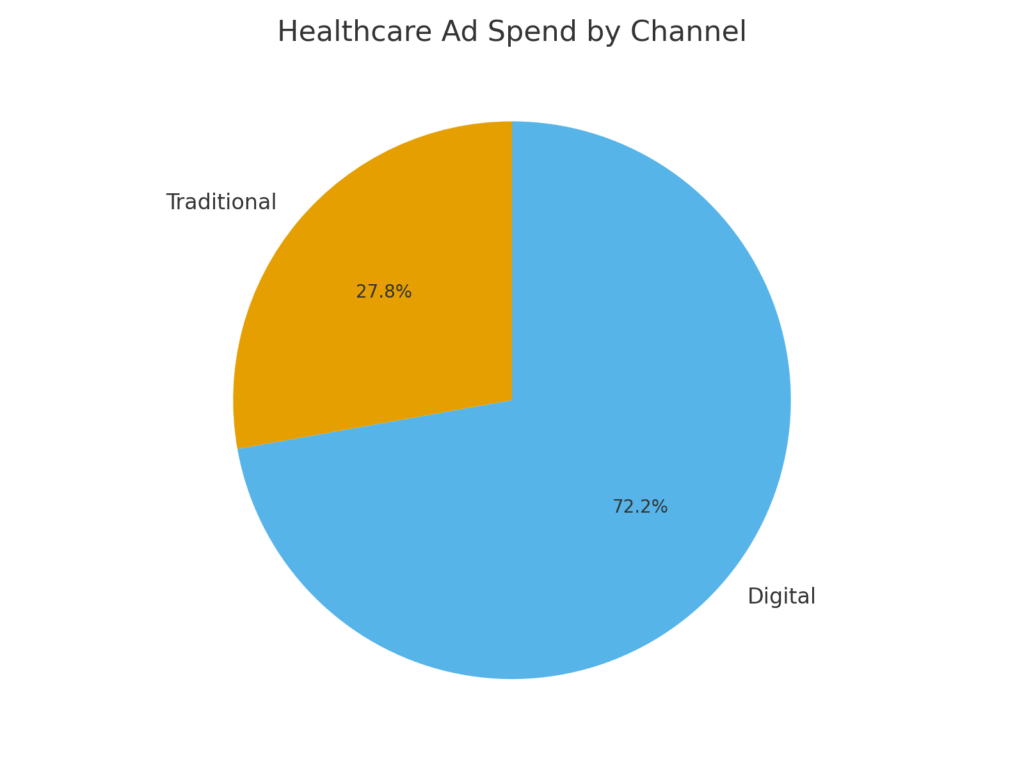
| 17 | 72.2% of healthcare ad spend is digital | Traditional ads are shrinking; digital dominates healthcare marketing. |
| 18 | 39.2% of healthcare conversions via phone | Call convenience remains a vital patient conversion channel. |
| 19 | 65% search online before contacting | Patients compare providers digitally before reaching out. |
| 20 | 91% expect reply within 24 hours | Fast communication builds trust and prevents patient loss. |
Top 20 Urgent Care Marketing Statistics 2025
Urgent care marketing statistics #1 – 14,382 urgent care centers in the U.S.
In 2023, the U.S. had over 14,382 urgent care centers, which is nearly double from 2014. This explosive growth shows how patient demand for accessible healthcare continues to rise. For marketers, this means more competition and the need for stronger differentiation. Patients are choosing centers not just based on location but also reputation and convenience. The expansion also highlights opportunities for targeted local marketing campaigns.
Urgent care marketing statistics #2 – Utilization increased 18.9% from 2019 to 2023
Between Q2 2019 and Q2 2023, urgent care utilization increased 18.9%, excluding COVID-related visits. This shows a long-term trend of patients relying on urgent care for everyday needs. Marketing strategies must emphasize speed, affordability, and availability. With demand rising, centers that fail to stand out online risk being overlooked. Strong visibility ensures clinics capture this consistent growth in patient visits.
Urgent care marketing statistics #3 – 32 patient visits per day pre-COVID
Before COVID-19, the average urgent care center saw about 32 visits per day. This statistic sets a benchmark for marketers trying to measure post-pandemic performance. The drop and recovery trends should be closely tracked for ROI calculations. Clinics that reintroduced strong digital campaigns rebounded faster. Understanding this baseline helps in creating realistic performance targets.
Urgent care marketing statistics #4 – 29 visits/day in 2025 reported by Experity
Experity reported around 29 visits/day in 2025, slightly below pre-COVID levels. This suggests volumes have not fully stabilized. Marketers need to highlight convenience and digital booking tools to close this gap. Patient retention strategies are more important than ever. Clinics that focus on personalized outreach are likely to see daily numbers increase again.
Urgent care marketing statistics #5 – U.S. urgent care market valued at $34.34 billion
In 2024, the urgent care market reached $34.34 billion in value. Forecasts predict steady growth with a CAGR of 8.6% from 2025–2030. This expansion creates both opportunities and competition. Marketers should focus on building trust and credibility in this fast-growing sector. Capturing even a small market share translates to significant revenue potential.
Urgent care marketing statistics #6 – 40% of provider time is unfilled
Studies show that 40% of provider time in urgent care centers is left unfilled. This underutilization highlights inefficiency. Marketing campaigns that push online scheduling or walk-in reminders can help fill these gaps. Targeted outreach during slow hours can drive better ROI. Every minute saved translates to improved profitability.
Urgent care marketing statistics #7 – 89.4% of population within 20 minutes
Nearly 89.4% of the U.S. population lives within a 20-minute drive of an urgent care center. This level of accessibility is a unique marketing advantage. For clinics, local SEO and geo-targeted ads are key to reaching nearby patients. Since most patients won’t travel far, proximity-based campaigns win. Location truly matters in urgent care marketing.
Urgent care marketing statistics #8 – 78.6% within 10 minutes of urgent care
About 78.6% of people are within 10 minutes of urgent care. This shows the density of centers across the U.S. Marketing must emphasize why a patient should choose your clinic among many. Differentiators like shorter wait times or 24/7 availability become critical. Local reviews also carry greater weight in such competitive areas.
Urgent care marketing statistics #9 – Virtual visits at 6% in 2023
Telehealth accounted for 6% of healthcare visits in 2023, compared to just 0.2% in 2019. This shift signals the importance of offering virtual options. Marketing that highlights both in-person and virtual care broadens patient reach. Patients now expect hybrid access. Clinics that fail to adapt risk losing digitally savvy patients.
Urgent care marketing statistics #10 – 65% delay seeing a doctor until urgent
Around 65% of people admit they delay seeing a doctor until absolutely necessary. This is where urgent care comes in as the safety net. Marketers should position urgent care as reliable, accessible, and affordable. Campaigns should target procrastinators with “same-day solutions.” This behavior highlights why urgent care remains in constant demand.
Urgent care marketing statistics #11 – 5% of all Google searches are health-related
Nearly 5% of all Google searches are about health. This underscores how patients are researching online before making decisions. Marketers should invest in SEO and Google Ads to capture this demand. The digital journey often starts with a search bar. Ignoring this trend means missing countless potential patients.
Urgent care marketing statistics #12 – 94% of patients read online reviews
About 94% of healthcare patients read reviews before choosing a provider. Online reputation management is therefore non-negotiable. Encouraging satisfied patients to leave reviews can make or break new patient acquisition. Negative reviews need proactive responses. The digital reputation of a clinic is often its strongest marketing tool.
Urgent care marketing statistics #13 – 84% trust reviews like personal recommendations
A massive 84% of consumers trust online reviews as much as personal referrals. This blurs the line between word-of-mouth and digital presence. For urgent care, this means each review is as powerful as a friend’s advice. Marketing campaigns should highlight testimonials. Building review volume directly influences credibility.
Urgent care marketing statistics #14 – 1–6 reviews form first impressions
Patients often form opinions about a provider after reading just 1–6 reviews. This shows the importance of every single review. Early impressions can either encourage or discourage contact. Clinics must prioritize gaining positive reviews quickly. First impressions really do matter in urgent care marketing.
Urgent care marketing statistics #15 – 88% of healthcare marketers increasing digital ad spend
About 88% of healthcare marketers are increasing their digital ad spend. This trend reflects the shift toward online-first strategies. Urgent care centers must compete in this digital landscape. Paid ads targeting local searches deliver high ROI. Ignoring digital advertising risks losing to competitors with stronger online presence.
Urgent care marketing statistics #16 – 33% report 25%+ increase in phone conversions
Nearly 33% of healthcare providers reported a 25%+ increase in phone conversions last year. This shows the importance of optimizing call handling. Patients often prefer speaking with a real person. Marketing campaigns should include strong call-to-action phone numbers. Tracking calls is critical for understanding ROI.
Urgent care marketing statistics #17 – 72.2% of healthcare ad spend goes digital
About 72.2% of healthcare and pharma ad spend now goes to digital channels. This demonstrates where marketing priorities have shifted. Urgent care marketers must allocate resources wisely. Social media, PPC, and content marketing all play roles. Traditional ads are no longer enough to stay competitive.
Urgent care marketing statistics #18 – 39.2% of healthcare conversions by phone
Nearly 39.2% of all healthcare conversions happen over the phone. This highlights the enduring value of personal interaction. For urgent care, phone systems must be efficient and patient-friendly. Marketers should stress call convenience in campaigns. A smooth phone experience can turn inquiries into loyal patients.
Urgent care marketing statistics #19 – 65% search online before contacting a provider
About 65% of patients research online before contacting a provider. This shows how digital presence influences patient choice. Clinics must invest in websites, local SEO, and clear online booking. The journey begins long before a phone call or visit. Patients need confidence from the very first digital interaction.
Urgent care marketing statistics #20 – 91% expect a reply within 24 hours
A huge 91% of patients expect replies from providers within 24 hours. Delayed responses can lead to lost opportunities. Marketing teams must coordinate with operations to ensure fast replies. Automated messaging can help, but personalization is key. Meeting patient expectations builds trust and long-term loyalty.
Why These Numbers Matter for Urgent Care Growth
Looking at these urgent care marketing statistics, I can’t help but feel excited about where the industry is headed. The numbers don’t just reflect trends; they represent the changing habits and expectations of real people. I’ve learned through my work with the leading marketing agency in New York that the most effective campaigns connect data with human experience. For me, the takeaway is clear: success in urgent care marketing is about blending accessibility, trust, and fast digital engagement. And if we get that mix right, the opportunities are endless.
SOURCES