



20 Sep TOP 20 VINTAGE MARKETING STATISTICS 2025
Vintage Marketing Statistics reveal just how powerful nostalgia has become in shaping today’s consumer behavior. In an age dominated by fast-paced digital trends, people are finding comfort and connection in brands that remind them of simpler times. From retro packaging to the revival of 90s aesthetics, businesses are discovering that nostalgia isn’t just a fleeting feeling—it’s a proven driver of sales, loyalty, and engagement. As someone who has always loved how timeless styles resurface with fresh appeal, I find it fascinating to see data supporting this emotional connection. That’s why we’ve partnered insights from a marketing agency in New York that is at the forefront of trend analysis, to bring you the most relevant and actionable vintage marketing insights for 2025.
Top 20 Vintage Marketing Statistics 2025 (Editor’s Choice)
| # | Statistic | Source |
|---|---|---|
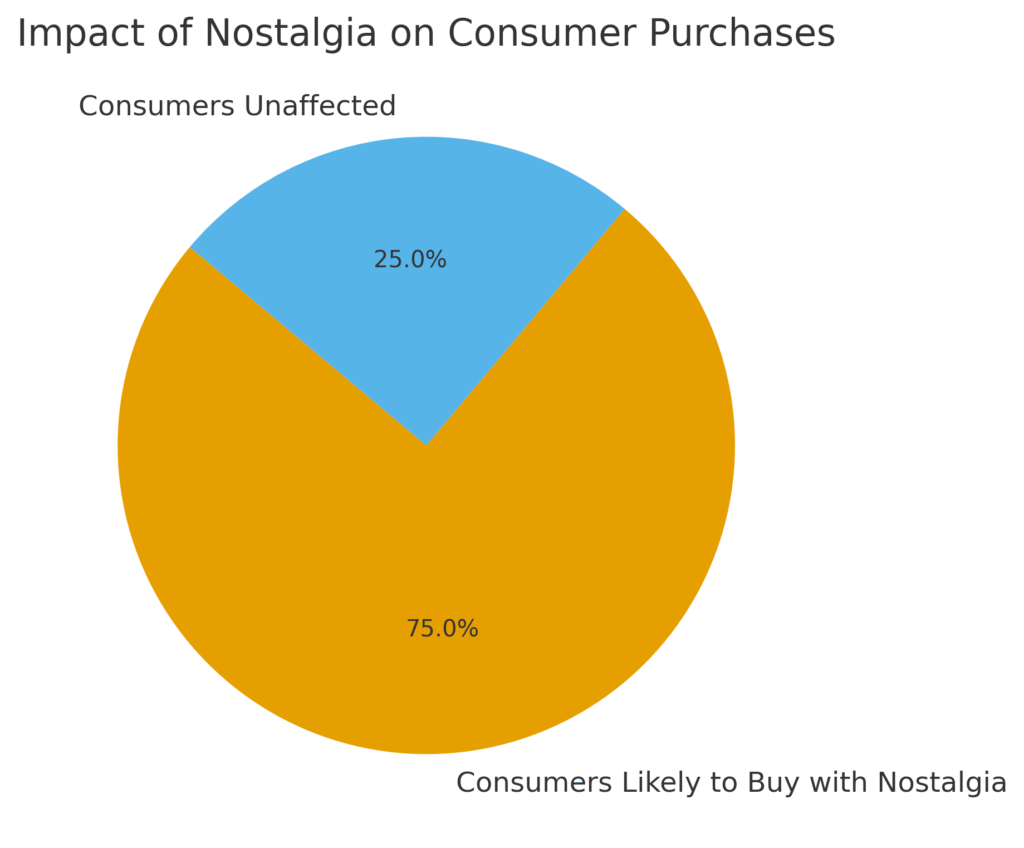
| 1 | 75% of consumers are more likely to buy when ads evoke nostalgia. | Amra & Elma |
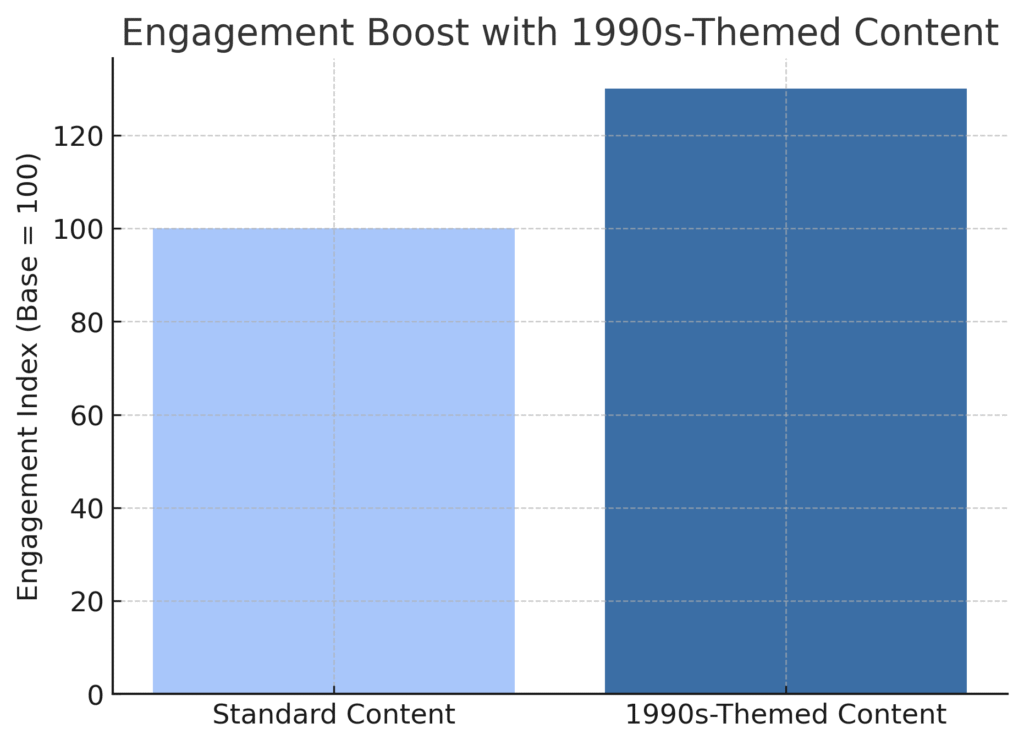
| 2 | Brands with 1990s-themed content saw about a 30% increase in engagement. | Amra & Elma |
| 3 | Nostalgic content triggers a 2× higher emotional response than non-nostalgic ads. | Amra & Elma |
| 4 | 68% of Gen Z feel positively toward nostalgic branding—even for eras they didn’t live through. | Amra & Elma |
| 5 | Nostalgic packaging led to a 16% lift in sales. | Amra & Elma |
| 6 | TikTok nostalgia-related hashtags grew 130% year over year. | Amra & Elma |
| 7 | 70% of consumers say nostalgia makes brands feel more authentic. | Amra & Elma |
| 8 | Retro product re-releases drove a 24% lift in repeat purchases. | Amra & Elma |
| 9 | 60% of US consumers regularly buy vintage items. | Emarsys |
| 10 | Among vintage buyers: 23% shop for home decor, 19% for sentimental value, 17% as a hobby. | Emarsys |
| 11 | 72% of 25-34s and 71% of 35-44s regularly buy vintage products. | Emarsys |
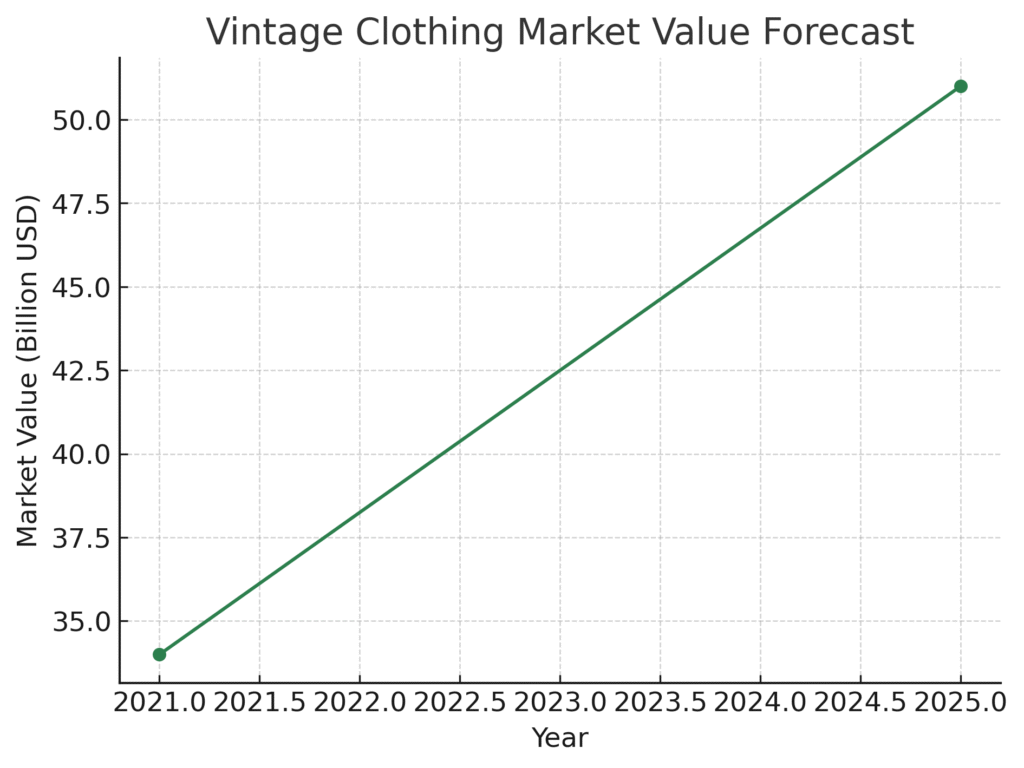
| 12 | The second-hand fashion market was valued at $34 billion in 2021. | FT Accelerator |
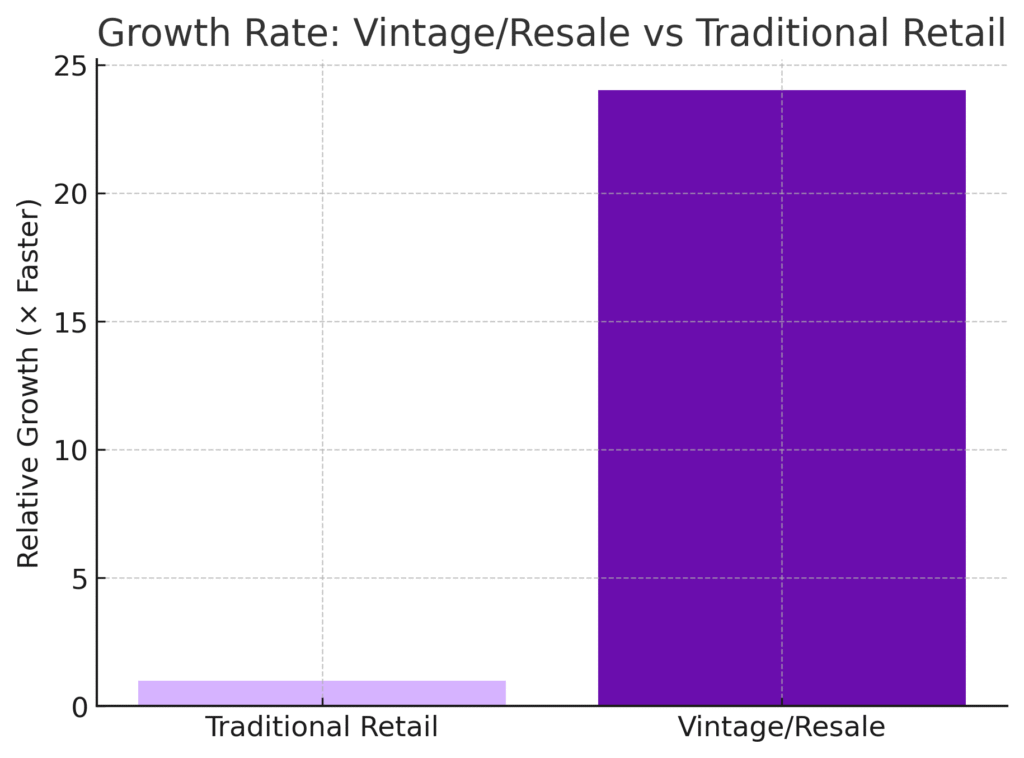
| 13 | Vintage/resale clothing is growing 24× faster than traditional retail. | FT Accelerator |
| 14 | 80% of Gen Z enjoy brands reviving old aesthetics; 74% like retro products. | Spotify / WPromote |
| 15 | Only 1-4% of ads each year use nostalgia as a key element. | Kantar |
| 16 | More than 50% of U.S. adults are likely to purchase when feeling nostalgic. | TipsonBlogging |
| 17 | Consumers will pay 10-15% more for nostalgic products. | TipsonBlogging |
| 18 | Searches for retro and vintage aesthetics show strong year-over-year growth. | NextAtlas |
| 19 | The vintage clothing market is forecasted to reach $51 billion soon. | FT Accelerator |
| 20 | 44% of luxury consumers bought second-hand in the past year; 46% are more interested now. | Vogue Business |
Top 20 Vintage Marketing Statistics
Vintage Marketing Statistics #1 – 75% Of Consumers Are More Likely To Buy When Ads Evoke Nostalgia
When advertising connects to people’s past experiences, it triggers an emotional response that often leads to stronger buying intent. Studies show that 75% of consumers are more likely to make a purchase when they feel nostalgic. This is because nostalgia creates a sense of comfort and trust, making a brand seem more relatable. Businesses that use vintage-inspired campaigns are therefore more likely to see higher conversions. Ultimately, nostalgia transforms ordinary marketing into meaningful storytelling that drives sales.
Vintage Marketing Statistics #2 – 1990s-Themed Content Boosts Engagement By 30%
Brands that incorporate 1990s-inspired themes into their marketing have seen engagement jump by about 30%. This surge is especially visible on platforms like TikTok and Instagram, where younger audiences enjoy exploring retro aesthetics. By reviving trends, visuals, and pop culture moments from the 90s, brands tap into shared cultural memories. This makes the content not only fun but also highly shareable, amplifying reach. As a result, nostalgic content creates stronger brand recall and community connection.
Vintage Marketing Statistics #3 – Nostalgic Content Generates 2× Higher Emotional Response
Content designed with a nostalgic theme has been found to trigger twice the emotional impact compared to standard advertising. When people feel emotionally connected, they are more likely to remember the message and associate it with positive feelings. Nostalgia works as a psychological anchor, linking the brand to cherished past experiences. This creates long-lasting brand loyalty beyond the immediate campaign. By doubling emotional engagement, nostalgic marketing ensures stronger and more meaningful customer relationships.
Vintage Marketing Statistics #4 – 68% Of Gen Z Respond Positively To Nostalgic Branding
Even though Gen Z didn’t live through many of the eras being referenced, 68% still feel positively toward nostalgic branding. They often consume retro-inspired content through social media filters, vintage fashion, and retro music trends. This shows that nostalgia isn’t limited to lived experiences—it can also be aspirational. By connecting to a retro vibe, brands attract Gen Z who want to explore cultures before their time. Nostalgia allows brands to bridge generational gaps and appeal across age groups.
Vintage Marketing Statistics #5 – Nostalgic Packaging Increases Sales By 16%
Packaging has a powerful impact on purchase decisions, and nostalgic packaging has been shown to lift sales by 16%. Retro fonts, colors, and designs remind people of the past and evoke comfort. Many shoppers associate nostalgic packaging with quality, authenticity, or childhood memories. This drives impulse purchases and brand loyalty. By tapping into design history, businesses strengthen customer trust and boost sales performance.
Vintage Marketing Statistics #6 – Nostalgia Hashtags On TikTok Grew 130% Year Over Year
TikTok has become a hub for nostalgic content, with hashtags like #nostalgia and #vintage growing 130% year over year. Short-form videos showcasing retro music, fashion, and trends drive massive engagement. This surge highlights how nostalgia thrives in visual storytelling formats. For brands, it’s an opportunity to join viral conversations and expand organic reach. Leveraging nostalgic themes on TikTok builds visibility among young and highly active audiences.
Vintage Marketing Statistics #7 – 70% Of Consumers Believe Nostalgia Makes Brands Feel More Authentic
Research shows that 70% of consumers think nostalgic marketing increases brand authenticity. Authenticity is key to building long-term trust in a brand. Nostalgia connects a company to cultural or personal milestones, making it feel more human. This emotional link makes people more receptive to messages and offers. By appearing authentic, brands gain credibility and customer loyalty.
Vintage Marketing Statistics #8 – Retro Product Re-Releases Increase Repeat Purchases By 24%
Reintroducing retro products is more than a fun strategy—it increases repeat purchases by 24%. Consumers often feel excited to relive past experiences through product re-releases. This creates a cycle of emotional attachment and brand loyalty. Limited-edition throwback items also spark urgency and exclusivity. As a result, retro re-releases not only revive interest but also generate lasting customer relationships.
Vintage Marketing Statistics #9 – 60% Of US Consumers Regularly Buy Vintage Items
Vintage products are not a niche market; 60% of US consumers regularly shop for them. This trend includes clothing, furniture, decor, and collectibles. For many, vintage shopping is linked to sustainability and reducing waste. Others view it as a way to stand out with unique items. Overall, vintage buying continues to grow as consumers seek authenticity and individuality.
Vintage Marketing Statistics #10 – Vintage Buyers Shop For Home Decor, Sentiment, Or Hobbies
Among vintage buyers, 23% purchase for home decor, 19% for sentimental value, and 17% as a hobby. These motivations show that vintage shopping goes beyond functionality—it fulfills emotional and lifestyle needs. Home decor buyers look for uniqueness, while sentimental buyers want to preserve memories. Hobbyists enjoy the thrill of discovery and collection. Brands can leverage these insights to market vintage items to different customer segments.
Vintage Marketing Statistics #11 – 72% Of 25-34s And 71% Of 35-44s Buy Vintage Regularly
Vintage shopping is especially popular among people aged 25-44, with more than 70% participating. Younger adults view vintage as trendy, while older ones may connect it to nostalgia. This cross-generational appeal strengthens the market’s long-term stability. It also shows that vintage marketing can target multiple demographics simultaneously. Businesses tapping into this age range can maximize their reach and relevance.
Vintage Marketing Statistics #12 – The Second-Hand Fashion Market Valued At $34 Billion In 2021
The second-hand fashion market reached $34 billion in 2021, showcasing explosive growth. This valuation highlights how vintage and resale fashion are moving into the mainstream. Shoppers are drawn by both affordability and sustainability. Luxury and fast fashion brands alike are exploring resale platforms. With this rapid expansion, vintage fashion is now a dominant force in the retail industry.
Vintage Marketing Statistics #13 – Vintage Clothing Grows 24× Faster Than Traditional Retail
Vintage and resale fashion are expanding at a rate 24 times faster than traditional retail. This growth reflects changing consumer attitudes toward sustainability and uniqueness. Unlike mass-market fashion, vintage offers exclusivity and individuality. The speed of growth shows the strong demand for second-hand items. Retailers who embrace vintage strategies can outpace traditional competitors.
Vintage Marketing Statistics #14 – 80% Of Gen Z Love Brands Reviving Old Aesthetics
According to research, 80% of Gen Z enjoy when brands bring back old aesthetics. Additionally, 74% love retro products and content inspired by the past. This highlights a craving for familiarity, even among digital-native generations. For Gen Z, nostalgia is not just about memory but also discovery. Brands can capture their attention by mixing retro design with modern relevance.
Vintage Marketing Statistics #15 – Only 1-4% Of Ads Use Nostalgia Each Year
Despite its effectiveness, only 1-4% of ads each year use nostalgia as a creative element. This creates a major opportunity for brands willing to differentiate themselves. Since nostalgic campaigns stand out, they are more memorable than generic advertising. The underutilization means fewer competitors tapping into this strategy. Businesses that embrace nostalgia gain an edge in crowded markets.
Vintage Marketing Statistics #16 – 50% Of US Adults Buy When Campaigns Feel Nostalgic
More than half of U.S. adults are likely to make a purchase when campaigns evoke nostalgia. This demonstrates nostalgia’s universal appeal across demographics. It builds a sense of familiarity that makes customers comfortable with a brand. Nostalgic campaigns often feel less sales-driven and more authentic. This is why they lead to higher conversion rates and lasting impact.
Vintage Marketing Statistics #17 – Consumers Pay 10-15% More For Nostalgic Products
Research shows that consumers are willing to pay up to 15% more for products that evoke nostalgia. The emotional value adds to the perceived worth of the product. People often associate nostalgic items with higher quality or uniqueness. Brands can use this insight to justify premium pricing. Nostalgia, therefore, boosts both demand and profitability.
Vintage Marketing Statistics #18 – Searches For Retro And Vintage Aesthetics Are Rising
Online searches for retro and vintage aesthetics continue to show strong year-over-year growth. This trend is evident in fashion, home decor, and lifestyle products. Digital consumers are increasingly looking for ways to stand out with unique styles. The rise of Pinterest, Instagram, and TikTok trends drives these searches further. Brands can leverage SEO and social media to capture this growing interest.
Vintage Marketing Statistics #19 – Vintage Clothing Market Forecasted To Reach $51 Billion
Forecasts predict the vintage clothing and resale market will soon reach $51 billion. This growth shows strong investor confidence in second-hand fashion. Marketplaces dedicated to resale are expanding globally. Consumers are also becoming more eco-conscious, driving demand. This ensures the vintage fashion market has a sustainable and profitable future.
Vintage Marketing Statistics #20 – 44% Of Luxury Consumers Bought Vintage Last Year
Around 44% of luxury consumers purchased vintage or second-hand in the past year. Additionally, 46% say their interest in resale fashion is growing. This signals a major shift even in high-end markets. Luxury buyers now see vintage as stylish and eco-friendly. For brands, this means resale partnerships and vintage drops can attract affluent audiences.
Why Vintage Marketing Still Matters
At the end of the day, these vintage marketing statistics highlight a truth we all feel—people don’t just buy products, they buy emotions and memories. Whether it’s the comfort of a retro commercial, the charm of vintage design, or the joy of rediscovering an old trend, nostalgia has a way of making brands feel more authentic and human. For me, what stands out most is how universal this effect is; Gen Z, Millennials, and even Boomers are all responding to the same emotional pull. This tells us that tapping into vintage themes isn’t just a strategy, it’s a bridge across generations. If your brand is looking to grow with authenticity, weaving nostalgia into your campaigns might just be the timeless key you’ve been searching for.
SOURCES
- https://www.wpromote.com/blog/digital-marketing/nostalgia-marketing
- https://tipsonblogging.com/2025/03/nostalgia-marketing-statistics/
- https://theteam.co.uk/blog/nostalgia-marketing-unlocking-the-trend-in-2025/
- https://worldcomgroup.com/insights/nostalgia-marketing-new-consumer-trends/
- https://www.accelerantresearch.com/articles/nostalgia-marketing-a-data-driven-approach-to-engaging-the-heart
- https://www.designrush.com/agency/digital-marketing/trends/nostalgia-marketing
- https://contentgrip.com/nostalgia-marketing-to-gen-z/
- https://recurpost.com/blog/digital-marketing-statistics/
- https://www.theguardian.com/business/2025/aug/25/food-brands-90s-nostalgia-walkers-nik-naks-bacardi
- https://www.acrelia.com/en/blog/post/examples-of-retro-email-marketing-campaigns
- https://www.ainvest.com/news/nostalgia-playbook-cultural-memory-fuels-brand-asset-2025-2509/
- https://www.acrelia.com/en/blog/post/examples-of-retro-email-marketing-campaigns
- https://www.accelerantresearch.com/articles/nostalgia-marketing-a-data-driven-approach-to-engaging-the-heart
- https://worldcomgroup.com/insights/nostalgia-marketing-new-consumer-trends/
- https://therobinreport.com/how-nostalgia-marketing-trends-became-the-new-cool/
- https://www.theteam.co.uk/blog/nostalgia-marketing-unlocking-the-trend-in-2025/
- https://www.designrush.com/agency/digital-marketing/trends/nostalgia-marketing
- https://contentgrip.com/nostalgia-marketing-to-gen-z/