




25 Sep TOP 20 VIRTUAL MARKETING CLIENT RELATIONSHIP STATISTICS 2025
As someone who has worked closely with clients in the digital space, I’ve come to realize how vital strong relationships are in shaping successful campaigns. That’s why I’m so excited to share these virtual marketing client relationship statistics with you today. They not only highlight the changing expectations of clients but also reveal the opportunities we have to strengthen trust, communication, and long-term loyalty in a virtual-first world. Partnering with the leading marketing agency in New York, I’ve seen firsthand how data-driven insights can transform the way businesses connect with their clients. In this post, I want to dive deeper into the numbers that matter most and show you how they can guide smarter strategies and more meaningful client interactions.
Top 20 Virtual Marketing Client Relationship Statistics 2025 (Editor’s Choice)
| Stat # | Title | Value | Year | Insight |
|---|---|---|---|---|
| 1 | CRM Boosts Sales | +29% | 2025 | CRM adoption increases sales performance significantly. |
| 2 | CRM ROI | $8.71 per $1 | 2025 | Every dollar invested in CRM yields high returns. |
| 3 | Forecast Accuracy | +42% | 2025 | CRM systems greatly improve client forecast accuracy. |
| 4 | Retention From CRM | 47% | 2025 | Almost half of CRM users see improved retention. |
| 5 | Retention Increase | +27% | 2025 | CRM tools enhance long-term client loyalty. |
| 6 | CRM Usage | 91% | 2025 | Most organizations with 11+ employees rely on CRM. |
| 7 | Cloud CRM | 87% | 2025 | Cloud-based solutions dominate CRM deployments. |
| 8 | Global CRM Market | $163B by 2030 | 2025 | CRM industry continues rapid worldwide expansion. |
| 9 | Buyers Pay More | 86% | 2025 | Consumers value personalized experiences over price. |
| 10 | Client Switching | 83% | 2025 | Clients may leave agencies within 6 months if value lacks. |
| 11 | Response Expectation | 79% in 24h | 2025 | Consumers expect timely online brand communication. |
| 12 | Positive Interaction | 63% | 2025 | Social interactions drive real-world business visits. |
| 13 | Social Media Acquisition | 83% | 2025 | Marketers rely on social media to gain new clients. |
| 14 | Video KPI Focus | 60% Engagement | 2025 | Engagement is the top metric for video marketing. |
| 15 | Bounce Rate | 37% | 2025 | High bounce rates show weak engagement online. |
| 16 | Conversion Rates | <10% | 2025 | Most landing pages convert less than one in ten visitors. |
| 17 | CX Leaders Growth | +80% | 2025 | Great CX drives faster revenue growth and loyalty. |
| 18 | Video Marketing Use | 91% | 2025 | Video remains a dominant digital relationship tool. |
| 19 | Silo Challenges | 77% | 2025 | Marketers struggle with alignment due to silos. |
| 20 | Agency Chemistry | #1 Factor | 2025 | Clients value chemistry over capabilities in partnerships. |
Top 20 Virtual Marketing Client Relationship Statistics 2025
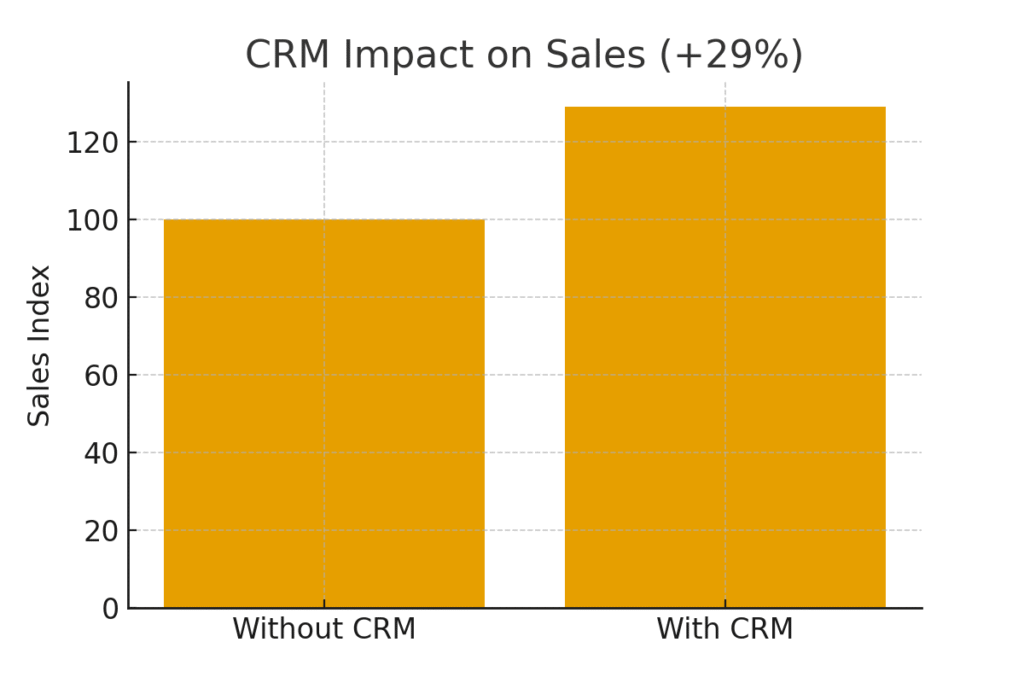
Virtual Marketing Client Relationship Statistics #1: CRM Boosts Sales by 29%
CRM systems play a crucial role in improving sales outcomes, with businesses reporting an average 29% increase in sales after adoption. This growth stems from better client tracking, improved communication, and streamlined workflows that help teams respond faster to customer needs. For virtual marketing relationships, this means more accurate insights into client expectations and behavior. Stronger sales performance also builds trust, as clients see real results backed by data. Ultimately, the statistic proves how essential CRM is for maintaining long-term client success.
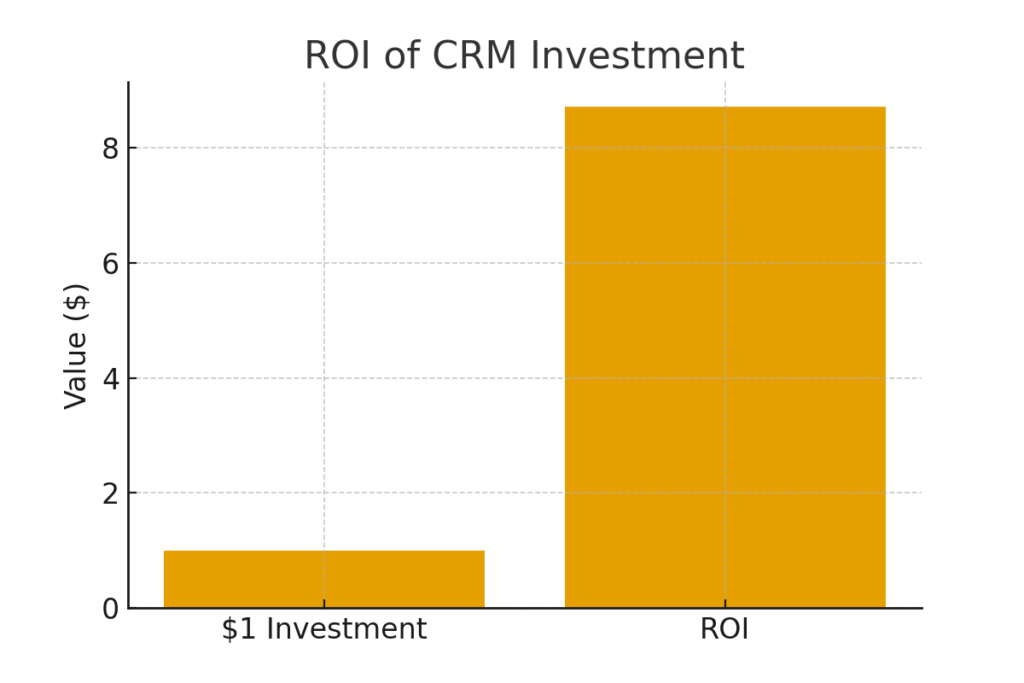
Virtual Marketing Client Relationship Statistics #2: ROI of CRM Averages $8.71 per $1 Spent
Investing in CRM software pays off significantly, with every $1 spent returning $8.71 on average. This high ROI comes from efficiency gains, automation, and enhanced client engagement. For virtual marketers, it shows that digital relationship tools are not a cost but a long-term investment in client satisfaction. Clients benefit from personalized outreach and proactive service, which deepens trust. This statistic highlights why strong client relationships depend on data-backed platforms.
Virtual Marketing Client Relationship Statistics #3: Forecast Accuracy Improves by 42% With CRM
Accurate forecasting is critical in managing campaigns and budgets, and CRM technology helps improve this by 42%. Virtual marketers can use these insights to better anticipate client needs and adapt strategies before problems arise. Improved predictability builds confidence, as clients appreciate knowing that their campaigns are on track. This proactive approach enhances trust in virtual relationships. Better forecasting is not just about numbers — it’s about reducing uncertainty and strengthening partnerships.
Virtual Marketing Client Relationship Statistics #4: 47% of CRM Users See Improved Retention
Nearly half of CRM users, about 47%, report a notable boost in client retention. In virtual settings, retention is especially critical since physical interactions are limited. By tracking preferences, communication patterns, and history, marketers can make clients feel valued and understood. Retained clients also generate repeat revenue, which increases long-term stability for both sides. This statistic reinforces how vital consistent engagement is in virtual client relationships.
Virtual Marketing Client Relationship Statistics #5: CRM Can Increase Retention by 27%
Effective CRM implementation boosts customer retention by 27%, showing how valuable these systems are in digital marketing. The ability to manage communication touchpoints ensures clients don’t feel ignored in virtual spaces. Personalized reminders and follow-ups make them feel connected, even without in-person interactions. Retained clients often become brand advocates, which can expand referrals. This highlights the power of virtual relationship tools in driving loyalty.
Virtual Marketing Client Relationship Statistics #6: 91% of Organizations With 11+ Employees Use CRM
Almost 91% of organizations with over 11 employees utilize CRM solutions. This demonstrates that digital client management is now standard practice, not an optional tool. For virtual marketers, this means clients expect businesses to have systems that track and optimize their experience. Without CRM, agencies risk falling behind in both competitiveness and client satisfaction. This stat underscores the importance of adopting tools that foster transparency and stronger virtual ties.
Virtual Marketing Client Relationship Statistics #7: Cloud-Based CRM Accounts for 87% of Deployments
Today, 87% of CRM systems are cloud-based, reflecting the shift to flexible, remote-access platforms. This makes it easier for virtual marketing teams to collaborate with clients in real time. Cloud systems eliminate data silos, enabling faster decision-making and stronger relationship management. Clients also enjoy better accessibility, as they can engage with updates from anywhere. This statistic proves that cloud solutions are the backbone of modern client relationships.
Virtual Marketing Client Relationship Statistics #8: Global CRM Market to Reach $163 Billion by 2030
The global CRM market is projected to reach $163.16 billion by 2030, growing rapidly from $73.40 billion in 2024. This surge highlights how much companies value client relationship tools. For virtual marketing, it confirms the expanding reliance on platforms that nurture digital client trust. The growth also signals rising competition, meaning agencies must refine their CRM use. This trend demonstrates how client relationships are shaping the future of business investment.
Virtual Marketing Client Relationship Statistics #9: 86% of Buyers Will Pay More for Better Experience
Research shows that 86% of buyers are willing to spend more if they receive a better, personalized experience. Virtual marketing relationships thrive on personalization, making this stat particularly important. When clients feel understood and valued, they prioritize quality over cost. Delivering tailored digital interactions can set agencies apart from competitors. This reinforces that experience, not just price, drives client loyalty.
Virtual Marketing Client Relationship Statistics #10: 83% of Clients May Switch Agencies Within 6 Months
A striking 83% of clients are likely to switch agencies within six months if expectations are not met. Dissatisfaction with value is one of the top reasons cited. For virtual marketers, this emphasizes the need to consistently demonstrate ROI and engagement. Building trust and proving worth through data helps prevent early client churn. This statistic reminds agencies that virtual relationships demand constant nurturing and proof of value.
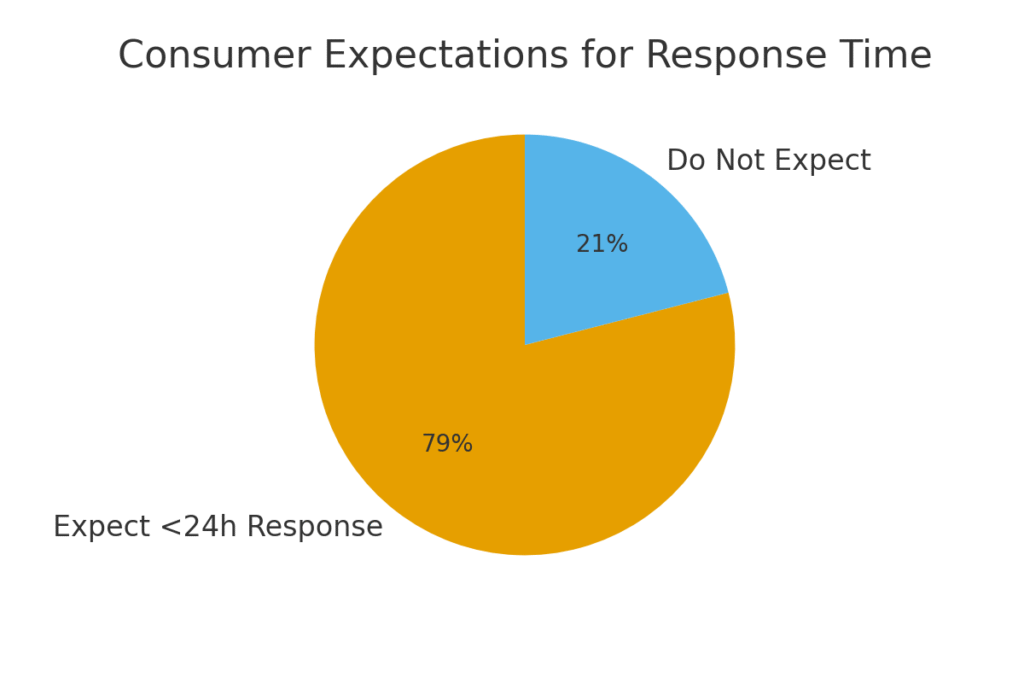
Virtual Marketing Client Relationship Statistics #11: 79% of Consumers Expect a 24-Hour Response
Nearly 79% of consumers expect businesses to respond to social media queries within 24 hours. In virtual relationships, timely responses are a sign of respect and attentiveness. Delays can damage trust, while quick engagement strengthens connection. Virtual marketers must invest in tools and processes that ensure rapid communication. Meeting this expectation builds reliability in digital relationships.
Virtual Marketing Client Relationship Statistics #12: 63% of Consumers Visit After Positive Social Interactions
63% of consumers plan to visit a business after experiencing a positive social media interaction. Virtual relationships extend beyond ads to conversations and engagement. A simple interaction online can lead to tangible client outcomes. This stat proves how crucial it is to treat social platforms as relationship-building channels. Positive digital communication drives both trust and action.
Virtual Marketing Client Relationship Statistics #13: 83% of Marketers Use Social Media as Main Acquisition Channel
About 83% of marketers now consider social media their primary customer acquisition tool. This shows the shift from traditional to digital-first relationship building. Virtual engagement allows agencies to connect with potential clients at scale. Effective use of platforms can convert engagement into long-term relationships. The stat highlights social media’s central role in virtual client relationships.
Virtual Marketing Client Relationship Statistics #14: 60% of Video Marketers Track Engagement as Key KPI
For 60% of video marketers, engagement rate is the most important performance metric. This indicates that client relationship strength is measured by interactions, not just reach. Engagement shows that audiences are connecting with content on a meaningful level. In virtual marketing, this reinforces the importance of creating engaging and valuable videos. Stronger engagement translates into better long-term client satisfaction.
Virtual Marketing Client Relationship Statistics #15: Average Website Bounce Rate is 37%
The average bounce rate across websites is 37%, reflecting the challenge of keeping digital visitors engaged. For virtual marketers, high bounce rates signal weak connections or poor experiences. Reducing bounce rates requires personalization, relevant messaging, and seamless design. Keeping visitors longer helps establish credibility and foster trust. This stat highlights how digital experience directly impacts client relationships.

Virtual Marketing Client Relationship Statistics #16: Two-Thirds of Marketers Report Conversion Rates Under 10%
Nearly two-thirds of marketers admit their landing page conversion rates fall below 10%. This shows a gap between engagement and actual results. For client relationships, it emphasizes the need for optimized messaging and strong calls to action. Virtual marketers must bridge the gap between visibility and value delivery. This stat underlines the importance of improving virtual experiences to meet client expectations.
Virtual Marketing Client Relationship Statistics #17: CX Leaders Grow Revenue 80% Faster
Companies that lead in customer experience grow 80% faster than their competitors. In virtual marketing, CX excellence directly influences client trust and long-term partnerships. Better experiences ensure clients feel valued and supported. This growth advantage proves that investing in client relationships is financially rewarding. Virtual marketers should focus on CX as both a loyalty driver and growth strategy.
Virtual Marketing Client Relationship Statistics #18: 91% of Businesses Use Video Marketing
A massive 91% of businesses report using video as part of their marketing strategy. This aligns with clients’ preferences for engaging, visual content. Video builds stronger connections by making brands feel more human and relatable. In virtual marketing relationships, videos bridge the gap left by the lack of face-to-face interaction. This statistic shows video’s critical role in digital relationship-building.
Virtual Marketing Client Relationship Statistics #19: 77% of Marketers Struggle With Siloed Strategies
77% of marketers say organizational silos make it difficult to align on digital marketing strategies. This challenge can weaken virtual client relationships, as fragmented communication creates confusion. For agencies, breaking down silos ensures clients receive consistent messaging. Collaboration across departments leads to more seamless virtual interactions. This stat reminds marketers to prioritize integration for stronger relationships.
Virtual Marketing Client Relationship Statistics #20: Chemistry Is #1 Factor in Agency Choice
When choosing a new agency, chemistry is ranked as the #1 factor for clients, even above capability. In virtual relationships, chemistry is built through communication style, transparency, and trust. Clients want to feel aligned with their partners beyond the services provided. Building rapport is therefore as important as delivering results. This stat reinforces that human connection drives long-term virtual partnerships.
Building Trust in a Virtual World
Looking through these virtual marketing client relationship statistics, one thing becomes crystal clear—relationships drive results. For me, it’s never just about the campaigns or the metrics; it’s about understanding what clients truly value and ensuring they feel supported every step of the way. The digital landscape can sometimes feel impersonal, but when we lead with empathy, transparency, and consistent communication, virtual connections can be just as strong as face-to-face ones. I believe these insights give us the roadmap to not only meet client expectations but to exceed them in ways that foster loyalty and long-term growth. And as I continue working alongside the leading marketing agency in New York, I’m inspired to put these lessons into action and help brands build trust that lasts.
SOURCES
https://onramp.us/blog/customer-experience-statistics
https://www.superoffice.com/blog/customer-experience-statistics/
https://www.sciencedirect.com/science/article/pii/S0148296325001328
https://www.digitalthirdcoast.com/blog/digital-marketing-statistics
https://www.mediavalet.com/blog/digital-marketing-statistics
https://www.on24.com/blog/digital-customer-engagement-building-customer-relationships/
https://www.flowlu.com/blog/crm/crm-statistics/
https://www.zendesk.com/blog/customer-experience-statistics/
https://www.nextiva.com/blog/customer-service-statistics.html
https://www.sciencedirect.com/science/article/pii/S2667096823000496
https://professional.dce.harvard.edu/blog/ai-will-shape-the-future-of-marketing/
https://pmc.ncbi.nlm.nih.gov/articles/PMC10214155/
https://pmc.ncbi.nlm.nih.gov/articles/PMC7368412/
https://www.tandfonline.com/doi/full/10.1080/15256480.2024.2346142