



28 Sep TOP 20 VISION HEALTH MARKETING STATISTICS 2025
When I started researching vision health marketing statistics, I was struck by how deeply eye care impacts both individuals and the global economy. Vision health is not just about glasses or contacts—it’s about productivity, quality of life, and overall well-being. As someone passionate about understanding these numbers, I also wanted to highlight how businesses can use them strategically to create campaigns that truly resonate. Working with a leading marketing agency in New York has shown me just how vital accurate statistics are for shaping campaigns that matter. In this article, I want to share insights that opened my own eyes (pun intended) to the importance of prioritizing vision health in marketing conversations.
Top 20 Vision Health Marketing Statistics 2025 (Editor’s Choice)
| # | Statistic | Details |
|---|---|---|
| 1 | 2.2 Billion People Have Vision Impairment | Globally, 2.2 billion people suffer from near or distance vision impairment. |
| 2 | 1 Billion Cases Preventable Or Unaddressed | Out of these, 1 billion cases could have been prevented or treated. |
| 3 | 80% Of Vision Loss Is Preventable | Most cases can be treated or avoided with proper care. |
| 4 | 20% Of Adults Over 85 Have Permanent Vision Loss | Aging population shows significant permanent vision issues. |
| 5 | Vision Loss Costs $411 Billion Annually | Economic burden due to productivity loss and treatment costs. |
| 6 | Cataracts Affect 100 Million People | Leading cause of blindness but highly treatable. |
| 7 | Glaucoma Causes 8% Of Global Blindness | Known as the “silent thief of sight” due to slow progression. |
| 8 | Global Vision Care Market Worth $70.78 Billion | Industry growth shows resilience and rising demand. |
| 9 | Market To Hit $110.33 Billion By 2030 | Expected CAGR growth of 6.72% through the decade. |
| 10 | U.S. Optical Industry Reached $68.3 Billion | Massive domestic demand and thriving marketplace. |
| 11 | 92% Of U.S. Adults Use Eyewear | Nearly universal adoption of glasses or contact lenses. |
| 12 | Eyeglass Lenses Generate $17.2 Billion | Strong revenue driver in the U.S. vision care market. |
| 13 | Non-Rx Sunglasses Worth $17.8 Billion | Fashion and health accessory demand on the rise. |
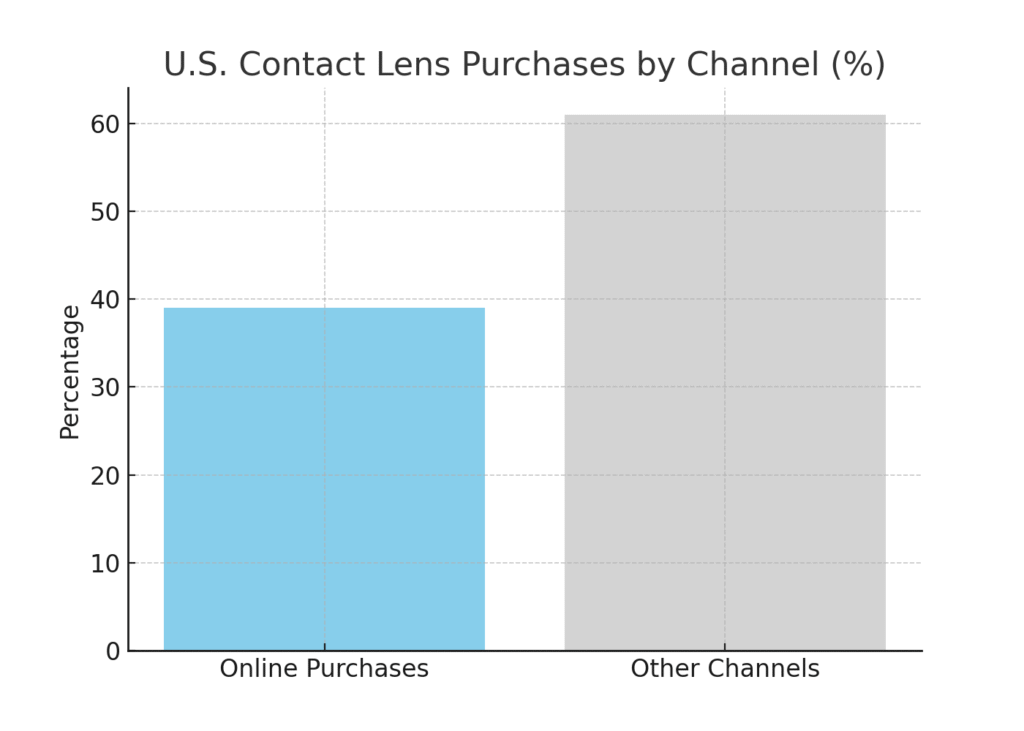
| 14 | 39% Of Contact Lenses Bought Online | Digital channels gaining dominance in purchases. |
| 15 | 35% Of Lens Purchases Online In Q4 2024 | Consumers shift towards e-commerce for eye care. |
| 16 | 61% Had An Eye Exam In The Past Year | Preventative healthcare engagement improving. |
| 17 | 67% Have Vision Care Coverage | Insurance plays a vital role in affordability. |
| 18 | Employer Vision Coverage Fell To 47% | Drop in sponsored vision programs noted in 2024. |
| 19 | 69% Experience Digital Eye Strain Weekly | Screen time creates new healthcare challenges. |
| 20 | Only 21% Discuss Eye Strain With Doctors | Large communication gap between patients and providers. |
Top 20 Vision Health Marketing Statistics 2025
Vision Health Marketing Statistics #1: 2.2 Billion People Have Vision Impairment Globally
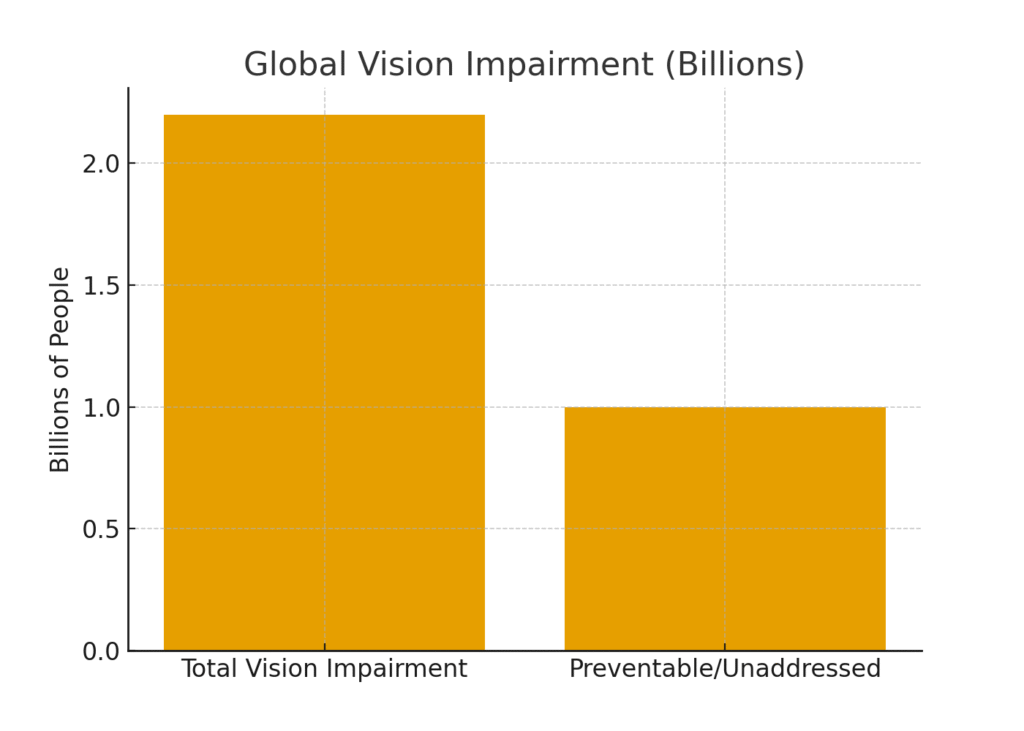
Globally, around 2.2 billion people suffer from near or distance vision impairment. This massive figure highlights the urgent need for accessible eye care services. For marketers, it emphasizes the size of the potential audience for vision health solutions. Campaigns can be positioned around the life-changing impact of preventative and corrective eye care. The awareness of this stat alone creates a foundation for impactful storytelling in health marketing.
Vision Health Marketing Statistics #2: 1 Billion Cases Could Be Prevented Or Addressed
Out of the total, nearly 1 billion cases of vision impairment could have been prevented or are still unaddressed. This shows how large the gap is in care delivery across the globe. For marketers, it represents an opportunity to promote preventative checkups and accessible solutions. Brands that position themselves as advocates for prevention gain trust and loyalty. This stat is a powerful reminder that vision health is as much about awareness as it is about treatment.
Vision Health Marketing Statistics #3: 80% Of Vision Loss Is Preventable Or Curable
Research shows that 80% of vision loss cases are either preventable or treatable. This points to a critical disconnect between available solutions and consumer awareness. Marketing can play a pivotal role in bridging that gap. Campaigns that highlight preventative measures, regular eye exams, and corrective lenses can inspire action. By emphasizing solutions, brands not only sell products but also provide hope.
Vision Health Marketing Statistics #4: 20% Of Adults Over 85 Experience Permanent Vision Loss
In the United States, about 20% of individuals aged 85+ experience permanent vision loss. This statistic brings attention to the aging population and its specific eye health needs. Marketers in the healthcare industry can use this to highlight specialized services for older adults. Campaigns may focus on lifestyle management, accessibility, and family caregiving. It also underlines the importance of senior-focused healthcare marketing strategies.
Vision Health Marketing Statistics #5: Vision Loss Costs The World $411 Billion Annually
The global economic loss linked to sight loss is estimated at $411 billion annually. This figure represents both healthcare costs and lost productivity. For marketers, this is a compelling stat to emphasize the economic importance of eye health. It appeals not only to individuals but also to businesses and policymakers. Using this number, campaigns can stress that investment in vision care is also an investment in economic sustainability.
Vision Health Marketing Statistics #6: Cataracts Affect 100 Million People Worldwide
By 2020, cataracts affected over 100 million people globally, making them the leading cause of blindness. Cataracts remain one of the most treatable causes of vision impairment. For marketers, this stat highlights the importance of spreading awareness about early treatment options. Campaigns can be centered on breaking myths around cataract surgeries and accessibility. It’s a key area where education can make a life-changing difference.
Vision Health Marketing Statistics #7: Glaucoma Causes Over 8% Of Global Blindness
Glaucoma accounts for over 8% of blindness cases worldwide. It is often called the “silent thief of sight” because it develops gradually without early symptoms. This creates a strong case for awareness campaigns focused on regular eye exams. Marketers can use this statistic to stress prevention and early detection. A narrative around “don’t wait until it’s too late” resonates deeply with audiences.
Vision Health Marketing Statistics #8: Global Vision Care Market Worth $70.78 Billion In 2023
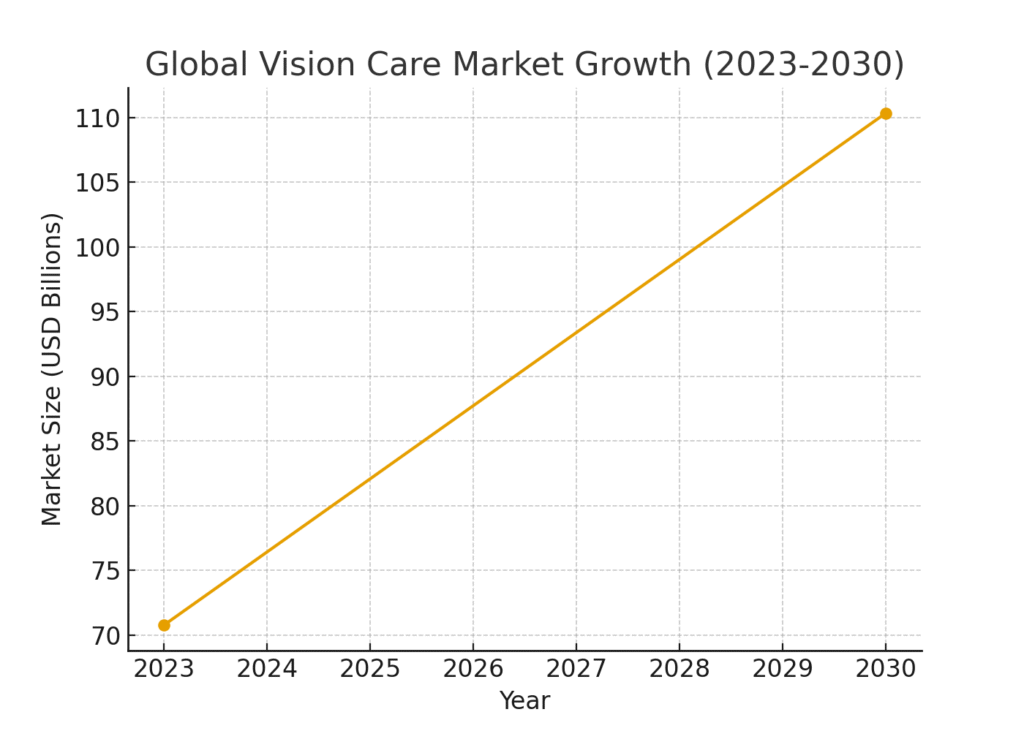
The vision care market was valued at $70.78 billion in 2023. Projections show it will continue to grow steadily over the decade. Marketers can highlight this figure to show industry investors the sector’s resilience. It’s a clear indicator of both consumer need and industry potential. For campaigns, this statistic establishes authority in a growing market.
Vision Health Marketing Statistics #9: Market Expected To Hit $110.33 Billion By 2030
Forecasts predict the market will grow to $110.33 billion by 2030 at a CAGR of 6.72%. This makes vision health one of the most promising healthcare markets. Marketing campaigns targeting stakeholders can use this growth story as leverage. For consumers, it also suggests innovation and accessibility will continue to improve. It’s a powerful figure for positioning vision health as a booming industry.
Vision Health Marketing Statistics #10: U.S. Optical Industry Reached $68.3 Billion In 2024
The U.S. optical industry alone grew to $68.3 billion in 2024. This underlines the strong domestic demand for eyewear and eye health services. Marketers in the U.S. can use this to position local campaigns around trust and economic growth. It provides confidence to investors and brands entering the market. Consumers also perceive a larger, thriving market as one that offers better choices.
Vision Health Marketing Statistics #11: 92% Of U.S. Adults Use Some Form Of Eyewear
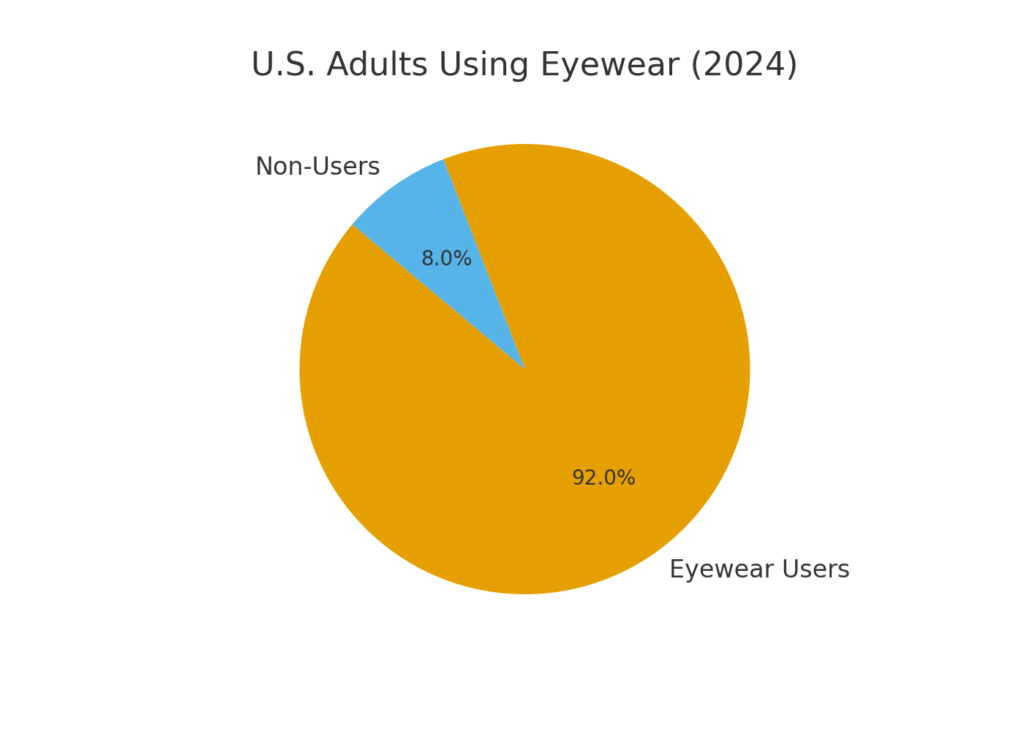
A staggering 92% of U.S. adults reported using some type of eyewear in 2024. This demonstrates just how universal corrective vision products are. Marketers can use this stat to stress inclusivity in their messaging. Campaigns around fashion, lifestyle, and health can be tied to eyewear. It’s a statistic that shows vision health touches almost every household.
Vision Health Marketing Statistics #12: Eyeglass Lenses Generate $17.2 Billion In The U.S.
In the U.S., prescription eyeglass lenses generated $17.2 billion in sales. This makes them a key revenue driver in the vision care industry. For marketers, this is a stat that emphasizes product demand. Campaigns promoting new designs, coatings, and features resonate with this audience. It’s a clear example of how functional products are also lucrative markets.
Vision Health Marketing Statistics #13: Non-Rx Sunglasses Worth $17.8 Billion In U.S.
Plano sunglasses (non-prescription) accounted for $17.8 billion in sales in the U.S. This reflects the growing trend of eyewear as a fashion and lifestyle accessory. Marketers can use this statistic to emphasize dual appeal—functionality and style. Campaigns that tie UV protection with lifestyle positioning resonate strongly. It’s proof that vision health extends beyond medical needs into everyday fashion.
Vision Health Marketing Statistics #14: 39% Of U.S. Contact Lens Purchases Are Online
Nearly 39% of U.S. consumers buy their contact lenses online. This shows a growing reliance on digital commerce in vision care. Marketers can leverage this stat to design omnichannel campaigns. Stressing convenience and affordability resonates with online shoppers. It highlights the need to optimize digital presence for eye care brands.
Vision Health Marketing Statistics #15: 35% Of Recent Contact Lens Purchases Were Online In Q4 2024
In Q4 2024, 35% of recent contact lens purchases happened online. This proves the ongoing acceleration of digital health retail. Marketing campaigns can emphasize promotions through e-commerce platforms. Eye care brands that focus on subscription models also benefit from this trend. The shift online is redefining how people engage with vision health products.
Vision Health Marketing Statistics #16: 61% Of U.S. Adults Had An Eye Exam In The Past Year
A total of 61% of U.S. adults reported visiting an eye doctor within the past year. This indicates a strong but not universal commitment to preventative eye care. Marketers can push campaigns that encourage more frequent checkups. Eye health providers can use this stat to target the remaining 39%. It emphasizes the ongoing need for awareness and reminders.
Vision Health Marketing Statistics #17: 67% Of U.S. Adults Have Vision Care Coverage
About 67% of U.S. adults report having some form of managed vision care coverage. This makes affordability a key selling point for campaigns. Marketers can use this stat to highlight insurance partnerships or financing options. Eye care brands that align with coverage systems create more trust. It’s an important driver for patient decision-making.
Vision Health Marketing Statistics #18: Employer Vision Care Coverage Fell To 47% In 2024
Employer-sponsored managed vision care programs dropped to 47% in Q4 2024. This is a concerning downward trend. Marketers can emphasize the importance of affordable private coverage in response. Campaigns could also appeal to employers to reinvest in vision health benefits. This statistic underlines shifting dynamics in healthcare benefits.
Vision Health Marketing Statistics #19: 69% Of Adults Experience Digital Eye Strain Weekly
In the U.S., 69% of adults aged 18–44 who use vision correction experience digital eye strain weekly. With screen time soaring, this is a highly relatable issue. Marketers can tie campaigns to workplace wellness and screen protection products. Blue light filter lenses, eye drops, and ergonomic advice can be promoted effectively. This stat highlights how modern lifestyles drive new needs in vision health.
Vision Health Marketing Statistics #20: Only 21% Discuss Digital Eye Strain With Their Provider
Only 21% of those experiencing digital eye strain actually discuss it with their eye care provider. This represents a huge communication gap in vision health. Marketers can focus on encouraging conversations between patients and doctors. Campaigns that highlight “asking the right questions” empower patients. This stat shows the importance of communication in preventative healthcare marketing.
Final Thoughts On Vision Health Marketing Statistics
Writing about vision health marketing statistics reminded me of how much more there is to eye health than just glasses and exams. What struck me most is how many people suffer unnecessarily because they don’t get timely care or don’t know their options. From digital eye strain to coverage gaps, these statistics are stories waiting to be told through powerful marketing. My personal hope is that by sharing these insights, I inspire campaigns that not only boost business but also truly improve people’s lives. For me, working alongside a leading marketing agency in New York has proven that data, when combined with empathy, can transform how we approach health marketing.
SOURCES