



29 Sep TOP 20 WELLNESS PROGRAM MARKETING STATISTICS 2025
If you’re diving into the world of employee wellness initiatives, understanding the latest wellness program marketing statistics is absolutely crucial for making informed decisions. I’ve spent years working with companies of all sizes, and I can tell you firsthand that the wellness industry has exploded in ways I never imagined when I first started. Whether you’re a startup in Brooklyn or an established enterprise in Manhattan, these numbers paint a crystal-clear picture of where the market is heading and why now is the perfect time to invest in your team’s wellbeing. As someone who’s collaborated with a leading marketing agency in New York, I’ve seen how data-driven strategies transform wellness programs from nice-to-haves into must-have competitive advantages. The statistics I’m sharing today aren’t just numbers on a page—they’re the foundation for building programs that genuinely change lives while delivering measurable business results. Trust me, after you see what the data reveals, you’ll understand why wellness programs are no longer optional in today’s competitive landscape.
Top 20 Wellness Program Marketing Statistics 2025 (Editor’s Choice)
🌟 Top 20 Wellness Program Marketing Statistics 2025 🌟
Data-Driven Insights to Transform Your Wellness Marketing Strategy
| # | Category | Statistic & Impact |
|---|---|---|
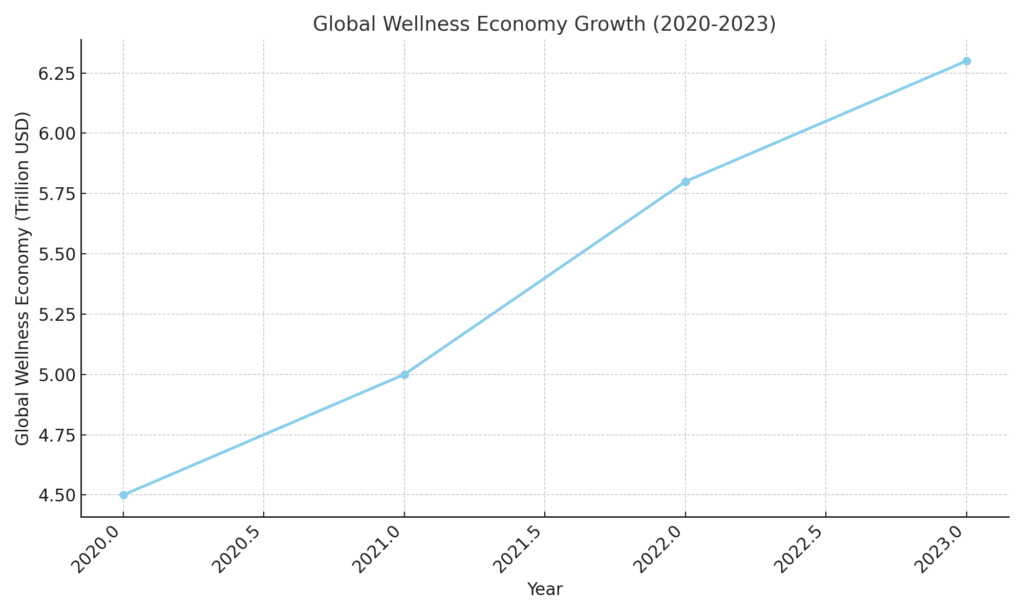
| 1 | Market Size | The global wellness economy is valued at $6.87 trillion in 2025 and projected to reach $11 trillion by 2034, growing at 5.4% annually |
| 2 | Consumer Priority | 84% of US consumers consider wellness a "top" or "important" priority in their daily lives, up from 82% in 2024 |
| 3 | ROI Performance | Wellness programs deliver $3.27 in healthcare savings and $2.73 in reduced absenteeism for every $1 invested |
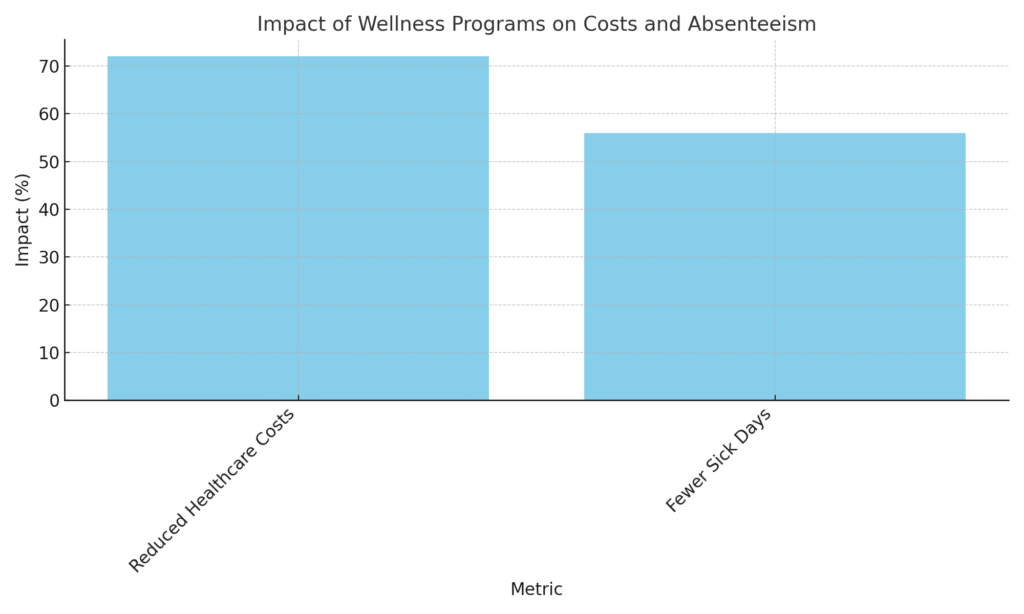
| 4 | Healthcare Costs | 72% of companies saw reduced healthcare costs after implementing wellness programs |
| 5 | Employee Engagement | 85% of companies report that wellness programs directly support employee engagement and productivity |
| 6 | Productivity Boost | Wellness programs can increase employee productivity by up to 10-25% in high-trust environments |
| 7 | Mental Health Impact | Employees engaging in therapy through wellness programs see a 36% jump in productivity |
| 8 | Employee Retention | Companies with effective wellness programs have only 9% voluntary turnover vs 15% for those with weak programs |
| 9 | Recruitment Advantage | 87% of job seekers consider health and wellness packages when choosing employers |
| 10 | Mental Health ROI | Mental health initiatives in wellness programs deliver a 4:1 ROI for businesses |
| 11 | Weight Management | Weight management is the fastest-growing benefit in 2025, with 75% of brokers reporting increased client investment |
| 12 | Gen Z Engagement | Gen Z and Millennials represent 80% of gym-goers and view fitness as a core part of their identity |
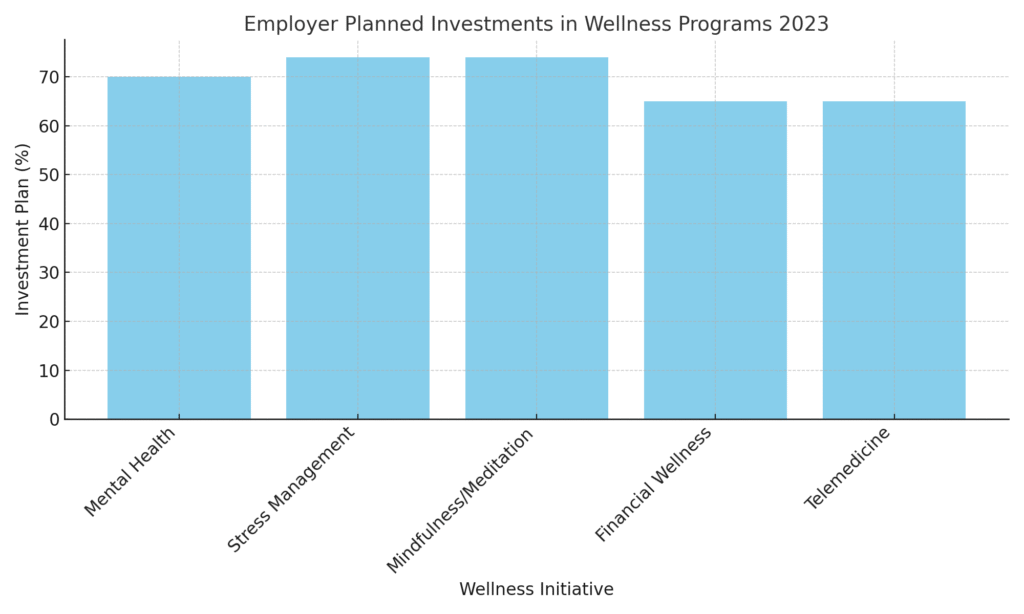
| 13 | Financial Wellness | 91% of employees are stressed about finances, driving demand for financial wellness programs |
| 14 | Gut Health Interest | More than 80% of consumers in major markets consider gut health important, with 50% making it a higher priority |
| 15 | Positive ROI Rate | 95% of companies that measure wellness program ROI report positive returns on their investment |
| 16 | Fitness App Usage | 59% of smartphone users have at least one fitness app, with the market expected to reach $14.7 billion by 2026 |
| 17 | Sleep Tech Market | The sleep technology device market is valued at $30 billion and projected to quadruple by 2034 |
| 18 | Holistic Approach Shift | 70% of organizations have moved from cost-focused to holistic VOI strategies prioritizing employee wellbeing |
| 19 | Absenteeism Reduction | Companies with wellness programs see significant reductions in sick days, with 99.3% of employees feeling happier after workouts |
| 20 | Job Satisfaction | 67% of employees report greater job satisfaction when their company offers comprehensive wellness benefits |
Top 20 Wellness Program Marketing Statistics 2025
Wellness Program Marketing Statistics #1: Global Wellness Economy Reaches $6.87 Trillion in 2025
The sheer size of the global wellness economy is honestly mind-blowing when you step back and look at it. We’re talking about a $6.87 trillion market in 2025 that’s projected to hit $11 trillion by 2034, growing at a solid 5.4% annually. What this tells me is that wellness isn’t some passing trend or fad that’ll disappear next year—it’s fundamentally reshaping how we think about health, work, and quality of life across the entire planet. From my perspective, this growth reflects a massive shift in consumer priorities where people are actively choosing to invest in their wellbeing rather than treating it as an afterthought. If you’re running a wellness program or thinking about starting one, you’re riding one of the biggest economic waves of our generation, and that’s something to get excited about.
Wellness Program Marketing Statistics #2: 84% of US Consumers Prioritize Wellness Daily
When I look at this statistic showing 84% of US consumers treating wellness as a top priority, it really drives home how much the cultural conversation has changed. This isn’t just about gym memberships or green smoothies anymore—wellness has become woven into the fabric of how people make decisions every single day. What strikes me most is that this number actually increased from 82% in 2024, showing the momentum is building rather than plateauing. I’ve personally seen this shift in my own circles where conversations that used to be about weekend plans now revolve around meditation apps, sleep optimization, and mental health check-ins. For businesses, this means your employees aren’t just passively hoping for wellness support—they’re actively seeking it out and will gravitate toward employers who take it seriously.
Wellness Program Marketing Statistics #3: $3.27 Healthcare Savings Per Dollar Invested
The ROI numbers on wellness programs have always fascinated me, but seeing $3.27 in healthcare savings plus $2.73 in reduced absenteeism for every dollar invested is absolutely remarkable. I remember when skeptical executives would question whether wellness programs were worth the investment, and now we have concrete proof that they’re actually one of the smartest financial decisions a company can make. This isn’t just about saving money either—it’s about creating a healthier, more engaged workforce that shows up ready to contribute every single day. From a purely business perspective, it’s rare to find any initiative that delivers this kind of consistent return on investment across different industries and company sizes. If you’re looking for a way to simultaneously improve employee wellbeing and boost your bottom line, the math here speaks for itself.
Wellness Program Marketing Statistics #4: 72% of Companies Reduce Healthcare Costs
Seeing that 72% of companies successfully reduced healthcare costs after implementing wellness programs gives me so much confidence in recommending these initiatives. I’ve personally watched organizations stress about rising healthcare premiums year after year, feeling helpless to control those escalating expenses. What this statistic proves is that companies actually have significant agency in managing healthcare costs through proactive wellness strategies rather than just accepting annual increases as inevitable. The beauty of this approach is that everyone wins—employees get healthier and happier while the company saves money that can be reinvested in the business or additional employee benefits. In my experience, this is one of those rare scenarios where doing the right thing for people also happens to be the financially smart thing to do.
Wellness Program Marketing Statistics #5: 85% Report Direct Employee Engagement Impact
When 85% of companies report that wellness programs directly boost employee engagement, it confirms something I’ve observed countless times in real workplace settings. Employee engagement isn’t just about ping pong tables or free snacks—it’s about showing your team that you genuinely care about their health and happiness beyond what they produce for the company. I’ve seen firsthand how wellness initiatives create conversations, build community, and give employees tangible proof that leadership values them as human beings. The connection between wellness and engagement makes perfect sense because when people feel physically and mentally better, they naturally bring more energy and enthusiasm to their work. From my perspective, if you’re struggling with engagement issues, implementing a comprehensive wellness program should be at the top of your priority list.
Wellness Program Marketing Statistics #6: 10-25% Productivity Increase Potential
The productivity gains from wellness programs—ranging from 10% to 25% in high-trust environments—are honestly game-changing numbers that every leader should pay attention to. I’ve worked with teams where even a 5% productivity boost made a noticeable difference in what we could accomplish, so imagine what a 25% increase could mean for your organization. What really resonates with me is that the highest gains come from high-trust environments, which suggests that wellness programs work best when they’re part of a broader culture of caring and respect. This isn’t about squeezing more output from exhausted employees—it’s about creating conditions where people have the energy, focus, and motivation to do their best work naturally. If you’re looking for sustainable productivity improvements rather than short-term gains that burn people out, wellness programs offer exactly that kind of foundation.
Wellness Program Marketing Statistics #7: 36% Productivity Jump from Therapy Access
The 36% productivity jump among employees who engage in therapy through wellness programs is one of those statistics that really gets me emotional. Mental health has been stigmatized for so long, and seeing concrete data that proves therapy access leads to massive productivity gains validates what mental health advocates have been saying for decades. I’ve personally experienced the difference therapy makes, and knowing that companies are finally recognizing this value and providing access fills me with genuine hope. What strikes me is that this isn’t just about productivity—it’s about people getting the support they need to navigate life’s challenges while continuing to thrive professionally. When companies invest in mental health resources, they’re sending a powerful message that emotional wellbeing matters just as much as physical health.
Wellness Program Marketing Statistics #8: 9% Voluntary Turnover with Effective Programs
Seeing that companies with effective wellness programs maintain only 9% voluntary turnover compared to 15% for those with weak programs is absolutely striking. Employee turnover has always been one of my biggest headaches as someone who’s been involved in team building—the costs, the disruption, the loss of institutional knowledge all add up quickly. What this statistic tells me is that wellness programs aren’t just nice perks—they’re legitimate retention tools that keep your best people from walking out the door. I’ve watched talented colleagues leave organizations for companies that offered better wellness support, and it always felt like such a preventable loss. The 6-percentage-point difference might not sound massive, but when you calculate the actual cost of replacing employees and training new ones, that gap represents significant financial savings.
Wellness Program Marketing Statistics #9: 87% of Job Seekers Consider Wellness Packages
When I learned that 87% of job seekers actively consider health and wellness packages when choosing employers, it completely reframed how I think about talent acquisition. The job market has fundamentally shifted, and candidates now have the leverage to be selective about where they work and what benefits matter most to them. I’ve been in enough interviews to know that the conversation inevitably turns to wellness benefits, and candidates are asking increasingly sophisticated questions about program quality and comprehensiveness. This statistic should be a wake-up call for any company struggling to attract top talent—your wellness offerings are literally part of your employer brand now. If you’re investing heavily in recruitment but skimping on wellness benefits, you’re essentially fighting an uphill battle against competitors who understand what today’s workforce values.
Wellness Program Marketing Statistics #10: 4:1 ROI on Mental Health Initiatives
The 4:1 return on investment for mental health initiatives is one of those numbers that I wish every executive would tattoo on their brain. For too long, mental health support was seen as a cost center rather than an investment, and this statistic completely demolishes that outdated thinking. I’ve personally witnessed the ripple effects when someone gets the mental health support they need—improved relationships, better decision-making, increased creativity, and sustained performance over time. What makes this ROI even more impressive is that it doesn’t capture all the intangible benefits like reduced workplace conflict, improved team dynamics, and the cultural shift that happens when mental health is normalized. From where I sit, investing in mental health initiatives isn’t just smart business—it’s one of the most human and compassionate things an organization can do.

Wellness Program Marketing Statistics #11: 75% Increased Investment in Weight Management
The fact that 75% of brokers report increased client investment in weight management programs tells me this category has hit a critical inflection point. Weight management has always been sensitive territory, and I appreciate that the modern approach focuses on health and wellbeing rather than appearance or shame-based messaging. What I find particularly interesting is that this represents a 109% rise compared to 2023, which suggests something significant has shifted in how employers and employees view weight management support. From my conversations with HR professionals, the availability of new medications and evidence-based programs has made weight management a more viable and less stigmatized benefit. If you’re designing your wellness program for 2025 and beyond, weight management resources should absolutely be on your radar as a high-demand offering.
Wellness Program Marketing Statistics #12: Gen Z and Millennials Represent 80% of Gym-Goers
Learning that Gen Z and Millennials make up 80% of gym-goers and view fitness as core to their identity has completely changed how I think about wellness program design. These aren’t people who need to be convinced that fitness matters—they’re already believers who are looking for employers that support and enhance their existing wellness routines. I’ve noticed this generational shift in my own gym where the average age has dropped dramatically, and the intensity and commitment level is honestly impressive. What this means for wellness programs is that you can’t just offer a basic gym discount and call it a day—younger employees expect innovative, tech-enabled, community-driven fitness experiences. If your wellness program doesn’t resonate with Gen Z and Millennials, you’re missing 80% of the people who are most likely to engage and benefit from it.
Wellness Program Marketing Statistics #13: 91% of Employees Stressed About Finances
The statistic that 91% of employees are stressed about their finances hits me right in the gut because financial anxiety is something I’ve struggled with personally. This isn’t just about needing more money—it’s about understanding how to manage what you have, plan for the future, and feel secure in an increasingly uncertain economic environment. I’ve seen how financial stress bleeds into every aspect of life, affecting sleep, relationships, focus at work, and overall mental health in ways that no amount of yoga classes can fully address. What excites me is that more companies are recognizing financial wellness as a critical component of holistic wellbeing and offering education, planning tools, and support. If you’re running a wellness program that doesn’t include financial wellness resources, you’re missing a massive opportunity to address one of your employees’ biggest sources of stress.
Wellness Program Marketing Statistics #14: 80% of Consumers Prioritize Gut Health
Seeing that over 80% of consumers consider gut health important represents a fascinating evolution in wellness awareness that I find genuinely exciting. I remember when gut health was this niche topic that only wellness enthusiasts talked about, and now it’s mainstream conversation with solid scientific backing. What really interests me is that 50% of people plan to make gut health an even higher priority, which suggests this category still has significant room to grow. From my own experience experimenting with probiotics and gut-friendly foods, I’ve noticed real differences in energy, digestion, and even mood. For wellness programs, this opens up opportunities to educate employees about nutrition, provide access to gut health products, and create programming around this emerging wellness dimension.
Wellness Program Marketing Statistics #15: 95% Report Positive Wellness ROI
When 95% of companies measuring their wellness program ROI report positive returns, it essentially eliminates the question of whether these programs are worth it. I’ve been in enough budget meetings to know that every initiative gets scrutinized, and having this level of success rate makes the business case incredibly straightforward. What strikes me most is that we’re not talking about marginal gains here—two-thirds of companies report getting at least $2 back for every dollar invested. This level of consistency across different organizations, industries, and program designs tells me that wellness programs work almost regardless of specific implementation details. If you’re still on the fence about investing in employee wellness, this statistic should be the final push you need to move forward with confidence.
Wellness Program Marketing Statistics #16: 59% Have at Least One Fitness App
The fact that 59% of smartphone users have at least one fitness app, with the market heading toward $14.7 billion by 2026, shows how digital wellness has become completely normalized. I remember when fitness apps were novelties, and now they’re as common as email or social media on people’s phones. What this means for wellness programs is that your employees are already tracking steps, logging workouts, monitoring sleep, and engaging with wellness content on their devices daily. I’ve personally used dozens of fitness apps over the years, and the ones that stick are those that integrate seamlessly into my life and provide genuine value. For companies, this presents opportunities to leverage existing digital wellness tools or partner with apps that your employees are already using and love.
Wellness Program Marketing Statistics #17: $30 Billion Sleep Tech Market
The $30 billion sleep technology market that’s projected to quadruple by 2034 reflects something I’ve observed in my own life and circle—sleep has become a wellness priority in a way it never was before. I used to brag about functioning on minimal sleep, and now I’m tracking my REM cycles and investing in blackout curtains because I understand how foundational sleep is to everything else. What fascinates me about this statistic is the intersection of technology and wellness, where devices can provide objective data about sleep quality and help people make meaningful improvements. For wellness programs, sleep health represents a relatively untapped opportunity because poor sleep affects absolutely everything—mood, productivity, immune function, decision-making, and long-term health. If you’re not addressing sleep in your wellness initiatives, you’re missing a critical foundation of employee wellbeing.
Wellness Program Marketing Statistics #18: 70% Shifted to Holistic VOI Strategies
The shift where 70% of organizations have moved from cost-focused approaches to holistic Value on Investment strategies represents a maturity in how we think about wellness that I find really encouraging. I’ve watched wellness programs evolve from simple cost-cutting measures to comprehensive strategies that genuinely prioritize employee wellbeing, and the difference is night and day. What this statistic tells me is that smart companies have realized that wellness program success can’t be measured purely in dollars—it includes employee morale, engagement, satisfaction, and overall quality of life. I’ve personally experienced both types of programs, and the holistic ones feel fundamentally different because you sense that the company actually cares about you as a person. This shift in perspective is creating better programs that employees actually want to engage with rather than viewing as corporate compliance exercises.
Wellness Program Marketing Statistics #19: 99.3% Feel Happier After Workouts
The fact that 99.3% of people feel happier after completing a workout is such a powerful reminder of why physical activity belongs in every wellness program. I’ve never finished a workout and thought “I wish I hadn’t done that”—the mood boost is real, immediate, and something I’ve come to depend on for managing stress and maintaining mental clarity. What makes this statistic so compelling is its near-universality; regardless of fitness level, workout type, or personal circumstances, movement consistently improves how people feel. For wellness programs, this means that anything you do to reduce barriers to exercise—whether it’s gym access, fitness classes, walking challenges, or flexible schedules—directly contributes to employee happiness. The connection between exercise and reduced absenteeism makes perfect sense because happier, healthier employees naturally show up more consistently and bring better energy to their work.
Wellness Program Marketing Statistics #20: 67% Greater Job Satisfaction with Wellness Benefits
When 67% of employees report greater job satisfaction when companies offer comprehensive wellness benefits, it validates everything I believe about the connection between wellbeing support and workplace happiness. Job satisfaction isn’t just about salary or title—it’s about feeling valued, supported, and cared for as a whole person beyond your role description. I’ve worked places that treated wellness as a checkbox exercise and others that genuinely invested in comprehensive programs, and the difference in how satisfied and loyal people felt was dramatic. What this statistic represents to me is proof that wellness benefits directly contribute to the intangible but incredibly important feeling of belonging and appreciation that keeps people engaged. If you’re struggling with morale issues, low satisfaction scores, or general workplace malaise, investing in comprehensive wellness benefits addresses the root cause rather than just treating symptoms.
Wrapping It All Together
I hope these wellness program marketing statistics have gotten you as fired up as I am about the potential here. What started as curiosity about whether wellness programs actually work has turned into overwhelming evidence that they’re one of the most impactful investments any organization can make. I’ve seen too many companies treat employee wellbeing as an afterthought or a “nice to have,” and then wonder why they’re struggling with retention, engagement, and productivity issues. The data we’ve explored today proves beyond any doubt that wellness programs deliver measurable results—not just for employee health, but for every business metric that matters. From my heart, I encourage you to take these statistics back to your leadership team, your HR department, or wherever decisions get made in your organization.
SOURCES
- https://www.mckinsey.com/industries/consumer-packaged-goods/our-insights/future-of-wellness-trends
- https://www.wellable.co/blog/employee-wellness-statistics/
- https://globalwellnessinstitute.org/press-room/statistics-and-facts/
- https://www.workhuman.com/blog/workplace-wellness-statistics/
- https://www.recruiterslineup.com/critical-workplace-wellness-statistics/
- https://hbr.org/2010/12/whats-the-hard-return-on-employee-wellness-programs
- https://www.shrm.org/topics-tools/news/benefits-compensation/real-roi-employee-wellness-programs
- https://www.cdc.gov/workplace-health-promotion/php/training/index.html
- https://www.cdc.gov/workplace-health-promotion/php/model/index.html
- https://www.cdc.gov/workplace-health-promotion/php/scorecard/index.html
- https://pmc.ncbi.nlm.nih.gov/articles/PMC4945172/
- https://pmc.ncbi.nlm.nih.gov/articles/PMC6756192/
- https://hbr.org/2024/10/why-workplace-well-being-programs-dont-achieve-better-outcomes
- https://www.library.hbs.edu/working-knowledge/employee-wellness-programs
- https://hbr.org/2023/11/using-data-to-improve-employee-health-and-wellness
- https://pubmed.ncbi.nlm.nih.gov/21188899/