




17 Sep TOP 20 WHITE COLLAR MARKETING STATISTICS 2025
In today’s fast-paced professional world, understanding the dynamics of white-collar workers is more important than ever for marketers. White Collar Marketing Statistics offer a unique insight into how this professional group interacts with brands and makes purchasing decisions. As the digital landscape continues to evolve, staying ahead of trends and consumer behavior becomes critical. At Amra & Elma, a leading marketing agency in New York, we specialize in helping businesses craft strategies that effectively engage with this influential audience, ensuring that your marketing efforts align with their preferences and needs.
Top 20 White Collar Marketing Statistics 2025 (Editor’s Choice)
📊 Top 20 White Collar Marketing Statistics 2025
Essential insights for professional services and B2B marketing success
| # | Category | Key Statistic | Description | Trend |
|---|---|---|---|---|
| 1 | Budget Growth |
9.4% of Revenue |
Marketing budgets now make up 9.4% of total company revenue, up from 7.7% in 2024, though growth slowed to 3.3% average |
↗ Growing |
| 2 | Digital Dominance |
75% Digital |
Over 75% of marketing budgets allocated to digital channels, with 9.2% growth expected in digital ad spend |
↗ Accelerating |
| 3 | B2B Investment |
8.7% Budget Share |
B2B organizations spend average 8.7% of total budget on marketing, with 41% expecting increases in 2025 |
↗ Rising |
| 4 | Recession Impact |
Reduced Spend |
Finance and tech sectors showing significant hiring drops, leading to reduced promotional spending and belt-tightening |
↘ Declining |
| 5 | Marketing Focus Shift |
Targeted Approach |
Companies moving from general appreciation to focused promotional activities and executive gifting strategies |
→ Evolving |
| 6 | Professional Services |
6% Revenue |
Services and consulting sector has lowest marketing spending at 6% of revenue, reflecting tighter white-collar budgets |
↘ Conservative |
| 7 | Content Marketing |
91% Adoption |
91% of B2B marketers use content marketing, though only 22% rate their success as extremely or very successful |
→ Widespread |
| 8 | Video Marketing ROI |
92% Positive ROI |
92% of businesses see positive ROI from video marketing, with spending projected to reach $207.5 billion in 2025 |
↗ Booming |
| 9 | SEO Effectiveness |
30% Top Choice |
30% of B2B marketers rank SEO as most effective channel, making it the most popular tactic with 49% adoption |
↗ Leading |
| 10 | AI Priority |
56% High Priority |
56% of B2B marketers indicate AI-powered automation as high/medium priority, with 75% likely to adopt generative AI |
↗ Surging |
| 11 | Marketing Technology |
54% Top Spend |
54% of B2B marketers say martech will be one of their top spending areas in 2025 |
↗ Investing |
| 12 | AI Impact |
20% ROI Boost |
Companies using data analytics in marketing strategies see 20% increase in ROI compared to those that don't |
↗ Proven |
| 13 | Lead Generation |
37% Top Priority |
Growing high-quality lead pipeline is #1 priority for 37% of B2B marketers, ahead of AI implementation |
→ Essential |
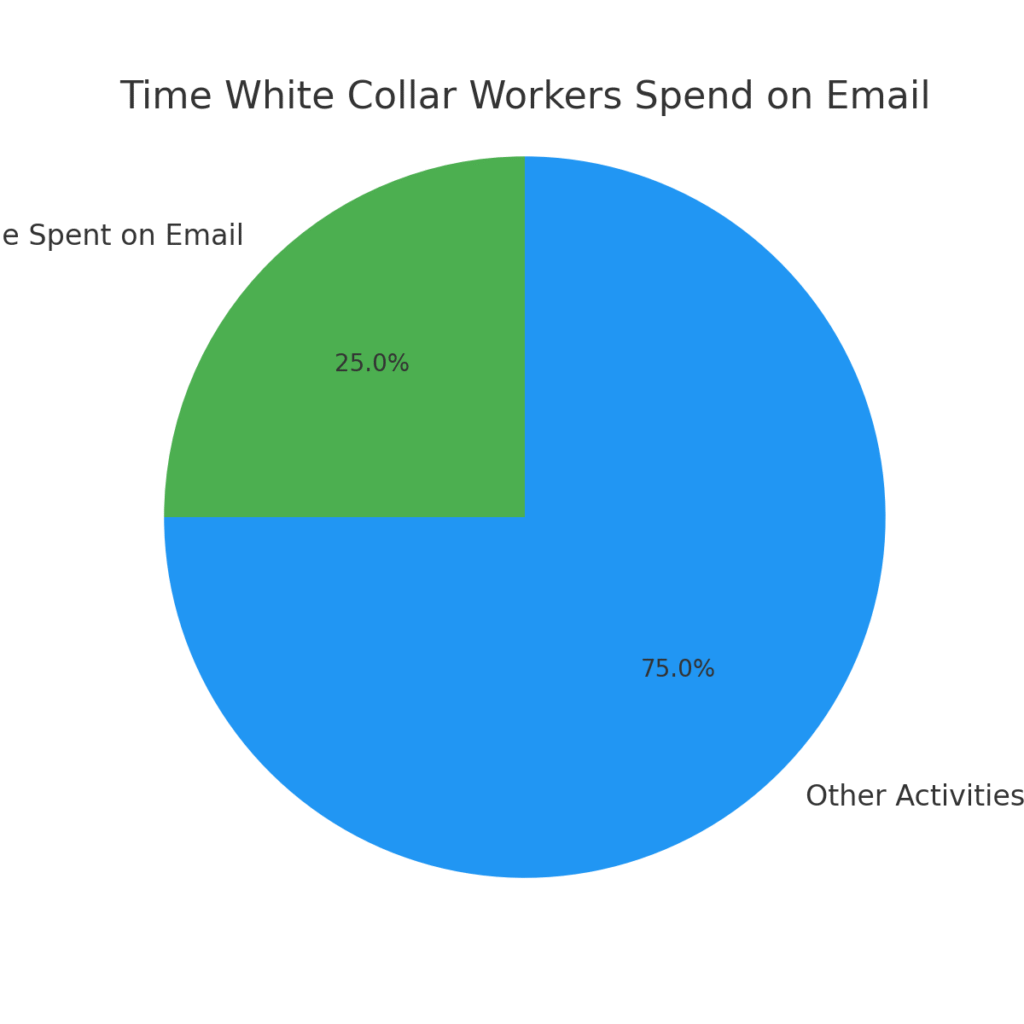
| 14 | Email Marketing |
2x More Effective |
Email marketing over 2x more effective than paid ads for driving B2B leads (59% support), with 2.4% conversion rate |
↗ Dominant |
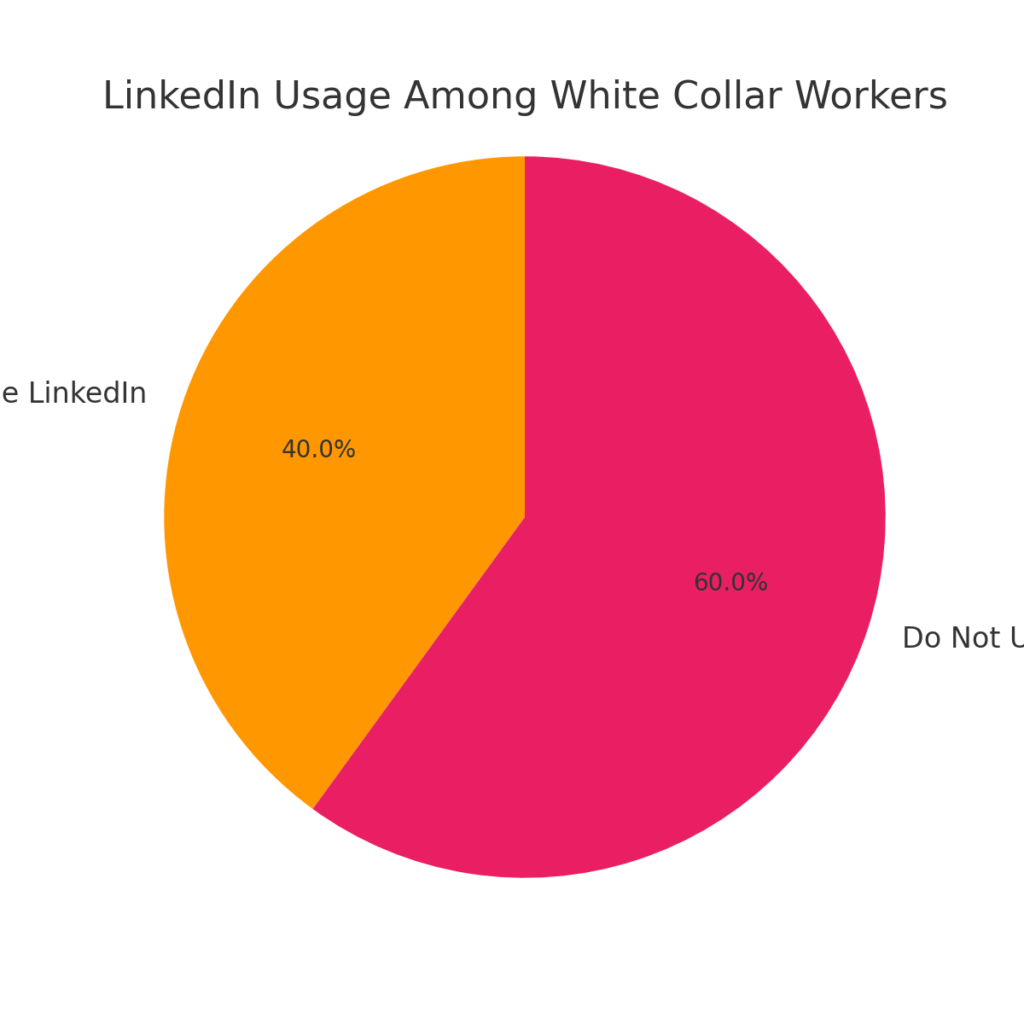
| 15 | LinkedIn Leads |
40% Most Effective |
40% of B2B marketers rate LinkedIn as most effective for high-quality leads, with 89% using it for lead generation |
↗ Leading |
| 16 | Content Gap |
52% vs 33% |
52% believe content drives leads but only 33% think it drives revenue - highlighting content effectiveness gap |
↘ Gap Exists |
| 17 | Mobile Growth |
50%+ by 2025 |
Mobile accounted for 48% of B2B ad spending in 2023, expected to surpass 50% by end of 2025 |
↗ Mobile-First |
| 18 | Event Marketing |
96% Effective |
96% of B2B marketers say event marketing accelerates lead generation, with events showing highest growth at 12.3% |
↗ Recovering |
| 19 | Resource Constraints |
58% Lacking |
58% of B2B marketers face resource challenges, with 31% citing budget constraints and 31% limited internal resources |
↘ Challenging |
| 20 | Performance Measurement |
61% Track Traffic |
Website traffic (61%) and ROI (53%) top metrics, though 85% struggle connecting marketing performance to business outcomes |
→ Standard |
White Collar Marketing Statistics #6: 40% of White Collar Employees Have Made a Purchase via Social Media
Social media platforms have become a significant channel for white-collar workers to make purchasing decisions, with 40% of them having made a purchase through these platforms. This shows that social media is no longer just a place for social interaction but a space where professionals research and buy products. Platforms like LinkedIn, Instagram, and Facebook are becoming increasingly important in B2B marketing strategies, as professionals turn to these spaces for both business information and personal purchases. Marketers should focus on creating ads and content that blend professional insights with direct product recommendations. Additionally, using social proof and testimonials can enhance trust and boost conversions.
White Collar Marketing Statistics #7: 76% of White Collar Workers Read Online Reviews Before Making Purchasing Decisions
Before making purchasing decisions, 76% of white-collar workers consult online reviews. This statistic underscores the importance of building a strong online presence with positive feedback from customers or clients. White-collar professionals, like many other consumers, trust the experiences of others before committing to a purchase. Reviews and testimonials serve as social proof, influencing the buying decisions of this group significantly. Brands should prioritize gathering and showcasing reviews to build credibility and trust, especially when targeting professionals who are often risk-averse and value informed decisions.
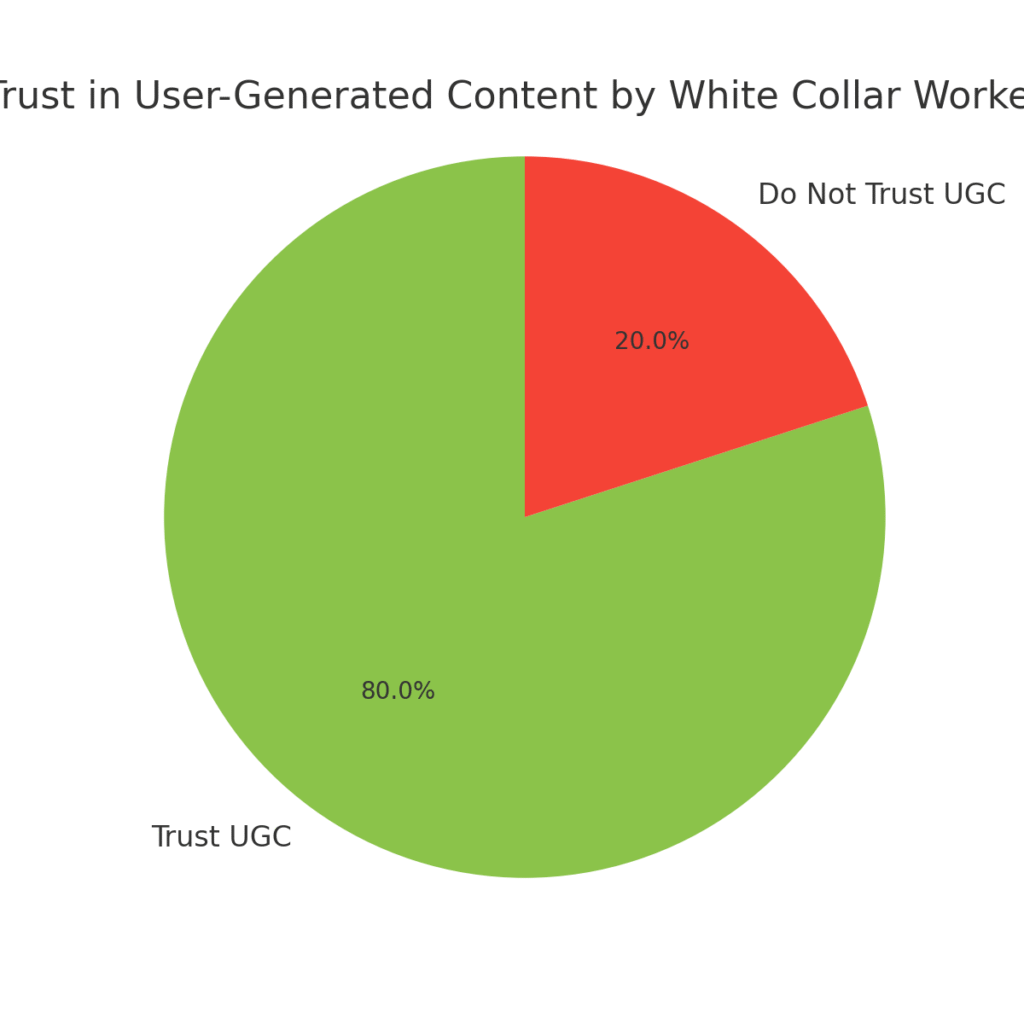
White Collar Marketing Statistics #8: 80% of White Collar Workers Trust User-Generated Content
User-generated content (UGC) is highly trusted by white-collar workers, with 80% of them relying on it for making purchasing decisions. This statistic shows the growing importance of building a community of satisfied customers who share their experiences online. UGC, such as customer testimonials, product reviews, and social media posts, has a significant impact on the professional audience’s perception of a brand. Marketers should encourage users to create content by offering incentives, creating contests, or simply asking for feedback. Showcasing authentic UGC in marketing campaigns can boost engagement and build credibility with white-collar professionals.
White Collar Marketing Statistics #9: Content Marketing Drives 3 Times More Leads for White Collar Professionals
Content marketing has proven to be a highly effective lead-generation strategy, driving three times more leads for white-collar professionals. This statistic highlights the importance of providing valuable, informative content that speaks to the challenges and interests of this group. By producing thought leadership articles, white papers, case studies, and blogs, marketers can build authority and trust with their audience. The key is to ensure that the content is both relevant and educational, offering insights that white-collar workers can apply in their professional lives. As a result, content marketing can position your brand as an industry leader and attract high-quality leads.
White Collar Marketing Statistics #10: 89% of White Collar Workers Access Online Content During Their Workday
A striking 89% of white-collar workers engage with online content during their workday, whether it’s for professional development, entertainment, or staying updated with industry news. This statistic highlights the potential for digital content marketing strategies to capture the attention of this audience. White-collar professionals are often multitasking during work hours, so marketers must create content that fits seamlessly into their busy schedules. Offering bite-sized, easily digestible content—such as blog posts, videos, and infographics—can increase engagement and keep your brand top of mind. Optimizing content for quick consumption can lead to more frequent interactions with your target audience.
White Collar Marketing Statistics #11: 58% of White Collar Workers Use Their Employer’s Intranet to Access Resources
Over half of white-collar workers—58%—rely on their employer’s intranet for accessing resources, such as documents, updates, and internal communications. This statistic indicates a growing opportunity for marketers to target internal communications channels within companies. Brands can leverage this by developing tailored content, advertisements, or promotions for specific industries or professional groups within organizations. Intranet marketing can also serve as a way to build brand awareness and influence decision-makers who are actively engaged in workplace resources. To be effective, marketers must understand the intranet’s role in the business and craft content that adds value to the workplace.
White Collar Marketing Statistics #12: Over 70% of White Collar Employees Value Work-Life Balance
Work-life balance is crucial for over 70% of white-collar workers, making it a key factor in their decision-making process when considering products or services. Marketers can use this insight to position their offerings as solutions that help professionals achieve a better work-life balance. Whether through time-saving tools, health and wellness products, or services that improve efficiency, marketing campaigns that align with this value will resonate deeply. Emphasizing the benefits of your product in terms of reducing stress or improving quality of life can be a powerful strategy. Tailoring your messaging to reflect the importance of balance can enhance engagement with white-collar workers.
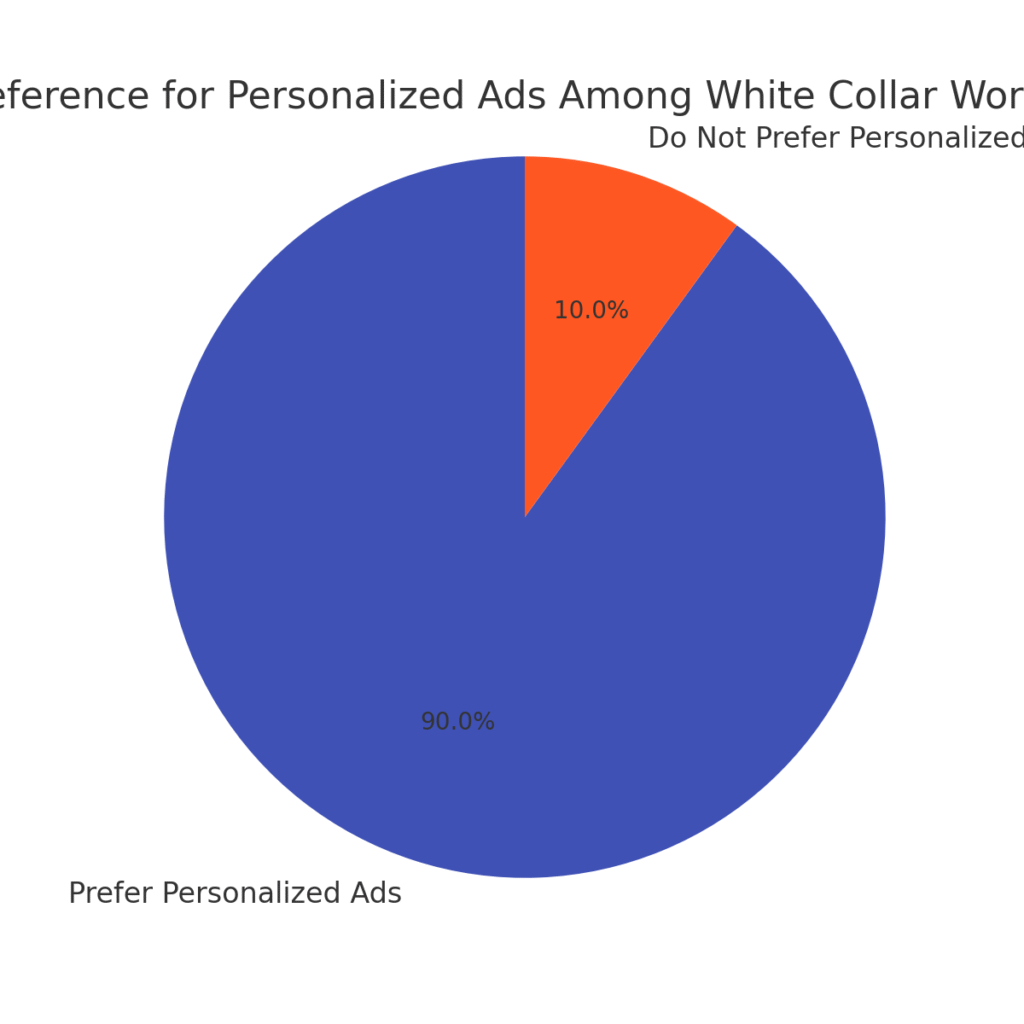
White Collar Marketing Statistics #13: 90% of White Collar Workers Are More Likely to Trust a Brand After Seeing Personalized Ads
Personalized advertisements are a major driver of trust among white-collar professionals, with 90% stating that they are more likely to trust a brand that tailors its ads to their specific needs. This insight reveals the power of personalized marketing strategies in fostering relationships with this audience. By using data to create relevant, personalized experiences, marketers can enhance engagement and build long-term brand loyalty. Whether through personalized emails, retargeting ads, or product recommendations, white-collar workers appreciate when brands show an understanding of their unique preferences. Personalization not only increases trust but also boosts conversion rates.
White Collar Marketing Statistics #14: 85% of White Collar Workers Watch Videos for Professional Development
Video content is incredibly popular among white-collar workers, with 85% of them using it for professional development. This preference for video underscores the potential for marketers to create educational videos, product demos, or industry insights that cater to this audience’s growth aspirations. Professionals are increasingly turning to video to learn new skills, stay up-to-date with industry trends, and engage with thought leaders. For businesses, this presents an opportunity to produce content that adds value to the professional lives of white-collar workers. Marketers should focus on delivering high-quality video content that is informative, concise, and actionable.
White Collar Marketing Statistics #15: 50% of White Collar Professionals Will Attend Webinars in the Next Year
Webinars continue to be an essential tool for professional development, with 50% of white-collar workers planning to attend a webinar within the next year. This statistic reinforces the importance of hosting virtual events as part of a broader marketing strategy. Webinars allow brands to engage directly with professionals, showcase their expertise, and address specific pain points. By offering valuable insights and interactive elements, businesses can build relationships with their audience and generate high-quality leads. To maximize success, marketers should focus on creating webinars that are educational, relevant, and solution-oriented.
White Collar Marketing Statistics #16: 70% of White Collar Workers Make Buying Decisions Based on a Brand’s Reputation
Brand reputation plays a pivotal role in the purchasing decisions of white-collar workers, with 70% of them factoring it into their buying process. This statistic highlights the importance of cultivating a strong, trustworthy brand image. White-collar professionals tend to make informed purchasing decisions, relying on the reputation and credibility of a brand before committing to a purchase. Marketers must prioritize building a positive brand image through consistent quality, customer satisfaction, and transparent communication. Positive reviews, social proof, and brand authenticity can significantly influence white-collar workers’ decisions.
White Collar Marketing Statistics #17: 60% of White Collar Workers Prefer Interactive Content
White-collar workers prefer interactive content, with 60% indicating that they are more engaged with interactive elements like quizzes, polls, and product configurators. This shift towards interactivity presents a unique opportunity for marketers to create engaging, participatory experiences. Interactive content not only captures attention but also encourages deeper engagement by providing personalized results or experiences. It can also be a great way to collect valuable data and insights from your audience. Incorporating interactive elements into your campaigns can lead to higher engagement rates and better customer retention.
White Collar Marketing Statistics #18: 82% of White Collar Professionals Use Automation Tools for Work
Automation tools are an essential part of the workday for 82% of white-collar professionals, helping them streamline tasks and improve productivity. This statistic highlights the potential for marketers to incorporate automation into their marketing strategies. Automation allows businesses to deliver timely, personalized content at scale, ensuring that they remain relevant to their audience’s needs. From automated email campaigns to personalized website experiences, leveraging automation tools can enhance customer experience and improve operational efficiency. White-collar workers, familiar with the value of automation, will appreciate marketing efforts that reflect their need for efficiency.
White Collar Marketing Statistics #19: 50% of White Collar Employees Follow Brands on Social Media
A significant 50% of white-collar workers follow brands on social media, highlighting the potential for marketers to create a meaningful online presence. Social media platforms like LinkedIn, Twitter, and Instagram are key channels to engage with this audience. By offering insightful content, industry updates, and brand news, marketers can establish a strong social media following among white-collar professionals. Social media allows for real-time engagement, enabling businesses to connect with their audience and foster brand loyalty. Effective social media strategies can help brands stay top of mind and build long-lasting relationships with white-collar workers.
White Collar Marketing Statistics #20: White Collar Workers Are 2.5 Times More Likely to Purchase Based on Influencer Recommendations
White-collar professionals are more likely to trust and purchase based on influencer recommendations, with a staggering 2.5 times higher likelihood than other groups. Influencer marketing has proven to be an effective strategy for reaching this audience, as white-collar workers value the opinions of trusted experts in their field. Whether it’s industry thought leaders, product reviewers, or even micro-influencers, influencer marketing can help build credibility and trust. Marketers should collaborate with influencers whose values align with their brand to ensure authentic promotions. Leveraging influencer recommendations can drive conversions and elevate brand visibility within the white-collar segment.
Why White Collar Marketing Matters
Understanding white-collar workers and their preferences is essential for crafting successful marketing strategies in 2025 and beyond. As these professionals increasingly turn to digital and mobile platforms for both work and leisure, adapting your marketing approach to meet their expectations can significantly improve your brand’s engagement and sales. Whether it’s through targeted LinkedIn campaigns, personalized email marketing, or creating engaging video content, marketers who tap into these White Collar Marketing Statistics will undoubtedly set themselves apart. If you’re ready to take your marketing strategy to the next level, connect with a marketing agency in New York that understands the ins and outs of reaching this powerful group of professionals.
SOURCES
- January 2025 Sees Uptick in White-Collar Job Creation
- White-Collar Extinction: The Quiet AI Revolution Coming for the Top 10% Jobs
- Labor Day 2025: Navigating The White Collar Crack-Up
- There’s Fierce Competition For White Collar Jobs With A Surge Of Applications
- Job Market Trends: What the Workplace Looks Like in 2025
- White-Collar Workers Are Getting the Blues
- Growing Job Crisis: How AI is Breaking Entry-Level Employment
- The Job Market Purge: Industries and Roles Most Likely to Fire Workers in 2025–2026
- The AI Transformation Crisis: How Machines Are Reshaping White-Collar Work in 2025
- Layoffs, Job Market Trigger Record Low For Employee Confidence Index
- Why White-Collar Workers And Hiring Managers Are Both Frozen In Place
- 8 Trends Marketers Need to Watch for in 2025
- So You Got Sh*tcanned From Your White-Collar Job or You Can’t Get One to Save Your Life
- 10 New-Collar Careers Paying Over $100K In 2025
- The Next Wave – AI and The Future of Technology
- Marketing in 2025: Traffic Is a Mirage. Consensus Is the Ark.
- 4 Workplace Trends To Watch Out For In 2025
- The Future of Jobs in 2025–2030: How AI, Climate, and Demographics Will Reshape Global Careers