



20 Sep TOP 20 WIDOWED MARKETING STATISTICS 2025
When we talk about consumer behavior, we often overlook the unique perspectives of those navigating life after loss. This is why widowed marketing statistics for 2025 are so important—they shed light on the financial, emotional, and purchasing trends of a group that makes up millions worldwide. These insights not only help us understand how widowhood affects spending patterns, but also guide brands in creating campaigns that feel genuinely empathetic and supportive. As a trusted marketing agency in New York, we believe that real connection starts with recognizing the human stories behind the numbers. In this article, we’ll walk through the most up-to-date data, offering context that blends both compassion and strategy.
Top 20 Financial District Marketing Statistics 2025 (Editor’s Choice)
| # | Widowed Marketing Statistics 2025 | Context / Explanation |
|---|---|---|
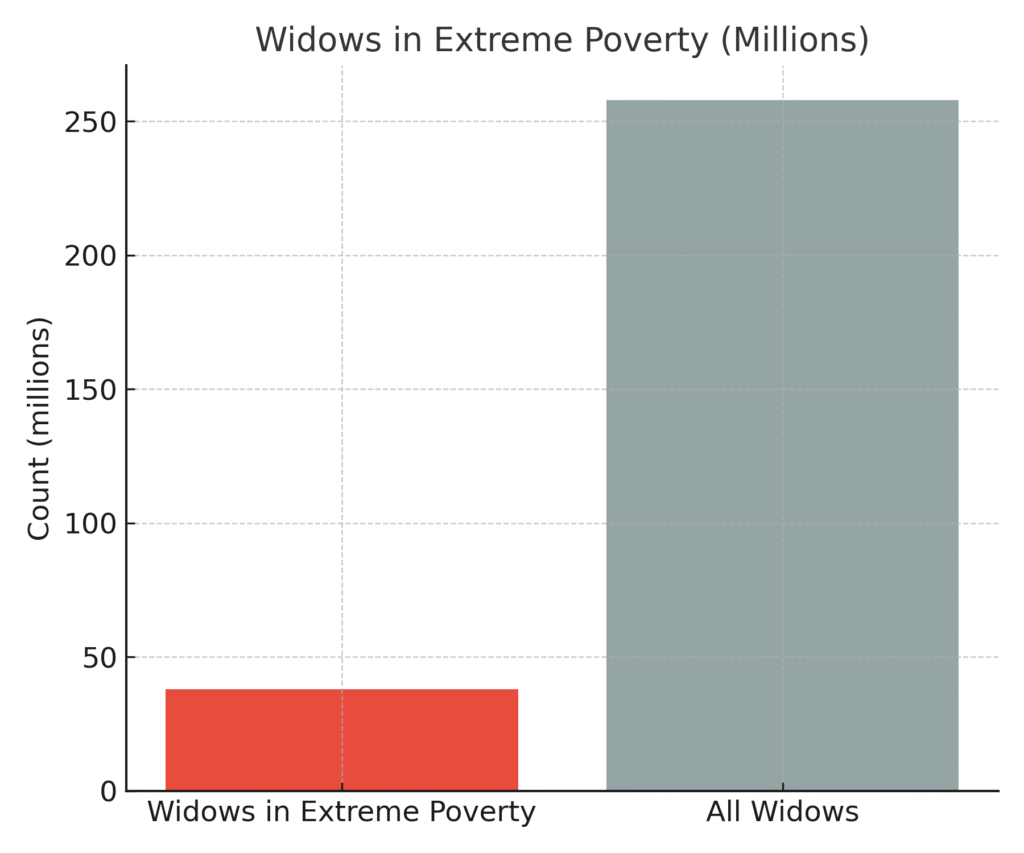
| 1 | 258 million widows globally | This represents the total global widowed population in 2025. |
| 2 | 585 million children supported by widows | Widows often act as primary caregivers, raising children alone. |
| 3 | 38 million widows live in extreme poverty | Highlights the need for financial inclusion and targeted support. |
| 4 | Duration of widowhood in France: 10.4 years for women | Women face longer years of widowhood compared to men. |
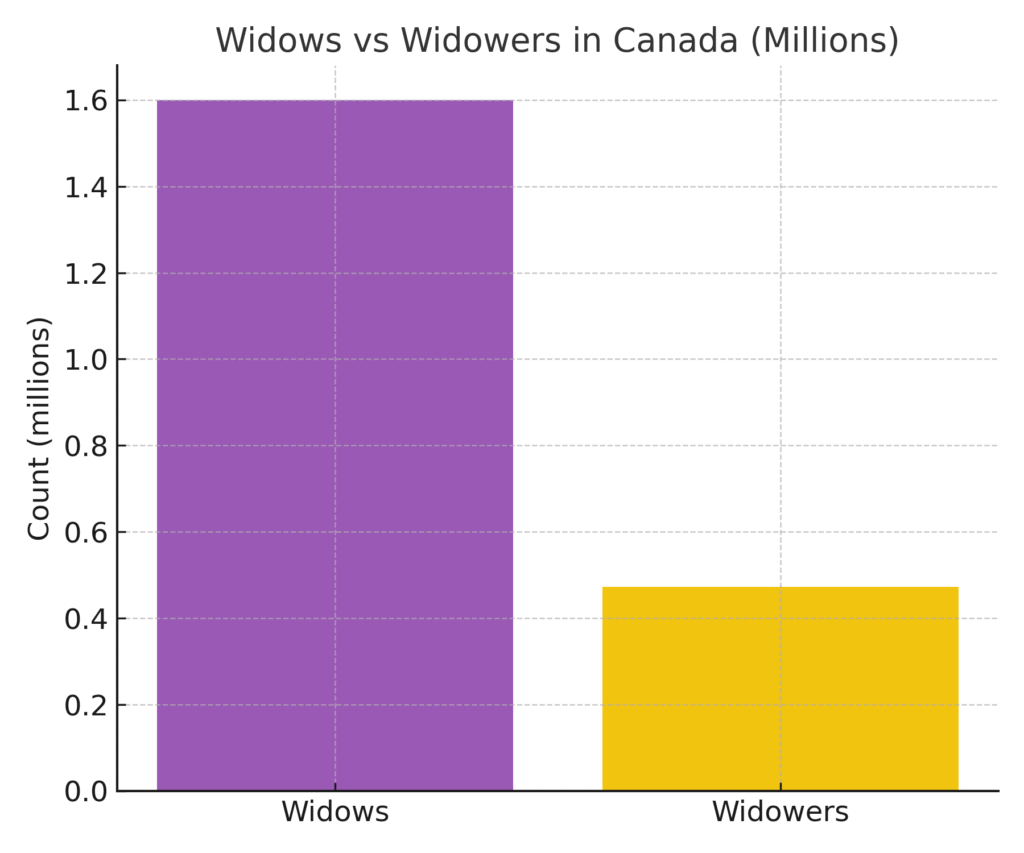
| 5 | 2 million widows/widowers in Canada | Of these, 1.6M are widows and 472K are widowers. |
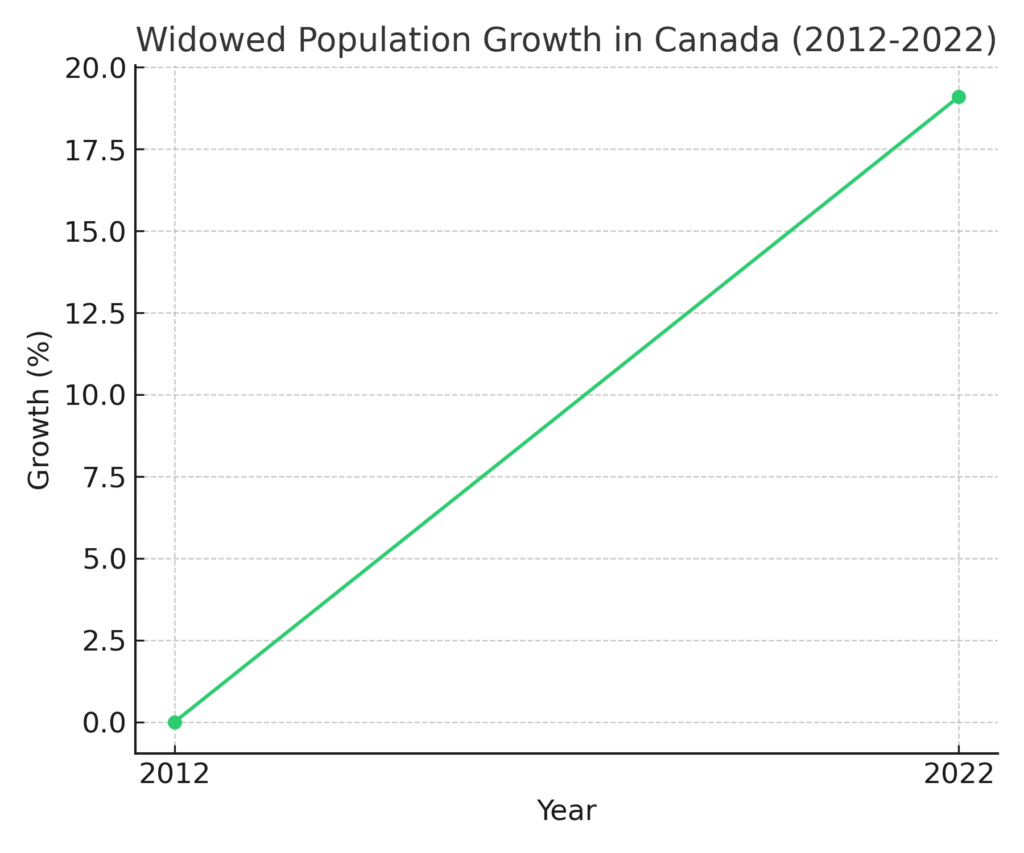
| 6 | 19.1% growth in widows/widowers over a decade (Canada) | The widowed population is steadily rising with aging demographics. |
| 7 | 58.5% of widows in Canada are aged 75+ | Older age groups dominate widowhood demographics. |
| 8 | Income drop for widows under 55: $64,700 → $49,600 | Widows experience a sharp financial decline post-loss. |
| 9 | 33% widowed (1991) vs 20% (2021) among 65+ in Canada | Improved life expectancy reduces widowhood rates. |
| 10 | 1.6M widows vs 472K widowers in Canada | Widows significantly outnumber widowers. |
| 11 | In conflict zones, widowhood exceeds 50% of women | War and displacement disproportionately affect women. |
| 12 | Widows often face inheritance loss | Many widows lack property and legal rights in some countries. |
| 13 | 21.9% of younger widows fall into low-income bracket | Financial vulnerability increases sharply after widowhood. |
| 14 | 47.7M widowed elderly in China (2025 projection: 118M) | China faces a massive surge in widowed elderly by mid-century. |
| 15 | Income gradient in widowhood duration | Lower-income individuals spend longer years widowed. |
| 16 | Most widows are 75+ years old | Age is the strongest predictor of widowhood globally. |
| 17 | Narrowing life expectancy gap reduces widowhood | Smaller male-female longevity differences mean fewer widows. |
| 18 | Loneliness increases without social support | Widows with limited networks suffer deeper isolation. |
| 19 | 76% of female-headed households in Jordan are widows | Widows represent the majority of women household leaders. |
| 20 | Labor participation among widows in Jordan: 1.8% | Widows face extreme economic marginalization. |
Top 20 Widowed Marketing Statistics 2025
Widowed Marketing Statistics #1: 258 Million Widows Globally
There are currently 258 million widows worldwide, reflecting the massive demographic significance of widowhood. This number shows how important it is for marketers to recognize widows as a distinct consumer group. With such a large population, their collective influence on consumer markets cannot be underestimated. Campaigns that fail to consider this demographic risk overlooking millions of potential customers. Acknowledging this group helps brands build inclusivity and compassion into their messaging.
Widowed Marketing Statistics #2: 585 Million Children Supported By Widows
Globally, widows are raising and supporting approximately 585 million children. This highlights their dual role as both caregivers and financial providers. From a marketing perspective, this creates demand for products and services related to education, family welfare, and financial planning. Brands that design solutions with widows and their dependents in mind can establish long-term loyalty. Supporting this audience also demonstrates a commitment to social responsibility.
Widowed Marketing Statistics #3: 38 Million Widows Live In Extreme Poverty
Around 38 million widows live in extreme poverty, unable to meet their most basic needs. This shows the stark economic challenges many widows face after losing a spouse. For marketers, understanding this means balancing affordability with accessibility in their campaigns. Businesses providing essential services at lower costs may see strong engagement from this segment. Poverty also emphasizes the importance of policies and corporate social initiatives that focus on widows.
Widowed Marketing Statistics #4: Duration Of Widowhood In France Is 10.4 Years For Women
In France, women spend on average 10.4 years in widowhood compared to men who spend just 5.8 years. This stark difference reflects both life expectancy and cultural factors. Marketers targeting older demographics must account for the extended widowhood duration among women. Products related to retirement planning, healthcare, and companionship become especially relevant. Understanding these timeframes allows businesses to build tailored, long-term solutions.
Widowed Marketing Statistics #5: 2 Million Widows And Widowers In Canada
Canada is home to about 2 million widows and widowers, of which 1.6 million are women. This figure underlines the prevalence of widowhood in developed nations. It shows marketers that widows are not just a global challenge but also a local reality. Campaigns designed for Canadian widows can benefit from regional data and cultural sensitivity. Recognizing this group helps brands deliver services that are more empathetic and effective.
Widowed Marketing Statistics #6: 19.1% Growth In Widowed Population In Canada Over A Decade
In the past decade, Canada’s widowed population has grown by 19.1%. This steady increase highlights the impact of aging demographics on widowhood rates. For marketers, it signals growing demand for retirement products, healthcare, and senior-friendly services. Businesses that anticipate this rise can position themselves as forward-thinking leaders. Long-term planning is key for engaging this steadily expanding audience.
Widowed Marketing Statistics #7: 58.5% Of Widows In Canada Are Aged 75+
More than half of Canadian widows, about 58.5%, are aged 75 or older. This shows how widowhood is concentrated in older age brackets. Marketers in industries like healthcare, wellness, and senior living should take note. Tailored solutions such as mobility aids, companionship services, and financial planning become crucial. Addressing this group respectfully can build trust and brand credibility.
Widowed Marketing Statistics #8: Income Drop For Widows Under 55 From $64,700 To $49,600
In Canada, younger widows experience a sharp income drop from $64,700 to $49,600 after losing their spouse. This highlights the financial vulnerability of widows under 55. Marketing strategies must consider affordability and practical support for this group. Brands offering financial literacy, budget solutions, or flexible payment plans may resonate well. Helping this demographic manage transitions builds both trust and loyalty.
Widowed Marketing Statistics #9: Decline In Widowed Older Adults From 33% In 1991 To 20% In 2021
Among Canadians aged 65 and above, the proportion of widowed individuals declined from 33% in 1991 to 20% in 2021. This shift reflects increased longevity and changing family dynamics. While fewer older adults are widowed, the population size still remains significant. Marketers must balance targeting widows with recognizing broader aging consumer trends. The decline also suggests evolving opportunities in senior-focused markets.
Widowed Marketing Statistics #10: 1.6 Million Widows Versus 472,000 Widowers In Canada
In Canada, widows outnumber widowers by more than three to one, with 1.6 million women widowed compared to 472,000 men. This imbalance stems from life expectancy differences between genders. For marketers, the implication is clear—widows dominate the widowed consumer base. Brands that focus on women’s needs will reach a much larger audience. Tailoring products and services to women’s experiences can improve engagement.
Widowed Marketing Statistics #11: In Conflict Zones Widowhood Exceeds 50% Of Women
In some conflict and post-conflict regions, over half of the female population may be widowed. This shows the devastating impact of war and displacement on family structures. For marketers and NGOs, humanitarian campaigns become vital in such areas. Widows here often face challenges beyond finances, including safety and social stigma. Any engagement in these regions must prioritize compassion and community rebuilding.
Widowed Marketing Statistics #12: Widows Often Face Inheritance Loss
In many parts of the world, widows lose inheritance and property rights after their spouse’s death. This creates severe financial instability and social exclusion. Marketers in financial, legal, and advocacy sectors should consider solutions to support widows’ rights. Offering services that help widows retain property can create significant trust. Addressing this injustice also positions brands as socially responsible leaders.
Widowed Marketing Statistics #13: 21.9% Of Younger Widows Fall Into Low-Income Brackets
Nearly 22% of widows under the age of 55 fall into low-income brackets after their loss. This is a steep increase compared to pre-widowhood levels. It reveals the urgent need for financial safety nets and accessible services. For marketers, targeting affordable solutions can bridge this gap. Empowering widows financially helps build lasting loyalty and community impact.
Widowed Marketing Statistics #14: 47.7 Million Widowed Elderly In China With A Projection Of 118 Million
China currently has 47.7 million widowed elderly, and projections suggest this will rise to 118 million by mid-century. This rapid growth represents both a challenge and an opportunity for businesses. The scale of demand for senior-focused healthcare and support services will increase dramatically. Marketers must adapt strategies to meet these expanding needs. The Chinese market highlights widowhood as a critical demographic trend.
Widowed Marketing Statistics #15: Income Gradient In Widowhood Duration
Research shows that lower-income individuals tend to remain widowed longer compared to wealthier groups. This reflects how financial inequality influences life trajectories. Marketers should be aware of these disparities when designing campaigns. Premium services may not reach widows in lower-income brackets effectively. Inclusive pricing strategies can help brands serve wider audiences.
Widowed Marketing Statistics #16: Most Widows Are 75+ Years Old
Globally, the majority of widows are aged 75 and above. This emphasizes widowhood as primarily an elderly issue. For marketers, this means focusing on products and services that support aging gracefully. Wellness programs, healthcare aids, and financial planning all become vital. Respectful engagement with seniors strengthens brand trust.
Widowed Marketing Statistics #17: Narrowing Life Expectancy Gap Reduces Widowhood
As the gender gap in life expectancy narrows, fewer people experience widowhood. This shift reduces the proportion of widows compared to earlier generations. Marketers must anticipate changes in consumer demographics over time. Although widowhood remains significant, declining proportions create evolving market opportunities. Adaptability is key for staying relevant in this space.
Widowed Marketing Statistics #18: Loneliness Increases Without Social Support
Widows with little social support report higher levels of loneliness and isolation. This emotional impact shapes their lifestyle choices and spending habits. For marketers, services that foster community or companionship can have great appeal. Social initiatives, clubs, or wellness programs targeting widows can address this need. Combating loneliness creates both social and commercial value.
Widowed Marketing Statistics #19: 76% Of Female-Headed Households In Jordan Are Widows
In Jordan, widows lead 76% of female-headed households. This highlights their critical role in family leadership. For marketers, it underscores the importance of recognizing widows as decision-makers. Services that empower these women can improve household outcomes. Respectful engagement enhances both brand reputation and impact.
Widowed Marketing Statistics #20: Labor Participation Among Widows In Jordan Is 1.8%
Widows in Jordan have extremely low labor force participation at only 1.8%. This shows the severe barriers to economic independence faced by widows in some regions. Marketers and policymakers should focus on solutions that empower widows professionally. Skills training, entrepreneurship programs, and job access initiatives are crucial. Supporting widows in work can transform both communities and economies.

Final Thoughts on Widowed Marketing Statistics 2025
Looking at these widowed marketing statistics reminds us that numbers are more than just figures—they represent people finding new rhythms, adjusting priorities, and reshaping their lifestyles. For marketers, the opportunity lies in crafting messages that resonate with dignity, warmth, and authenticity. By paying attention to this audience, brands can become more than just providers of goods or services; they can be trusted companions in one of life’s most difficult transitions. As you reflect on these insights, remember that every campaign has the potential to touch lives in meaningful ways.
SOURCES
- https://www.nectargroup.co/blog/30-must-know-marketing-statistics-to-dominate-in-2025 (nectargroup.co)
- https://thesocialshepherd.com/blog/digital-marketing-statistics (The Social Shepherd)
- https://www.invoca.com/blog/statistics-digital-marketers-need-to-know (Invoca)
- https://firework.com/blog/marketing-roi-statistics (Firework)
- https://databox.com/blogging-statistics (Databox)
- https://blogginglift.com/emotional-marketing-statistics (Blogging Lift)
- https://nationalwidowers.org/hey-widowers-whats-your-hurry/ (nationalwidowers.org)
- https://www.wingsforwidows.org/newsletters (wingsforwidows.org)
- https://influencers.feedspot.com/widow_instagram_influencers/ (FeedSpot for Influencers)