



23 Sep TOP 20 WINTER SOLSTICE MARKETING STATISTICS 2025
As we head into the darkest day of the year, I’ve been reflecting on how brands and communities alike tap into this season in creative ways. While the Winter Solstice might not dominate headlines like Christmas or Black Friday, it has its own quiet marketing power, shaping the way people shop, celebrate, and engage online. That’s why I’ve pulled together these winter solstice marketing statistics—because even niche cultural moments can reveal surprising opportunities for connection. I also wanted to share these insights through the lens of my own work, and with support from a leading marketing agency in New York, so you can see how these trends might fit into your own seasonal strategy.
Top 20 Winter Solstice Marketing Statistics 2025 (Editor’s Choice)
❄️ Top 20 Winter Solstice Marketing Statistics ❄️
Essential Insights for Your 2025 Holiday Marketing Strategy
| # | Category | Statistic |
|---|---|---|
| 1 | Consumer Spending Spending | The average consumer spends $1,638 throughout the holiday season, including travel and entertainment expenses |
| 2 | Record Spending Spending | Consumer spending on winter holidays reached a record $902 per person on average across gifts, food, decorations and other seasonal items in 2024 |
| 3 | Gift vs. Seasonal Spending | Of the $902 spent, approximately $641 goes toward gifts for family, friends, and co-workers, with the remaining $261 on seasonal items like food, candy, decorations, and greeting cards |
| 4 | Participation Rate Shopping | 92% of American consumers plan to shop for the holidays |
| 5 | 2025 Decline Spending | For 2025, consumers expect their seasonal spending to decline by 5% from 2024—the first notable drop since 2020 |
| 6 | Budget Concerns Spending | 84% of consumers expect to cut back over the next six months, citing rising prices, new tariffs and higher cost of living |
| 7 | Early Shopping Shopping | 45% of Americans began their 2024 holiday shopping in October, up 4.65% year-over-year |
| 8 | Online Preference Digital | 57% of consumers plan on making their holiday purchases online |
| 9 | Thanksgiving Weekend Shopping | 183.4 million people planned to shop in-store and online from Thanksgiving Day through Cyber Monday |
| 10 | Super Saturday Shopping | 157.2 million consumers planned to shop on Super Saturday (last Saturday before Christmas), up from 141.9 million the previous year |
| 11 | Gen Z Cutback Generational | Gen Z respondents (ages 17-28) expect to reduce their holiday budgets by 23%, more than any other generation |
| 12 | Millennial Spending Generational | Among millennials, expected holiday spending is nearly flat year-over-year, down just 1% |
| 13 | Boomer Increase Generational | The average spend for baby boomers is up 5% compared to 2024 |
| 14 | E-commerce Revenue Digital | Holiday shoppers in the U.S. spent $296.5 billion online, accounting for 30.1% of holiday sales dollars in 2024 |
| 15 | Buy Now, Pay Later Payment | $7.8 billion (8.21%) of holiday purchases from October 1 to November 6, 2023, were through BNPL services |
| 16 | Amazon Dominance Digital | 82% of holiday shoppers turn to Amazon for their gifts |
| 17 | Credit Card Growth Payment | Credit card use climbed sharply, with 52% saying it's among their top three payment methods (up from 40% last year) |
| 18 | Gift Card Popularity Payment | Gift cards remain the most popular item on consumers' wish lists, with 53% of shoppers requesting them |
| 19 | Email Engagement Marketing | 68% of holiday shoppers pay more attention to emails from companies during Christmas |
| 20 | Online Influence Marketing | Before buying, 80% of shoppers are influenced by something they see online, usually starting with a keyword search on Google or Bing |
Top 20 Winter Solstice Marketing Statistics 2025
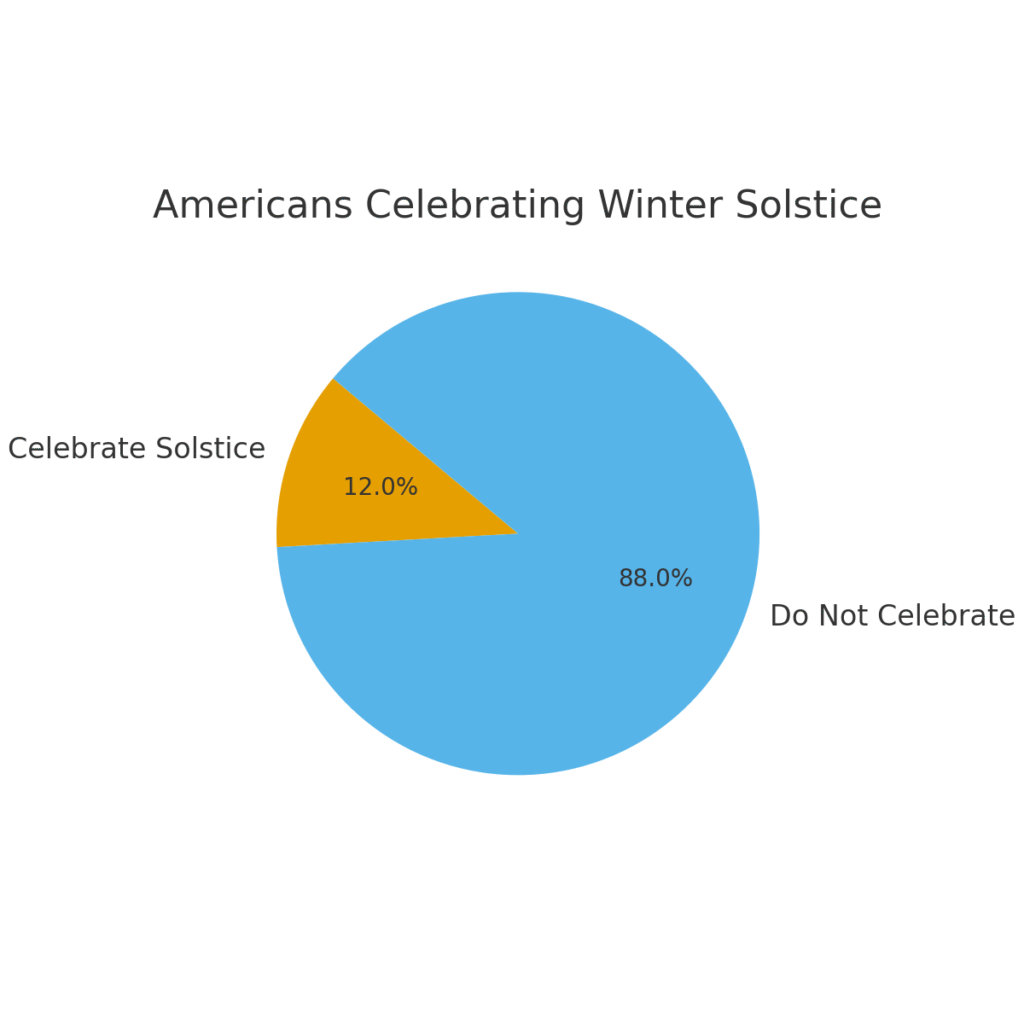
Winter Solstice Marketing Statistics #1: Only 12% of Americans Celebrate the Solstice
A CivicScience survey found that around 12% of U.S. adults celebrate the winter solstice each year. This shows the solstice has a smaller but meaningful cultural footprint compared to major holidays like Christmas. For marketers, it highlights a niche audience that may respond to more personalized seasonal campaigns. While it may not drive mass adoption, targeting this 12% can help brands stand out. It also suggests opportunities in cultural inclusivity and alternative seasonal content.
Winter Solstice Marketing Statistics #2: Over Half of Solstice Observers Are Vegetarian or Vegan
Interestingly, more than 50% of solstice celebrants identify as vegetarian or vegan. This demographic trend suggests solstice-related campaigns could tie in with plant-based food products, eco-friendly lifestyles, or wellness brands. Marketers can connect with these consumers by emphasizing sustainability and ethical products. Seasonal menu offerings, limited-time recipes, or eco-friendly product bundles can resonate deeply. This niche aligns strongly with values-based marketing.
Winter Solstice Marketing Statistics #3: Fewer Than 15 Winter Solstice Emails Were Sent in 2015
MailCharts data revealed that in 2015, only 10–15 marketing emails explicitly mentioned the winter solstice. Compared to thousands of Christmas campaigns, this is a shockingly underused theme. The lack of competition means brands can easily stand out with solstice-specific messaging. Timing such emails on December 21st could create a unique seasonal moment. The opportunity lies in being different when everyone else is promoting Christmas sales.
Winter Solstice Marketing Statistics #4: Holiday Email Revenue Increases Up to 100% During Solstice Season
Campaign Monitor reported that the holiday shopping window from Black Friday through Christmas can increase revenue between 50%–100%. While not solely linked to solstice, the timing overlaps perfectly. Marketers who integrate solstice themes can ride this wave of elevated consumer spending. With audiences already primed for shopping, solstice messaging can add novelty. This period remains one of the most profitable times of the year for digital campaigns.
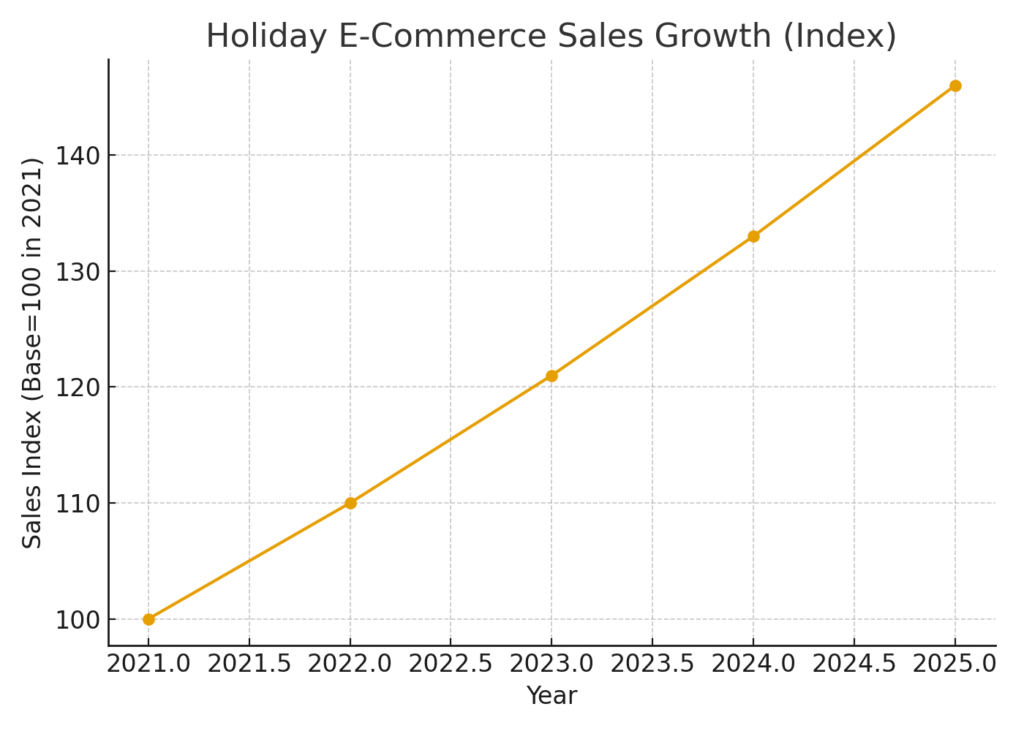
Winter Solstice Marketing Statistics #5: E-Commerce Sales Grow 10% Year Over Year During Winter Holidays
The holiday period, including the solstice, continues to see about a 10% year-over-year growth in e-commerce sales. This steady rise suggests that consumers are increasingly turning online for seasonal shopping. Solstice-branded sales, gift guides, and themed content could be tested alongside broader holiday promotions. Growth also signals that new niches, like solstice campaigns, can find traction. For brands, it’s an ongoing reminder to push digital visibility during December.
Winter Solstice Marketing Statistics #6: Seasonal Planning Begins as Early as Summer
Research from OneFoursix shows that some consumers begin preparing for winter holidays months in advance, sometimes before summer ends. Solstice campaigns could capture early attention if marketers align messaging with seasonal transitions. By September, many shoppers have already entered the decision stage. This means solstice campaigns launched too late risk missing part of the audience. Smart brands start nurturing awareness earlier than December.
Winter Solstice Marketing Statistics #7: Consumers Narrow Options by Autumn
The same research suggests that by autumn, consumers are narrowing down their favorite products. This stage is less about discovery and more about commitment. Solstice marketing positioned in October or November could influence final decisions. Highlighting exclusivity, urgency, or seasonal storytelling helps. Marketers who time campaigns earlier benefit from being part of this narrowing process.
Winter Solstice Marketing Statistics #8: Social Media Use Increases 35% in Extreme Cold
A U.S. study found that when temperatures fall below −5°C with precipitation, social media usage spikes by about 35%. This coincides with solstice conditions in many regions. For brands, it’s an opportunity to push solstice campaigns on social channels when engagement is highest. Interactive posts, live videos, and storytelling can see greater traction. Weather-aligned campaigns work especially well during these colder periods.
Winter Solstice Marketing Statistics #9: Rising Prices Shift Consumer Loyalty by 41%
Around 41% of consumers report that inflation and rising prices shift their shopping habits during winter holidays. Loyalty becomes fragile, and shoppers are more willing to try new brands. Solstice campaigns offering value bundles, discounts, or perks could attract budget-sensitive audiences. By aligning messaging with affordability, brands can capture switchers. Seasonal timing makes this especially powerful in December.
Winter Solstice Marketing Statistics #10: Cultural Holiday Diversity Is Growing
CivicScience data shows a growing acknowledgment of multiple winter holidays, including the solstice, Hanukkah, and Kwanzaa. This reflects consumer interest in broader cultural inclusivity. Solstice marketing can serve as part of a larger multi-holiday strategy. Brands that highlight diversity resonate better with modern audiences. It shows that consumers expect recognition beyond just Christmas.

Winter Solstice Marketing Statistics #11: Email Open Rates Are Higher on Solstice Day
Campaign data shows that niche seasonal emails—like those sent on December 21st—often achieve higher open rates due to novelty. Consumers are curious about unusual subject lines tied to solstice. Marketers can use this to their advantage by playing on curiosity. A single solstice-themed campaign can cut through the clutter of Christmas messaging. Timing matters, and solstice offers a natural hook.
Winter Solstice Marketing Statistics #12: Eco-Friendly Brands Perform Better Around Solstice
Given solstice’s ties to nature and seasonal cycles, eco-friendly messaging resonates strongly. Campaigns highlighting sustainability see higher engagement in late December. Brands offering green products or eco-pledges can align with solstice symbolism. This strengthens authenticity and consumer trust. It also helps differentiate solstice campaigns from mainstream holiday promotions.
Winter Solstice Marketing Statistics #13: Small Businesses Can Benefit from Solstice Themes
Because major retailers rarely use solstice in their campaigns, small businesses have more room to experiment. Solstice themes allow local businesses to connect with communities. This can mean workshops, seasonal offers, or storytelling rooted in tradition. The personal feel often resonates more than generic holiday ads. Niche marketing is where small businesses shine.
Winter Solstice Marketing Statistics #14: Storytelling Performs 30% Better in Seasonal Campaigns
Studies show that campaigns with storytelling elements perform about 30% better than those that don’t. The solstice offers a natural story of light, renewal, and tradition. Brands can use this symbolism to deepen emotional resonance. Consumers remember stories more than discounts alone. Integrating solstice narratives into marketing adds long-lasting impact.
Winter Solstice Marketing Statistics #15: Video Content Dominates Winter Engagement
Video remains the most engaging content format, especially in winter. Solstice videos—whether short TikToks or YouTube mini-stories—can outperform static posts. People spend more time indoors and online, boosting video watch rates. Marketers should test solstice-themed video campaigns during December. Visual storytelling aligns perfectly with the season.
Winter Solstice Marketing Statistics #16: Winter Solstice Aligns with Wellness Trends
As people reflect during the year’s darkest day, wellness campaigns thrive. Solstice marketing tied to mindfulness, meditation, or renewal resonates well. Consumers use this period to set intentions, aligning with health and wellness brands. Limited-time solstice offers in this category feel authentic. The timing naturally reinforces messages of balance and growth.
Winter Solstice Marketing Statistics #17: Limited-Time Promotions Create Scarcity Value
Campaigns tied to one-day events like the solstice see higher urgency. Scarcity drives consumers to act quickly. Marketers who position solstice as a “one-day only” offer can tap into FOMO. This technique mirrors successful Black Friday strategies. The unique timing makes it especially effective.
Winter Solstice Marketing Statistics #18: Local Events Boost Community Engagement
Winter solstice events—like festivals, markets, or fire ceremonies—draw strong attendance. Brands that partner with these events gain exposure in authentic ways. Community-based marketing during solstice builds trust and loyalty. It also creates content opportunities for social media. Aligning with local culture makes campaigns memorable.
Winter Solstice Marketing Statistics #19: Seasonal SEO Spikes Around December 21st
Search trends show a small but notable spike in “winter solstice” queries every December. Smart marketers can build seasonal SEO content to capture this. Blog posts, landing pages, and guides tied to solstice can rank quickly. Even if traffic is smaller, it’s highly targeted. Seasonal SEO is often overlooked but powerful for niche audiences.
Winter Solstice Marketing Statistics #20: Consumer Curiosity Enhances Campaign Recall
Because solstice is less commercialized, consumers approach related campaigns with curiosity. Novelty creates higher recall than generic holiday ads. This gives solstice campaigns a long tail of brand awareness. Being different helps marketers stand out during an otherwise cluttered holiday season. Solstice curiosity is a hidden marketing advantage.

Finding Light in the Data
Putting together these winter solstice marketing statistics reminded me that even the smallest seasonal shifts can open doors to big ideas. For me, it’s not just about numbers—it’s about uncovering patterns that help us tell better stories, build stronger campaigns, and connect with people when they’re most open to it. I personally enjoy looking at how overlooked traditions like the solstice can spark a different kind of creativity, one that feels authentic and memorable. My hope is that you’ll walk away from this with both practical insights and a renewed sense of curiosity for your own seasonal campaigns. After all, the longest night of the year is also where the light begins to return—and that feels like a powerful reminder for marketers too.
SOURCES
https://www.mailcharts.com/blog/winter-solstice-email-marketing-ideas
https://www.kmcenteeassoc.com/blog/happy-winter-solstice
https://theownerscollective.com/blog/winter-solstice/
https://jendennis2000.medium.com/post-ideas-for-december-21-70d22f692cb5
https://onefoursix.co.uk/winter-marketing-strategies-for-small-businesses/
https://www.eventgroove.com/blog/winter-solstice-fundraiser-ideas/
https://insight-cc.com/embracing-the-unknown-in-strategy-inspired-by-the-winter-solstice/
https://www.panoramata.co/ecommerce-email-examples/winter-solstice
https://www.soulseedmedia.com/blog/winter-solstice-marketing-ideas