




29 Sep TOP 20 WORK-FROM-HOME MARKETING EQUIPMENT COSTS STATISTICS 2025
As someone who has navigated the shift to remote work, I’ve seen firsthand how important it is to understand work-from-home marketing equipment costs statistics. From investing in reliable laptops and ergonomic setups to budgeting for specialized marketing tools, these costs can really add up and make or break productivity. I wanted to dive into the numbers behind these expenses, not only to keep track of my own spending but also to help others see the bigger picture. Partnering with a leading marketing agency in New York has also given me valuable insights into how professionals structure their budgets to maximize efficiency. In this blog, I’ll share the most relevant stats that shed light on the true costs of building and maintaining a marketing setup from home.
Top 20 Work-From-Home Marketing Equipment Costs Statistics 2025 (Editor’s Choice)
| # | Statistic | Detail |
|---|---|---|
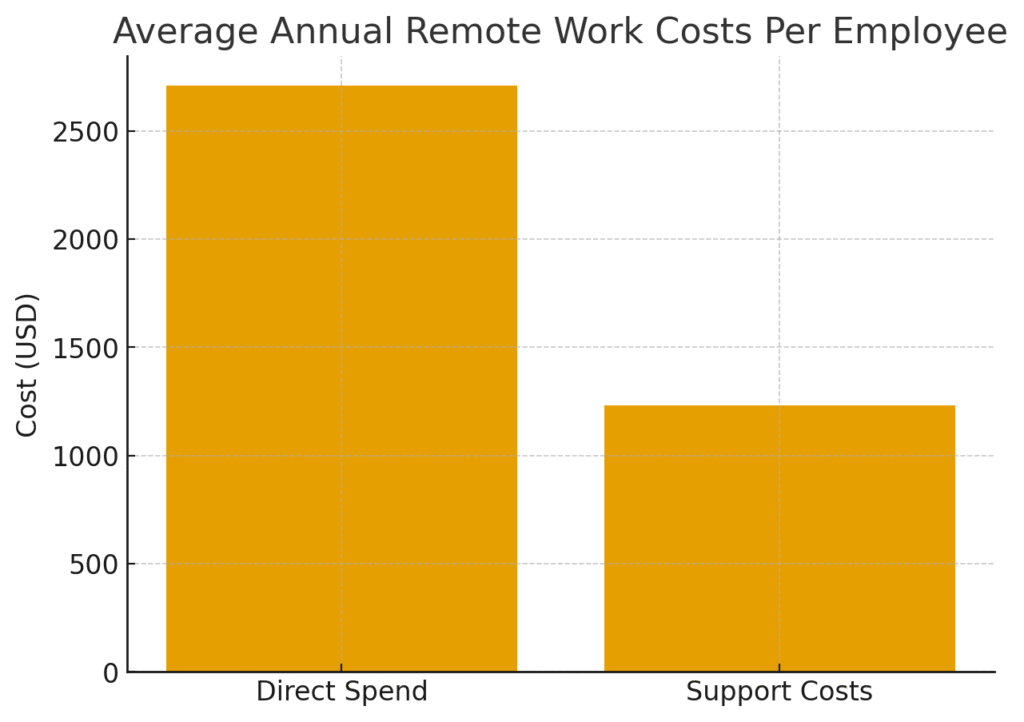
| 1 | Average direct spend per virtual employee | $2,710 annually per employee |
| 2 | Support costs portion | $1,231 annually per remote employee |
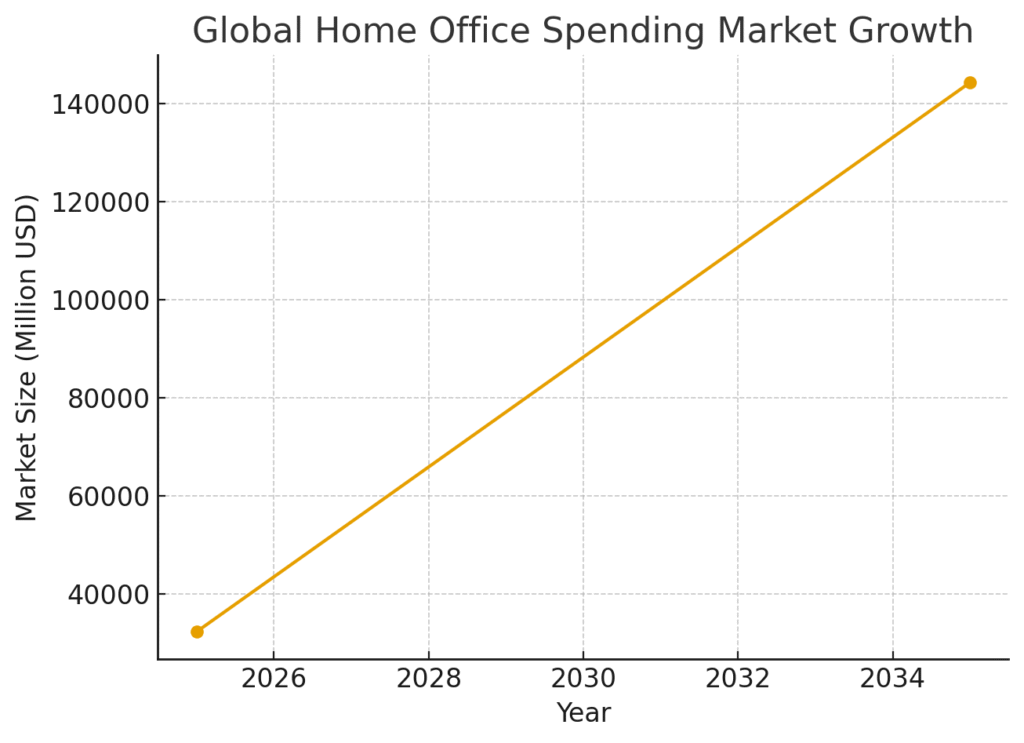
| 3 | Home office spending market size | $32.3B in 2025 → $144.2B by 2035 (14.3% CAGR) |
| 4 | Office equipment market size | $173.5B in 2025, 2.6% CAGR |
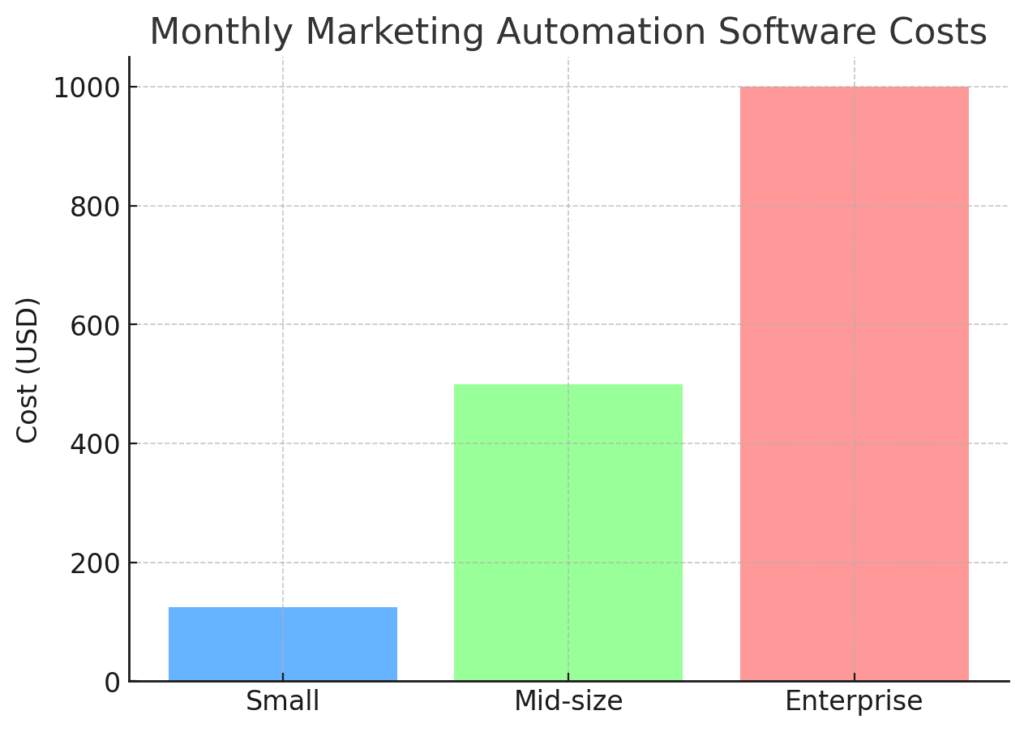
| 5 | Marketing automation software cost | $50–$200/month (small), $200–$800 (mid), $800+ (enterprise) |
| 6 | Small business digital marketing budgets | $400–$1,000/month |
| 7 | SEO campaign costs | $2,500–$5,000/month (up to $50,000+) |
| 8 | Average U.S. business marketing spend | $14,575/year (many spend under $1,000) |
| 9 | Employer equipment stipends | $1,000–$5,000 annually |
| 10 | Coverage of remote expenses | ~20% cover equipment, ~10% reimburse internet |
| 11 | Company savings from remote work | ~$11,000 saved per employee/year |
| 12 | Range of business marketing spend | $50–$6,000/month (SEO, PPC, email, social media) |
| 13 | Hidden software costs | Integration, onboarding, premium features often extra |
| 14 | Remote employees work longer | +4 hours weekly compared to office staff |
| 15 | Ad spend share of marketing budgets | 25.6% of budgets go to paid media |
| 16 | Digital vs traditional spend | 53.4% digital marketing, remainder traditional |
| 17 | Email marketing spend | 60% spend $51–$1,000/month |
| 18 | Social media marketing spend | 52% spend $100–$5,000/month |
| 19 | PPC (pay-per-click) ad costs | 45% spend $100–$10,000/month |
| 20 | SEO services spend | 68% pay $500–$7,500/month |
Top 20 Work-From-Home Marketing Equipment Costs Statistics 2025
Work-From-Home Marketing Equipment Costs Statistics #1 – Average Direct Spend Per Virtual Employee
The average direct spend per virtual employee is around $2,710 annually. This figure includes laptops, monitors, desks, chairs, and other essentials needed to set up a productive home workspace. For marketing professionals, it often extends to additional software and subscriptions. These expenses reflect how businesses are investing more in remote employees compared to traditional office setups. It highlights the shift in corporate budgets as remote work becomes more permanent.
Work-From-Home Marketing Equipment Costs Statistics #2 – Support Costs Portion
Support costs average $1,231 per year for remote workers. These expenses cover IT support, troubleshooting, repairs, and ongoing software licensing. Marketing teams depend heavily on digital tools, making reliable support essential for efficiency. Without these costs, downtime would be much higher and productivity would suffer. Companies are realizing that consistent support is just as important as the initial equipment purchase.
Work-From-Home Marketing Equipment Costs Statistics #3 – Home Office Spending Market Size
The home office spending market is projected to reach $32.3 billion in 2025 and grow to $144.2 billion by 2035. This massive growth shows that businesses and individuals continue to prioritize high-quality work-from-home setups. For marketing professionals, this may include premium microphones, webcams, and standing desks to appear professional in virtual meetings. The rapid CAGR of 14.3% emphasizes how much demand there is for these products. The expansion suggests that companies see remote marketing teams as a long-term investment.
Work-From-Home Marketing Equipment Costs Statistics #4 – Office Equipment Market Size
The office equipment market is estimated at $173.5 billion in 2025, with a steady CAGR of 2.6%. This includes essentials like printers, scanners, and accessories that remain vital for certain tasks. Even in a digital-first marketing environment, physical equipment has not disappeared. Marketing teams still use printers for client materials or review processes. This statistic highlights the blend of traditional and modern equipment costs for remote professionals.
Work-From-Home Marketing Equipment Costs Statistics #5 – Marketing Automation Software Cost
Marketing automation software costs vary widely. Small businesses typically spend $50–$200 per month, while mid-size companies pay between $200 and $800. Larger enterprises can exceed $800 or more depending on advanced features. These tools help manage campaigns, analyze performance, and maintain customer relationships. For remote teams, automation software has become a central part of day-to-day operations.
Work-From-Home Marketing Equipment Costs Statistics #6 – Small Business Digital Marketing Budgets
Small businesses usually allocate $400 to $1,000 monthly for digital marketing. These budgets cover activities like SEO, social media, and email campaigns. With limited resources, small businesses carefully balance spending on tools and outsourcing. Remote teams must stretch these funds further, making budget efficiency a priority. The statistic shows how essential marketing has become, even with tight cost controls.
Work-From-Home Marketing Equipment Costs Statistics #7 – SEO Campaign Costs
SEO campaigns can range from $2,500 to $5,000 monthly, with some going as high as $50,000+. These costs are often outsourced to agencies specializing in optimization. For work-from-home marketers, such campaigns may represent one of the largest ongoing expenses. SEO remains critical for driving traffic and leads, making it worth the significant investment. This statistic highlights how competitive the online landscape has become.
Work-From-Home Marketing Equipment Costs Statistics #8 – Average U.S. Business Marketing Spend
The average U.S. business spends about $14,575 annually on marketing. Interestingly, many small businesses spend under $1,000 per year. This wide gap reflects the diversity of strategies and priorities among businesses. Remote marketing teams often help stretch smaller budgets further through cost-effective digital campaigns. The figure demonstrates how marketing investments scale dramatically depending on company size and industry.
Work-From-Home Marketing Equipment Costs Statistics #9 – Employer Equipment Stipends
Employers often provide $1,000–$5,000 annually in stipends for remote workers. These stipends cover home office furniture, computers, and peripherals. For marketing professionals, this could also include design software or video production tools. Such allowances reflect a company’s commitment to remote productivity. They help employees create comfortable and effective work environments.
Work-From-Home Marketing Equipment Costs Statistics #10 – Coverage Of Remote Expenses
Only about 20% of companies cover work-from-home equipment costs. Even fewer, around 10%, reimburse internet bills. This means many employees shoulder the financial burden themselves. For marketers, reliable internet and tools are essential, making this lack of support challenging. The statistic shows a gap between company policies and remote work realities.
Work-From-Home Marketing Equipment Costs Statistics #11 – Company Savings From Remote Work
Companies save roughly $11,000 annually per employee through remote work. These savings come from reduced office space, utilities, and on-site services. For marketing teams, this often means funds can be redirected into technology and campaigns. It demonstrates how remote work can be both cost-effective and strategic. This balance benefits both employers and employees in the long run.
Work-From-Home Marketing Equipment Costs Statistics #12 – Range Of Business Marketing Spend
Businesses typically spend between $50 and $6,000 per month on marketing. This range depends on whether they focus on SEO, PPC, email, or social media. For remote teams, the flexibility of digital platforms allows for scalable spending. Even smaller amounts can drive results if allocated strategically. This statistic shows the wide spectrum of investment levels across industries.
Work-From-Home Marketing Equipment Costs Statistics #13 – Hidden Software Costs
Many marketing platforms include hidden costs like onboarding, integration, and premium features. These expenses can quickly inflate a budget if overlooked. Remote teams often encounter these fees when adopting new tools. Careful evaluation of contracts is necessary to avoid surprises. This statistic highlights the importance of transparent cost planning.
Work-From-Home Marketing Equipment Costs Statistics #14 – Remote Employees Work Longer
Remote employees tend to work about four extra hours per week compared to office workers. This adds hidden costs in terms of electricity, internet, and personal equipment wear. For marketers, this also means greater tool usage and potential software upgrades. Companies must factor in these extended hours when budgeting stipends and support. The statistic underscores the less obvious costs of working from home.
Work-From-Home Marketing Equipment Costs Statistics #15 – Ad Spend Share Of Marketing Budgets
Advertising accounts for about 25.6% of marketing budgets. This is often the single largest expense within digital marketing strategies. For remote teams, much of this budget goes toward paid social and search campaigns. Ads remain crucial for visibility and customer acquisition. The figure shows how dominant advertising remains in overall marketing costs.
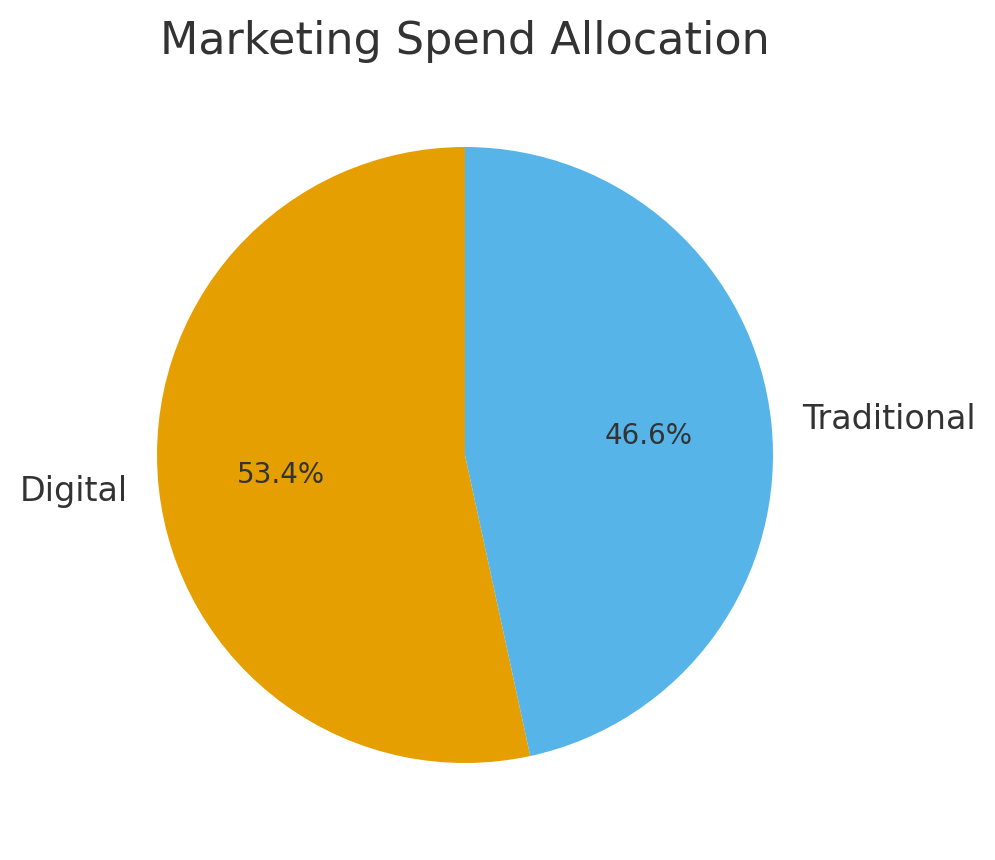
Work-From-Home Marketing Equipment Costs Statistics #16 – Digital Vs Traditional Spend
Digital marketing takes up 53.4% of budgets, surpassing traditional channels. This reflects the dominance of online platforms in reaching audiences. For remote marketing teams, digital-first strategies are more manageable and measurable. The shift highlights the reduced reliance on print, TV, or radio. The statistic underscores how digital has reshaped spending priorities.
Work-From-Home Marketing Equipment Costs Statistics #17 – Email Marketing Spend
About 60% of businesses spend between $51 and $1,000 monthly on email marketing. This includes software subscriptions, list building, and design costs. For remote marketers, email remains a high-ROI tool. It is affordable and effective, making it a favorite among smaller teams. The statistic reflects why email remains a cornerstone of digital marketing.
Work-From-Home Marketing Equipment Costs Statistics #18 – Social Media Marketing Spend
Over half of businesses (52%) spend $100–$5,000 monthly on social media marketing. These expenses include scheduling tools, content creation, and ad boosts. Remote marketers rely heavily on social platforms for engagement and brand building. Costs vary depending on how much is outsourced versus managed in-house. The statistic shows the central role of social media in modern marketing.
Work-From-Home Marketing Equipment Costs Statistics #19 – PPC (Pay-Per-Click) Ad Costs
Around 45% of businesses spend between $100 and $10,000 monthly on PPC ads. These ads provide immediate visibility and measurable results. For remote marketers, PPC is often a go-to method for generating leads quickly. However, costs can escalate rapidly without careful management. This statistic highlights both the potential and the risk of paid campaigns.
Work-From-Home Marketing Equipment Costs Statistics #20 – SEO Services Spend
Approximately 68% of businesses pay $500–$7,500 monthly for SEO services. These services improve visibility and long-term traffic growth. Remote marketers often rely on SEO to build sustainable pipelines. While expensive, the return on investment can be significant. This statistic reinforces why SEO remains a top priority for many businesses.
My Final Thoughts on Work-from-Home Marketing Equipment Costs Statistics
Looking over these work-from-home marketing equipment costs statistics really opened my eyes to how much businesses and individuals are investing in remote marketing setups. It’s not just about having a laptop—it’s about ensuring you have the right mix of software, automation tools, and reliable internet to keep everything running smoothly. Personally, I’ve found that budgeting ahead for these expenses helps me avoid unnecessary stress and makes me more confident in my daily work. And knowing that others are facing similar costs makes me feel a bit more grounded in my own journey. As I continue to refine my setup, I’m grateful for the chance to share these insights and hopefully make someone else’s path to remote success a little easier.
SOURCES
- https://www.strongdm.com/blog/remote-work-statistics
- https://globalworkplaceanalytics.com/resources/costs-benefits
- https://contra.com/p/Lgbkqo2o-remote-marketing-in-2025-industry-forecast-and-salary-trends
- https://www.business.com/articles/working-from-home-save-money/
- https://www.pixelcrayons.com/blog/digital-marketing/costs-to-market-your-business/
- https://digitaltimesavers.com/how-much-does-digital-marketing-cost-in-2025-full-guide/
- https://www.roberthalf.com/us/en/insights/research/remote-work-statistics-and-trends
- https://seoprofy.com/blog/digital-marketing-statistics/
- https://awisee.com/blog/marketing-budget-trends/
- https://www.hubspot.com/marketing-statistics
- https://flowlu.com/blog/productivity/remote-work-statistics/
- https://www.apollotechnical.com/statistics-on-remote-workers/
- https://theloopmarketing.com/digital-marketing-statistics/
- https://www.forbes.com/advisor/business/remote-work-statistics/
- https://www.invoca.com/blog/home-services-marketing-stats
- https://www.strongdm.com/blog/remote-work-statistics
- https://www.business.com/articles/working-from-home-save-money/
- https://globalworkplaceanalytics.com/resources/costs-benefits